Film review

The Sixth Sense

1999 · Directed by M. Night Shyamalan · 1h 47m · MPA PG-13

In a sentenceA ghost story with the unusual courtesy to let its actors finish speaking

MysteryThrillerDrama

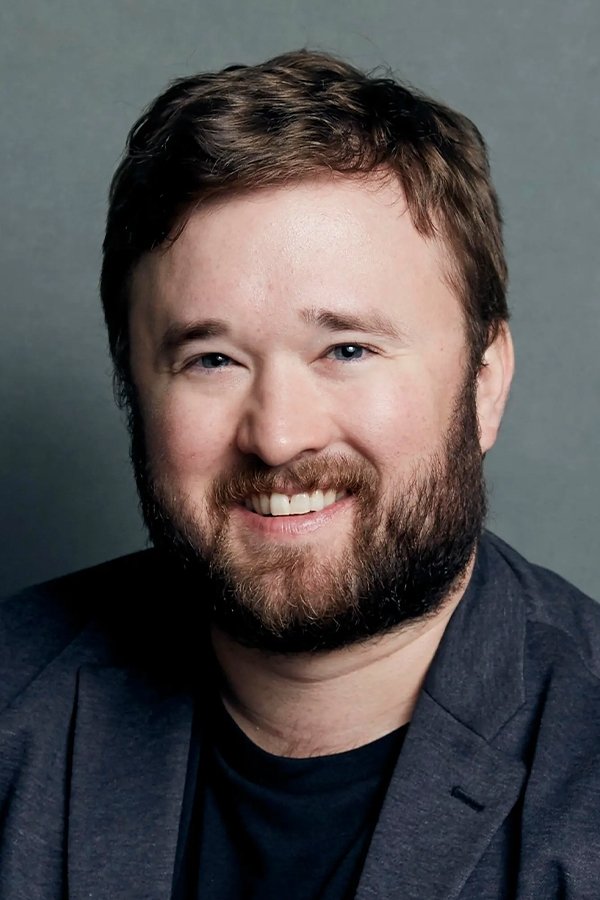
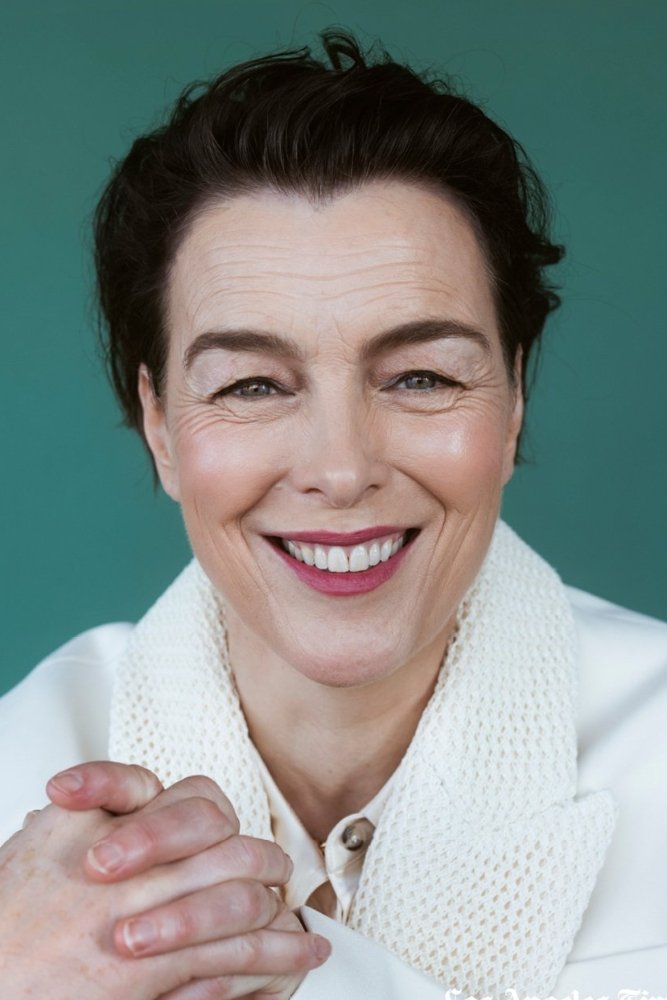
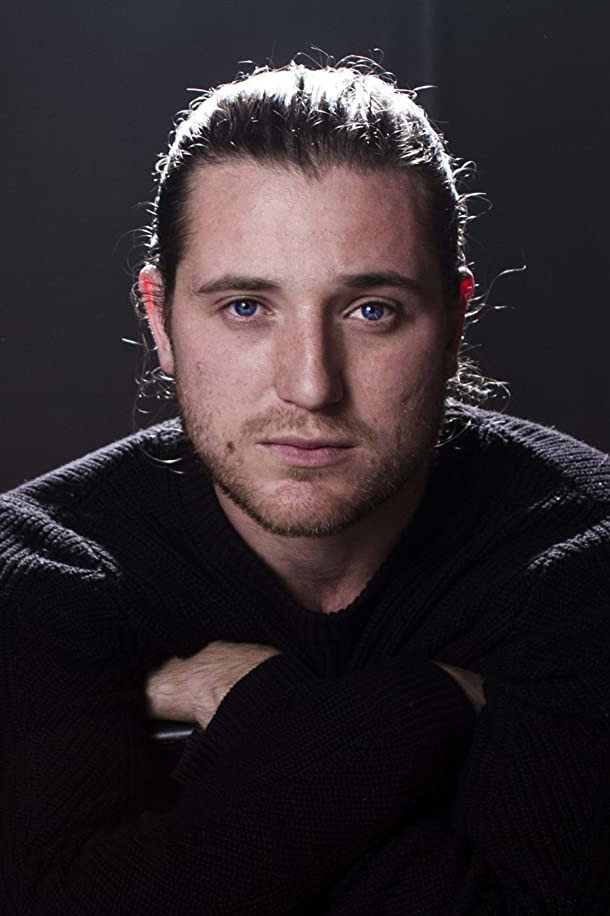
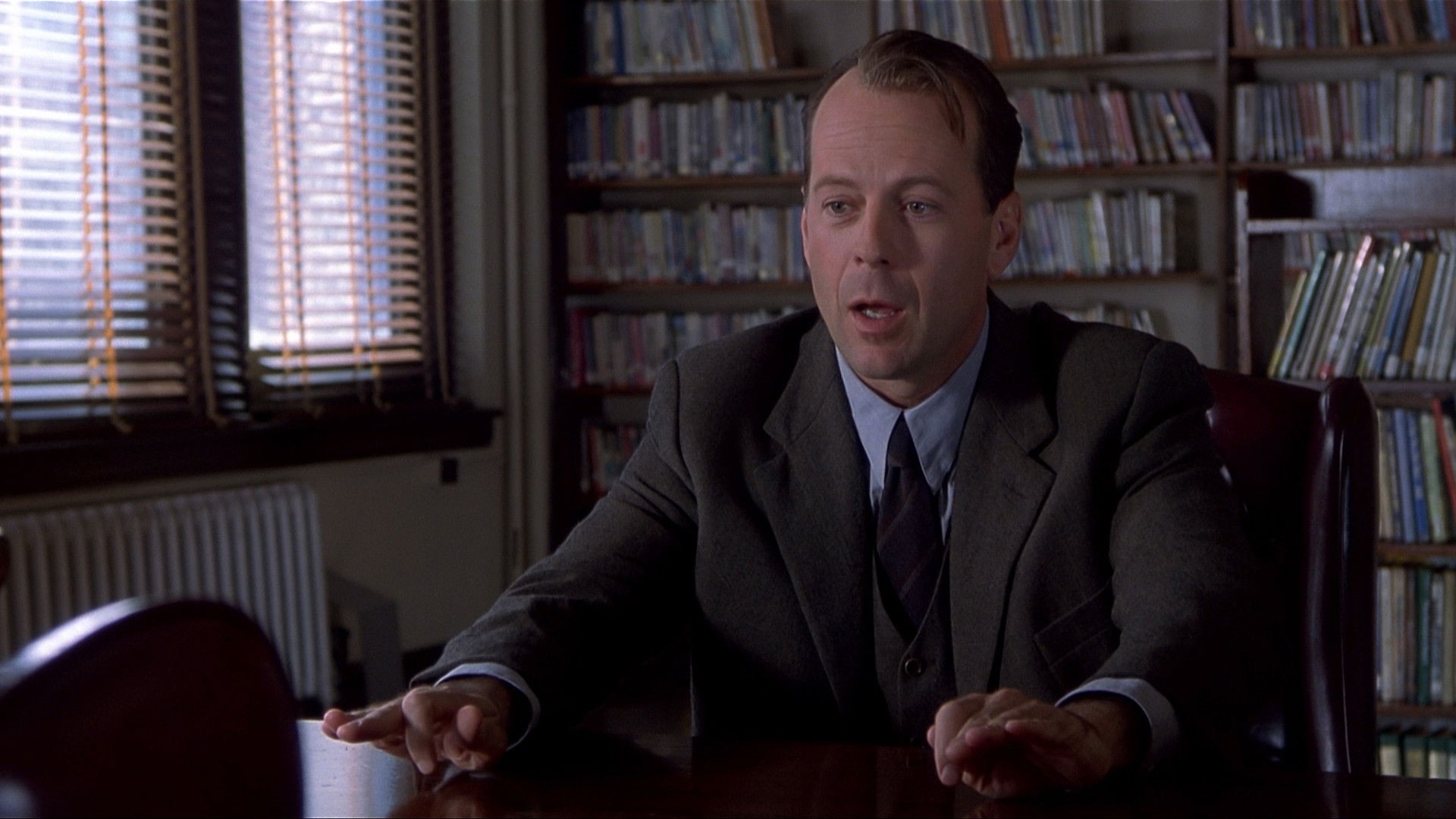
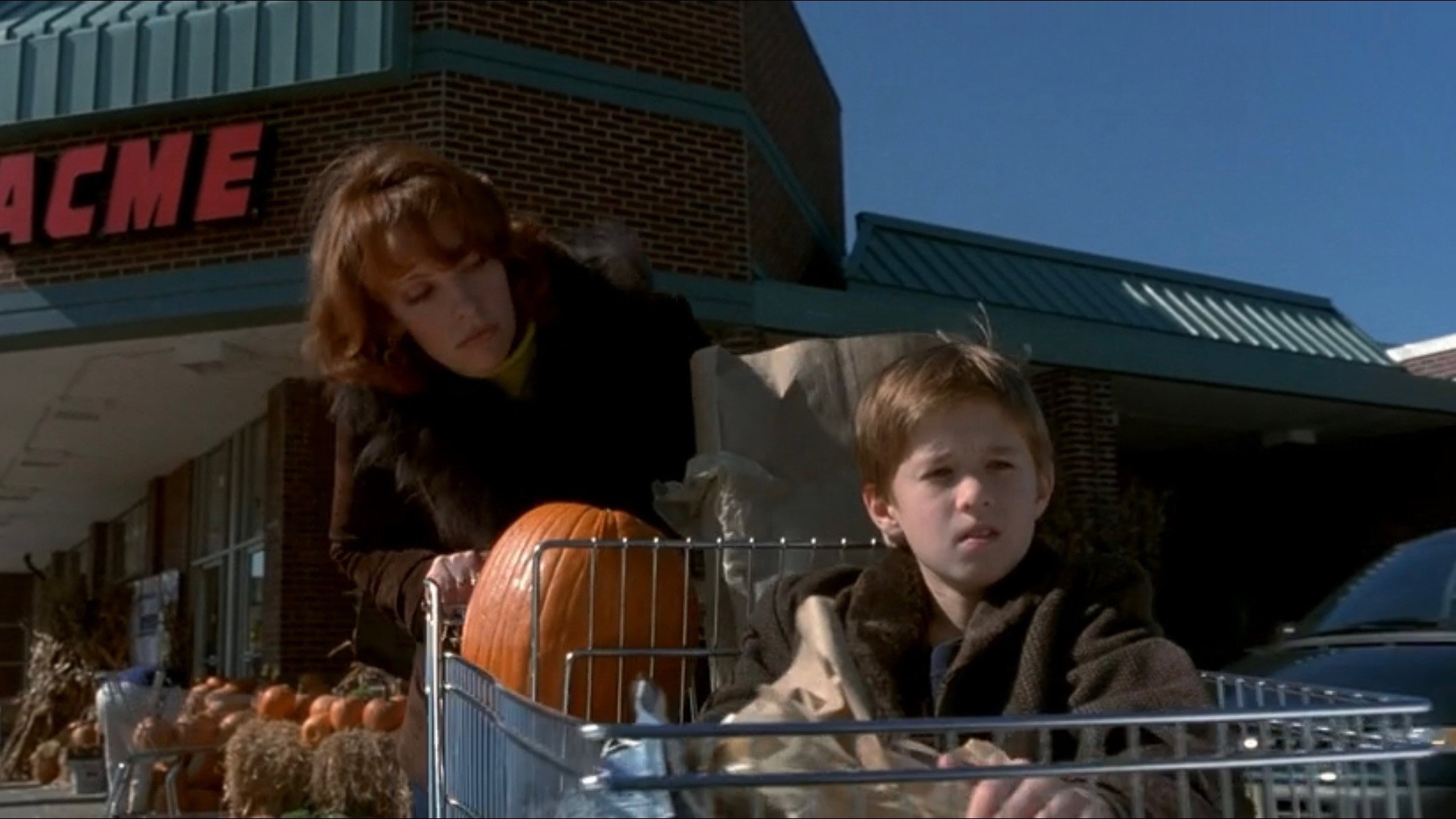
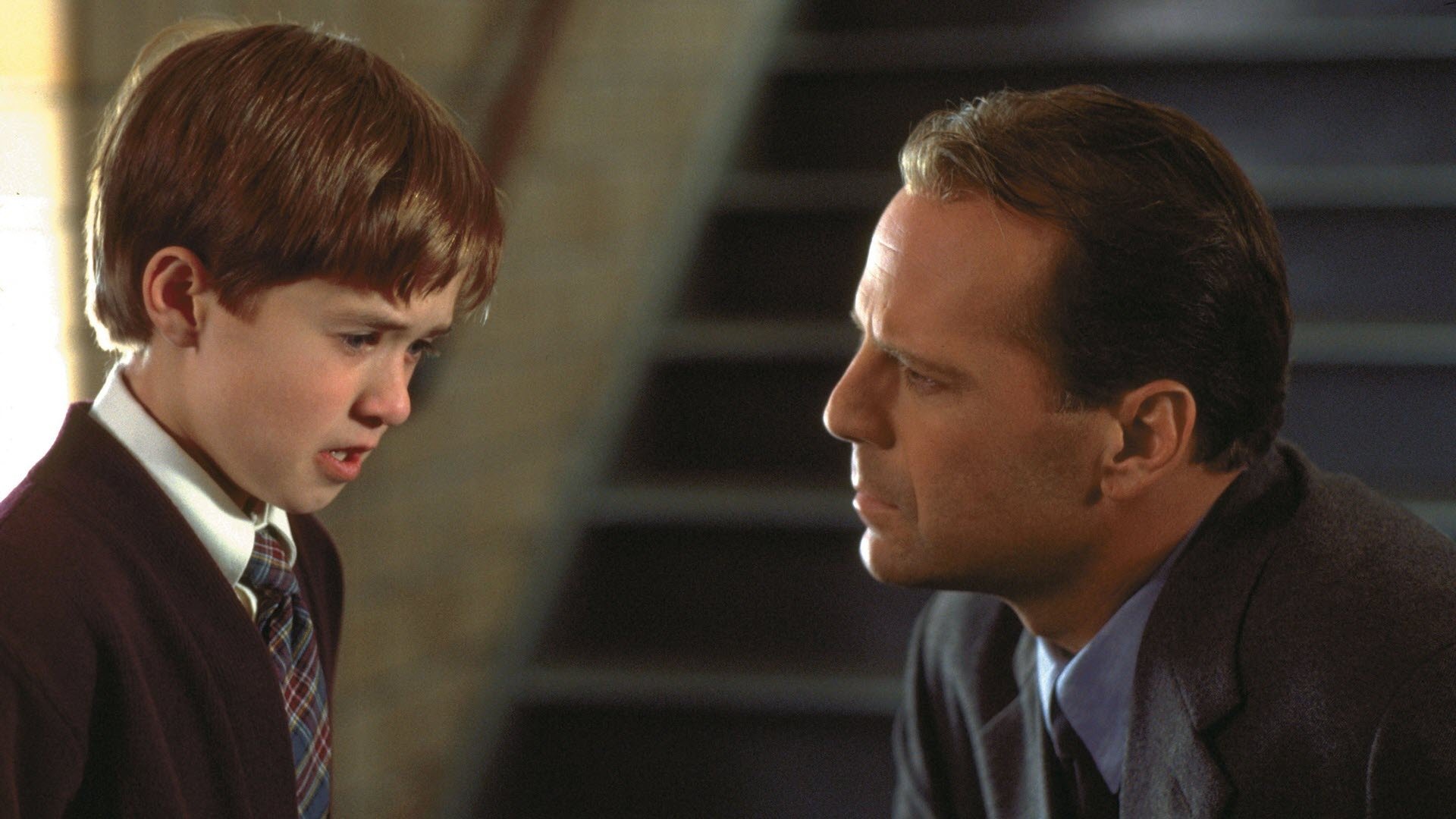
Malcolm Crowe (Bruce Willis) and Cole Sear (Haley Joel Osment) are at the centre of a ghost story about a psychologist and a troubled boy. Their conversations draw the story towards questions of fear, trust and what it means to take another person’s distress seriously. Around them are Lynn Sear (Toni Collette), Anna Crowe (Olivia Williams) and Vincent (Donnie Wahlberg). Written and directed by M. Night Shyamalan, the film follows its central pair through a supernatural mystery, keeping its attention on the human consequences of encounters with the unexplained.

Fi1m review

We recommend Shyamalan’s patient ghost story for Willis and Osment, whose conversations are its most affecting scenes. The music sometimes insists on feelings the actors have already made clear.

We recommend The Sixth Sense for the care it takes with its frightened people, with a caveat about the music’s determination to make us feel for them. M. Night Shyamalan builds his ghost story around the relationship between Malcolm Crowe and Cole Sear. The deliberate pace will test anyone waiting for a regular supply of shocks. Those prepared to settle into the conversations get a film that takes the business of listening unusually seriously.

Bruce Willis makes Malcolm’s attentiveness interesting, which is a harder task than simply making him sympathetic. His restraint gives Haley Joel Osment room to play Cole without turning every exchange into a demonstration of adult wisdom. Osment carries much of the fear, and the performance remains persuasive when the film asks for open emotion. We were moved by their conversations because Willis gives the boy’s distress time and attention, allowing us to hear it without immediately being told how to feel.

Tak Fujimoto’s cinematography keeps the actors central to the unease; the photography does not need to announce that something dreadful might happen. In the dialogue scenes, simply looking at these two people is absorbing enough. Larry Fulton’s production design helps the drama feel lived in, giving the supernatural material surroundings we can accept without stopping to admire them. That is valuable work in a film where too much visual fuss would make the distress harder to believe.

Editor Andrew Mondshein allows those conversations to settle, and the deliberate pace is mostly justified by the performances. We have time to consider a response instead of being hurried towards the next piece of information. James Newton Howard’s score is less patient with us, occasionally making the emotional instruction too clear. The music is the chief reservation: when it pushes for tenderness, it makes a carefully acted scene feel more managed than it needs to.

Shyamalan is not entirely free of more ordinary horror habits, either. A few scares feel second-hand, and they are the moments when the film briefly loses the confidence that makes its quieter stretches so effective. The writing can also make Malcolm’s sympathy seem a little too convenient, as though a useful listener needs no rough edges. None of this ruins the scenes between the two leads, but there are passages where the script’s kindness seems too carefully arranged.

Within a supernatural thriller, Shyamalan’s willingness to let a conversation carry so much of the film is welcome. Its solemnity occasionally becomes tiring, though taking the characters seriously is what allows the quieter scenes to hold our attention. The 107-minute running time leaves room for those exchanges, and the film needs an evening when an unhurried conversation sounds like a pleasure. Choose it when the house is quiet and nobody is expecting the ghosts to do all the work.

Critical consensus AI synthesised

5 of 6
Positive
4
Mixed
0
Negative
1
RogerEbert.com
6 August 1999 · ★★★★/4 · Roger Ebert
100

The film is a calm, sneaky ghost story with a twist ending that recontextualizes everything intriguingly. Ebert singles out the strong performances by Bruce Willis and especially Haley Joel Osment for praise in their dialogue scenes.

Read the full review →
Empire
1 January 2000 · Ian Nathan
90*

The film delivers an emotionally complex ghost story in the guise of a horror movie, with nothing turning out as expected. Shyamalan's direction is a model of restraint, using subtlety, sound, and Osment's performance to create disquiet and emotional depth.

Read the full review →
The New Yorker
16 August 1999 · David Denby
80*

The film is a sombre, emotionally sustained humanist horror story that succeeds when it aims for emotion, with a genuine thrill from its puzzle-like twist. Denby praises its solemn gravity and the young director's talent despite occasional hackneyed scares.

Read the full review →
The New York Times
6 August 1999 · Stephen Holden
30*

The review dismisses the film as gaggingly mawkish supernatural kitsch with a treacly soundtrack and sentimental payoff. It criticizes the overly empathetic psychologist character and the story's emotional manipulation.

Read the full review →
Sight and Sound
1 November 1999 · Philip Strick

The film fascinates by explaining almost nothing, building from disquieting details and detours to a final reversal that questions everything. Its main appeal lies in the assured direction that fuses minimalism and overstatement, with strong performances from the cast including Haley Joel Osment and Bruce Willis.

Read the full review →
The Hollywood Reporter
2 August 1999 · Michael Rechtshaffen

The film is a psychological thriller that effectively builds unease through mood and old-fashioned storytelling rather than overt scares or effects. The critic singles out young Haley Joel Osment's soulful performance for praise while noting the deliberate pace may limit its appeal to some audiences.

Read the full review →

Cast

Stills

Awards

Academy Awards, 2000

Nominated
Best Director
Nominated
Best Film Editing
Nominated
Best Picture
Nominated
Best Supporting Actor
Nominated
Best Supporting Actress

If you liked this, try…

The Innocents poster

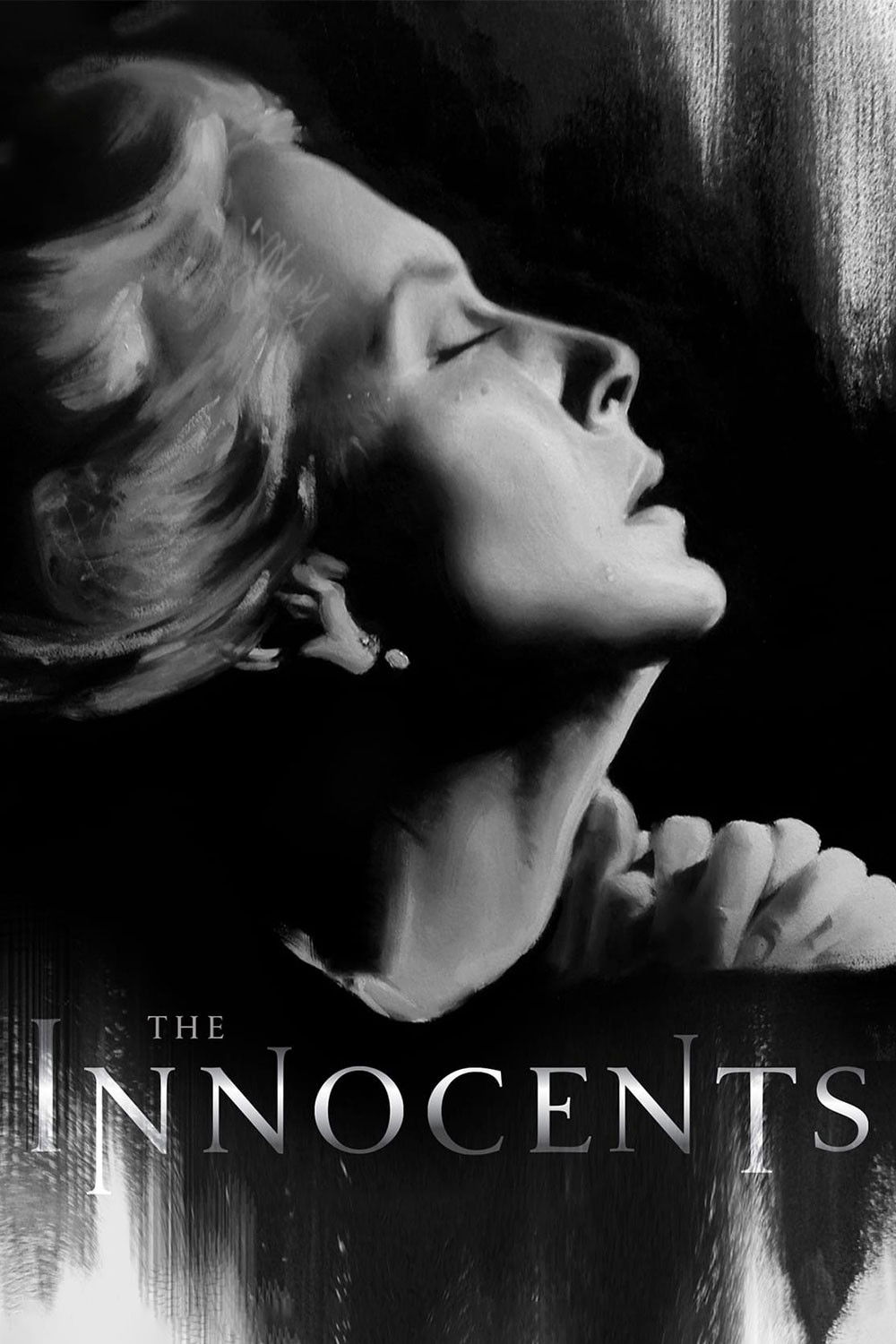
The Innocents

1961 · For another patient haunting that makes a child’s distress difficult to dismiss.

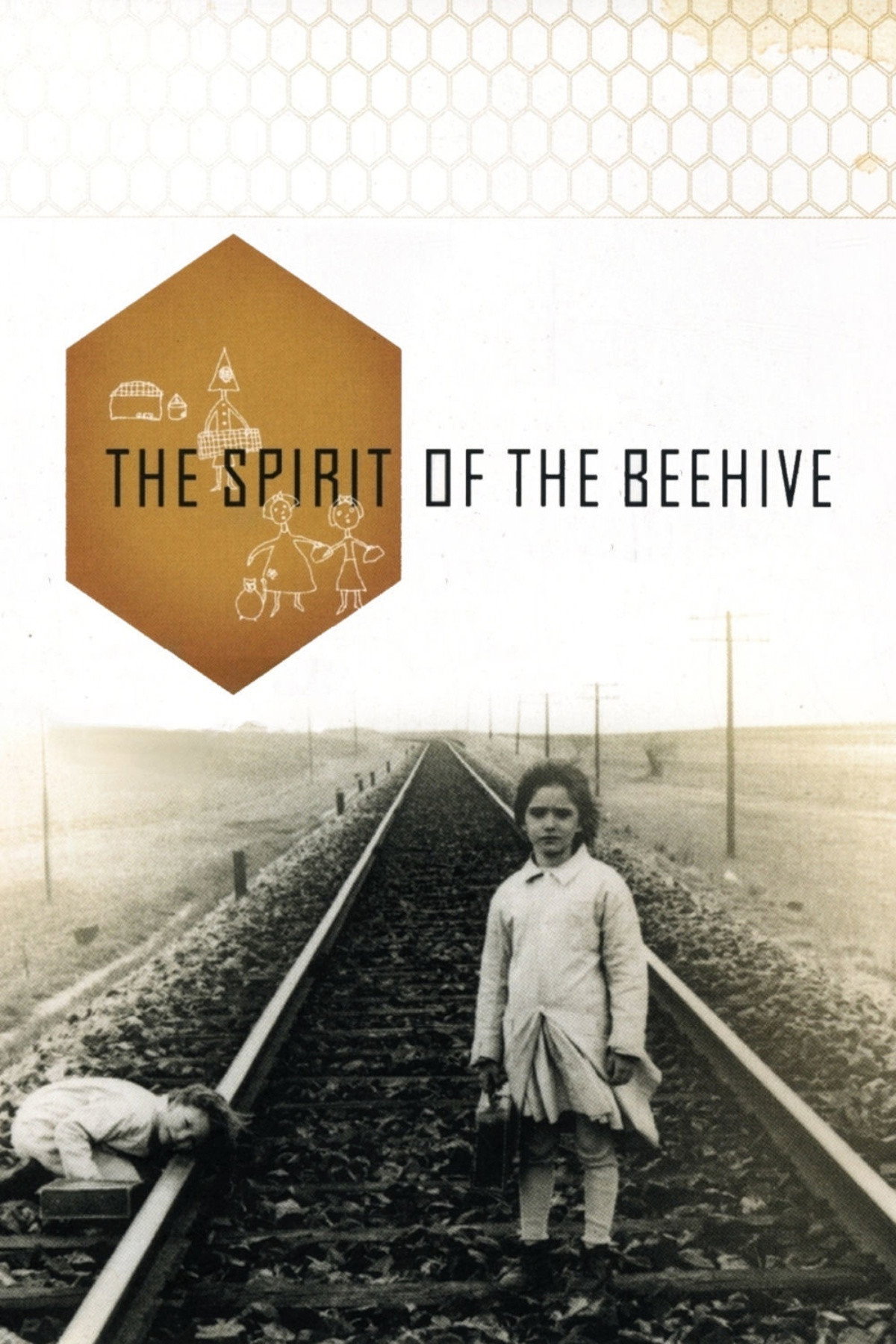
The Spirit of the Beehive poster

The Spirit of the Beehive

1973 · For the child’s perspective, the quiet unease and the patience with loneliness.

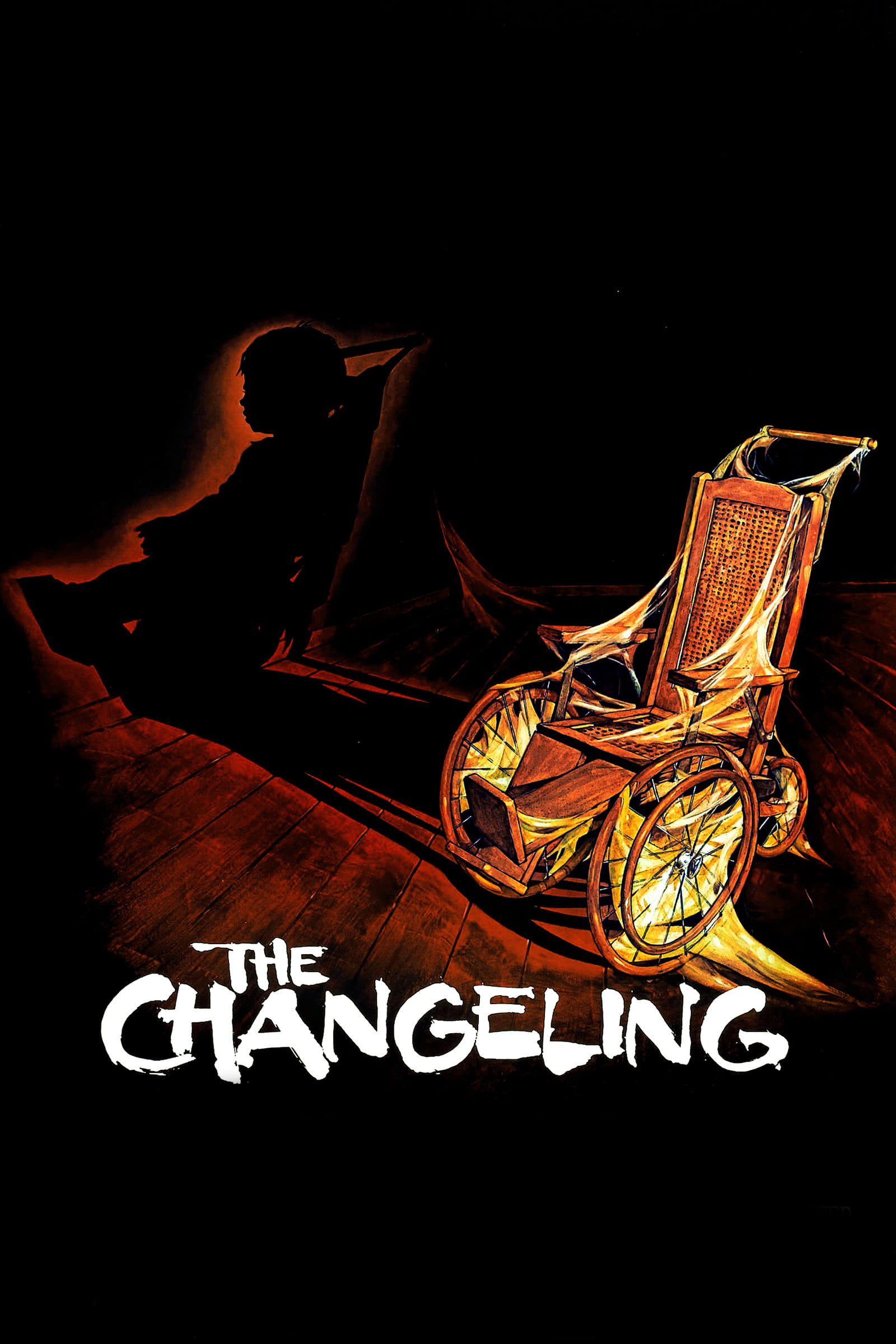
The Changeling poster

The Changeling

1980 · George C. Scott gives grief its due in another unhurried, unsettling ghost story.

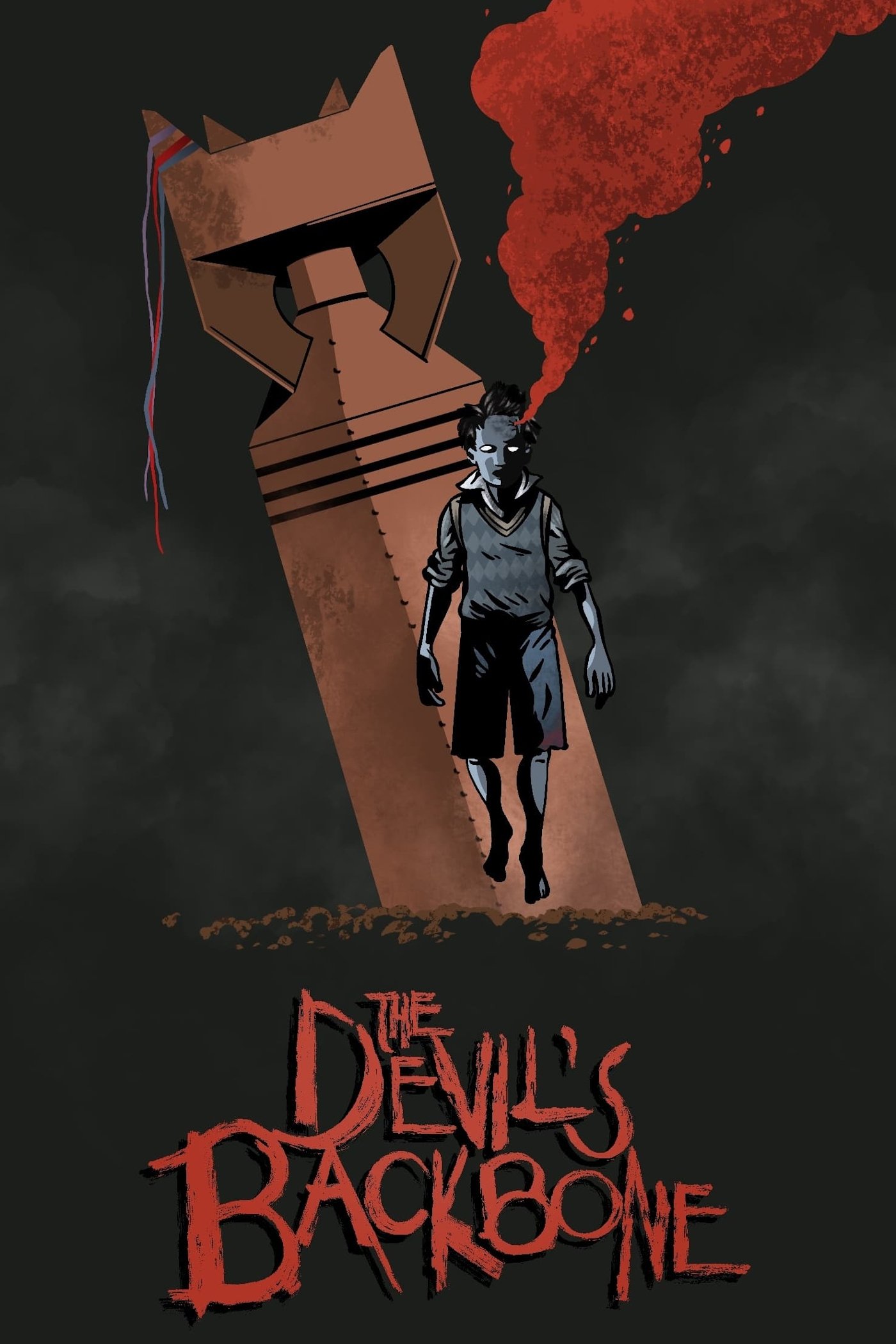
The Devil's Backbone poster

The Devil's Backbone

2001 · A ghost story that takes frightened children and adult failures equally seriously.

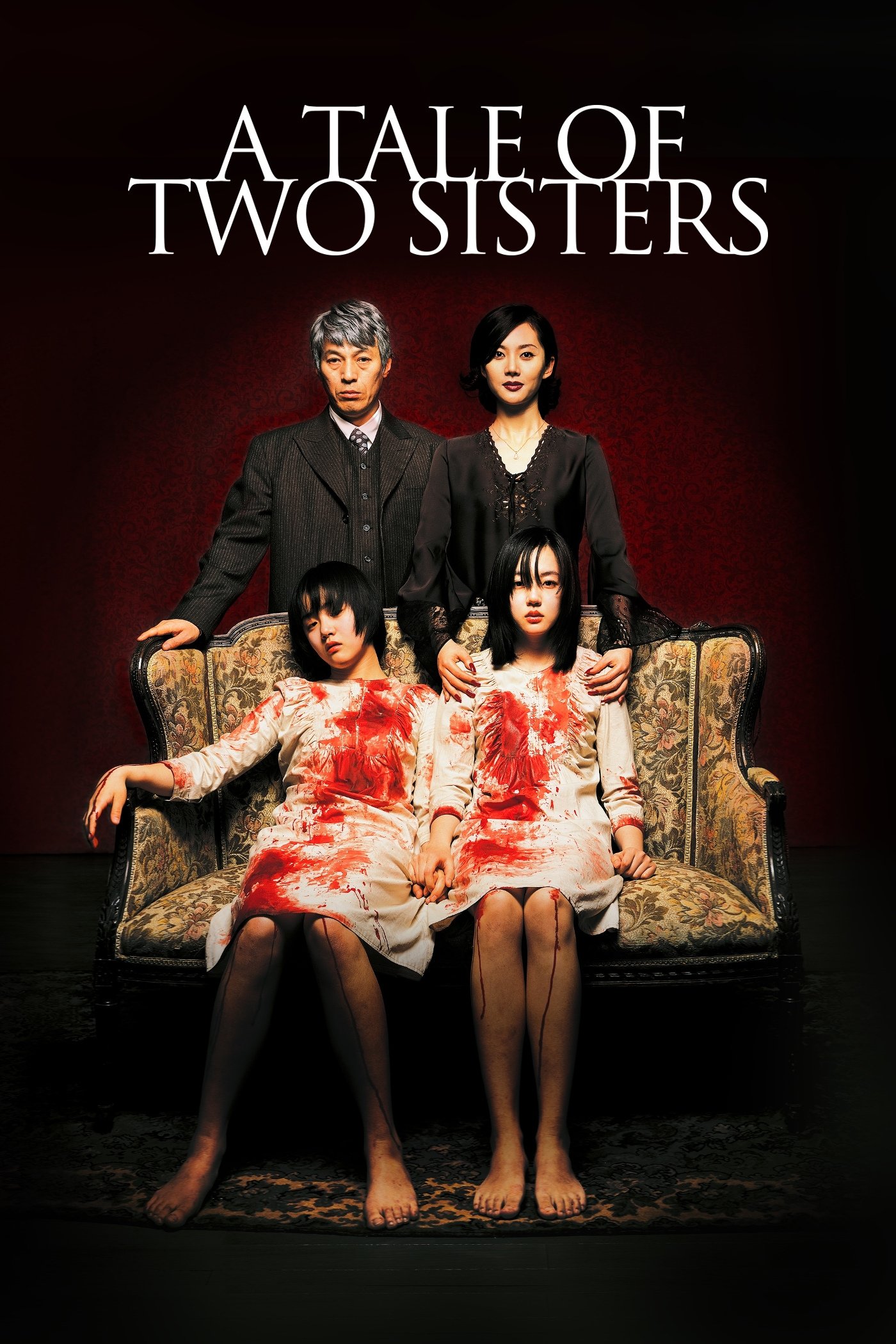
A Tale of Two Sisters poster

A Tale of Two Sisters

2003 · Family distress makes the domestic spaces feel unsafe before the scares arrive.