Film review

The Dead Zone

1983 · Directed by David Cronenberg · 1h 43m · MPA R

In a sentenceChristopher Walken makes a persuasive case for knowing as little as possible about tomorrow

ThrillerHorrorScience Fiction

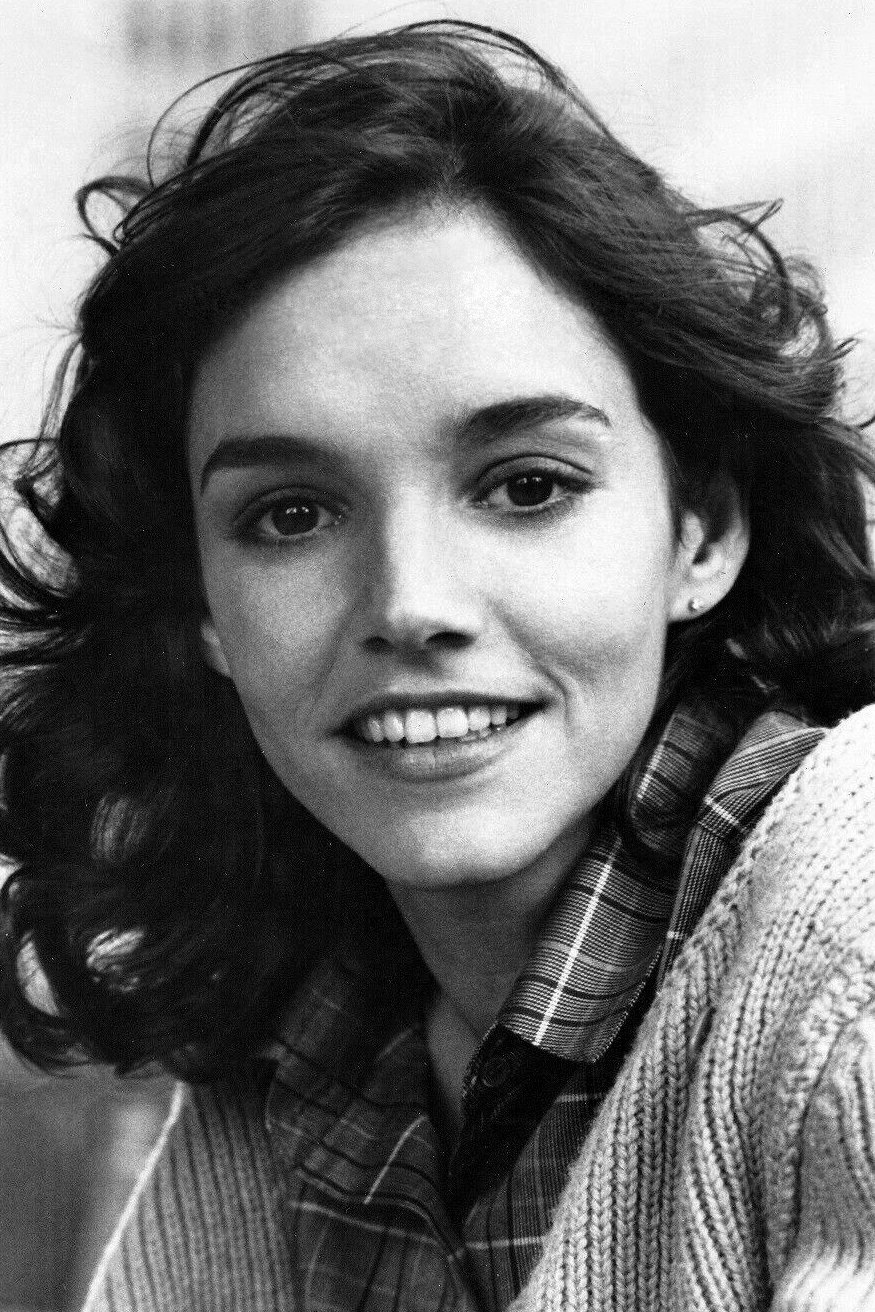
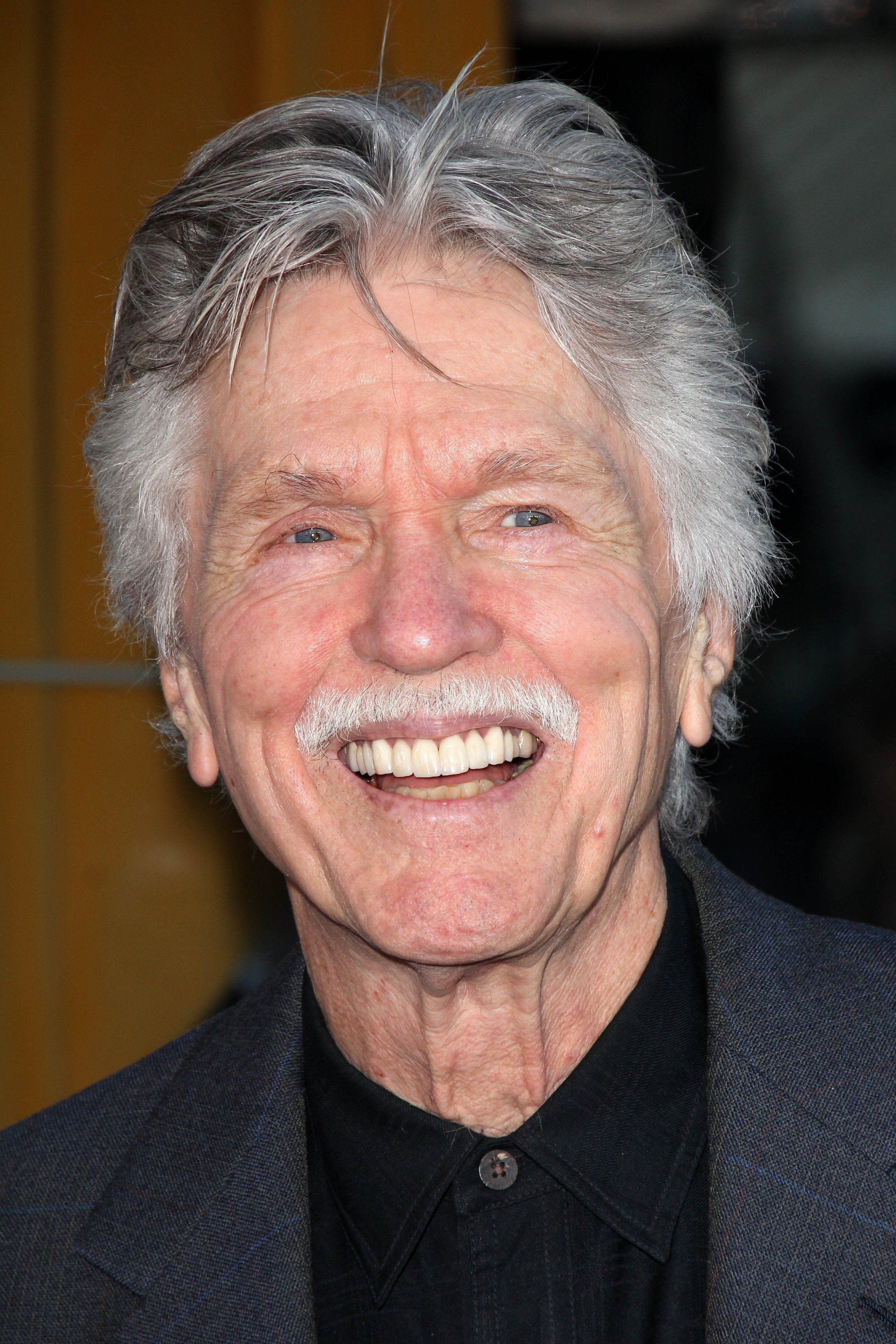
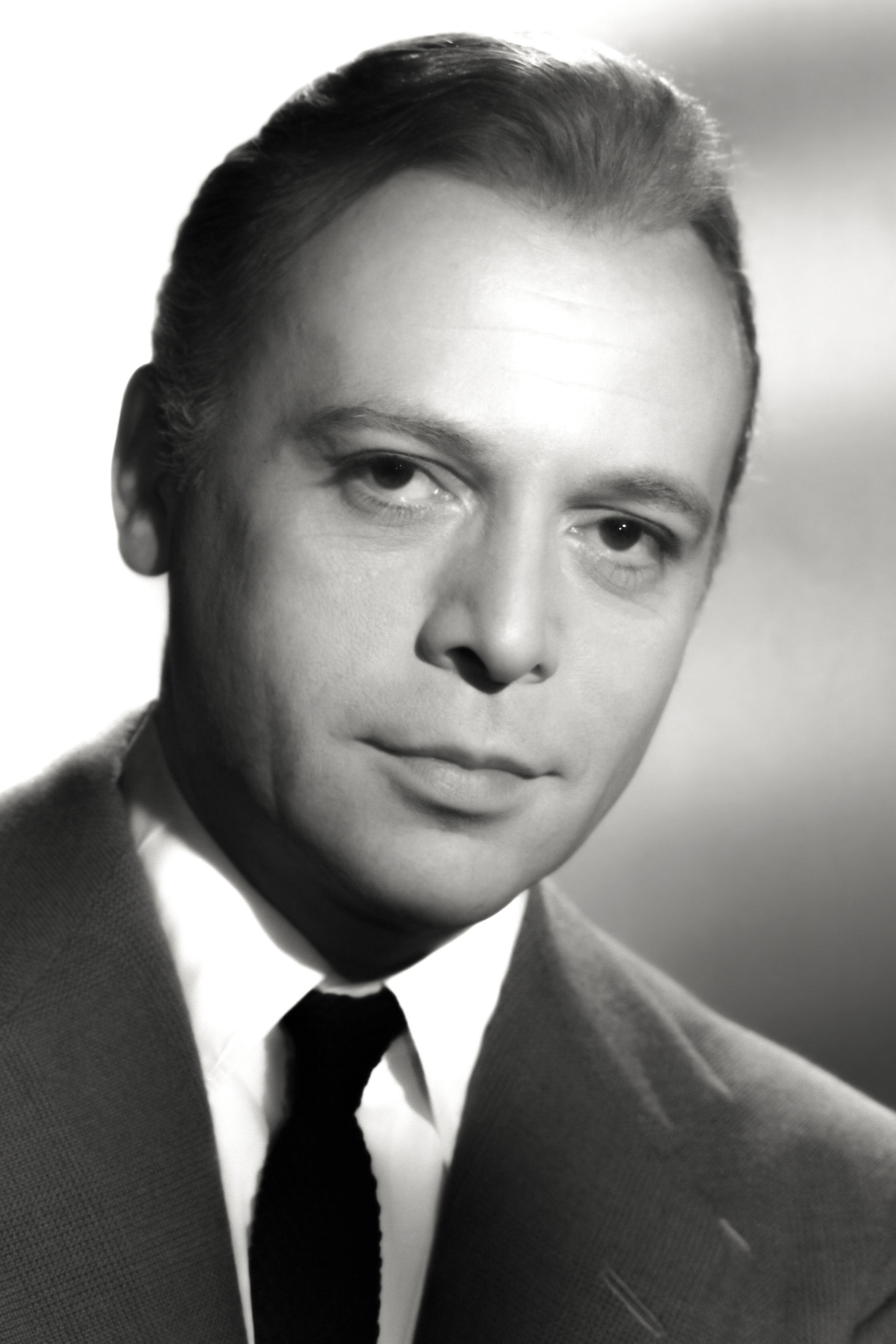
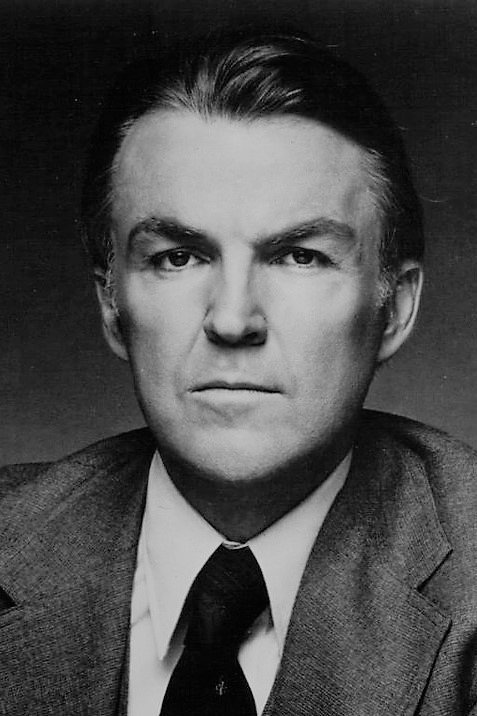
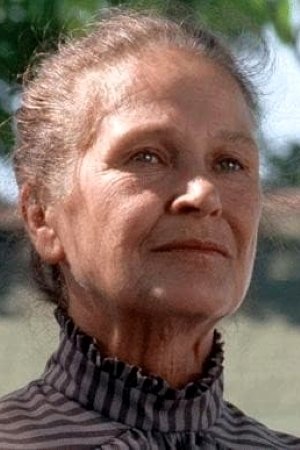
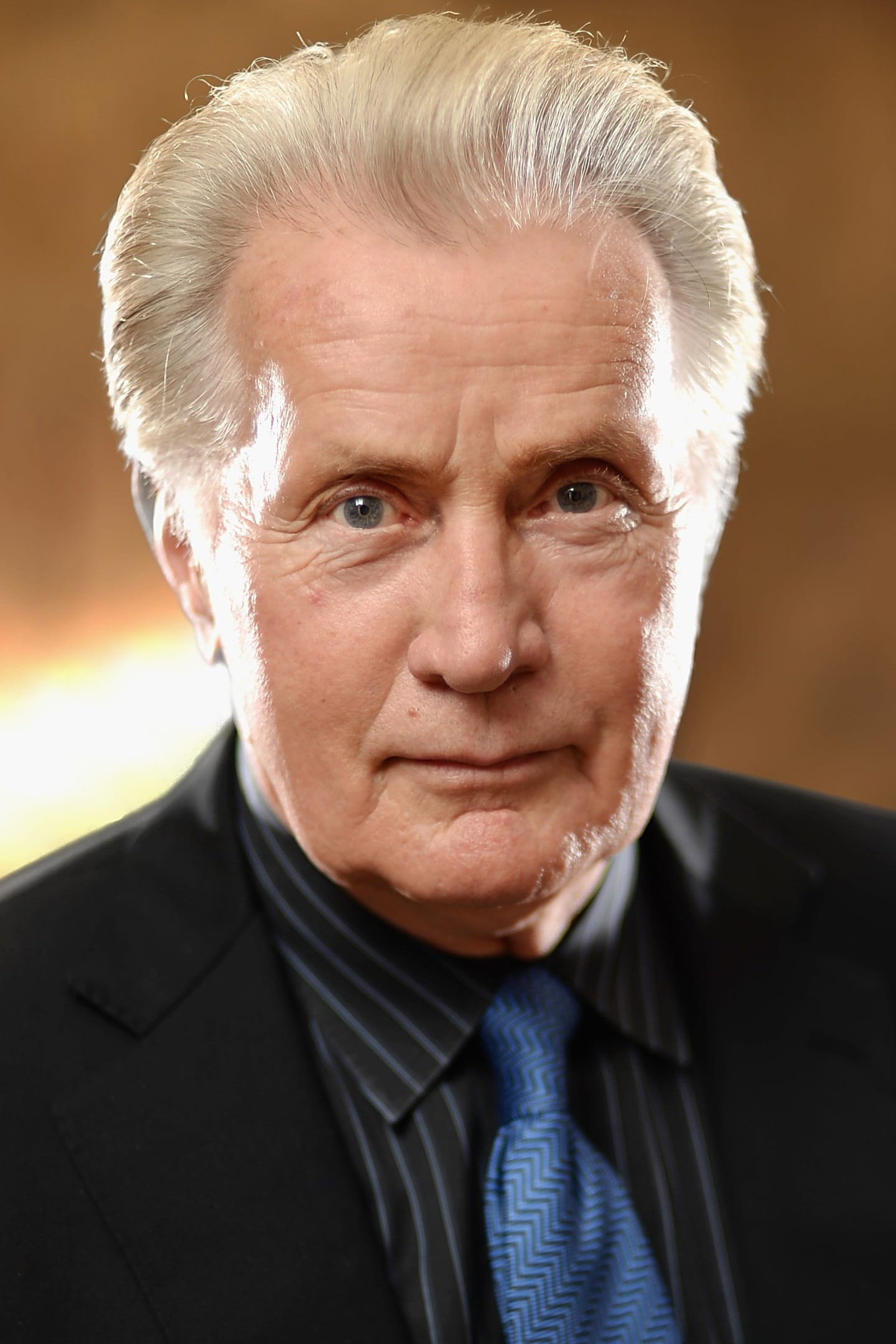
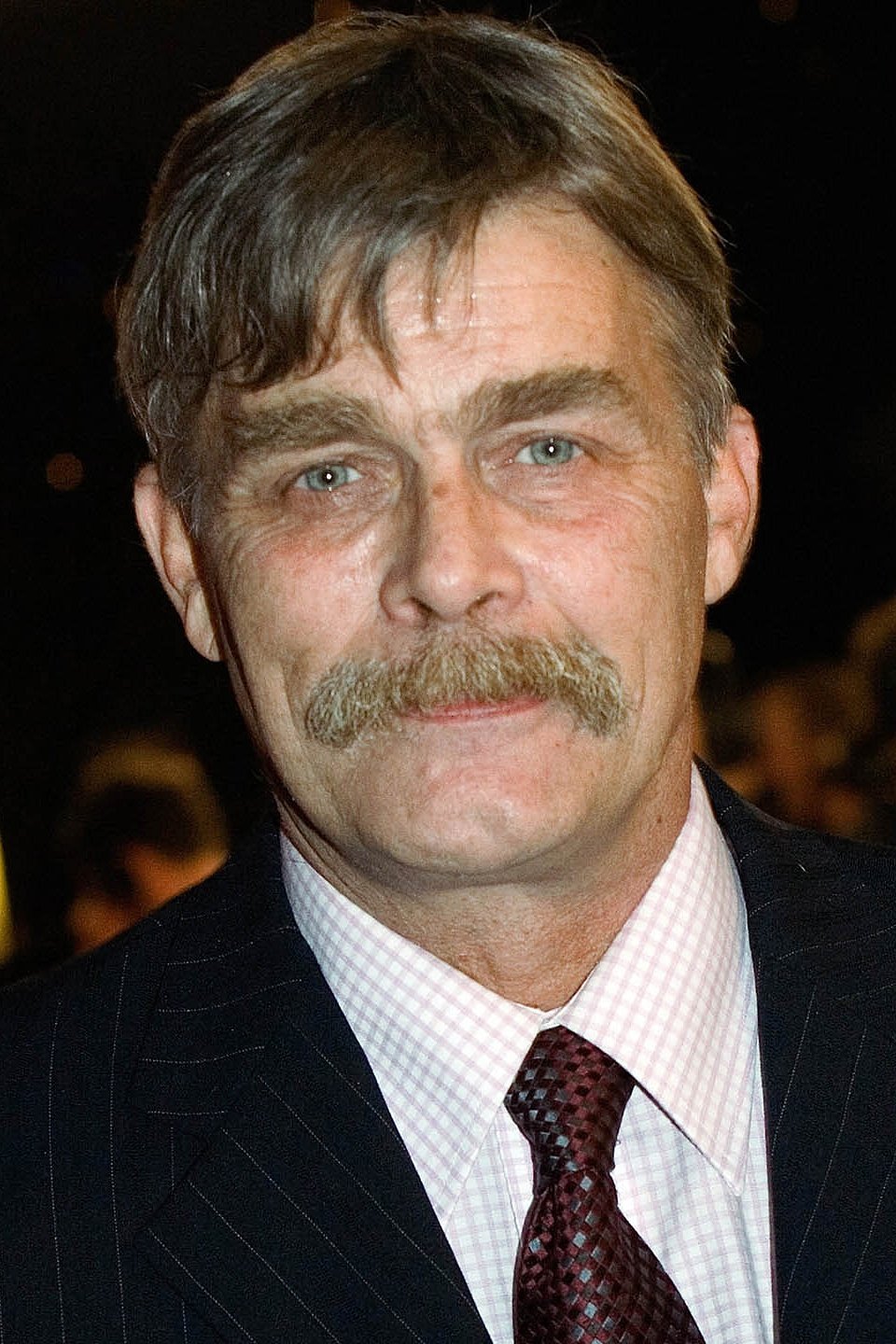
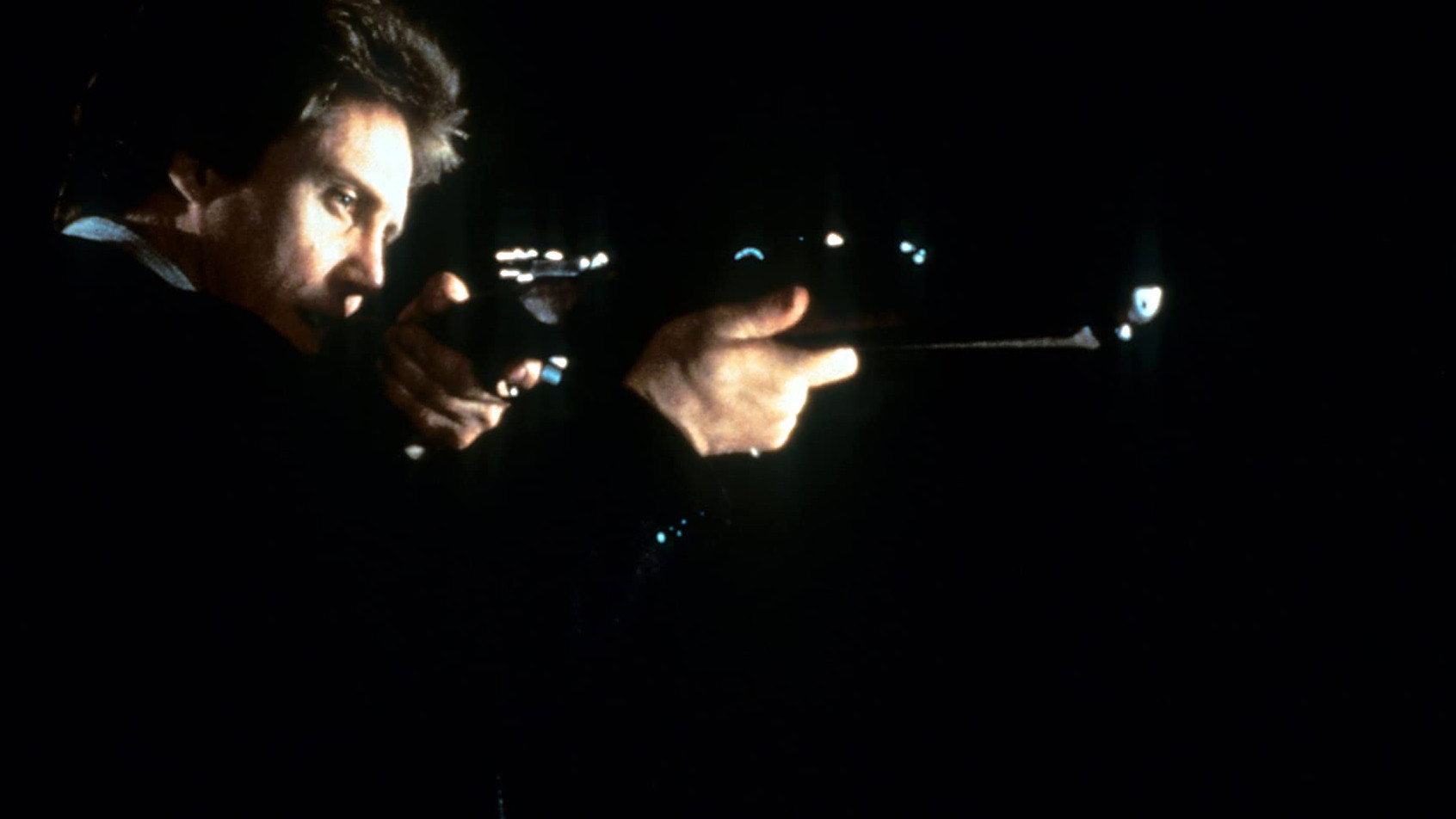
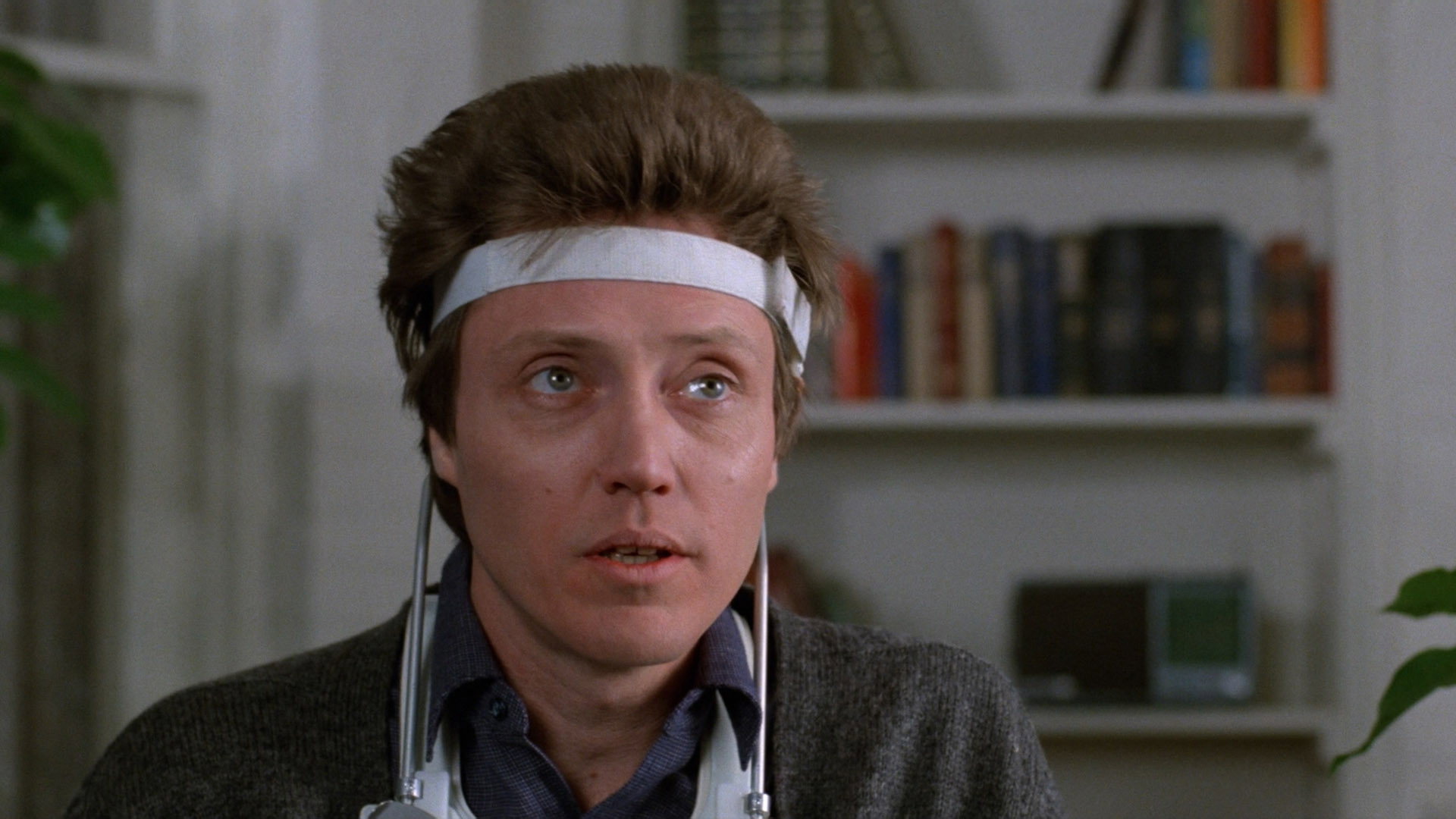
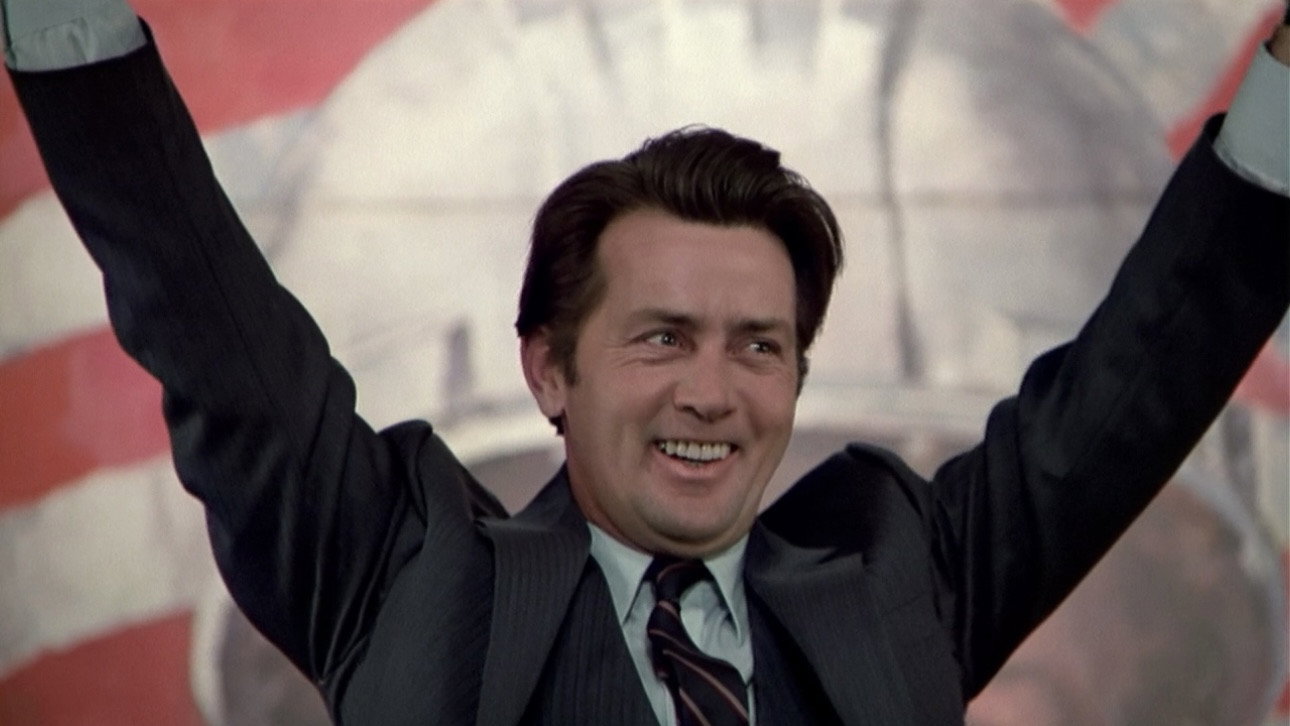
Johnny Smith (Christopher Walken) is a teacher with second sight. He can see the future and has the power to change it, but that knowledge does not give him control over his own life. His former love, Sarah Bracknell (Brooke Adams), belongs to a life he cannot simply recover. Johnny must contend with what his ability means for himself and for others. David Cronenberg directs this adaptation of Stephen King’s novel, with Tom Skerritt as Sheriff Bannerman, Herbert Lom as Dr Sam Weizak and Martin Sheen as Greg Stillson.

Plays from YouTube when you press play; nothing loads from them until then.

Fi1m review

Christopher Walken gives David Cronenberg’s psychic thriller a sadness that makes its dangers matter. The storytelling is sometimes disjointed, but the performances and restrained handling of the supernatural make this an easy film to recommend.

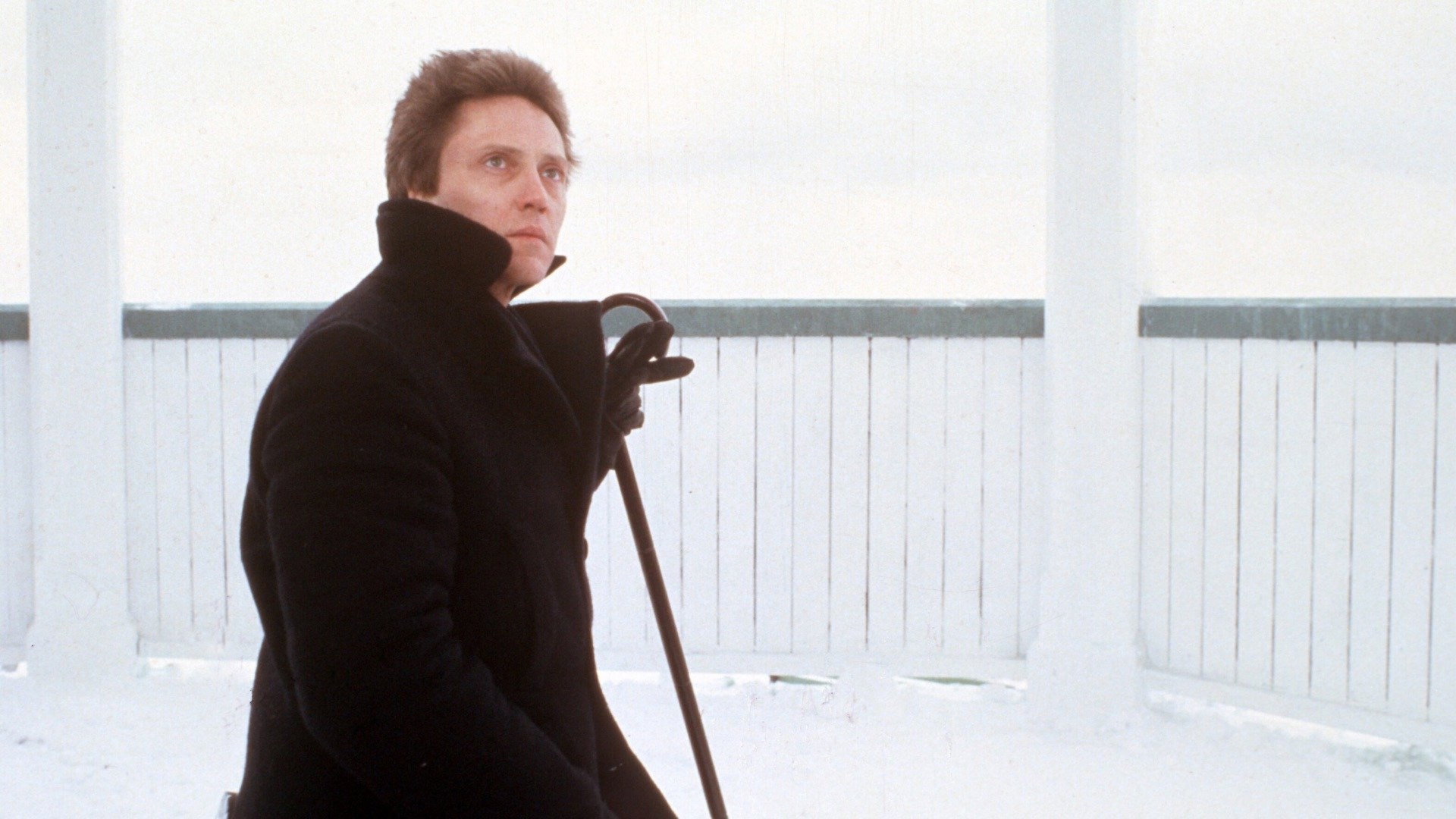
The Dead Zone is a fine, unusually sad psychic thriller, held together by Christopher Walken when its separate stories do not quite connect. David Cronenberg directs Stephen King’s material with a welcome lack of eagerness to impress us with the supernatural. Johnny Smith is a teacher who can see the future and potentially change it, yet cannot put his own life right. That last difficulty matters most, and the film is at its strongest when it stays with the man who has to live with this knowledge.

Walken gives Johnny’s isolation an awkwardness that makes him credible. There is nothing comfortable about watching someone who knows more than he wants to, and Walken avoids making that discomfort merely strange or forbidding. We were moved by Johnny’s inability to repair his own life while possessing the power to change the future. Walken’s restraint lets the hurt register without turning Johnny into someone who exists only to be pitied.

Brooke Adams, as Johnny’s former love Sarah Bracknell, is essential to that effect. She gives the life he cannot recover enough substance for its loss to matter, and her underplaying suits Walken’s. Their relationship makes the psychic premise harder to enjoy as a simple fantasy of being the person with all the answers. Cronenberg is willing to spend time on Johnny’s disappointment, and those passages are among the film’s most involving.

Mark Irwin’s cinematography makes Johnny seem cut off from other people, while still letting us read Walken’s unhappiness. Carol Spier’s production design is restrained enough to keep our attention on the performances; the surroundings do not have to announce that something strange is happening. Michael Kamen’s music supports the sadness without treating every moment as a warning that we should be frightened. The film benefits from being allowed to stay quiet.

The difficulty is Jeffrey Boam’s screenplay. Its episodic construction means that our interest has to be renewed as the film moves between story strands, and some of the joins remain visible. Ronald Sanders’s editing keeps the individual stretches clear, but the rhythm of the whole is less secure; at 103 minutes, it can still feel as though it has stopped and started too often. The interruptions cost the suspense some of its force. We wanted more continuity in Johnny’s experience, because Walken has made that experience worth following.

The usual attraction of a psychic thriller is the advantage of knowing what nobody else knows. Cronenberg makes that prospect distinctly unappealing, and the film is better for it. He takes the fear seriously without treating Johnny’s unhappiness as a pause between more important events. Choose it for Walken, and be prepared to forgive the awkward joins.
Critical consensus AI synthesised

79
Positive
5
Mixed
1
Negative
0

Most critics respond warmly to The Dead Zone, with praise centred on Christopher Walken’s performance and Cronenberg’s restrained handling of the supernatural premise. Walken’s isolation and vulnerability give the psychic story a believable human centre, while the direction keeps sensational material from overwhelming the character’s predicament. The reviews repeatedly stress the film’s emotional restraint, atmosphere and concern with loneliness. Several regard it as a particularly successful Stephen King adaptation because it gives the characters as much attention as the terror.

The differences concern structure and emotional temperature rather than any broad rejection of the film. The AV Club finds an icy detachment that strengthens the unease, while Slant Magazine emphasises the warmth beneath the isolation. Time Out offers the clearest reservation: the individual plot strands do not fully cohere, despite the craftsmanship and Walken’s arresting presence. The consensus is firmly positive, with that concern about episodic storytelling the main qualification.

RogerEbert.com
26 October 1983 · Roger Ebert
85*

The film makes viewers forget its supernatural elements by focusing on sympathetic, believable characters and the pathos of the protagonist's situation. Cronenberg and Walken create three-dimensional characters in a happy collaboration that stands out among Stephen King adaptations.

Read the full review →
The AV Club
29 September 2014 · Nick Schager
85*

The film is a rare Stephen King adaptation that effectively captures inexplicable terror and stands as one of Cronenberg’s most straightforward early works. It benefits from Walken’s alienated performance and an icy directorial detachment that heightens its haunting quality and themes of mortality.

Read the full review →
Slant Magazine
23 October 2006 · Eric Henderson
80*

Cronenberg’s adaptation is one of his most emotionally warm films while maintaining a sense of isolation and loneliness. The director prunes sensational elements from the source to focus on the protagonist’s tragic inability to alter his own life.

Read the full review →
Empire
28 April 2006 · Kim Newman
75*

The film is a step towards the mainstream for Cronenberg but still delivers powerful material from the Stephen King source. It is praised for its underplayed emotion and strong performances, especially Christopher Walken's signature role as the alienated psychic and Brooke Adams as his former love.

Read the full review →
Time Out
10 September 2012 · TCh
65*

Cronenberg's adaptation is well crafted and atmospheric with an arresting central performance from Walken, but the episodic plot strands do not fully mesh. It succeeds overall yet feels like a film in search of a TV series.

Read the full review →
Variety
31 December 1982 · ** · Variety Staff

Cronenberg turns the material into an accomplished psychological thriller with Christopher Walken's convincing performance as the teacher with second sight. The film packs a lot into its runtime with effective handling of the psychic premise and supporting cast.

Read the full review →

Cast

Stills

If you liked this, try…

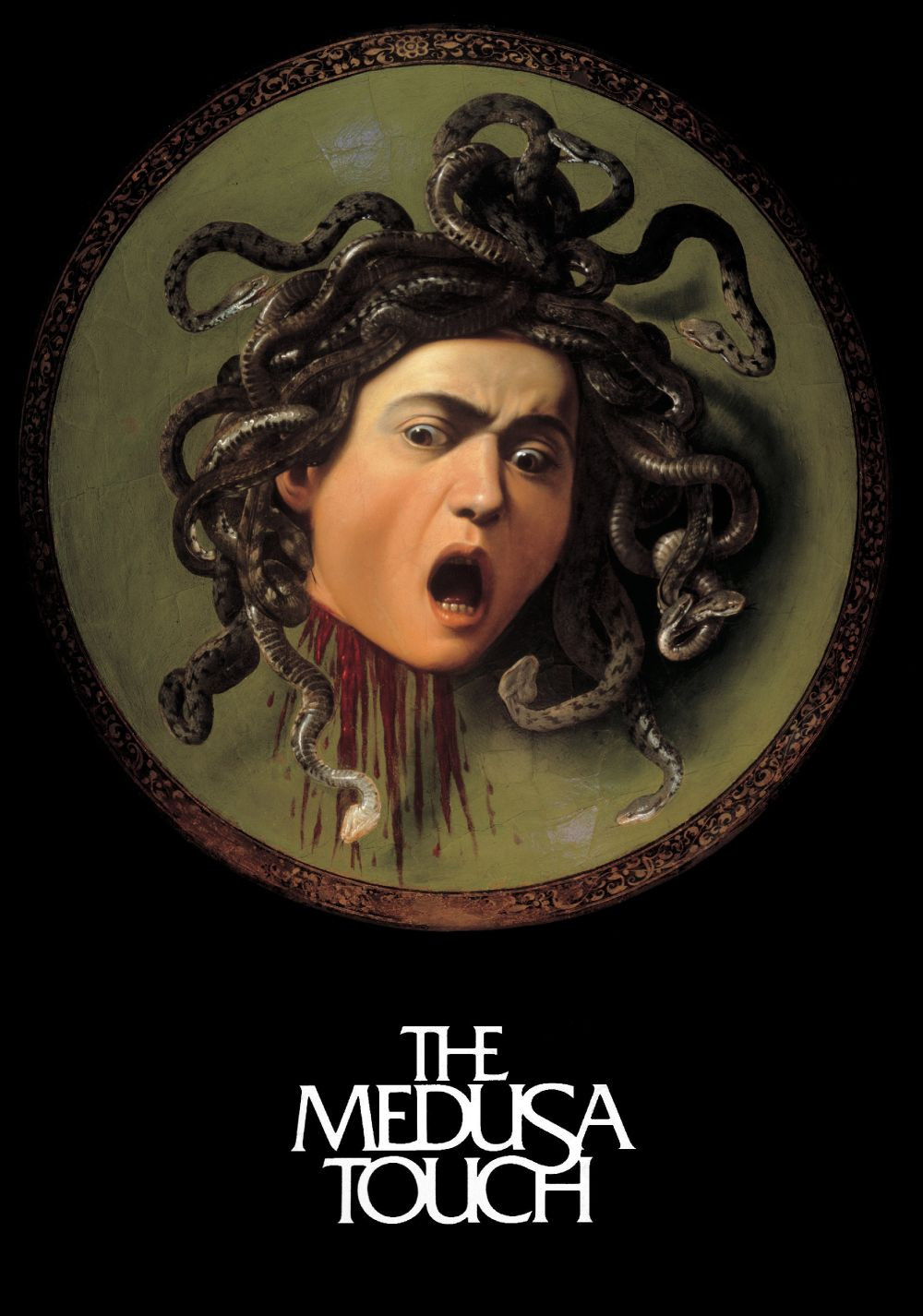
The Medusa Touch poster

The Medusa Touch

1978 · Another troubled psychic, with a more theatrical approach to supernatural menace.

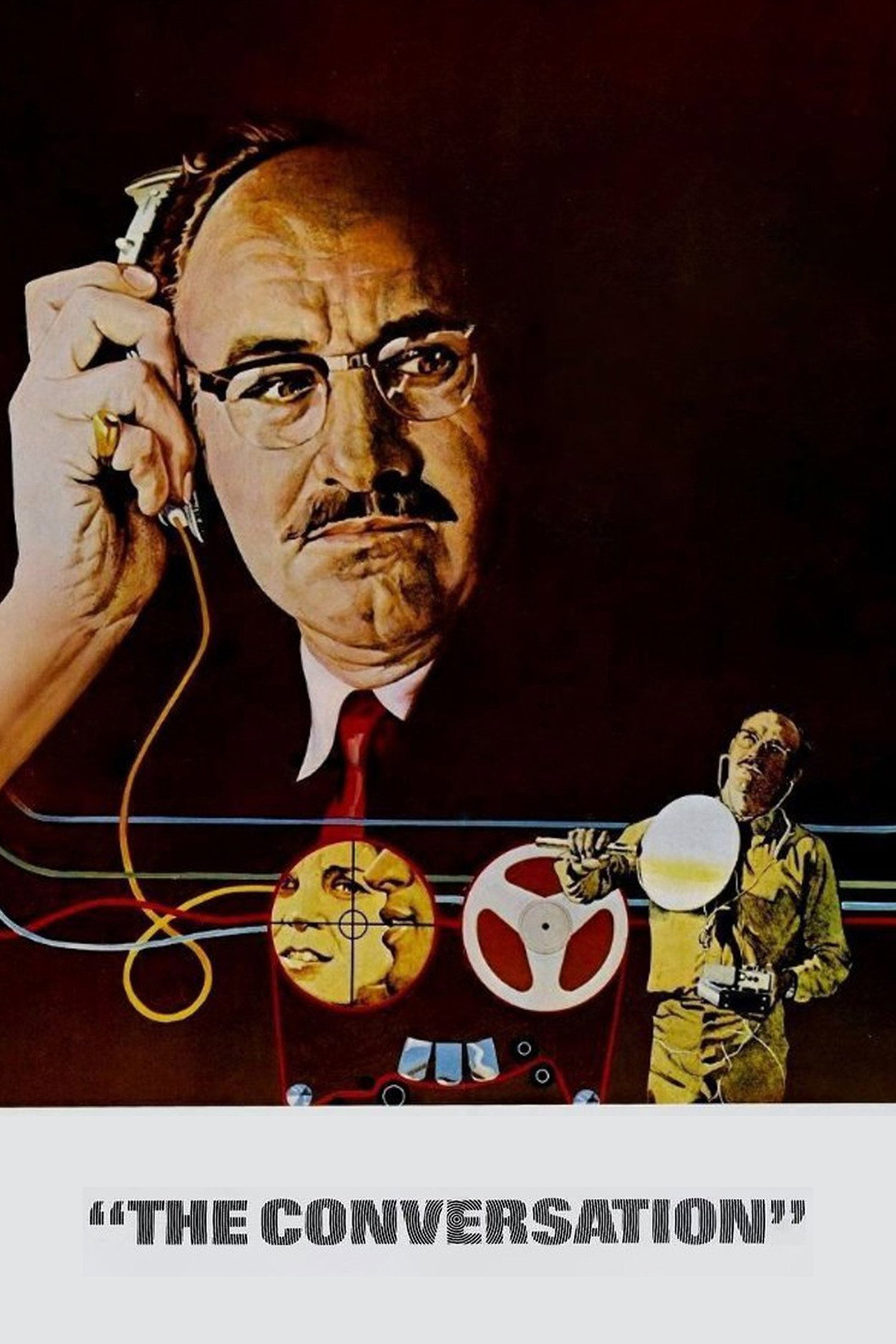
The Conversation poster

The Conversation

1974 · For another lonely specialist discovering how little his knowledge protects him.

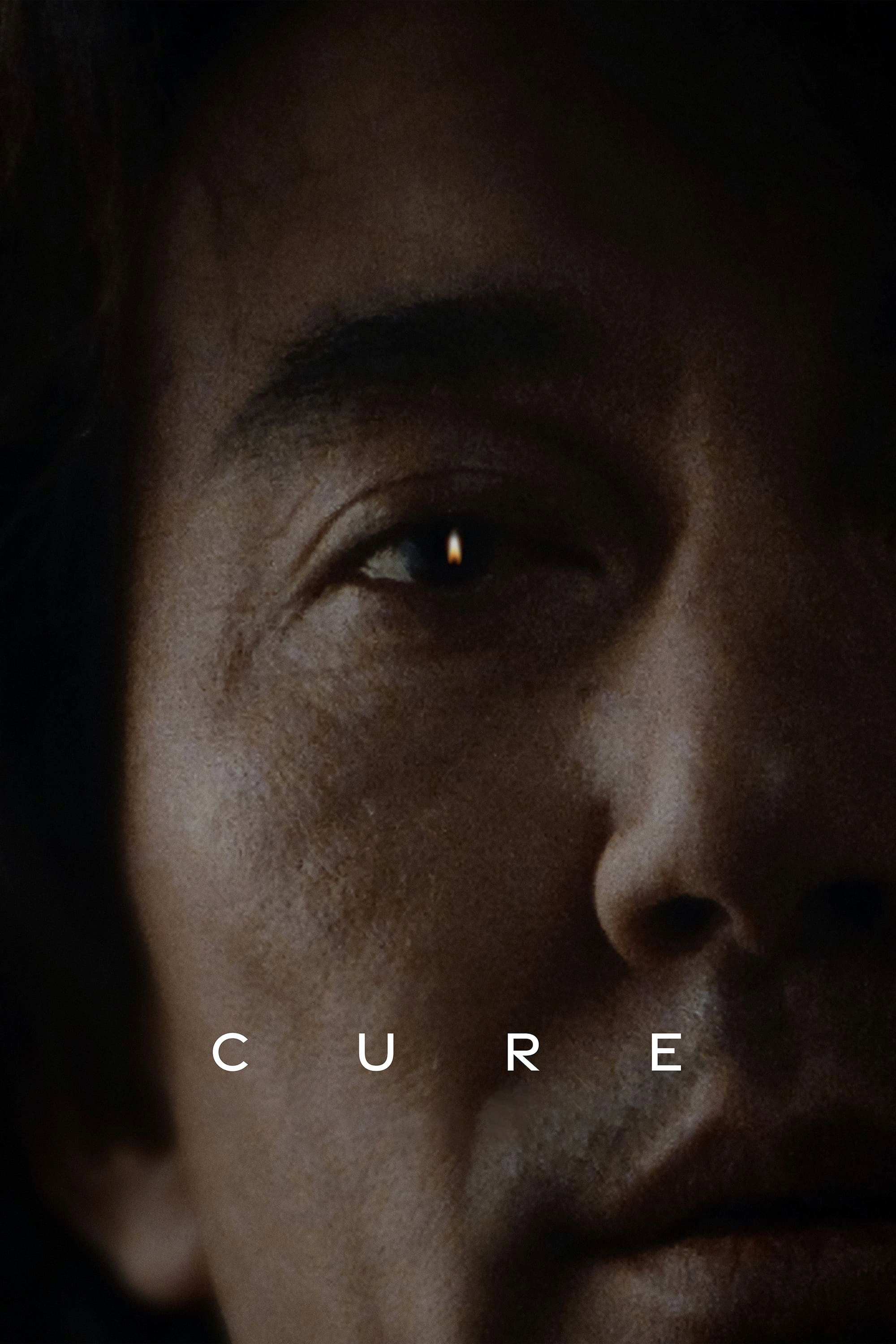
Cure poster

Cure

1997 · A colder police thriller where inexplicable events put ordinary judgement under strain.

Take Shelter poster

Take Shelter

2011 · Visions become a domestic burden, with fear and tenderness given equal room.

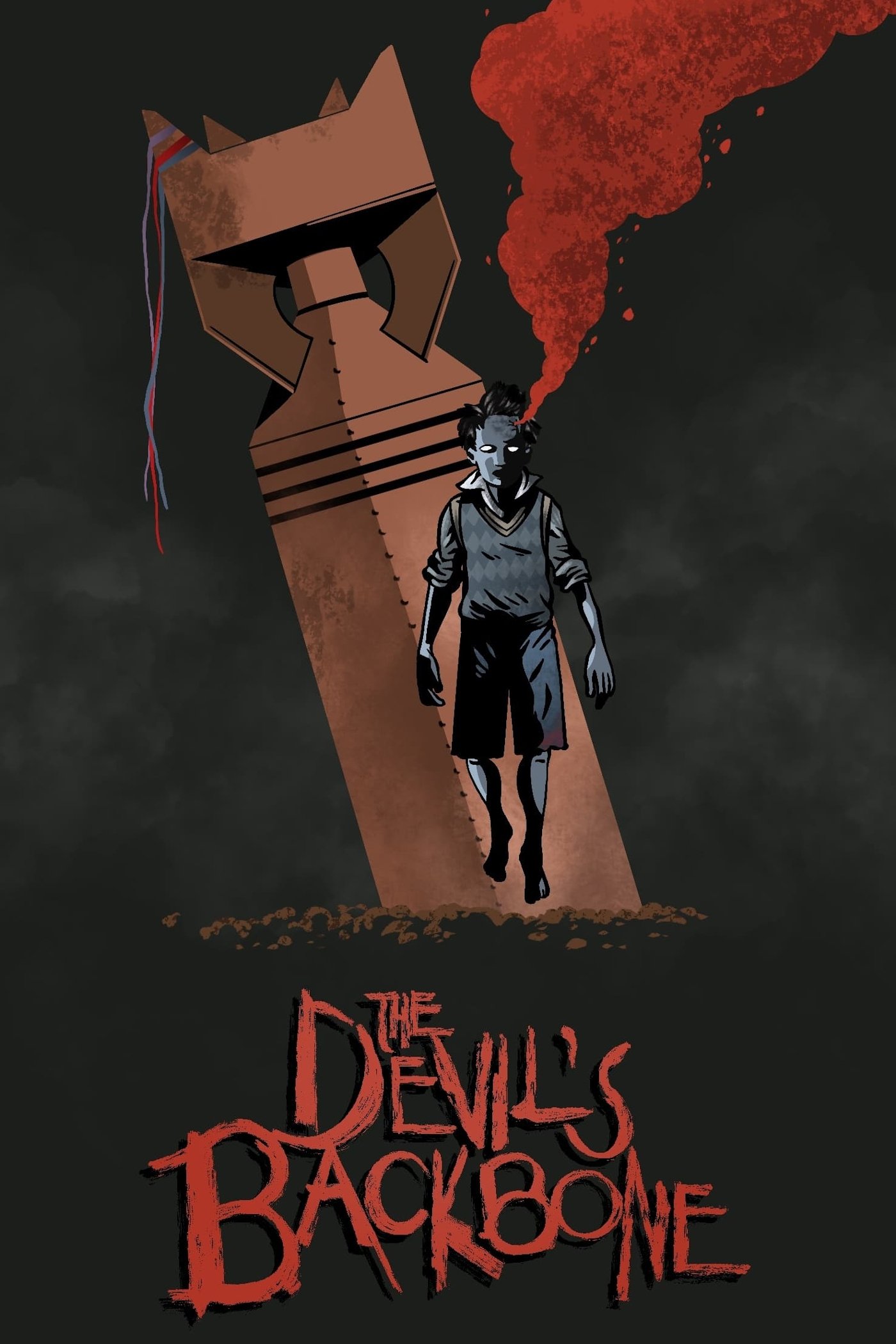
The Devil's Backbone poster

The Devil's Backbone

2001 · A ghost story that gives its vulnerable people more attention than its scares.