Michael Shannon makes this troubling family drama worth the discomfort. Jeff Nichols sustains the dread with care, though the slow pacing sometimes gives us too long to dwell on a fear we already understand.
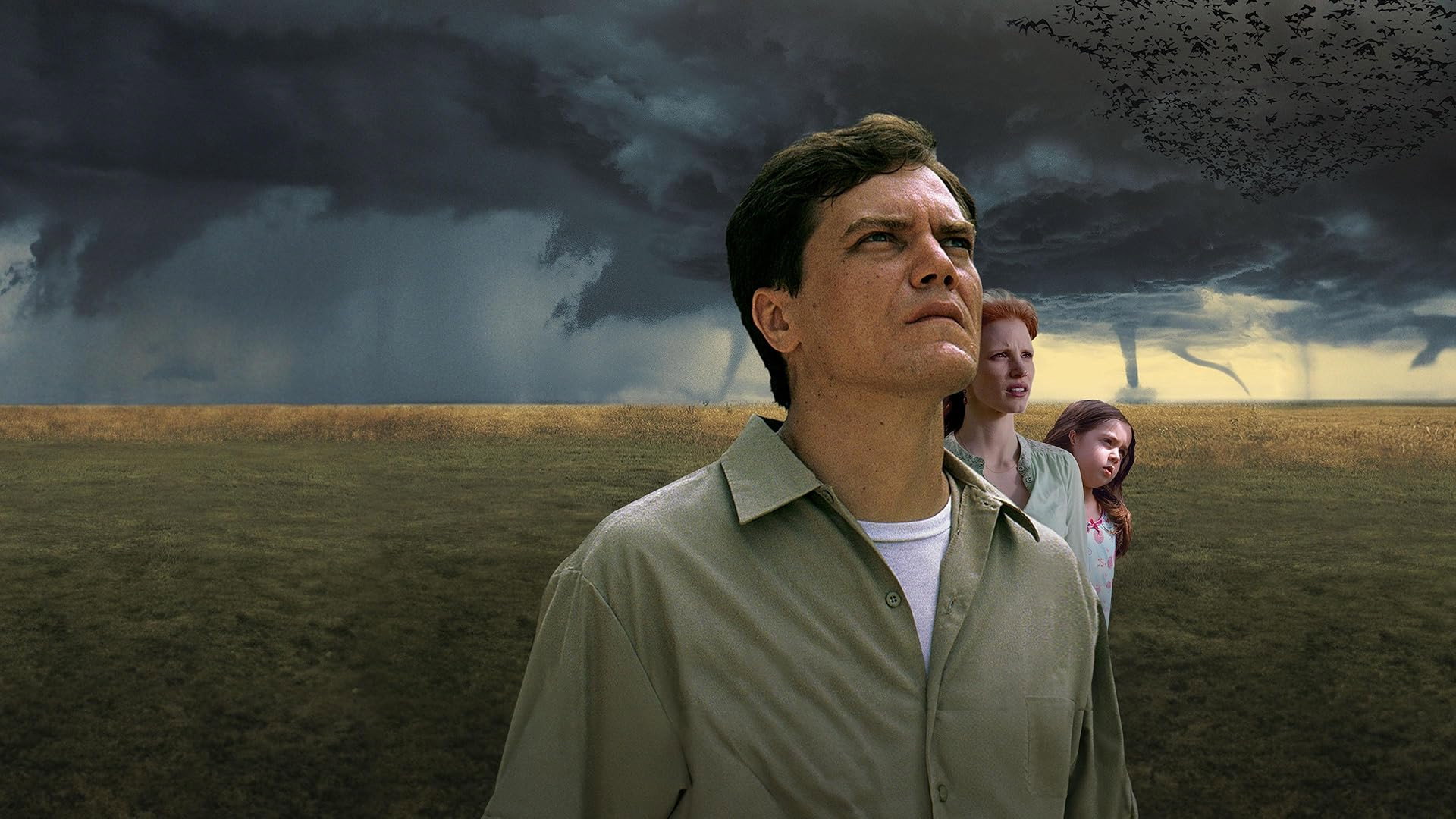
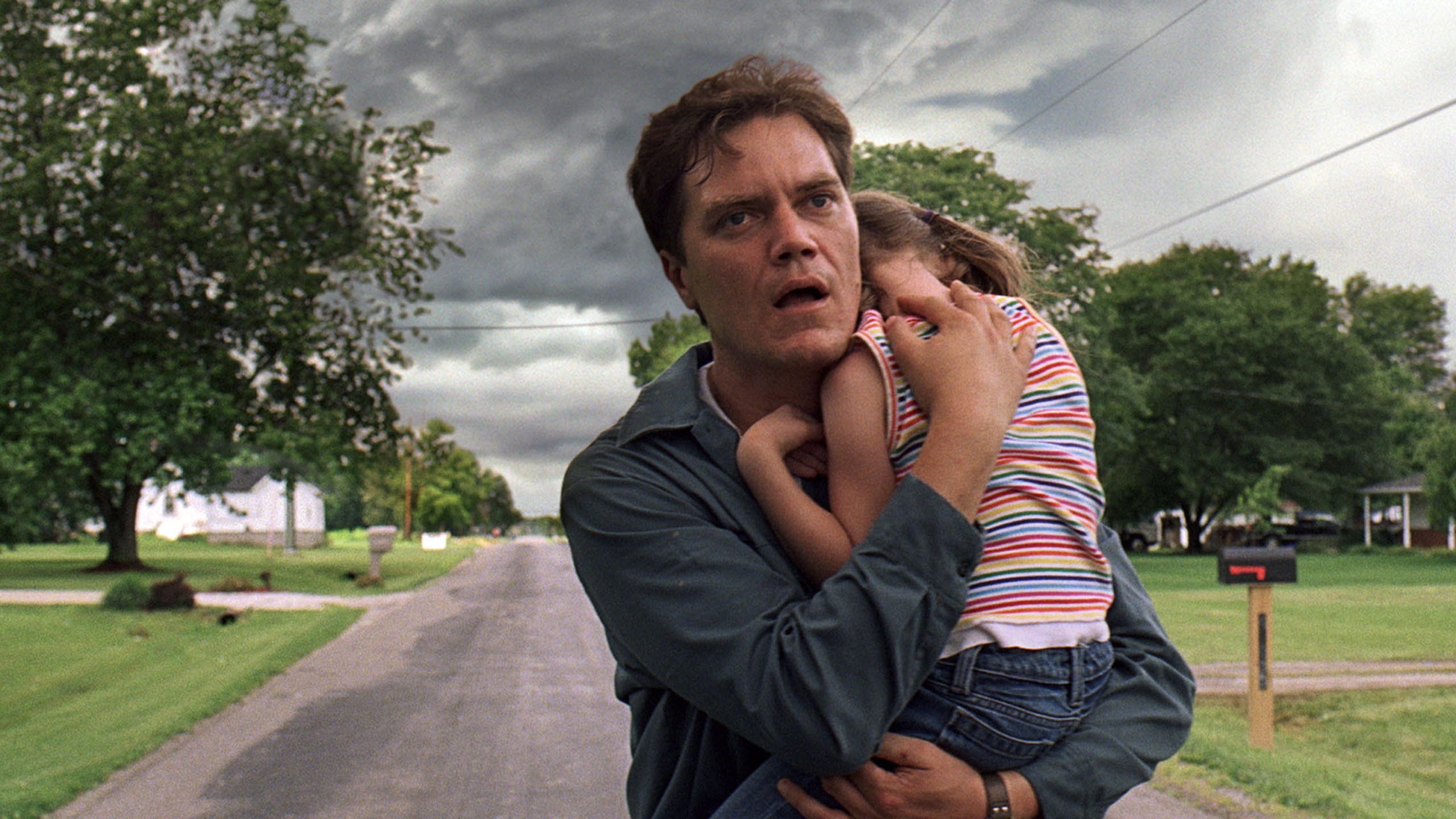
Jeff Nichols’s Take Shelter is a disturbing, compassionate film about a man who fears he cannot keep his family safe. It is also a little too long, with stretches that repeat an anxiety the performances have already made clear. Michael Shannon plays Curtis LaForche, whose visions of catastrophe may be signs of illness. The uncertainty matters because he has a good life to lose, and his efforts to protect it are themselves becoming a danger. The film earns our concern for the family before asking us to fear what might happen to them.
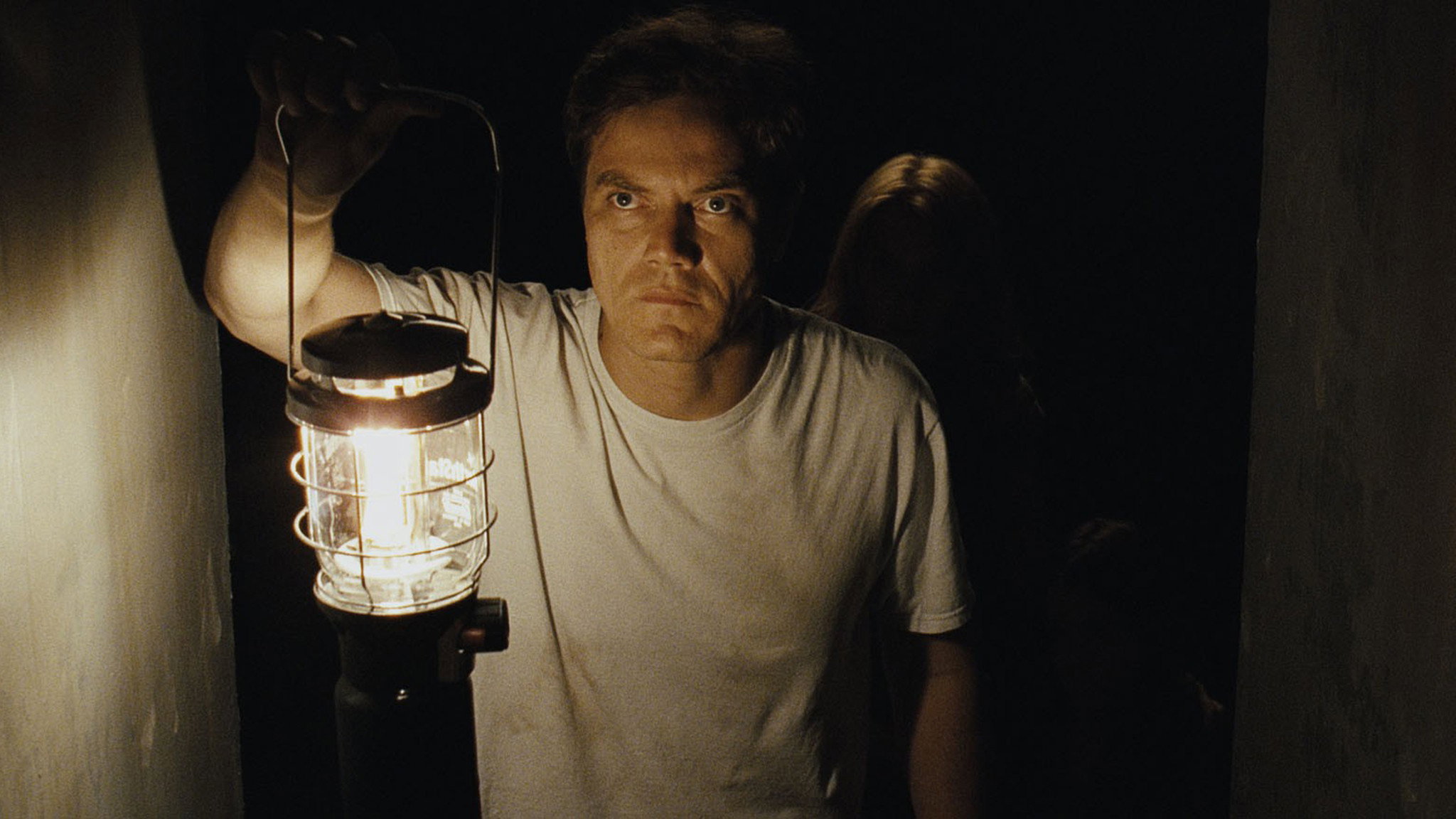
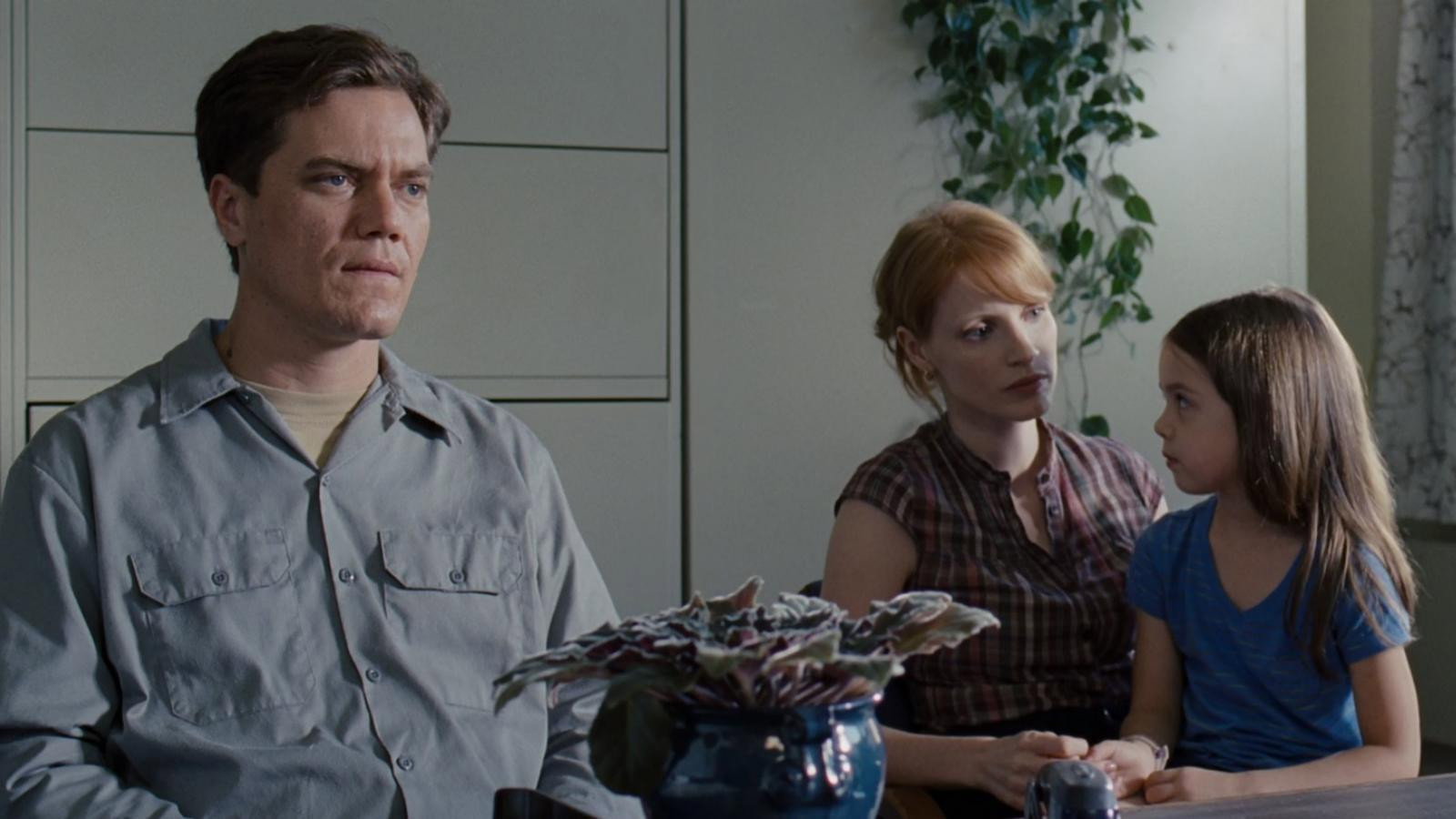
Michael Shannon gives the fear a convincing mixture of stubbornness and vulnerability. His Curtis LaForche is still recognisably a man trying to do the right thing, which makes it difficult to dismiss him when his judgement becomes doubtful. We felt anxious watching him. The guarded performance makes the quiet family scenes uncomfortable, because so much fear seems to be going unspoken. He never lets the character become just a collection of symptoms.
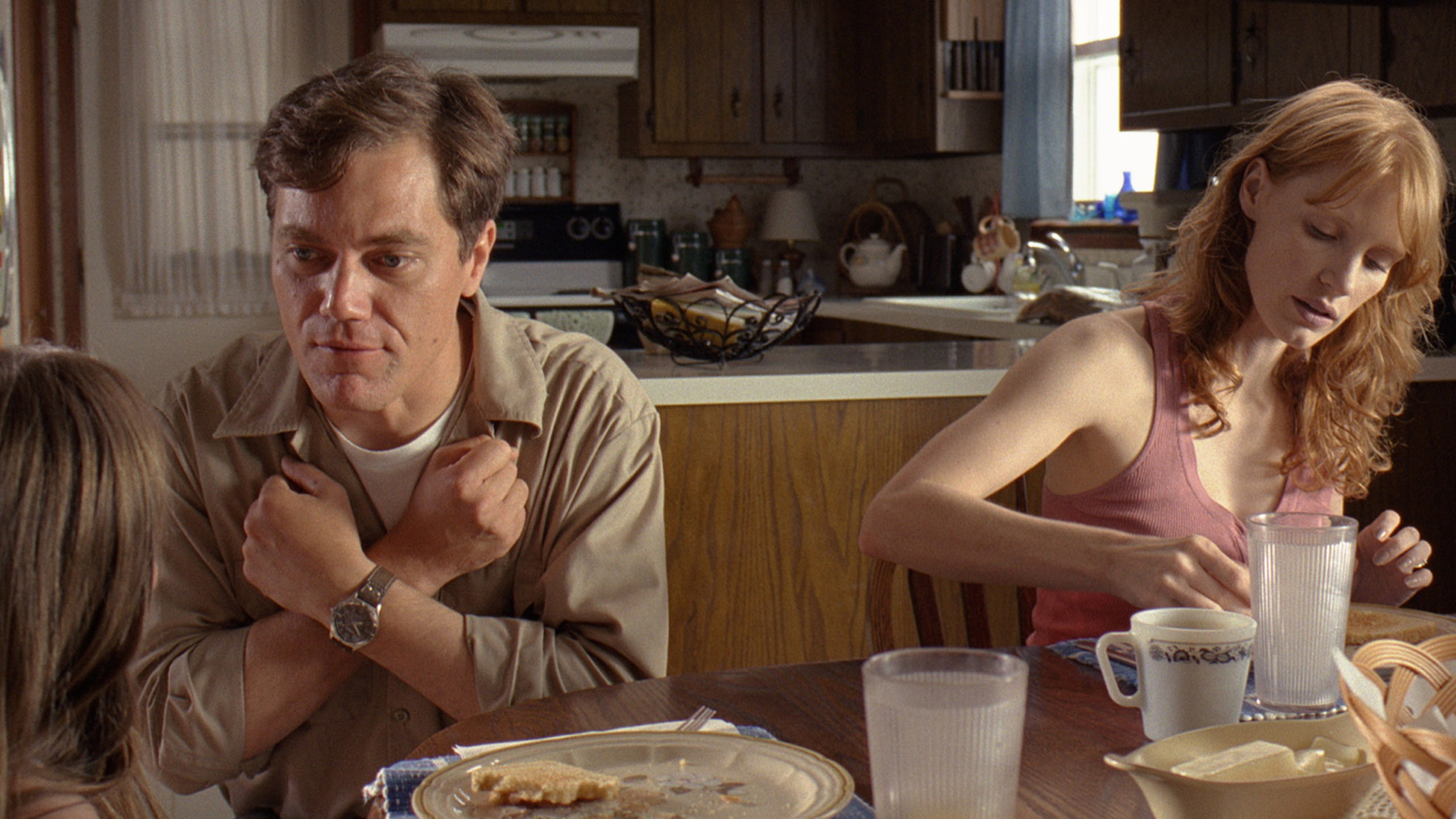
Jessica Chastain gives Samantha LaForche enough force to keep the family drama from becoming merely an illustration of his distress. Her performance makes us consider what it costs to live alongside fear that cannot be explained or dismissed. She keeps the family’s needs in view even when his anxiety threatens to occupy all our attention. Their scenes together give the film something substantial to return to after its excursions into nightmare, and make the prospect of an ordinary day seem worth fighting for.
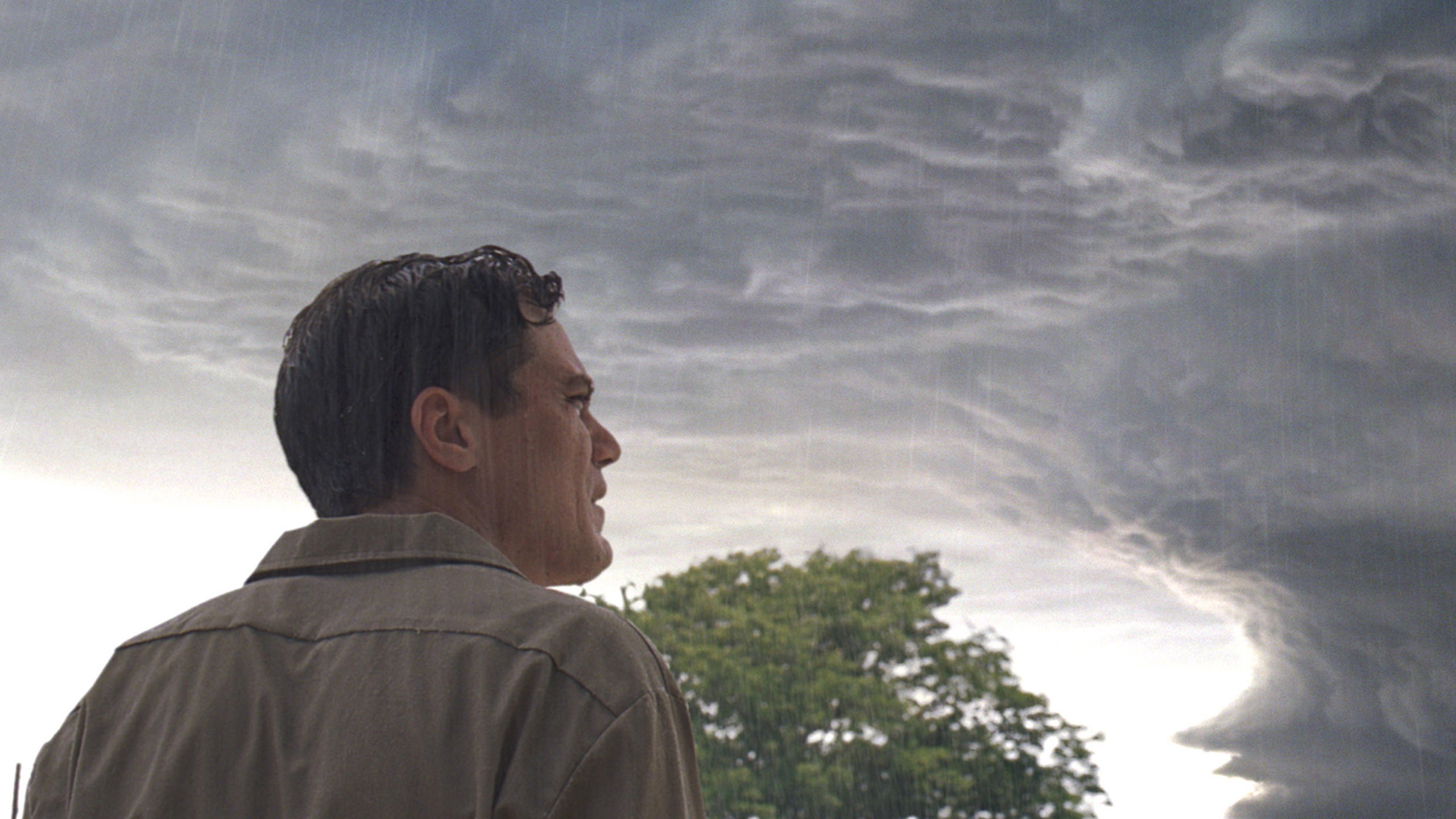
Adam Stone’s cinematography makes the rural setting feel exposed without losing its ordinary appeal. There is a reason to want to live here, which makes the threat more disturbing than it would be in a place that looked condemned from the start. Chad Keith’s production design serves the same purpose in the domestic scenes, giving the family a credible life for us to worry about. The surroundings remain recognisable even when the man looking at them can no longer feel secure.
David Wingo’s music supports the apprehension without overwhelming the smaller family scenes. Parke Gregg’s editing gives the drama room, though the 120-minute running time begins to feel generous once the fear is firmly established. We do not need every return to the same uncertainty to last quite so long. Some of the nightmare staging also presses harder for a fright than the surrounding drama needs. The quiet exchanges have already made us uneasy, and the extra insistence can interrupt our concern for the people.
The horror depends on the difficulty of knowing when a protective parent has become someone who needs help himself. Jeff Nichols, who also wrote the film, takes that difficulty seriously enough to make both fear and scepticism seem reasonable. It would be easy to treat possible mental illness as a convenient explanation for frightening behaviour. The attention to family life prevents that simplification: whatever we suspect about the visions, there are other people who must cope with the consequences of his fear.
Allow for the stretches when the dread stops developing and simply persists. The two central performances deserve that patience, particularly when the film gives them time to work through the discomfort of being together. Choose it for an evening when a frightened family can hold our attention without the promise of quick relief.