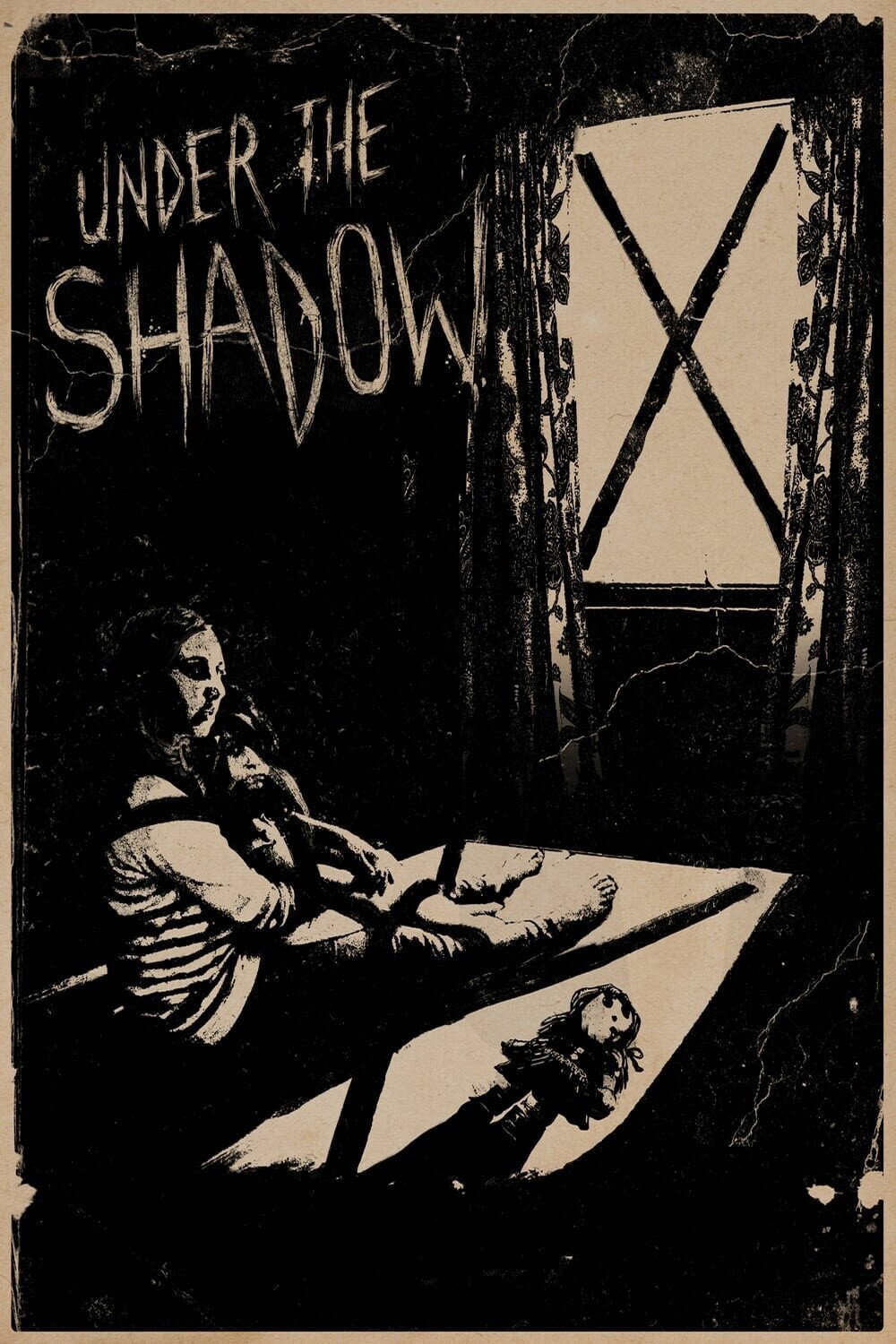
Jennifer Kent’s domestic horror is frightening because Essie Davis makes an exhausted mother’s resentment so credible. The pressure can become wearing, and the creature is less persuasive when seen, but the family gives us ample reason to care.
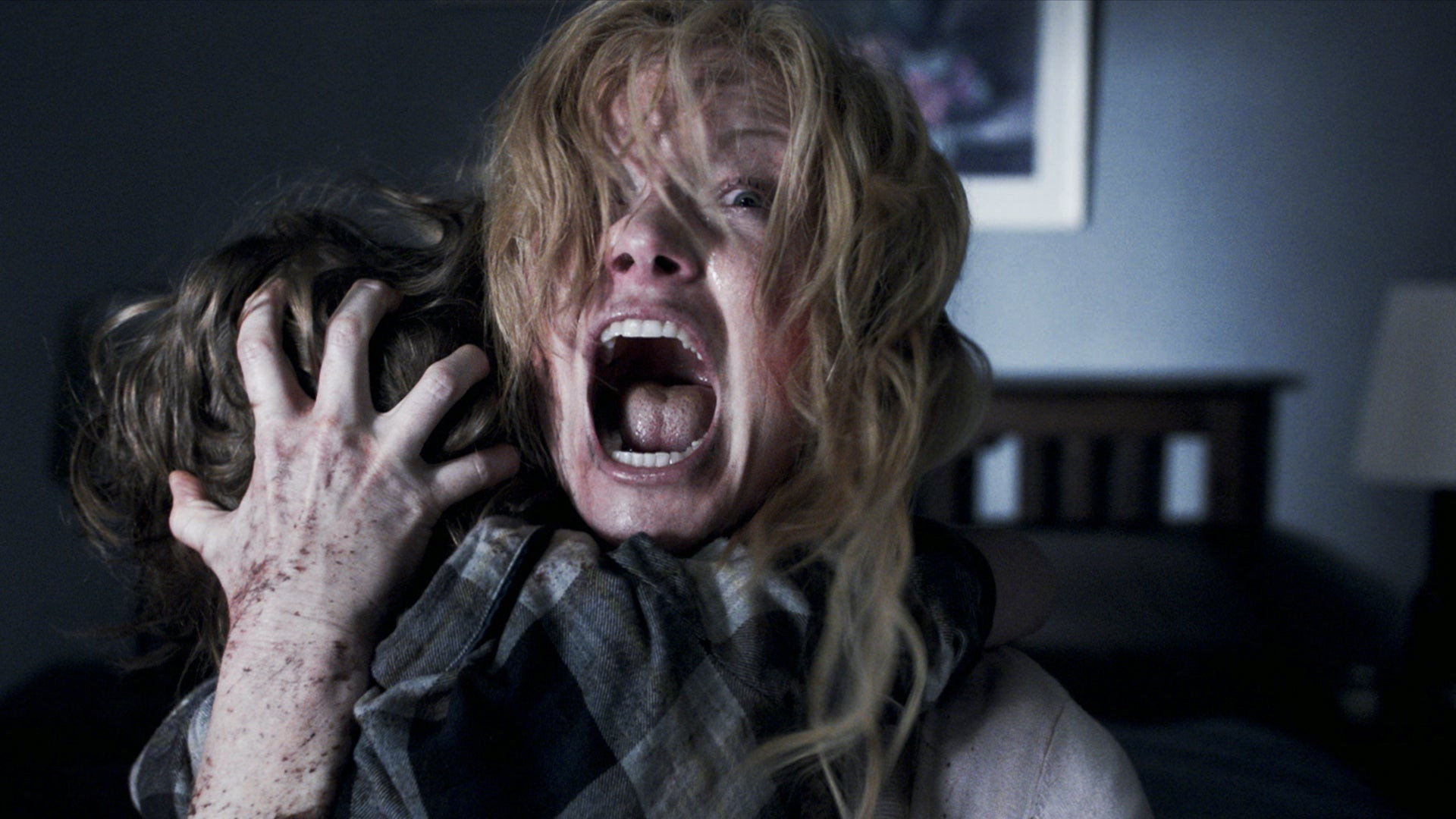
The Babadook is a frightening, compassionate horror film, even if its sustained pressure becomes tiring. Jennifer Kent, who writes and directs, takes seriously the possibility that a mother can love her child and resent having to care for him. The supernatural threat enters a home where grief and exhaustion have already made ordinary family life difficult. That gives the familiar business of a sinister book and a lurking creature something worth being frightened for: these people are struggling before the haunting has properly begun.
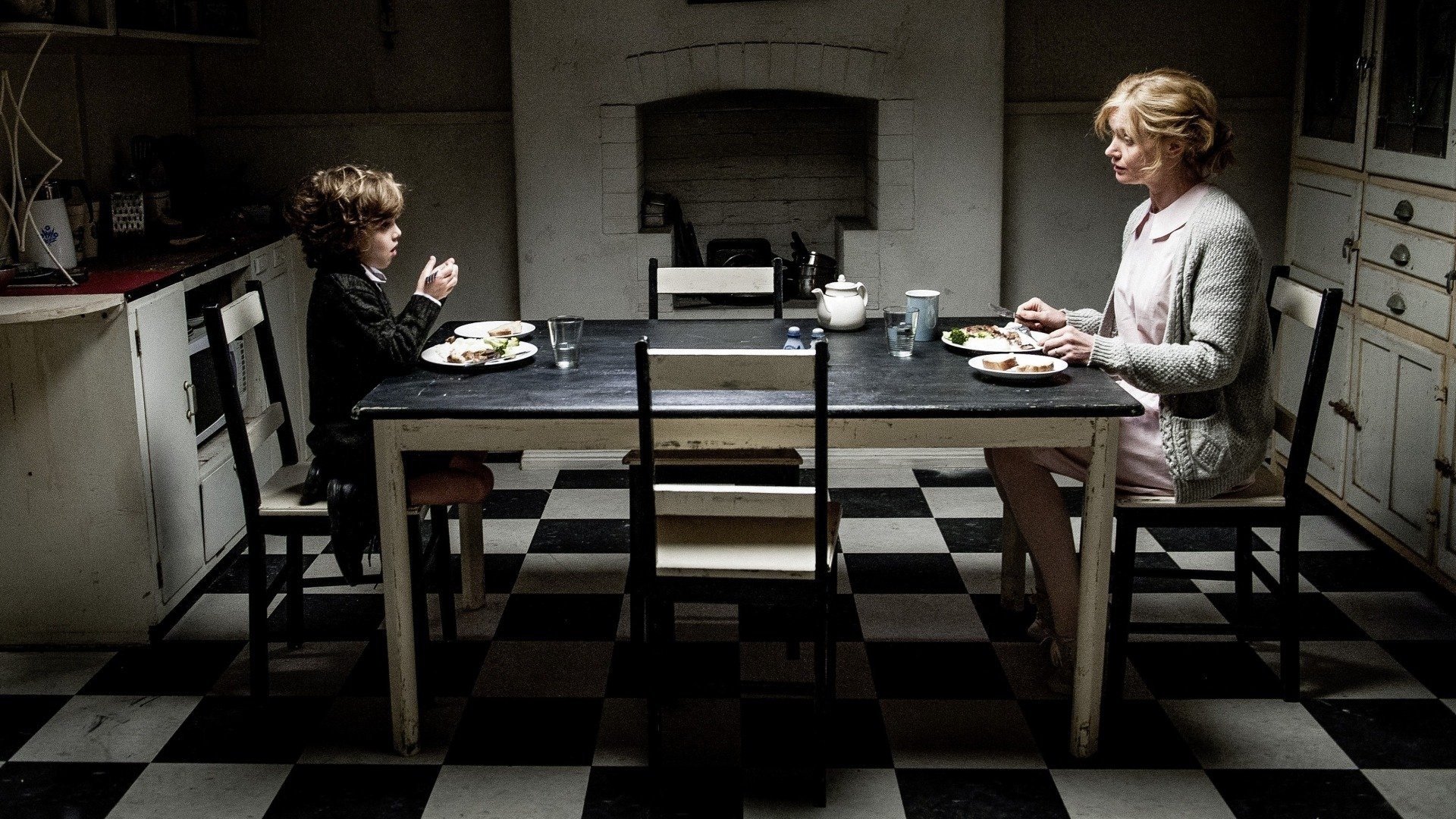
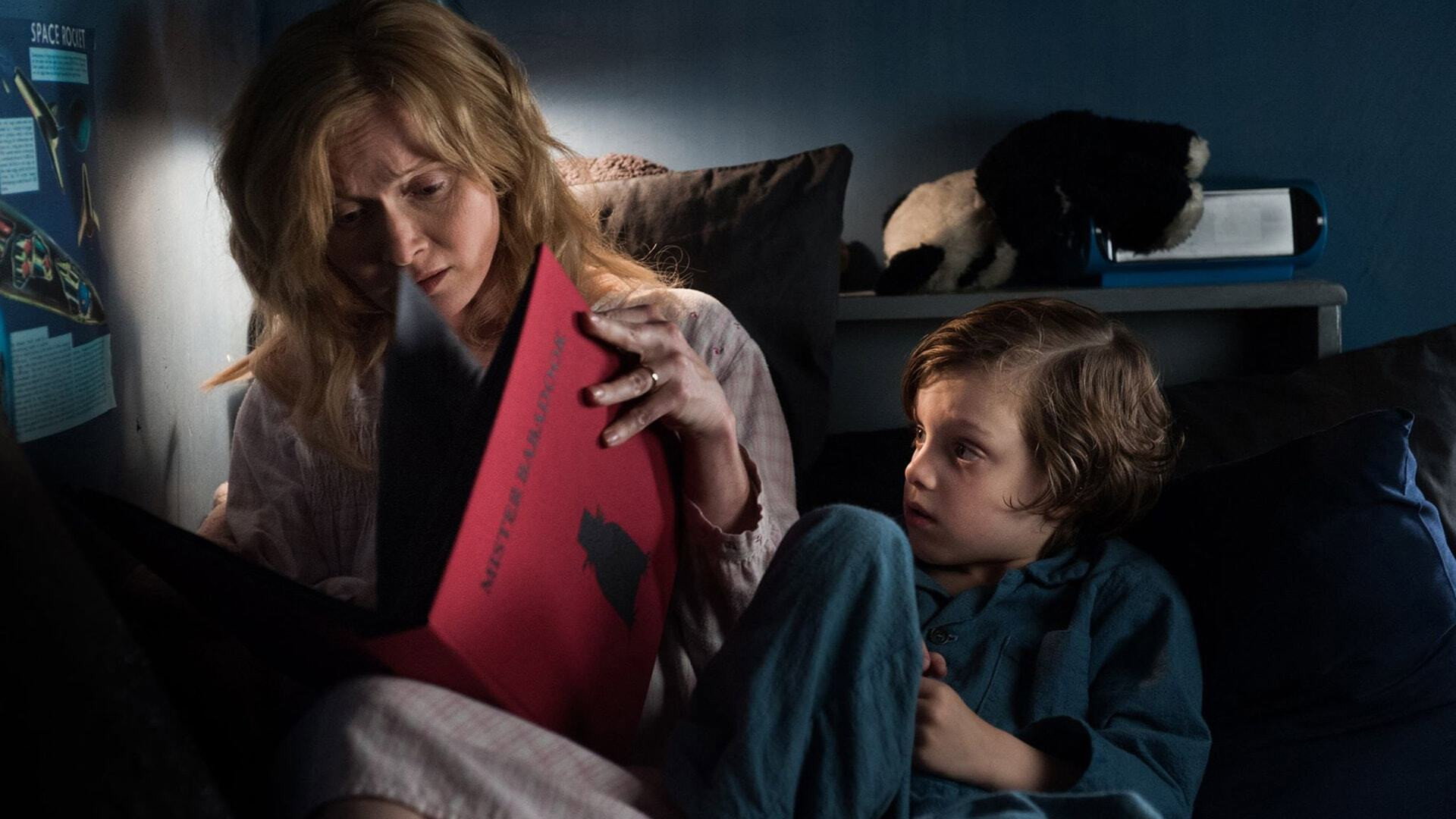
Essie Davis makes Amelia Vanek’s fatigue uncomfortable to watch because it affects how she responds to her son, not simply how miserable she looks. Her resentment is credible enough to make sympathy awkward. We understand why she needs relief, then worry about what that need might permit. The performance never asks us to congratulate Amelia for coping, and it never settles for making her a bad mother. We keep watching for the point at which she might no longer be able to conceal her anger.
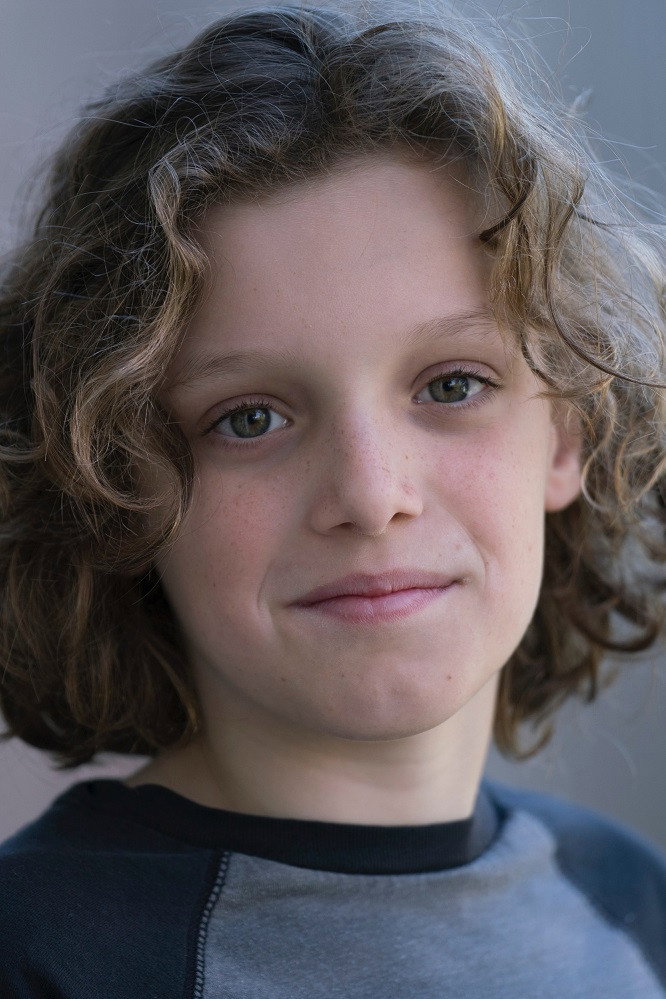
Noah Wiseman pushes Samuel Vanek’s neediness hard, and there are stretches when the child’s demands feel almost unbearable. That is a risky choice: irritation can make an audience stop caring, however sound the reason for it. Here, his fear remains clear enough that we cannot simply wish him out of the way. The strain between the performances makes the mother-son relationship painful without making either character disposable.
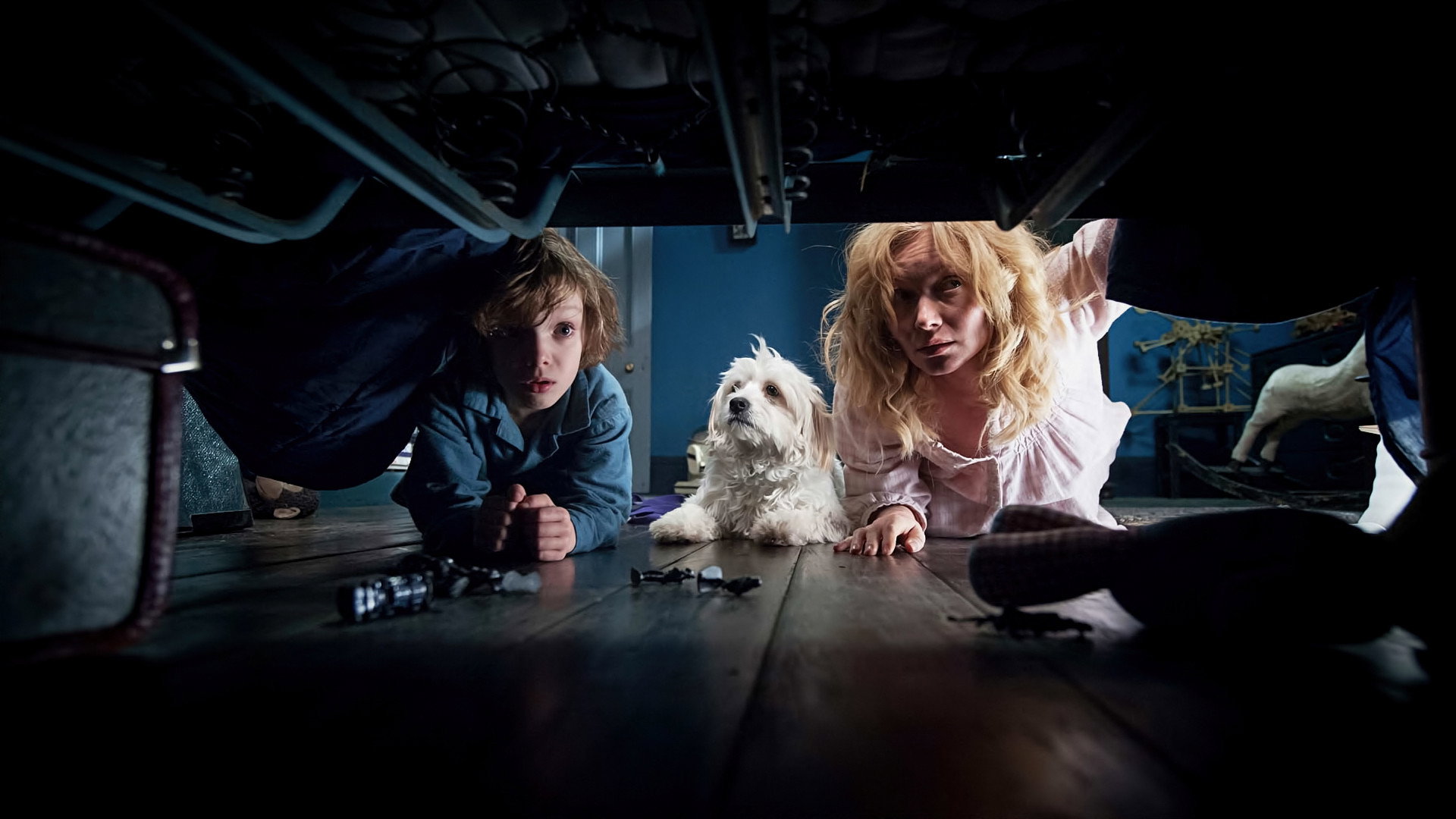
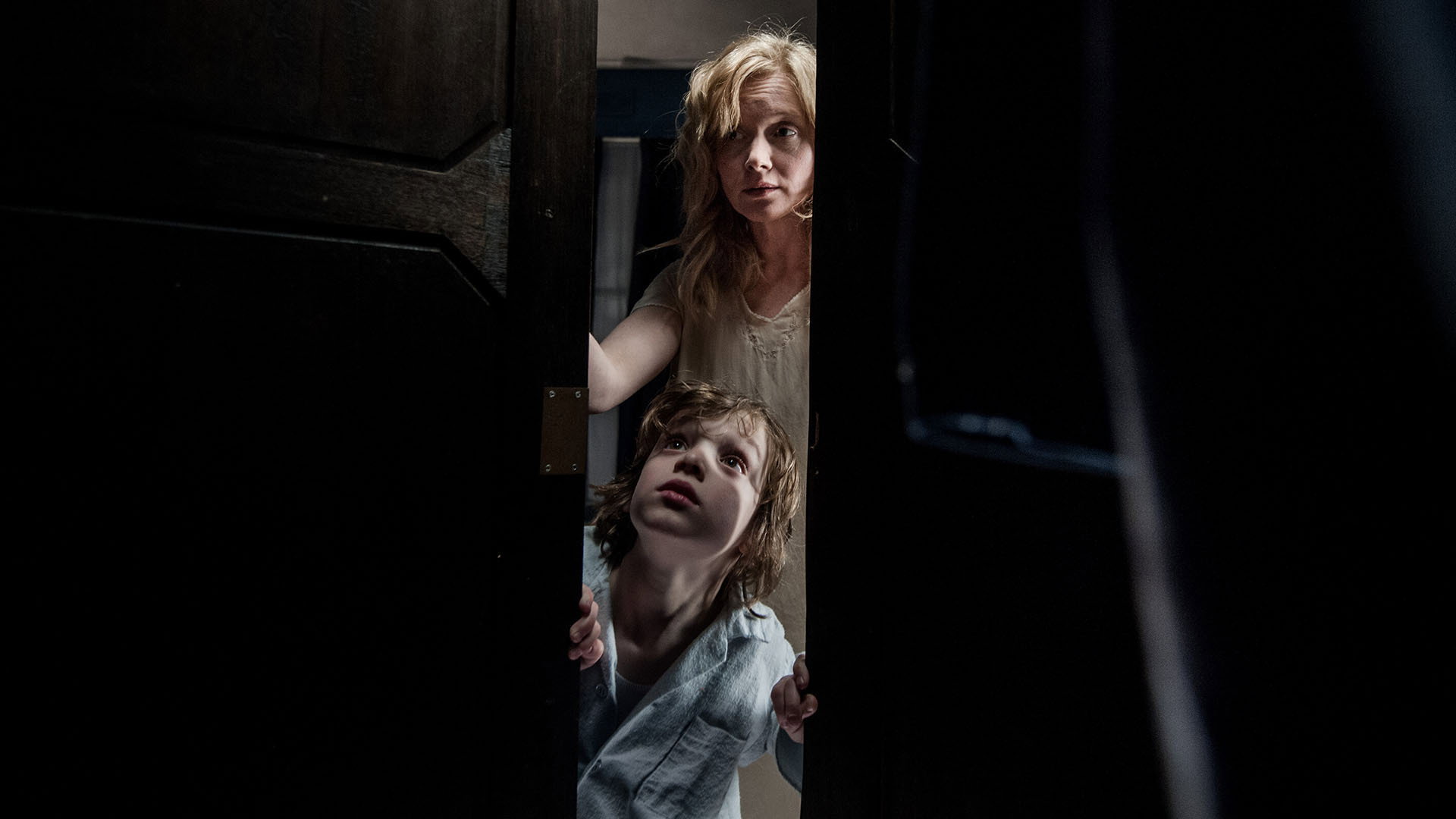
Radosław Ładczuk’s precise compositions keep the domestic setting claustrophobic, with little sense that looking elsewhere will help. Alex Holmes’s production design makes the home feel cramped and unwelcoming, an effective setting for the pop-up book’s handmade horrors. The deliberate artificiality works because the performances supply the ordinary human discomfort; the setting can be strange without making the people seem remote. We were frightened by the book, whose familiar invitation to turn a page becomes something a parent cannot safely accept.
Simon Njoo’s editing gives the unease time to accumulate, and the slow build lets us register the strain on the relationship. We are not simply waiting for the creature’s next appearance. The pauses matter because Amelia and Samuel have become difficult company even without supernatural assistance. A scene does not need a fresh shock to leave us more anxious than we were at its beginning, provided it keeps our attention on the mother and son.
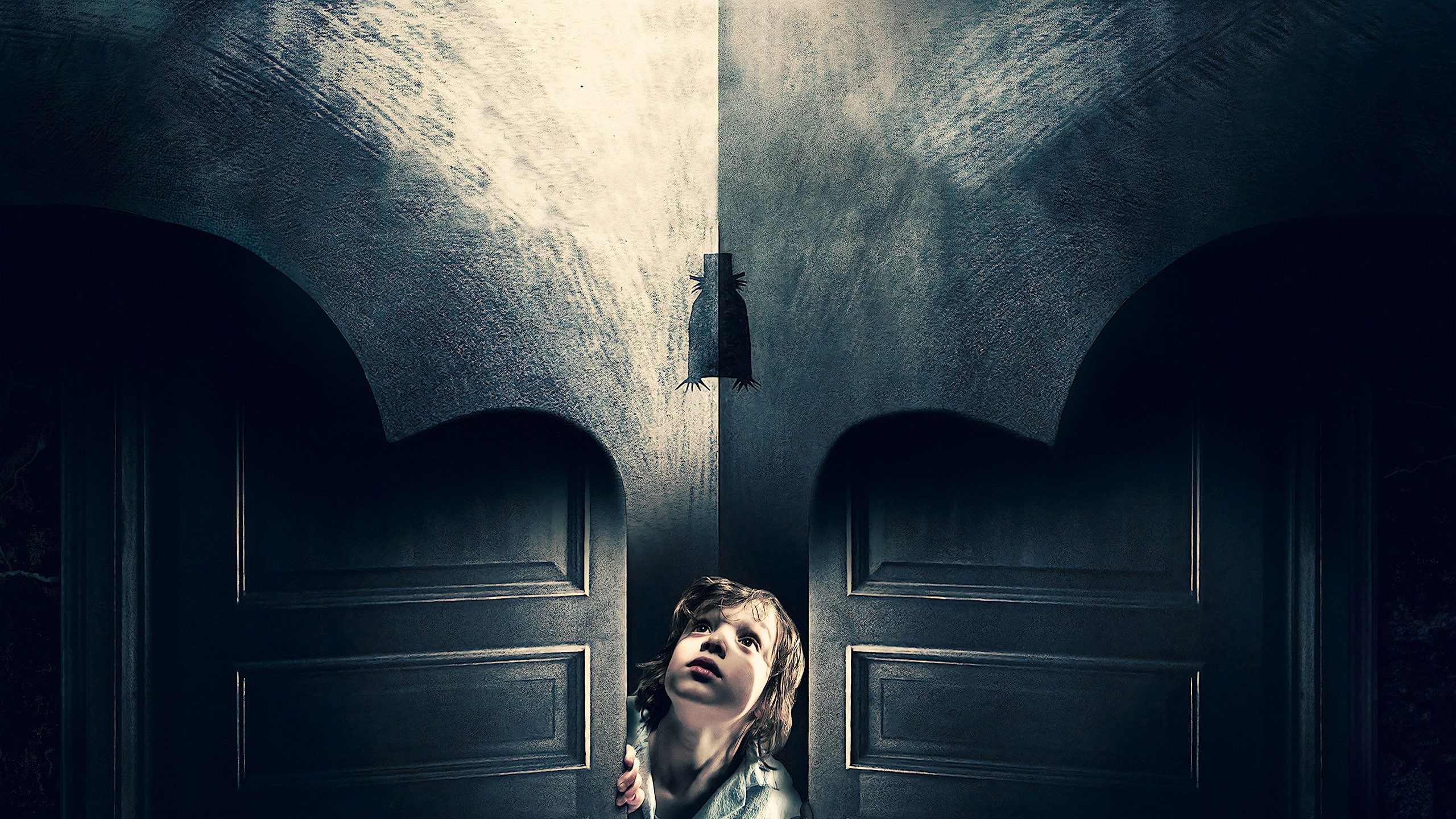
Jed Kurzel’s music helps keep the quieter stretches unsettled, contributing to a use of sound that offers little rest. It works, but it also makes the film harder to bear than it always needs to be. A little more relief would sharpen the next disturbance. The creature’s more physical appearances are less persuasive, too, making the threat easier to inspect when the family’s fear of it has already been so convincing. Those are real limitations, though neither undoes the work of the two leads.
Within domestic horror, the haunted home can become an excuse to move frightened people between rooms. This film stays interested in what makes it difficult for a mother and son to share those rooms in the first place. At 94 minutes, it gives grief and resentment enough attention that recognising the symbolism does not exhaust what the performances offer. Choose it for the performances, and do not expect much relief.