David Cronenberg takes bodily change and uncomfortable desire seriously enough to make us keep watching. We value his patience and precision, though Crash shows how readily that calm can become chilly repetition.
Fi1m perspective
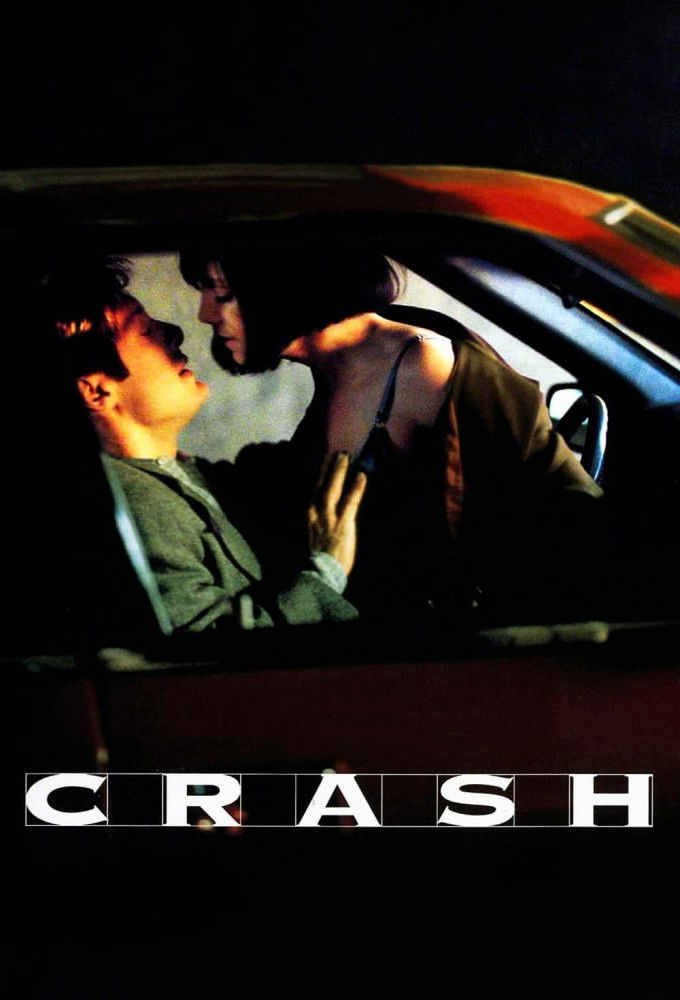
In Crash (1996), people find sexual excitement in cars, damage and danger, and David Cronenberg declines to tell us how strange that is. We were unsettled by the composure of the sex scenes, because their realistic treatment made them difficult to dismiss as fantasy. He gives these encounters time and takes the desires behind them seriously. That patience makes this a good, unnerving film, even when its repetitions begin to tire us.
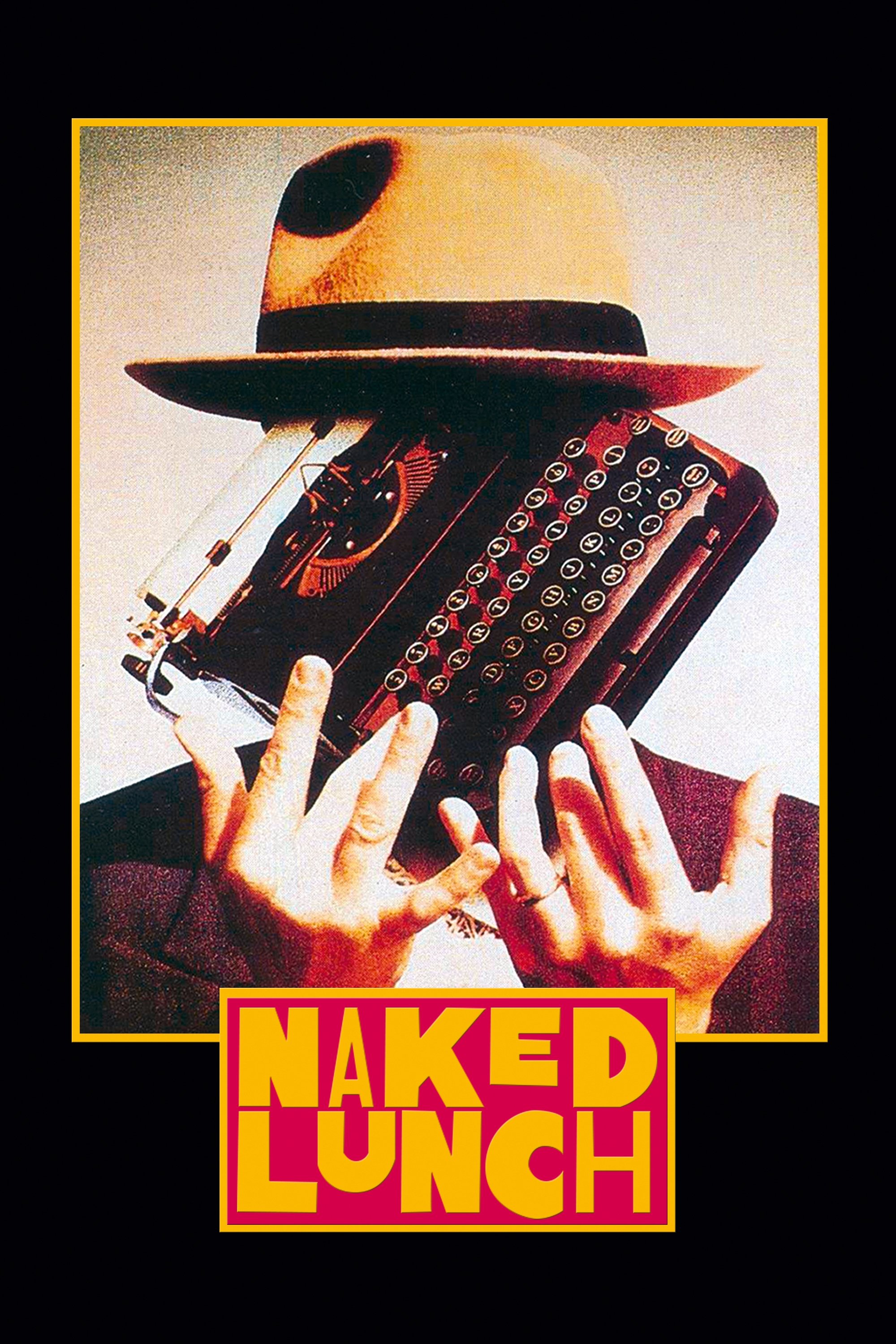
His route there began with experimental films in the late 1960s and early 1970s, followed by the commercial body horror of Shivers (1975). Videodrome (1983) brought media and the body together; The Fly (1986) made mutation part of a romance. Dead Ringers (1988) moved towards psychological drama without losing the bodily unease. By Naked Lunch (1991) and Crash, difficult literary adaptations had become a substantial part of his work.
Adapting J.G. Ballard in Crash, he makes an erotic thriller with few of the usual satisfactions. The sex is uneasy, the pace slow, and the committed actors have to sustain our interest without making their characters especially warm. They largely succeed, but there are stretches when another encounter tells us too little that we have not already understood. A little less repetition would not make these people any less troubling.
His recurring collaborators include cinematographer Peter Suschitzky and composer Howard Shore. The material has changed: A History of Violence (2005) began a phase of more accessible stories. With Crimes of the Future (2022), he returned to body horror.
Start with Crash if the meeting of sex and machinery interests more than it repels. We recommend it with a warning about its slow pace and emotional distance. Check that anyone sharing the sofa has agreed to an uncomfortable evening.
Biography
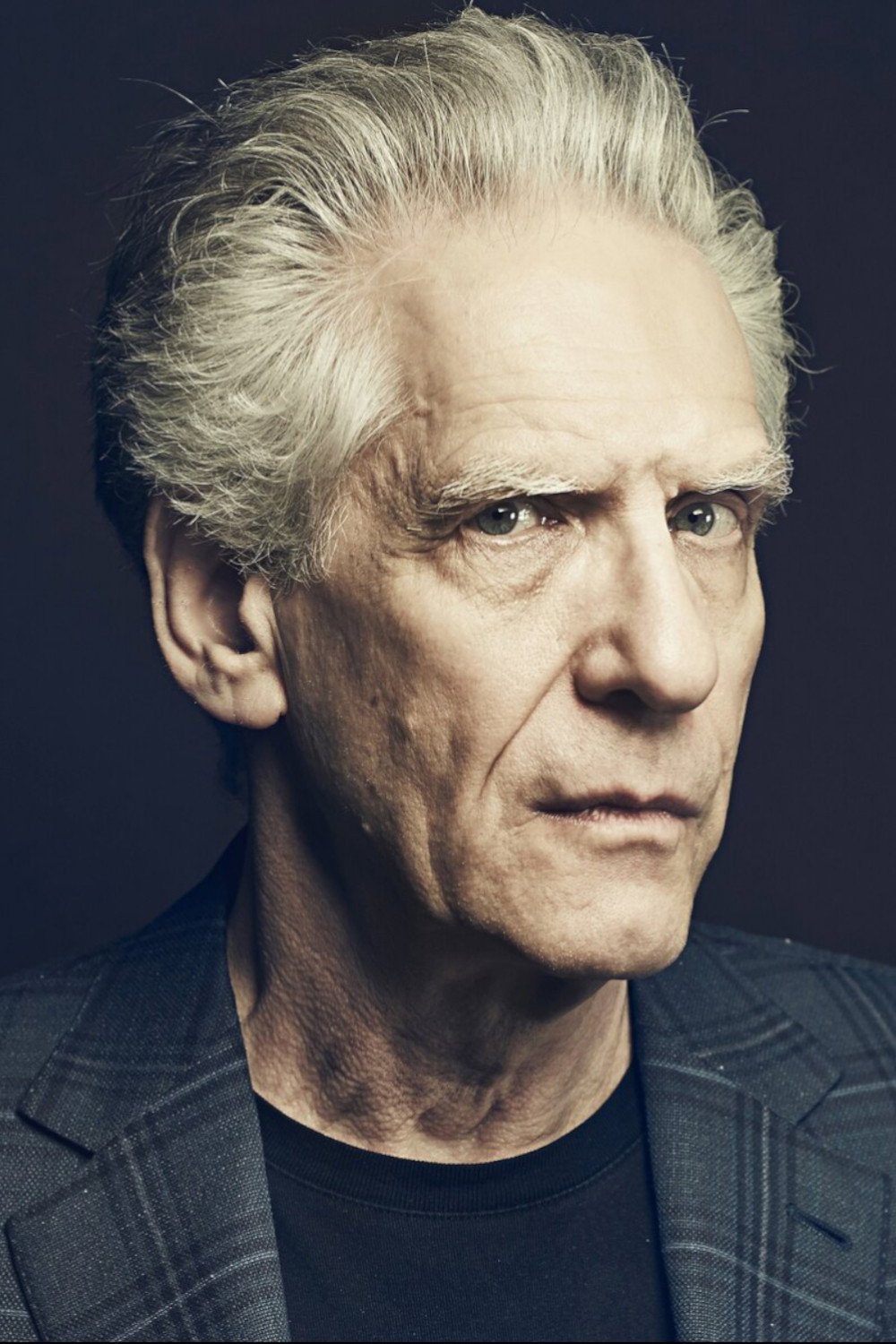
David Cronenberg is a Canadian film director, screenwriter and producer. Born in Toronto in 1943, his credits include directing, writing and producing Crash (1996) and directing and writing Naked Lunch (1991).
Films for which he is credited as director and often writer include Scanners (1981), Videodrome (1983), The Dead Zone (1983), The Fly (1986), eXistenZ (1999), A History of Violence (2005), Eastern Promises (2007), A Dangerous Method (2011) and Cosmopolis (2012). He collaborated with actor Viggo Mortensen on A History of Violence, Eastern Promises, A Dangerous Method and Crimes of the Future (2022).
Crash received a Special Jury Prize at the 1996 Cannes Film Festival. Seven of his films have competed for the Palme d'Or, including The Shrouds (2024).