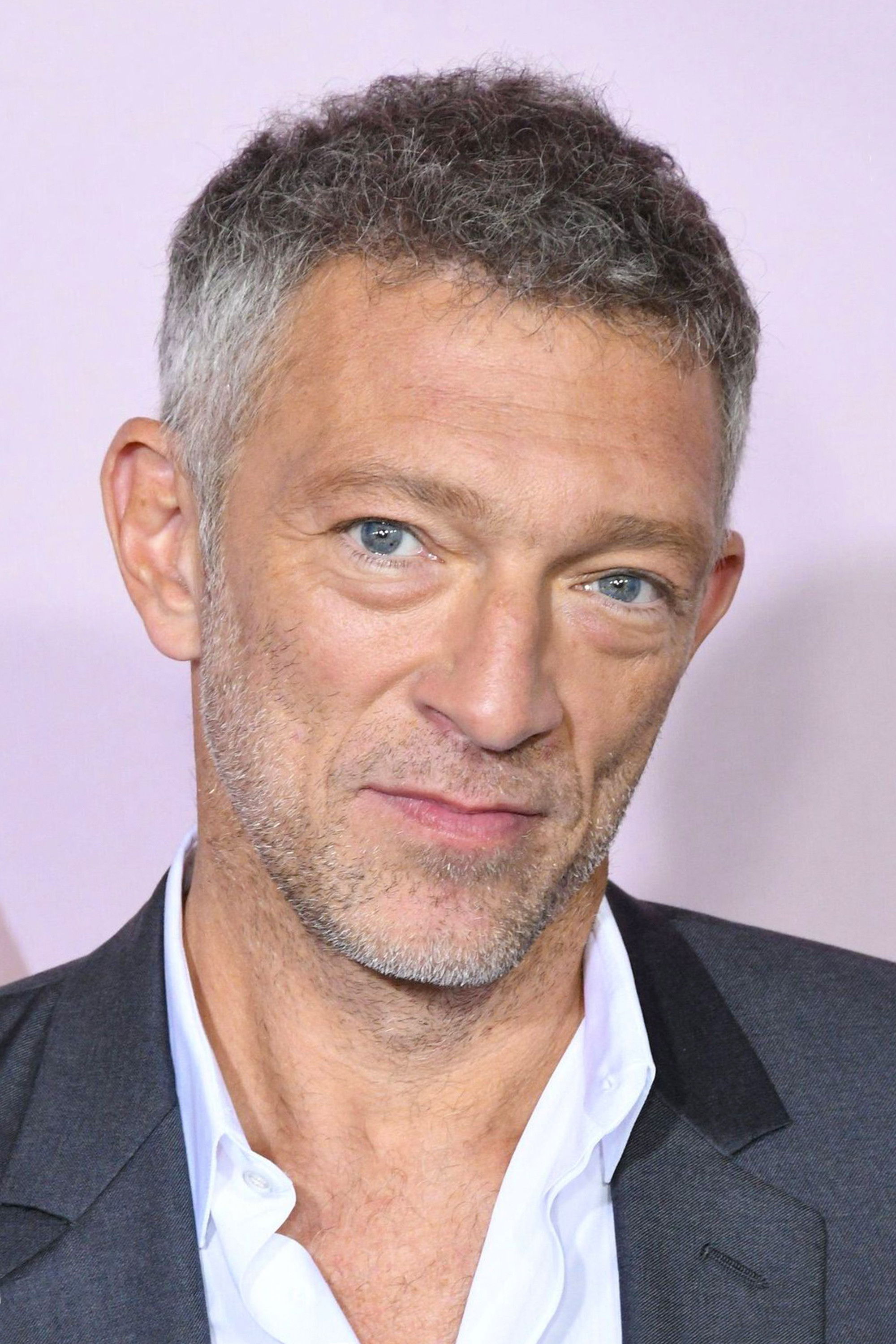
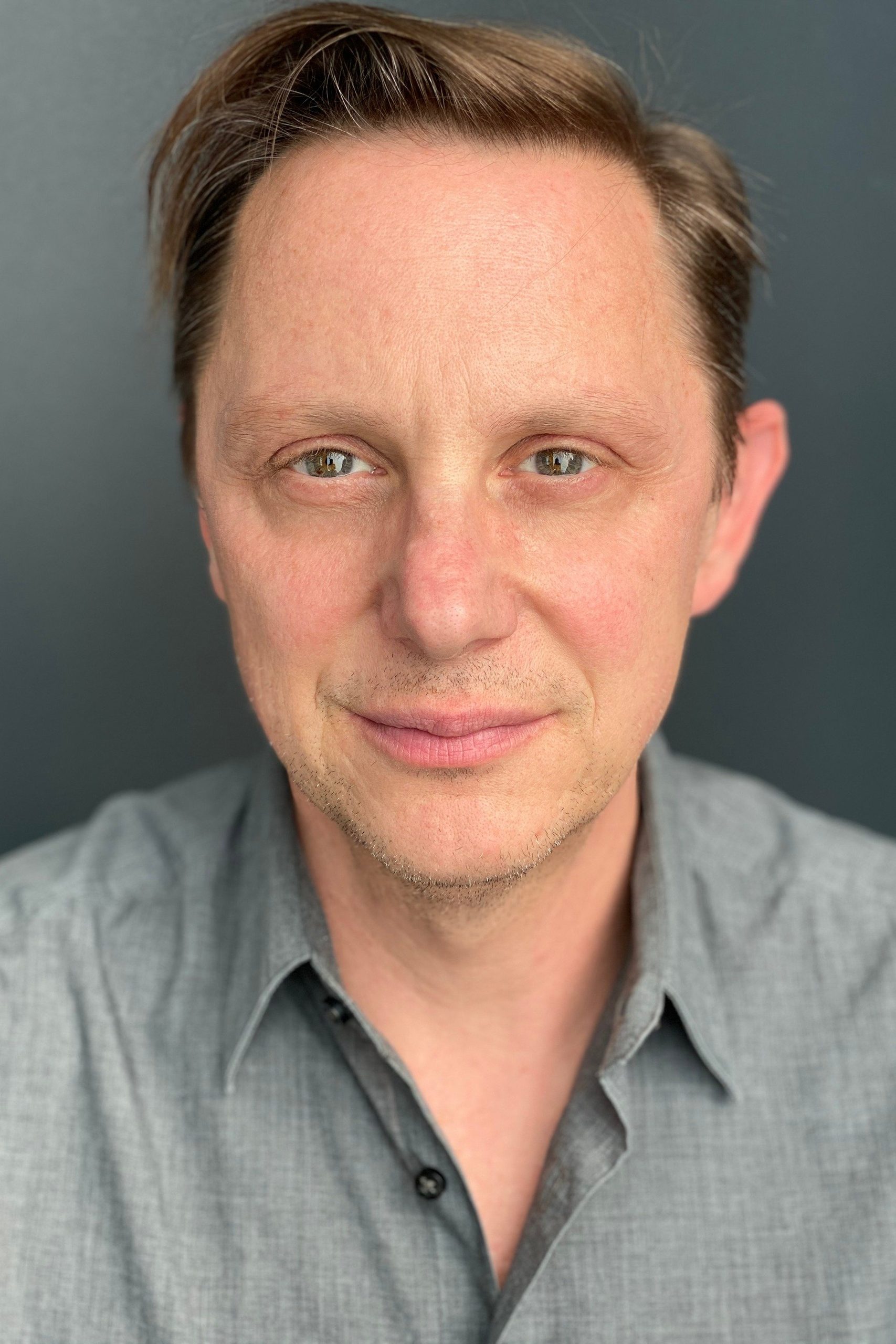
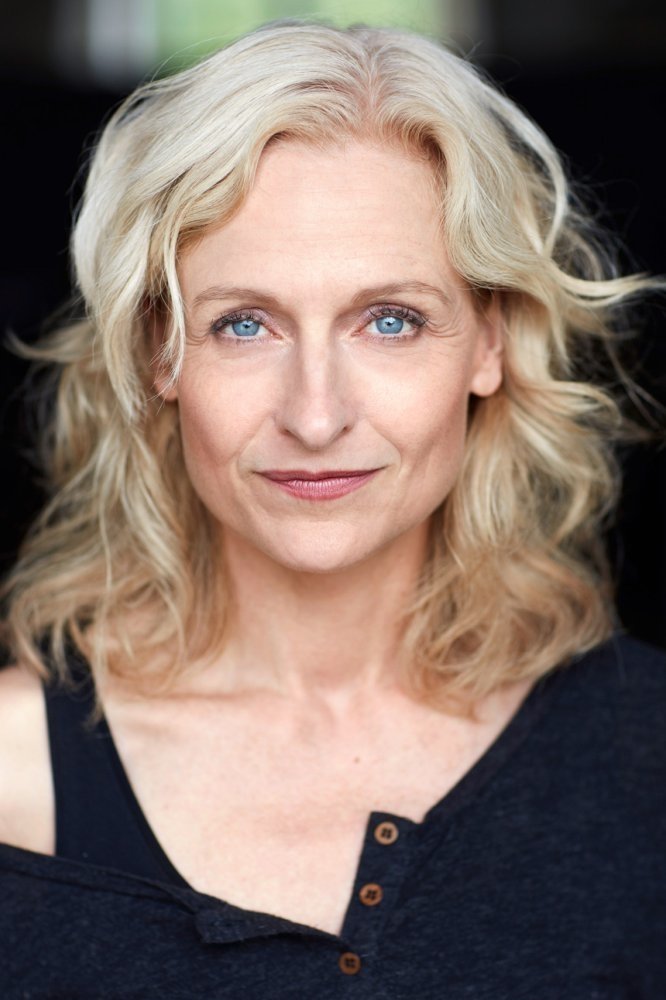
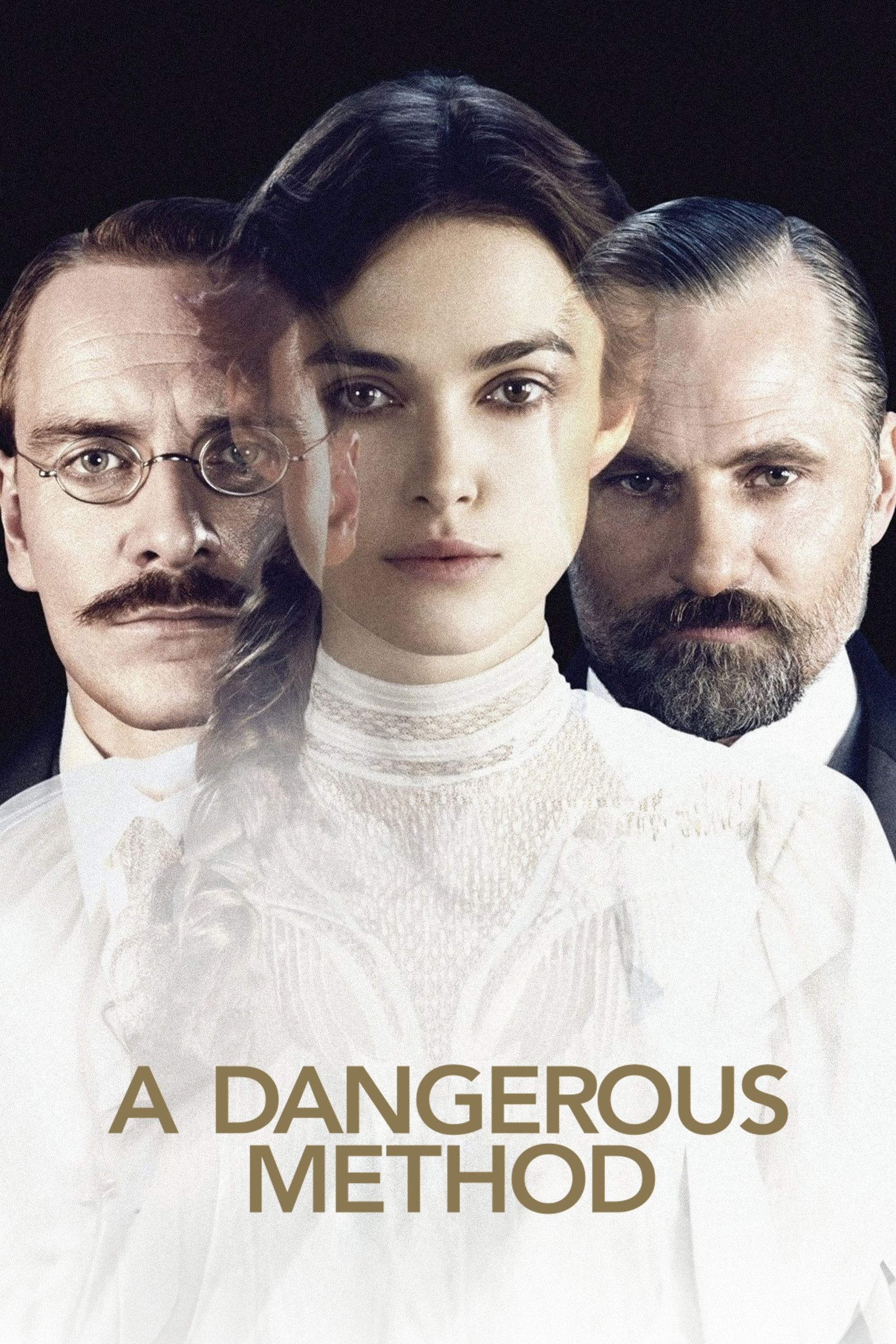
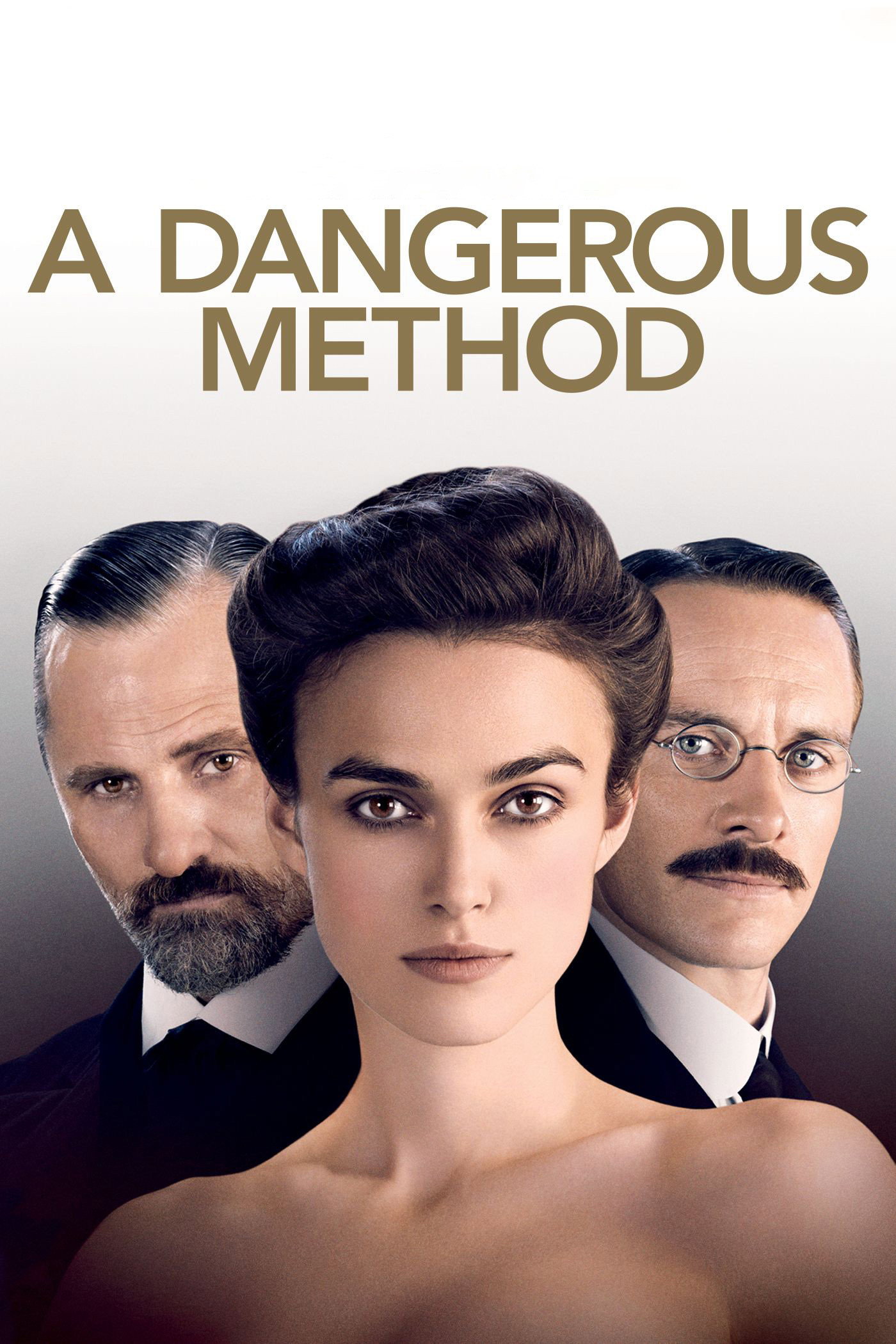
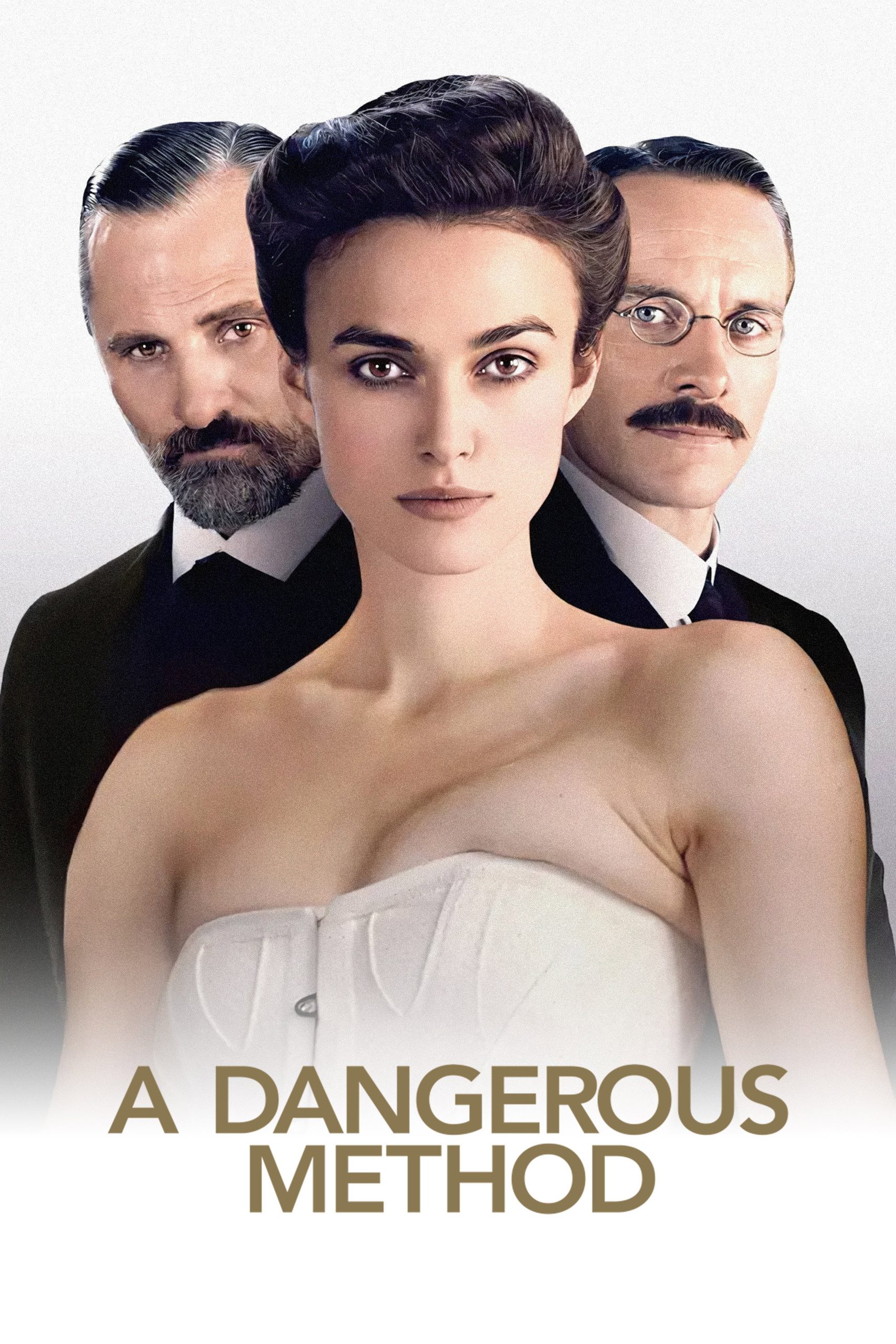
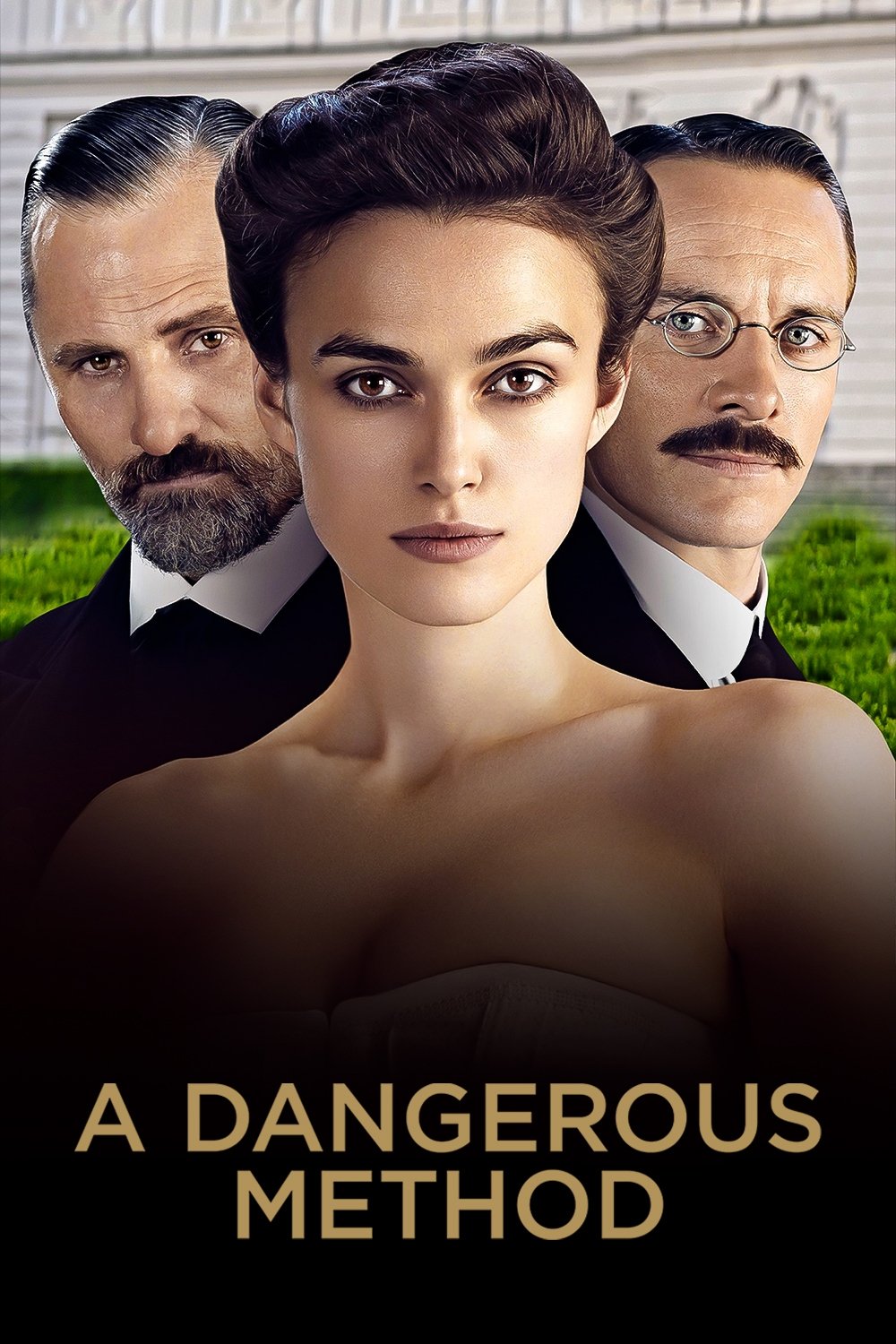
David Cronenberg’s account of the quarrel between Freud and Jung is cool, exact and better company than its reputation for talk suggests. Mortensen and Fassbender are excellent; Knightley takes some getting used to, and the letters slow everything down.
David Cronenberg has spent more than thirty years filming what goes wrong with bodies. Here he films what goes wrong with a friendship, and nearly all of the damage is done in words. A Dangerous Method is Christopher Hampton’s account, from his own play and John Kerr’s book, of the years in which Carl Jung (Michael Fassbender) took on a screaming Russian patient, Sabina Spielrein (Keira Knightley), wrote to Sigmund Freud (Viggo Mortensen) about her, and started the quarrel that split psychoanalysis in two. It is cool, clever and precisely made. It is also, for long stretches, people reading letters aloud, and it never pretends otherwise.
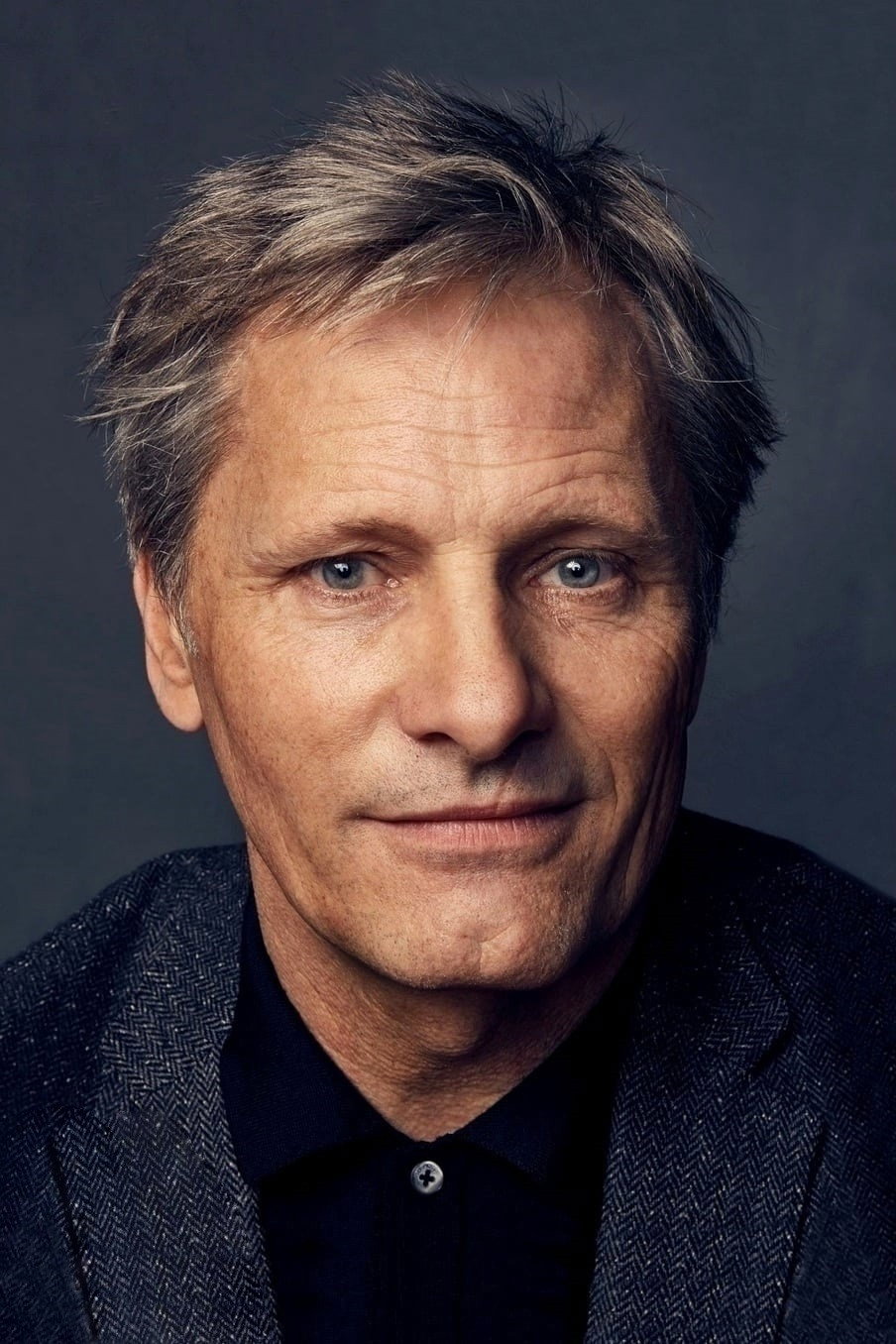
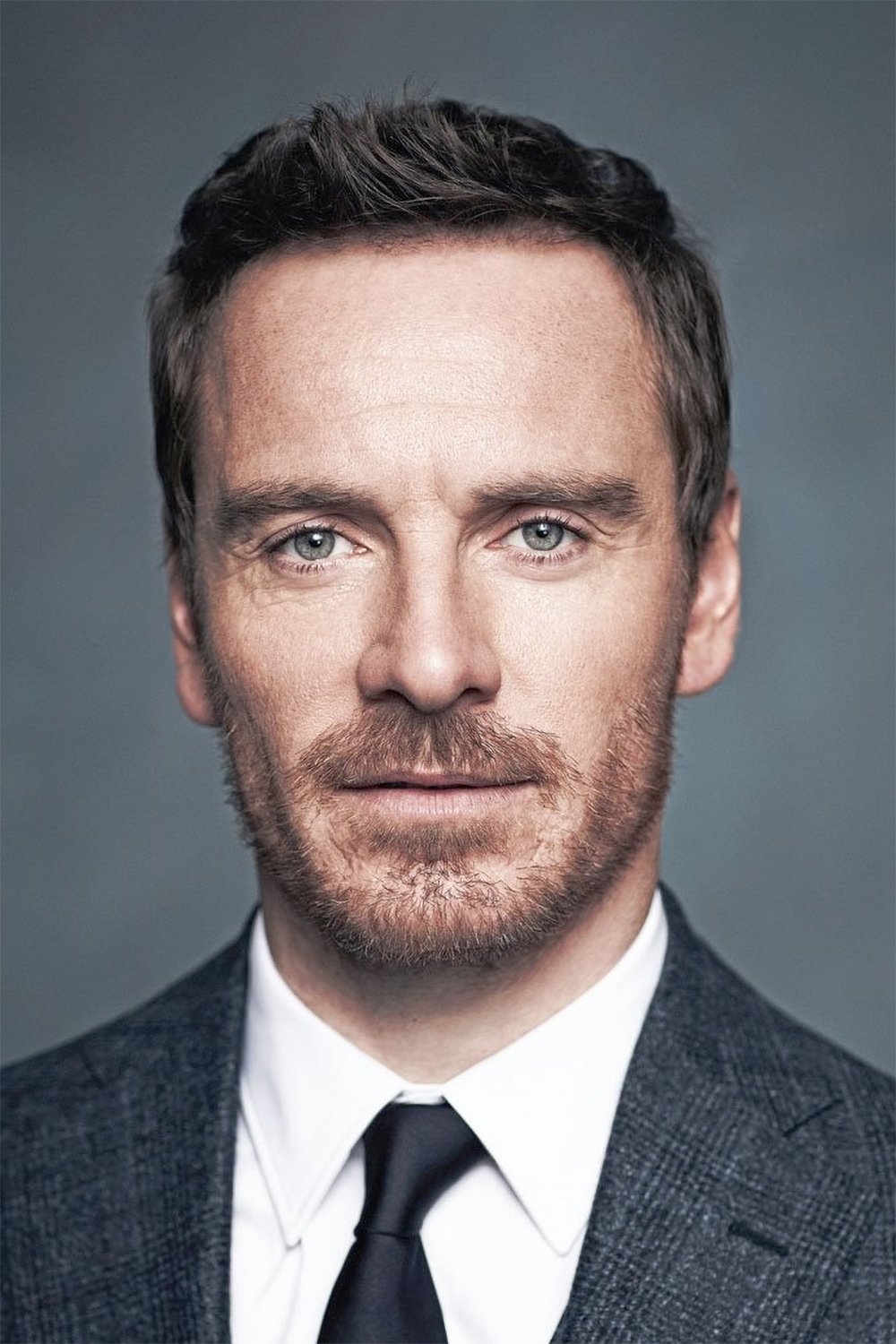
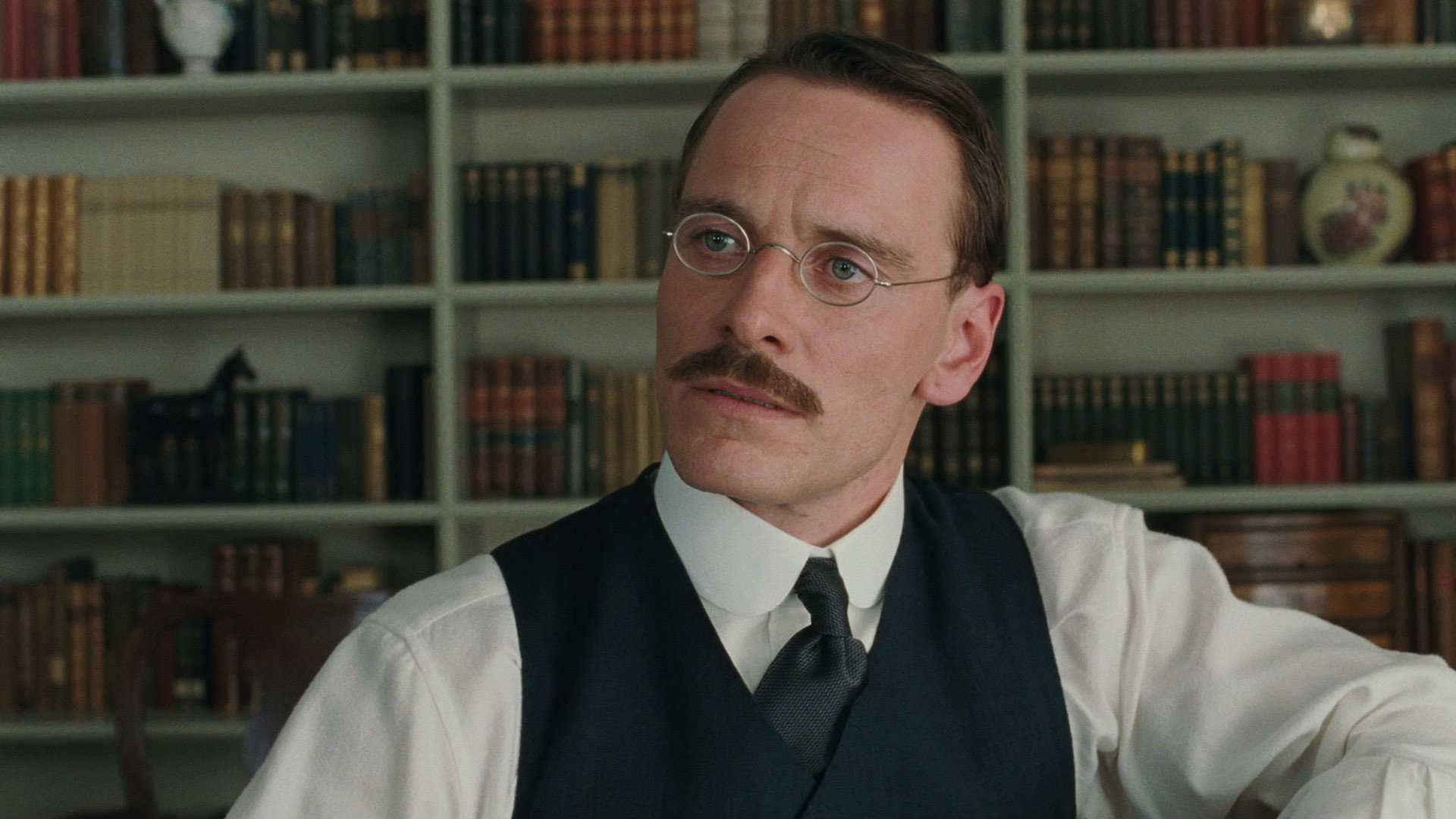
Mortensen’s Freud is the best thing in it. He plays the man as a Viennese host, cigar always lit, courteous to the edge of menace, who has decided in advance what everything means and is amused rather than threatened when the younger man disagrees. Fassbender gives Jung a stiff Swiss rectitude with appetite moving underneath it, and watches Freud the way a clever son watches a father he intends to outlast. Their first meeting, a conversation that runs deep into the night, is the most enjoyable talk we have heard in a period drama in years. Neither man raises his voice. Both are fighting.
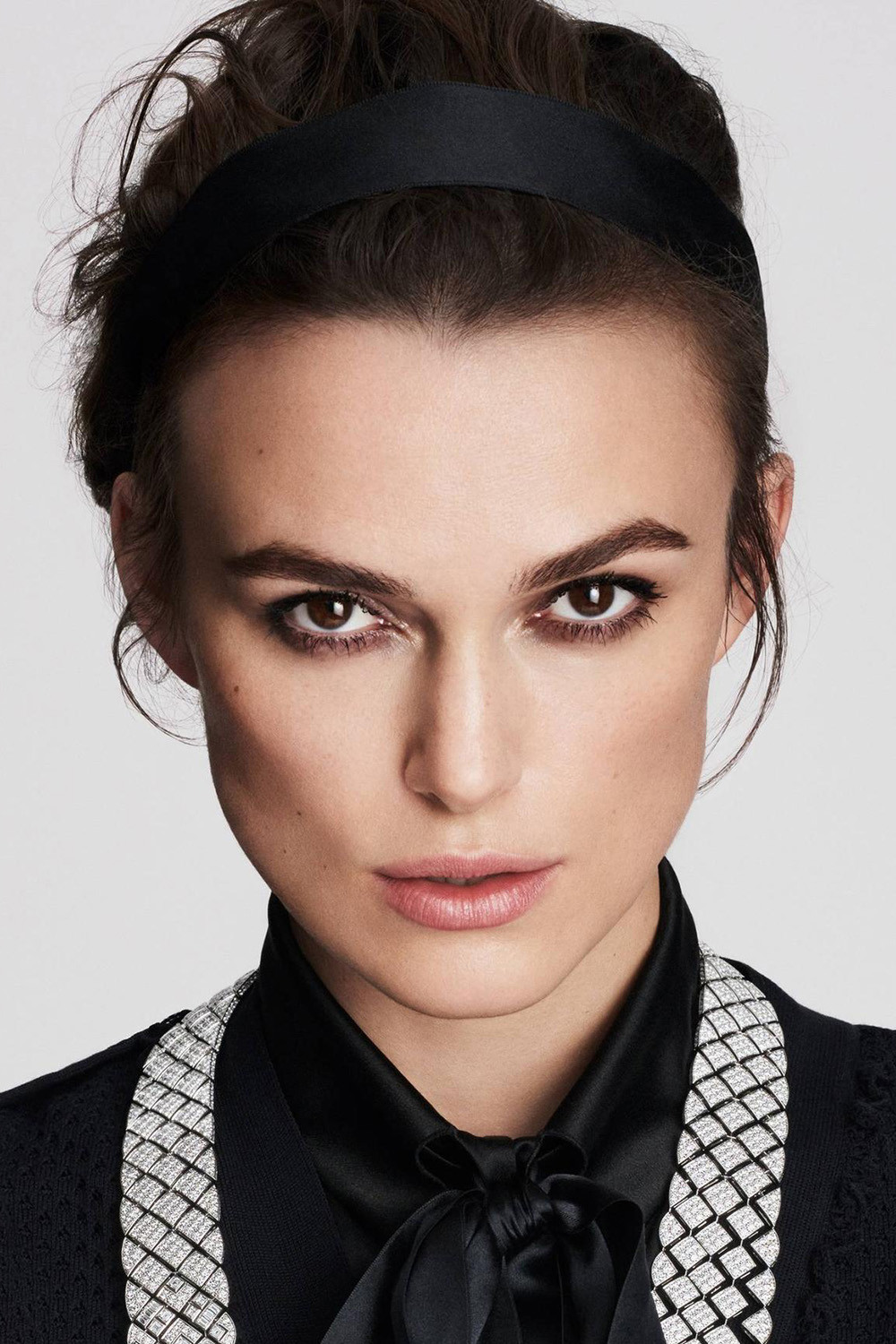
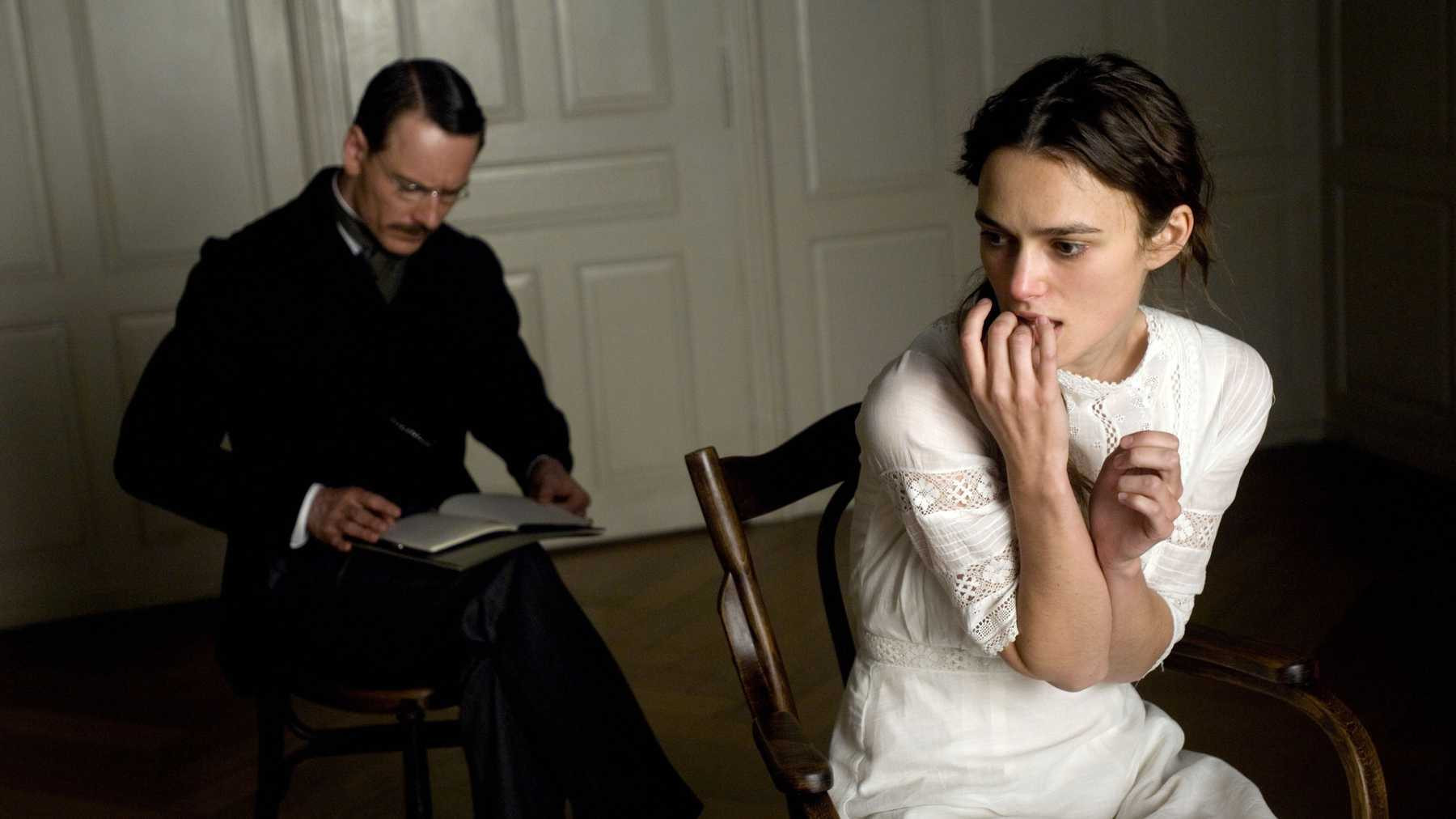
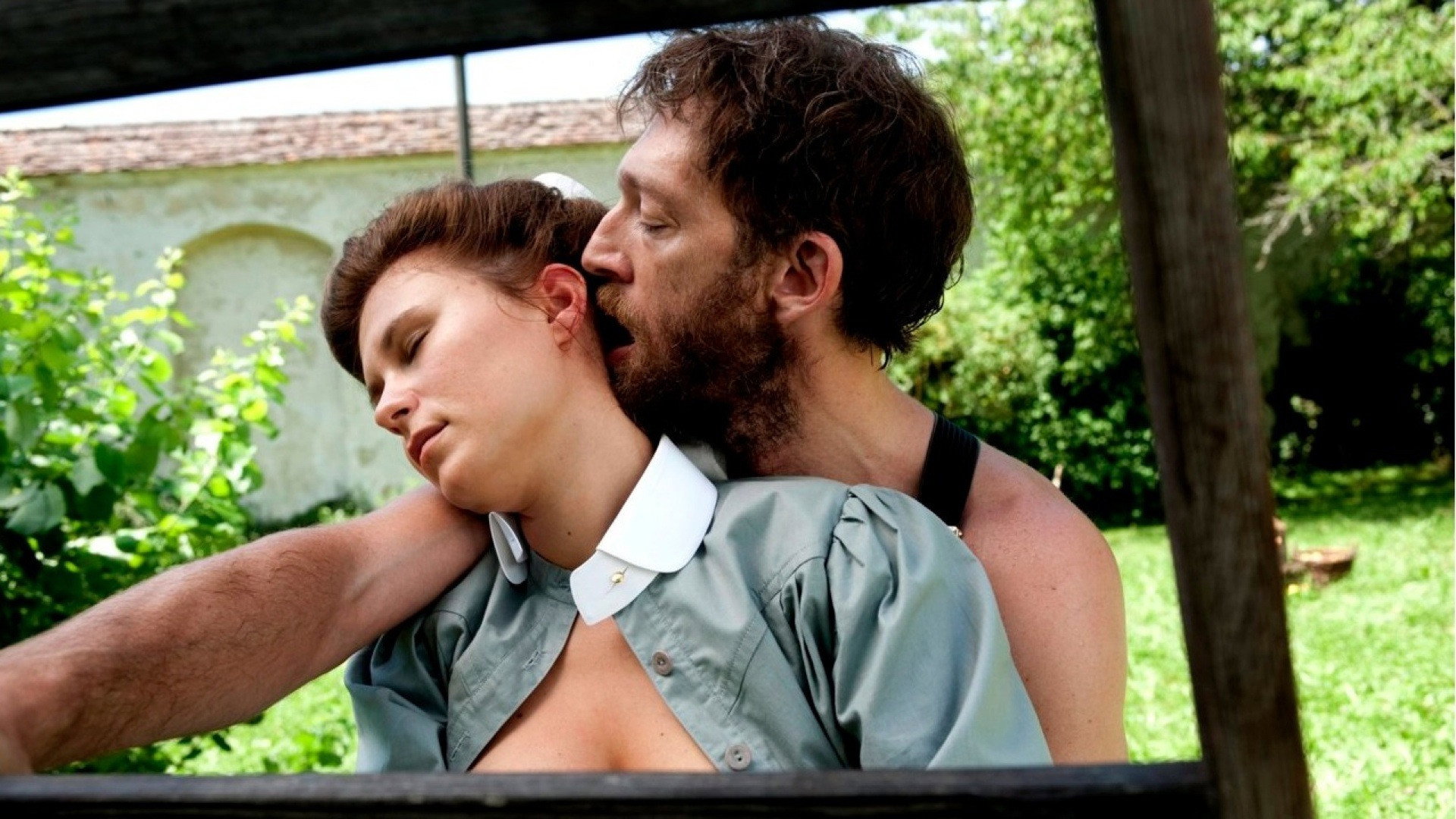
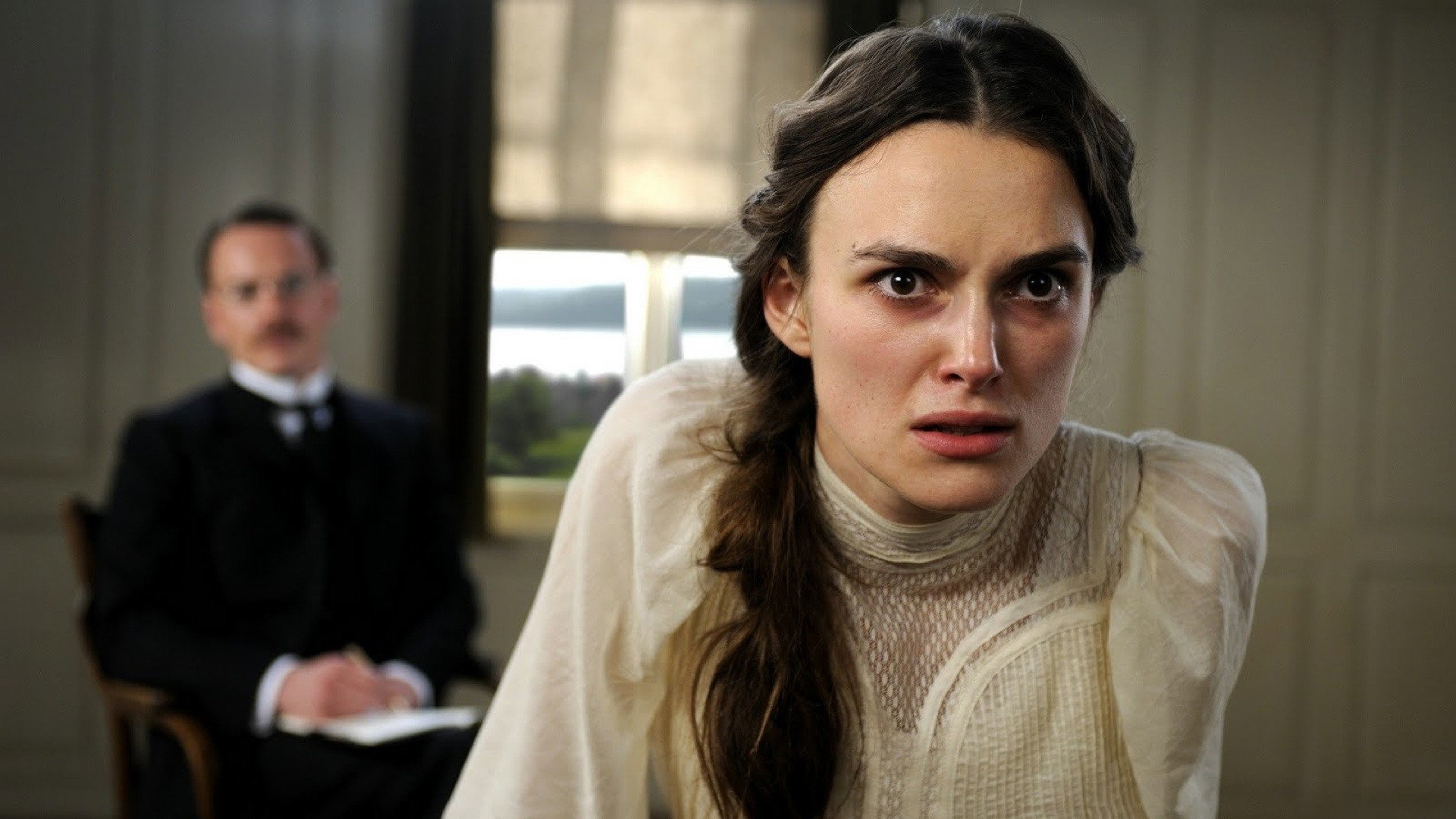
Knightley is the argument. She arrives thrashing in a carriage, jaw shoved forward, hands clawing at her face, and for her first two scenes we did not know where to look. We were embarrassed, and we could not tell whether for Spielrein or for the actress. Then Jung sits behind her and asks his questions, and the performance settles as the character does. By the middle Knightley is playing a woman who wants to be a doctor and knows more about her own case than either man treating it, and she plays that plainly, without the jaw. We ended up on her side. Vincent Cassel’s Otto Gross comes through the film like a draught through an open door, preaching against repression, and the picture is more alive while he is in it.
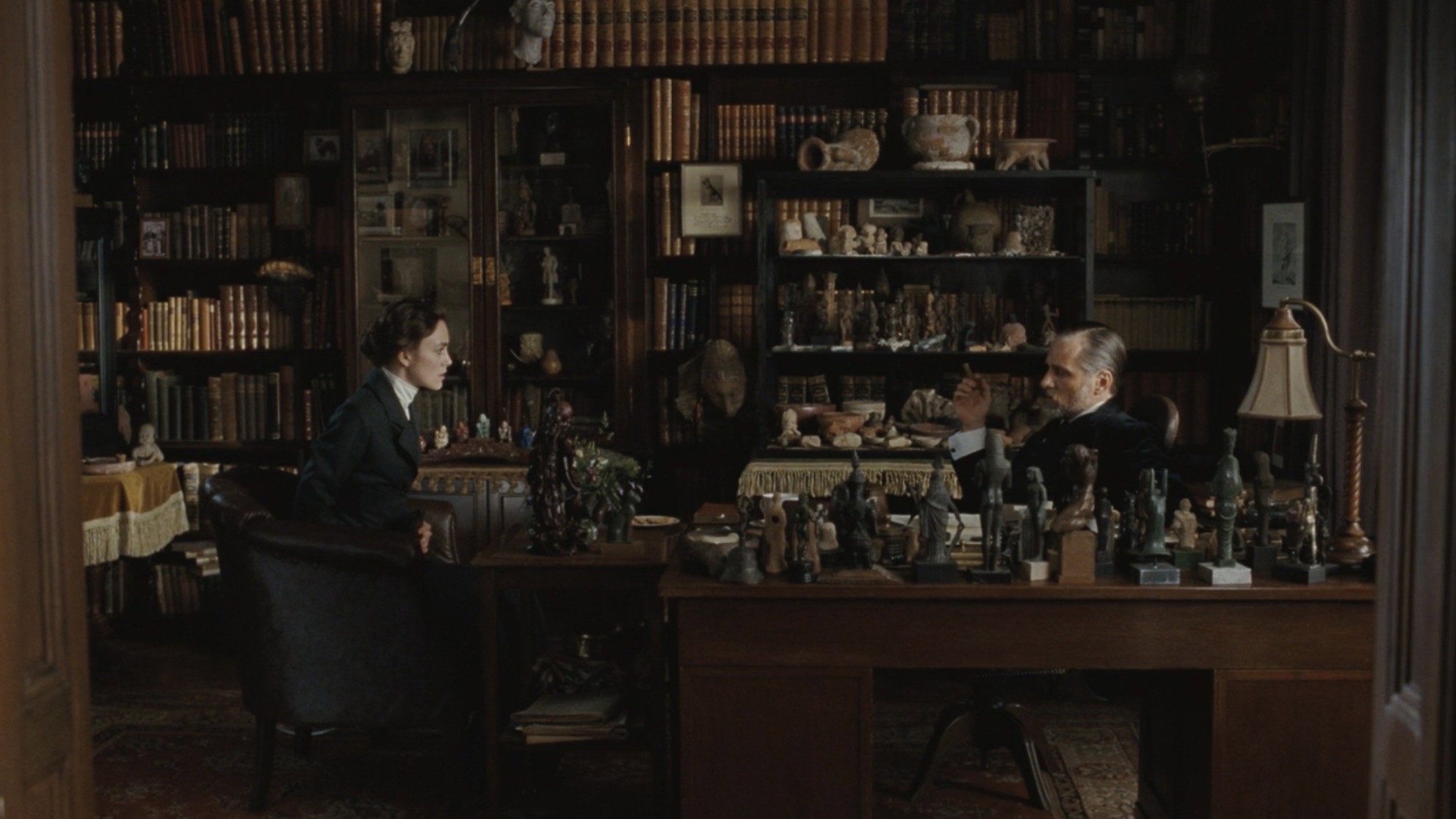
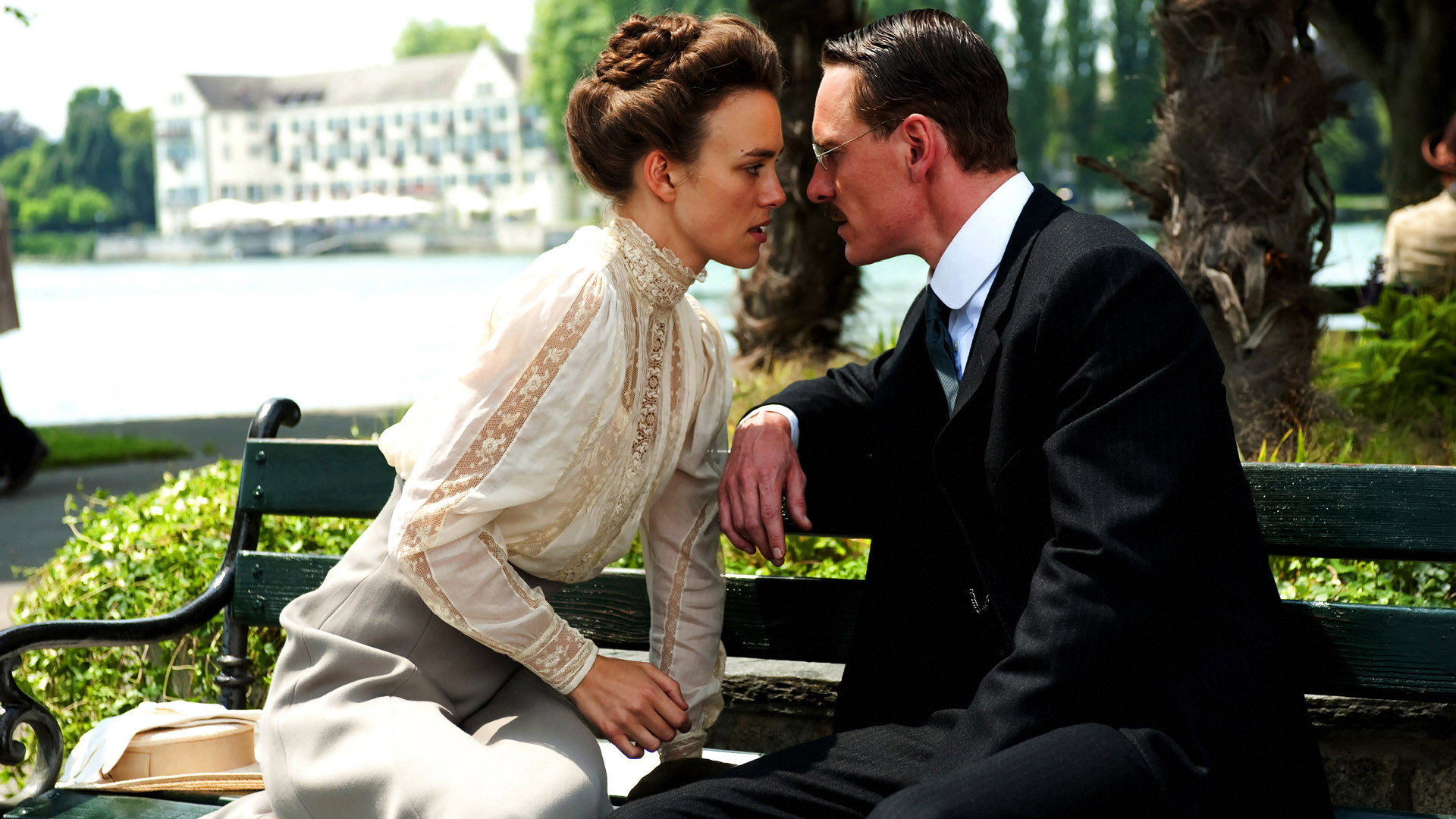
Peter Suschitzky shoots Zurich in flat white lake light and Vienna in brown. James McAteer’s Freud study is packed to the ceiling with statuettes and books, while Jung’s house on the water is pale, ordered and too large for its furniture. Denise Cronenberg dresses Knightley first in a hospital shift and then in high collars that look like a decision she has made. Howard Shore’s score is built out of Wagner, whom Jung and Spielrein discuss at length, and it is used sparingly, mostly under the letters. Cronenberg keeps the camera at conversational distance and lets the actors do the work.
The letters are the problem. Hampton sends the film to the post every ten minutes: Jung writes to Freud, Freud writes back, Spielrein writes to both, and Ronald Sanders cuts each one as a face in voiceover, so the argument we most want to see happen face to face happens on paper. Sarah Gadon’s Emma Jung is given a pregnancy, a fortune and about six lines, and the film knows it is short-changing her. The scenes in which Jung and Spielrein act out her fantasies are shot with the same dry composure as the dinners. That is honest and it flattens them; the film treats desire as one more topic on the agenda.
Against Cronenberg’s own record this is a quiet, odd entry. Dead Ringers (1988) and Spider (2002) put the damage on the actors’ bodies; here nobody bleeds and nearly everybody talks. Some critics have taken that as a loss of nerve. We think it is deliberate, and there is one moment that proves it: a bookcase in Freud’s study cracks, loudly, on its own, while Jung insists the sound is a message, and it unsettled us more than anything in his louder work, because nobody reacts as if it matters.
See it for Mortensen, for the dinner, and for the way Knightley climbs out of a performance that starts badly. Bring patience for the correspondence. It runs 99 minutes and carries a 15, largely for a few scenes involving a belt that are handled, like everything else here, with the lights on.