Film review

Dead Ringers

1988 · Directed by David Cronenberg · 1h 55m · MPA R

In a sentenceJeremy Irons makes two doctors so convincing that we would rather cancel the appointment

ThrillerHorror

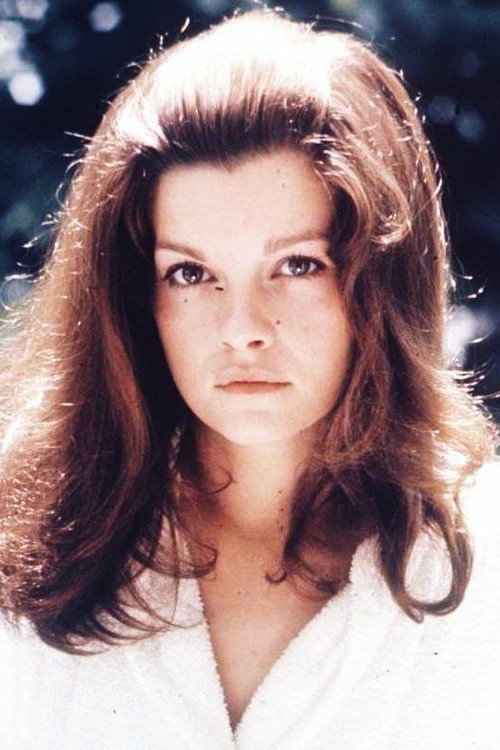
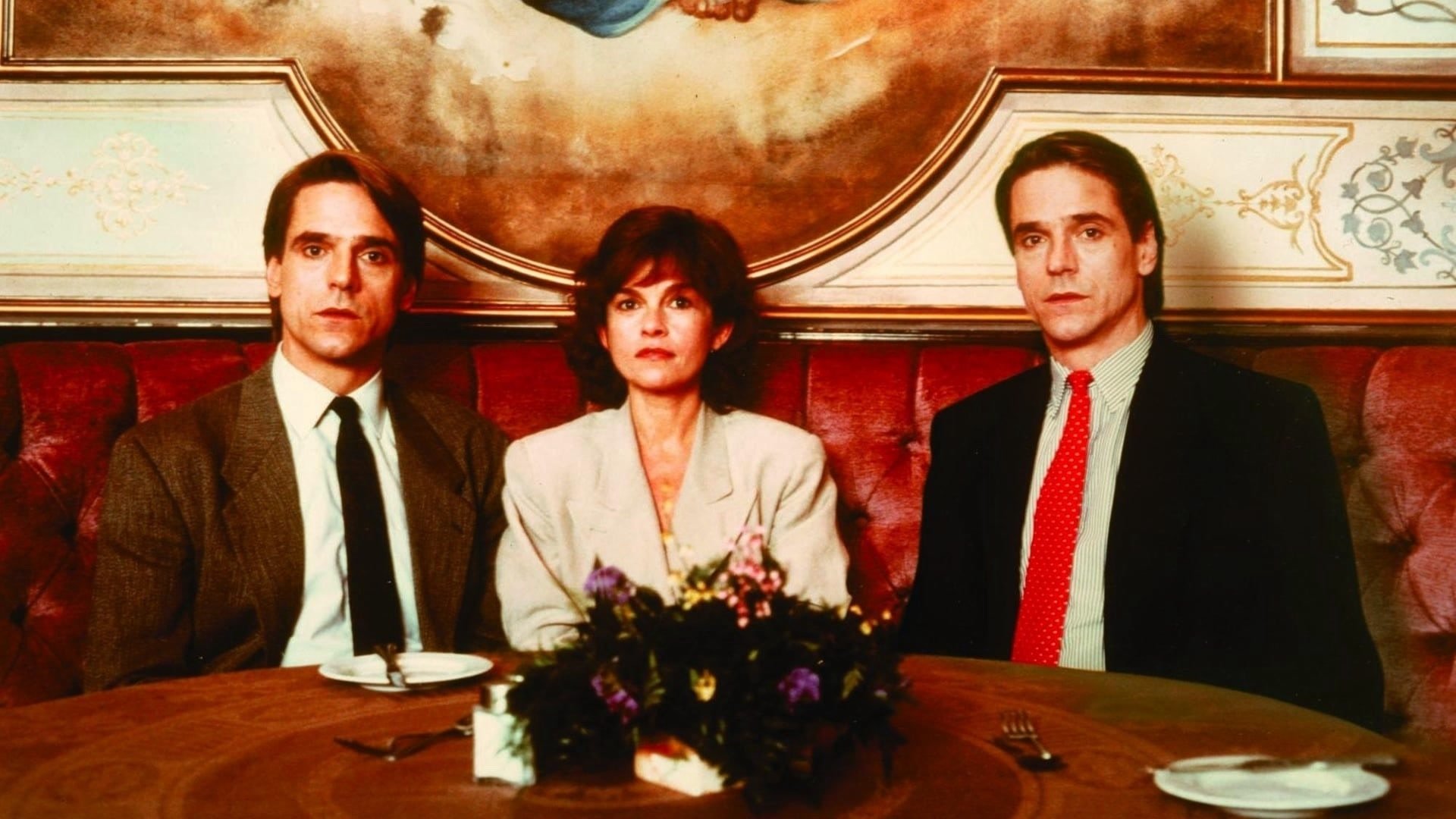
In Toronto, identical twins Beverly Mantle and Elliot Mantle (both Jeremy Irons) work as gynaecologists. Their professional lives are bound up with a dependence on one another that leaves little room for anyone else. Claire Niveau (Geneviève Bujold), an actress, becomes involved with both men. Each wants her, but neither approaches the relationship free of his attachment to his brother. For the brothers, pursuing Claire also means confronting how much of their work and private lives depends on remaining inseparable, and how difficult a relationship outside that arrangement might be.

Plays from YouTube when you press play; nothing loads from them until then.

Fi1m review

Jeremy Irons makes the twin doctors in David Cronenberg’s Dead Ringers painfully believable. This is excellent, deeply unsettling horror, though its concentration on the brothers sometimes leaves Geneviève Bujold’s Claire Niveau with too little room.

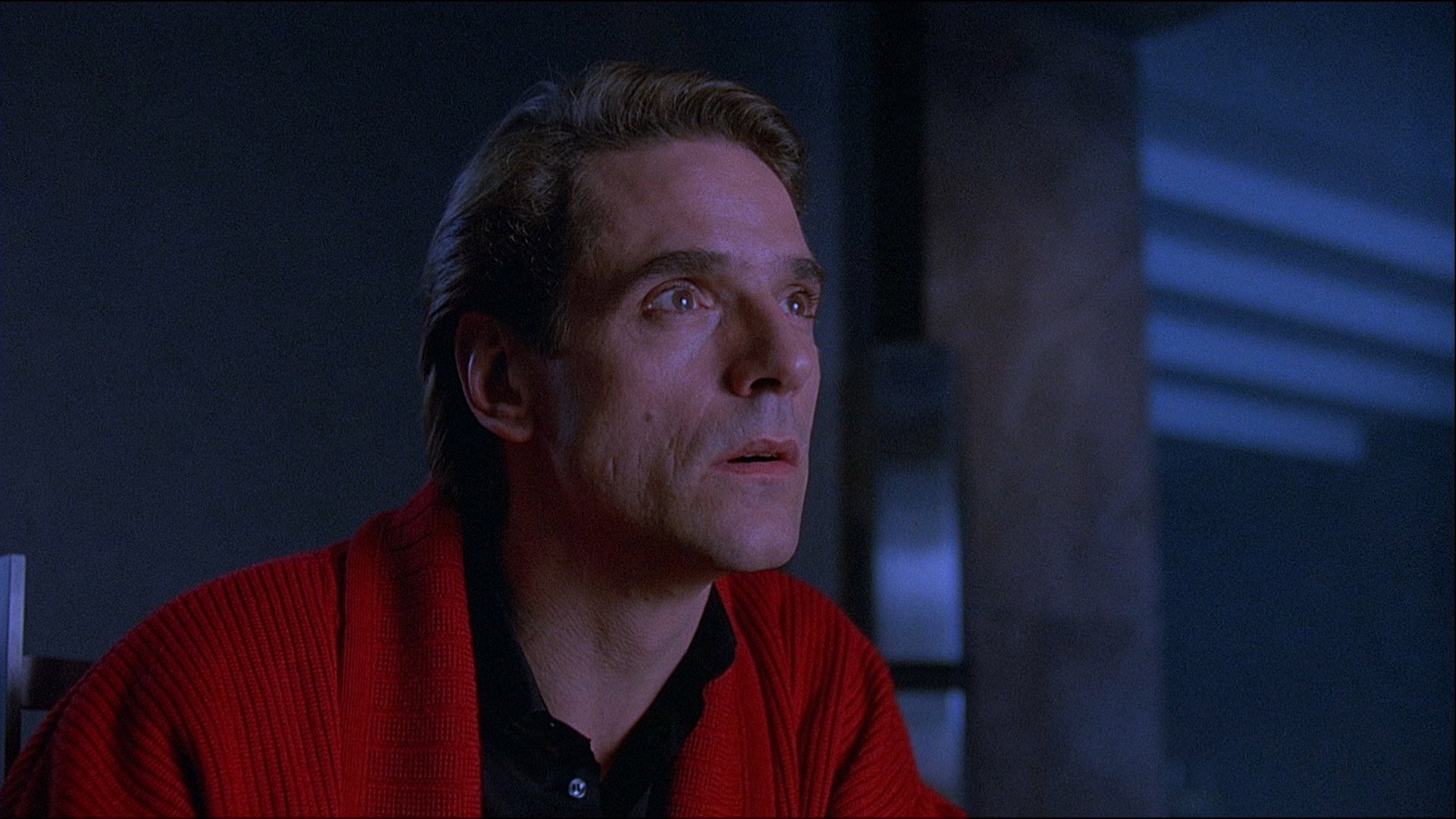
The most unsettling thing in Dead Ringers is how little professional authority tells us about the person exercising it. David Cronenberg gives the Mantle twins the standing of doctors and asks us to sit with their dependence on each other, without pretending that expertise makes either man emotionally competent. This is excellent, distressing horror, with an occasional stiffness that keeps its people at a distance. Jeremy Irons makes their relationship worth the discomfort.

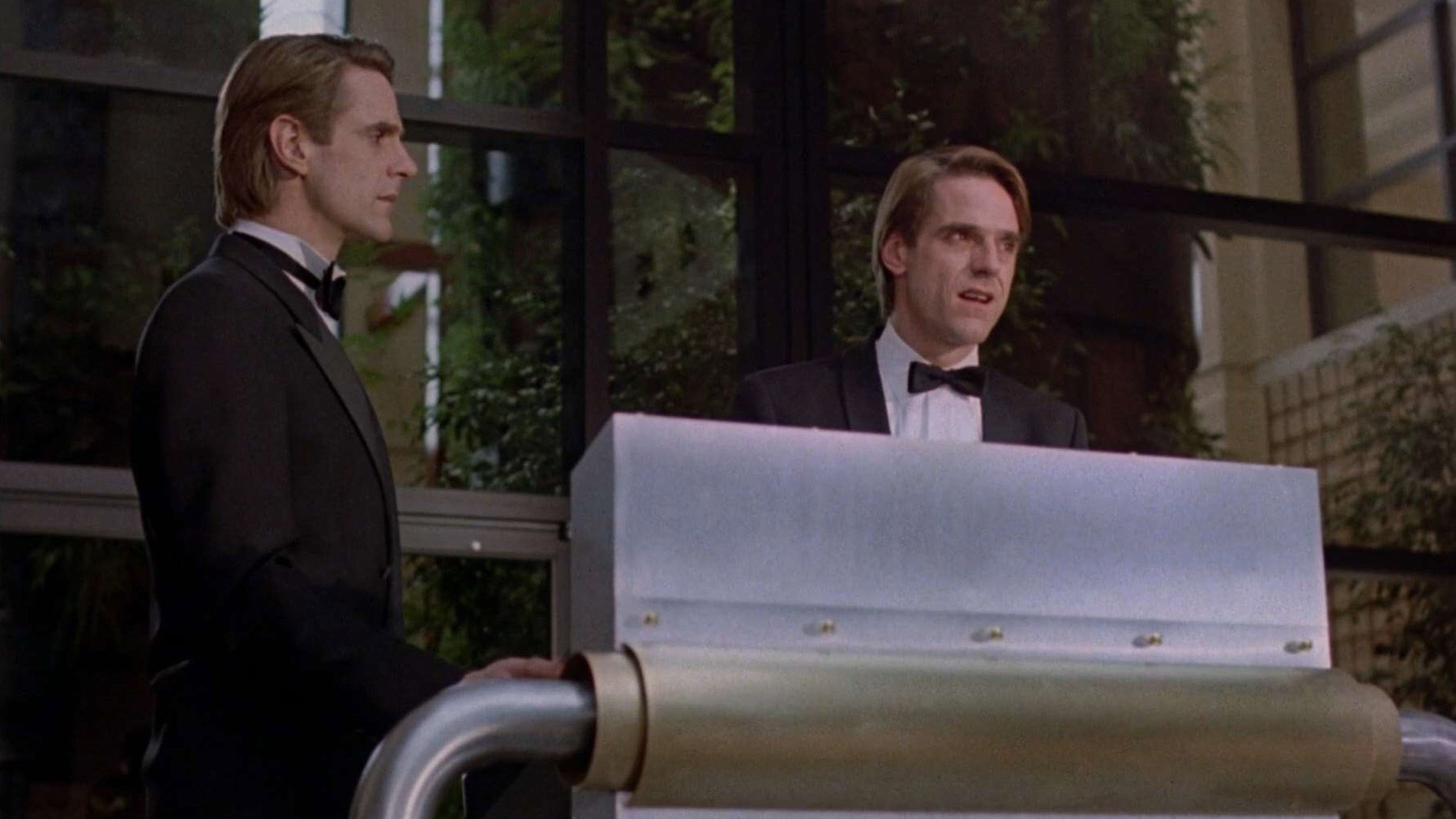
The double performance works because we stop admiring the difficulty of it and start worrying about the two men. Beverly Mantle and Elliot Mantle remain distinct enough for their dependence to hurt; we do not have to regard them as interchangeable to understand why they struggle to separate. We felt unexpectedly sorry for them. It was the sight of two capable doctors unable to manage a life apart that did it, and Jeremy Irons makes their need for one another uncomfortable without making it ridiculous.

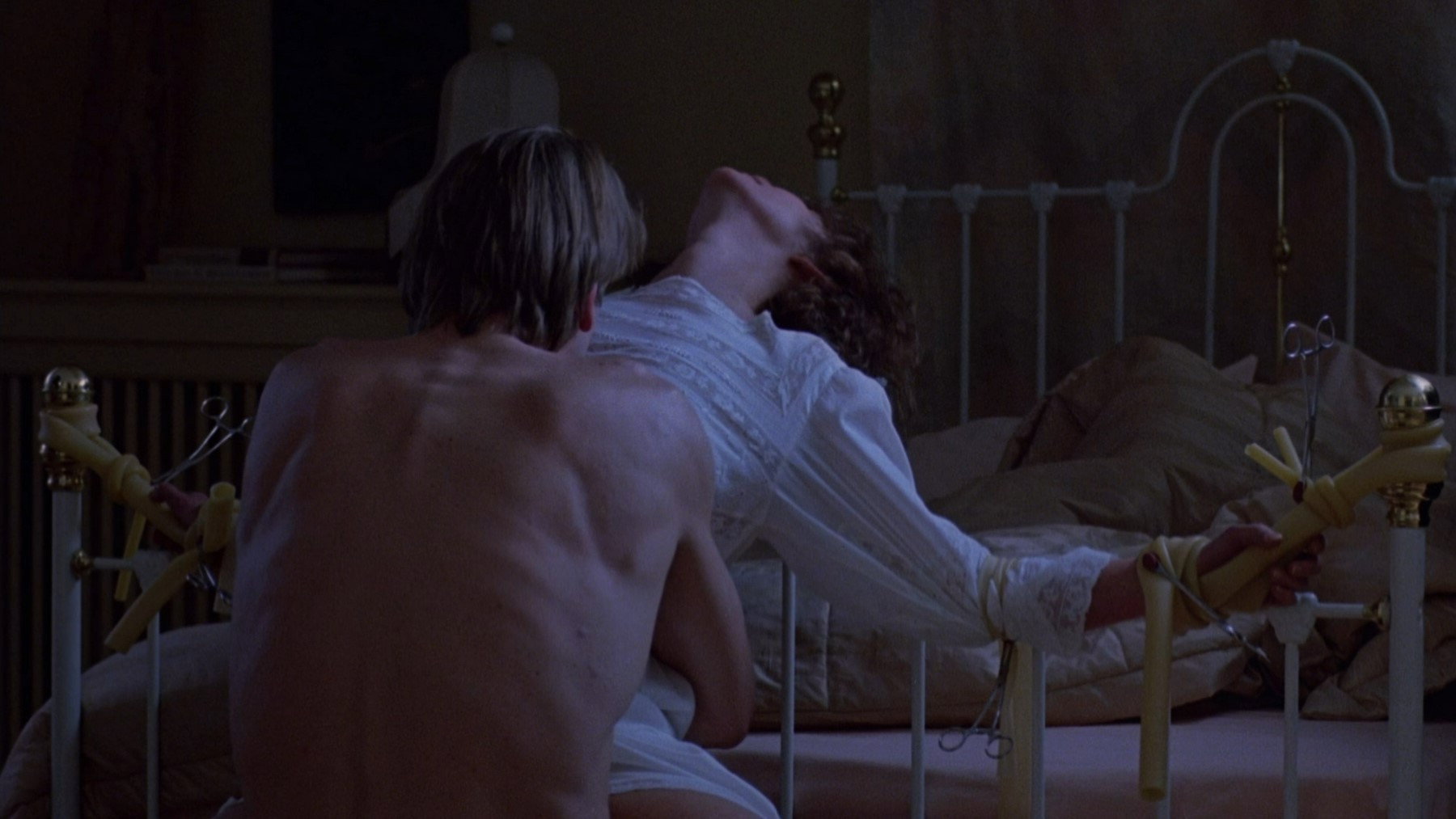
Geneviève Bujold gives Claire Niveau enough force to make us want the film to spend more time with her. An actress involved with both doctors, Claire could easily be reduced to the woman who disturbs an arrangement between men, and there are passages where the screenplay by David Cronenberg and Norman Snider does little more than that. Her presence helps resist it: she holds our attention even when the brothers’ problems dominate. The imbalance matters in a film so concerned with men’s authority over women’s bodies.

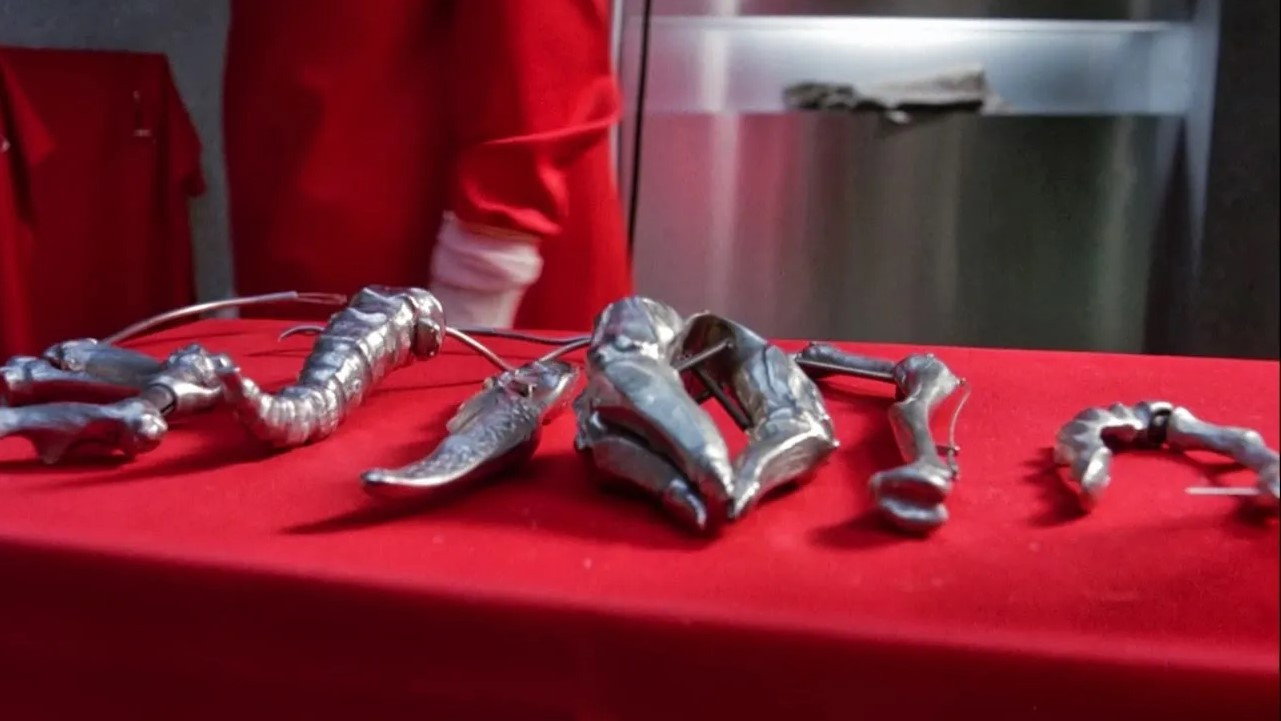
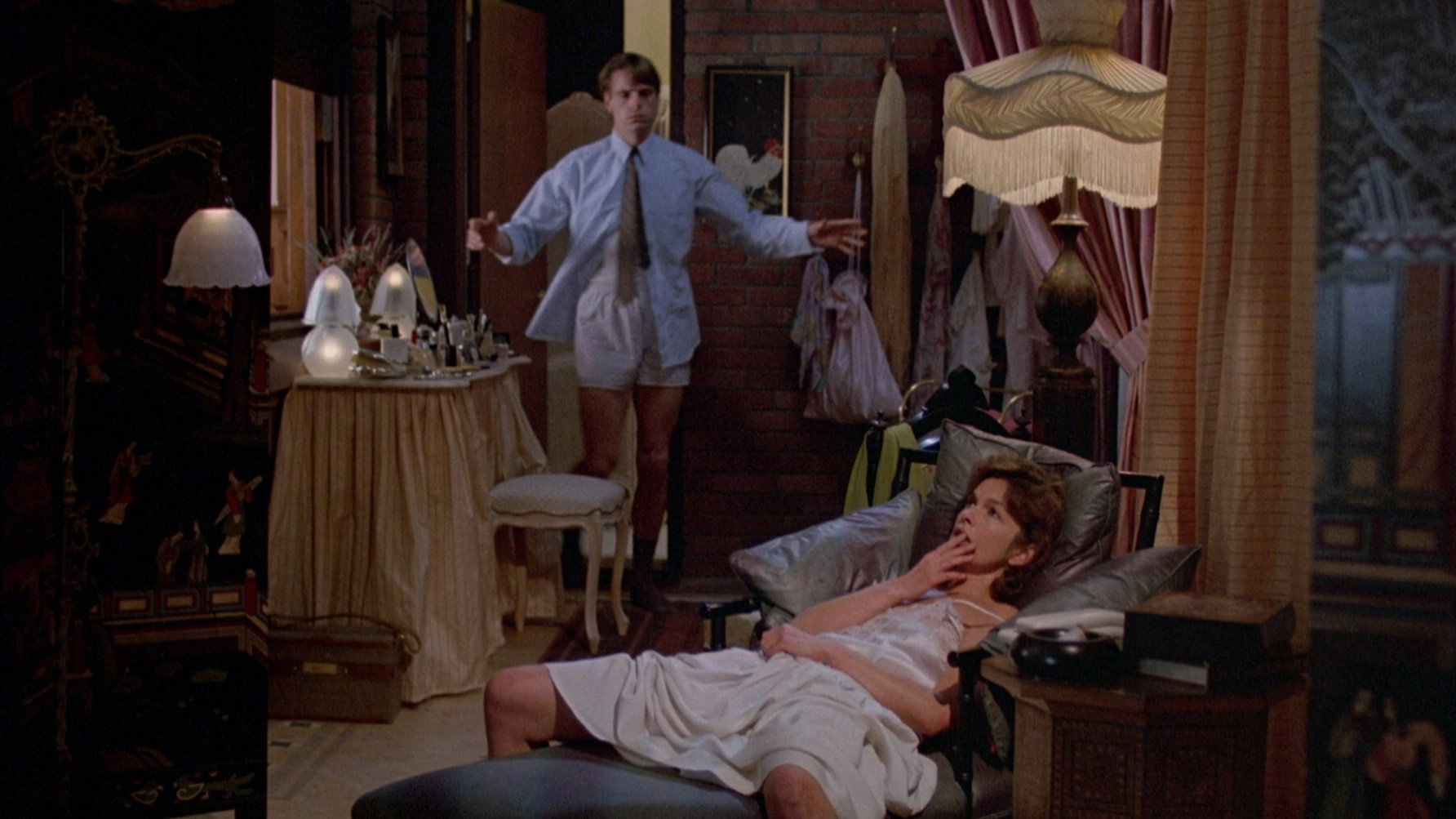
Peter Suschitzky’s cinematography makes the clinical surroundings unpleasant without making them obviously sinister. The clean surfaces suggest a place where somebody has control, which is precisely what we come to doubt. We found the red accents upsetting: against that clinical cleanliness, they kept making us think about blood. Carol Spier’s production design supports the unease, giving the doctors’ surroundings an orderliness that makes their instability harder to dismiss. The medical setting benefits from this restraint.

Ronald Sanders’s editing helps the double performance disappear into the drama. We can attend to the brothers’ dependence without being continually distracted by the business of one actor playing both parts. Howard Shore’s music is effective for a related reason: it allows room for sorrow in material that might otherwise invite only disgust. These are important contributions to the film’s patience with its characters, although the measured pace sometimes holds an uncomfortable situation in place after we have understood it.

As a horror film, Dead Ringers gets a great deal from our ordinary fear of trusting a doctor. Its relatively sparing use of gore leaves us thinking about the people authorised to examine a body, and how little we know about them. The dark humour never quite offers relief, because the brothers’ dependence remains painful even when their behaviour is absurd. Choose it for the acting and the sustained unease, but expect stretches where the slow pace becomes a test of patience.
Critical consensus AI synthesised

82
Positive
12
Mixed
0
Negative
0

The reviews are uniformly positive, with praise clustering around Jeremy Irons’ dual performance and Cronenberg’s restrained direction. Critics repeatedly credit Irons with making the twin gynaecologists distinct while conveying their troubling dependence on each other. Cronenberg’s clinical settings, controlled imagery and muted approach to physical horror are widely seen as making the psychological unease more disturbing. Several reviews also find compassion beneath the cold surfaces, describing a film whose treatment of identity, addiction and separation carries considerable emotional weight.

The differences concern emphasis and enthusiasm rather than substantial objections. Scores range from 70 to 90, with even the more measured notices praising the film’s control and unsettling intensity; the supplied reviews offer few explicit reservations. Little White Lies concentrates on the antiseptic visuals and red accents, while Eye for Film gives particular attention to the twins’ misogyny and the humanity Irons brings to their psychological imbalance.

Empire
1 January 2000 · Kim Newman
90*

The critic praises the film as an uncompromised, suspenseful study of identity, surgery, addiction and degradation that is profoundly moving despite its foregone tragic outcome. Cronenberg's tactful direction and Jeremy Irons' dual performance are singled out for particular praise.

Read the full review →
Los Angeles Times
22 September 1988 · Sheila Benson
90*

Dead Ringers announces Cronenberg’s full maturity as a major director, presenting his most spellbinding and least horrific work to date. The elegiac, compassionate story about symbiotic doctor-twins is wrapped around the auras of mastery and sexuality surrounding their intimate work with women’s bodies.

Read the full review →
The New York Times
23 September 1988 · Janet Maslin
90*

Cronenberg's film about twin gynecologists on the brink of madness is unexpectedly sleek and icy. The director has shaped a startling tale of physical and psychic disintegration centered on the twins' hopeless interdependence, delivering a mesmerizing and terrifically unnerving achievement.

Read the full review →
Time Out
29 November 2011 · NF
90*

Cronenberg delivers an emotionally devastating study of the perverse relationship between identical twin gynaecologists that confronts fears of disintegration and mortality through abstract, expressionist imagery. Irons gives a superlative dual performance in a harrowing tale of separation and loss that leaves one drained but exhilarated.

Read the full review →
Little White Lies
23 September 2018 · Adam Scovell
85*

Cronenberg's 1988 film marks a shift toward grounded psychological and psychosexual territory, charting the twins' descent into addiction and identity crisis via binaries of inside/outside the body. The antiseptic visuals and red accents underscore themes of shared psychic instability and the collapse of distinct selves.

Read the full review →
Radio Times
★★★★ · Tony Sloman
80

Cronenberg demonstrates a uniquely distressing and subtle talent in this finely wrought urban horror tale of identical twin gynaecologists, transposed to Toronto. Jeremy Irons excels in the dual role, delivering a result unsettling enough to deter visits to fertility clinics.

Read the full review →

Cast

Stills

Awards

Academy of Canadian Cinema and Television Award for Best Motion Picture, 1989

Won
Academy of Canadian Cinema and Television Award for Best Motion Picture

Canadian Screen Award for Best Screenplay, 1989

Won
Canadian Screen Award for Best Screenplay

Los Angeles Film Critics Association Award for Best Director, 1988

Won
Los Angeles Film Critics Association Award for Best Director

New York Film Critics Circle Award for Best Actor, 1988

Won
New York Film Critics Circle Award for Best Actor

If you liked this, try…

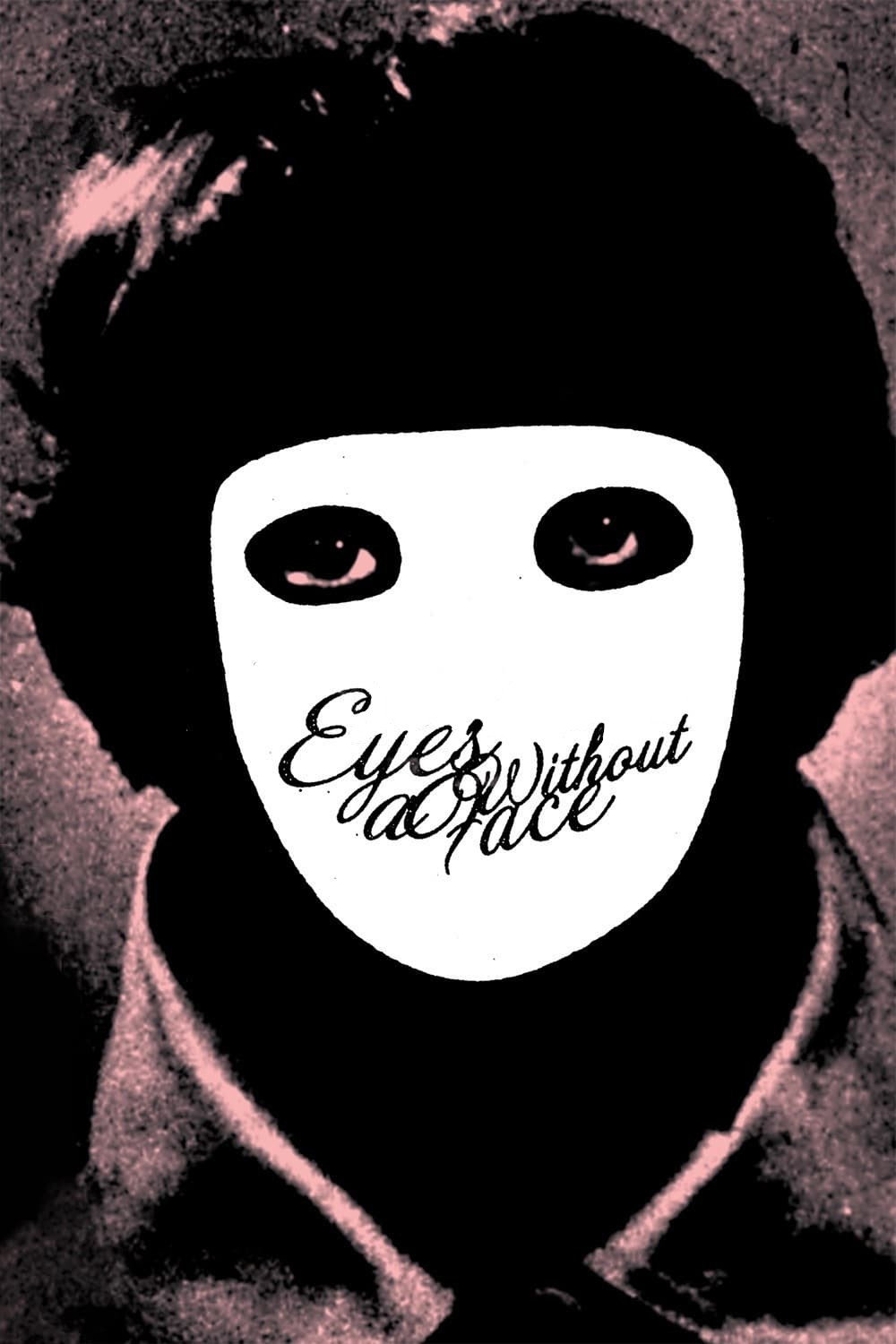
Eyes Without a Face poster

Eyes Without a Face

1960 · Another doctor whose professional skill offers no reassurance about his judgement.

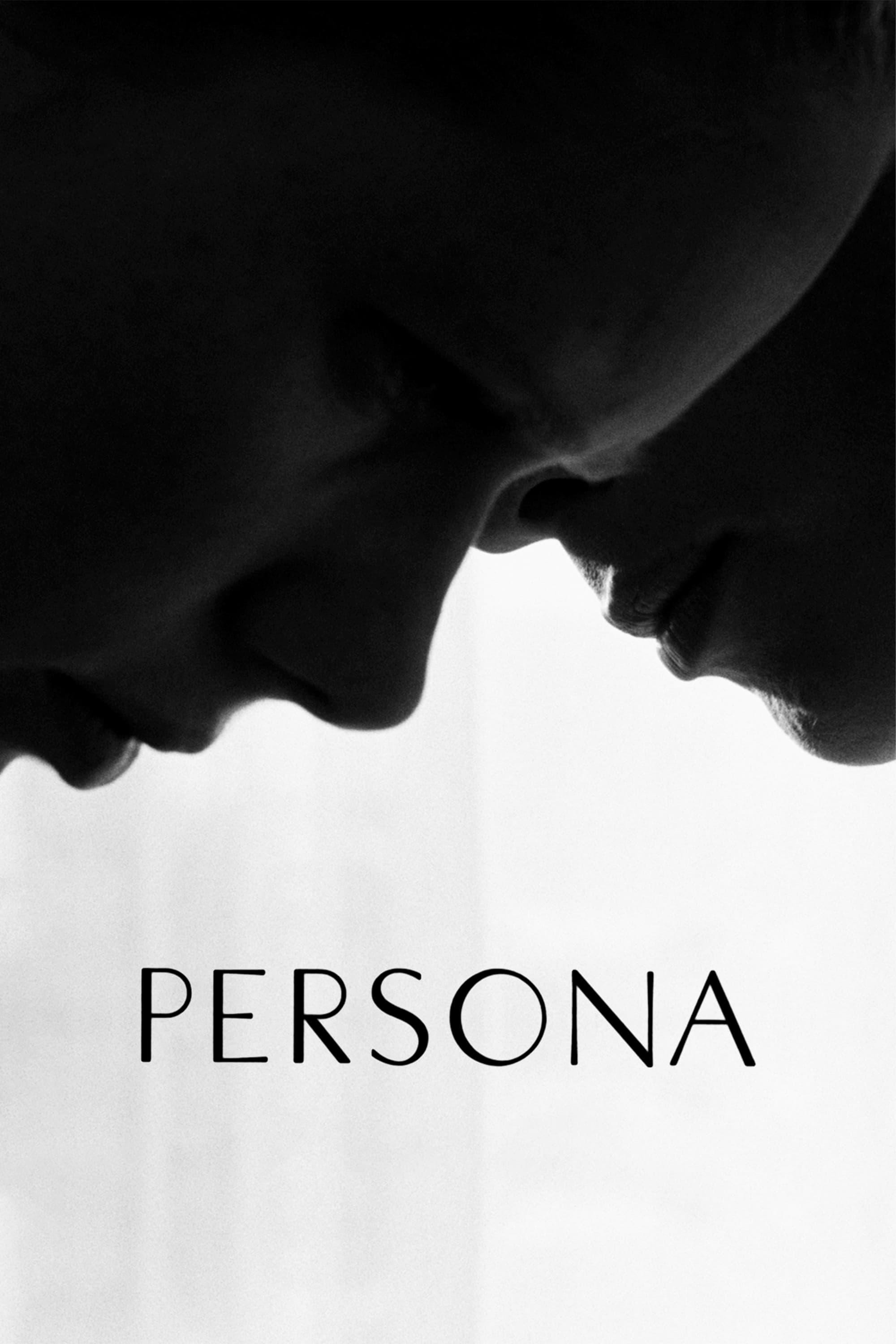
Persona poster

Persona

1966 · Two people become difficult to separate, with faces doing much of the work.

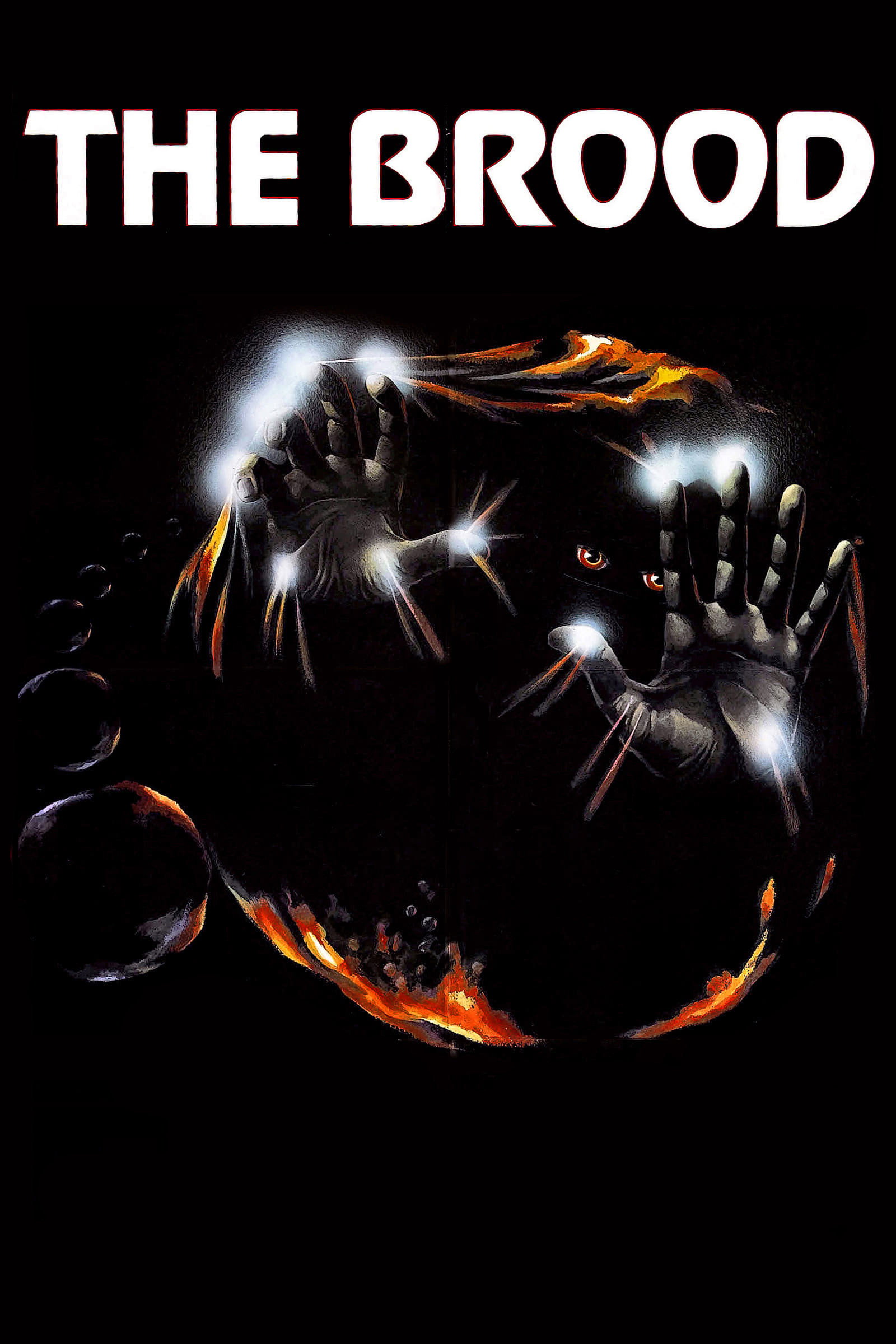
The Brood poster

The Brood

1979 · Family dependence becomes bodily horror, with distress surviving the grotesque effects.

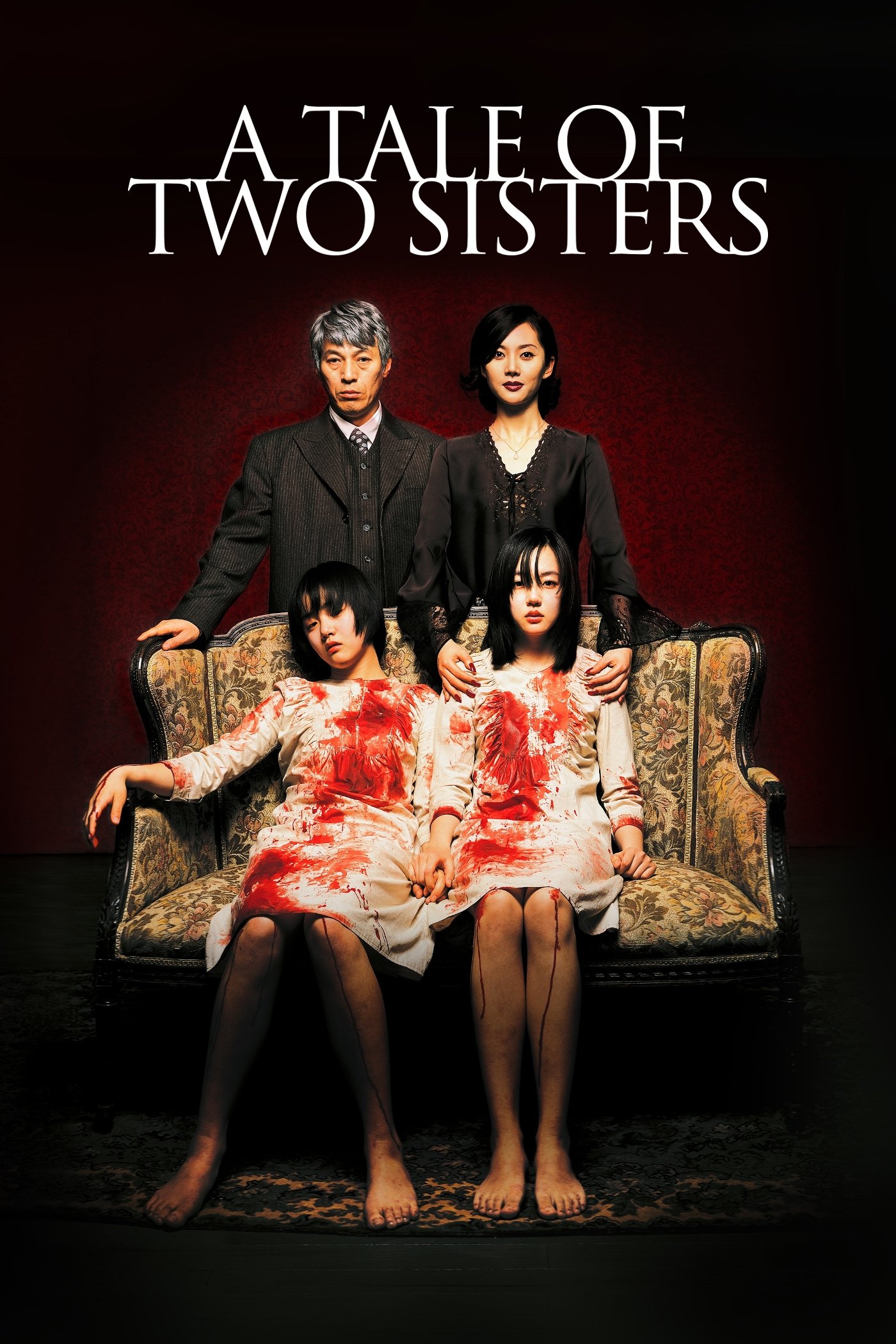
A Tale of Two Sisters poster

A Tale of Two Sisters

2003 · An intimate household horror where damaged relationships make every room feel unsafe.

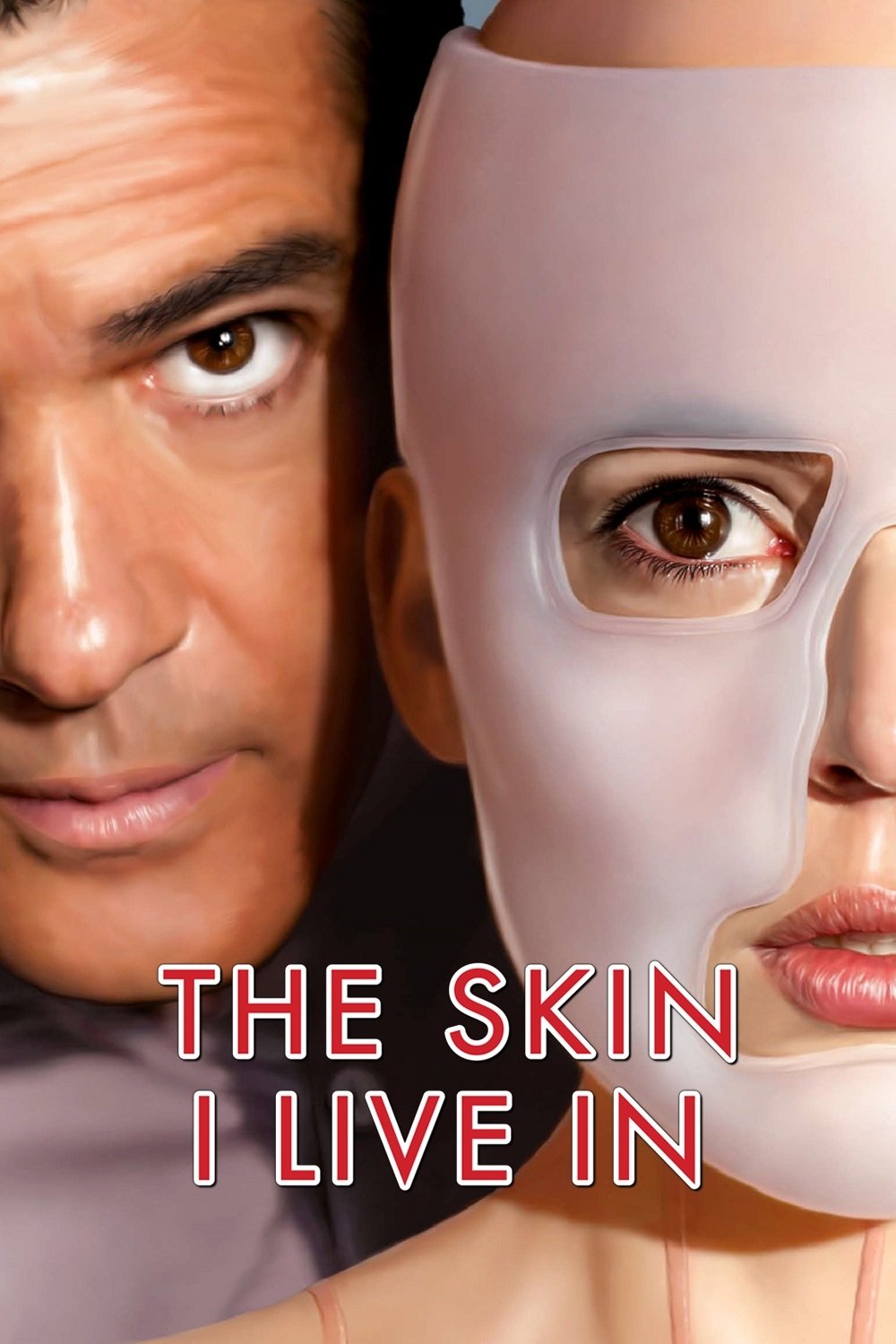
The Skin I Live In poster

The Skin I Live In

2011 · Medical control and obsession turn immaculate surroundings into a source of dread.