Film review

Spider-Man

2002 · Directed by Sam Raimi · 2h 01m · MPA PG-13

In a sentenceTobey Maguire makes wearing a mask seem a waste of a perfectly good worried face

ActionScience Fiction

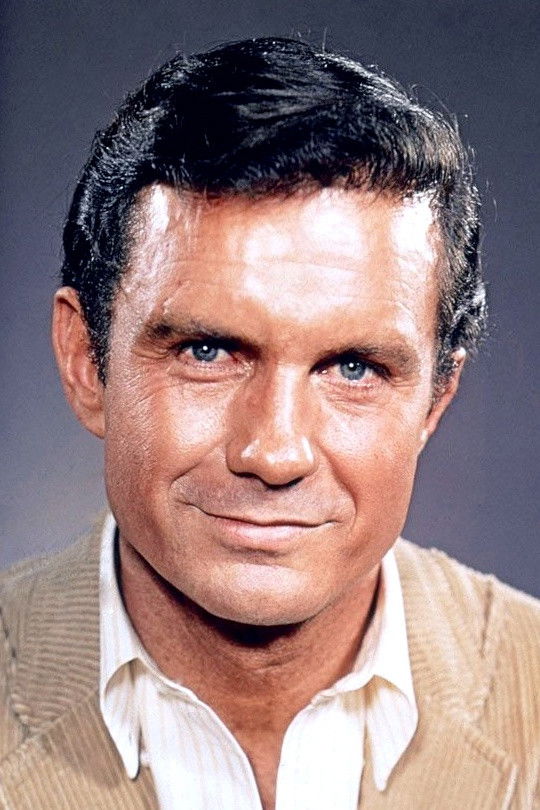
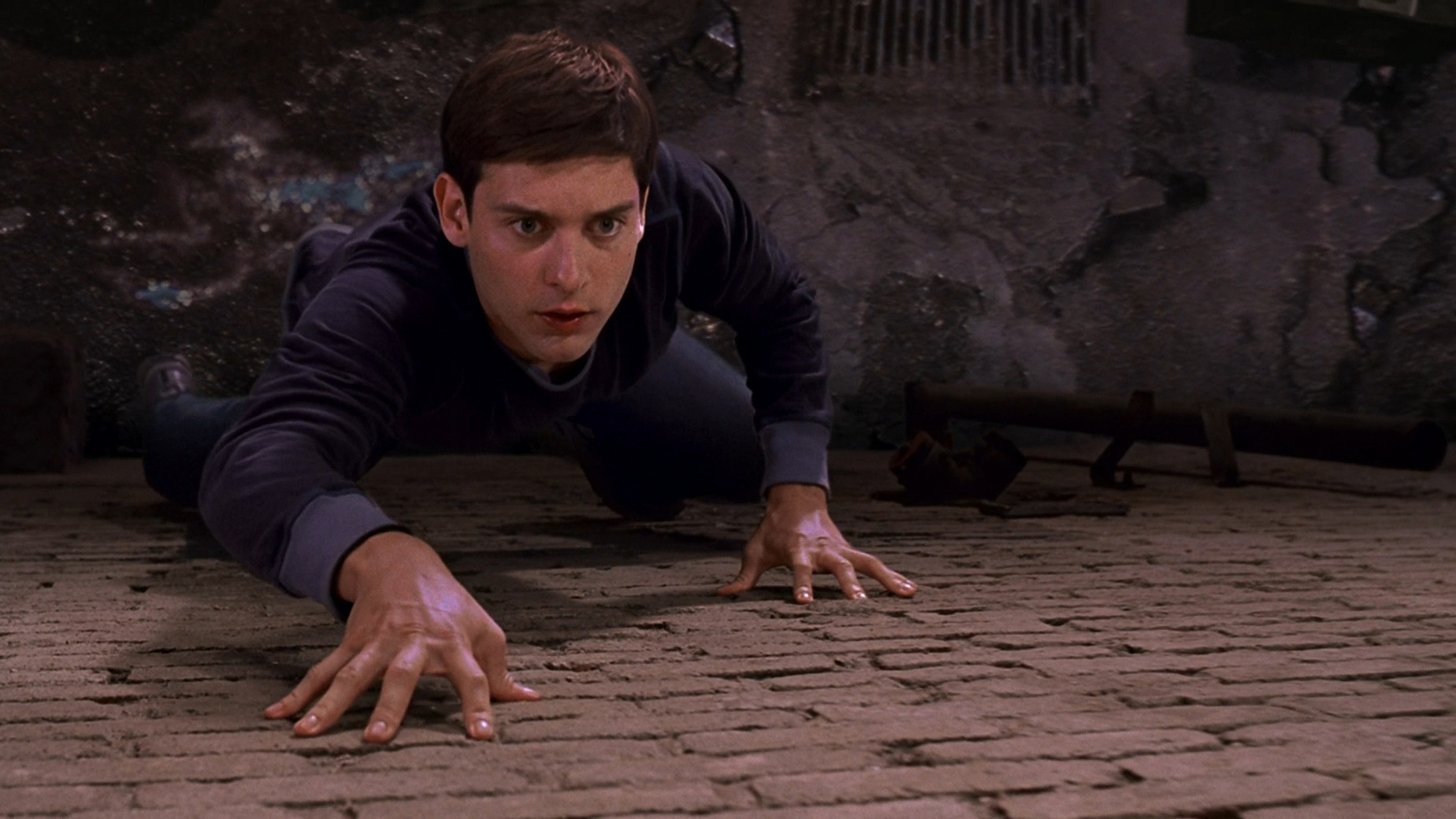
Peter Parker (Tobey Maguire) is trying to understand what becoming Spider-Man means for a life already complicated by adolescence. His new abilities offer possibilities, but they do not remove his uncertainty about other people or his own choices. Romance enters the picture through Mary Jane Watson (Kirsten Dunst), while Norman Osborn (Willem Dafoe) has another identity of his own: the Green Goblin. James Franco plays Harry Osborn, with Cliff Robertson as Ben Parker and Rosemary Harris as May Parker. Peter must work out how to use his powers without letting his own wants decide everything.

Plays from YouTube when you press play; nothing loads from them until then.

Fi1m review

Sam Raimi’s Spider-Man is a warm, funny adventure carried by Tobey Maguire’s uncertainty. The romance holds our attention even when the digital action makes danger feel oddly remote.

Sam Raimi’s Spider-Man is a good superhero film because it takes Peter Parker’s awkwardness seriously, without treating every disappointment as a tragedy. There is pleasure in the transformation, and some selfishness in what Peter wants from it. Raimi allows both, leaving room for a hero who still has some growing up to do. The action is uneven, but the young man at its centre is worth spending an evening with.

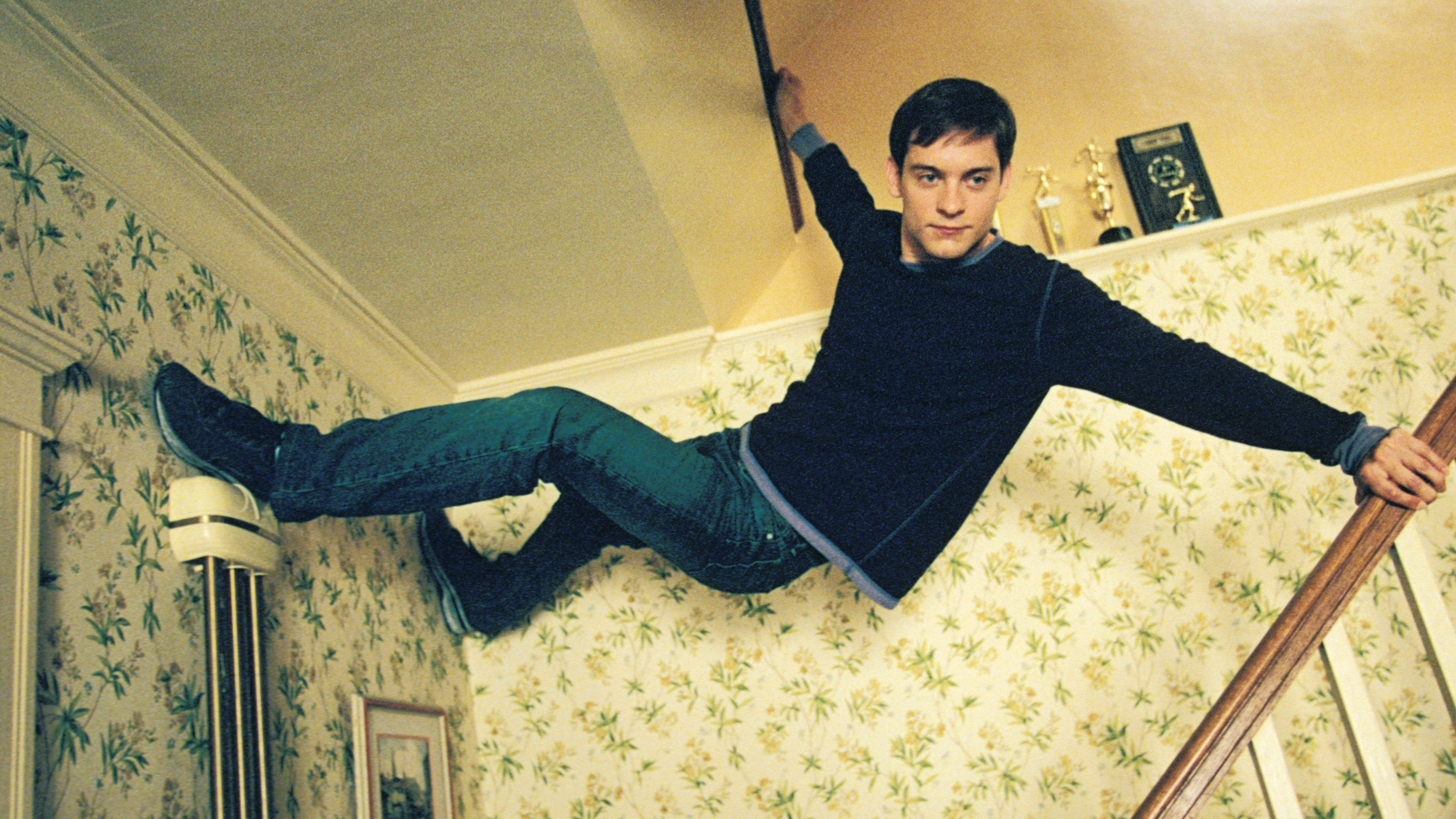
Tobey Maguire is the main reason. He makes Peter’s sensitivity appealing without tidying away the neediness, and his embarrassment has none of the calculation of an actor asking to be found endearing. David Koepp’s screenplay gives him a useful mixture of decent impulses and self-interest, which Maguire keeps visible even when the story starts handing him larger problems. The early humour works because gaining extraordinary abilities has not made Peter any better at being comfortable with himself.

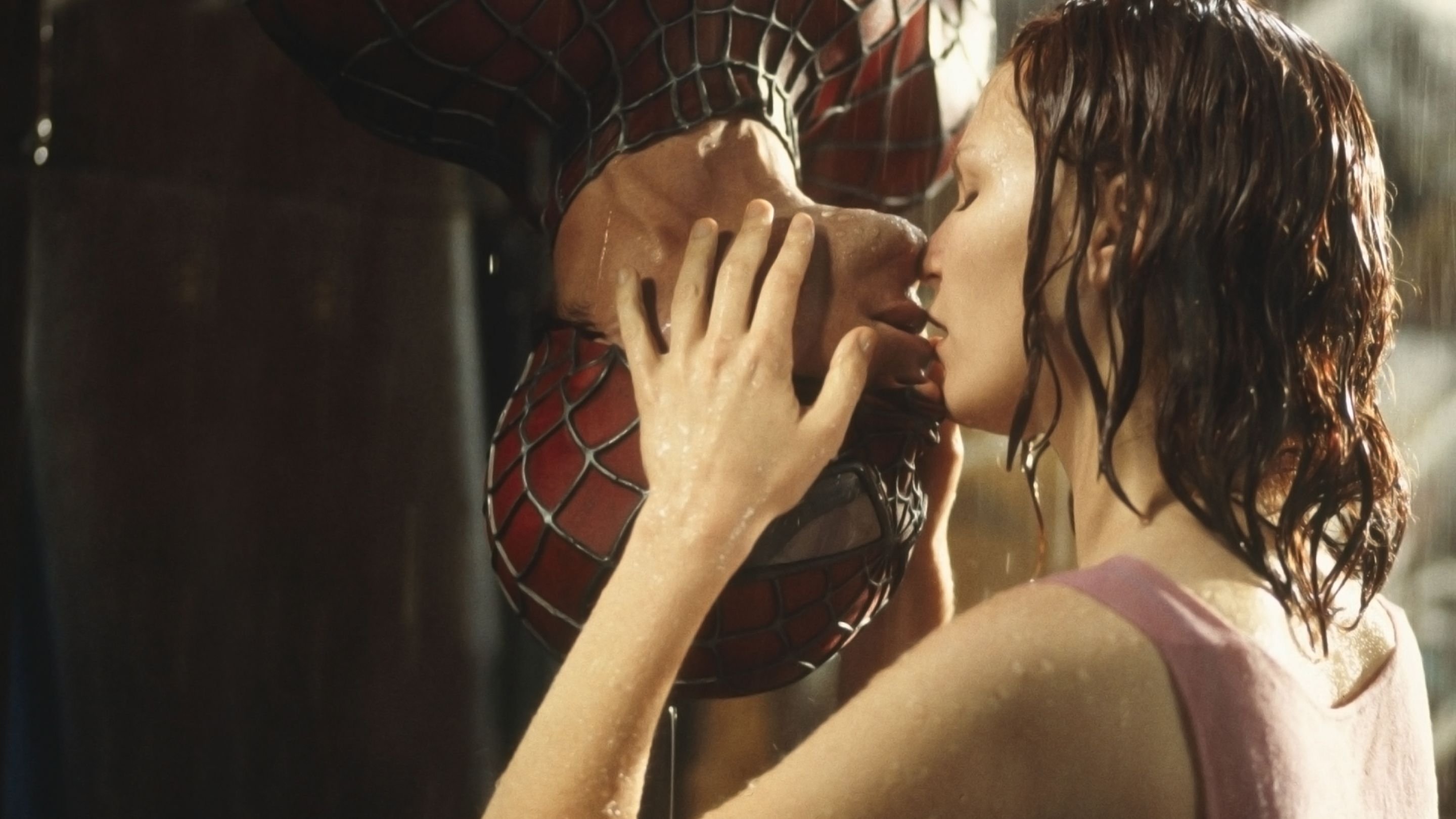
Kirsten Dunst’s Mary Jane Watson helps give the romance enough weight to compete with the superhero business. Dunst brings a directness that stops Maguire’s hesitancy becoming the only note in their scenes, and Raimi lets attraction remain awkward. We were touched by Maguire’s embarrassment in these exchanges, because his wish to be liked feels painfully ordinary. The film spends enough time on that wish for the romance to matter when the spectacle threatens to crowd everything else out.

Willem Dafoe has fewer opportunities as Norman Osborn and the Green Goblin. His relish keeps the villain watchable, but Koepp supplies a more routine threat than this particular hero deserves, and the confrontations gradually become predictable in shape. We do not need every superhero adversary to be a psychological case study; we do need the danger to become more involving as the film goes on. Raimi gets intermittent excitement from these encounters without sustaining much anxiety about them.

Don Burgess’s cinematography works best when there are faces to attend to, giving the romantic scenes a welcome lack of fuss. Neil Spisak’s production design keeps the action settings readable, though they rarely hold our attention for themselves. The digital movement is a larger problem: bodies travel through space with too little apparent weight, and impacts consequently lose their force. We can follow a collision without quite believing that it hurts. For a film so attentive to Peter’s vulnerability, that makes the fights disappointingly easy to sit through.

Editors Bob Murawski and Arthur Coburn give the early comedy a brisk rhythm, with enough breathing space for Maguire’s discomfort to register. The repeated shifts into combat are less rewarding, and the later stretches feel longer than their incidents warrant. Danny Elfman’s music supplies a firm sense of heroism, although its insistence can make the action feel more dutiful. A stronger sense of physical danger would have done more for these sequences.

As a coming-of-age adventure, Spider-Man understands why an uncertain young person might want extraordinary powers, and why having them would not settle everything. That gives it something worth caring about within a genre that can become impatient with ordinary feelings. The reservations matter, especially for anyone chiefly interested in the fights. Choose it for Maguire, and do not expect every battle to justify interrupting him.

Critical consensus AI synthesised

69
Positive
5
Mixed
3
Negative
0

Most critics find Spider-Man an entertaining, character-led comic-book adventure, with Tobey Maguire’s casting the clearest point of agreement. His vulnerability and awkward charm make Peter Parker believable, giving the superhero story an emotional centre. Praise also gathers around the romance and the treatment of adolescence, with several reviews crediting Sam Raimi for keeping the people behind the masks in view. The enthusiasm is qualified, though: even favourable notices sometimes describe the film as competent rather than inspired.

The action produces the sharpest divide. The Guardian finds the digital sequences exhilarating, while RogerEbert.com sees weightless cartoon action that lacks tension. Reservations elsewhere concern a generic villain, excessive length and a drift towards conventional spectacle; The New Yorker is particularly cool about the second half and its sequel-minded plotting. The spread runs from warm approval to mixed responses, with Maguire earning praise even from those less persuaded by the battles.

The Hollywood Reporter
19 April 2002 · Kirk Honeycutt
80*

The film succeeds as a comic-book adventure with a charming, relatable lead in Tobey Maguire and a director in Sam Raimi who balances spectacle and heart without excess grandeur.

Read the full review →
The New York Times
3 May 2002 · A. O. Scott
80*

The filmmakers rejuvenate the character while staying faithful to his roots, with inspired casting of Tobey Maguire helping to deliver the simpler satisfactions of superhero identification.

Read the full review →
Los Angeles Times
3 May 2002 · Kenneth Turan
75*

Its best feature is the romance comic heart and the convincing Tobey Maguire as the most believable Spider-Man, though the villain and some action are generic and the film is only sporadically exhilarating.

Read the full review →
The Guardian
14 June 2002 · Peter Bradshaw
75*

The critic finds the film entertaining and a good summer yarn, praising its fun, gusto, and the metaphorical qualities of the Spider-Man myth as an allegory for adolescence. They single out the digital effects for delivering exhilarating sequences while noting the costume looks seamlessly figure-hugging.

Read the full review →
Variety
19 April 2002 · Todd McCarthy
70*

It is a perfectly serviceable popcorn picture that satisfies teens and general viewers, with Tobey Maguire providing emotional openness and vulnerability as the standout element in an otherwise competent but uninspired film.

Read the full review →
Slant Magazine
1 May 2002 · Ed Gonzalez
65*

Raimi captures the character's sensitive yet self-serving essence in a coming-of-age superhero story, though the film feels cheesy and overly long at times.

Read the full review →

Cast

Stills

Awards

Academy Awards, 2003

Nominated
Best Sound
Nominated
Best Visual Effects

If you liked this, try…

Superman poster

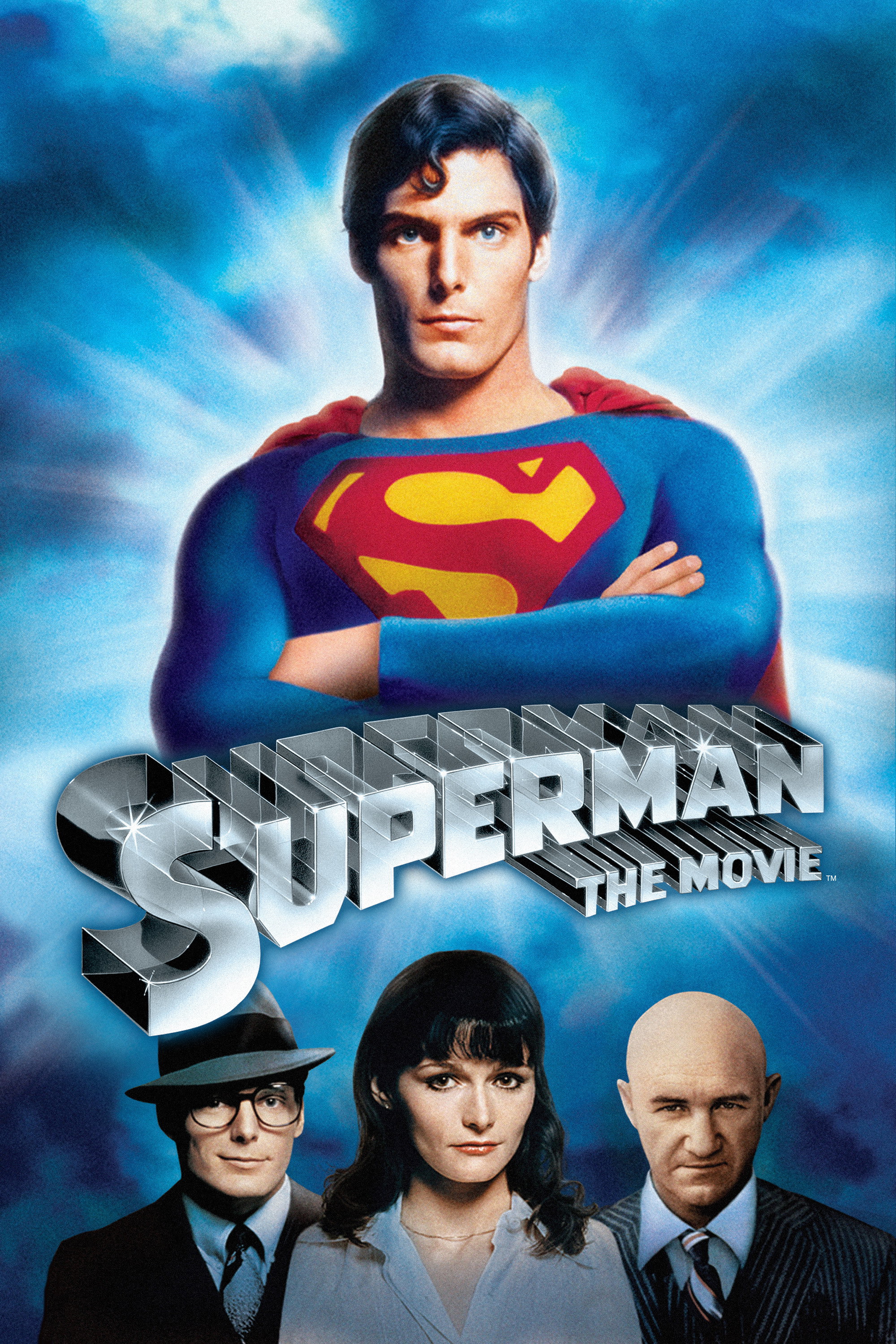
Superman

1978 · Another superhero adventure that understands the appeal of an awkward romantic lead

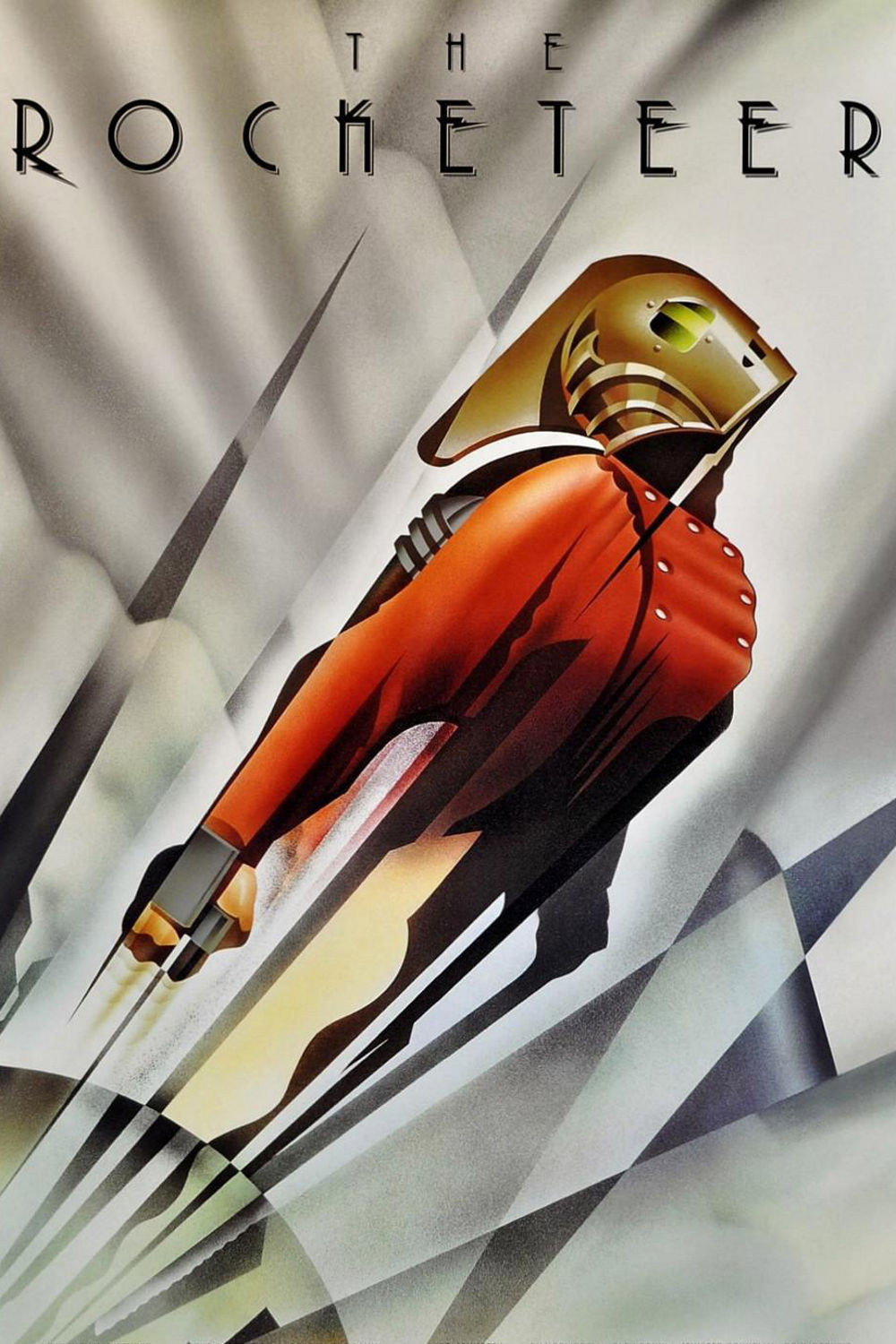
The Rocketeer poster

The Rocketeer

1991 · An earnest hero, uncomplicated adventure and affection for the people beneath the costumes

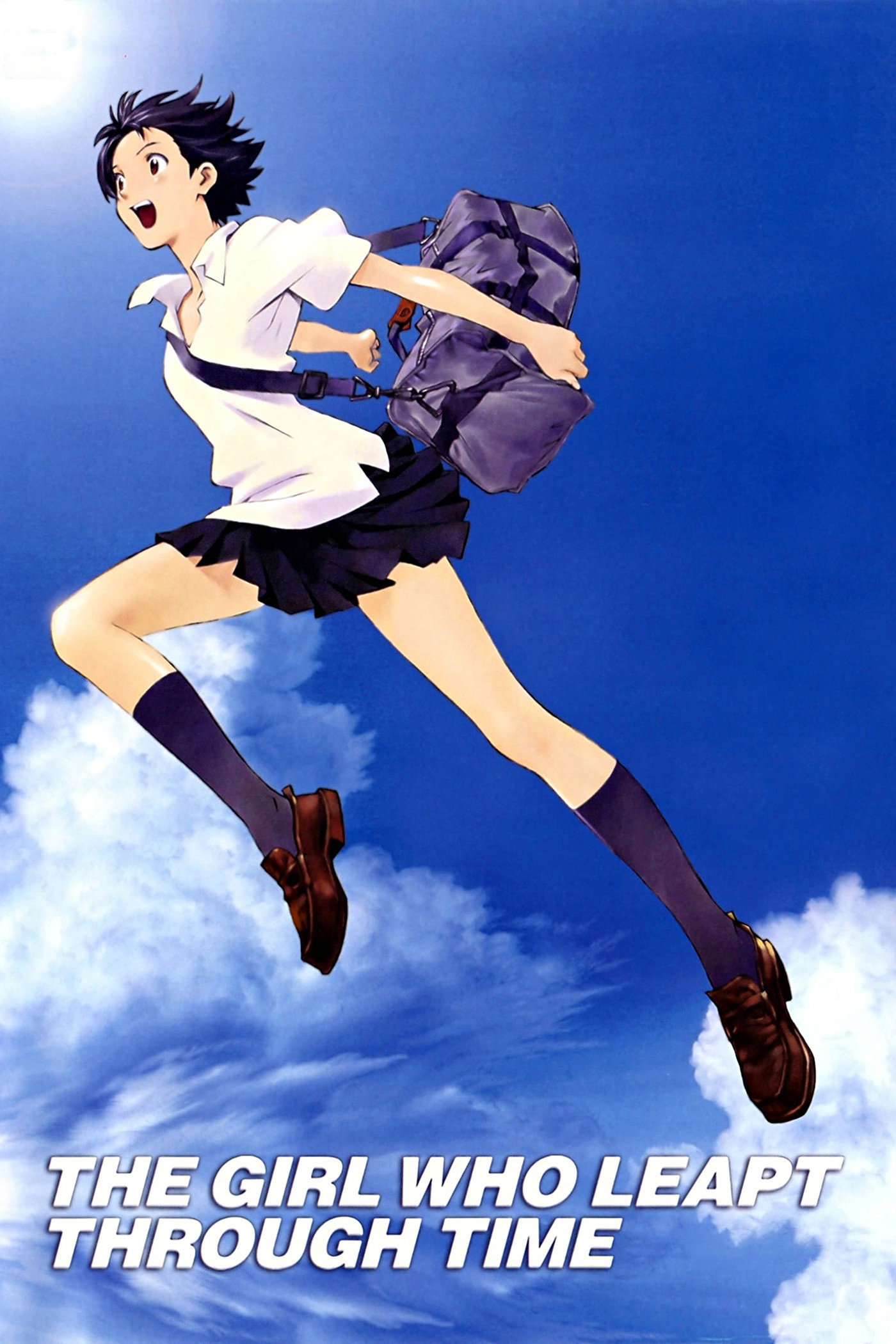
The Girl Who Leapt Through Time poster

The Girl Who Leapt Through Time

2006 · Extraordinary abilities make ordinary adolescent mistakes more complicated, with warmth and humour

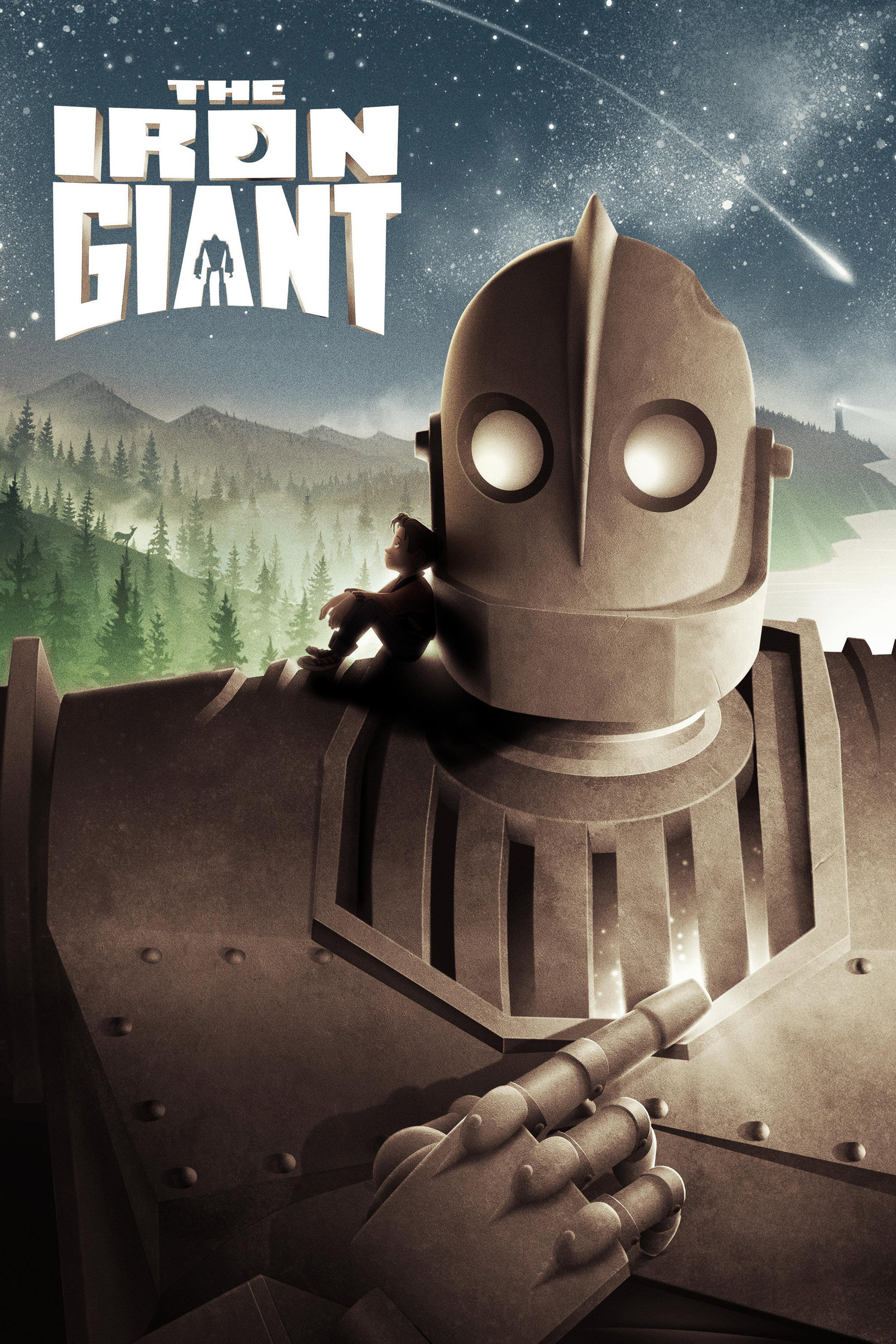
The Iron Giant poster88

The Iron Giant

1999 · For the same belief that strength matters chiefly when somebody needs protecting

Crouching Tiger, Hidden Dragon poster90

Crouching Tiger, Hidden Dragon

2000 · For airborne action with the physical conviction and romantic ache we wanted here