David Cronenberg’s Eastern Promises is a tense, bruising crime thriller built around Viggo Mortensen’s watchfulness. The plotting can feel second-hand, but the violence is frightening and the people committing it remain difficult to dismiss.
David Cronenberg’s Eastern Promises is a good crime thriller with a performance that makes it worth tolerating some familiar plotting. Steven Knight’s screenplay brings a midwife into contact with London’s Russian underworld, a setup that could easily serve a more routine exercise in criminal menace. Cronenberg is interested in the men inside that world and the rules they enforce on one another. He gives their bodies and their wary dealings enough attention to make the story’s occasional clumsiness frustrating.
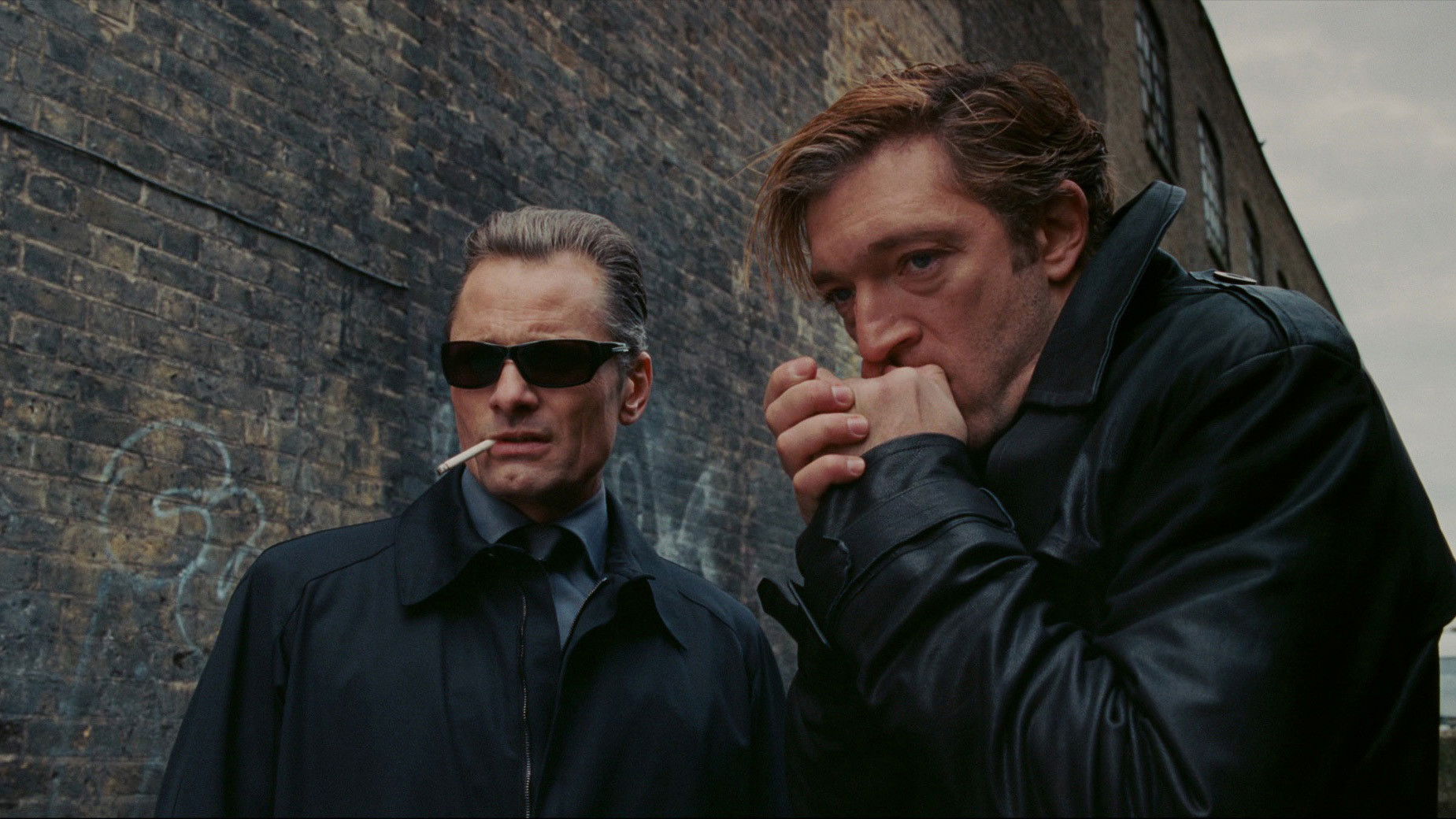
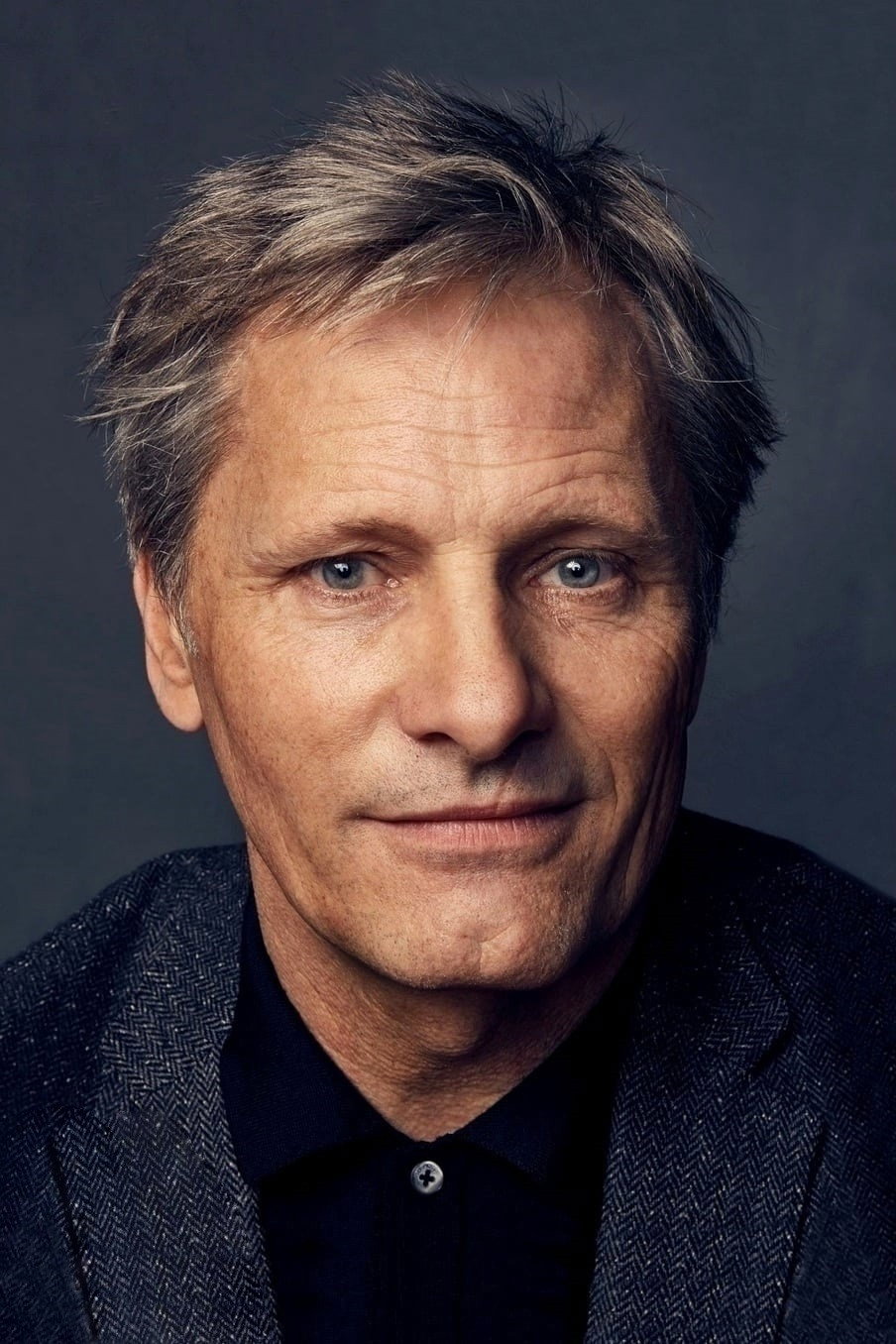
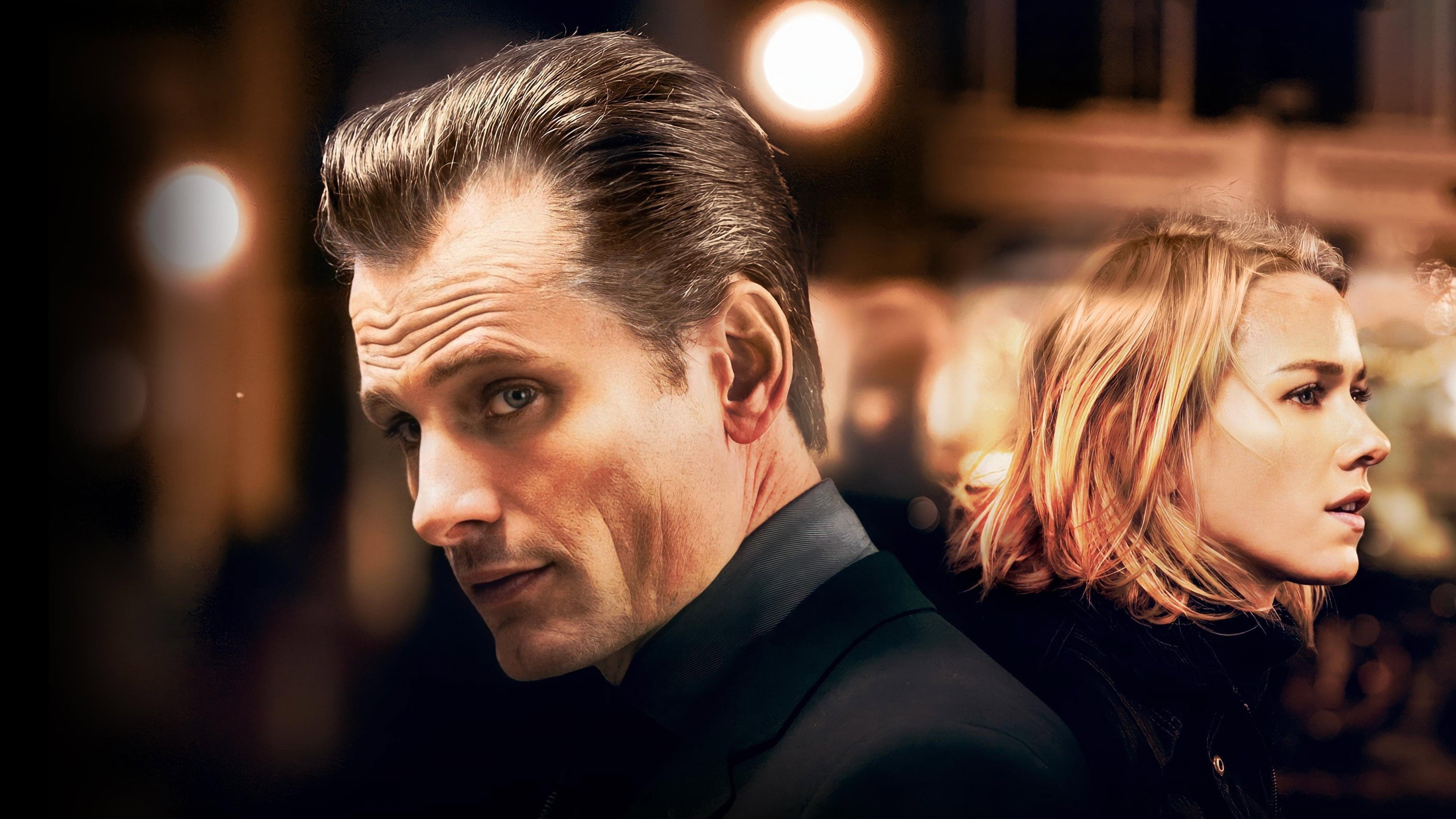
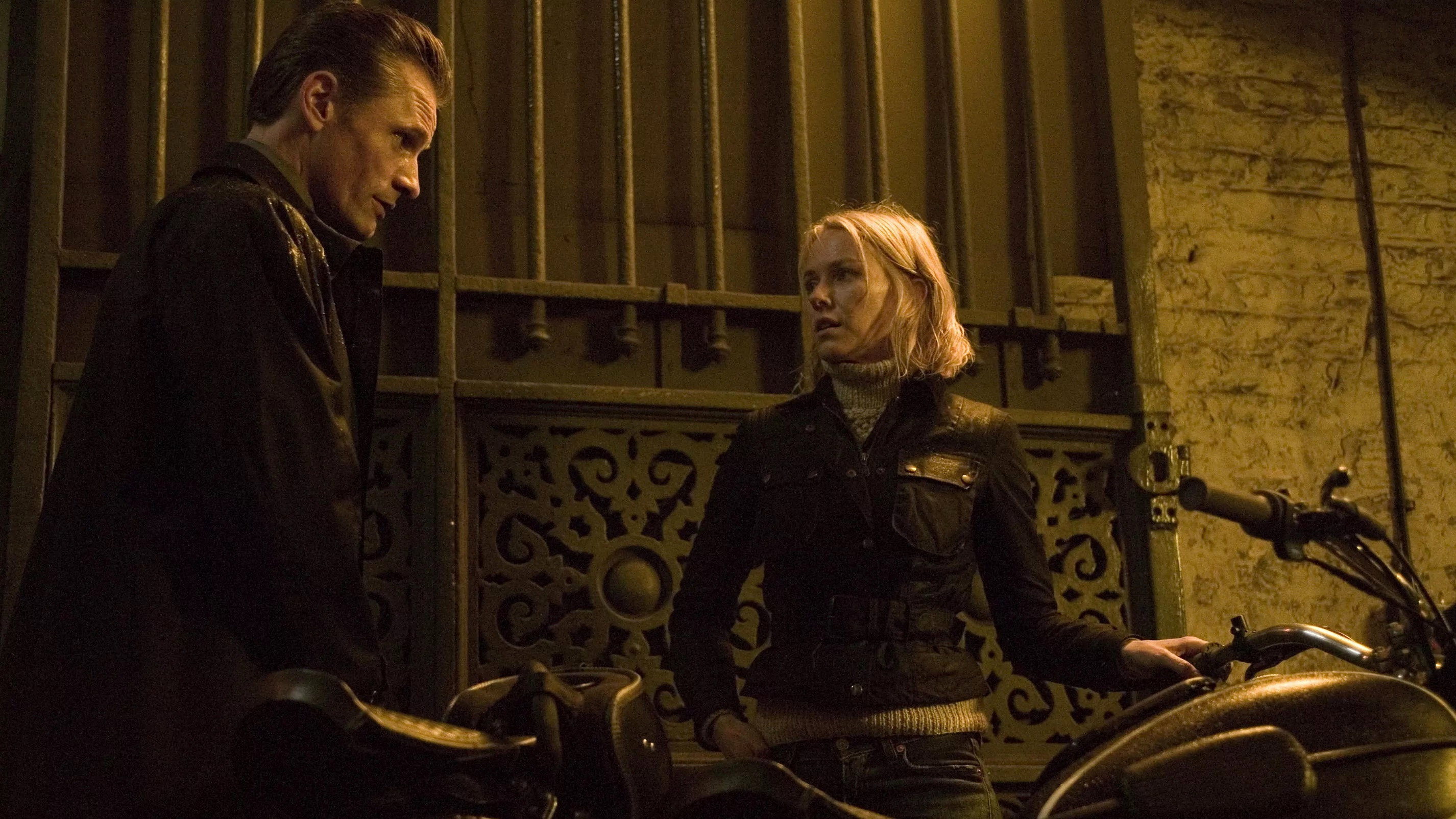
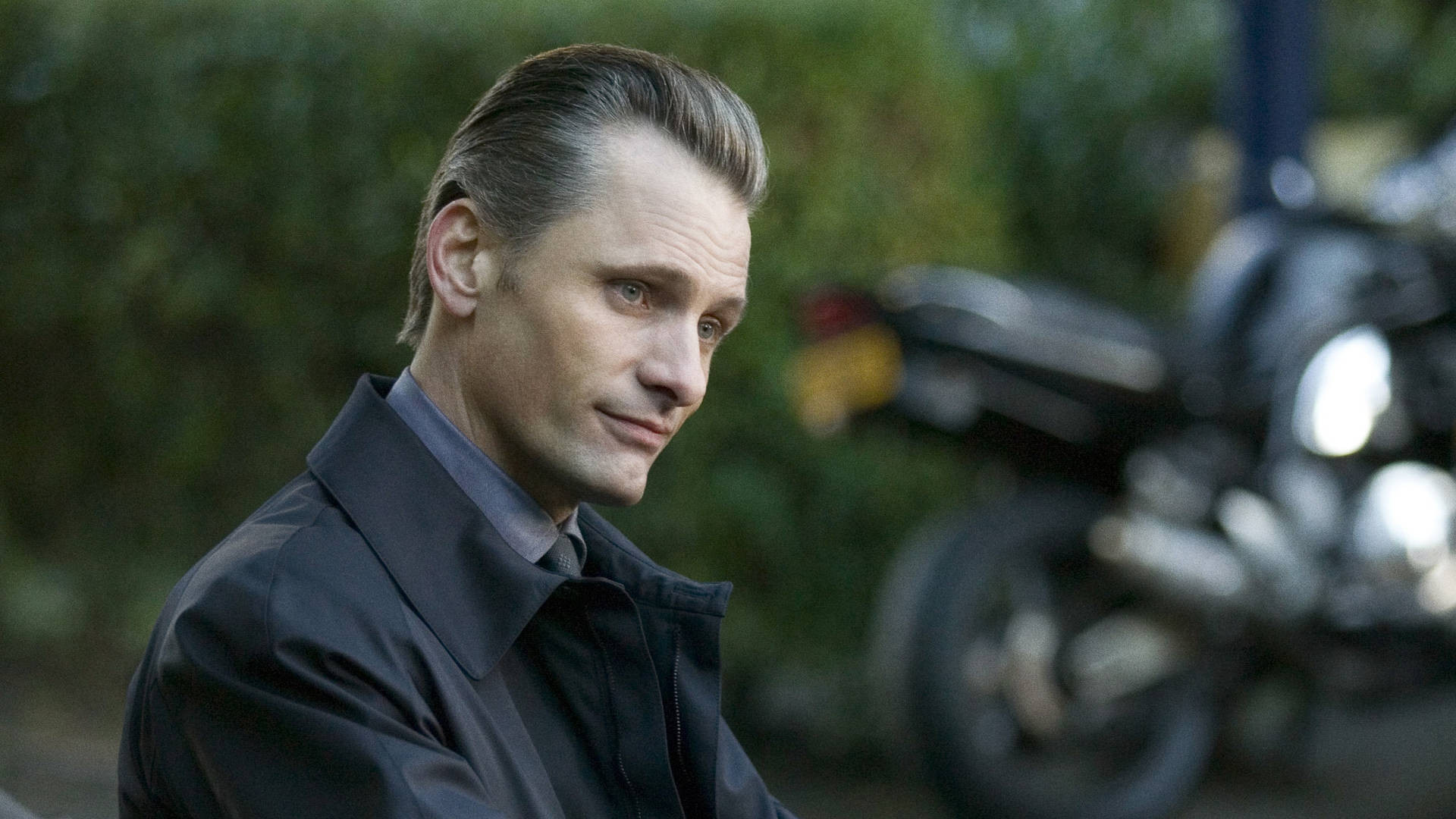
Viggo Mortensen plays Nikolai Luzhin with a watchfulness that never feels empty. He makes it possible to suspect calculation in his restraint while still allowing some humanity to register, without asking us to relax around him. His stillness also gives the other actors something useful to push against. Nikolai holds our attention because Mortensen makes us consider what a man might need to conceal in company like this.
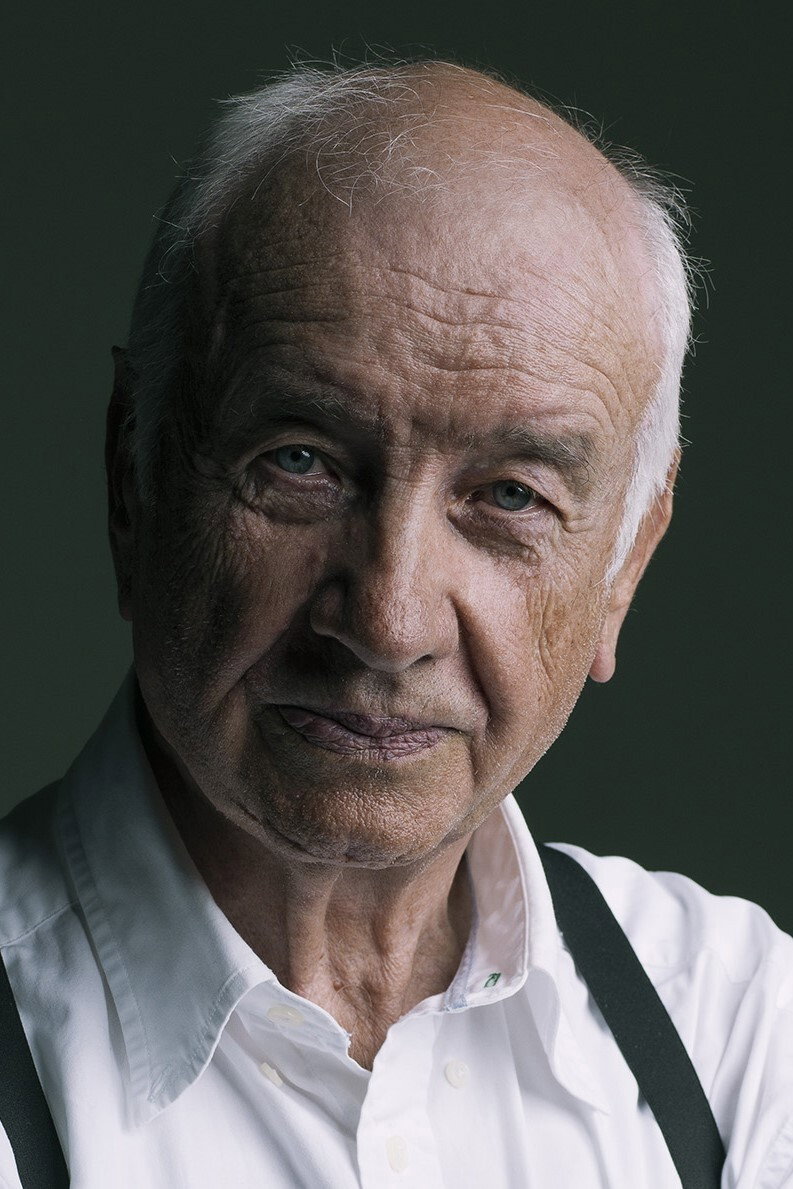
Naomi Watts plays Anna with a directness that gives us a way into this guarded company, though Knight gives her less to work with than Mortensen. Her encounter with Armin Mueller-Stahl’s Semyon, when she brings him the diary, is particularly effective. We felt uneasy watching his polite attention to her; Mueller-Stahl makes it difficult to tell how much reassurance is safe to accept. Vincent Cassel’s Kirill adds a more restless presence, although the writing sometimes settles for a recognisable type. These are capable performances working with uneven material.
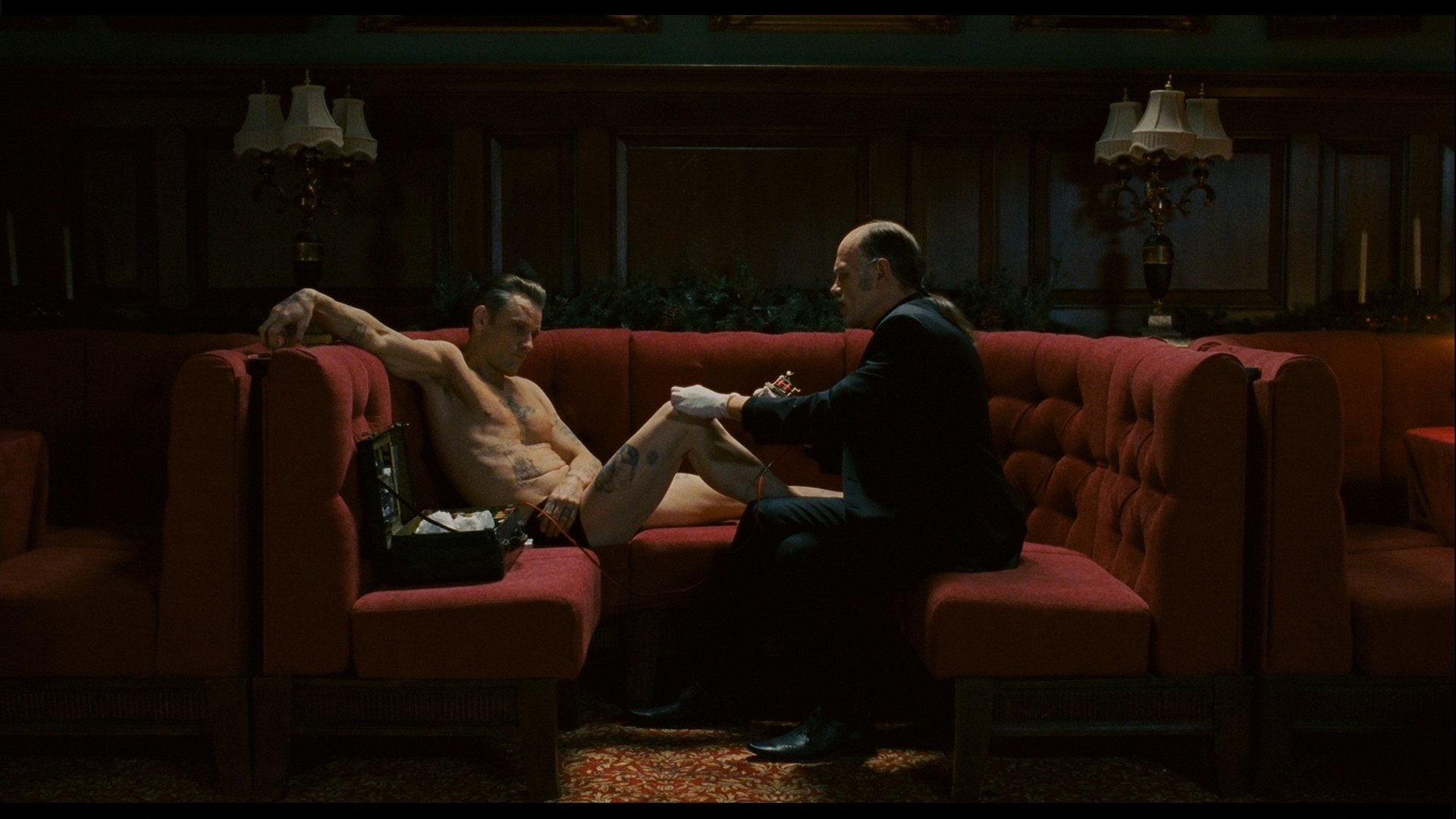
Peter Suschitzky’s cinematography keeps the faces and bodies worth studying even when the dialogue is doing ordinary thriller work. The framing gives the men an uncomfortable physical presence, and the emphasis on tattoos makes their rules of belonging visible on the skin. Carol Spier’s production design helps make this corner of London feel closed off, somewhere Anna can enter without ever being welcome. That enclosure serves the unease well, though it also leaves the surrounding city feeling distant.
Ronald Sanders’s editing allows the deliberate pace to become threatening, holding our attention on people whose next move is hard to judge. When the violence arrives, the bodily damage is difficult to treat as a passing excitement. Howard Shore’s score supports the apprehension without making these men seem grand, a useful restraint in a film already so intent on their physical presence. Some stretches are stiff, but the film’s 100 minutes leave little room for the self-importance that can make gangster stories such a long evening.
The weakness is Knight’s reliance on familiar criminal types and plotting that occasionally feels too convenient. The dialogue is sometimes clumsy enough to distract from the suspicion the actors have worked to establish. The uneasy intimacy between these men is more interesting than the business of moving the story onwards. Cronenberg gives their attraction to one another room to complicate their professions of loyalty, finding something troubling in the company they insist on keeping.
Crime-thriller viewers willing to forgive some blunt writing should give this the evening. Mortensen rewards close attention, especially when Nikolai appears to be doing little at all. The violence is a fair reason to choose something else, and the film does not soften it for anyone’s comfort. This is poor company for a meal.