David Cronenberg’s The Fly makes its bodily horror hurt by giving us a couple worth caring about. Jeff Goldblum and Geena Davis supply the tenderness; the graphic effects may still be more than some viewers can bear.
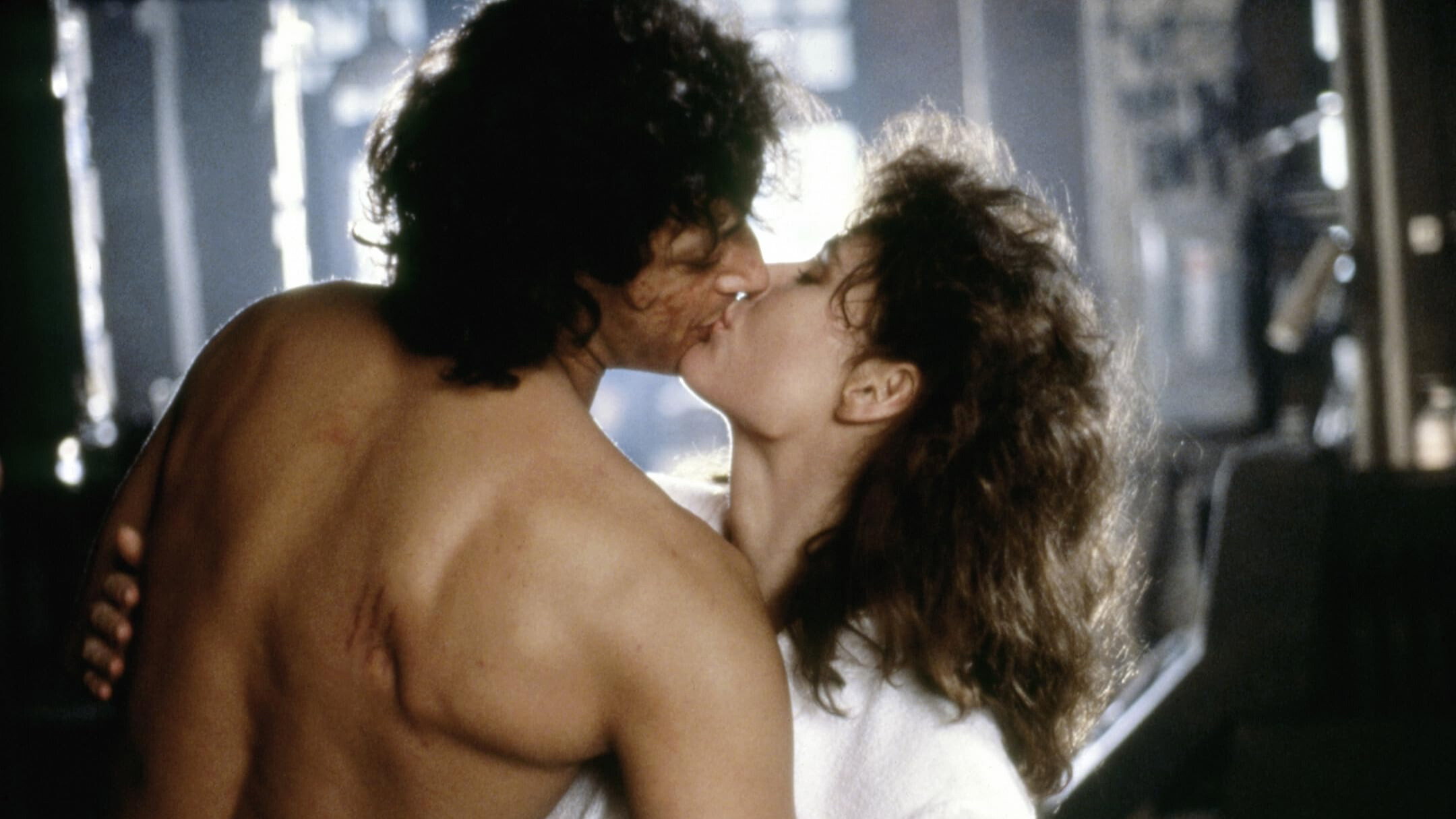
David Cronenberg’s The Fly is a frightening, unusually tender horror film, with a romance strong enough to justify the ugliness it asks us to endure. The scientist and the woman who loves him matter well before the effects begin to dominate our attention. Cronenberg is interested in what happens to affection when a familiar body becomes difficult to look at, and he refuses to make that question comfortable. It is affecting enough to recommend even to people who normally avoid the genre, provided they can bear the gore.
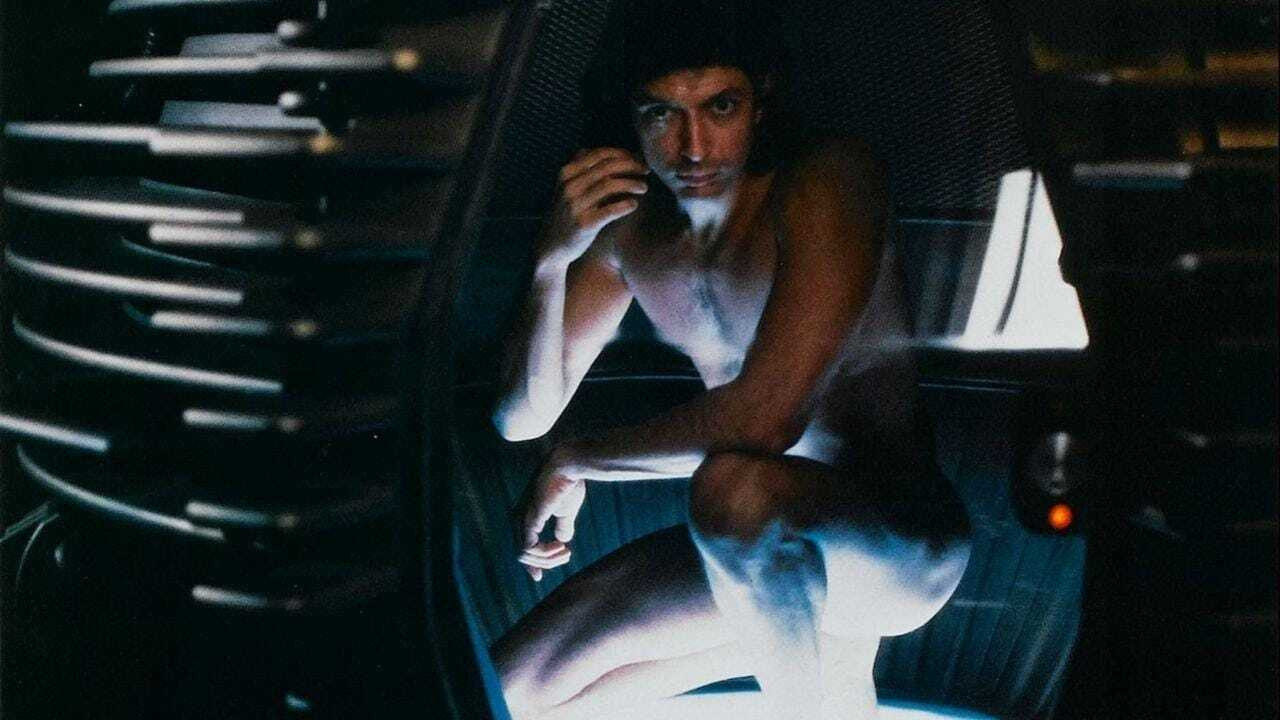
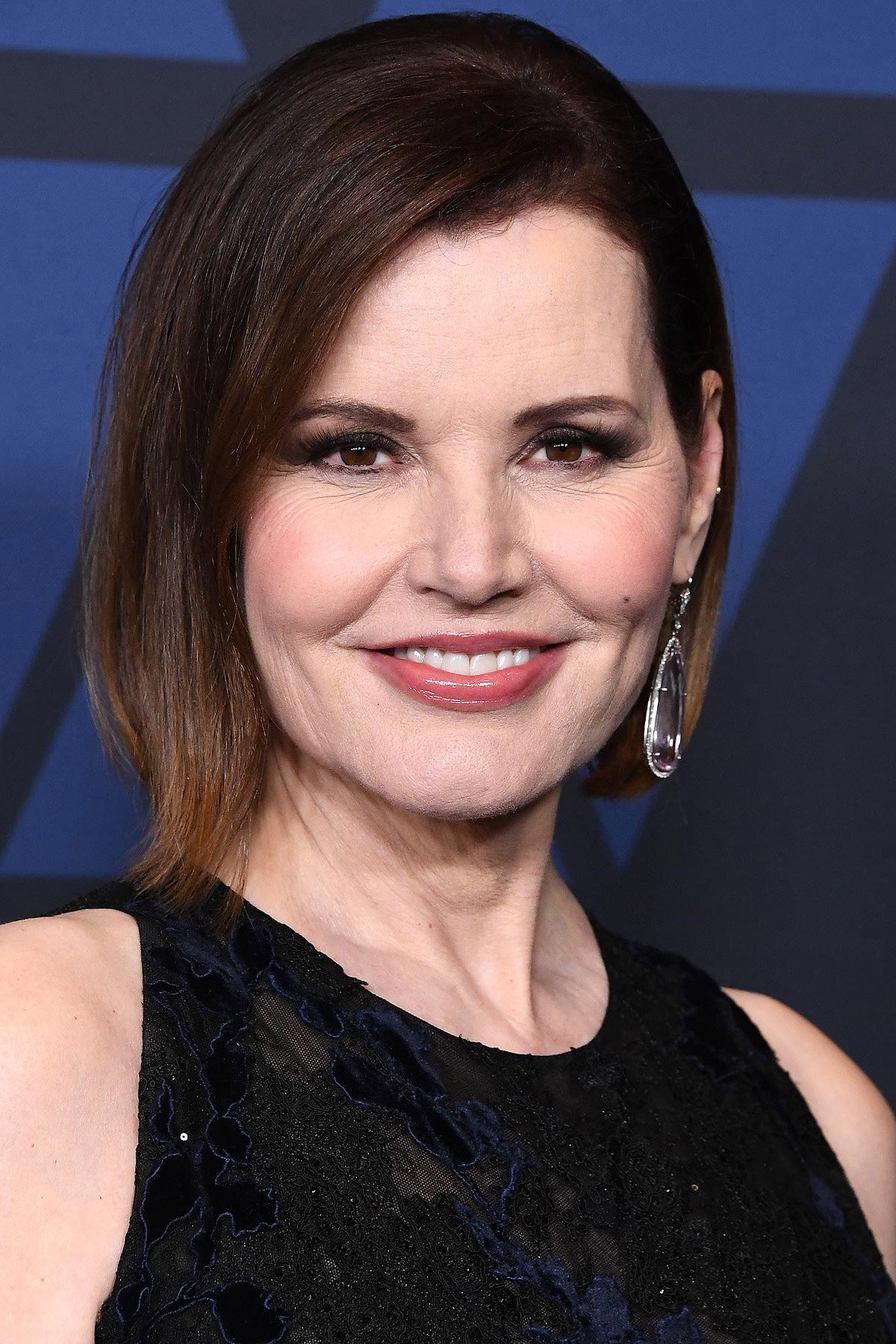
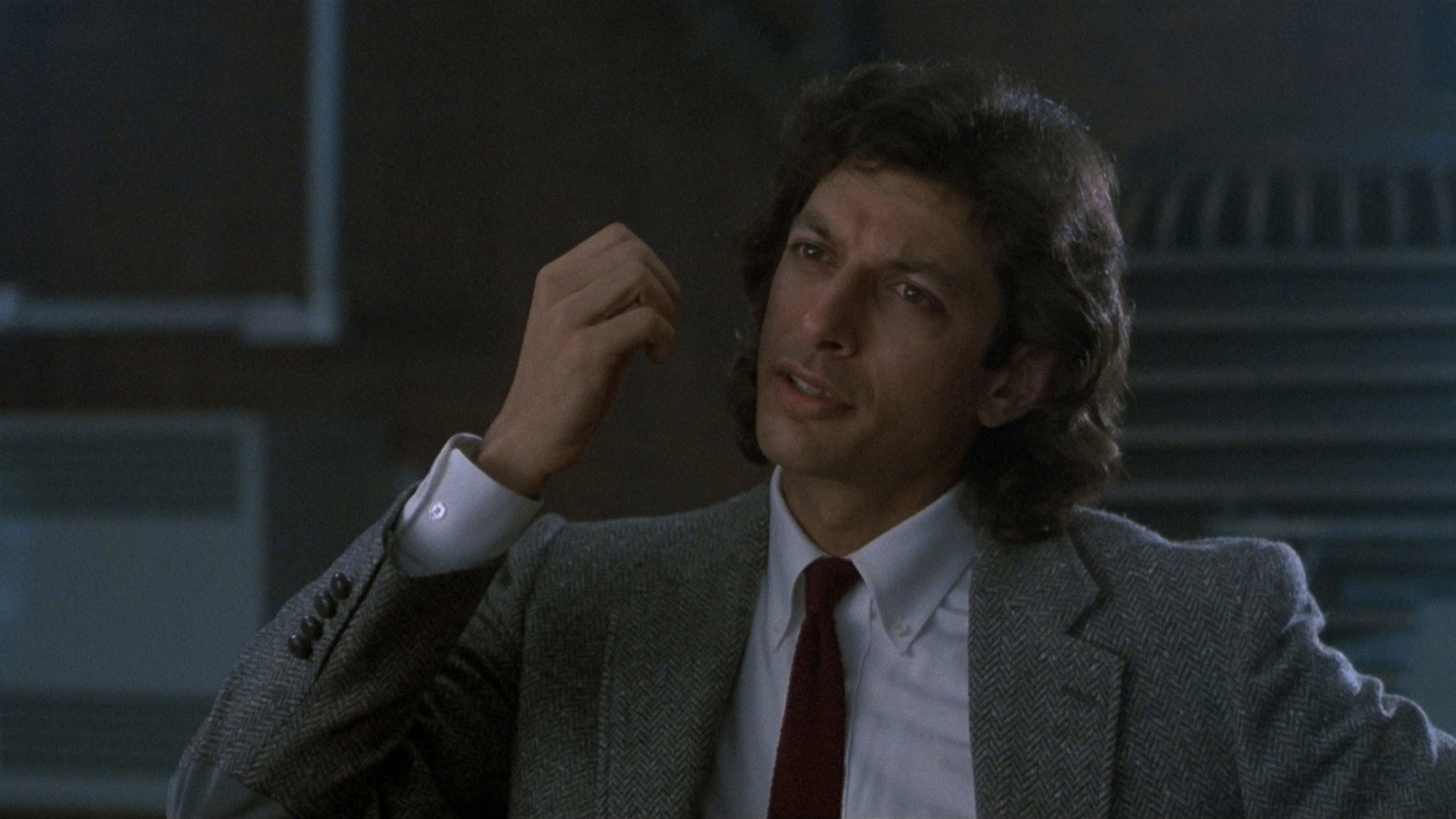
Jeff Goldblum makes Seth Brundle’s eccentricity attractive without smoothing it away. His awkwardness has a playful energy, and Geena Davis’s Veronica Quaife can meet it without seeming to exist merely to admire him. Their exchanges give the romance an ease that more solemn performances would have denied it. We were moved more than we expected, because those early moments of mutual amusement remain in mind as Seth’s physical condition begins to change.
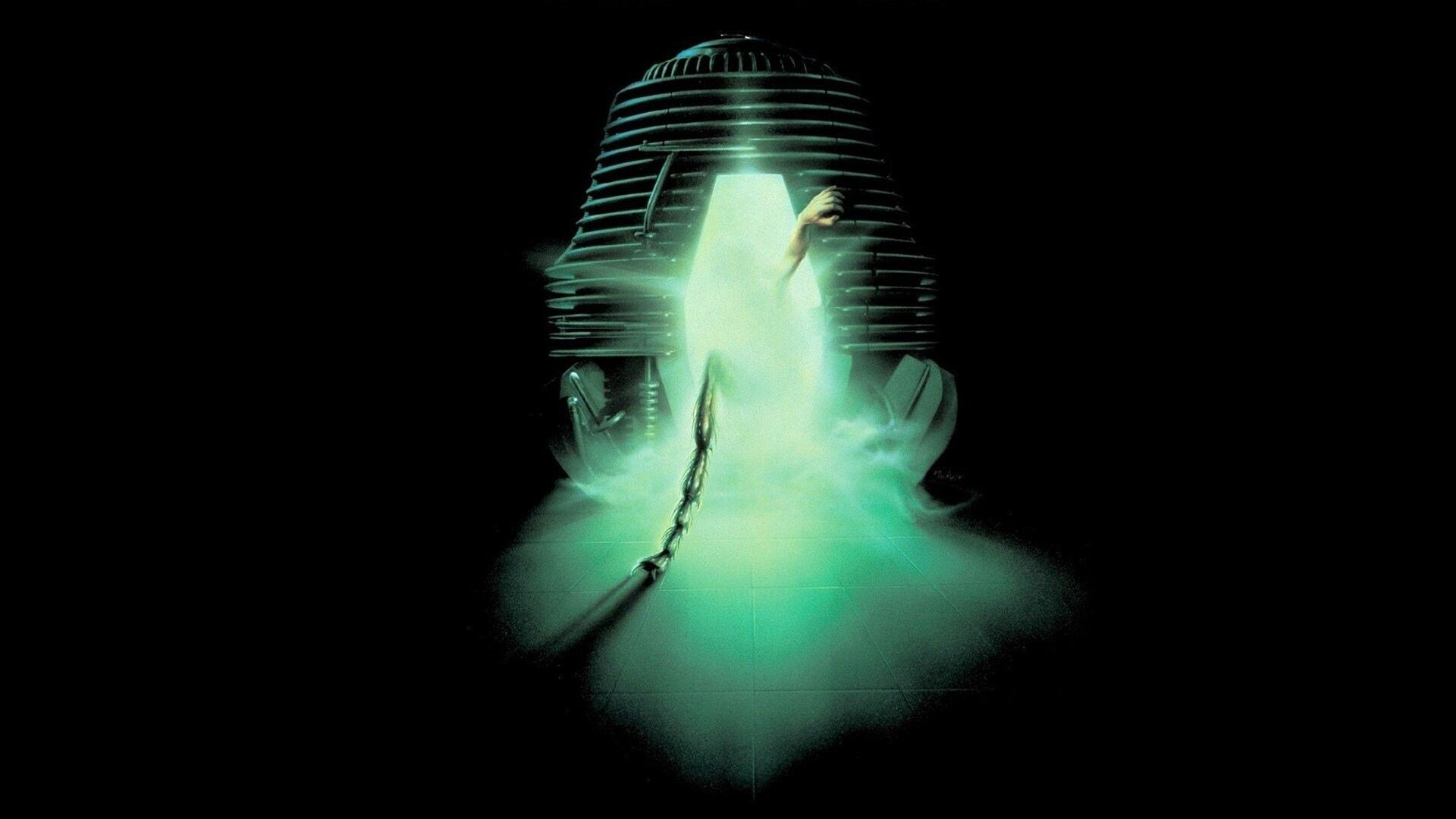
The screenplay by Charles Edward Pogue and Cronenberg gives the scientific premise a clear human consequence: whatever happens to Seth also happens to the relationship. Teleportation is enough of an explanation to get the story moving; we are not asked to spend the evening studying the equipment. The limited setting and small cast keep our attention on the couple. That concentration is particularly valuable in a film whose effects could so easily become its only attraction.
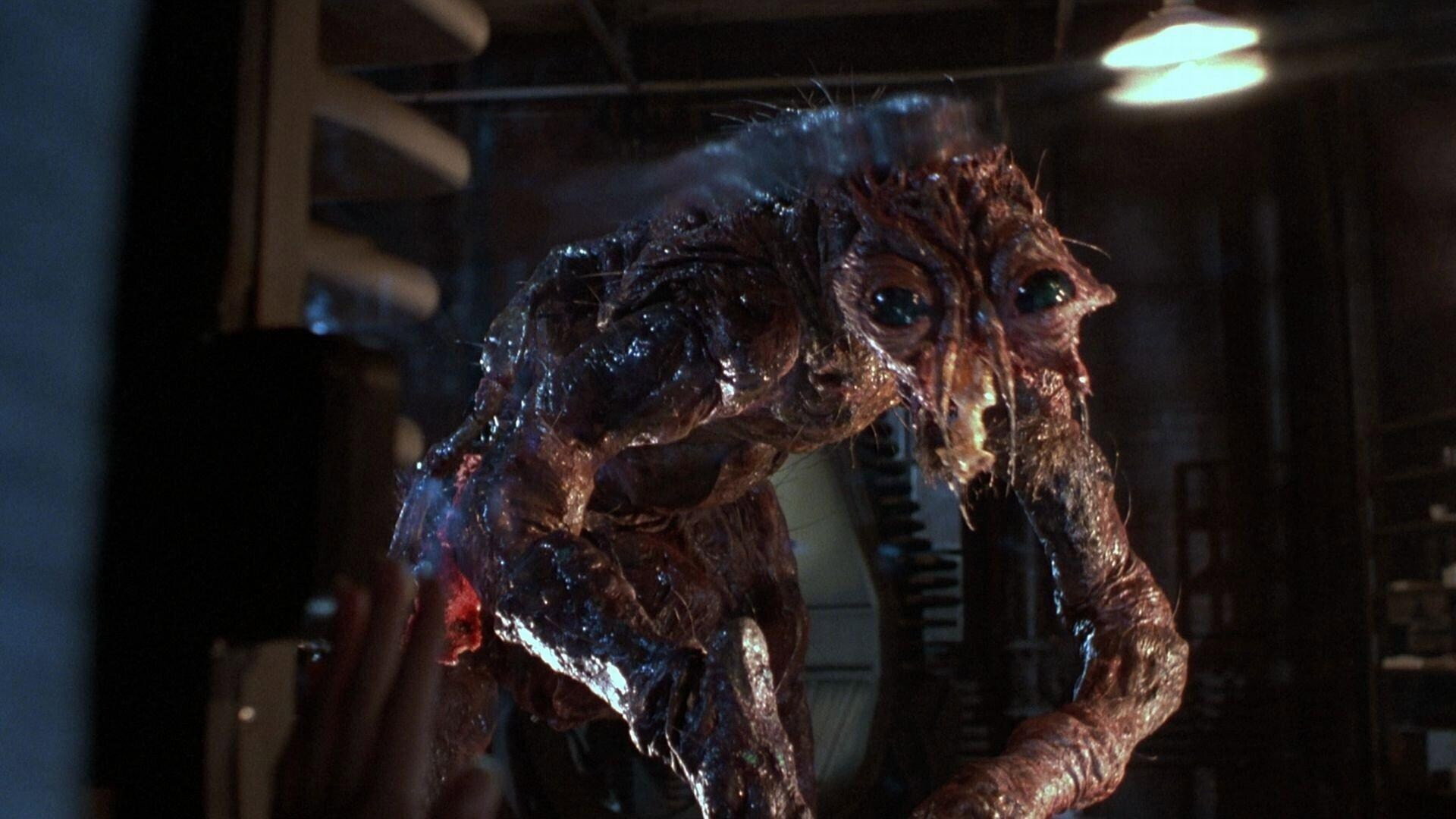
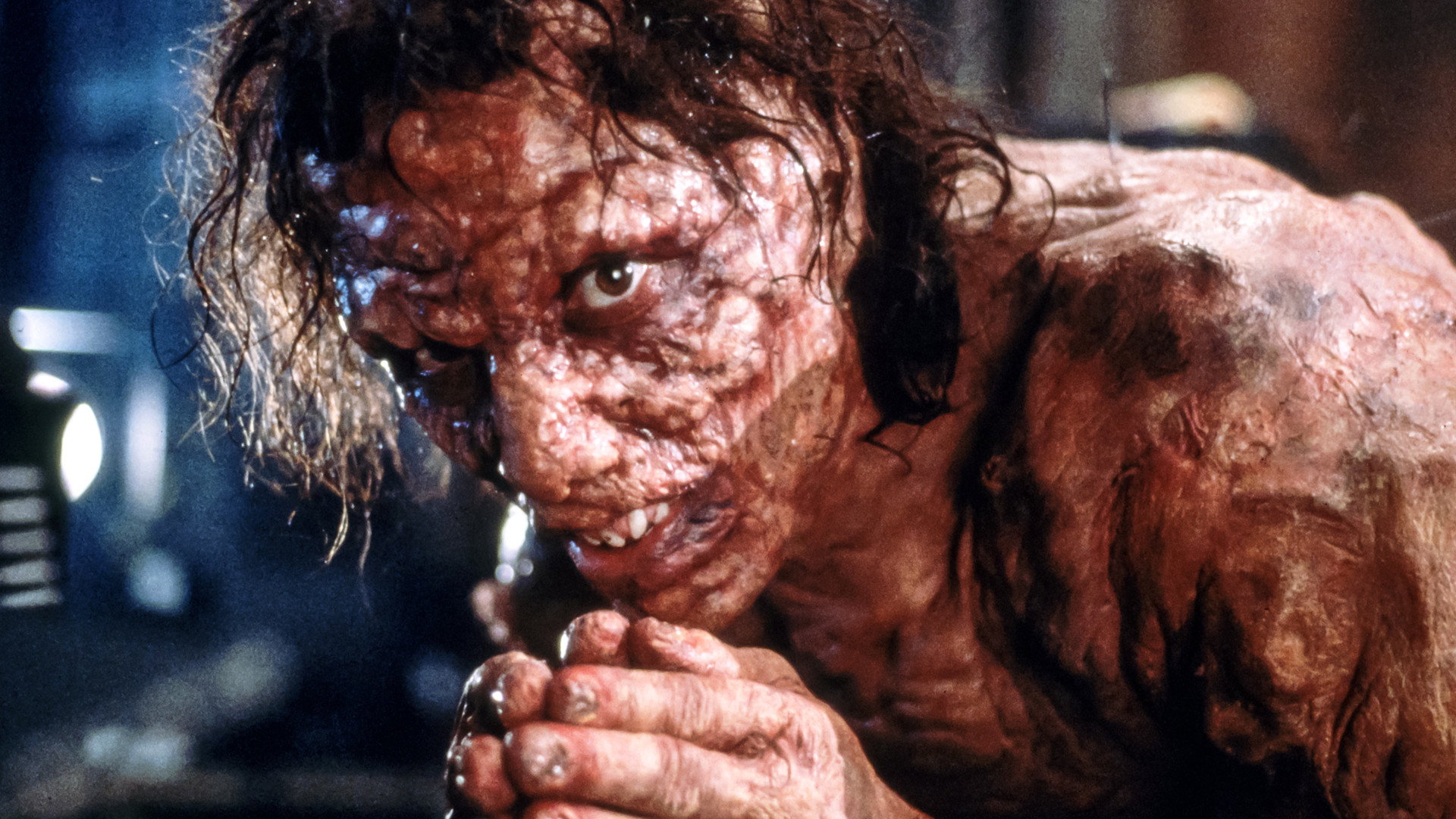
Mark Irwin’s cinematography keeps the physical horror close and legible, so there is little comfort in imagining we have mistaken what we are seeing. The attention paid to Goldblum’s body makes an ordinary human shape feel newly vulnerable. Carol Spier’s production design supports the confined action without demanding a separate tour of the scenery. We remain conscious of people having to occupy these spaces together, which makes their intimacy feel increasingly uncomfortable.
Ronald Sanders’s editing keeps the 96 minutes concentrated, with enough room for Goldblum’s humour to register before the physical deterioration becomes harder to watch. The film does not feel as though it is waiting impatiently for its next effect. Howard Shore’s music gives the romance a large, mournful seriousness that mostly earns its place. Occasionally it presses harder than the performances require; Davis and Goldblum can convey distress perfectly well without quite so much encouragement.
The more substantial reservation is the sheer insistence of the physical detail. There are stretches when the disgust briefly pushes the lovers out of our thoughts, and the film becomes an ordeal of looking. We do not think that cancels the tenderness, but it does narrow the audience for it. Anyone persuaded to try this as a love story deserves fair warning that Cronenberg does not spare the stomach because he has engaged our sympathy.
Within body horror, The Fly is distinguished by how much it allows us to like the person whose body frightens us. Goldblum’s humour makes the illness feel crueller, while Davis keeps the relationship credible under circumstances that could easily invite overacting. Both performances reward watching closely, even when the effects encourage the opposite. See it with someone who will understand if the conversation afterwards takes a little while to start.