Film review

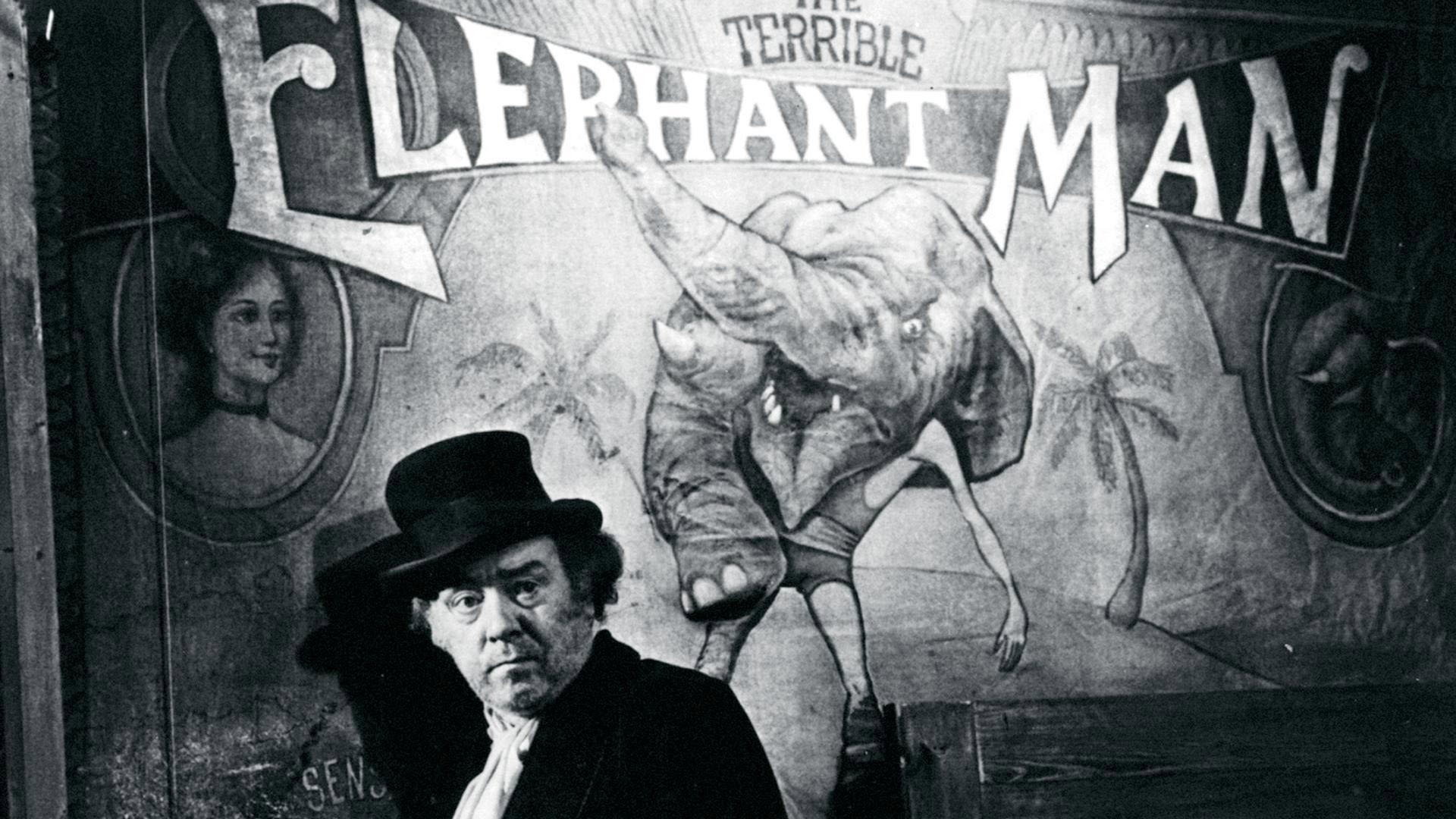
The Elephant Man

1980 · Directed by David Lynch · 2h 04m · MPA PG

In a sentenceJohn Hurt makes an entire society look badly brought up

DramaHistory

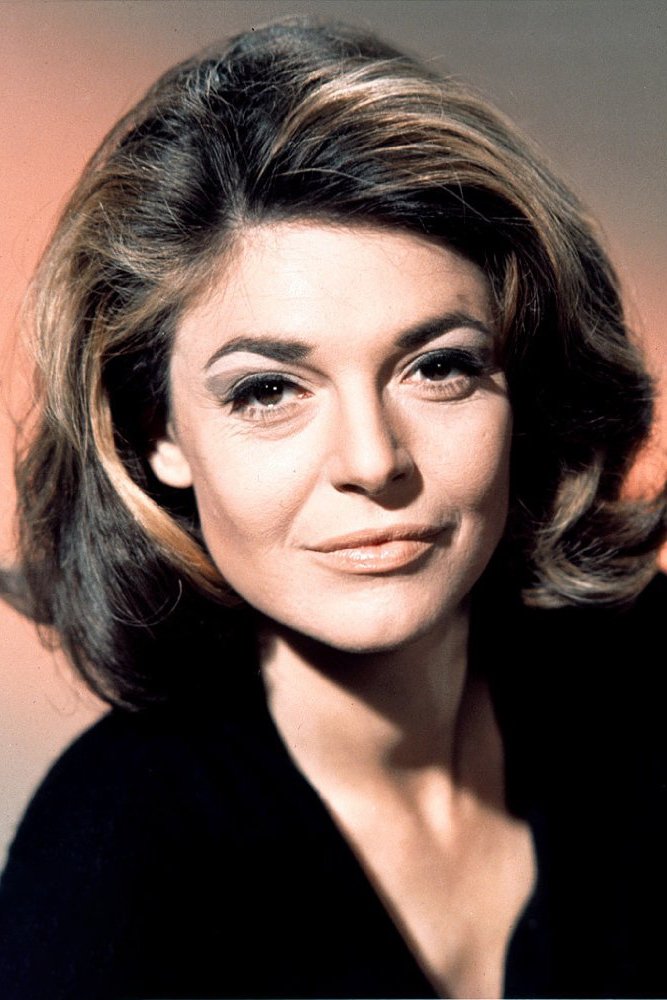
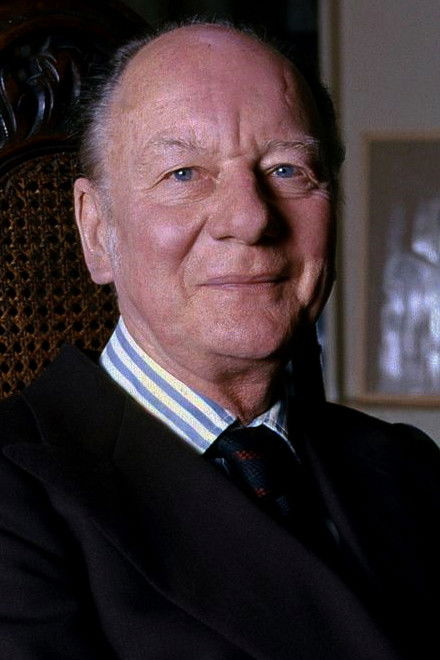
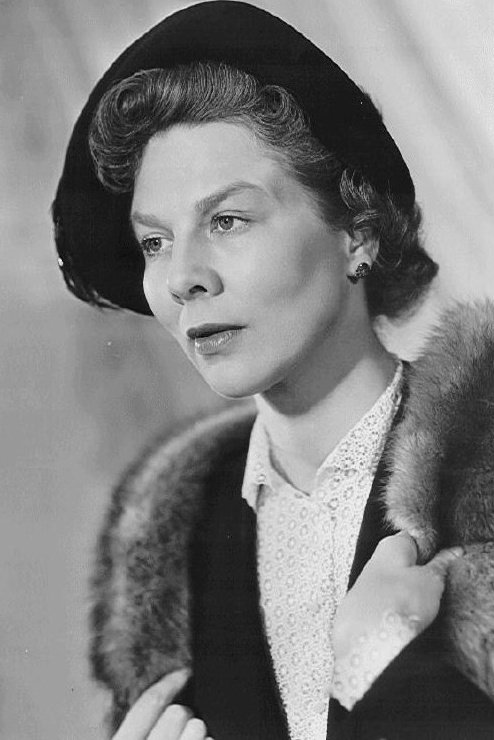
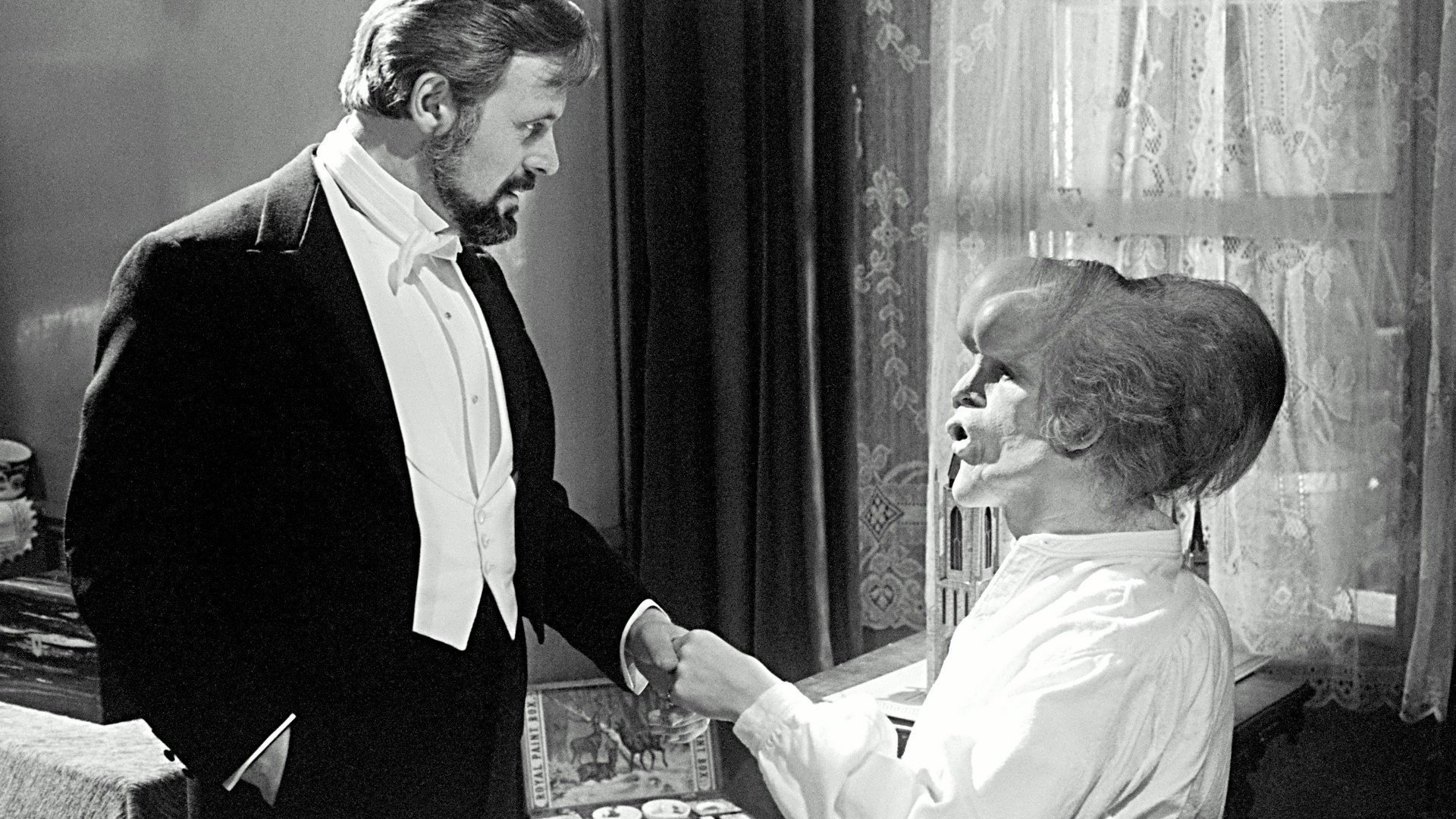
John Merrick (John Hurt) lives in Victorian Britain, where his physical disfigurement governs how others treat him. His relationship with Frederick Treves (Anthony Hopkins) develops amid a society of genteel manners and squalor. As Merrick becomes the object of other people’s interest and sympathy, the possibility of friendship raises questions about how he is seen and what he wants for himself. David Lynch directs this historical drama about dignity and the treatment of an outsider. Anne Bancroft plays Mrs Kendal, with John Gielgud as Carr Gomm and Wendy Hiller as Mothershead.

Plays from YouTube when you press play; nothing loads from them until then.

Fi1m review

David Lynch’s historical drama is compassionate, unsettling and well worth the tears, with John Hurt giving Merrick a life beyond other people’s pity. Its faith in good manners can be too simple; the performances make the sympathy convincing.

David Lynch’s The [Elephant](/film/elephant) Man earns its tears, though it sometimes makes decency look too easy to recognise. Its account of John Merrick’s treatment in Victorian Britain is disturbing and carried by two performances that never seem anxious to impress. Lynch wants us to notice how readily interest in another person becomes an inspection. We recommend it warmly, with a reservation about how often good manners are allowed to settle difficult questions.

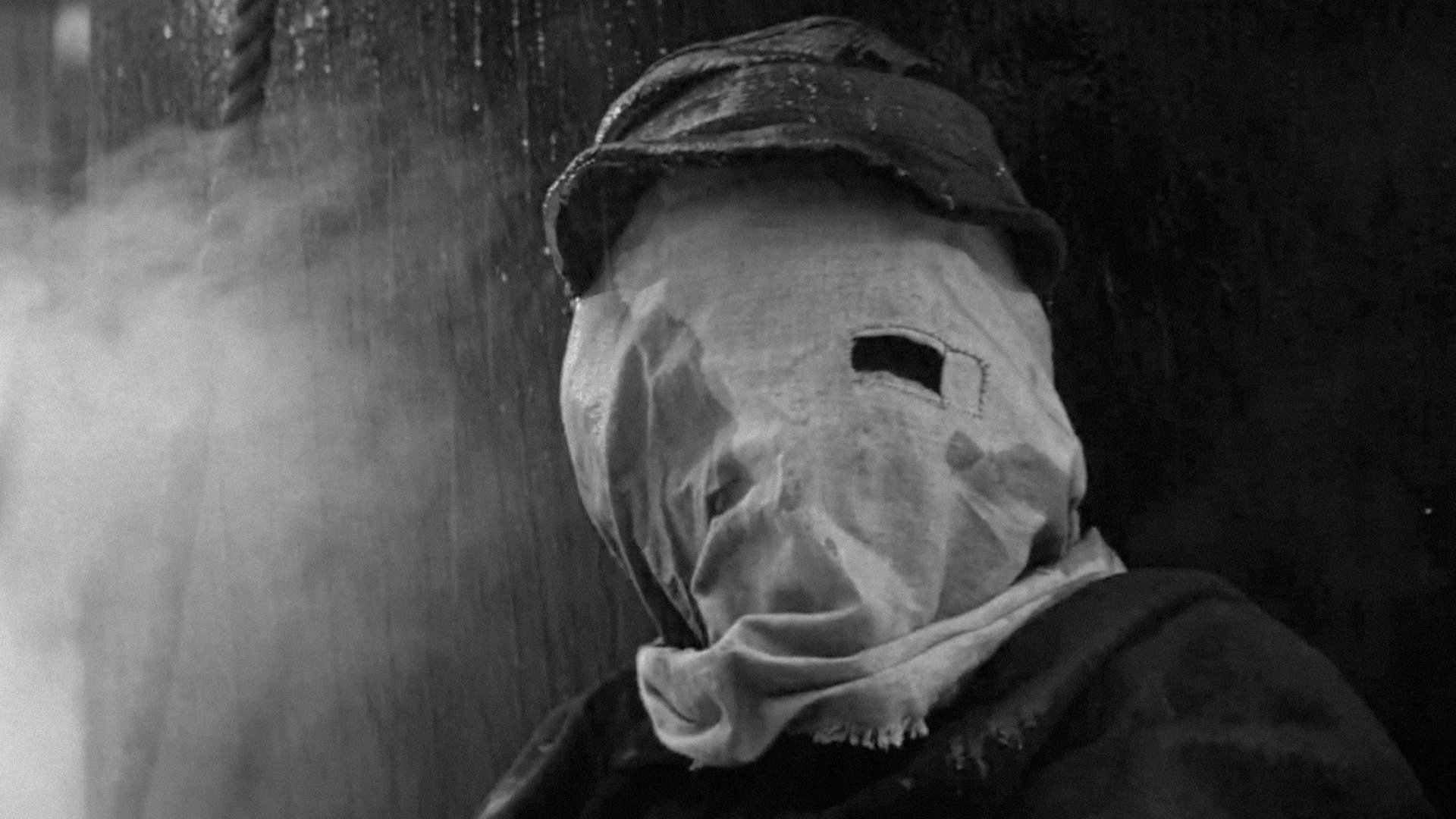
John Hurt gives Merrick an undemonstrative dignity, and the performance is persuasive because he does so little to advertise it. We were moved by his composure: the quietness with which he carries himself makes other people’s attention feel intrusive. Hurt leaves us room to imagine what Merrick thinks of the people studying him, without supplying an emphatic response for every feeling. He makes politeness feel like an effort, with thoughts behind it that remain his own.

Anthony Hopkins, as Frederick Treves, is equally important to that effect. His subtlety stops Treves becoming the reassuring figure through whom we can feel pleased with ourselves for caring about Merrick. There is enough reserve in the performance to make us watch the attention he pays, and to wonder what it means to Merrick. The friendship works because neither actor insists on making every exchange a declaration, and because Hurt can hold our attention without competing for it.

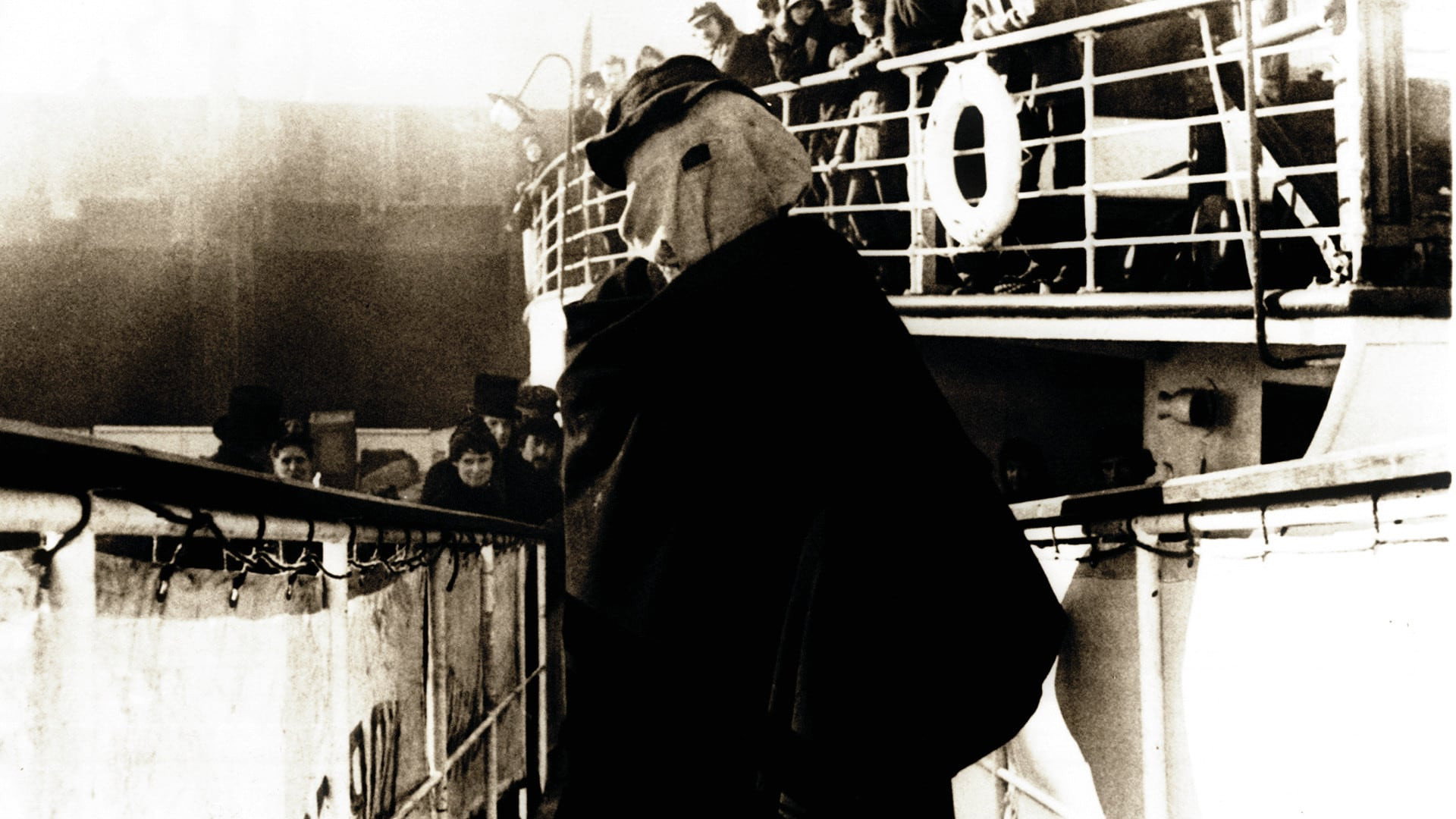
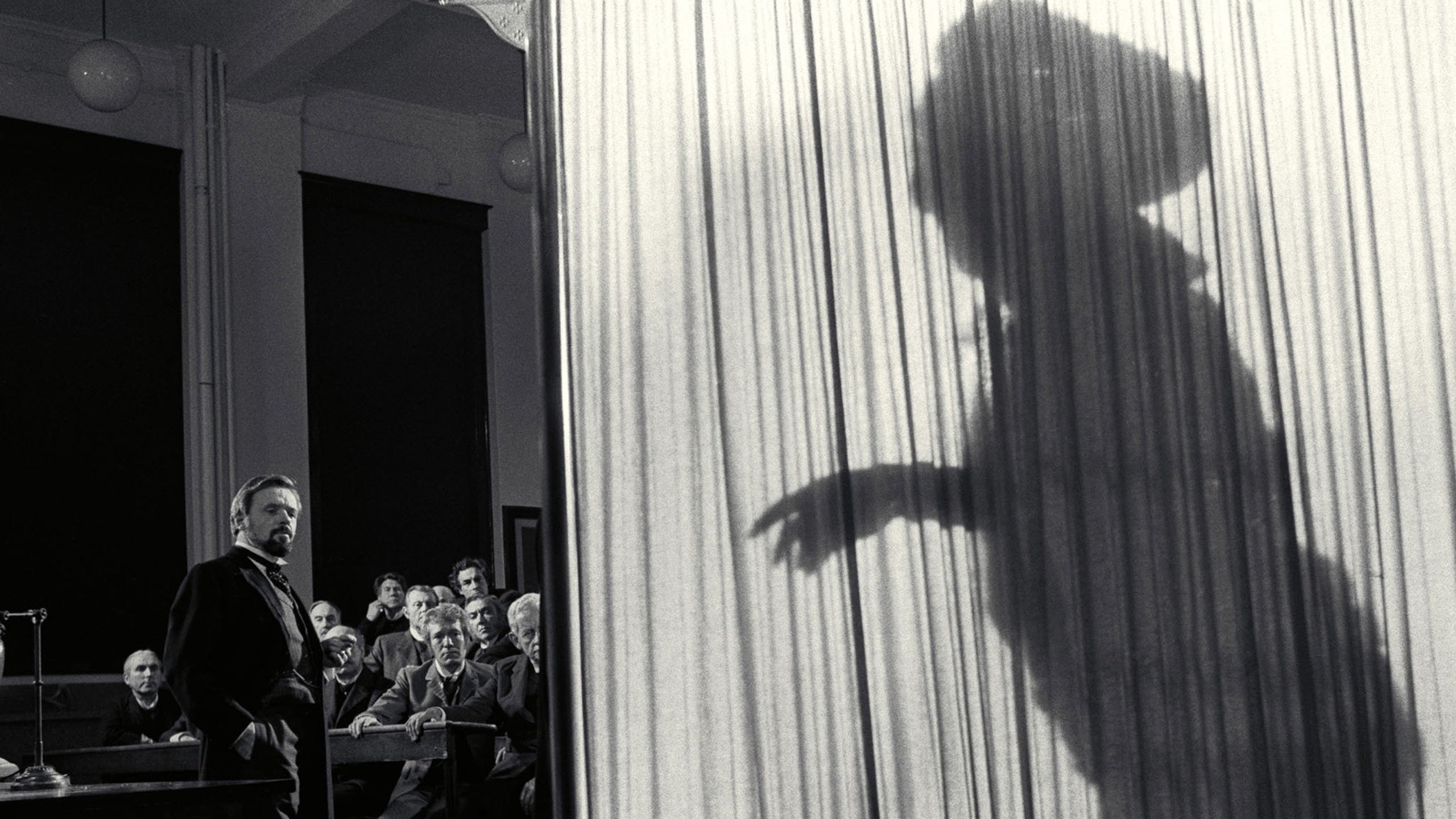
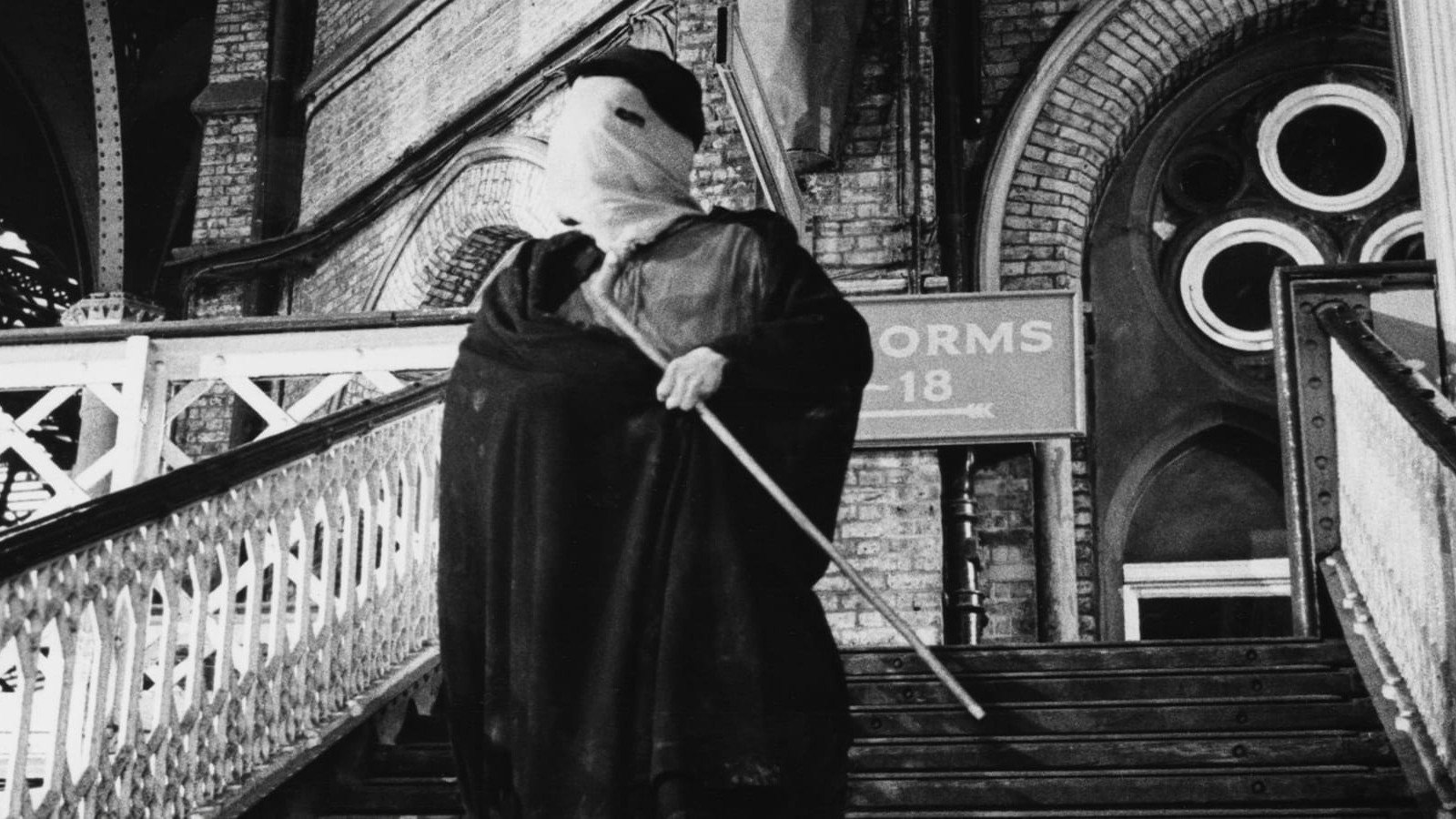
Freddie Francis’s cinematography makes the Victorian setting feel oppressive without treating every image as an instruction to shudder. There is pleasure in looking at these pictures, which is an uncomfortable sensation in a film about the harm done by looking. Stuart Craig’s production design gives the gentility and the squalor enough presence to make the society around Merrick matter. The setting can feel close to horror, and that helps: respectable surroundings offer little reassurance when the people within them are being scrutinised this carefully.

Anne V. Coates’s editing deserves credit for how readily we settle into the conventional shape of the story. The telling remains clear even when the atmosphere grows strange, and the performances have enough room for their restraint to count. We find John Morris’s music less consistently helpful, sometimes too insistent about feelings that Hurt has already made clear. We would have welcomed more trust in the actors at those moments, especially when their quietness is doing so much.

The screenplay by Christopher De Vore, Eric Bergren and Lynch is less searching about the standards by which Merrick is judged. It places considerable weight on his gentleness and good manners, and can make his claim to consideration seem tied to his ability to reassure other people. That is too easy a test of anyone’s humanity. Hurt complicates it through the care and restraint of his acting, but we wanted the writing to leave more space for a Merrick who might be awkward, impatient or angry.

Respectable historical dramas can leave us feeling pleased that we know better than the people on screen. Lynch makes that pleasure uncomfortable, and his use of horror’s unease is more valuable here than another speech about kindness would have been. There is enough tenderness to make the film accessible, though we would hesitate to call it comforting. Watch it without distractions; Hurt is doing too much quietly to compete with a phone.
Critical consensus AI synthesised

76
Positive
5
Mixed
0
Negative
1

Most critics respond warmly to The Elephant Man, with praise clustering around John Hurt’s restrained portrayal of Merrick and Anthony Hopkins’s supporting performance. The reviews value the sympathy David Lynch builds for his subject, alongside the eerie atmosphere of Victorian squalor. Several see the film’s emotional directness as compatible with Lynch’s taste for strangeness, rather than a retreat from it. Time Out singles out Freddie Francis’s black-and-white cinematography, linking the film’s accessible humanism to its darker undertones.

The disagreement concerns how much the film has to say about the humanity it asks audiences to recognise. Most critics find tenderness, dignity and an avoidance of exploitation; the negative review from RogerEbert.com finds a shallow philosophy centred on Merrick’s appearance and perseverance, and questions the story’s treatment. The spread is therefore wide, but the dissent is isolated: the favourable reviews largely agree on the performances and Lynch’s handling of sympathy.

The New Yorker
20 October 1980 · Pauline Kael
90*

The film is a very pleasurable surprise with extraordinary taste and grace from the young director. Lynch builds sympathy without exploitation and creates eerily satisfying images in a conventional narrative.

Read the full review →
Empire
20 December 2005 · Kim Newman
85*

The critic praises the subtle central performances by John Hurt and Anthony Hopkins, and Lynch's ability to blend emotional depth with his signature cinematic strangeness in depicting Victorian Britain.

Read the full review →
Variety
31 December 1979 · Variety Staff
85*

Lynch has created an eerily compelling atmosphere in recounting the deformed man's life. Hopkins and especially Hurt deliver splendid and virtuoso performances.

Read the full review →
The New York Times
3 October 1980 · Vincent Canby
80*

Lynch's film is a handsome, eerie, disturbing movie that is a very benign horror film. It presents a study in genteelness amid Victorian squalor.

Read the full review →
RogerEbert.com
1 January 1980 · Roger Ebert
40*

The film offers a shallow philosophy that merely highlights Merrick's hideous appearance and his perseverance. It employs the story in ways that the critic finds questionable.

Read the full review →
Sight and Sound
· John Pym

The critic praises the film's moving portrayal of friendship and human dignity, singling out John Hurt's undemonstrative dignity in the lead role and the restrained mysticism blended with populism.

Read the full review →

Cast

Stills

Awards

Academy Awards, 1981

Nominated
Best Actor
Nominated
Best Costume Design
Nominated
Best Director
Nominated
Best Film Editing
Nominated
Best Original Score
Nominated
Best Picture
Nominated
Best Production Design
Nominated
Best Writing, Adapted Screenplay

If you liked this, try…

Freaks poster

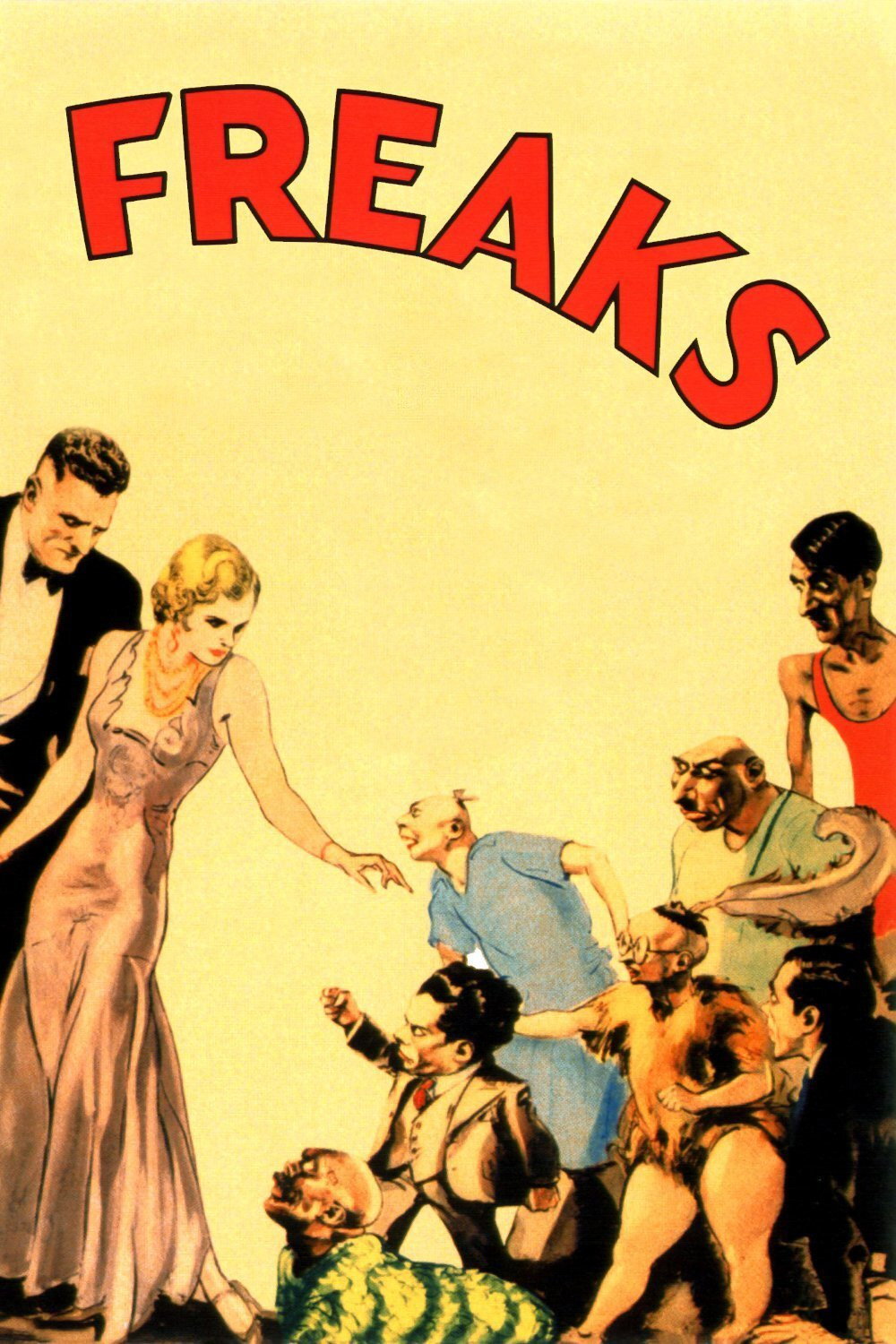
Freaks

1932 · A harsher account of people whose bodies are treated as public property

The Enigma of Kaspar Hauser poster

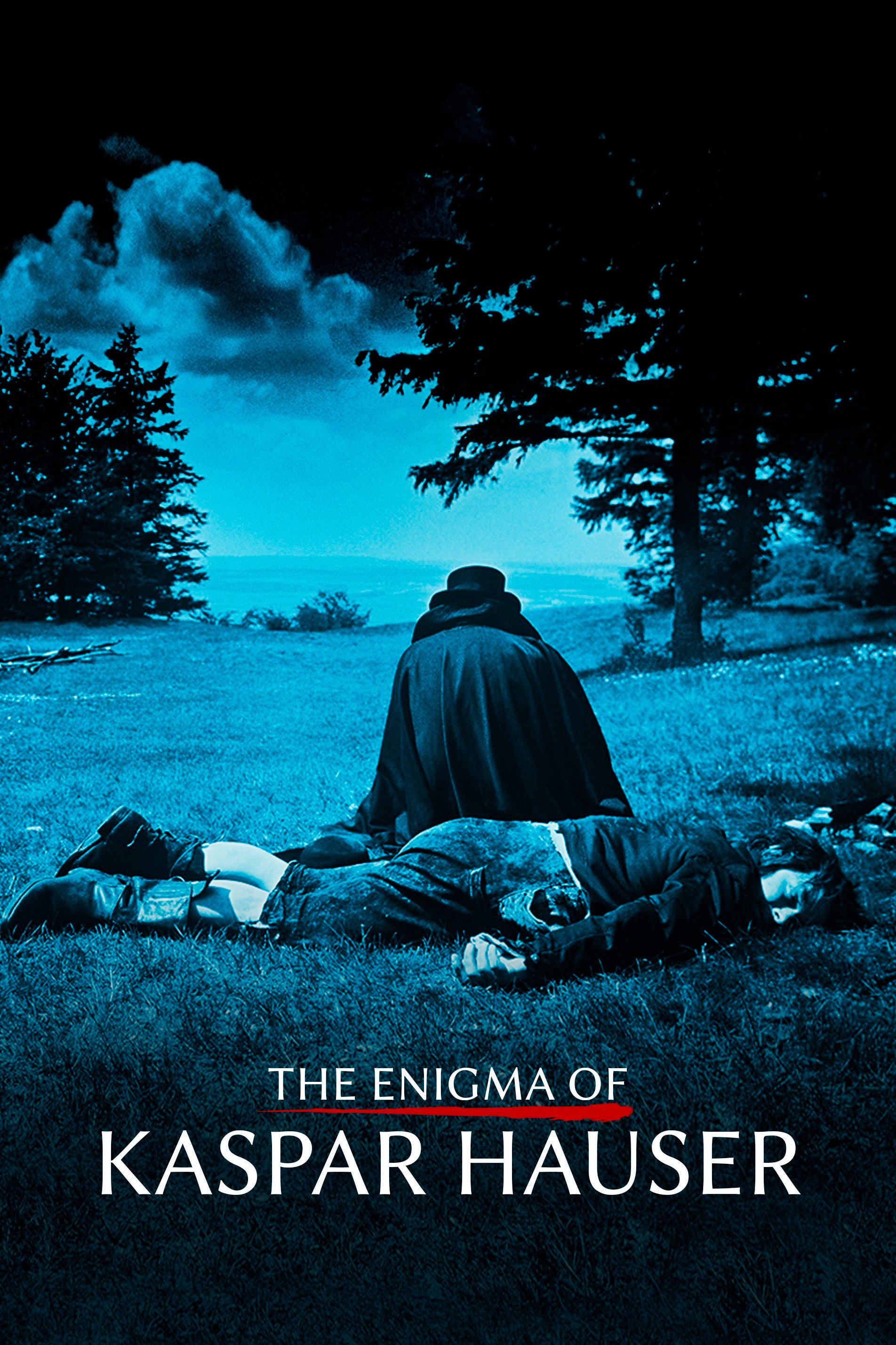
The Enigma of Kaspar Hauser

1974 · Another outsider meets respectable society, with less reassurance about the benefits of civilisation

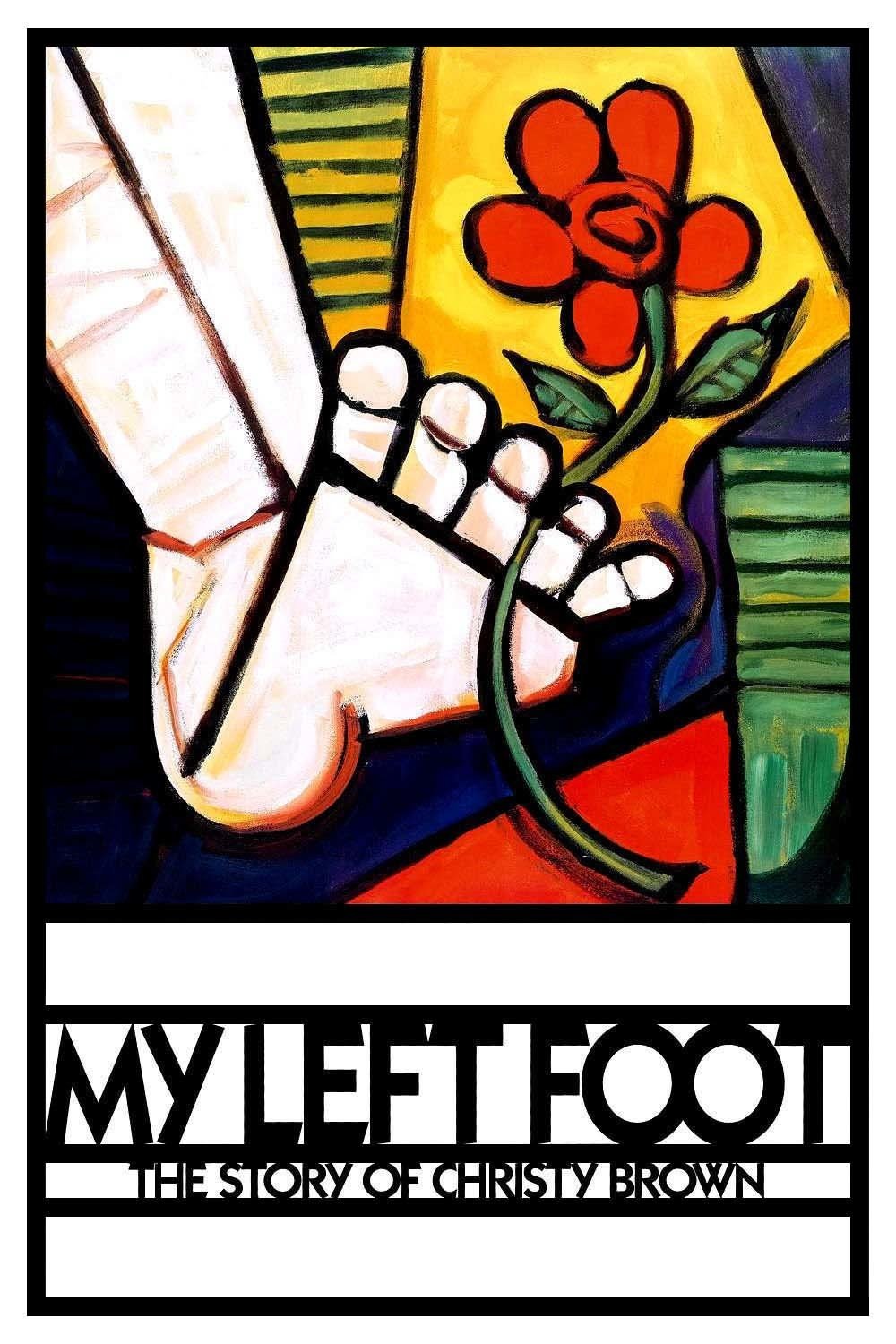
My Left Foot poster

My Left Foot

1989 · An unsentimental central performance gives disability room for anger, appetite and awkwardness

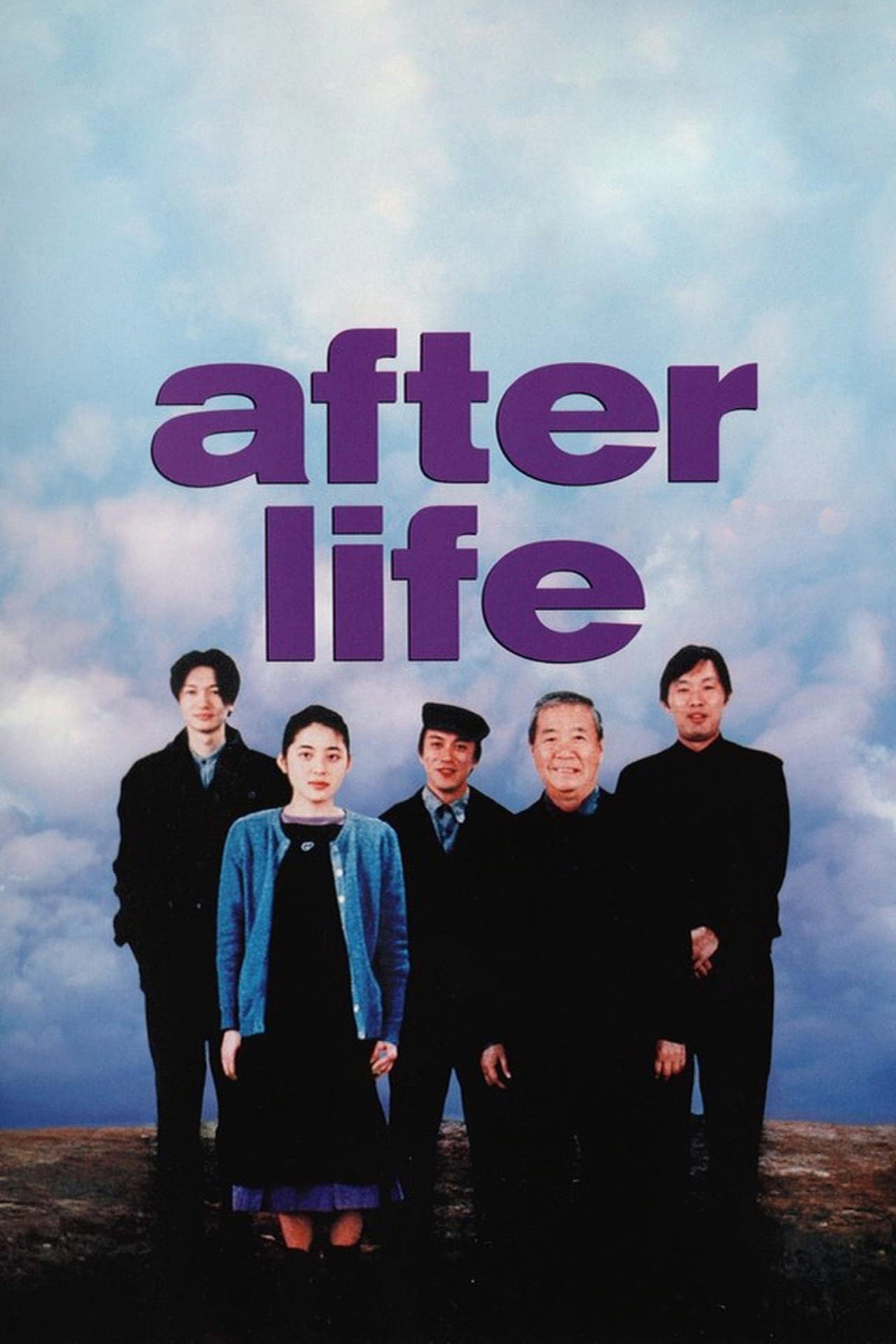
After Life poster

After Life

1998 · Patient attention to ordinary lives, with feeling that grows from small, precise performances

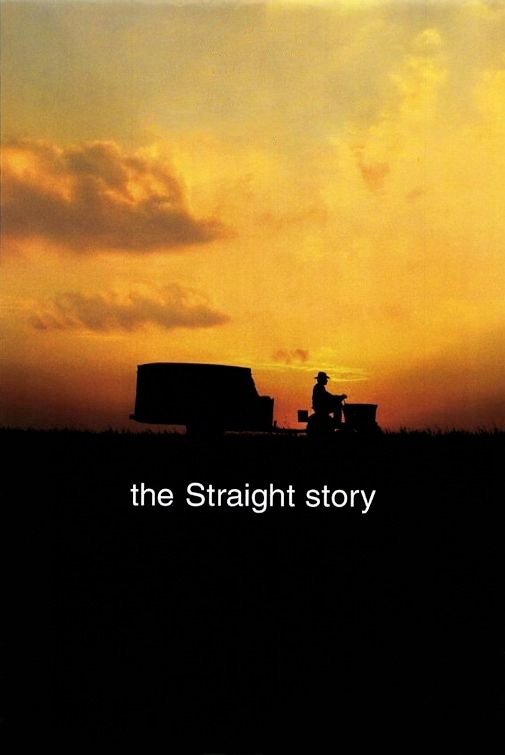
The Straight Story poster88

The Straight Story

1999 · Lynch’s quieter humanism, carried by another performance that refuses to ask for pity