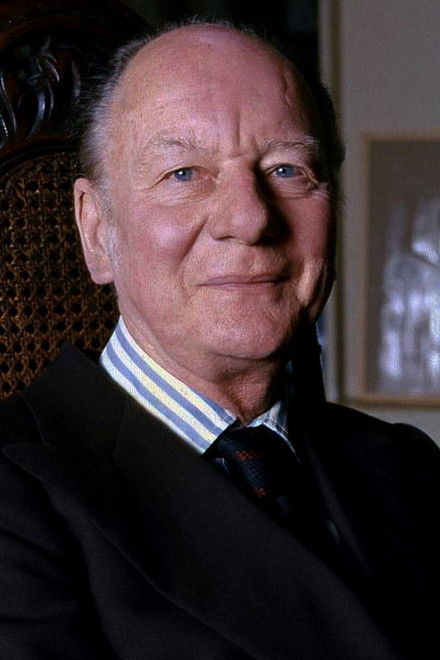
John Gielgud could make discourtesy funny through the precision of his speech, without making it forgivable. We value him most in supporting parts, where that control gives a character more life than the story strictly requires.
Fi1m perspective
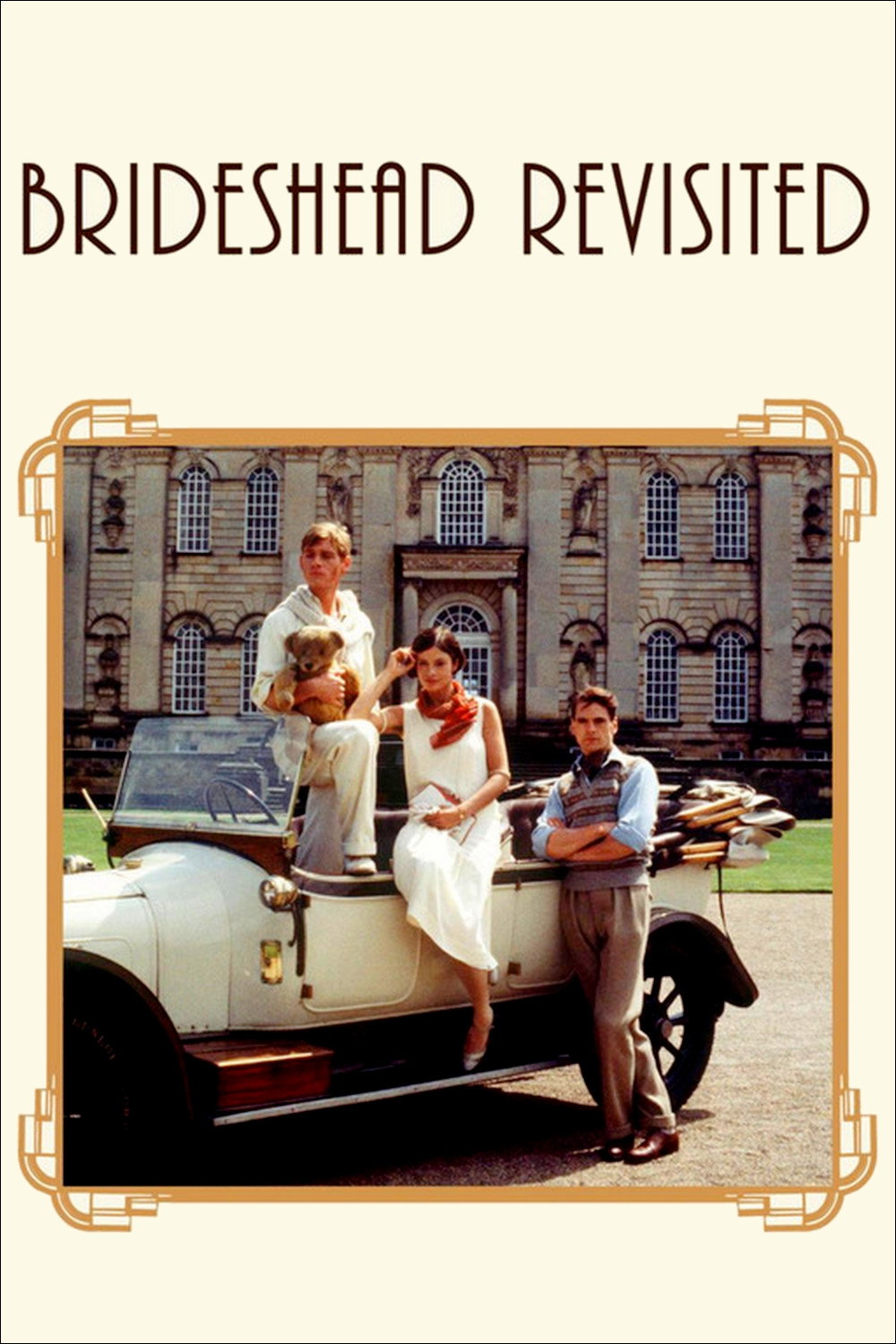
In Brideshead Revisited (1981), John Gielgud makes Edward ‘Ned’ Ryder’s discourtesy a particular pleasure. We laughed at the precision of his rudeness, though he gave us no reason to approve of it. In an adaptation that sometimes takes too long over its effects, his performance has the welcome advantage of getting to the point. There is pleasure in watching an actor be this exact without making the character more agreeable, and Gielgud trusts us to enjoy it without needing an excuse.
He came to such parts after establishing himself on stage in Shakespeare, including Hamlet (1929), with a reputation built on the clarity and musicality of his speech. Film work was sporadic before the later decades brought a steady succession of character roles. The late work could accommodate both Hobson in Arthur (1981) and Prospero in Peter Greenaway’s Prospero’s Books (1991). That shift towards supporting parts matters to our view of him because he could establish someone quickly and leave us with the sense that there was more to know.
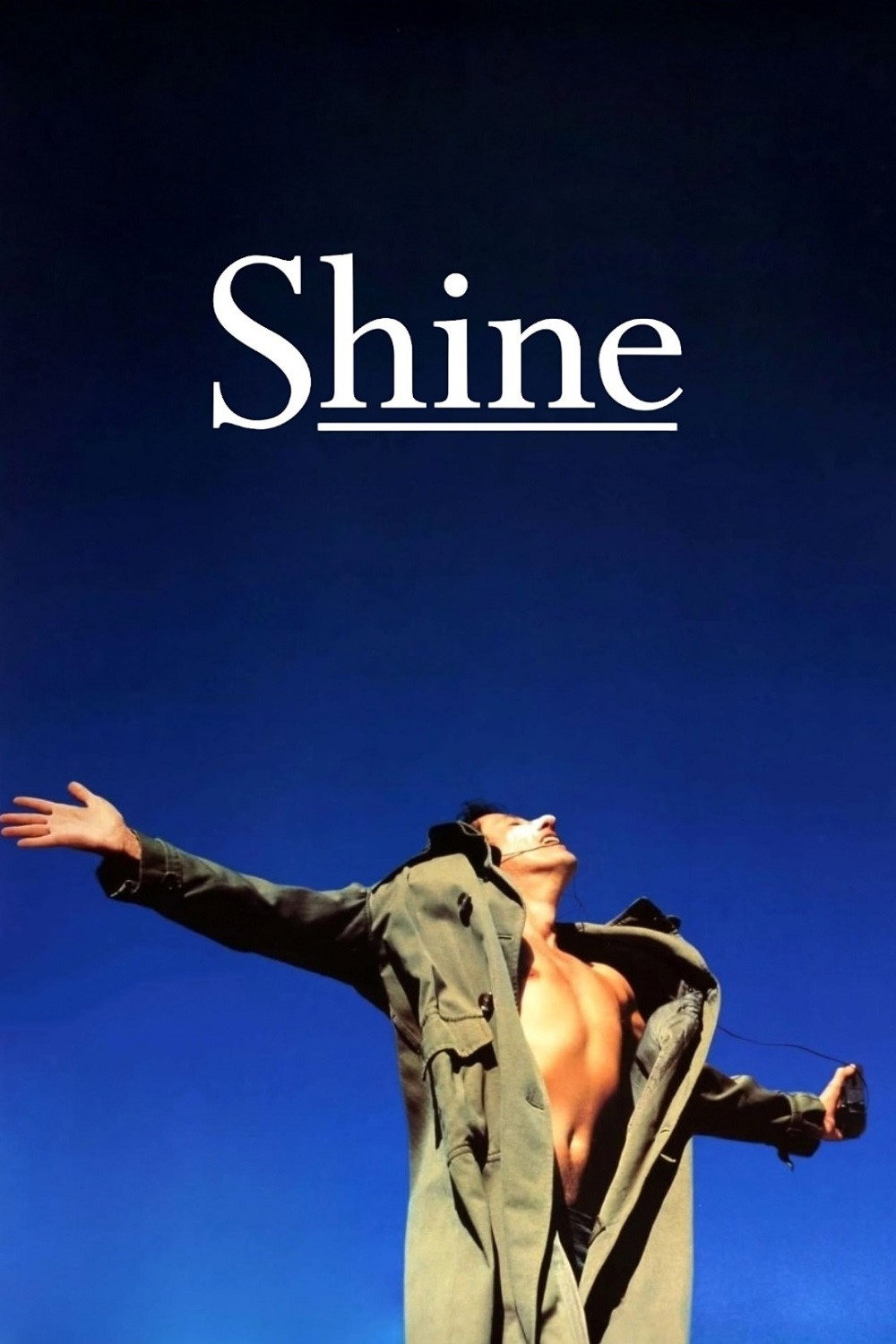
In Scott Hicks’s Shine (1996), his Cecil Parkes is useful precisely because he seems to have a life beyond David Helfgott’s needs. The film is moving, but it makes complicated feelings too easy to understand, and Hicks sometimes settles for warmth when more explanation is needed. Gielgud and Lynn Redgrave, as Gillian, help by making their characters seem like people with concerns beyond their assigned places in David’s story. We recommend the film with that reservation, and value Gielgud’s contribution without pretending that a small performance can repair the storytelling.
Critics have sometimes found him too dependent on vocal technique, with less physical presence than his contemporaries. It is a fair warning against treating beautiful speech as sufficient acting. But in Brideshead Revisited and Shine, the precision tells us something about the person speaking, rather than simply drawing attention to the speaker’s skill. For the quickest sense of his comic precision, start with his scenes in Brideshead Revisited.
Biography
John Gielgud was an English actor, director and producer. He trained at the Royal Academy of Dramatic Art and made his stage debut in 1921.
He appeared in numerous stage productions, particularly Shakespeare, and in films including Murder on the Orient Express (1974), The Elephant Man (1980), Chariots of Fire (1981) and Gandhi (1982). He played Edward 'Ned' Ryder in the 1981 television adaptation of Brideshead Revisited.
Gielgud received an Academy Award for his role in Arthur (1981) and was knighted in 1953.