Kenneth Branagh’s Hamlet earns its 242 minutes through clear speech, strong supporting performances and a proper sense of the kingdom beyond the prince. We recommend it, though the music and decoration sometimes insist on being noticed.
Kenneth Branagh’s Hamlet is worth the substantial evening it asks for, provided we can tolerate a production that occasionally gets carried away with its own finery. Retaining the full text gives the court’s business time to matter, as well as the prince’s grief and suspicion. The wider political story is allowed to develop without making the central performance feel smaller. At 242 minutes, this is a commitment, but Branagh makes the language clear enough that keeping up seldom feels like work.
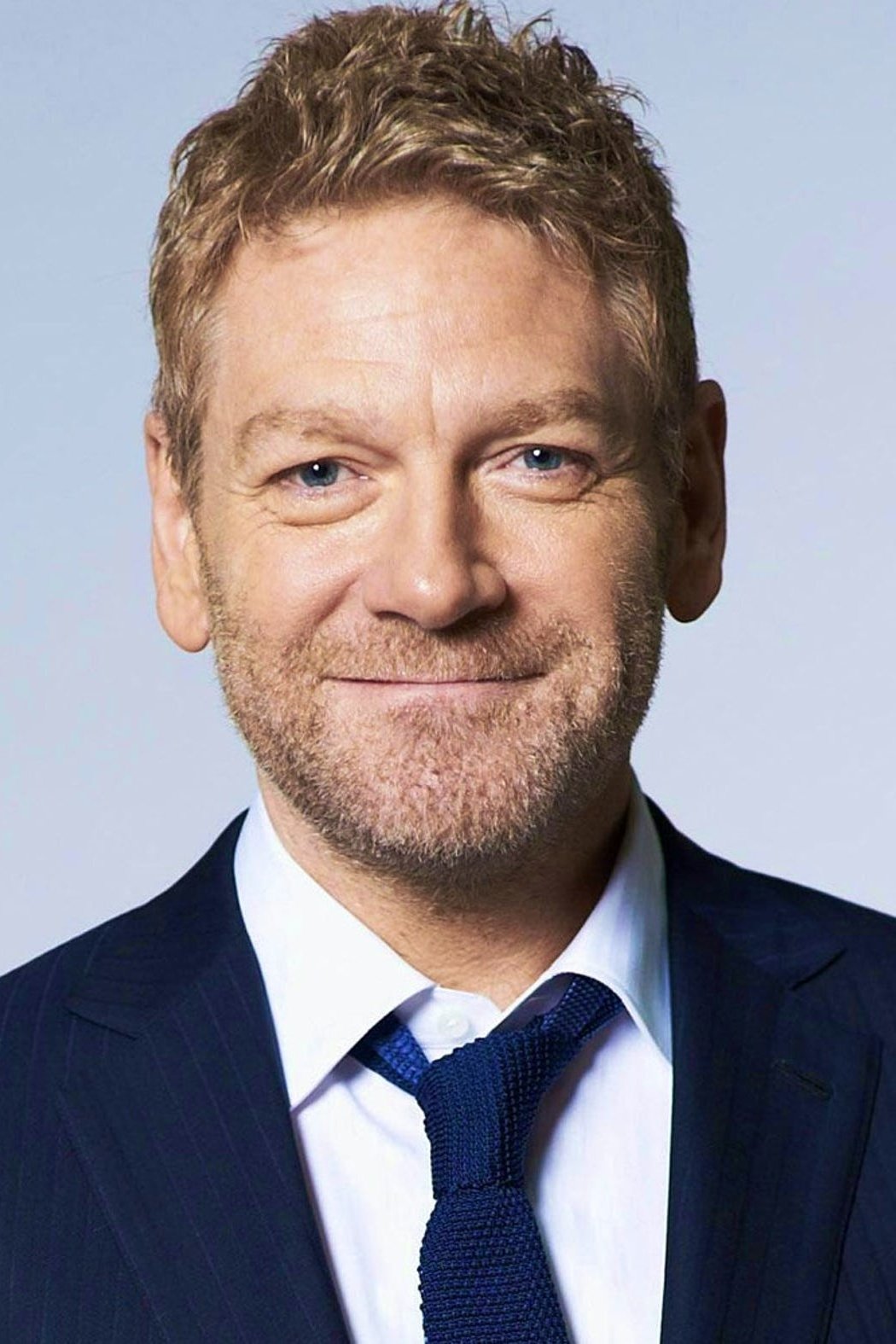
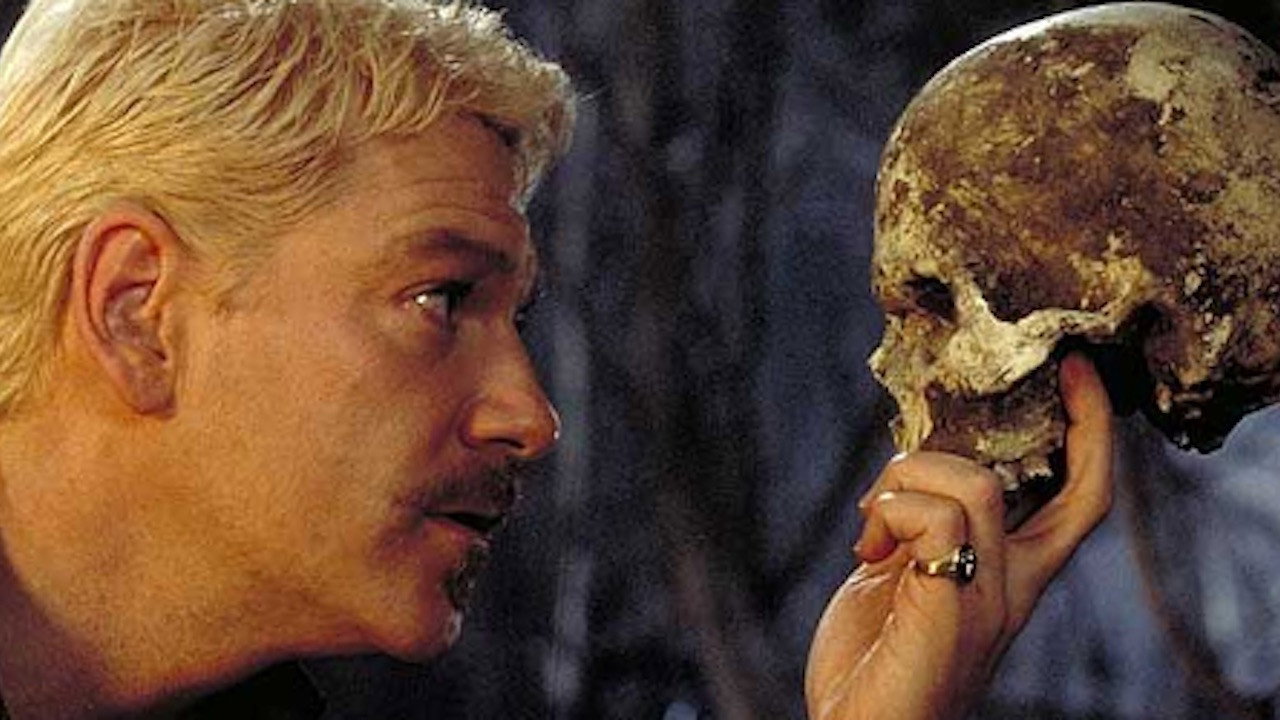
Branagh’s Hamlet is forceful, eager to make every thought reach us, and sometimes too ready to finish it with an extra push. His long speeches sound like urgent attempts to decide what to do, and their clarity allows us to follow the effort. We felt his frustration: all that energy in the speaking, so much difficulty in reaching a decision. The performance can be emphatic, but its restlessness gives the film much of its life.
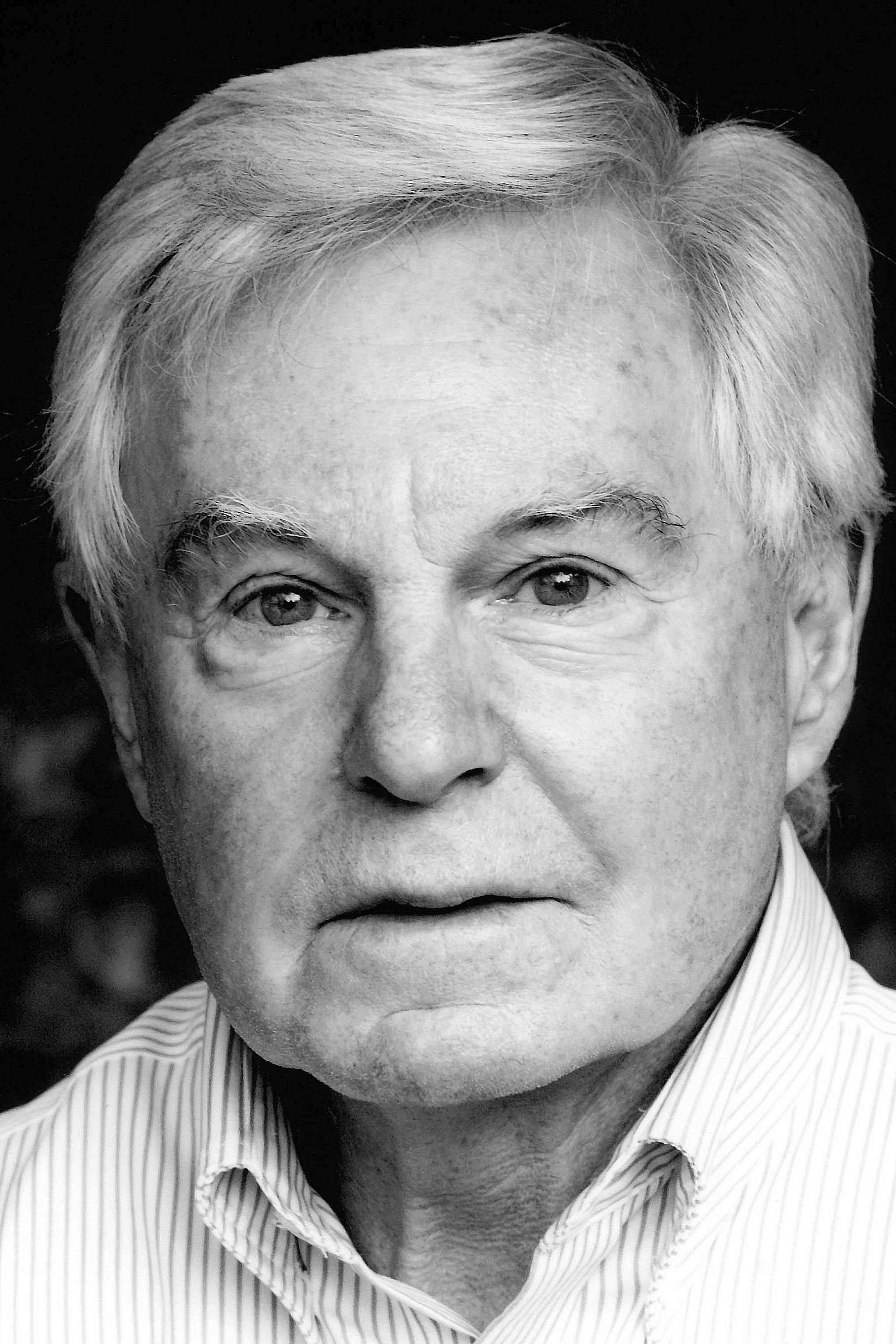
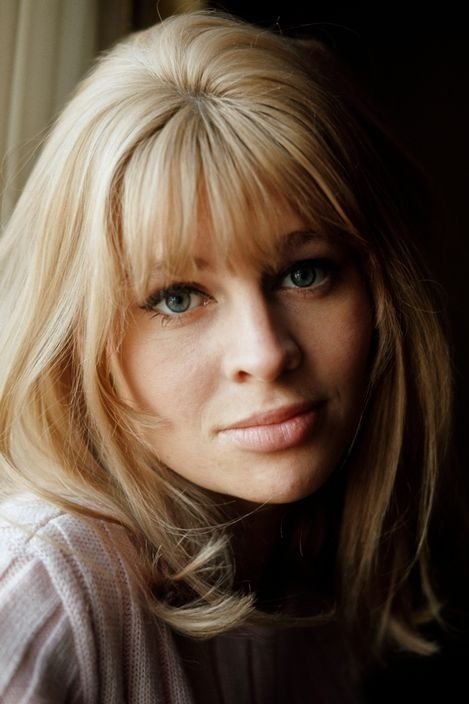
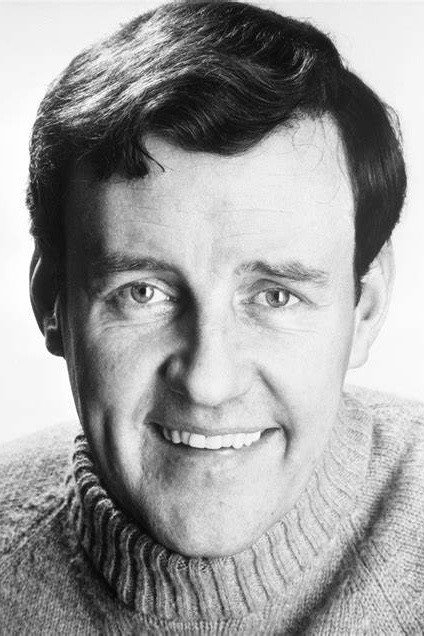
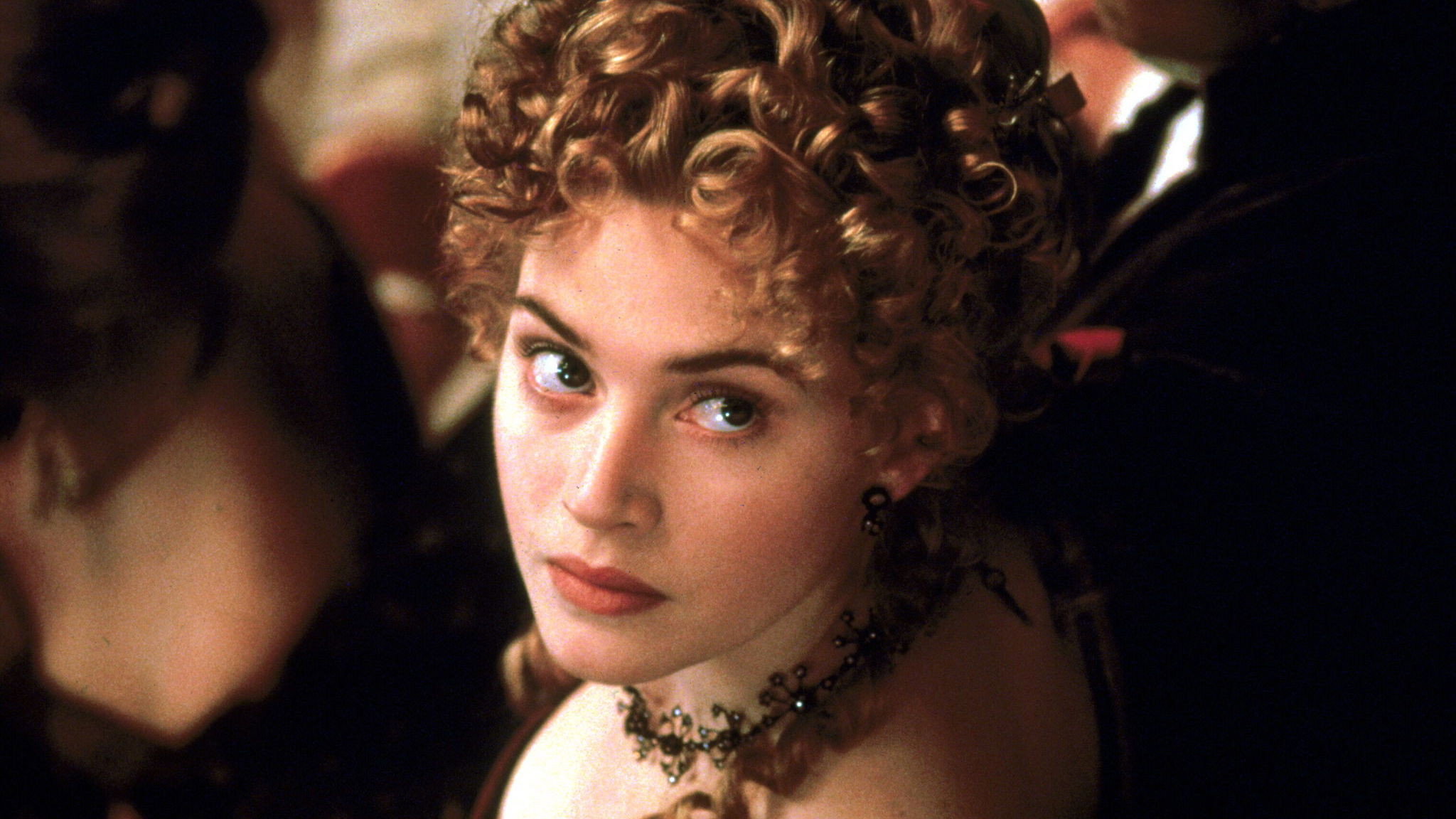
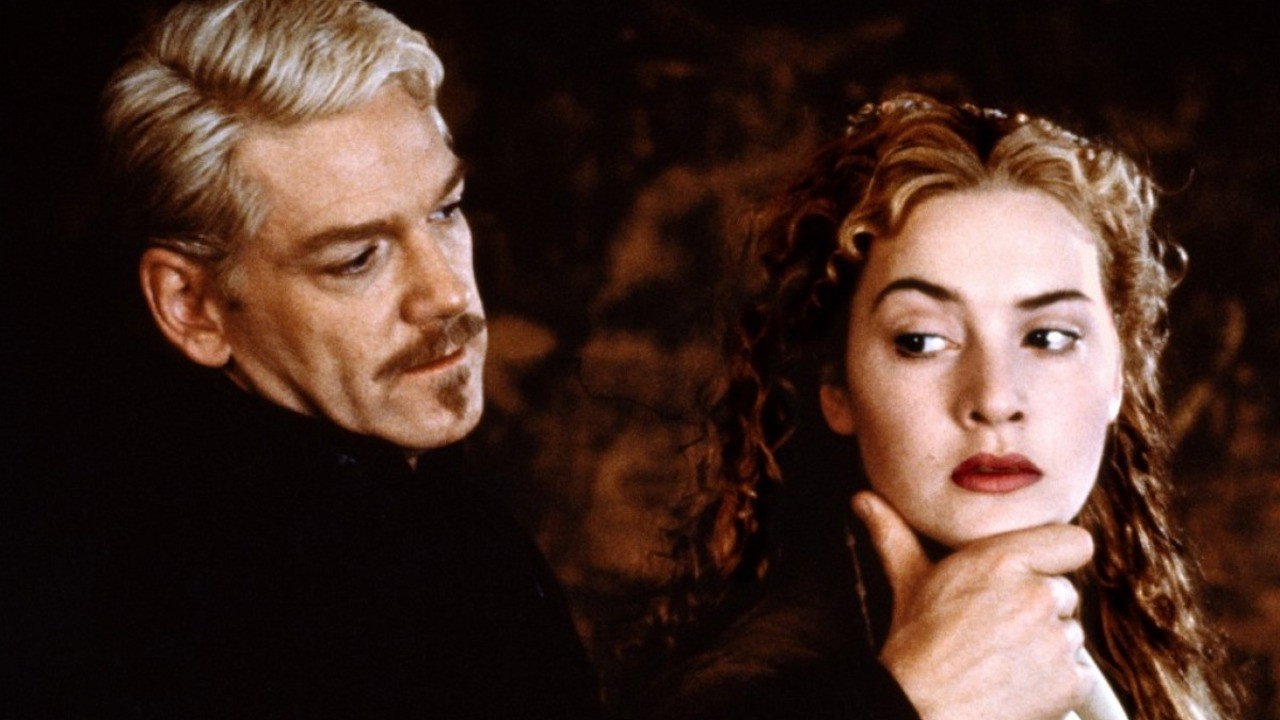
Derek Jacobi’s Claudius and Richard Briers’s Polonius provide the strongest reasons for giving the supporting parts their space. Jacobi makes authority sound practised; Briers makes Polonius’s confidence in his own advice understandable without making it attractive. Their ease is welcome in a production that can seem anxious to make sure we appreciate everything. Kate Winslet’s Ophelia and Julie Christie’s Gertrude also benefit from an adaptation that has not hurried past the relationships to get to the familiar speeches.
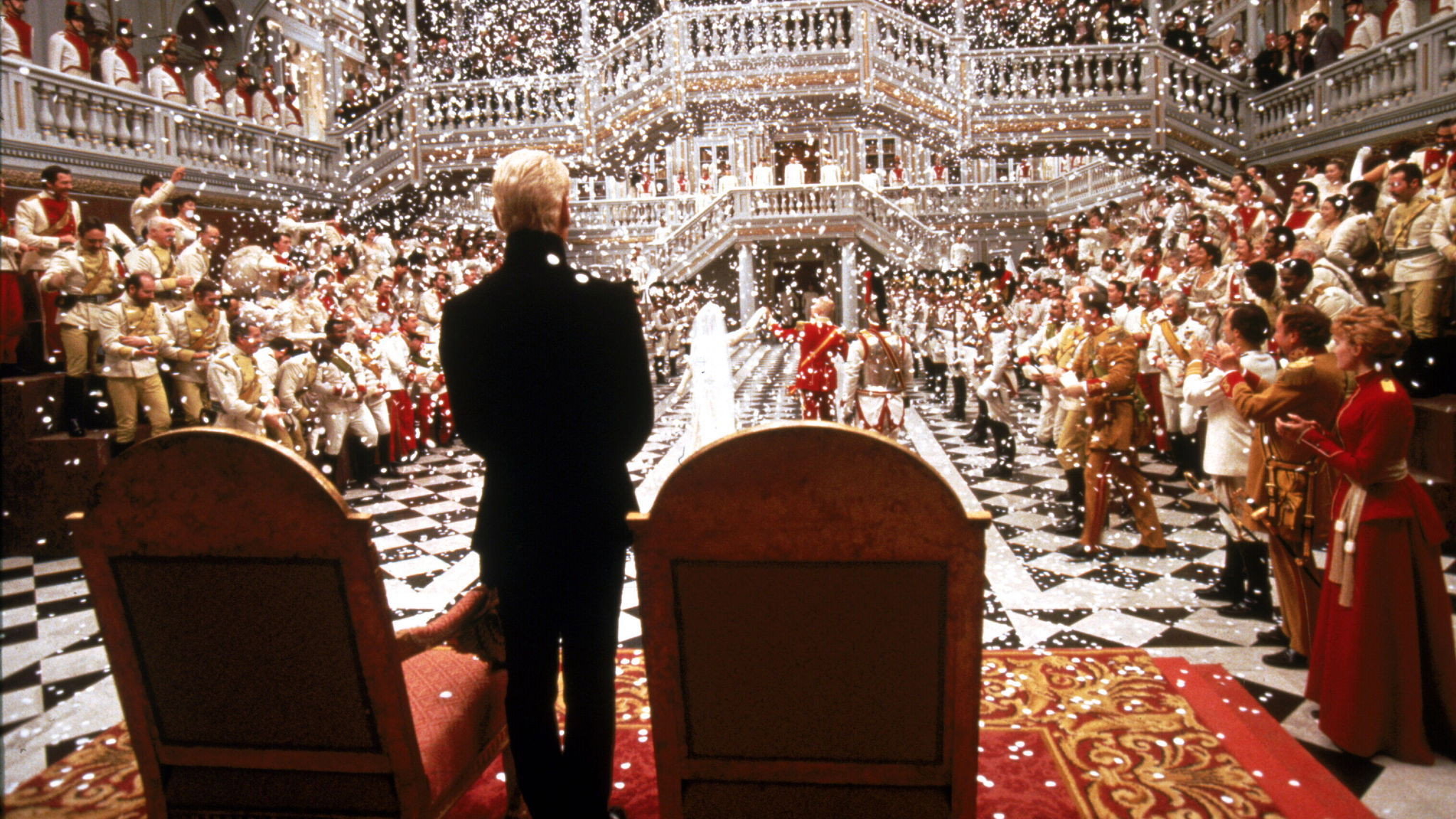
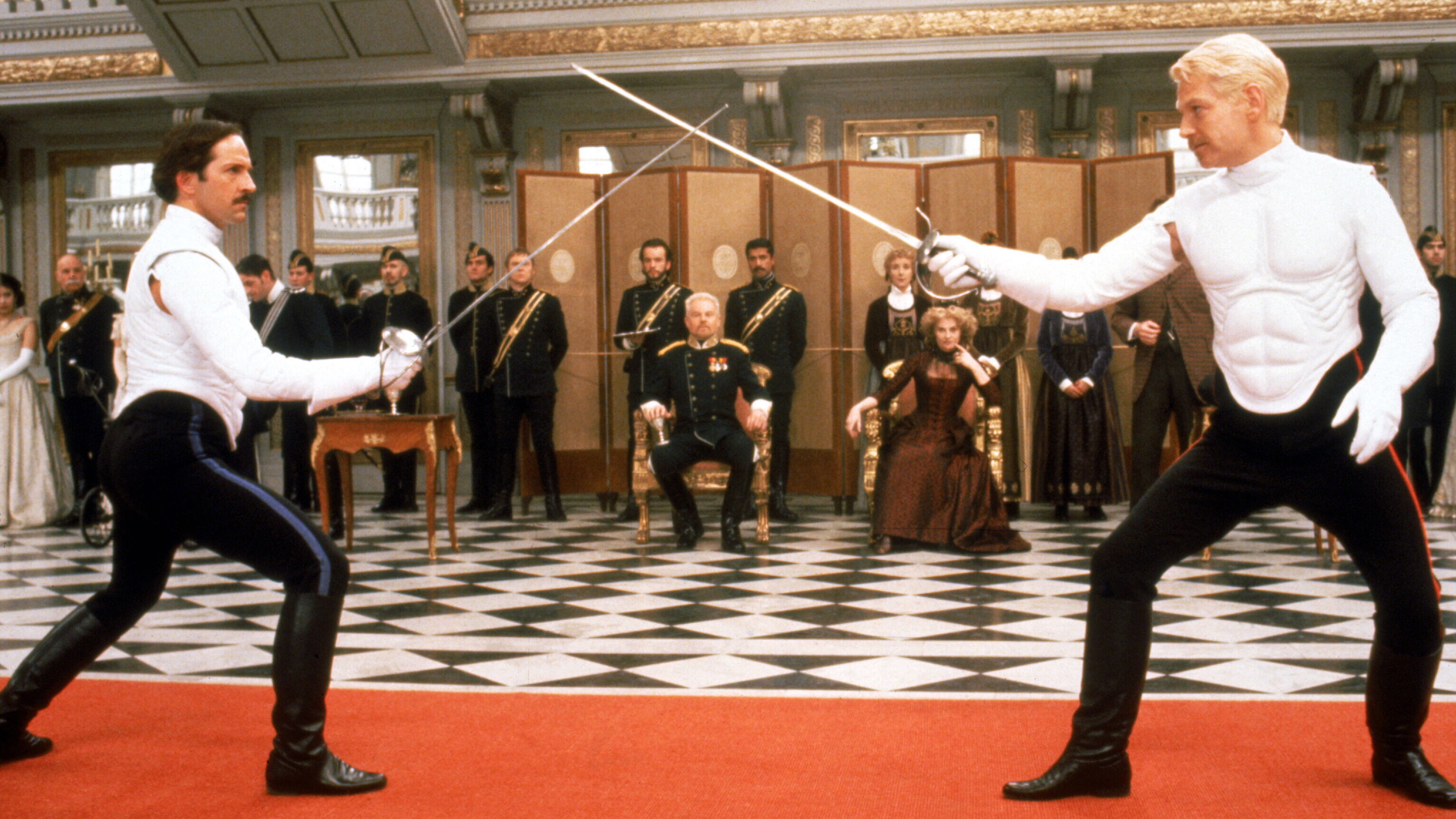
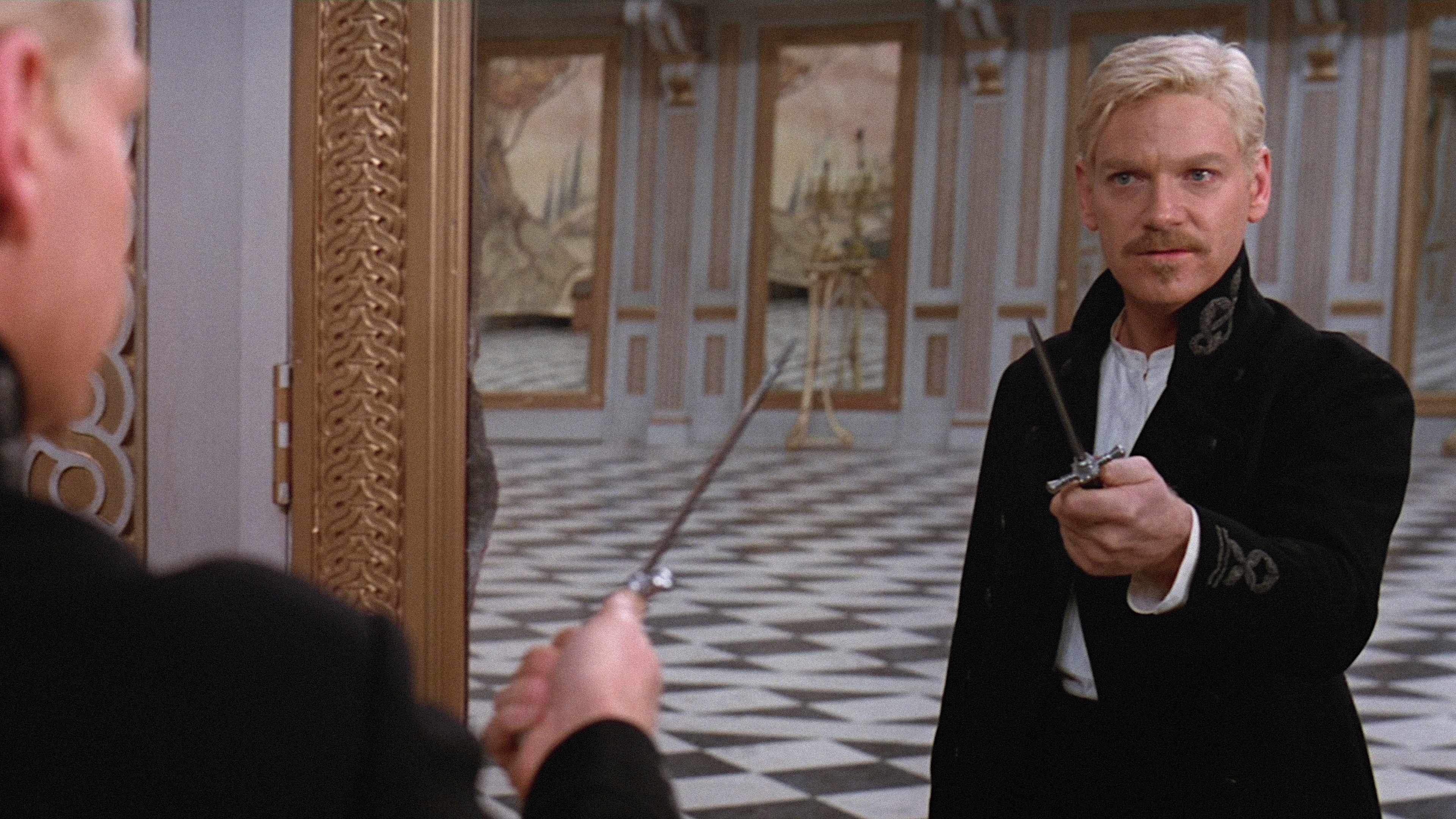
Alex Thomson’s 70mm photography gives Tim Harvey’s elaborate Elsinore the space it demands, and the court has a grandeur that makes its public business worth attending to. This is useful in a version that allows the wider politics to develop. Yet Harvey’s decoration can distract us from the person speaking, particularly when Branagh seems reluctant to let the surroundings go unnoticed. The nineteenth-century setting brings a great deal of finery with it.
Editor Neil Farrell deserves some credit for making this much spoken material remain comprehensible. The pace gives us time to hear an exchange and understand what each person wants from it; the length rarely feels like an inability to choose. Patrick Doyle’s music is less helpful, insisting on emotions the actors have already made clear. We wanted it to leave them alone, especially when the words were doing the work without assistance.
As screen Shakespeare, this succeeds at the difficult practical business of keeping complicated speech clear without making it sound laboured. Branagh’s full-text approach also trusts us to stay interested in people outside the central crisis. The conspicuous guest casting occasionally interrupts that concentration: Robin Williams as Osric and Gérard Depardieu as Reynaldo can pull attention towards the guest list. These distractions are irritating because the film has already proved how well it can hold us with actors speaking plainly.
Do not approach it as a test of how much Shakespeare can be endured in one sitting. There is pleasure in hearing the less familiar exchanges given this much care. Give it an evening when nobody needs to be anywhere else.