Scott Hicks’s Shine is a moving drama about musical talent and parental pressure, with Geoffrey Rush and Noah Taylor making David Helfgott worth caring about. The storytelling takes shortcuts, but the performances earn its warmth.
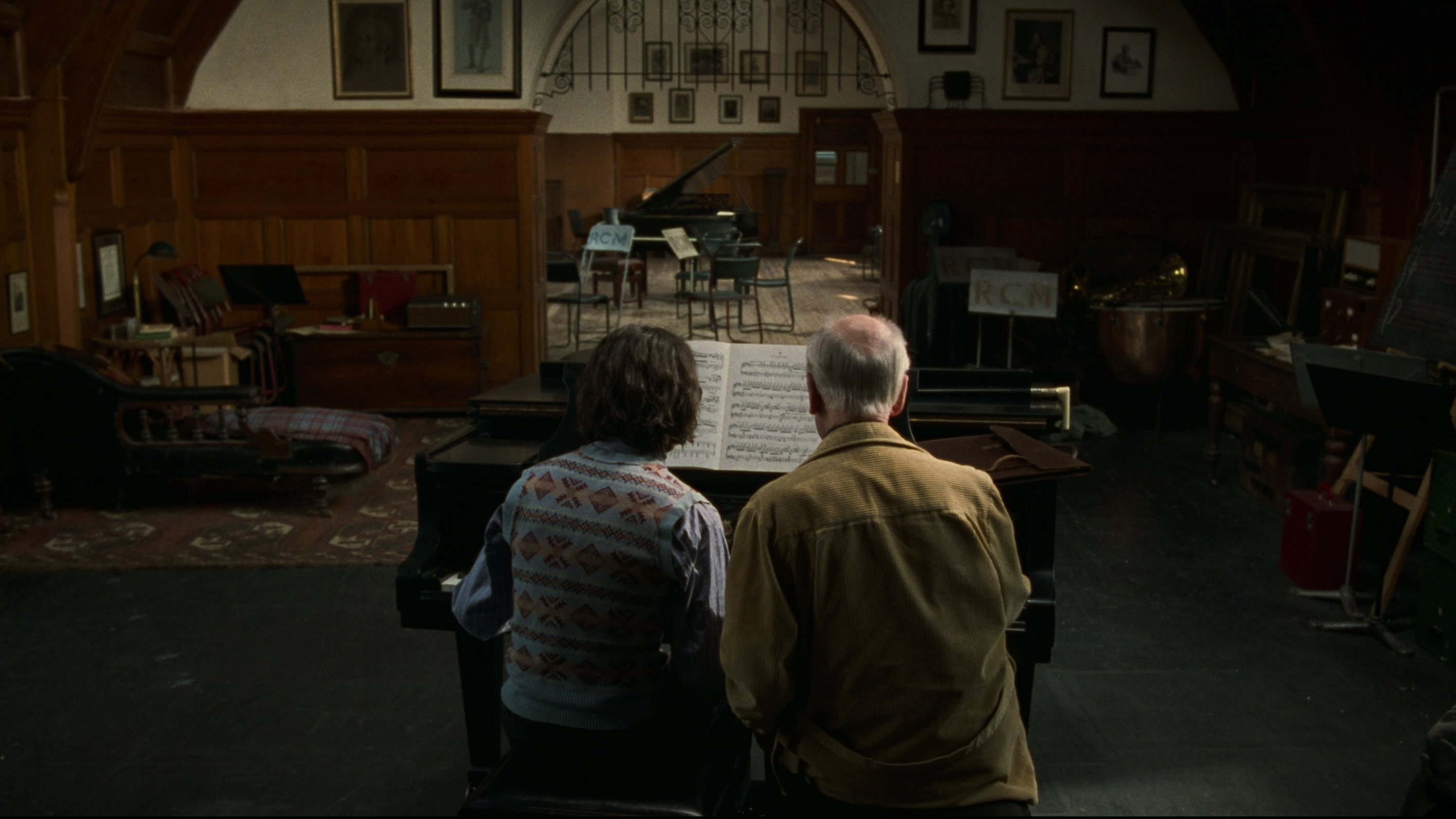
Shine is a moving biographical drama whose performances make familiar material worth another evening. Director Scott Hicks and screenwriter Jan Sardi take on the gifted musician, the demanding father and the difficult business of growing up under someone else’s expectations. There is plenty here that could have been made solemn and exhausting, but the humour allows David Helfgott to be enjoyable company. Hicks keeps the film to 105 minutes, with three actors sharing the central role.
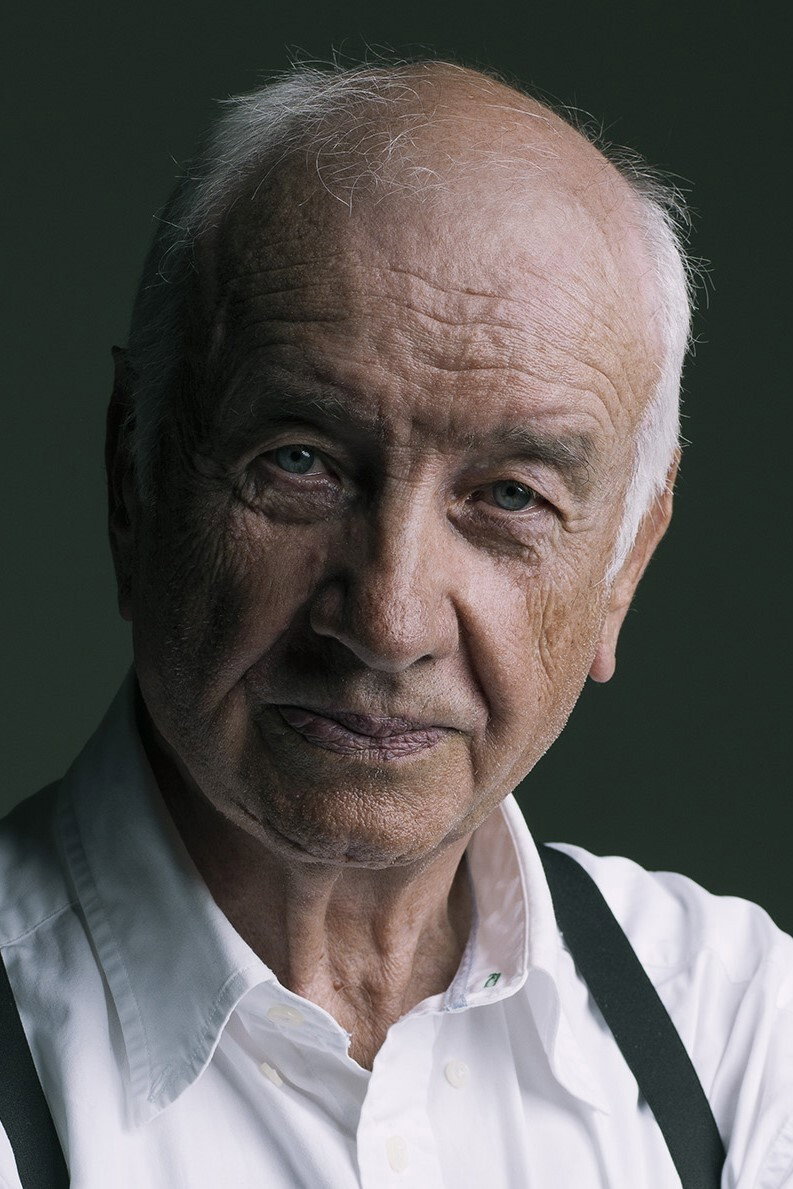
Armin Mueller-Stahl’s Peter is the reason the family drama has weight. The performance gives the father’s demands a troubling sincerity: he can believe he is acting out of care without allowing David much say in the matter. We found him frightening, because his concern keeps becoming a reason his son should obey him. His unhappiness remains visible, making it harder to dismiss him as the villain required by the story. Sardi’s writing is strongest when it allows those conflicting feelings to remain.
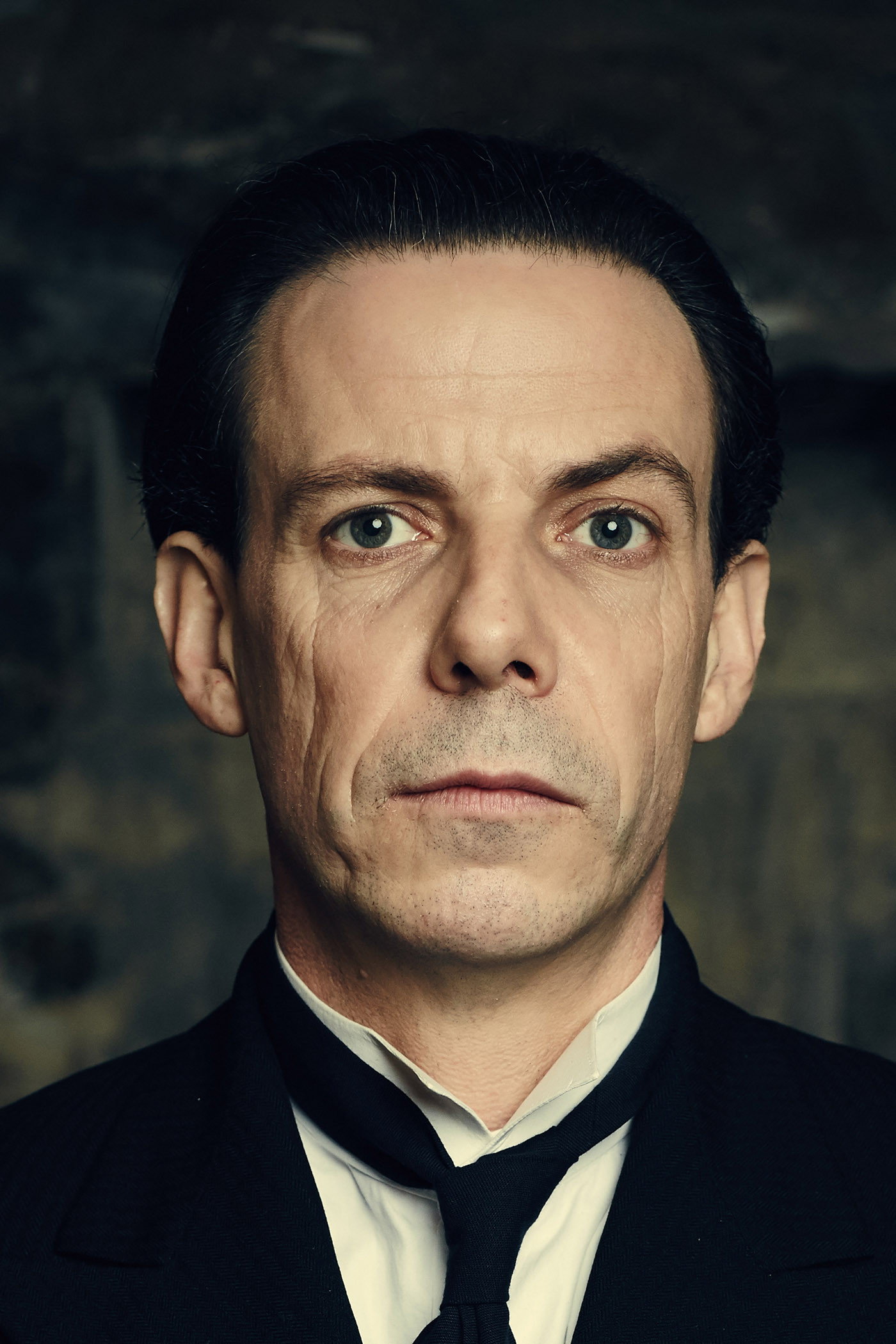
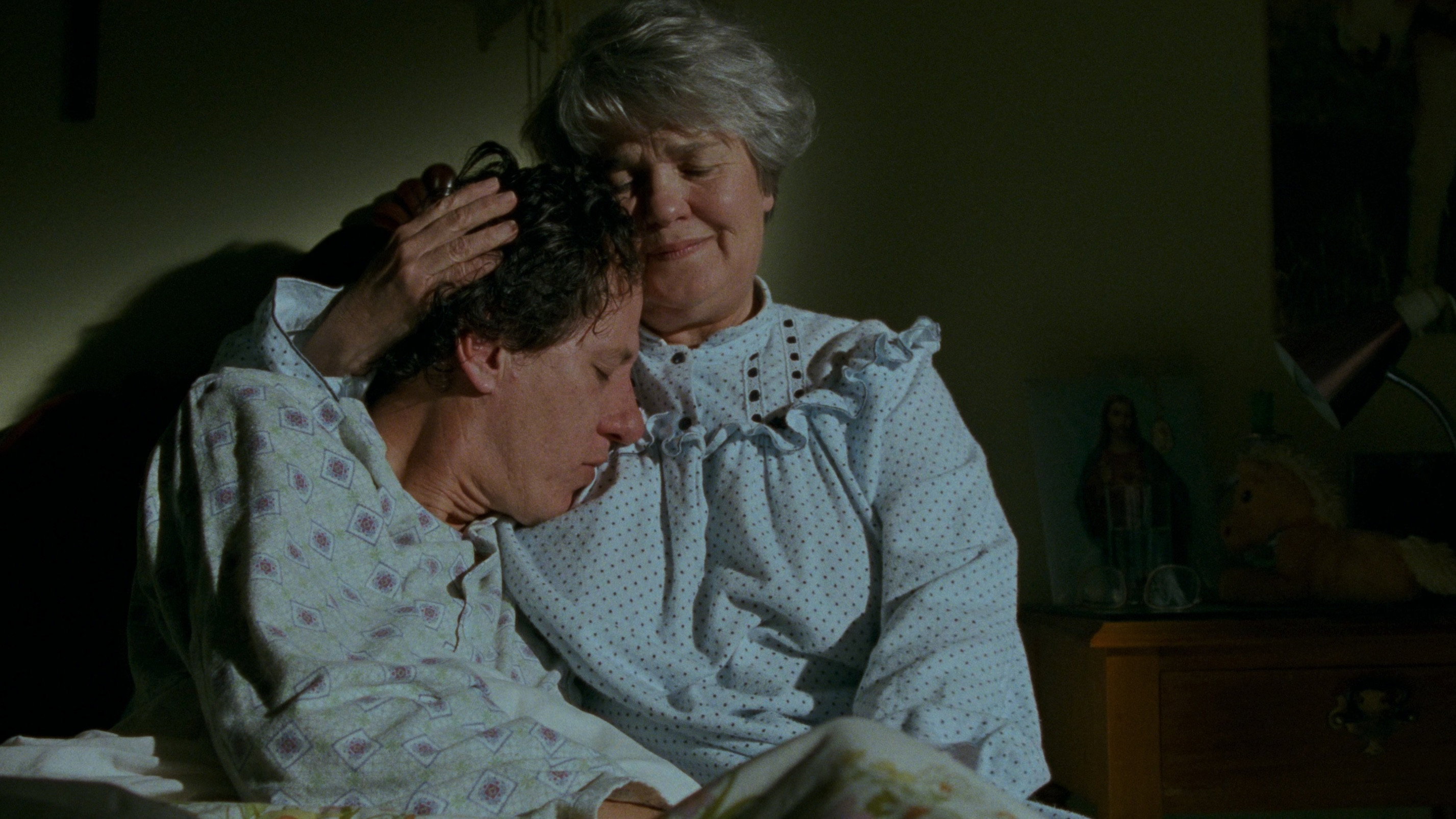
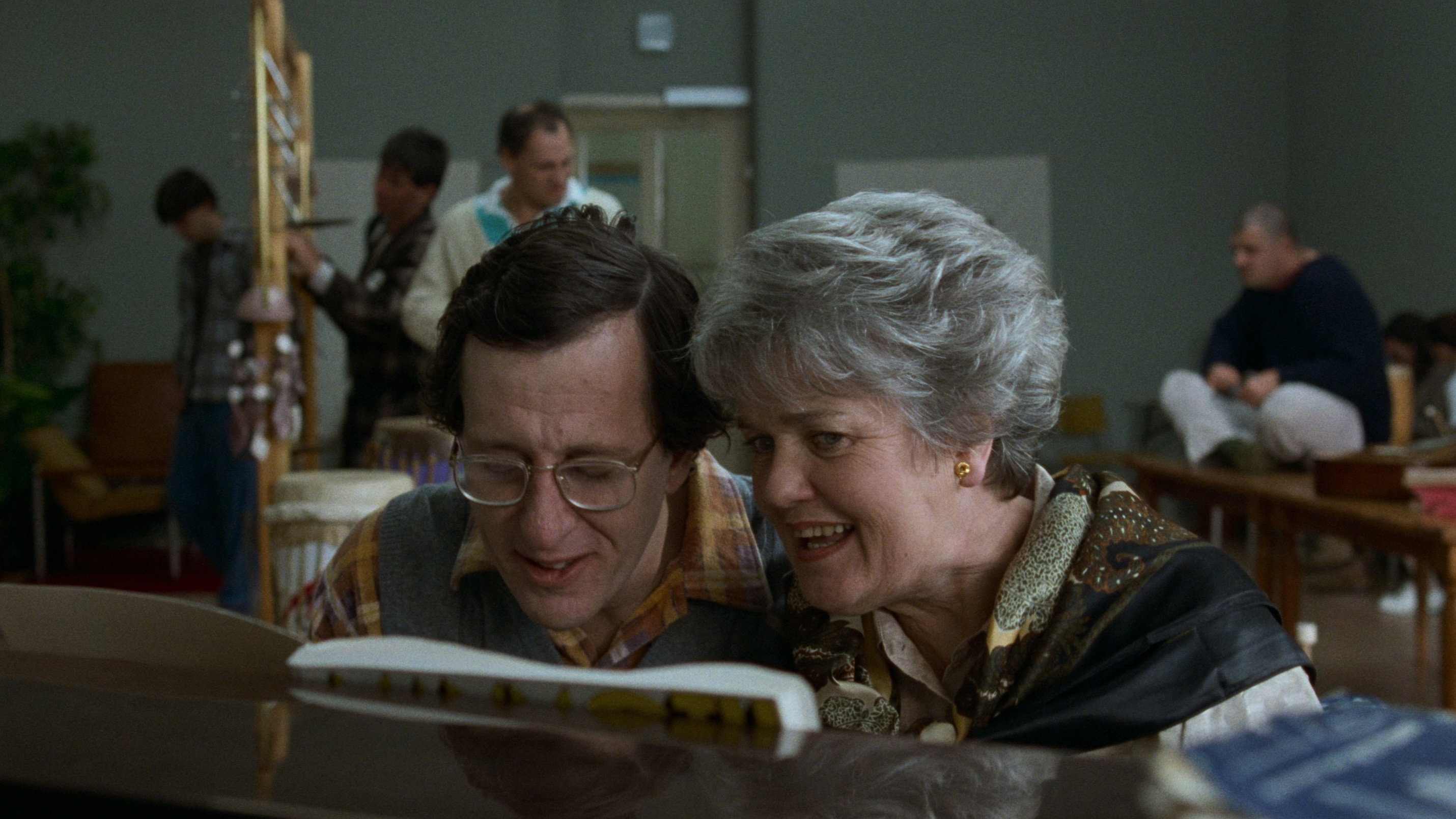
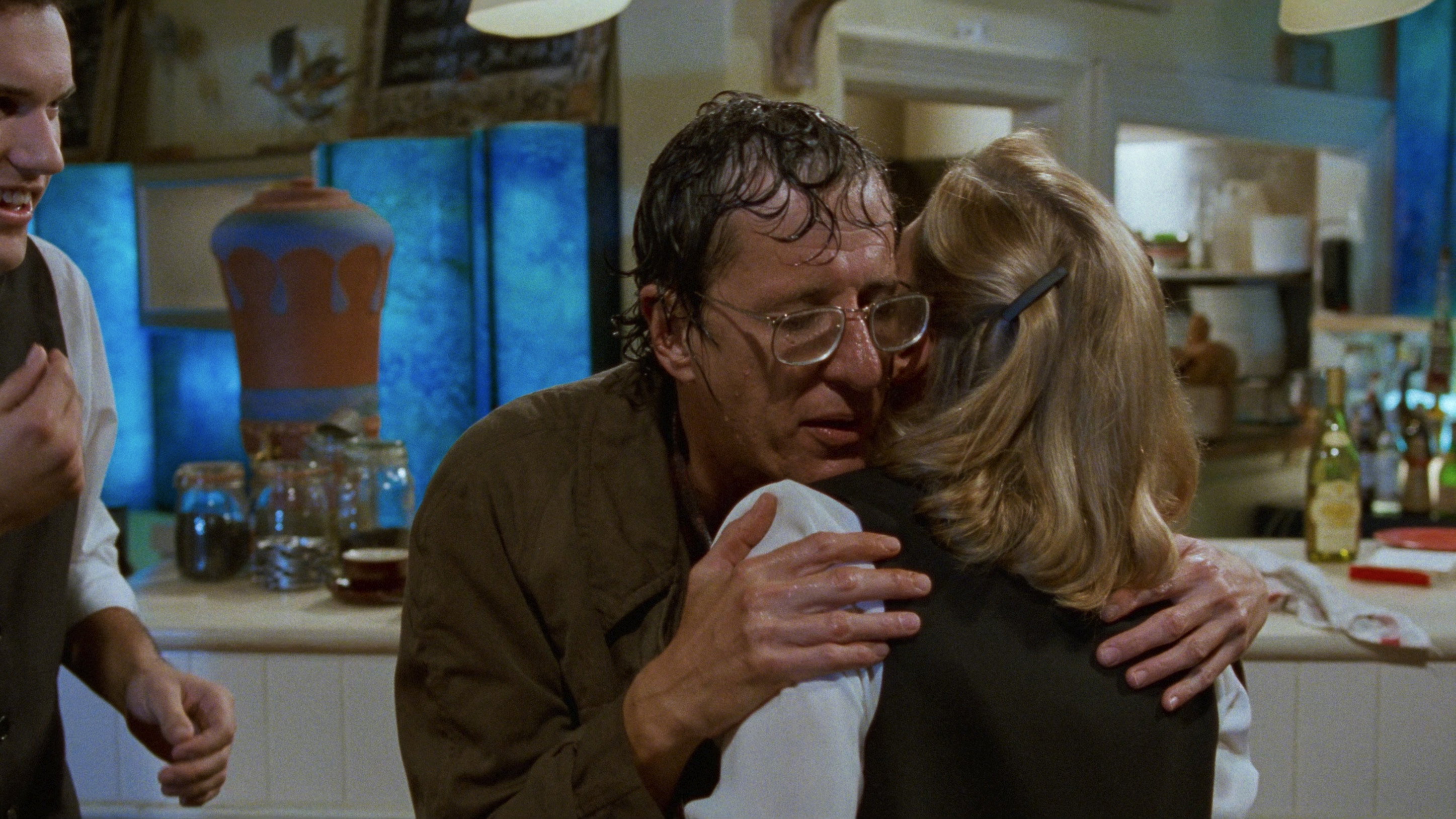
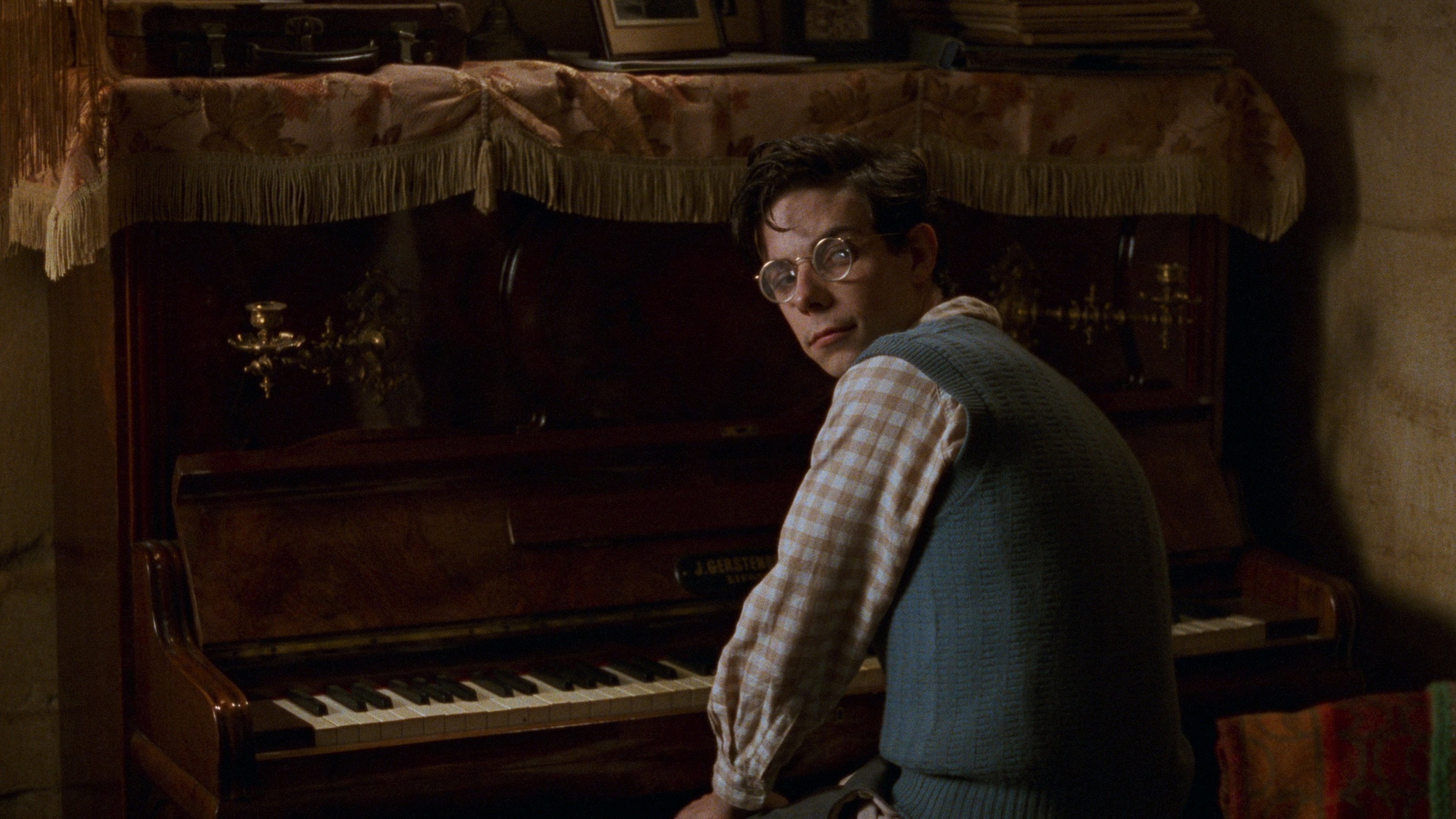
The casting across David’s ages helps considerably. Alex Rafalowicz plays the child, Noah Taylor the adolescent and Geoffrey Rush the adult, and the changes of actor do not make the character feel repeatedly restarted. Taylor gives David a vulnerability that keeps the pressure on him credible, while Rush makes room for humour without treating him as a collection of eccentricities. It is easy to underestimate Taylor’s contribution simply because Rush gives us more to notice.
Geoffrey Simpson’s cinematography supports Hicks’s impressionistic approach, keeping the performances intimate rather than turning the musician into a distant figure to admire. Vicki Niehus’s production design is restrained enough to let the actors dominate their surroundings; we seldom find ourselves looking past them for period detail. That matters in a story which could easily become an excuse for handsome concert imagery. Hicks is most persuasive when the attention stays on a difficult relationship.
Pip Karmel’s editing gives the biography an elliptical rhythm, leaving the actors to carry connections that have not been explained at length. It is an effective way of avoiding the dutiful procession of milestones that can make a life story feel like homework. David Hirschfelder’s score supports the warmth, although its emotional prompting can become too insistent. The film allows David pleasure in playing, as well as the strain of meeting other people’s expectations.
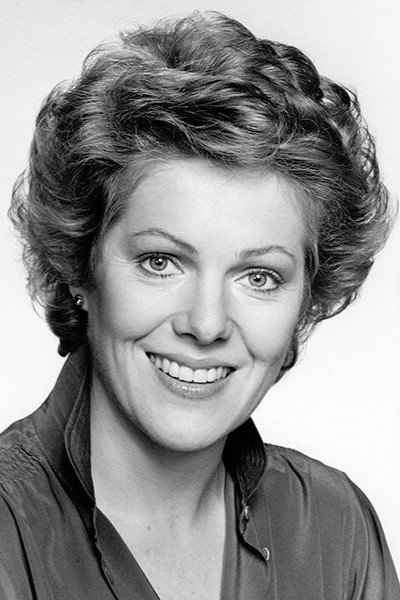
The reservation concerns the tidiness of the telling. Sardi sometimes arranges complicated feelings so that we know too readily where sympathy should go, and Hicks is inclined to accept warmth as sufficient explanation. That can make a difficult life seem more easily understood than it is, even when the people remain convincing. Lynn Redgrave’s Gillian and John Gielgud’s Cecil Parkes help by suggesting lives beyond their immediate usefulness to David’s story. Redgrave’s firmness is especially welcome when the film is asking us to feel reassured.
Films about gifted people can become tiresome when every unhappy experience is treated as preparation for the next performance. Shine has enough interest in David himself to escape much of that, and its humour is essential. There is pleasure in spending time with him, quite apart from listening to him play. See it for Taylor and Rush, but leave some attention for Mueller-Stahl’s father, who makes the family scenes so uncomfortable.