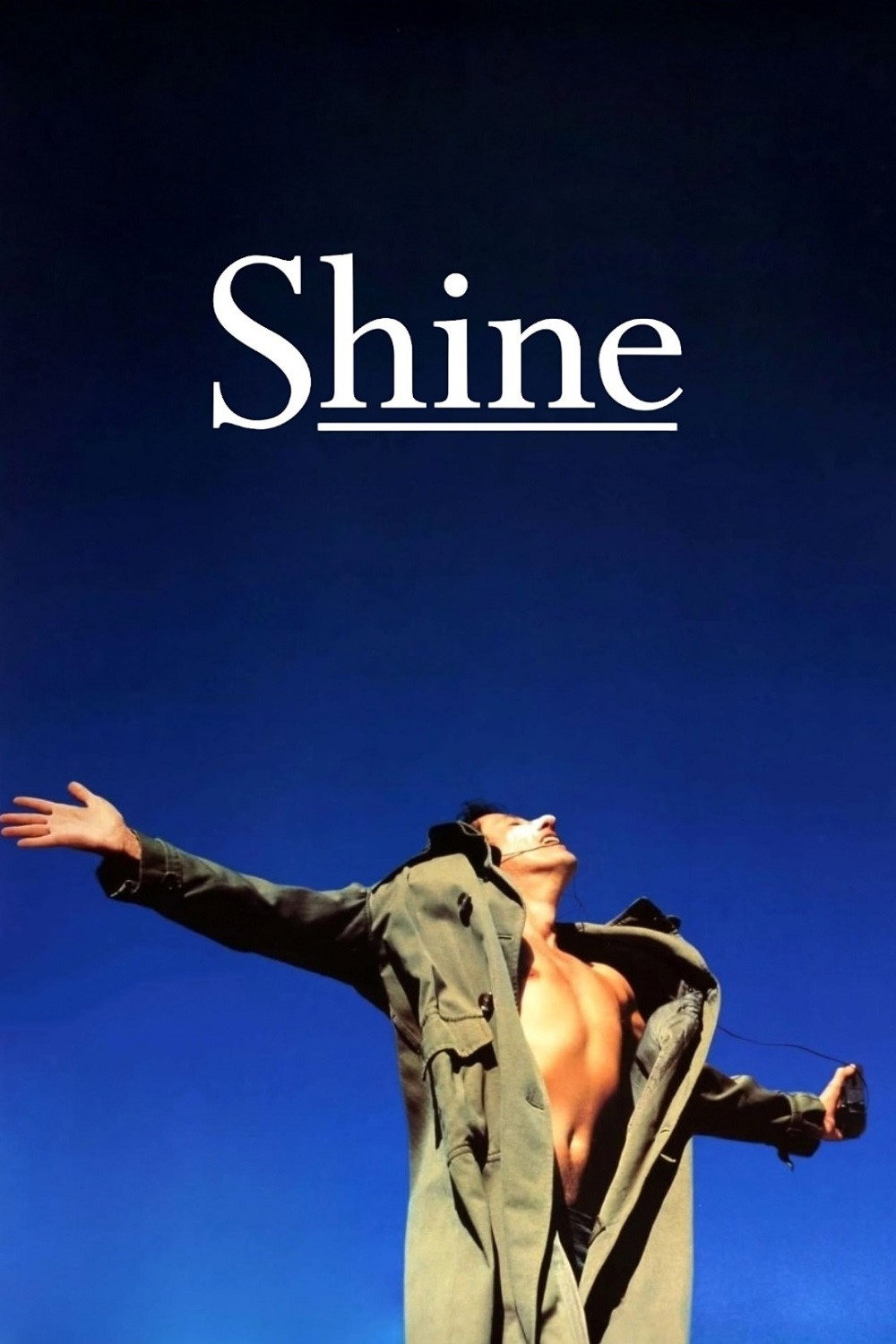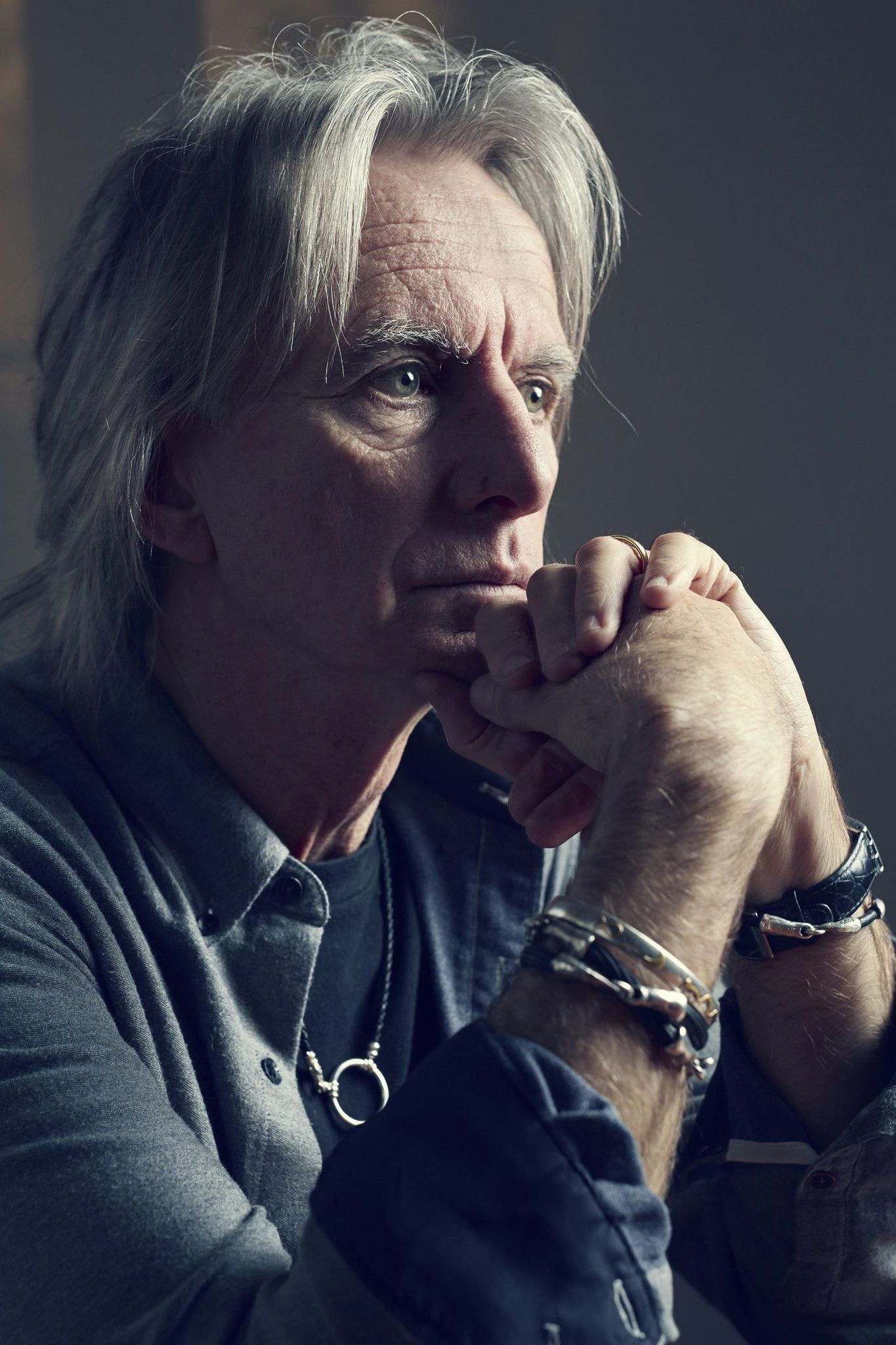
Scott Hicks is at his most persuasive when he stays close to actors wrestling with difficult feelings. Shine earns our affection, though his fondness for warmth can make a complicated life seem rather too easily understood.
Fi1m perspective
In Shine (1996), the musician is allowed to be funny. Scott Hicks gives Geoffrey Rush and Noah Taylor room to make David Helfgott enjoyable company, even within a story of talent and parental pressure. We were moved because that humour gave us someone to care about beyond his musical ability. Hicks is worth watching for this attention to people, although he sometimes settles for reassuring us when a harder question would help.
The smaller features Freedom (1982) and Sebastian and the Sparrow (1988) preceded the international recognition brought by Shine, which Hicks developed over a decade. He then moved into Hollywood literary adaptations with Snow Falling on Cedars (1999) and Hearts in Atlantis (2001). The memory-driven storytelling of Snow Falling on Cedars continues an interest in impressionistic structure already present in Shine, though its attention to beautiful images can weaken the narrative drive. Music remained a subject beyond the dramas, too, with the documentary Glass: A Portrait of Philip in Twelve Parts (2007).
Much of Shine's success depends on collaborators who know when to hold back. Geoffrey Simpson's cinematography keeps the performances intimate within Hicks's impressionistic telling. Vicki Niehus keeps the production design restrained, giving the actors room without competing for attention through period detail. Together, they stop a story about a musician becoming an excuse to admire handsome concert imagery. Jan Sardi's screenplay leaves space for humour in the demanding-father story, which Hicks is sensible enough to use.
The weakness is how neatly Hicks and Sardi sometimes organise our sympathies. The film can make a difficult life seem too easy to understand, and Hicks accepts warmth where we need a fuller explanation. Lynn Redgrave's Gillian and John Gielgud's Cecil Parkes help by suggesting lives beyond their usefulness to David, with Redgrave's firmness particularly welcome when reassurance threatens to take over. Start with Shine, and pay attention to Redgrave when the film seems keenest to reassure us.
Biography
Scott Hicks is an Australian film director and screenwriter. Born Robert Scott Hicks on 4 March 1953 in Uganda, he was educated at Flinders University in South Australia.
He is best known for directing and co-writing the screenplay for Shine (1996), the biopic of pianist David Helfgott, for which he received Academy Award nominations for Best Director and Best Original Screenplay. Other films he has directed include Snow Falling on Cedars (1999), Hearts in Atlantis (2001), No Reservations (2007), The Boys Are Back (2009) and The Lucky One (2012).