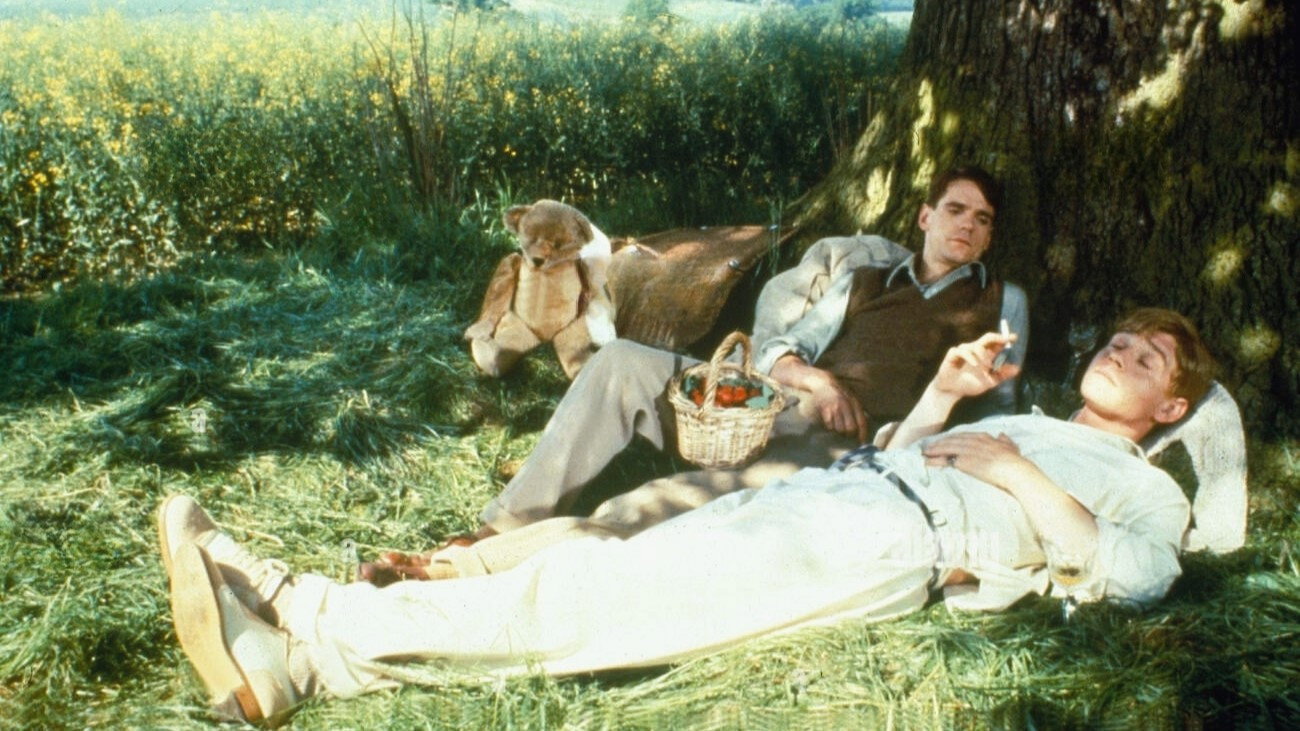
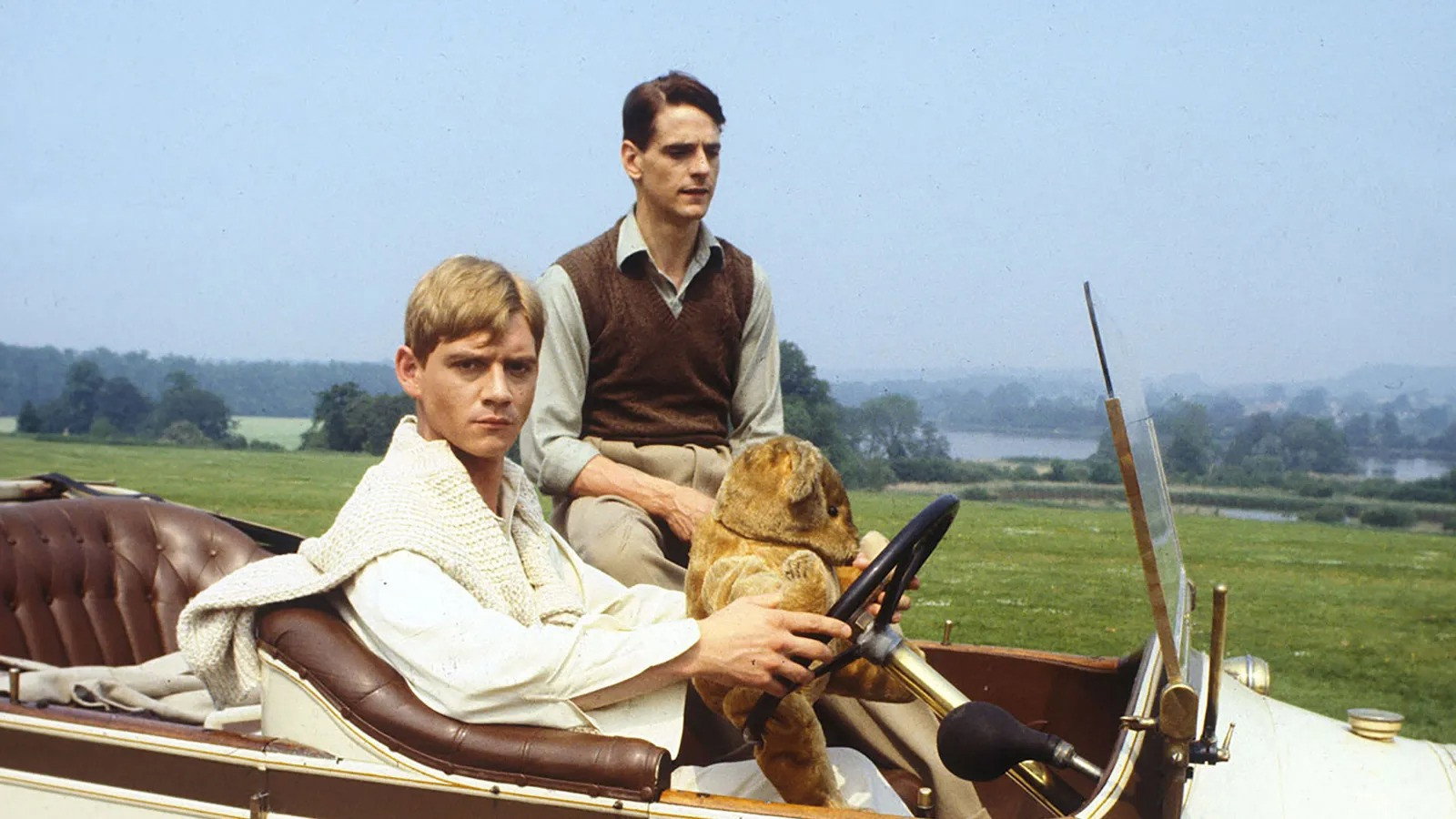
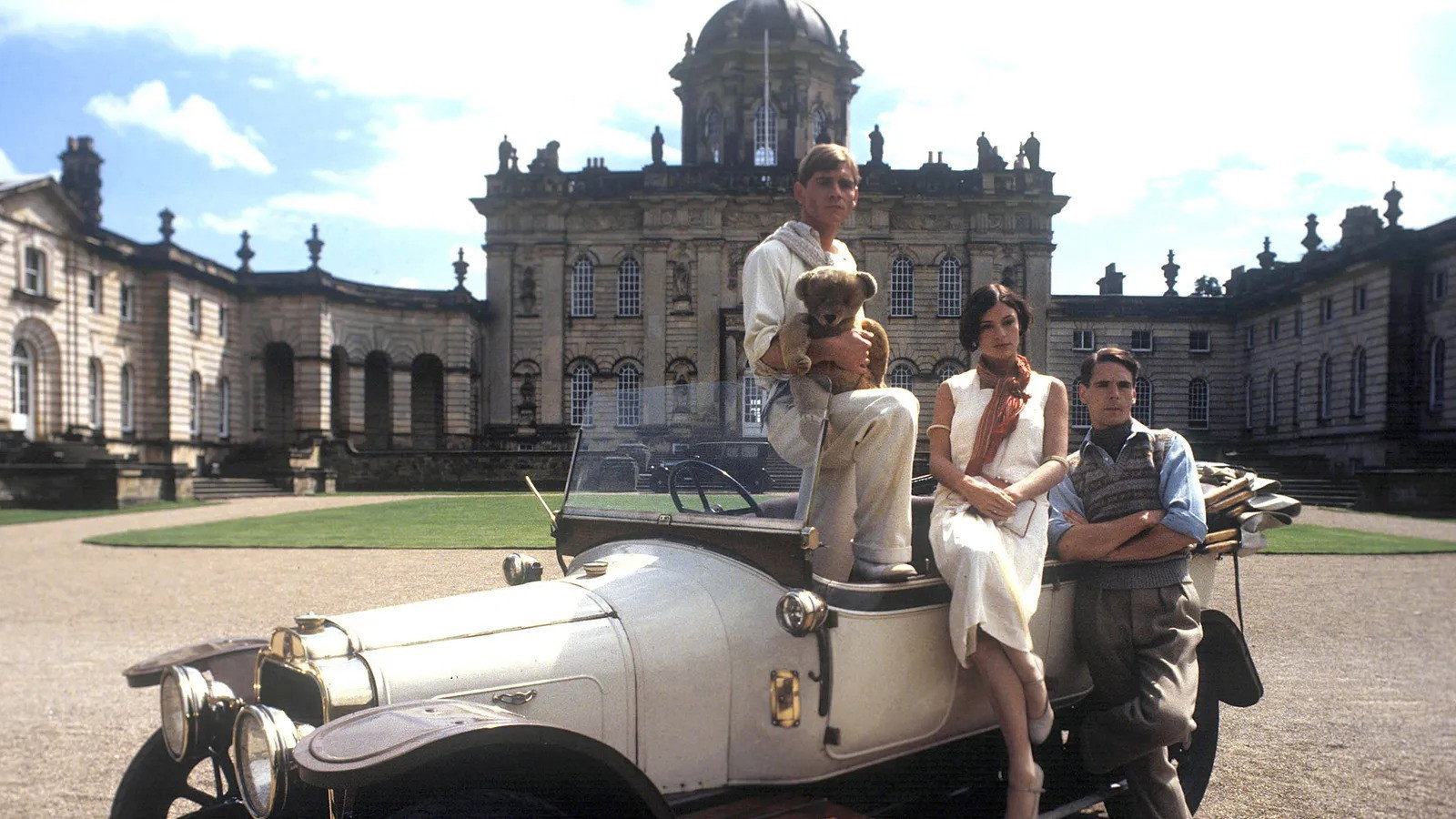
Jeremy Irons makes Charles Ryder’s reserve quietly moving in this patient adaptation of Evelyn Waugh. It sometimes lingers when it should move on, but the acting and the attention to small cruelties reward the commitment.
Brideshead Revisited is absorbing television, though its stately pace sometimes becomes a trial. This eleven-part adaptation of Evelyn Waugh’s novel gives its actors time to make reserve, embarrassment and self-command worth watching. Directors Michael Lindsay-Hogg and Charles Sturridge trust us to notice small changes in a performance without having every one underlined. That trust is largely repaid, even when we would happily trade a little elegance for a quicker scene.
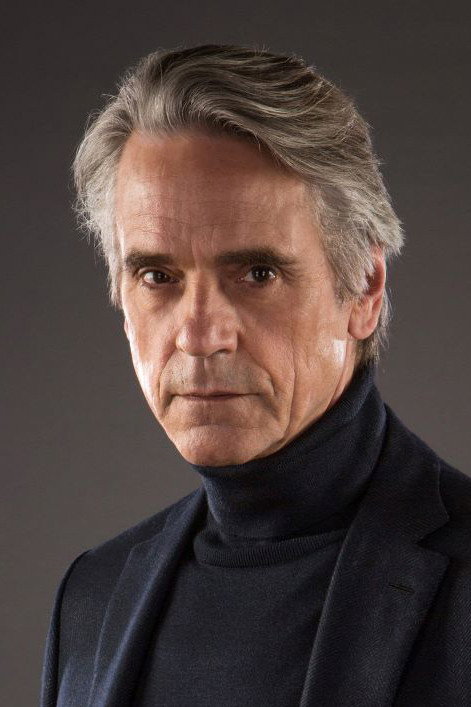
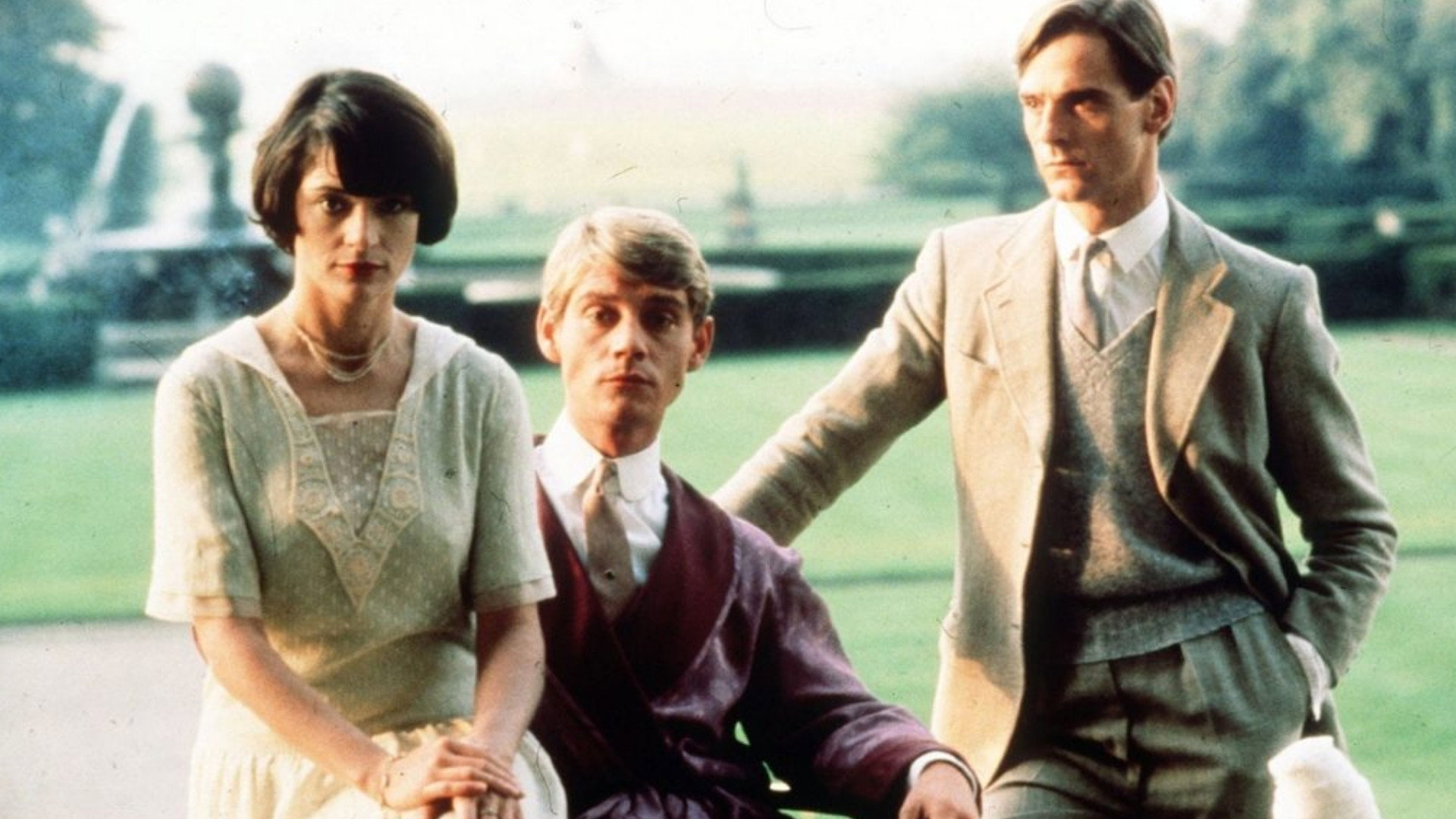
Jeremy Irons gives the drama its strongest reason to take things slowly. The care with which he speaks as Charles Ryder can seem forbidding at first; then we begin to hear how much effort that calm requires. We were moved by the strain in his measured delivery. It makes Charles’s composure seem difficult to maintain, and gives his restraint something urgent. Irons can hold our attention without making a conspicuous bid for it, though the production occasionally asks that ability to carry too much.
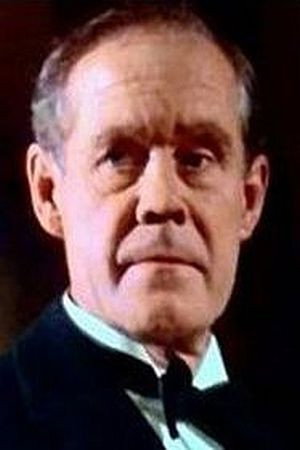
Diana Quick gives Lady Julia Flyte a firmness that keeps the performance from becoming merely decorative. Her impatience is welcome when the surrounding drama threatens to become too careful with itself. John Gielgud, as Edward ‘Ned’ Ryder, brings a drier, more immediate pleasure: his precision makes discourtesy funny without asking for our approval. Nickolas Grace’s Anthony Blanche supplies a useful change of emphasis in an ensemble whose self-control can occasionally become exhausting.
Ray Goode’s cinematography keeps us looking at faces even when their surroundings compete for attention. We sometimes wanted less time to admire the setting, but the images seldom make the people seem incidental. Peter Phillips’s production design makes the rooms feel inhabited, however much care has gone into their appearance. Jane Robinson’s costumes help us read differences in assurance: some people seem comfortable being looked at, others self-conscious about it. Those distinctions give the actors something useful to work with.
Geoffrey Burgon’s music supplies much of the tenderness, sometimes more than a scene needs. It is affecting, but we occasionally wished it would let an awkward exchange stay awkward without offering consolation. Editor Anthony Ham allows the performers room to finish a thought, including the thoughts they do not speak. That patience helps the acting, though some passages could lose time without losing meaning.
John Mortimer’s writing asks for close attention, and the actors generally justify it. The weakness comes when the production seems too satisfied with the dignity of a scene to ask whether it still needs to continue. We felt our attention slipping during some of those prolonged exchanges, despite the quality of the playing. Literary adaptations are particularly vulnerable to this: respect for the writing can discourage the useful business of cutting, and these directors do not always resist the temptation to linger.
The performances are good enough to make that reservation worth accepting. We recommend it particularly to anyone who enjoys watching actors make an apparently civil exchange uncomfortable, and who has patience for drama that leaves feelings unspoken. Allow it some quiet; this is not a programme to keep company with a second screen.