Michael Lindsay-Hogg’s strength is his patience with performers, whether musicians at work or actors holding something back. We rate that trust, especially in Brideshead Revisited, even when a scene could do with ending sooner.
Fi1m perspective
In Brideshead Revisited (1981), Jeremy Irons makes Charles Ryder’s reserve worth watching: small changes in his performance matter because nobody hurries past them. We were moved by that restraint, and by the directors’ willingness to leave it unexplained. Michael Lindsay-Hogg shares the directing credit with Charles Sturridge, and the series shows the value of trusting an actor. It also shows how easily patience can become a reason to keep a scene going.
The early work gives that attention to performers a different setting. Lindsay-Hogg began directing in British television in 1965 on Ready Steady Go, then made promotional films for the Beatles and the Rolling Stones. The Rolling Stones Rock and Roll Circus (1968) and Let It Be (1970) put musical performance at the centre; the latter watches the Beatles at recording sessions. That interest in performers offers a useful way into his career, despite the considerable distance between a rock session and Evelyn Waugh.
His contribution to Brideshead Revisited was the first five episodes, so we should not treat the whole eleven-part adaptation as his alone. What we admire in the direction he and Sturridge share is the way they let awkwardness register without underlining it. Reserve, embarrassment and self-command become things to follow, rather than obstacles to getting a scene moving. The attention to small cruelties helps, too: the elegance never entirely takes the sting out of how people behave.
He did not confine the dramatic work to literary television. His feature debut, Nasty Habits (1977), is a satire set in a convent; he later wrote and directed the art-heist film The Object of Beauty (1991), with John Malkovich and Andie MacDowell. We would resist treating features as a promotion from television, given how much the extended form of Brideshead Revisited allows its actors to do.
Our reservation about Brideshead Revisited is practical: some scenes linger after the acting has made its point. A quicker pace would not necessarily cost it any subtlety, and we occasionally wanted less elegance and more movement. Still, the performances make the commitment worthwhile. Start there for Lindsay-Hogg the dramatic director, and allow for an evening on which nobody is in much of a hurry.
Biography
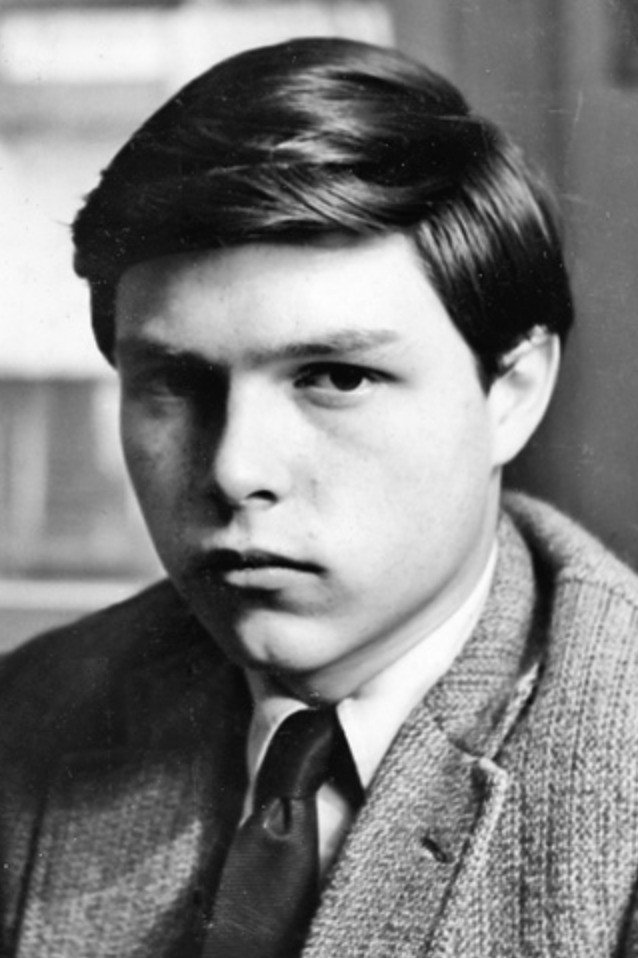
Michael Lindsay-Hogg is a British and American television, film, music video and theatre director. He was born on 5 May 1940 in New York City and educated at Trinity School and Choate School. He began his career in British television in the mid-1960s, directing episodes of the pop programme Ready Steady Go! and promotional films for the Beatles and the Rolling Stones.
His feature debut was the Beatles documentary Let It Be (1970). He directed the first episodes of the Granada television serial Brideshead Revisited (1981), which won a BAFTA for Best Drama Series/Serial. Other credits include the films Nasty Habits (1977) and The Object of Beauty (1991), as well as theatre productions such as Whose Life Is It Anyway? (Tony Award nomination). He is the son of actress Geraldine Fitzgerald and inherited the title of 5th Baronet in 1999.