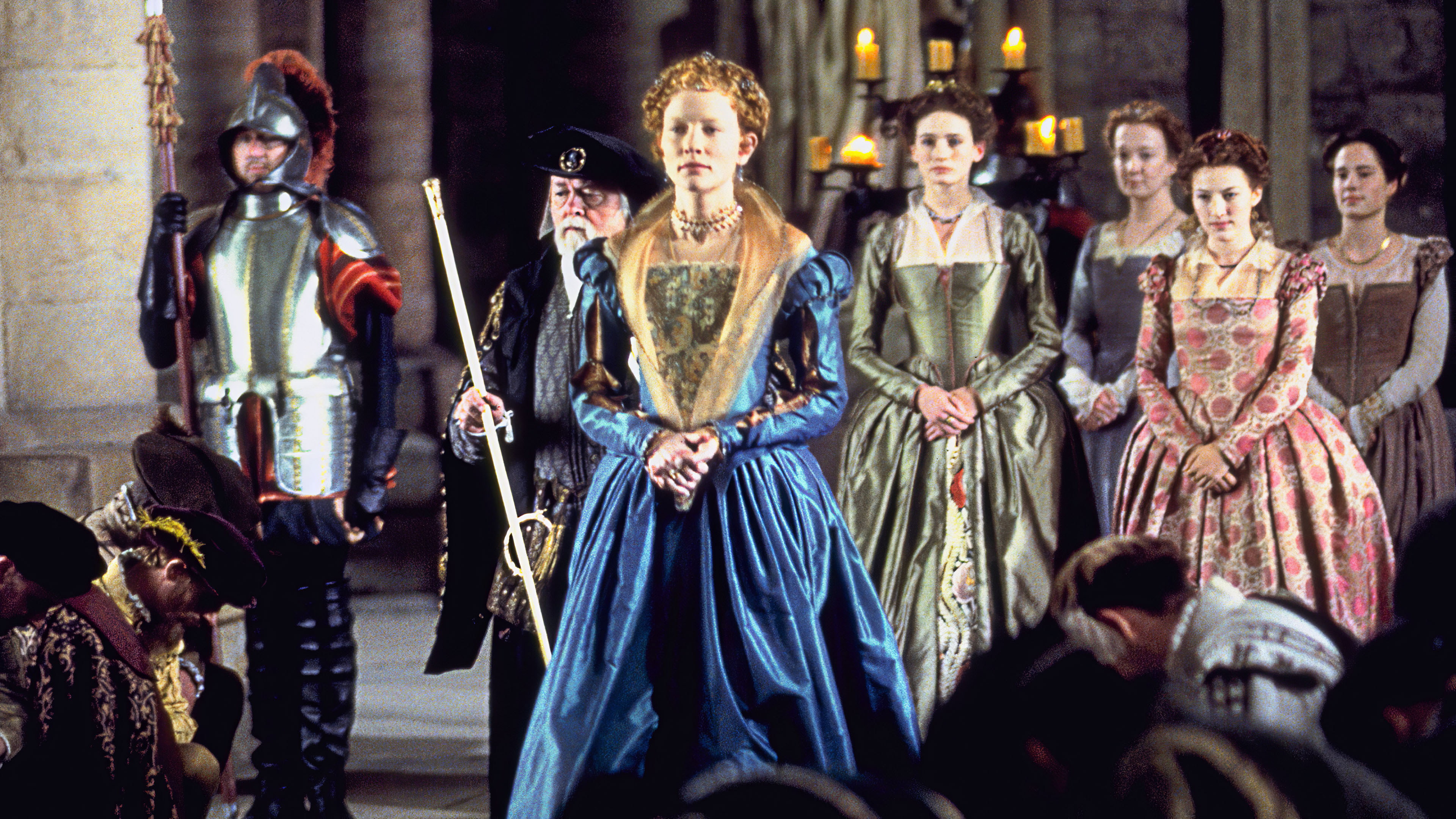
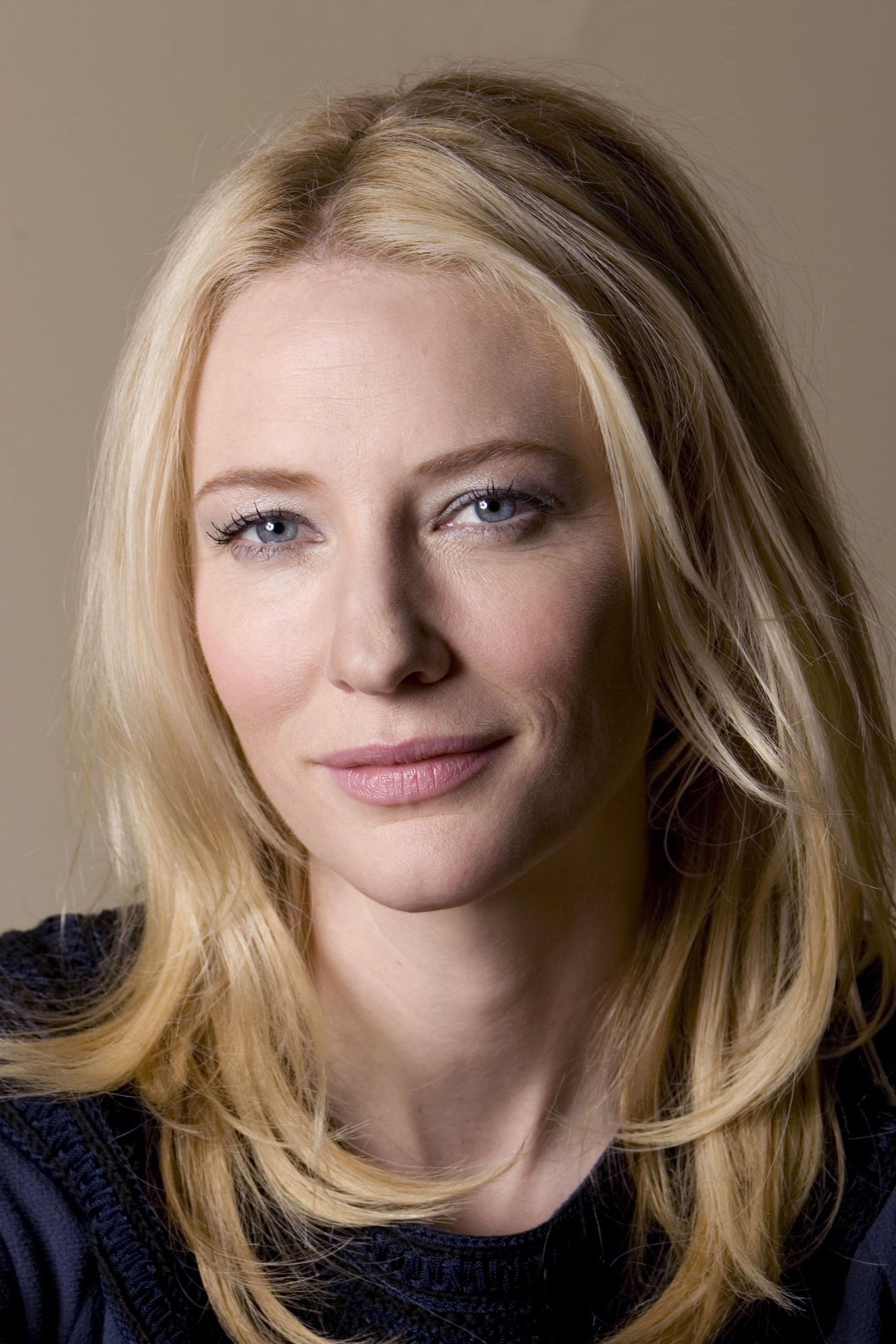
Shekhar Kapur’s Elizabeth is an absorbing political thriller, carried by Cate Blanchett’s alert, vulnerable queen. The history gets pushed about and the grandeur can become insistent, but the struggle to hold power feels personal.
Shekhar Kapur’s Elizabeth is a persuasive political thriller, with a performance by Cate Blanchett that makes its royal anxieties matter. Kapur approaches the costume drama impatiently, favouring danger, desire and conspiracy over the reassuring business of watching important people conduct themselves properly. That suits a woman declared illegitimate at three and tried for treason at twenty-one. The film can be overemphatic, but we rarely wished it would settle down and behave.
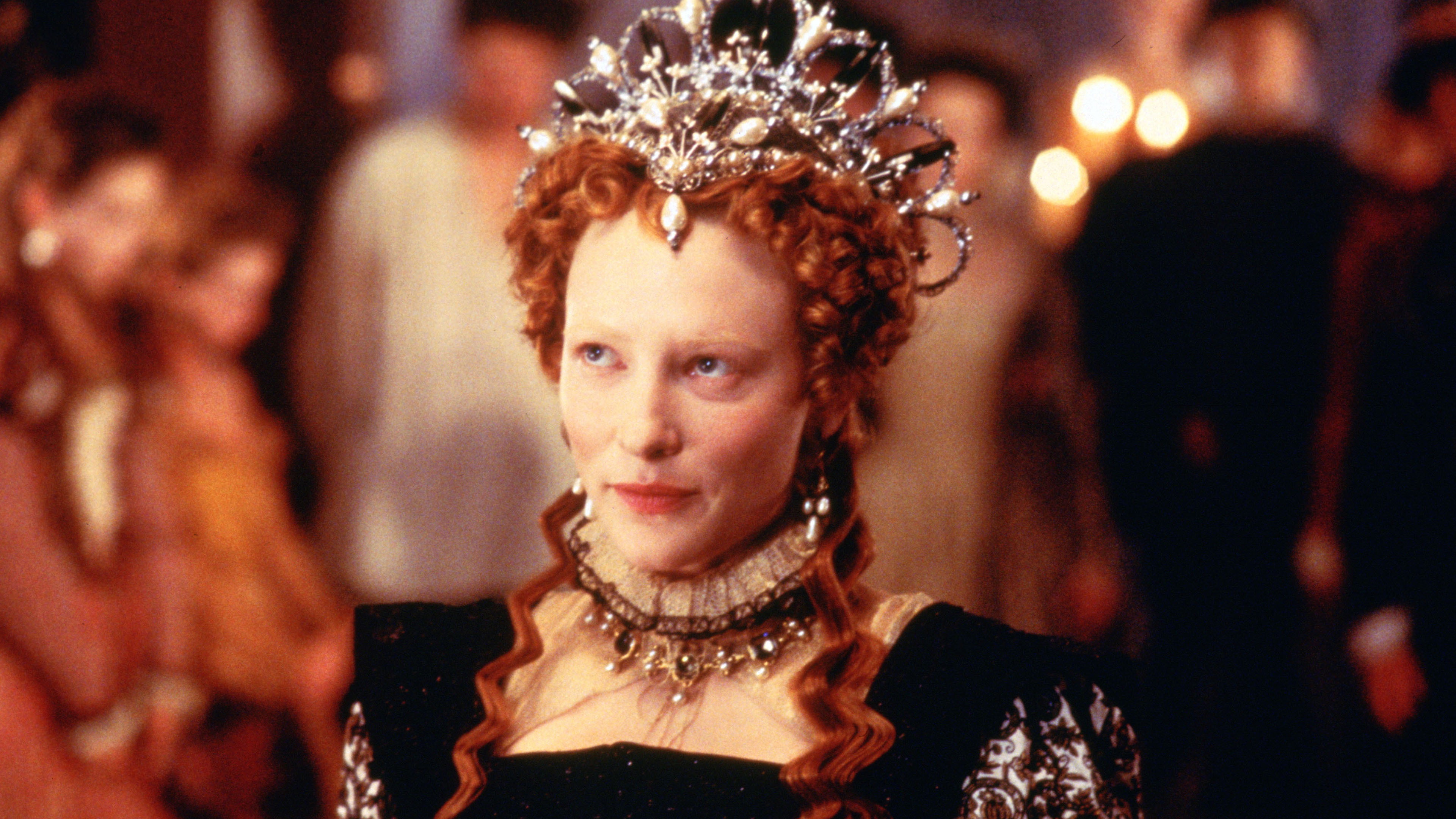
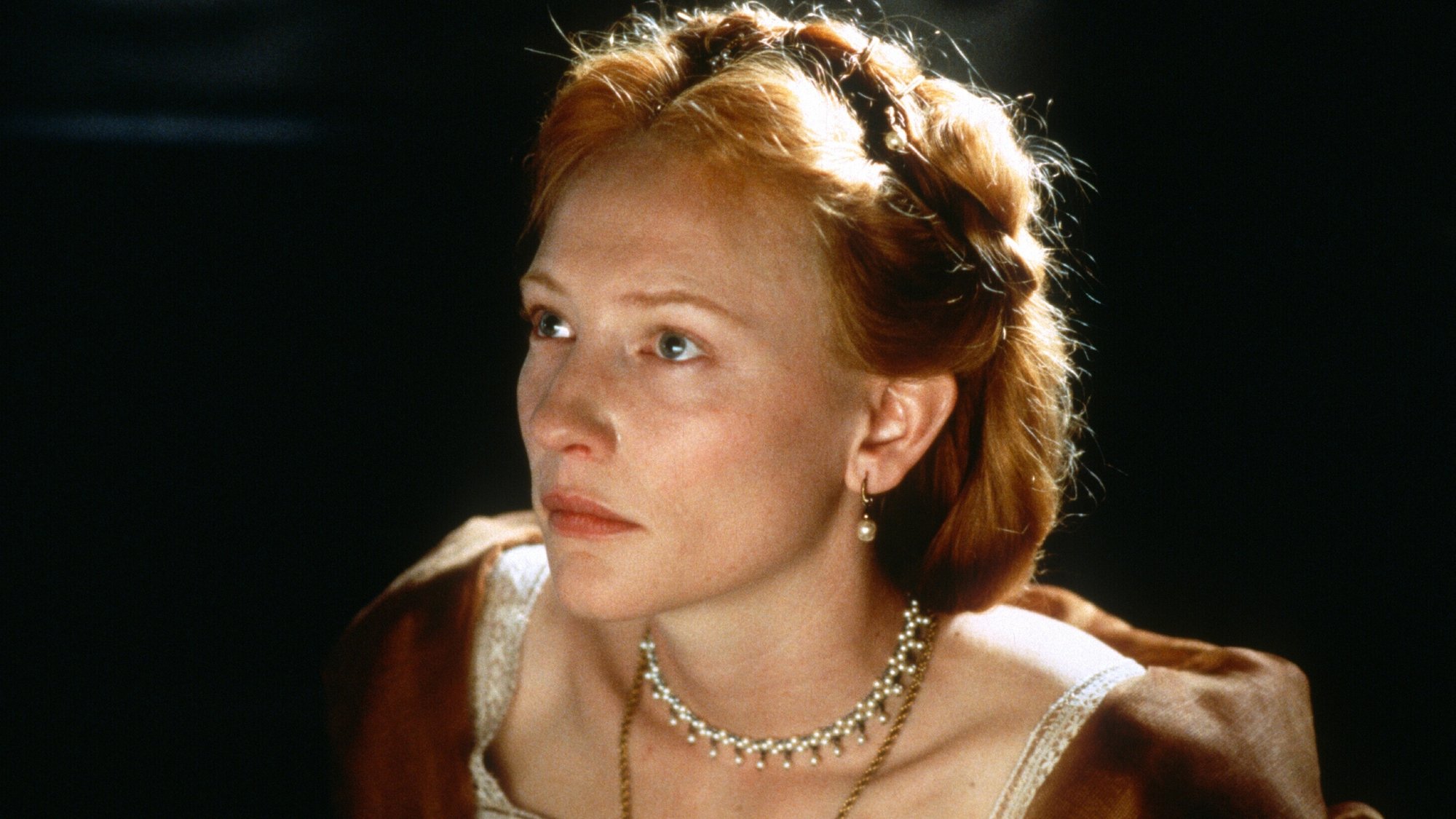
Blanchett’s young Elizabeth seems capable of enjoying life, a quality that can disappear under the obligation to play a historical figure. We were frightened for her when she faced treason accusations. Blanchett makes her early openness look dangerously unsuited to the people judging her. Her intelligence remains visible, but the performance gives her room to be uncertain and unprepared. We believe that this woman has a private life worth keeping, which gives the demands of office something to threaten.
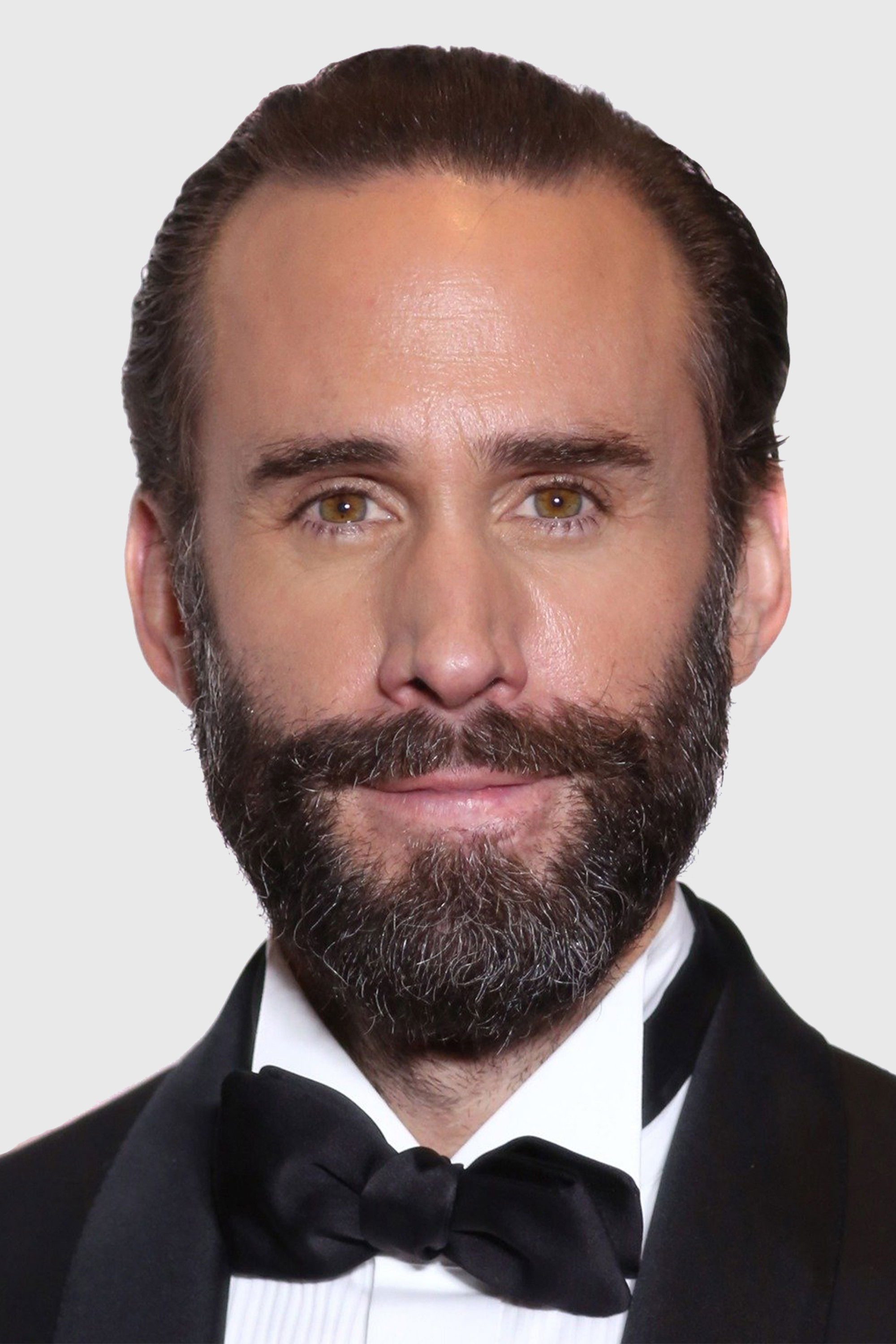
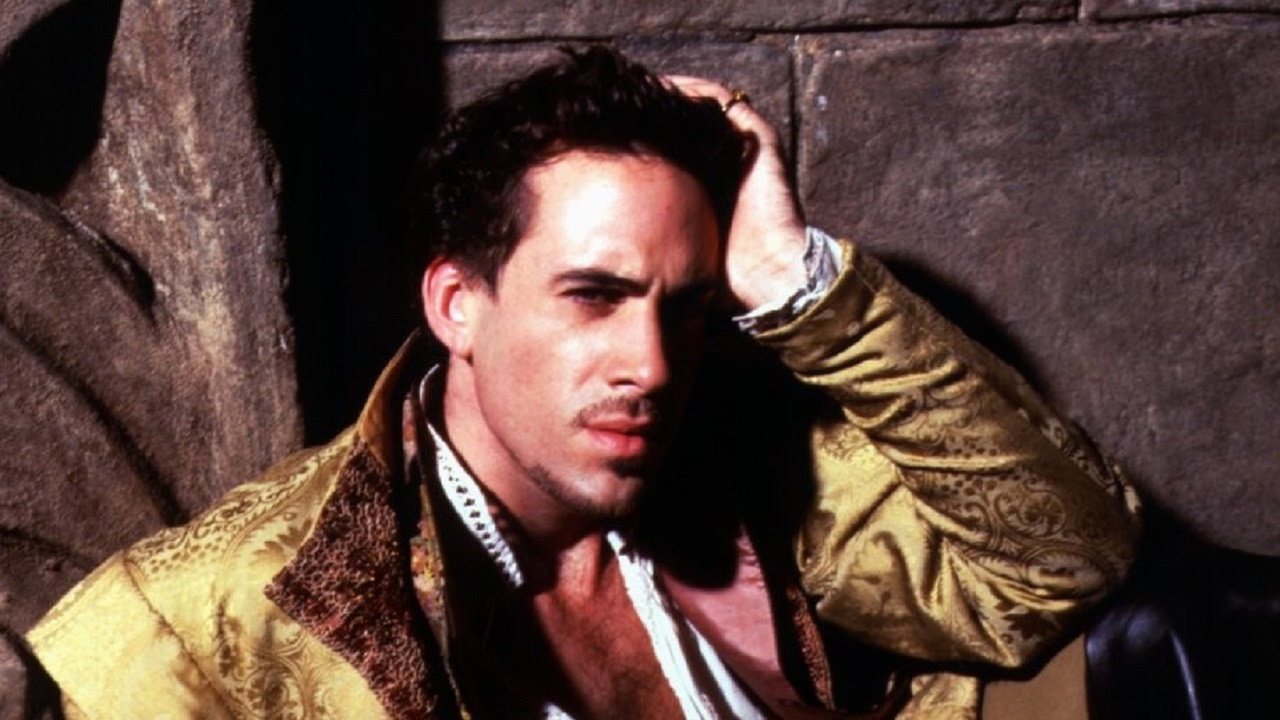
Richard Attenborough’s Sir William Cecil and Geoffrey Rush’s Sir Francis Walsingham give Blanchett substantial company, and neither needs to compete with her for our attention. Rush is particularly well suited to a film in which political calculation supplies much of the suspense. Joseph Fiennes, as Robert Dudley, Earl of Leicester, is less persuasive; beside Blanchett, his performance can seem to offer only one response at a time. We wanted the same mixture of impulses from him that she brings so readily to Elizabeth.
Remi Adefarasin’s cinematography makes the court’s splendour feel oppressive, an effective choice for a story so concerned with survival. John Myhre’s production design gives the royal surroundings a weight that helps explain why individual wishes count for so little here. We sometimes found the combined effect too insistently impressive, especially when Blanchett was already doing everything the scene needed. Still, the images make power attractive enough for the struggle to possess it to make sense.
Jill Bilcock’s editing keeps the intrigue moving with a welcome impatience, sustaining Kapur’s approach to the material as a thriller. The 123 minutes feel occupied, and the film’s appetite for incident usually carries us through its broader characterisation. David Hirschfelder’s music adds to the grandeur, though we occasionally wished it would give the performances more space. With so much already being insisted upon in the images, the extra emphasis can be tiring.
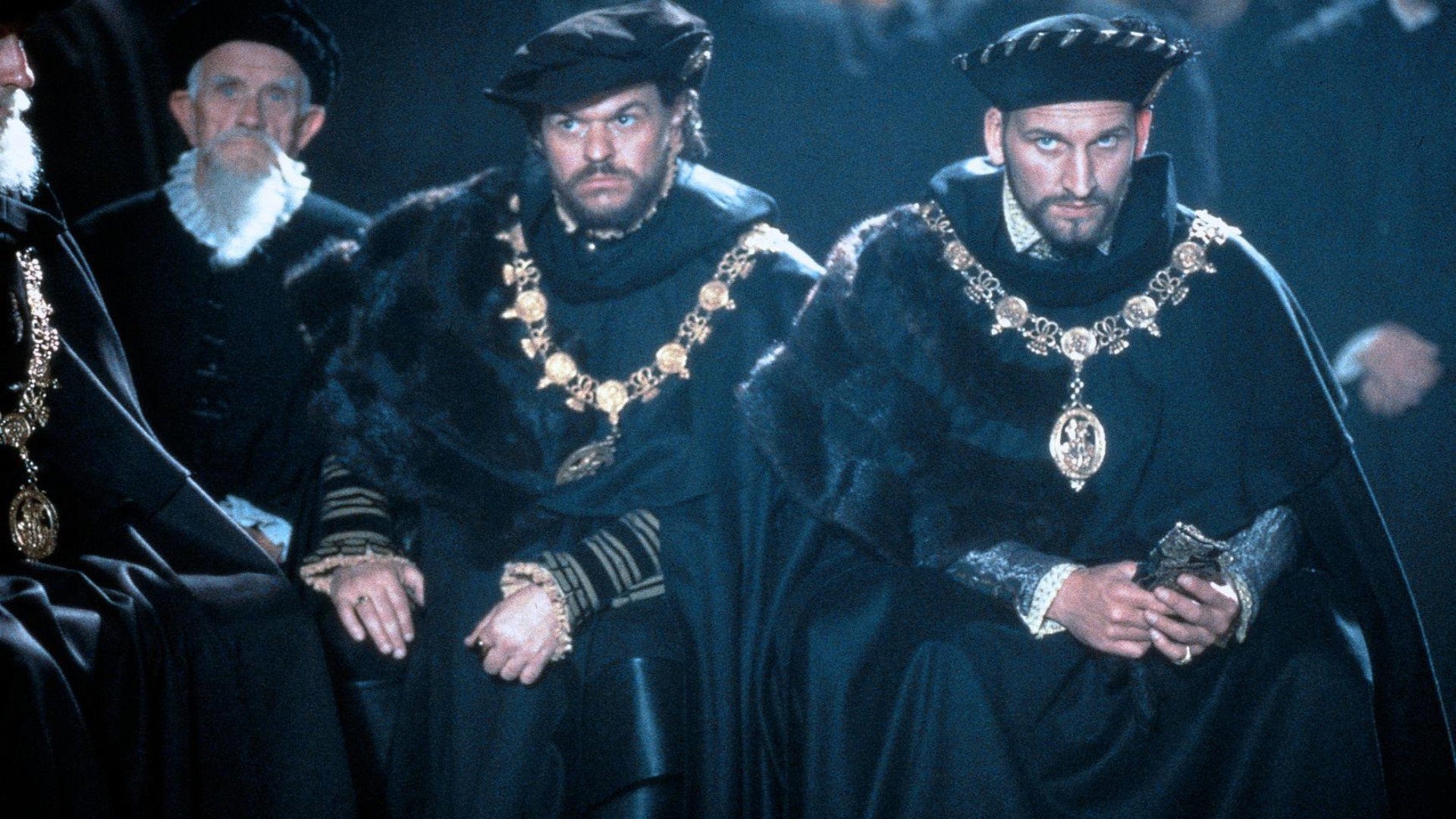
Michael Hirst’s screenplay is brisk and often witty, but it can make the political struggle seem too readily intelligible in modern terms. The appeal is clear: we recognise the pressures and understand what is at stake for Elizabeth. The cost is that the people around her sometimes seem to have been arranged chiefly to explain her difficulties. A stronger sense of their beliefs would have helped, particularly when those beliefs make them dangerous to her.
As costume drama, this has enough energy to survive its occasional heavy hand, and enough feeling to keep us concerned about the people caught in the conspiracies. Kapur’s strongest decision is to trust Blanchett with the vulnerability that all the ceremony might otherwise conceal. Even when the film grows emphatic, she remains worth watching closely. Watch it for Blanchett, with some patience for the history being pushed into shape around her.