Richard Attenborough’s Gandhi is respectful to a fault, but Ben Kingsley gives it enough life to justify the long evening. We recommend it for the performance, with patience required for the thin supporting roles and stately pace.
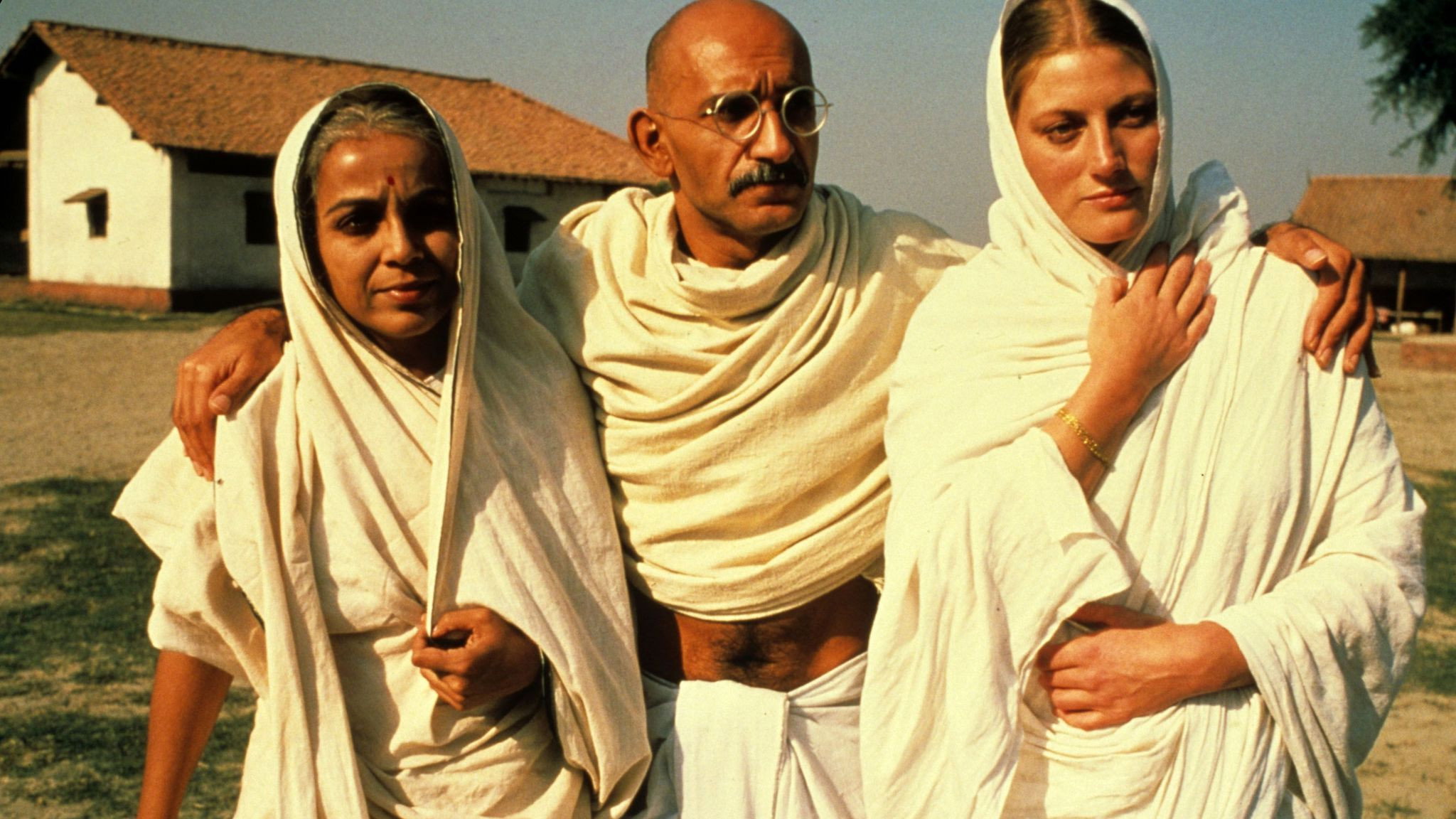
Richard Attenborough’s Gandhi is worth the long evening, chiefly because Ben Kingsley makes its central figure interesting even when the film seems content to make him admirable. At 192 minutes, this is a patient, conventional historical drama, and its reverence can be tiring. John Briley’s screenplay wants us to understand why Gandhi matters, but is less willing to make us uncertain about him. The smaller encounters give Kingsley room to supply some of the curiosity the writing lacks.
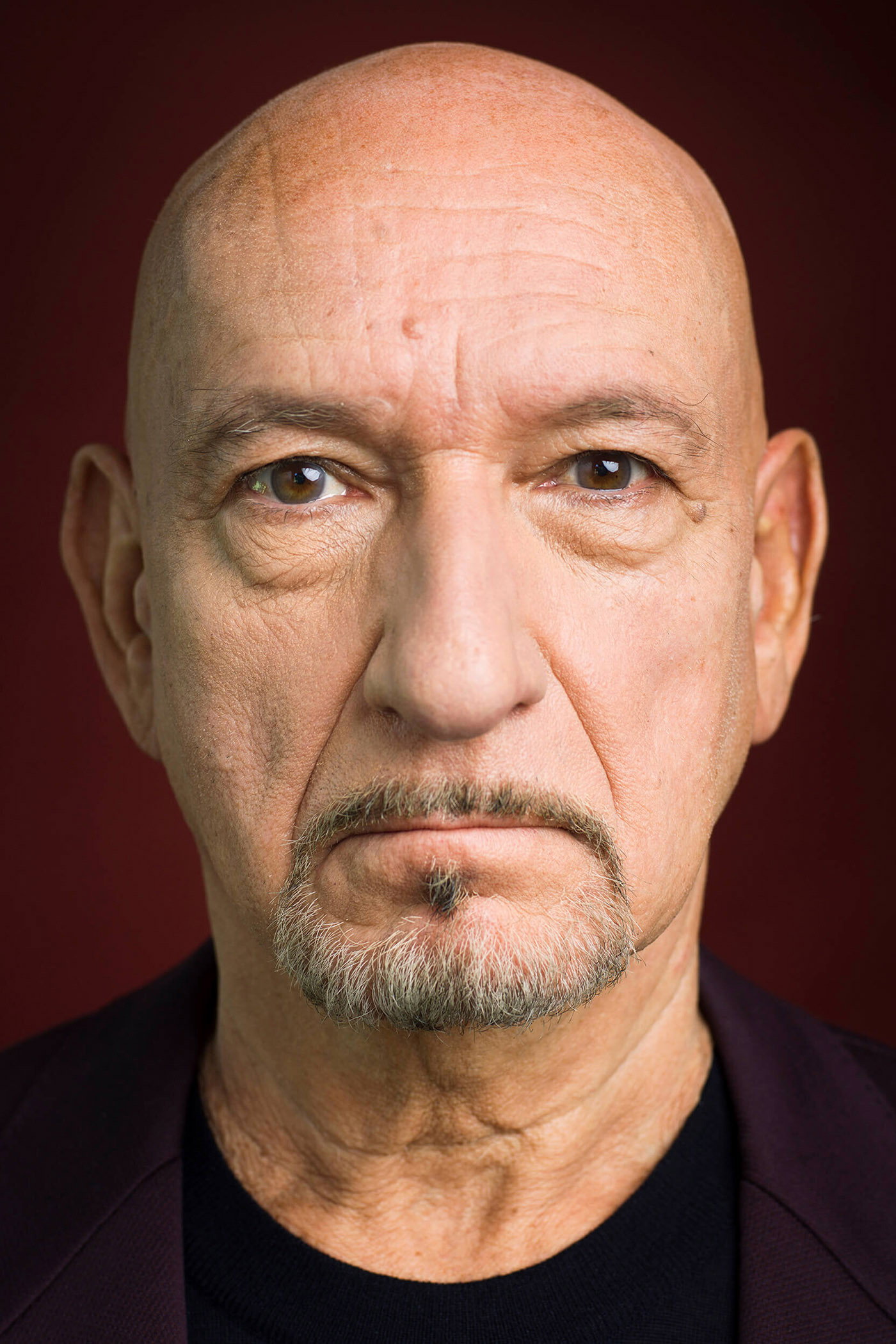
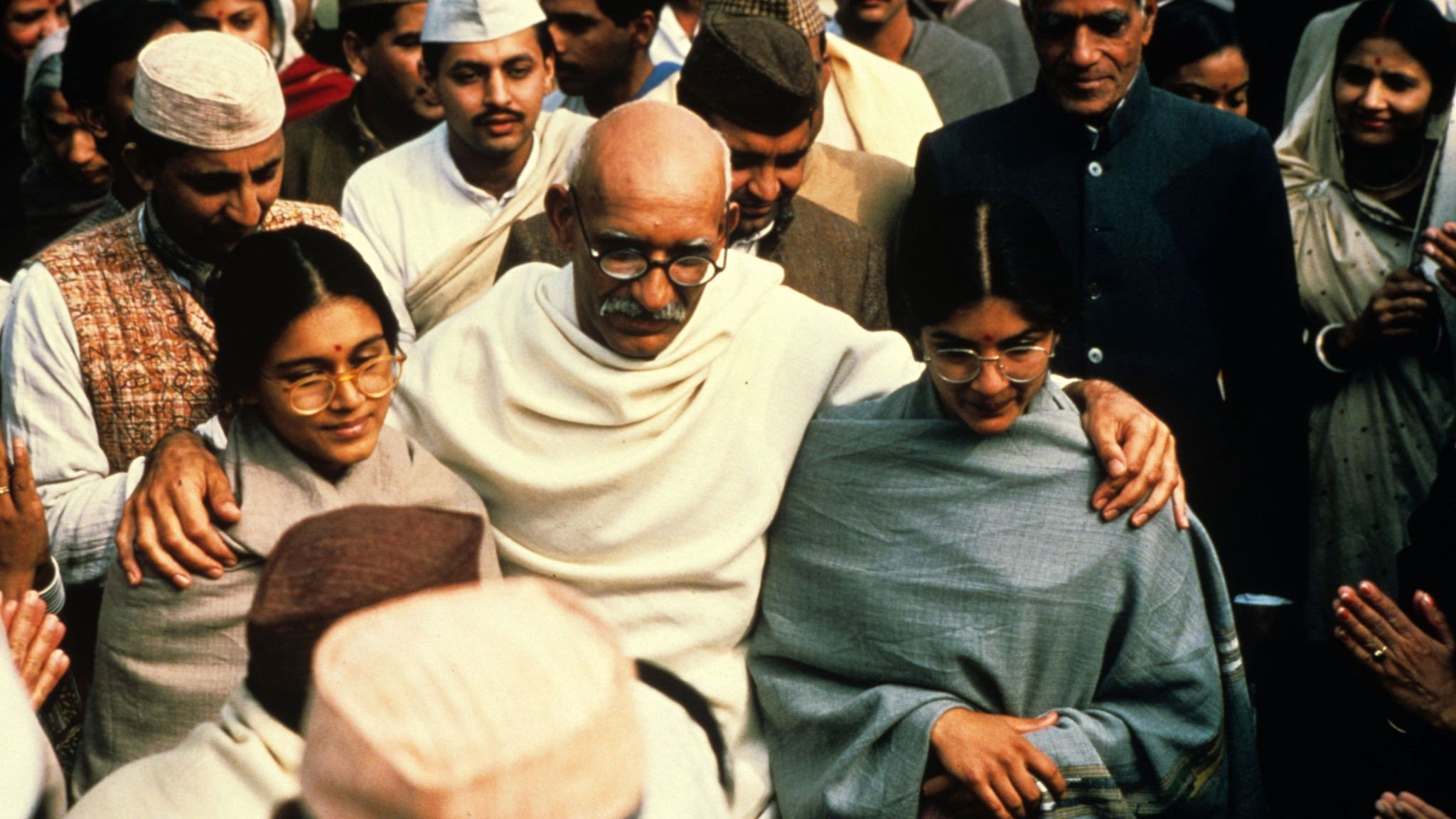
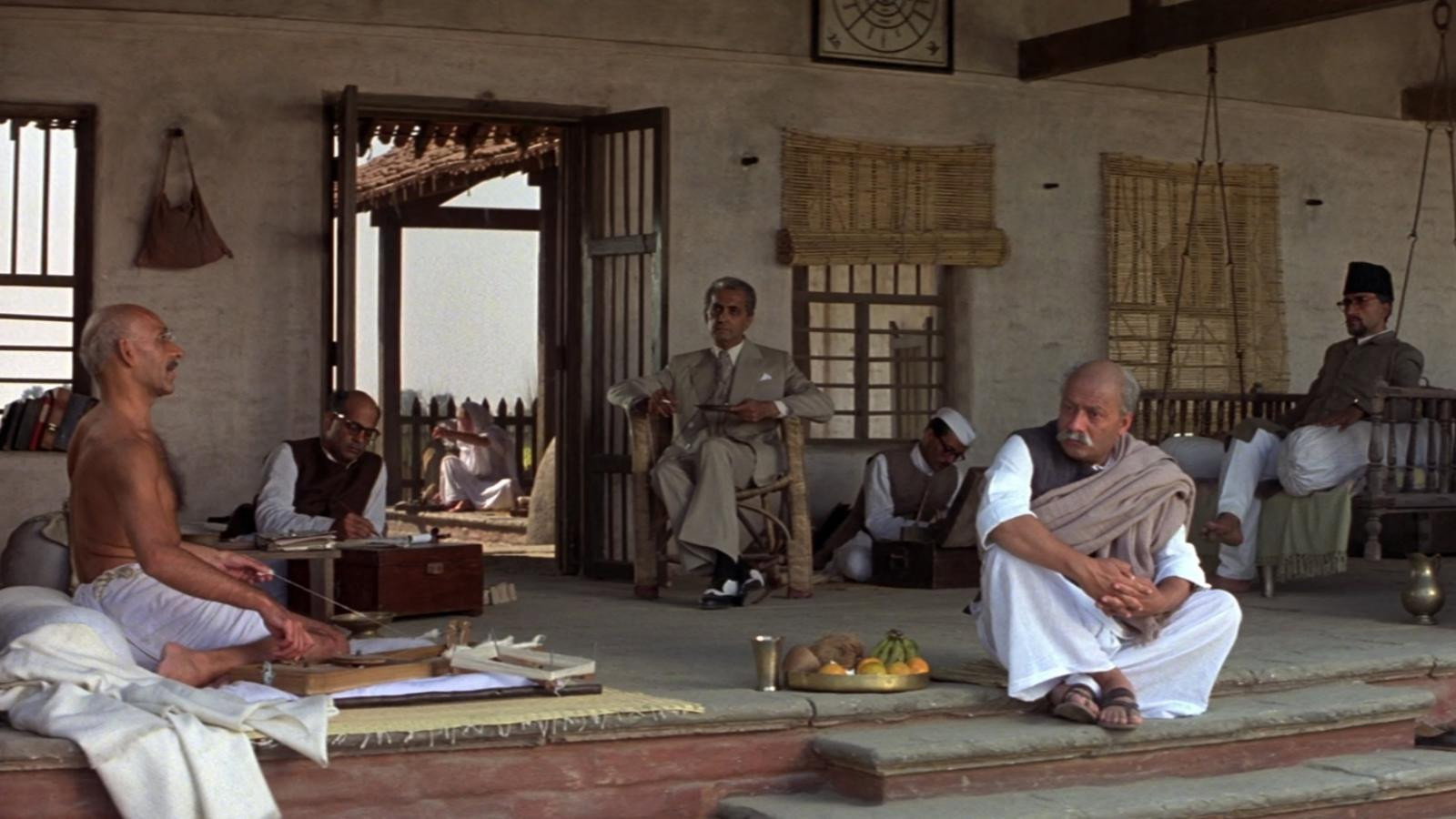
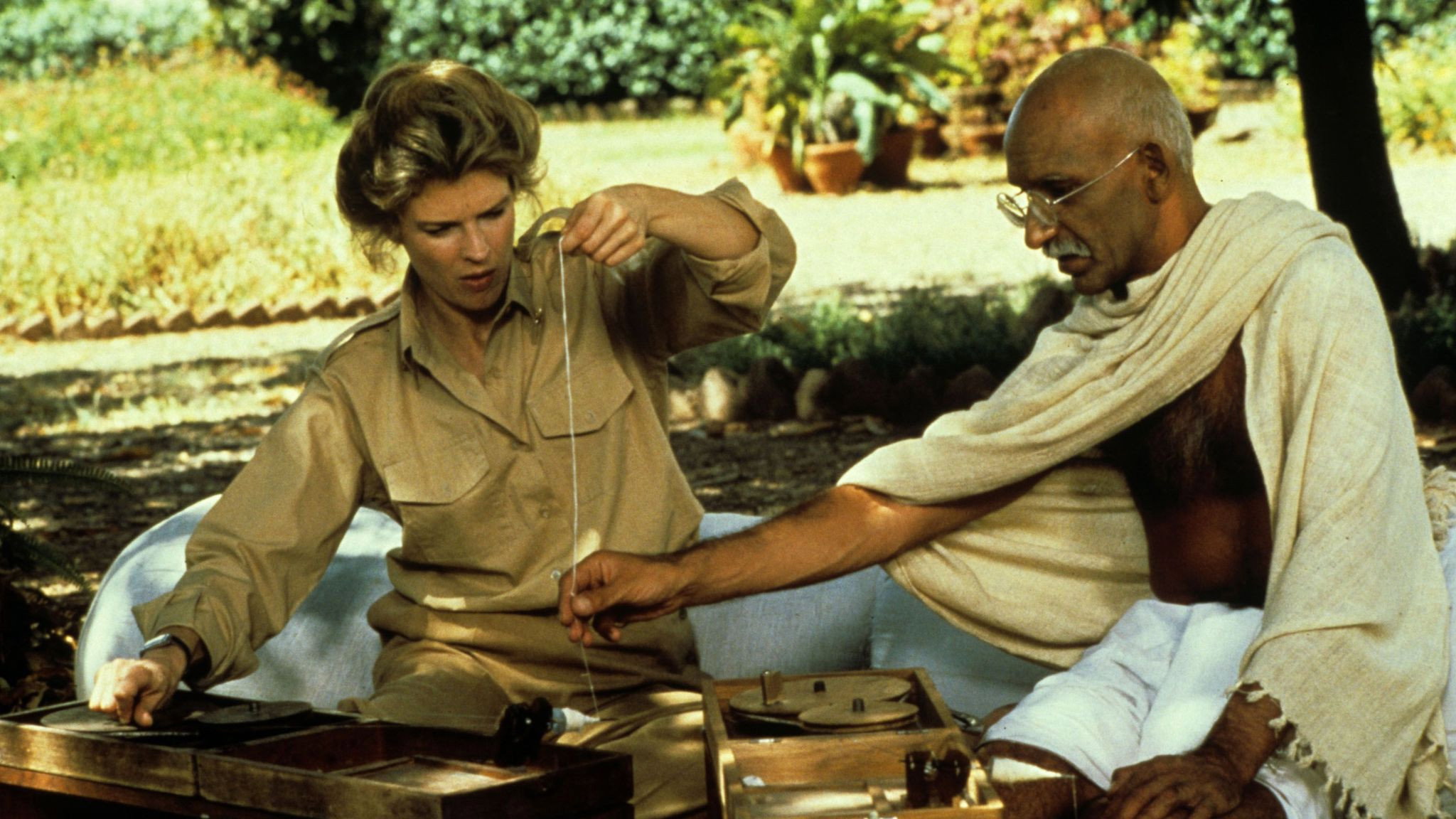
Kingsley is the reason that approach does not become intolerable. His Gandhi has dignity without seeming beyond conversation, and there is a liveliness to his attention that stops the solemnity from settling over every scene. We were moved by the quiet exchanges, because Kingsley makes Gandhi seem to be considering the person beside him rather than delivering another lesson. Attenborough trusts the performance enough to let these modest passages count, even within such a broad account of a life.
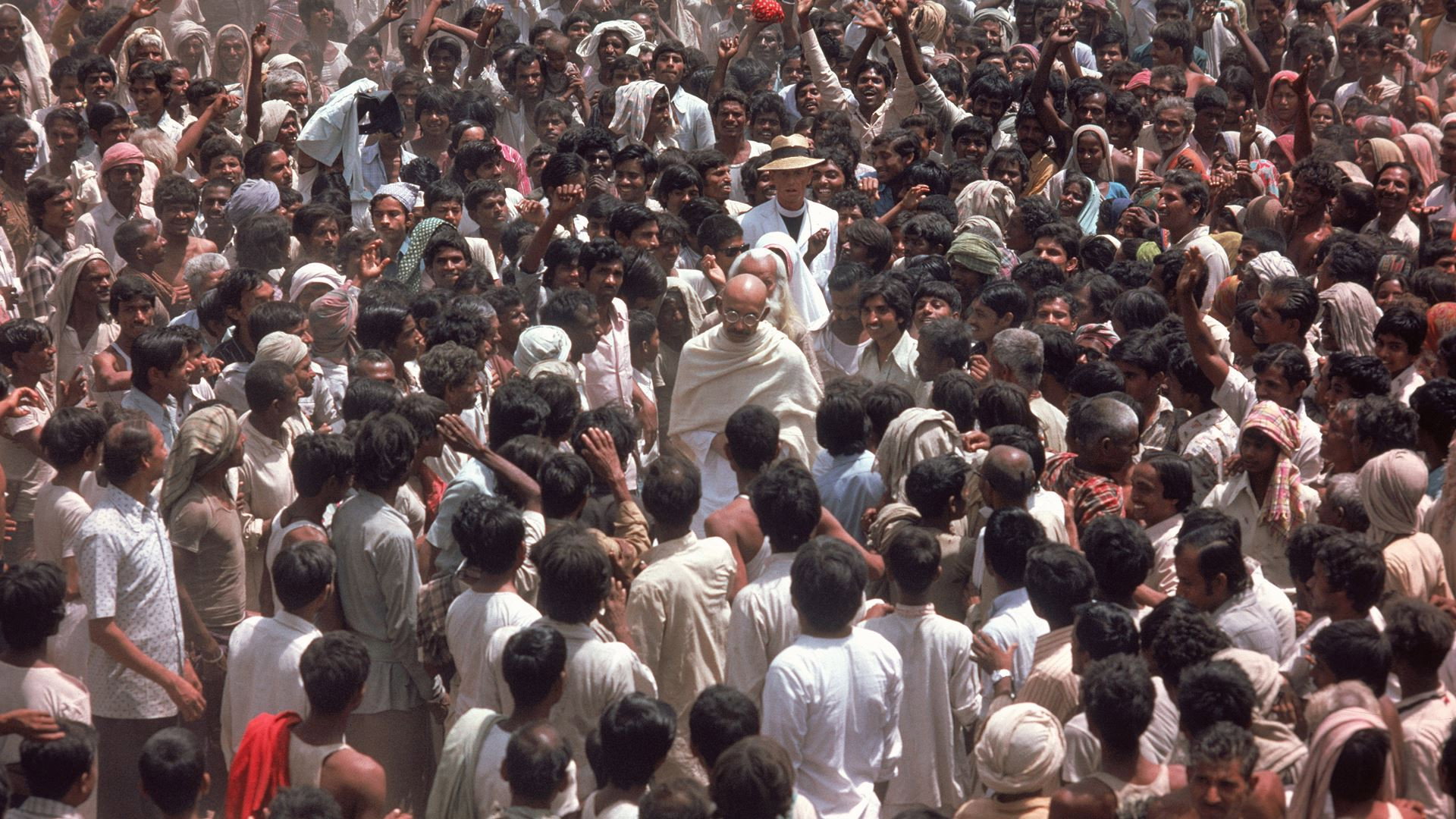
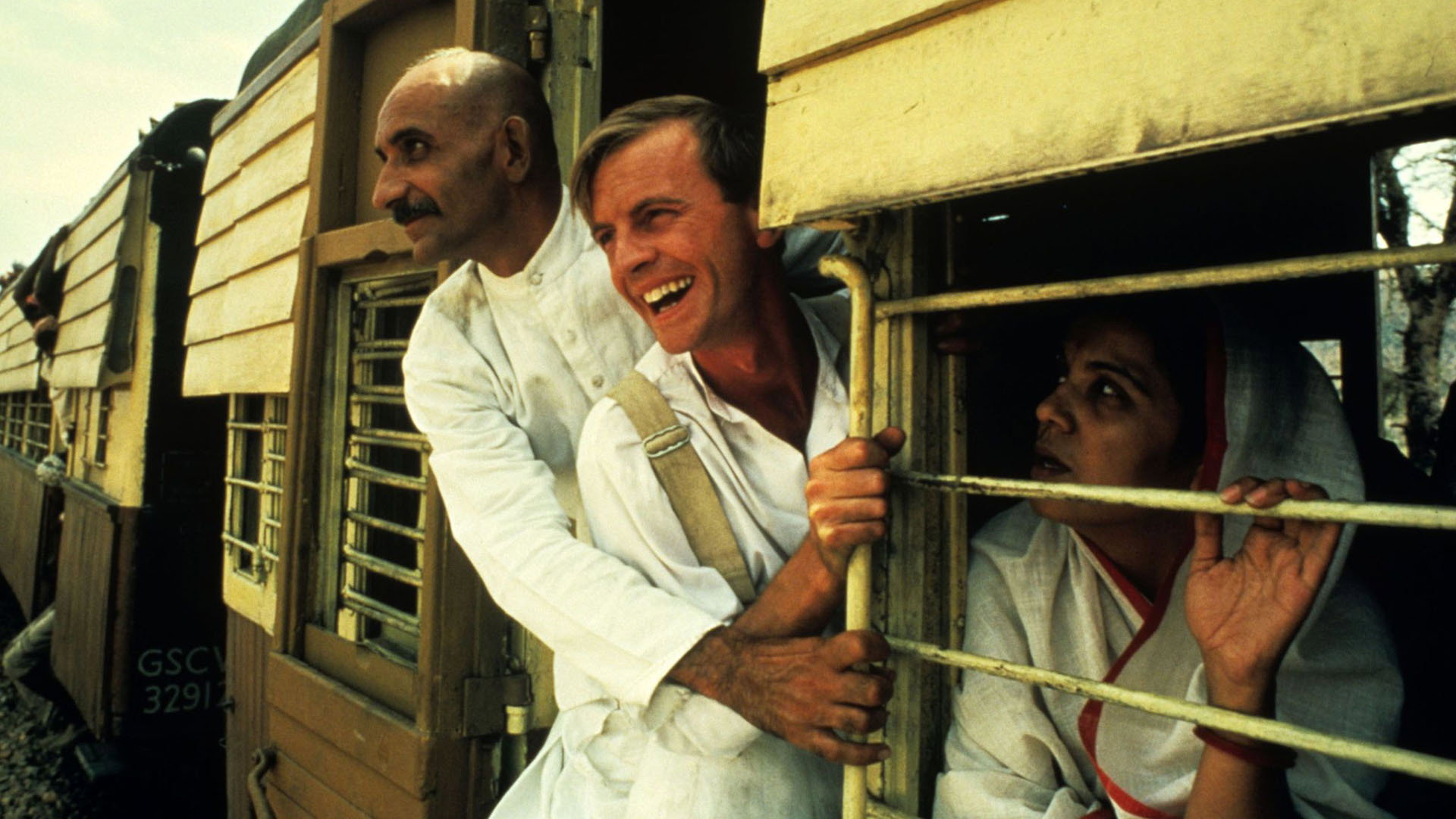
Billy Williams and Ronnie Taylor’s cinematography makes the large set-pieces easy to take in, without making them the only reason to watch. We can appreciate the organisation of the spectacle and still prefer the intimate scenes, where there is time to study a face. Robert W. Laing and Stuart Craig’s production design helps the big public scenes feel inhabited. The surroundings remain convincing even when the people passing through them have scarcely been introduced.
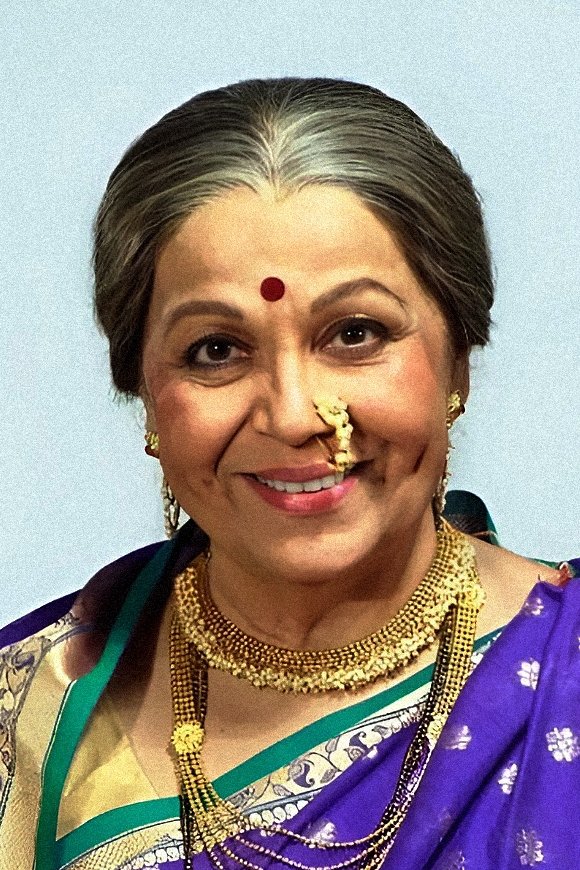
That is the larger weakness. Rohini Hattangadi’s Kasturba Gandhi, Ian Charleson’s Reverend Charlie Andrews and the other supporting figures have to compete with a screenplay whose interest keeps returning to the man at its centre. An extensive cast gives the film plenty of company, but not enough of those people acquire lives that feel independent of Gandhi’s. Briley’s concentration is understandable; over this length, however, the shortage of developed relationships begins to limit what Kingsley can reveal about him.
John Bloom’s editing keeps the story comprehensible, though it cannot prevent some of the movement through history from feeling dutiful. Some passages take us further through Gandhi’s life without helping us know him any better. Ravi Shankar and George Fenton’s music lends feeling to the solemn passages, sometimes more insistently than Kingsley’s performance needs. The quieter scenes suggest that Attenborough could have trusted his audience to be moved without quite so much encouragement.
Screen biographies often run into this difficulty when they treat admiration as sufficient reason for a long film, and Gandhi does not escape it. Most critics disagree with us, finding the reverence too stifling to forgive. We think Kingsley’s alertness and the care of the intimate scenes make that judgement too harsh. Attenborough’s caution limits the drama, but it does not cancel the pleasure of watching an actor give such close attention to the person he is playing. Set aside the evening for Kingsley, but do not expect everyone else to receive the same attention.