Carl Theodor Dreyer makes a church trial painfully immediate, with Maria Falconetti giving us a woman whose faith does nothing to remove her fear. We recommend it without hesitation, though its close-ups can be exhausting.
The Passion of Joan of Arc makes a church trial difficult to sit through without relying on a broad account of the history around it. Carl Theodor Dreyer concentrates on the questioning and on the woman required to endure it, until watching someone struggle to answer becomes distressing in itself. We recommend it even to those who usually find silent films remote. Its close scrutiny of fear and faith gives us little chance to retreat into admiring an old film.
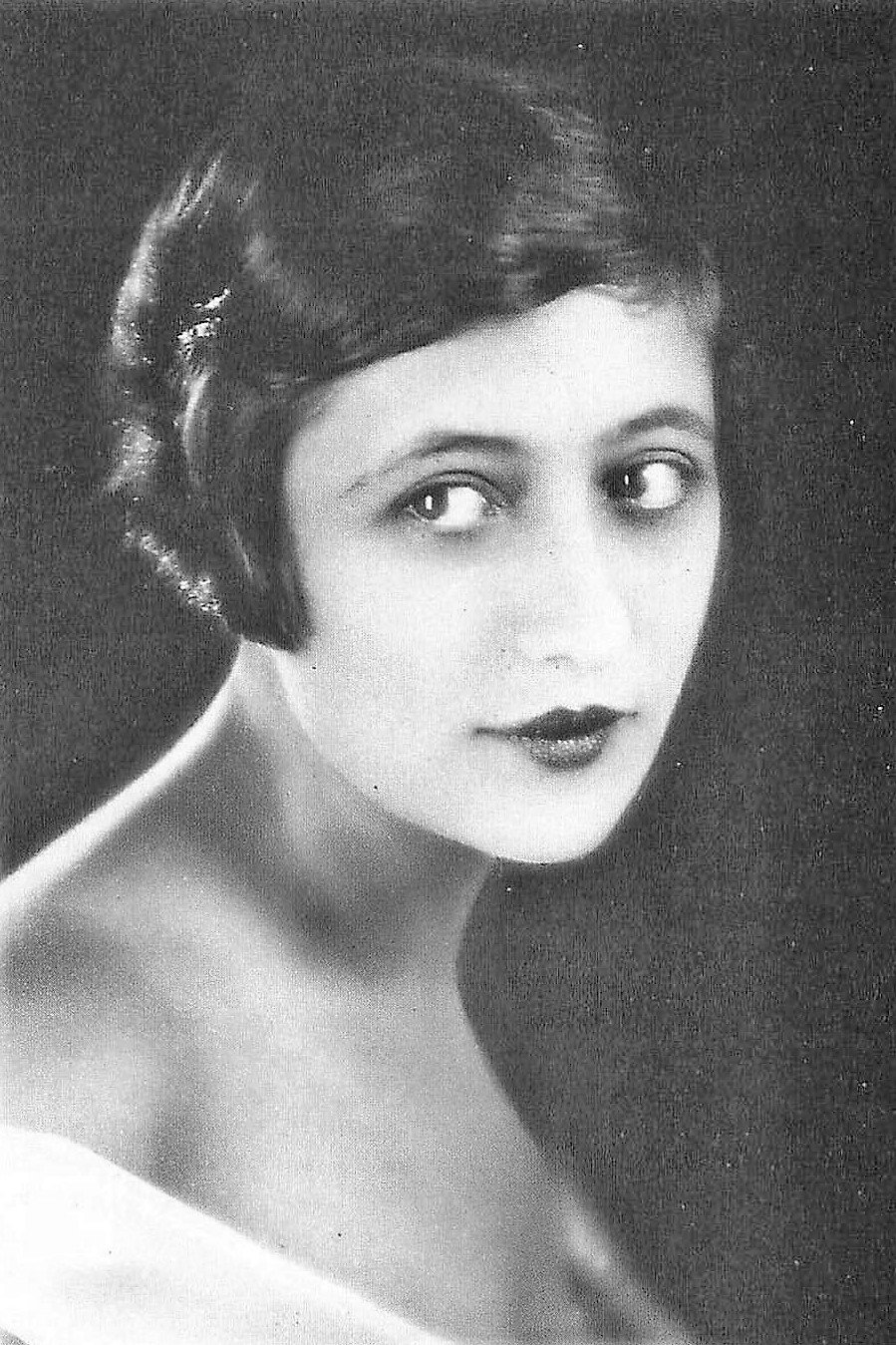
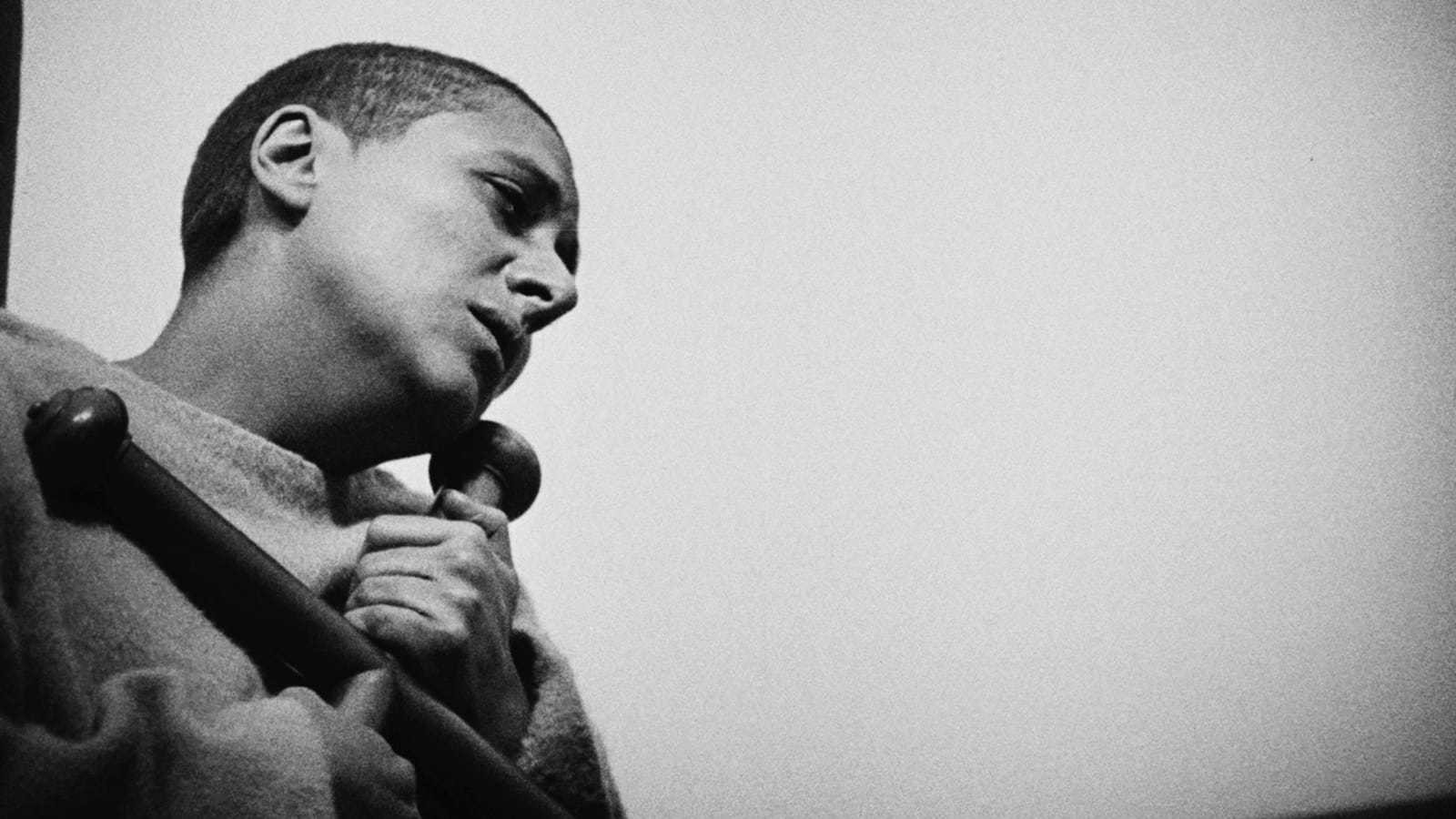
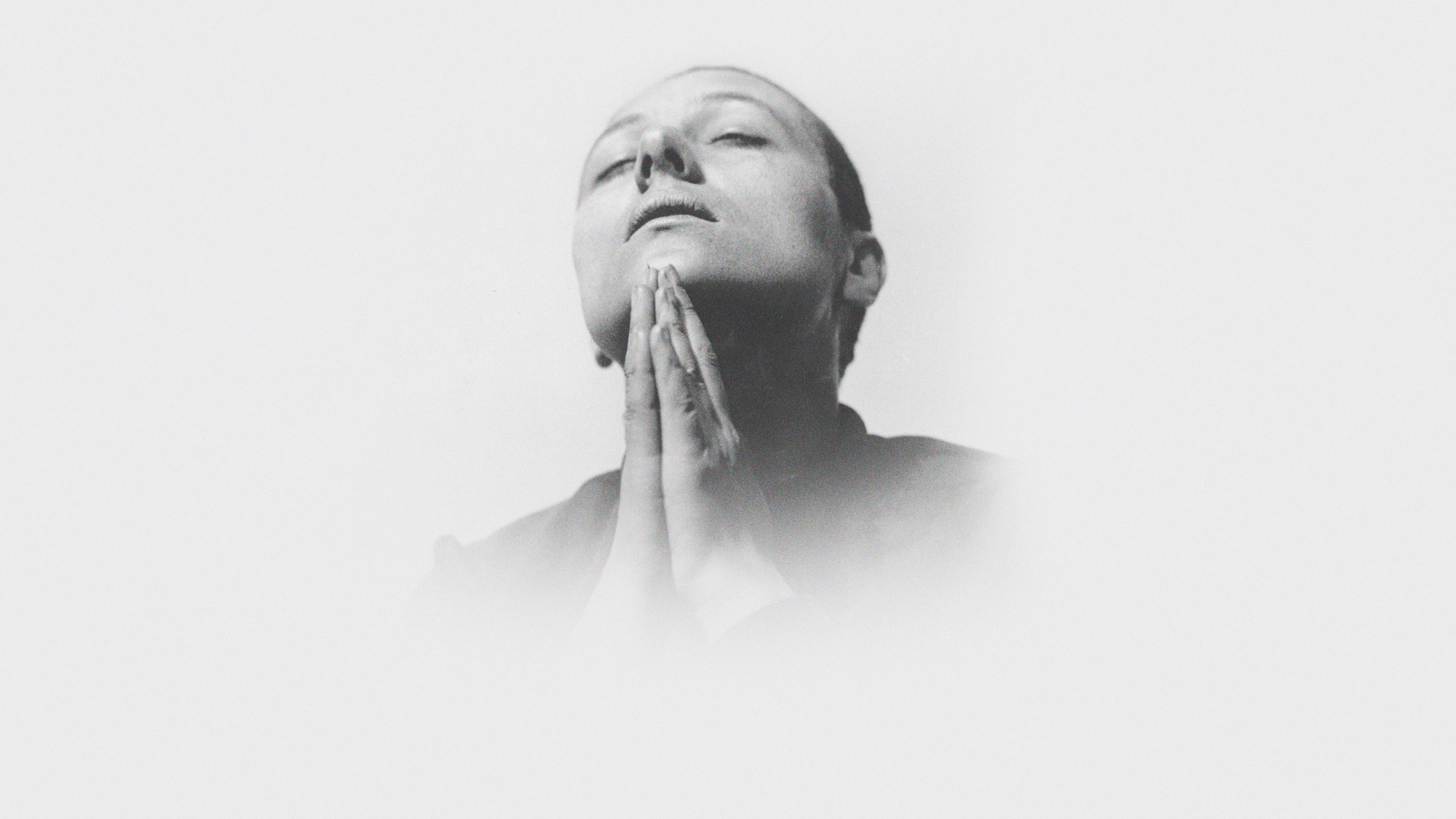
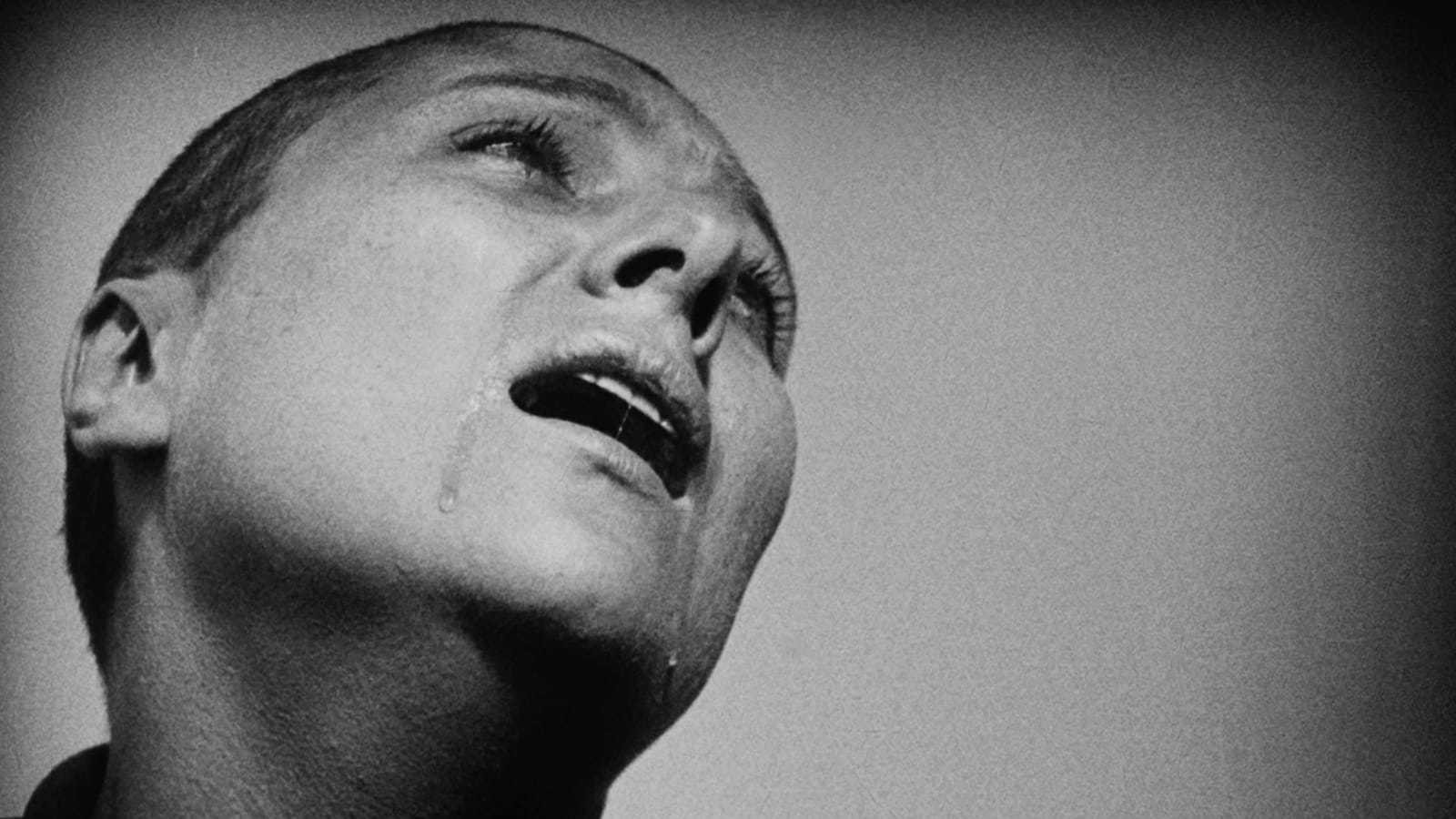
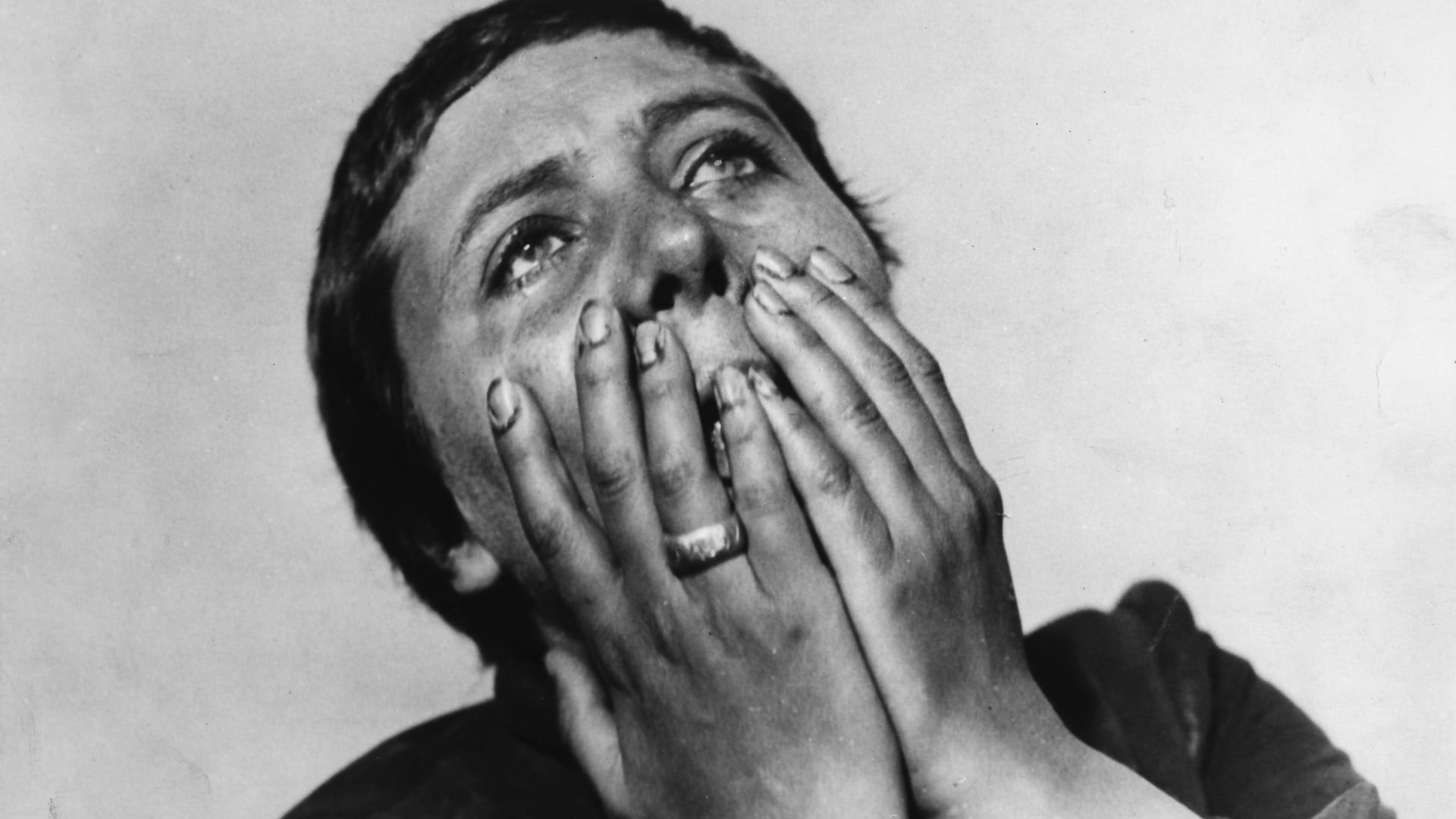
Maria Falconetti plays Jeanne d’Arc with a conviction that never makes her seem protected from the men examining her. Fear keeps breaking through, and the uncertainty in her expression gives us something to watch beyond a fixed image of religious devotion. The performance can seem painfully exposed, yet there is thought in it as well as distress. We can believe that she is trying to answer these men while also trying to understand what they want from her.
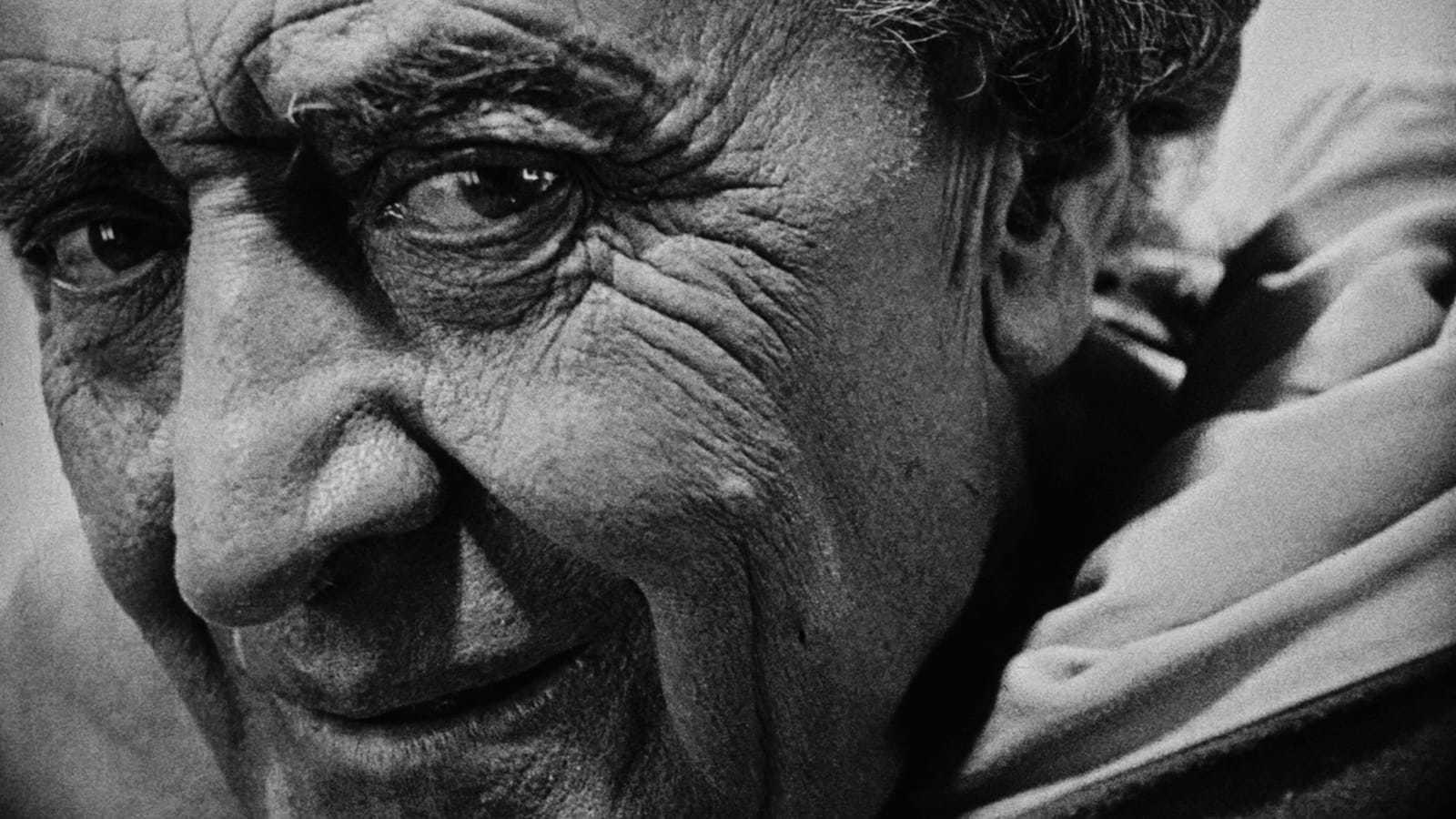
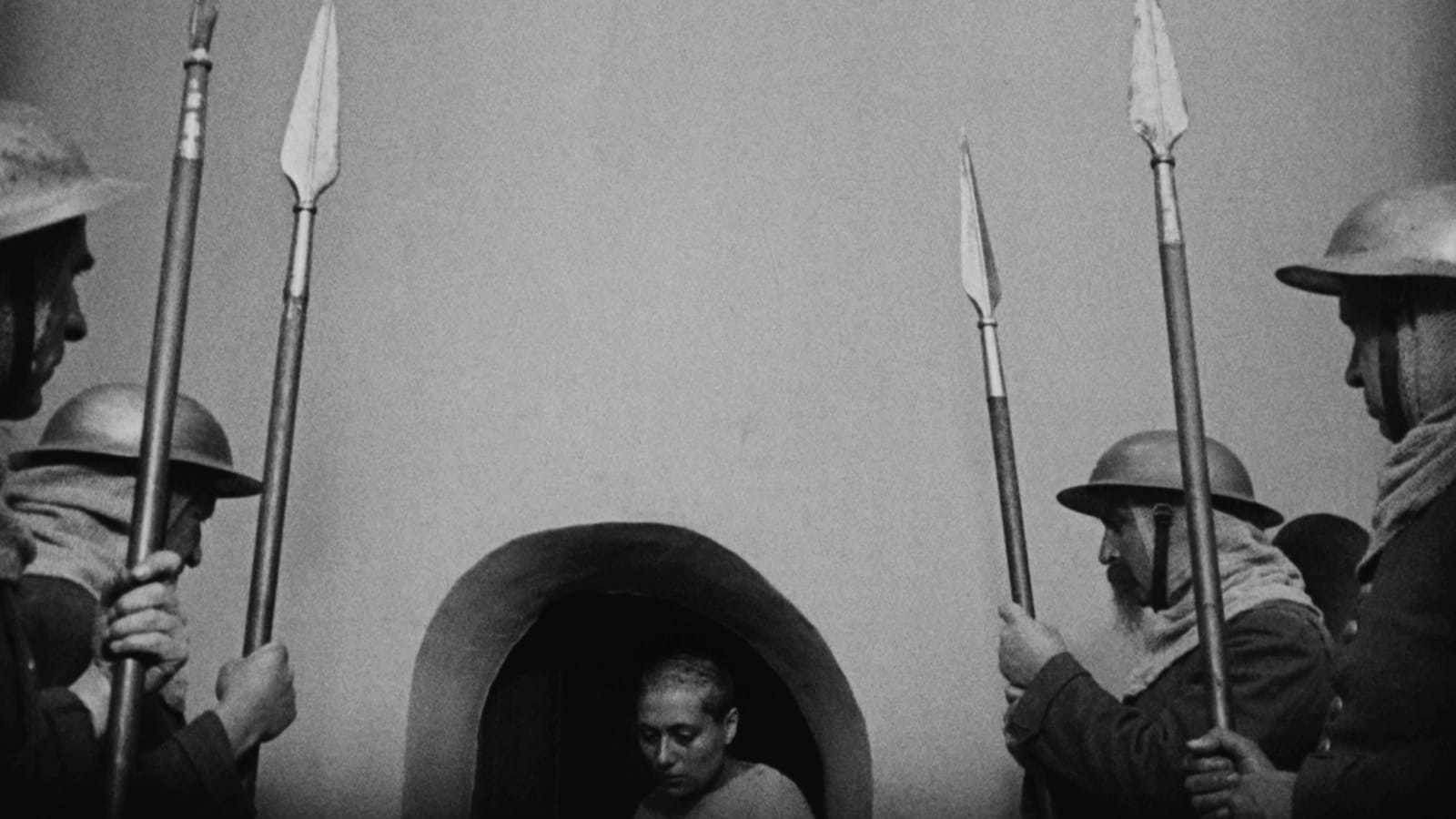
Rudolph Maté’s cinematography brings us close enough to inspect skin, eyes and mouths, often with little surrounding space to distract us. The contrast between Jeanne d’Arc’s face and those of her interrogators makes their authority feel physically oppressive. We wanted the questioning to stop. Returning to Maria Falconetti’s frightened expression again and again makes another question feel like an intrusion, and we began to resent the scrutiny that was also holding our attention.
The editing, credited to Marguerite Beaugé and Carl Theodor Dreyer, makes the courtroom hard to map. Faces follow faces without the reassuring sense of who sits where, so each new question seems able to come from anywhere. That uncertainty works because Jeanne d’Arc’s distress is always easy to read; we never have to wonder whose fear should concern us. The scene can feel crowded even when only one person occupies the screen.
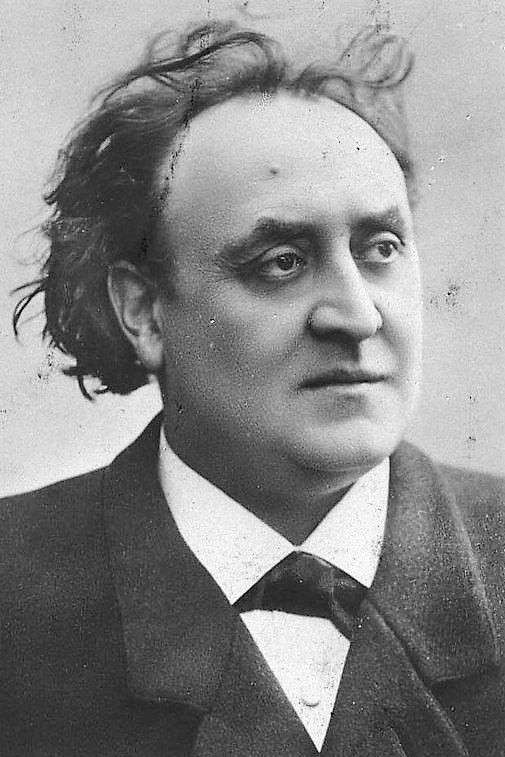
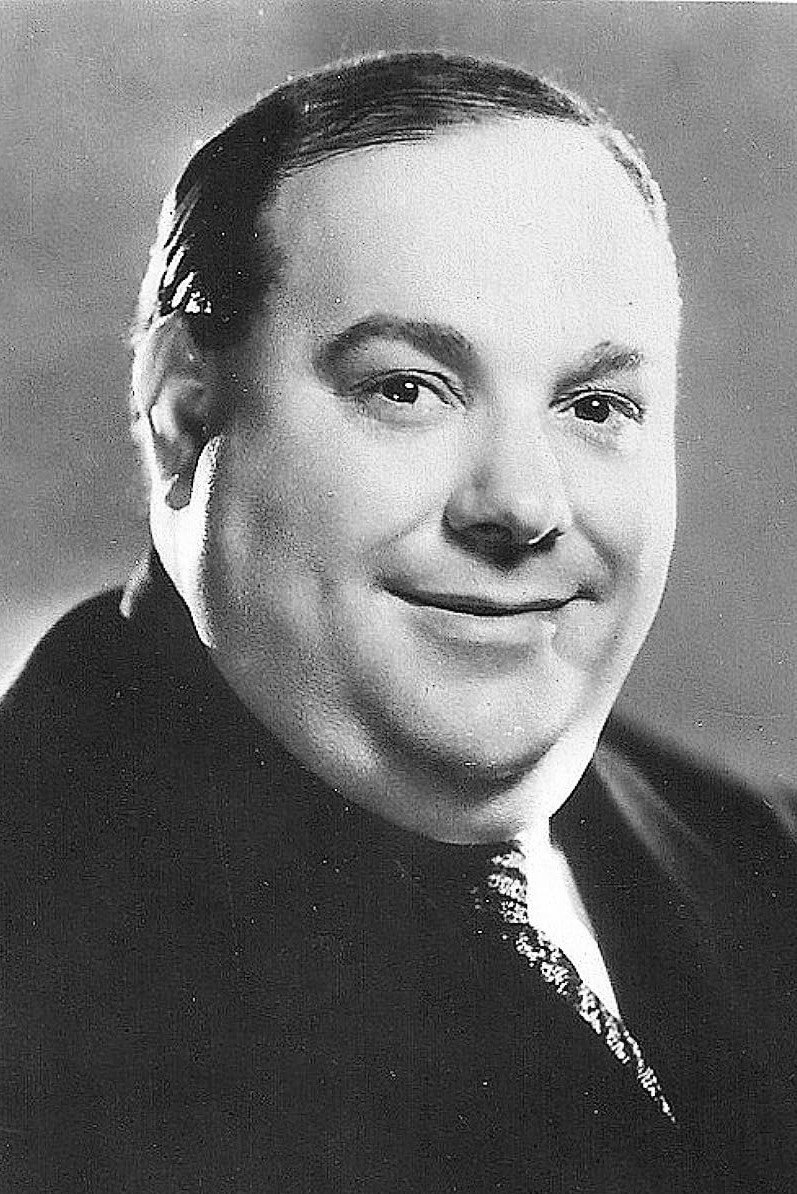
There is a cost to this concentration. Bishop Pierre Cauchon, played by Eugène Silvain, and Jean d’Estivet, played by André Berley, belong to a court whose collective severity can make the men seem too easily read. We are given so much reason to recoil from the interrogators that curiosity about them sometimes falls away. The trial remains oppressive, but we occasionally wanted a less emphatic distinction between the accused and her judges.
Music is credited to Jesper Kyd, Ole Schmidt, Victor Alix and Léo Pouget, and accompaniment needs care with images this insistent. We prefer music that leaves room for the effort of watching a person think, rather than treating every expression as an invitation to swell. Maria Falconetti supplies enough anguish without that encouragement. At 81 minutes, the film already demands a sustained attention that can become exhausting.
As a historical drama, it gives unusually little comfort to anyone hoping to stand back and take in the period. The fragmented courtroom keeps bringing us to the same immediate business: men question a woman, and she has to find the strength to answer. That narrow focus makes its occasional heaviness worth accepting. See it when there is nothing else demanding attention; a distracted viewing would make its repetitions harder and its changes easier to miss.