Carl Theodor Dreyer's films can be slow and severe, but his attention to a frightened face is worth the discomfort. We recommend starting with The Passion of Joan of Arc, which makes faith and fear painfully immediate.
Fi1m perspective
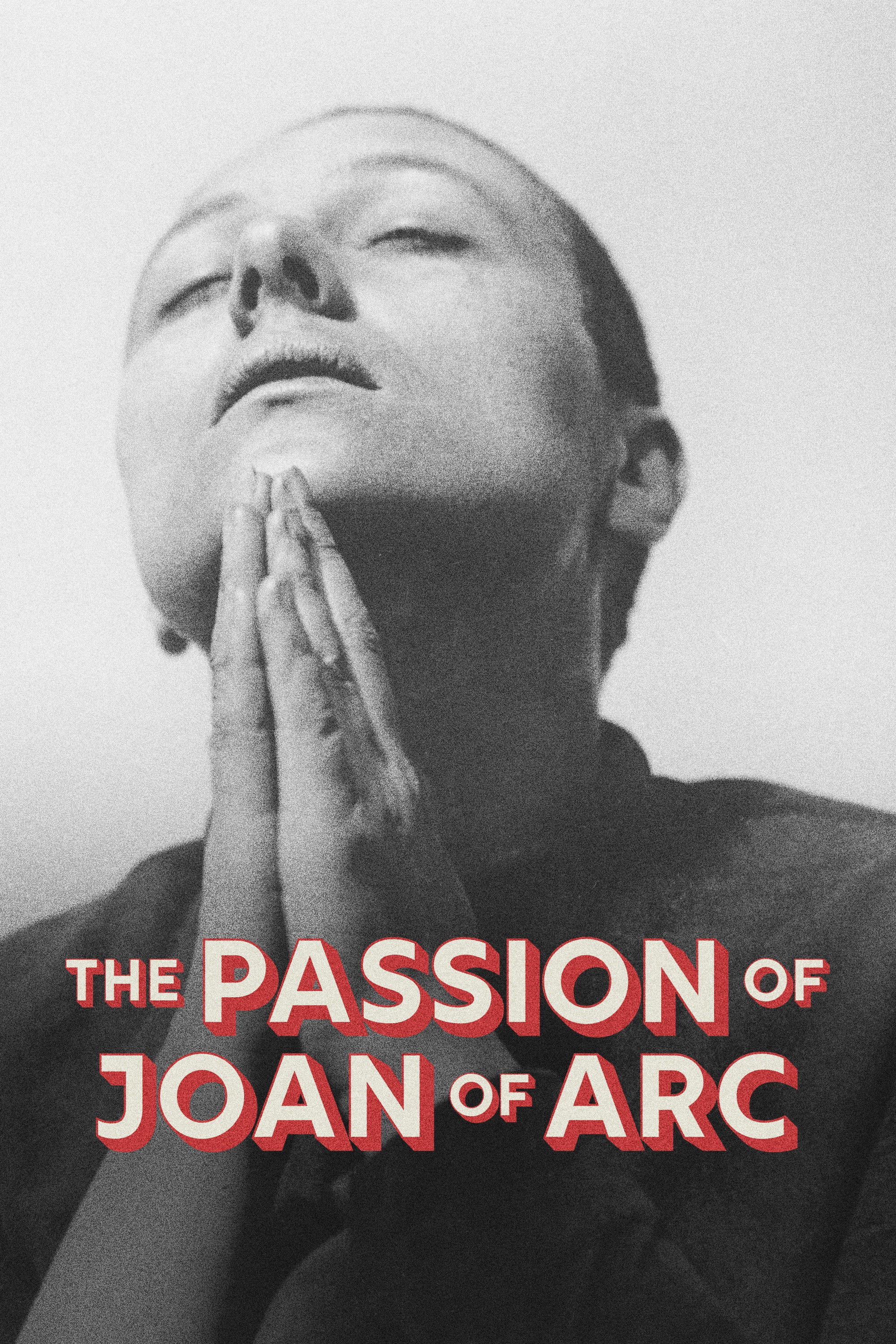
A face appears, then another, and we are given little help in placing either within the courtroom. In The Passion of Joan of Arc (1928), Carl Theodor Dreyer keeps returning to a woman who must answer questions while afraid. Maria Falconetti makes her faith clear without suggesting that it offers much protection from fear. The film earns our recommendation by making that predicament understandable without requiring a history lesson or much prior sympathy for silent cinema. Someone is being pressed to answer, and we can see what it costs her.
The cutting does much of the work. Dreyer and fellow editor Marguerite Beaugé make the courtroom difficult to map, so that each new question seems able to arrive from any direction. We found the questioning distressing because the effort of answering is so plainly visible in Falconetti's face. Even a shot of one person can feel crowded by the people outside it, because the cutting has already taught us to expect another question. Dreyer lets us lose our bearings without losing sight of whose suffering matters.
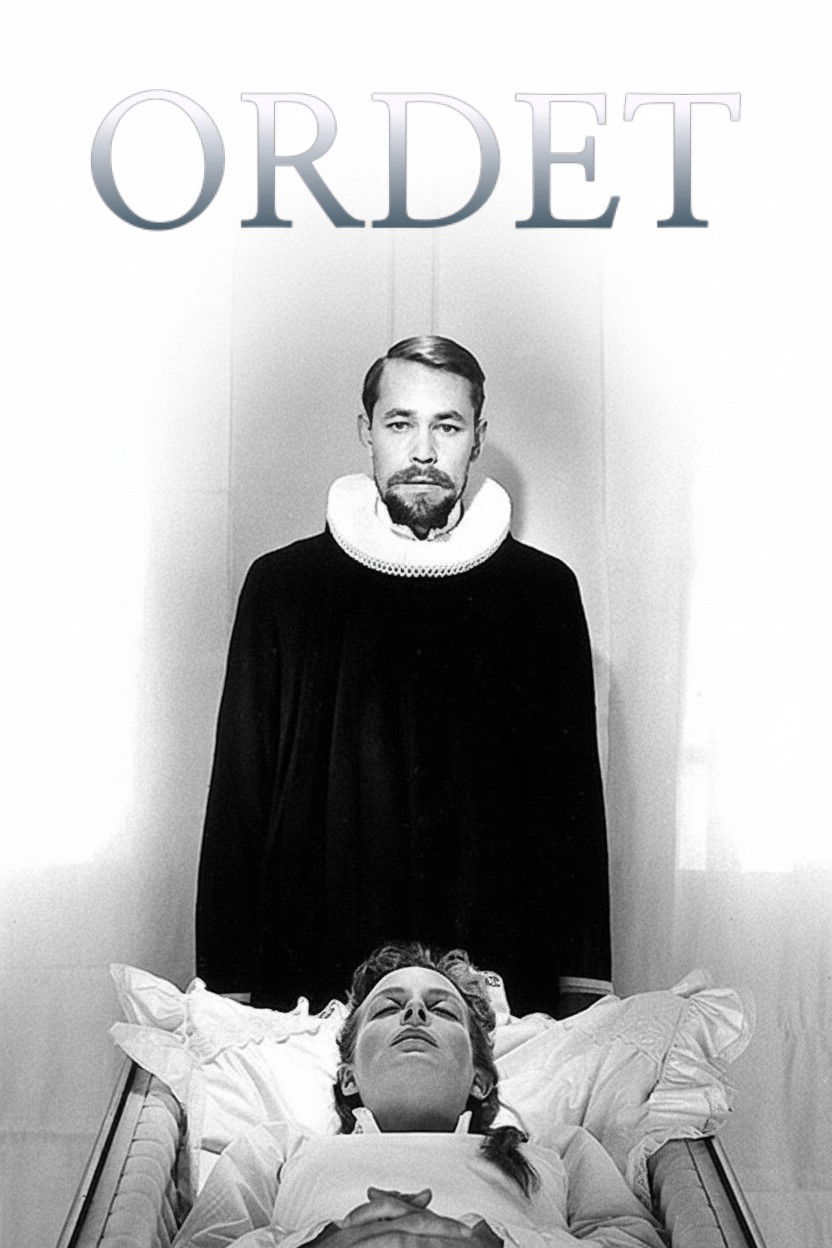
Vampyr (1932) takes fear into supernatural horror, and the career then proceeds through long gaps between features. Day of Wrath (1943) examines witchcraft accusations and religious intolerance; Ordet (1955) concerns faith and miracle. In Gertrud (1964), his final feature, the subject is a woman's emotional choices. The later films increasingly favour long takes and a slower pace. Long takes ask us to stay with a scene, where the courtroom cutting had repeatedly made us adjust to another face.
That patience can be hard to supply, especially in the austere Gertrud, and there is no reason to pretend that difficulty is always a virtue. Even The Passion of Joan of Arc can be exhausting: there is little respite from the scrutiny of a frightened face. Yet Falconetti gives us enough to watch that the concentration feels justified, rather than merely strict. Dreyer's wish to get beneath outward appearances is persuasive here because we can see both belief and terror in the same person. Start with The Passion of Joan of Arc, and give it an evening without interruptions.
Biography
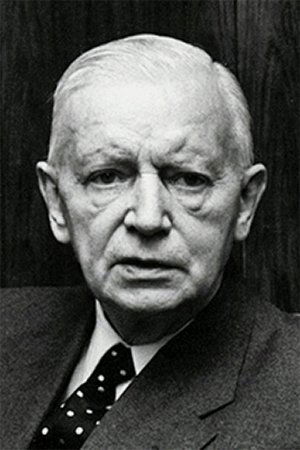
Carl Theodor Dreyer was a Danish film director and screenwriter. Born in Copenhagen on 3 February 1889, he died in the city on 20 March 1968.
He began his career as a journalist before entering the film industry, working first as a subtitle writer and editor. Early features include The Parson's Widow (1920), Michael (1924) and Master of the House (1925).
Dreyer directed The Passion of Joan of Arc (1928), on which he also received screenplay and editing credits, as well as Vampyr (1932), Day of Wrath (1943), Ordet (1955) and Gertrud (1964).