Film review

Ordet

1955 · Directed by Carl Theodor Dreyer · 2h 05m

In a sentenceThe camera glides, the people preach, and somehow we stop minding the sermons

Drama

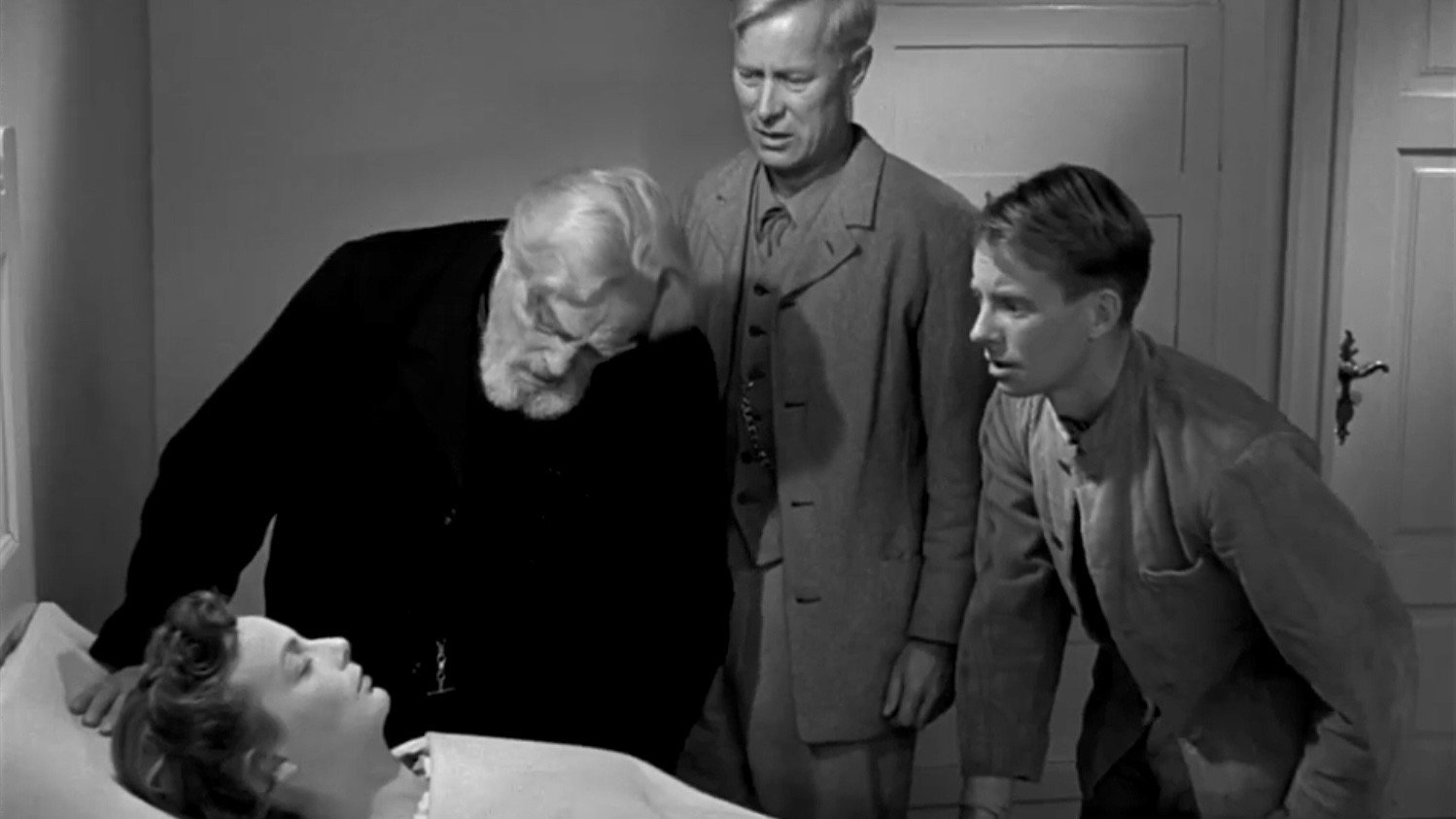
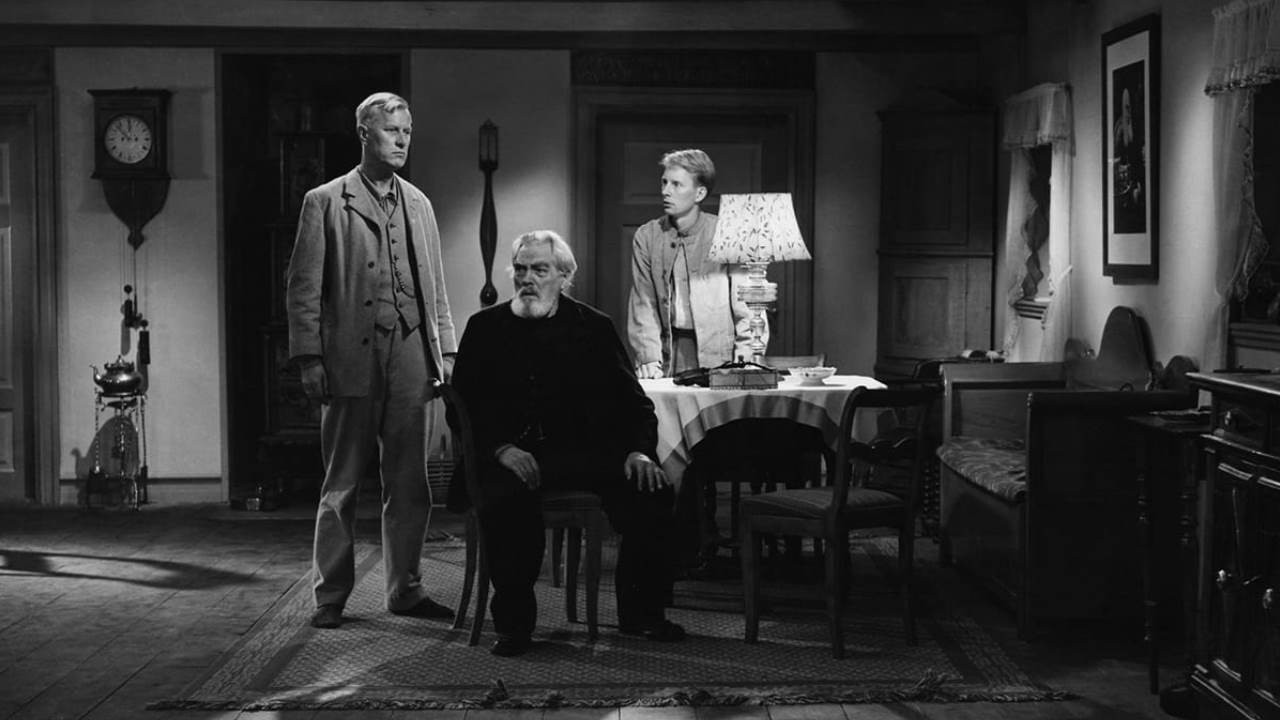
Morten Borgen (Henrik Malberg), Mikkel Borgen (Emil Hass Christensen) and Johannes Borgen (Preben Lerdorff Rye) approach Christian faith from different positions. Inger Borgen (Birgitte Federspiel) is among those whose needs and affections become entangled with these disagreements. In spare interiors, conversations turn on what people believe, what they expect from one another and how firmly they hold to religious teaching. Each attempt to be understood brings another difference into view. The people gathered here face the difficulty of attending to one another while remaining certain about what faith requires.

Fi1m review

Ordet is a deeply moving religious drama, provided we can settle into its slow, formal conversations. Carl Theodor Dreyer makes faces and rooms worth sustained attention, though the speeches sometimes test that patience.

Ordet asks us to spend a long time listening to people talk about faith, and makes that a more affecting experience than the prospect suggests. Carl Theodor Dreyer has made a fine, demanding drama whose slow pace is worth accepting, although the stiffness of some exchanges takes getting used to. The religious disagreements keep directing our attention back to the people doing the talking. We need not share their beliefs to recognise how much they need to be understood.

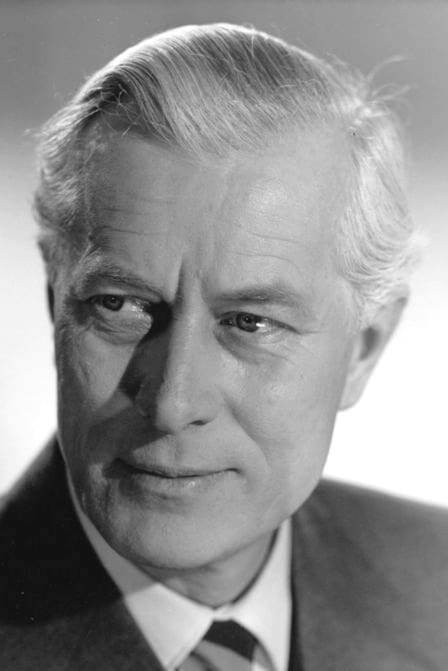
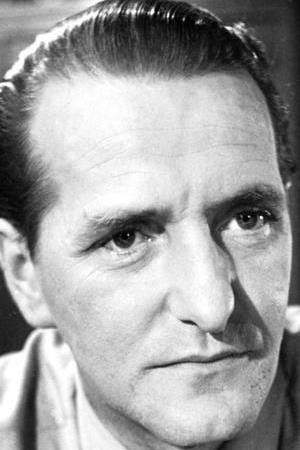
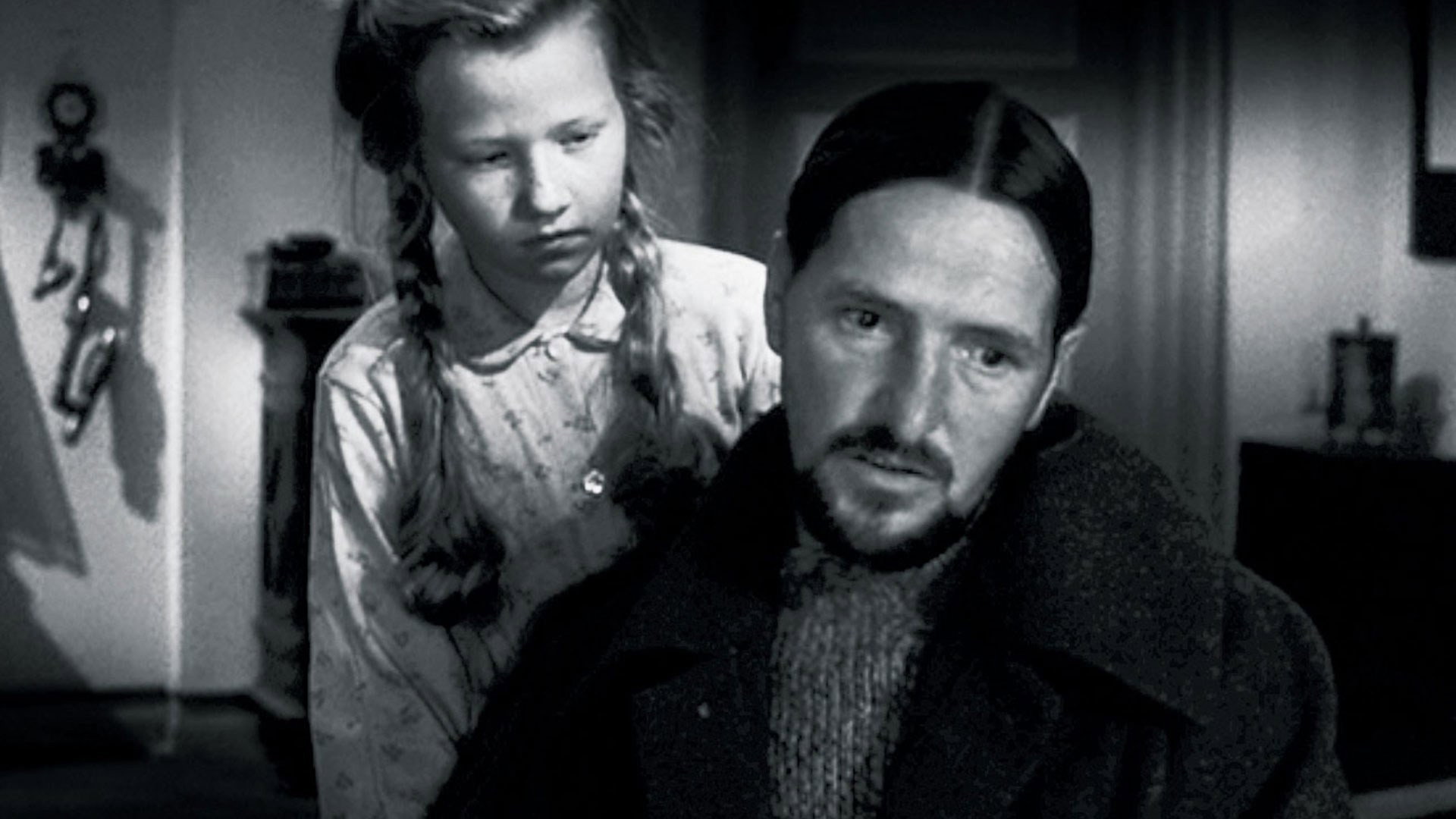
Henrik Malberg as Morten Borgen, Emil Hass Christensen as Mikkel Borgen and Preben Lerdorff Rye as Johannes Borgen give the discussions different kinds of urgency. The performances make little concession to conversational ease, and anyone waiting for brisk, naturalistic exchanges will have a difficult start. That formality can be wearing, but it also makes each face unusually important. We begin looking for responses that the speeches cannot supply, and the film gives us time to look.

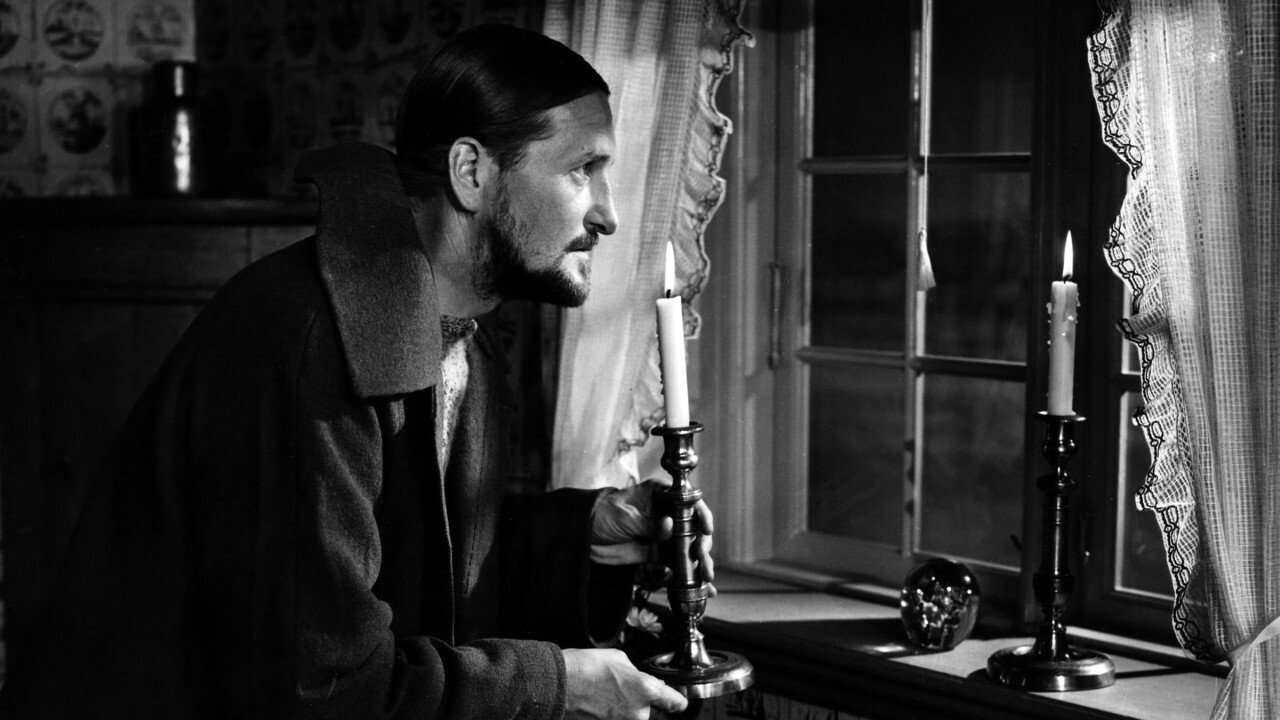
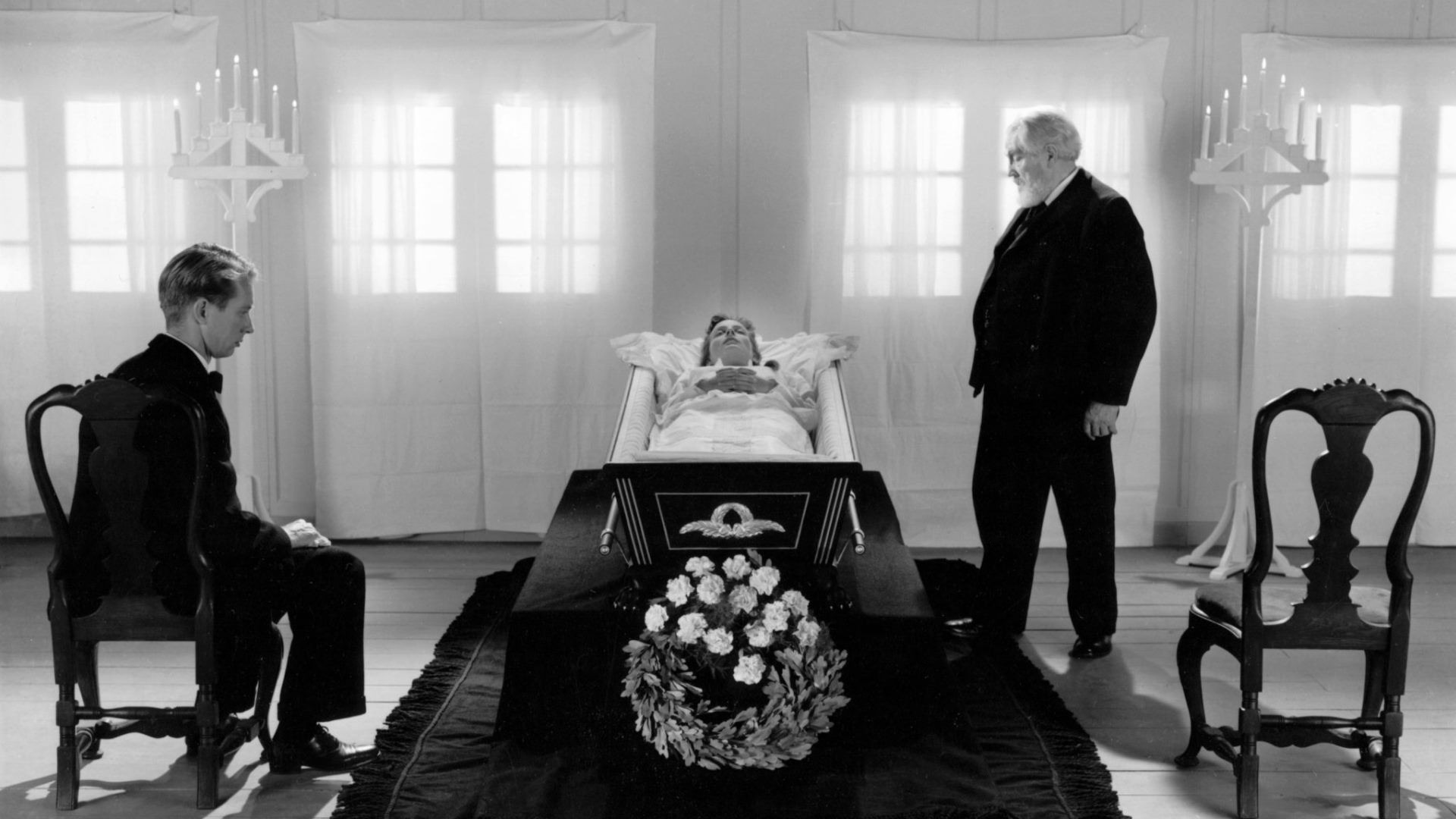
Henning Bendtsen’s black-and-white cinematography is the strongest invitation to stay. The camera glides through the interiors without making its movement feel like relief from the talking; it gives us time to study how people occupy the same room. Erik Aaes’s production design keeps those rooms spare and tangible, so the religious language never quite carries us away from walls, furniture and bodies. The light gives the faces a solemnity that the dialogue sometimes presses too hard, but the images remain absorbing.

Edith Schlüssel’s editing lets the long takes determine the pace, and the conversations are not hurried towards their next point. That gives the actors room, although it also leaves the more rigid exchanges exposed. Poul Schierbeck’s music has less hold on our attention than the voices, a balance that suits a film so dependent on listening. At 125 minutes, this is not a film we can recommend for an evening when concentration has already gone.

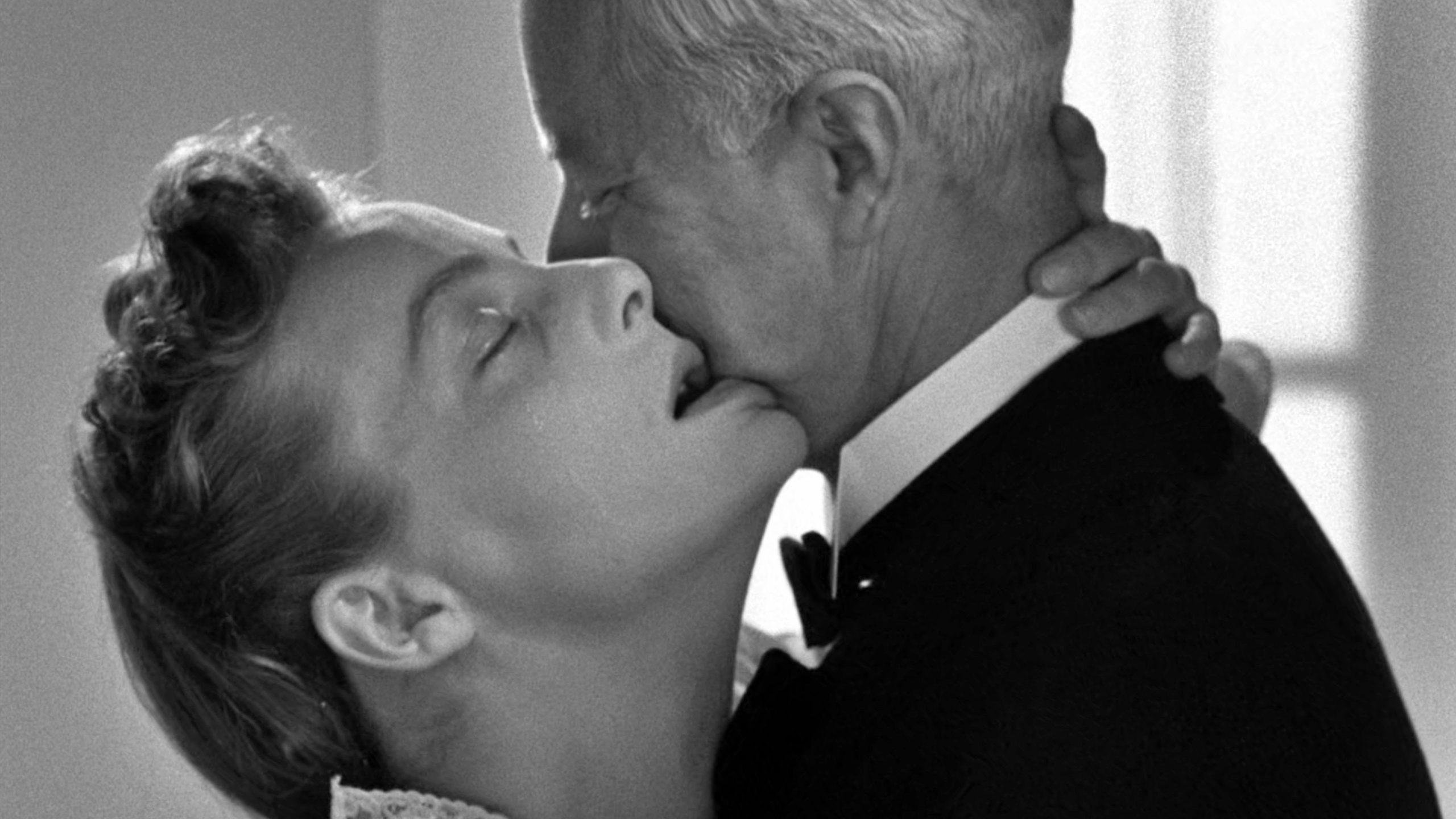
We were moved by Birgitte Federspiel as Inger Borgen, whose warmth gives us someone to care about when the religious talk grows heavy. Her performance makes the concern for ordinary human feeling persuasive without making the surrounding formality disappear. Yet Inger Borgen deserves more room beyond what she brings to the other characters. Birgitte Federspiel makes her worth watching, but the writing does not always give her equivalent freedom.

The screenplay, also by Carl Theodor Dreyer, is less sure when it lays out the competing positions. Some of the disagreements become too neat, as though a speaker has been assigned a belief and must make certain we have understood it. We become conscious of the speech instead of wondering what the person might do. That is where the theatrical manner becomes a limitation, and the pace gives us plenty of time to notice.

Within religious drama, the film’s insistence on sustained attention distinguishes it: we cannot skim the speeches and expect the faces to do everything. It is demanding company, even when the warmth comes through. Set aside a quiet evening for it, and leave time afterwards before choosing anything else.
Critical consensus AI synthesised

81
Positive
8
Mixed
0
Negative
1

Most critics respond strongly to Ordet, with eight of the nine reviews praising its treatment of faith and its emotional force. Praise centres on Dreyer’s controlled direction: gliding camera movements, long takes, black-and-white lighting and tangible interiors make the religious disputes absorbing. The reviews repeatedly connect that formal restraint to powerful feeling, finding room for human frailty within the film’s spiritual concerns. Several describe a hypnotic experience rather than an immediately inviting one.

The main division concerns the deliberate pace and theatrical style: most find them compelling, but not everyone is persuaded. The Guardian admires the eerie atmosphere while finding the theatricality a limitation. The Times is the lone negative voice, acknowledging the film’s beauty and commitment but finding the pacing ponderous, the themes simplistic and the female characters reduced to plot devices. The spread is therefore wide, though the disagreement is concentrated in one sharply dissenting review.

RogerEbert.com
8 March 2008 · Roger Ebert
90*

The critic finds the film difficult to enter at first but ultimately inescapable and profoundly moving, praising its deliberate pacing, religious depth, and transcendent climax. He singles out the godlike camera movements and celestial black-and-white lighting.

Read the full review →
Sight and Sound
10 January 2025
90*

The critic celebrates Ordet as one of cinema’s supreme spiritual achievements, praising its blend of fleshy human emotion and transcendent faith. The piece highlights Dreyer’s humanist approach to individual spirituality over rigid religiosity.

Read the full review →
The New Yorker
28 January 2014 · Richard Brody
90*

The critic highlights the film's philosophical worldview and stripped-down aesthetic of still yet furious clarity that reveals transcendent essence. He singles out its radical Christianity and the miraculous preservation of existence through cinema.

Read the full review →
The New York Times
16 December 1957
90*

The critic calls it a visual sermon of scalding spiritual intensity that uncoils like a majestic snail and is hypnotic rather than entertaining. He singles out the rigid but powerful blend of speeches and faces along with the stained-glass-window-like photography.

Read the full review →
Time Out
5 March 2012 · Dave Calhoun
90*

The review calls the film powerfully moving and mysterious, singling out its extraordinary final coup de cinéma as a bold, unforgettable climax that redefines the drama. It praises the austere yet spiritually resonant direction and technical mastery.

Read the full review →
The AV Club
29 March 2002 · Keith Phipps
85*

The critic describes Ordet as a work of great spiritual generosity that uses long takes and tangible interiors to explore characters' differing positions on faith. Its tragedy and concluding miracle become moving in ways that are impossible to foresee.

Read the full review →

Cast

Stills

Awards

Bodil Award for Best Danish Film, 1955

Won
Bodil Award for Best Danish Film

Venice Film Festival, 1955

Won
Golden Lion

If you liked this, try…