Abbas Kiarostami makes a patient, unexpectedly moving film from a case of impersonation. Its reconstructed scenes ask for concentration, but we recommend it even to those usually put off by films about cinema.
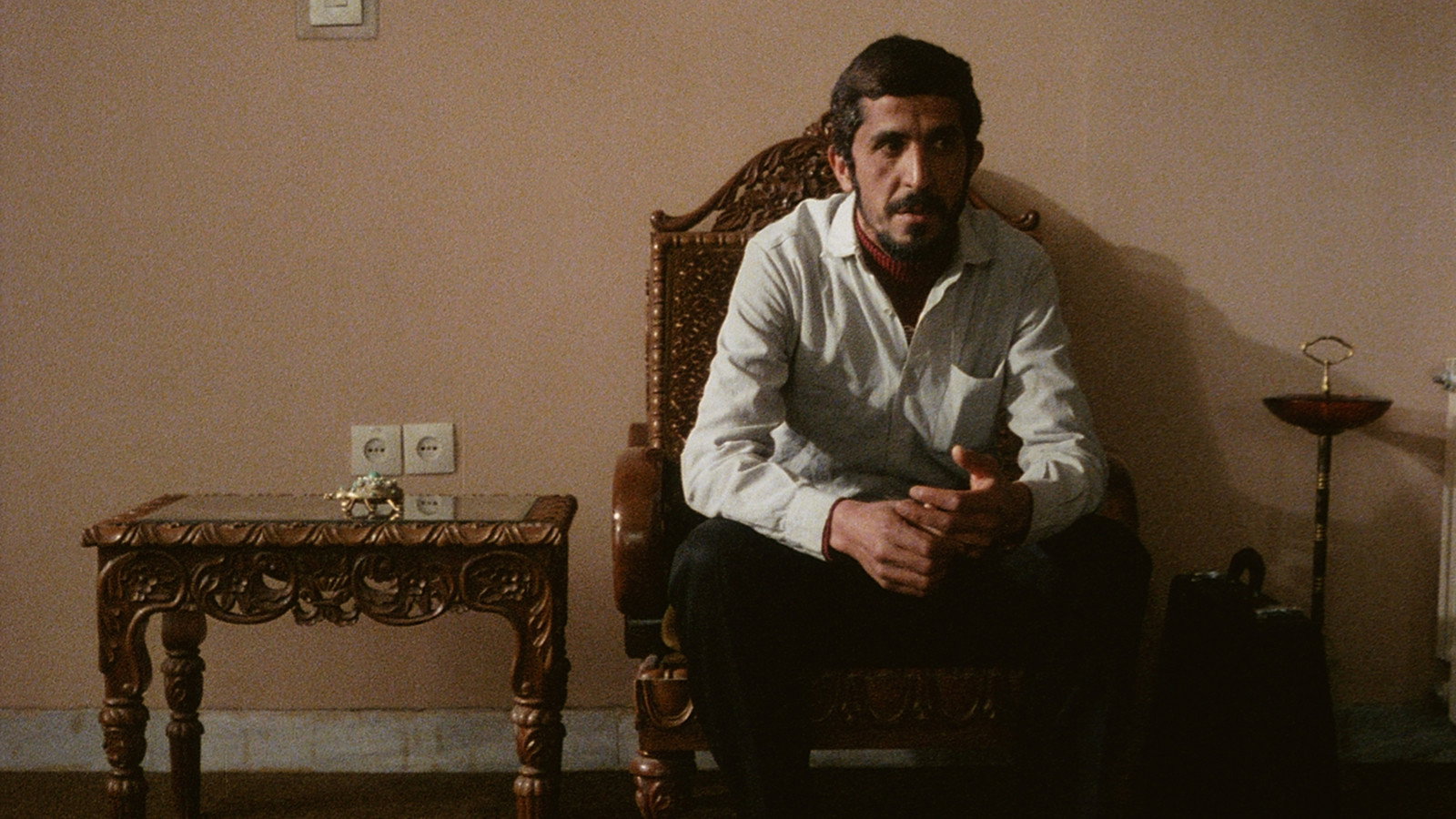
Close-Up takes a case of impersonation and asks us to spend time with the man responsible. Hossain Sabzian has pretended to be a filmmaker; Abbas Kiarostami combines documentary footage of his fraud trial with reconstructions of the events around it. We recommend it for the unusual care it takes over a man it could so easily make ridiculous. Kiarostami is both writer and director, and keeps it to 98 minutes.
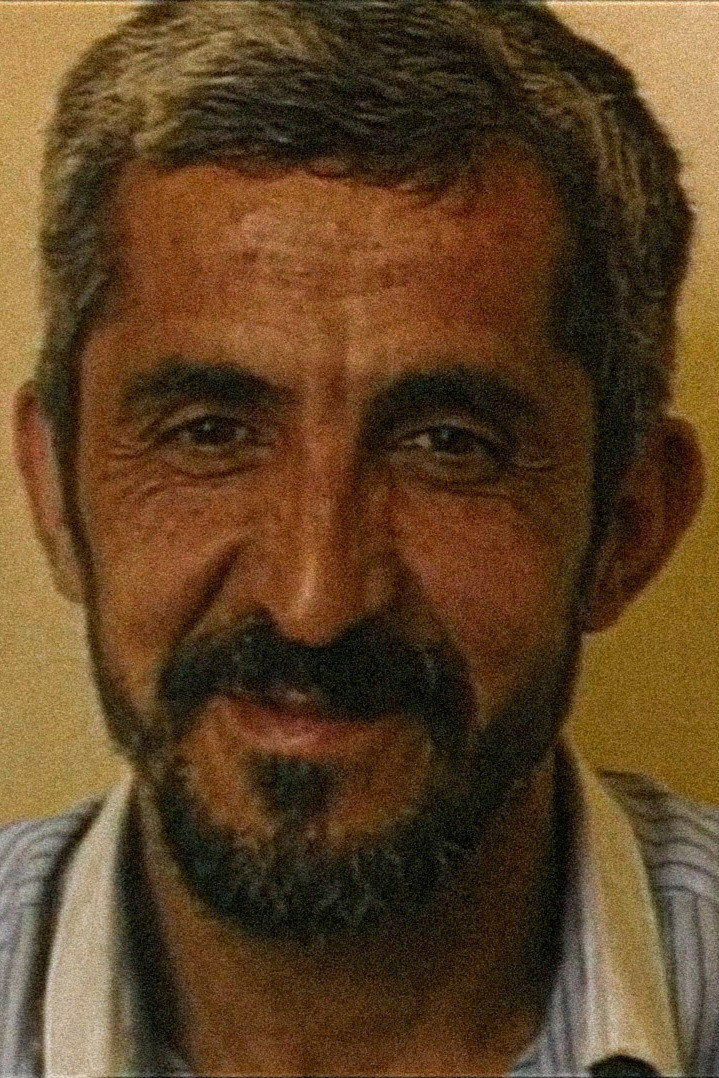
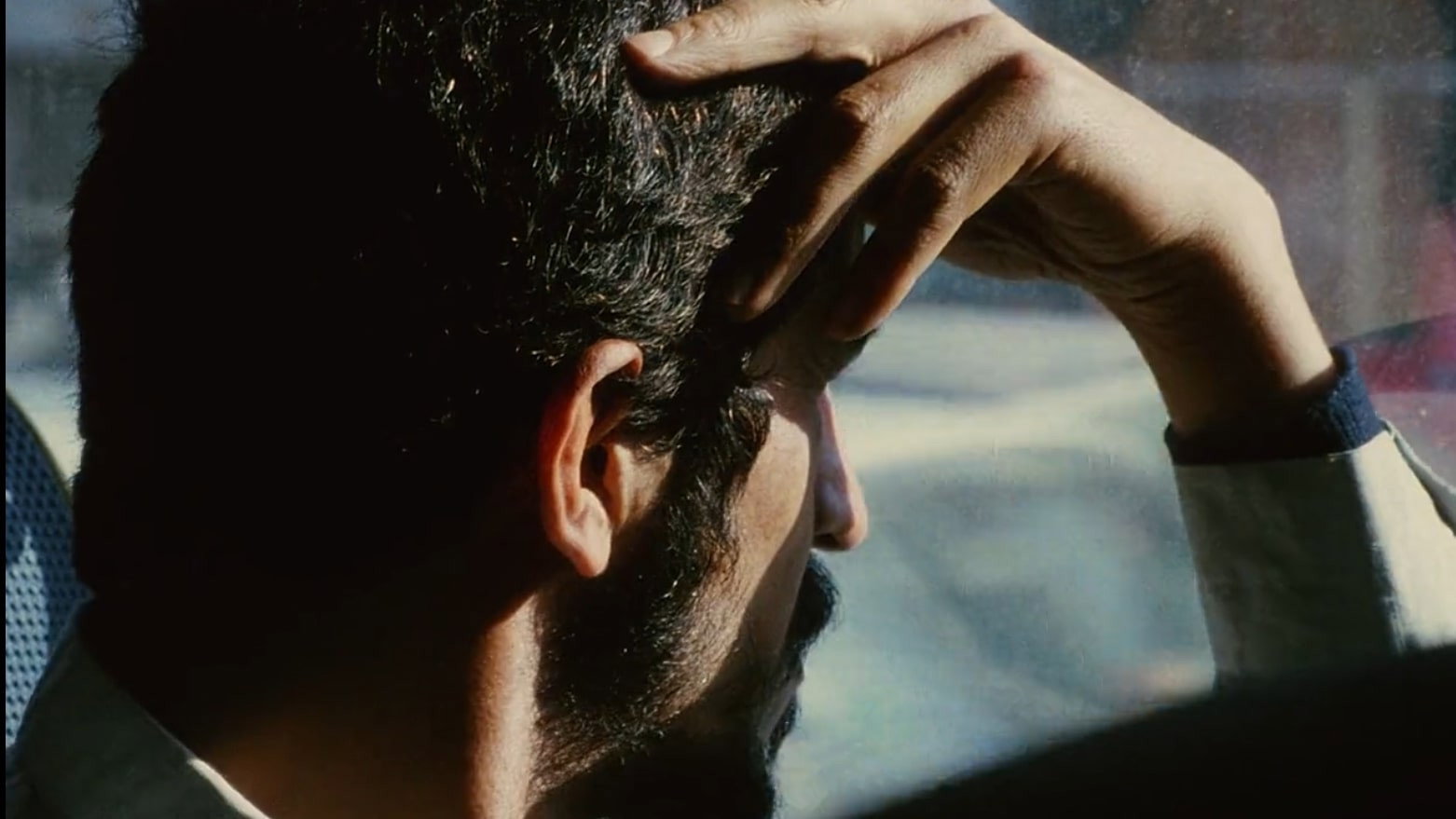
Sabzian’s passion for film could easily make him seem merely eccentric. Kiarostami takes it seriously enough to consider how it might lead someone into a deception, and how readily it might serve as an excuse. We felt protective of Sabzian, which surprised us. The close-ups give his face an attention that makes simply dismissing him as a fraud feel cruel, even while we know he has lied. His attachment to cinema is part of his justification for the impersonation.
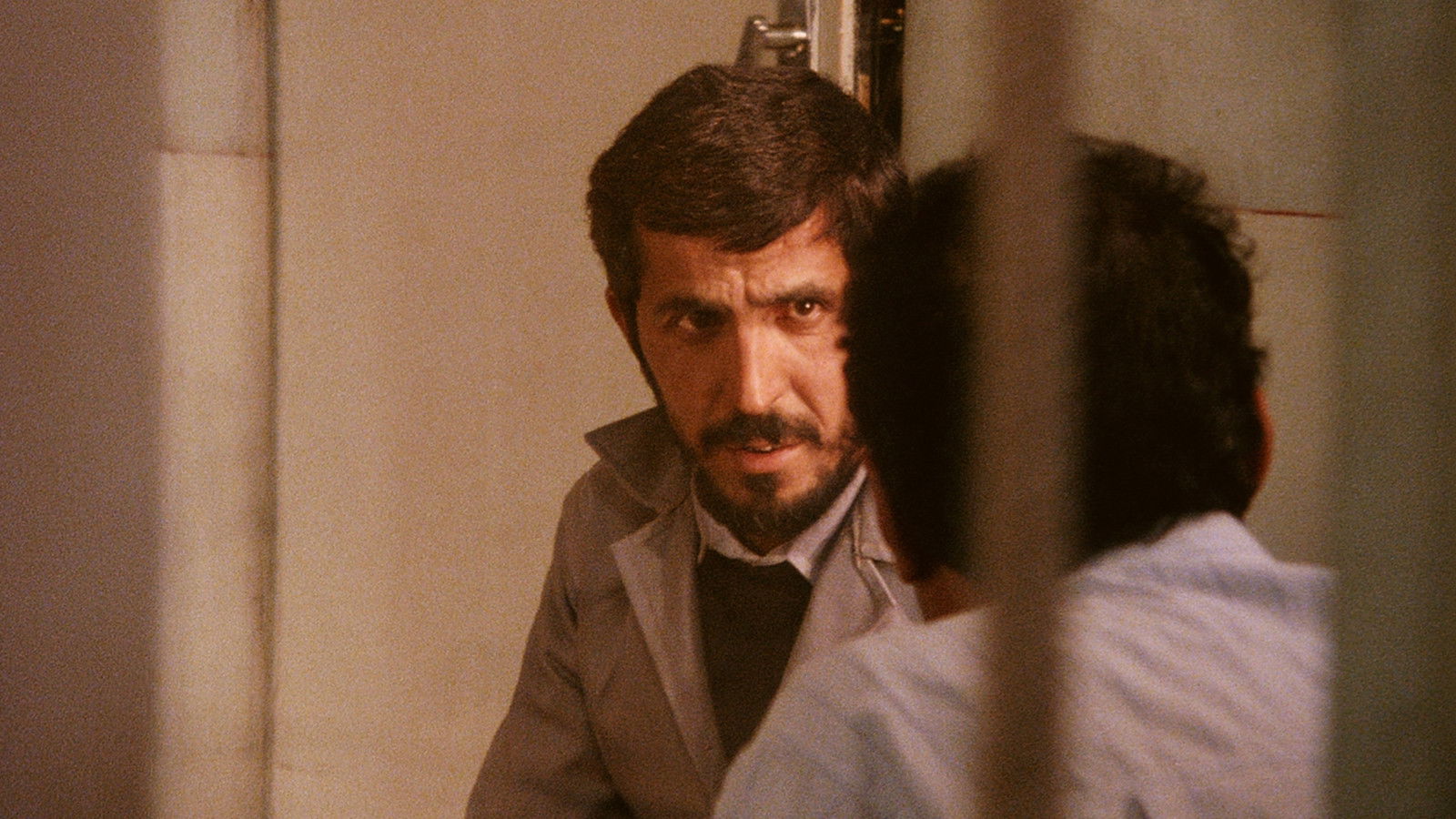
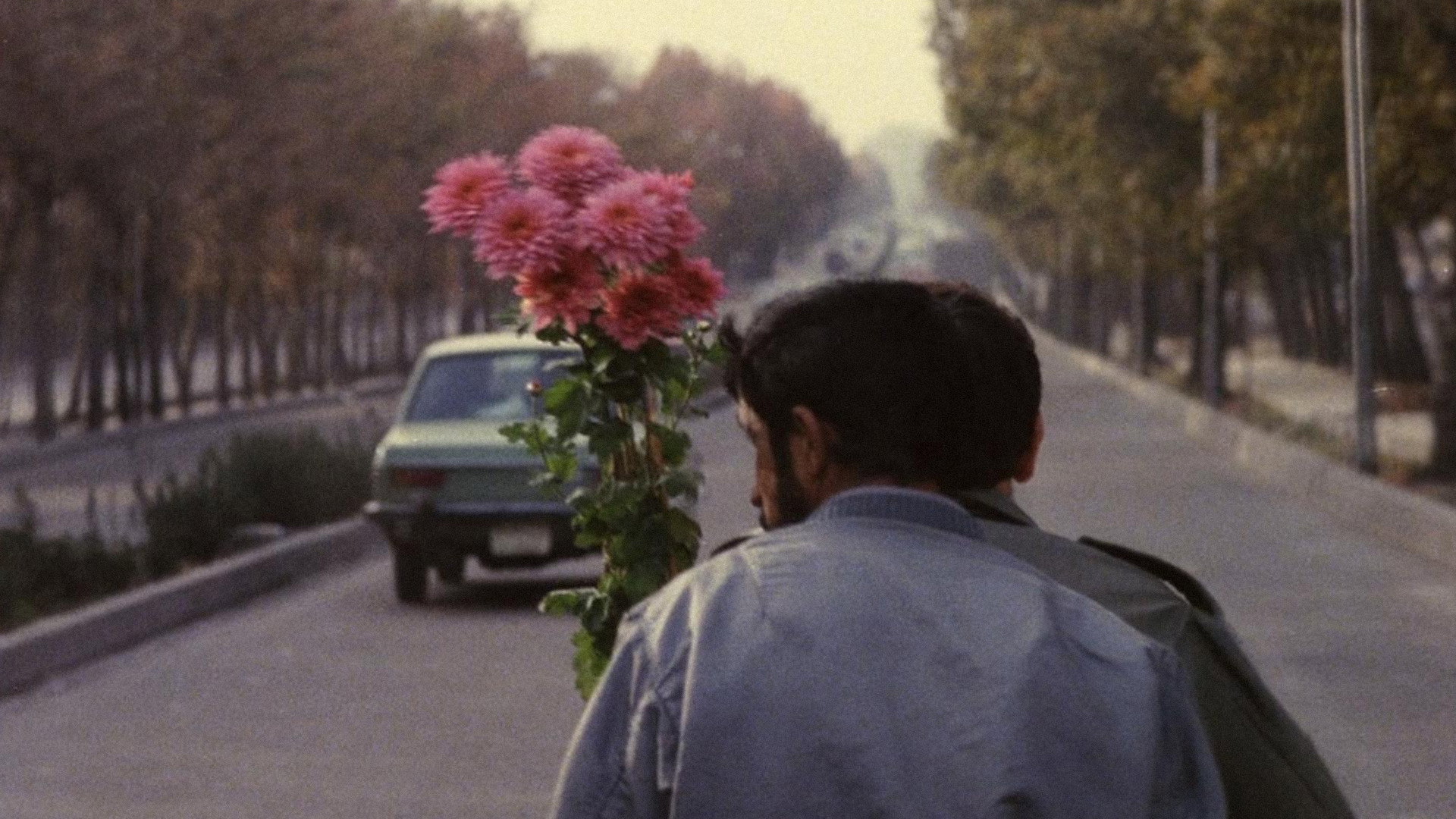
Ali Reza Zarrindast’s cinematography is especially effective in the close-ups, which make attending to Sabzian feel like a responsibility. Close framing offers no reliable means of judging sincerity from a face, however intently we inspect it. A more polished crime drama might make every glance seem like a clue planted for our benefit, and we appreciate being spared that sort of coaching. The images retain the rough, unpolished look of documentary footage.
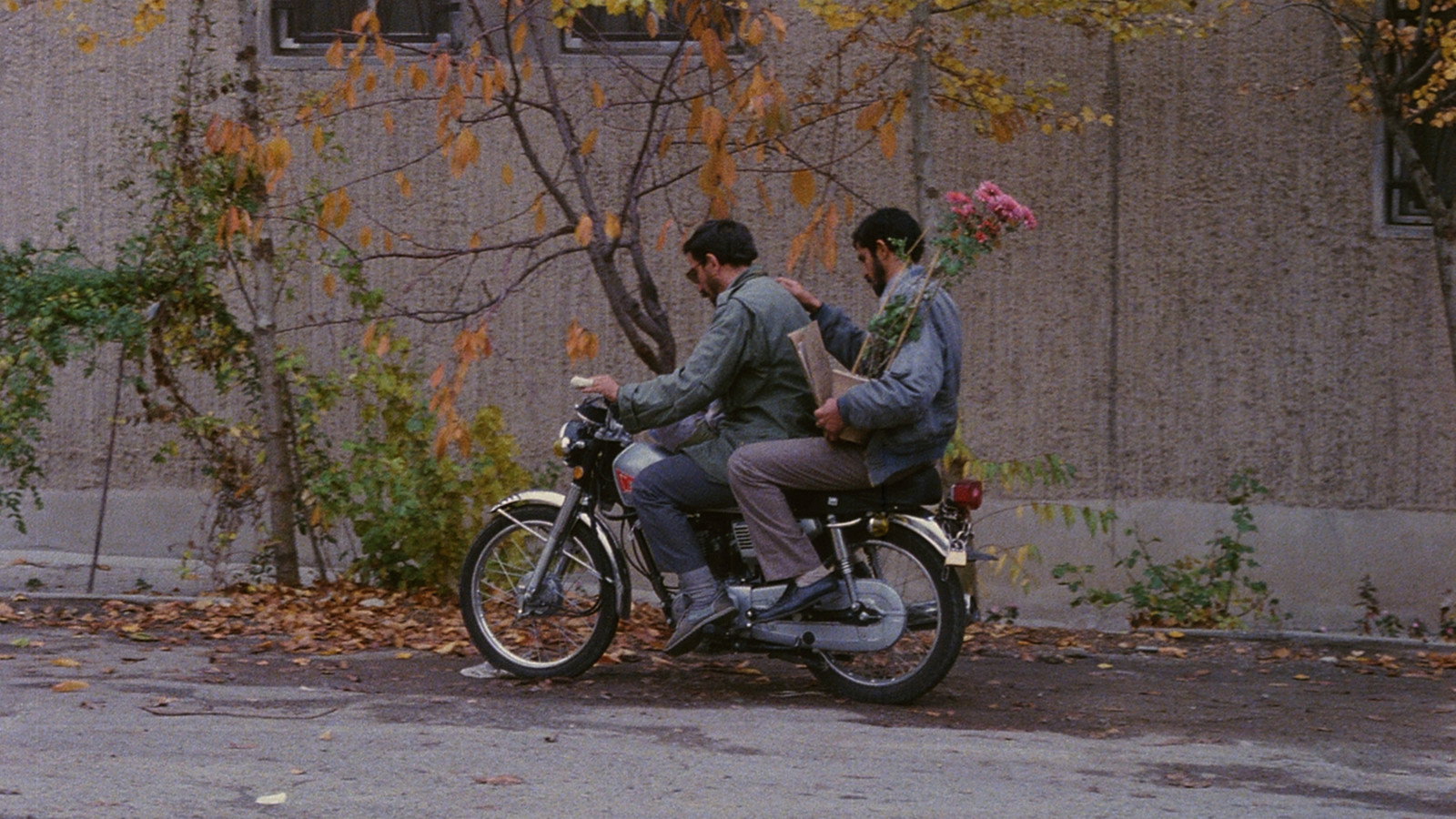
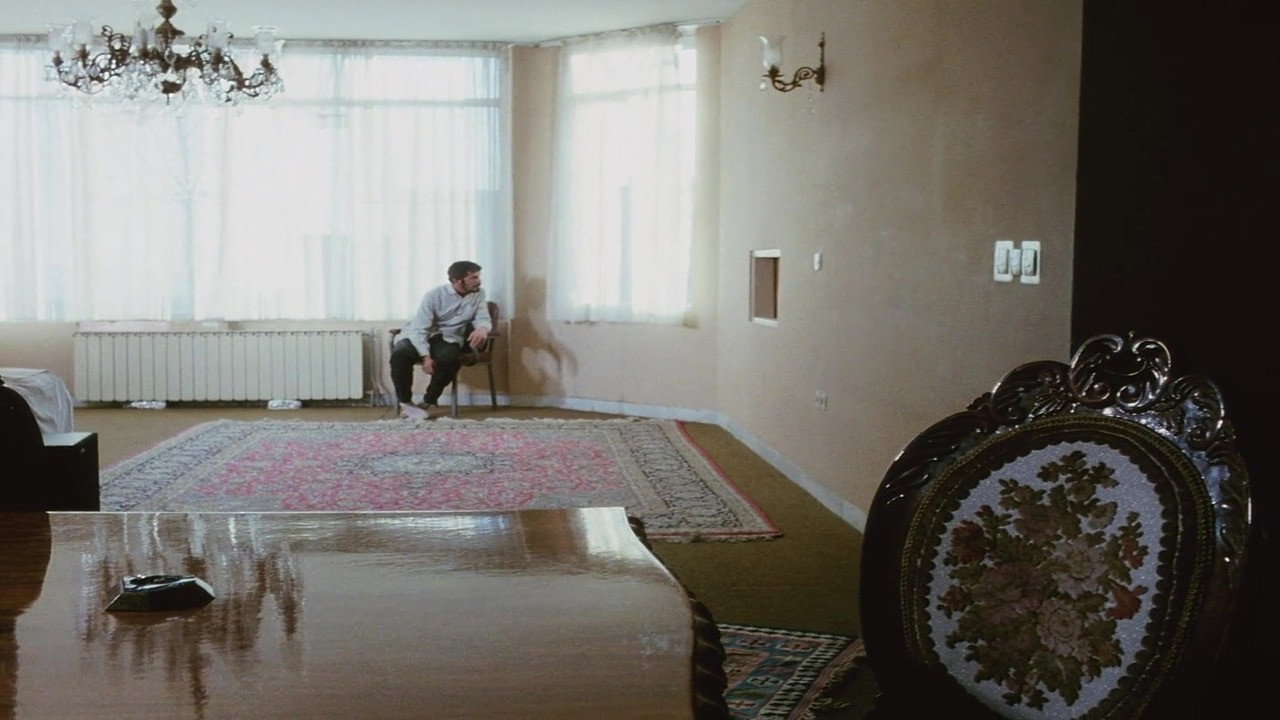
Kiarostami is also the editor, and the movement between trial footage and re-enactment is central to the film’s effect. The people involved in the incident play themselves in the reconstructions, helping to tell a story in which their own behaviour is being examined. This makes their participation more interesting than the usual business of actors illustrating an account already given to the camera. The film also uses the actual locations of the incident.
The editing does ask for patience, and the shifts between recorded and reconstructed events can briefly become a puzzle we would rather not be solving. It is possible to spend so much effort working out how a passage was made that we stop attending to the person in it. There is a more substantial reservation, too: a passion for art can seem to earn Sabzian a degree of forgiveness that another impostor might not receive. That bothered us more than the occasional difficulty of following the editing.
Kambiz Roshanravan’s music supports the sympathy for Sabzian without settling our doubts about him. The emotional pull is strong enough that the film’s interest in how it was made never makes it feel merely academic. A crime drama often invites us to be pleased with ourselves for spotting the lie, and Kiarostami gives us a more uncomfortable evening than that. We recommend an uninterrupted sitting, without the usual competing screens. Give Sabzian time to speak before deciding what sort of man he is.