Abbas Kiarostami makes difficult conversations worth staying with. We admire the care he takes over ordinary journeys and other people’s troubles, though his patience sometimes outlasts ours.
Fi1m perspective
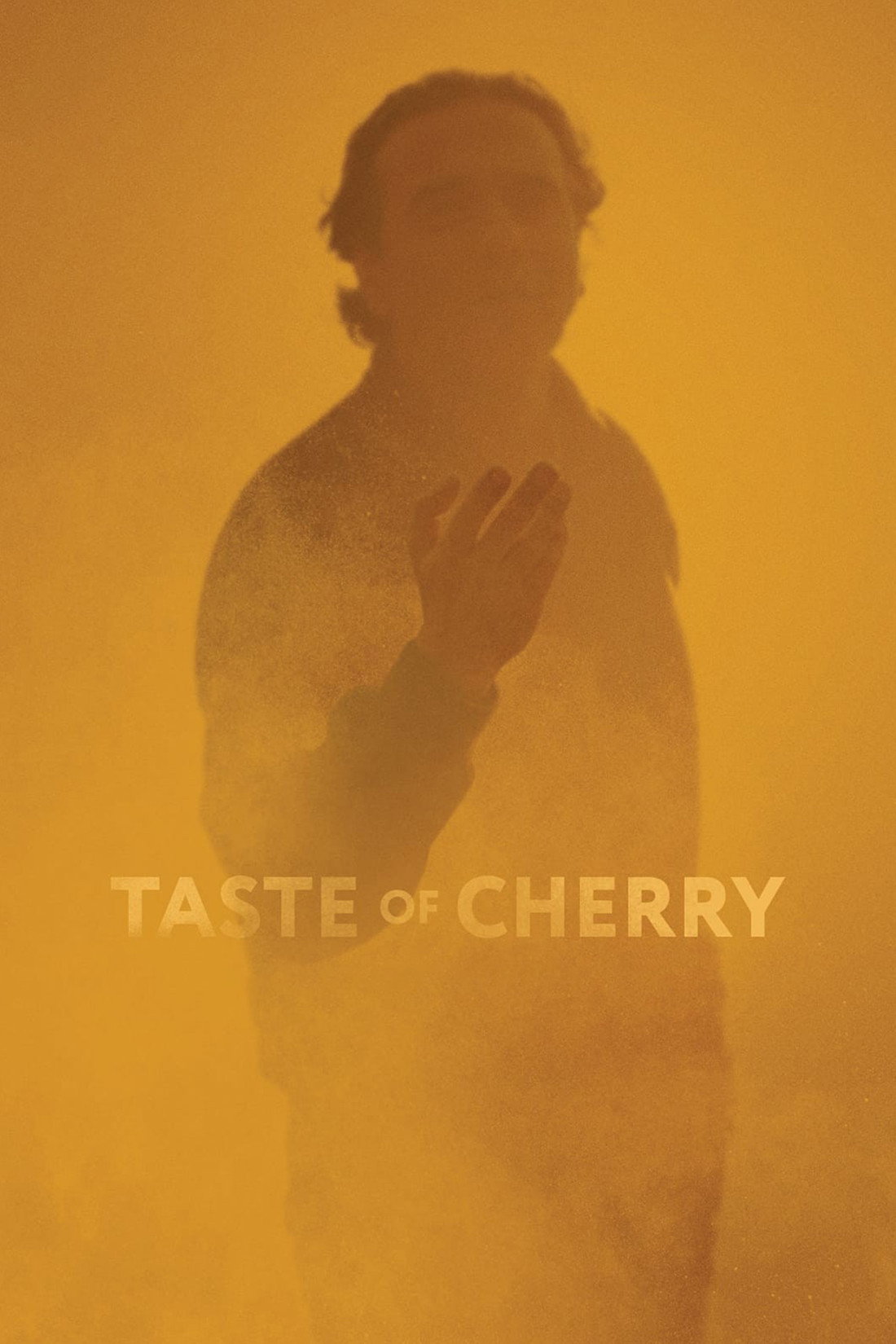
A man drives around Tehran, looking for someone to bury him after his planned suicide. In Taste of Cherry (1997), Abbas Kiarostami gives us that practical request and lets the difficulty of answering it occupy the film. Homayoun Ershadi’s Mr Badii is someone worth staying with, however uncomfortable his errand makes us. We keep considering what we would say if we were asked, with little confidence that it would help. Kiarostami earns that uncertainty by giving each conversation time to change our judgement.
Children’s moral dilemmas and rural landscapes were central to Where Is the Friend’s House? (1987), his first major international success. Close-Up (1990) took up impersonation and the power of cinema, mixing real participants with staged material. Later came the digital experiments of Ten (2002), then features made outside Iran, including Certified Copy (2010) and Like Someone in Love (2012). The car conversations offer a useful way into his work, giving people a confined space and time to reveal themselves.
In Taste of Cherry, cinematographer Homayun Payvar keeps the changing scenery and colour worth watching without distracting us from Badii’s request. The noisy industrial desert is especially affecting because physical work continues around a man absorbed in his own suffering. We were moved by how much more isolated Badii seemed with all that activity around him. Work carries on while he searches for help, and the film lets us notice how little his private crisis alters the day for anyone else.
His patience does have a cost. Editing Taste of Cherry himself, Kiarostami sometimes lets an encounter continue after the speaker’s position is clear, and we find ourselves ready to move on. The different responses of the soldier, played by Safar Ali Moradi, and the seminarian, played by Mir Hossein Noori, keep the repetition from becoming mechanical. We would shorten some of those exchanges without changing the unhurried pace. Start with Taste of Cherry, but give it an evening when there is no need to hurry.
Biography
Abbas Kiarostami was an Iranian film director, screenwriter, editor and producer. He was born in Tehran on 22 June 1940 and died in Paris on 4 July 2016. He studied painting and graphic arts at the University of Tehran and began his career designing film titles and working in advertising before joining the Institute for the Intellectual Development of Children and Young Adults in 1969, where he established its film division and directed his first shorts.
Kiarostami directed, wrote, edited and produced Taste of Cherry (1997), which shared the Palme d'Or at the Cannes Film Festival. He also directed, wrote and edited Close-Up (1990). His other notable films include the Koker trilogy comprising Where Is the Friend's House? (1987), Life, and Nothing More… (1992) and Through the Olive Trees (1995), as well as The Wind Will Carry Us (1999), Ten (2002), Certified Copy (2010) and Like Someone in Love (2012). He worked extensively as a screenwriter, editor and producer throughout his career.