Abbas Kiarostami makes a deeply moving drama from a man’s search for help with his planned suicide. The repeated conversations can test patience, but Homayoun Ershadi gives us someone worth staying with.
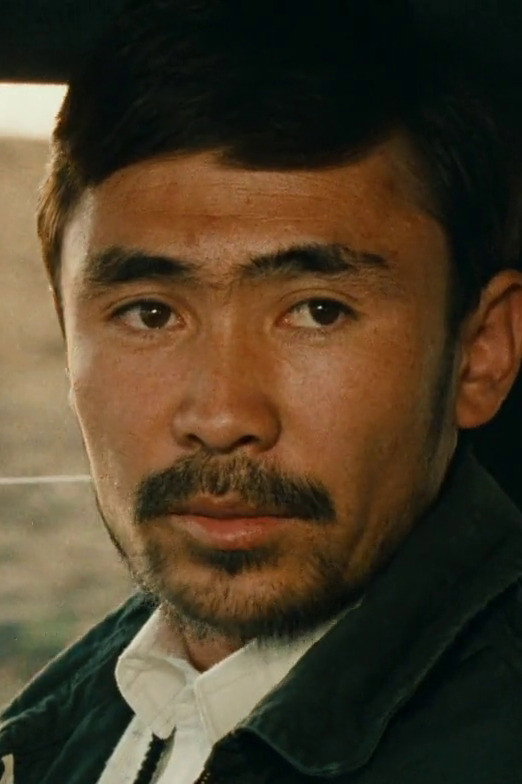
Taste of Cherry is a moving, demanding film about how difficult it can be to listen when another person’s wishes frighten us. Abbas Kiarostami gives Mr. Badii, played by Homayoun Ershadi, a practical purpose: he drives around Tehran looking for someone to bury him after his planned suicide. The request is clear, while the ethical problem it poses grows harder the longer we consider it. Kiarostami asks us to spend time with that difficulty, and largely earns the attention he requires.
Ershadi’s contained performance helps because a more demonstrative one could have told us what to feel before anyone had replied. He gives Badii enough reserve to make us work at staying close to him. That can be frustrating, particularly when we want an explanation that would make his purpose easier to understand. Yet we remain concerned about what happens to this man, even when the talk starts to turn him into a philosophical problem.
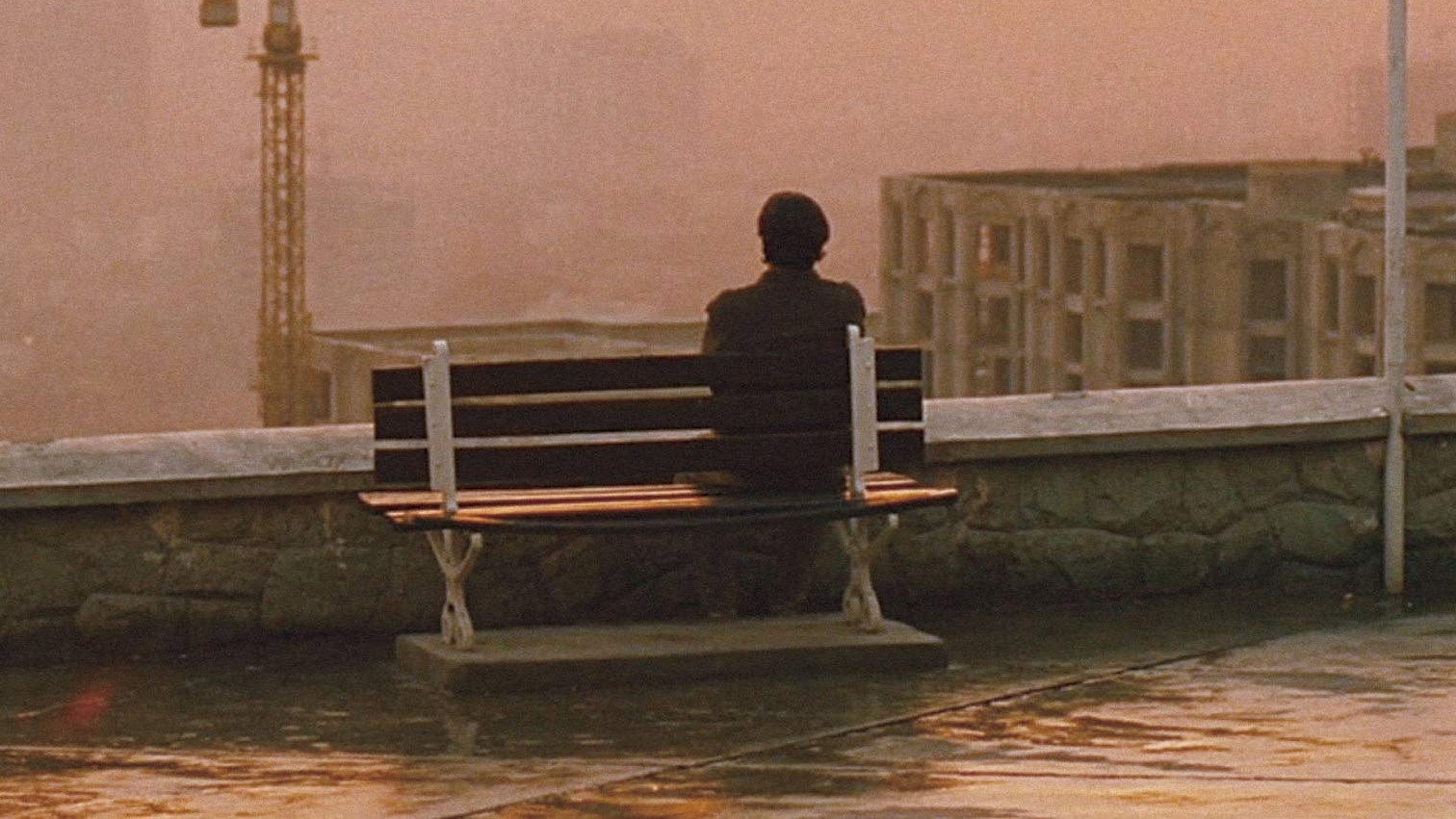
Homayun Payvar’s cinematography makes the changing scenery and colour worth attending to without offering an easy escape from the conversation. We keep looking at the world Badii is travelling through, and there is more happening in it than his immediate business. We were moved by the noisy industrial desert, where the activity around Badii makes his isolation harder to bear. Physical work carries on in a place that might otherwise seem empty. It gives Kiarostami a concrete way to place this private suffering among other people’s daily concerns.
Kiarostami also edits, and he lets the repeated encounters establish an unhurried pace, giving us time to consider what is being asked. Each new conversation alters how we judge the request. The repetitions do sometimes feel overextended, particularly when we have grasped a speaker’s position and are ready to move on. At those points Kiarostami seems reluctant to end a discussion whose terms are already clear.
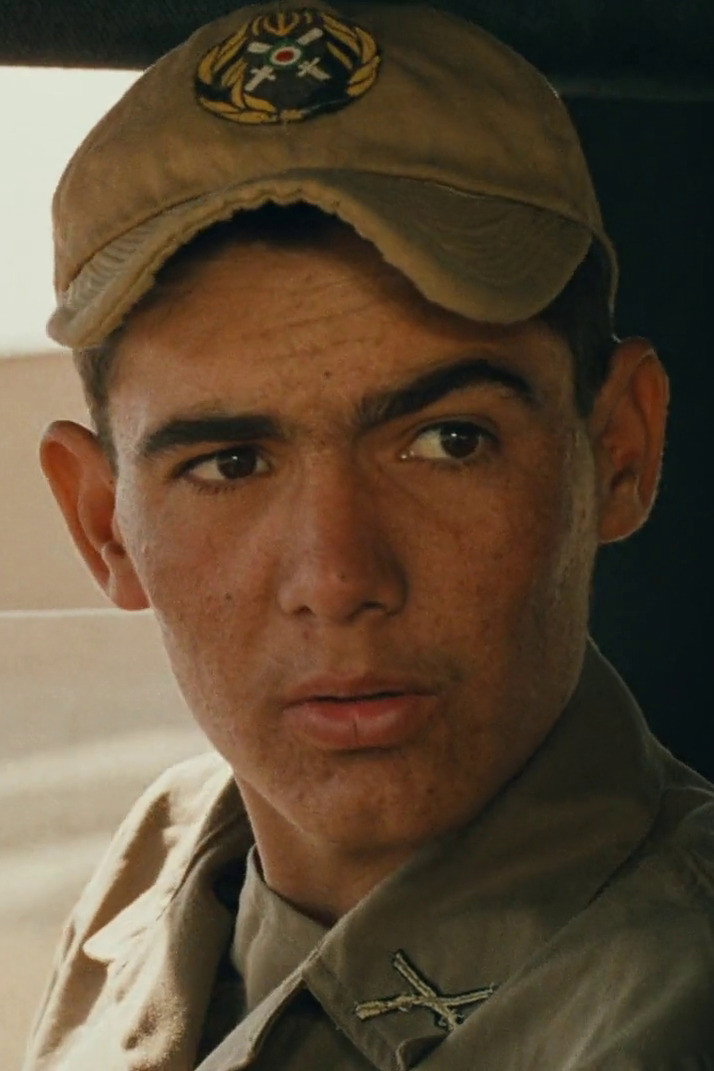
The soldier played by Safar Ali Moradi and the seminarian played by Mir Hossein Noori help Kiarostami keep the encounters distinct. Their presence gives each conversation a different starting point, though Badii’s need remains the same. As a writer, Kiarostami is interested in the pressure put on the person being asked for help: agreeing is difficult, but so is sending the man away. We are left considering what we would actually say, with little confidence that it would be useful.
A drama about suicide can become a succession of speeches about why life is worth living. This film’s suggestions that nature might offer comfort are modest enough to be taken seriously. There is room to find comfort in what the men say and still recognise the limits of their advice. The film respects the seriousness of Badii’s despair, and its interest in ordinary life never requires us to think him foolish for suffering.
At 99 minutes, this is not a long film, though its repetitions can make it feel longer. It needs an evening when there is no particular hurry, and a willingness to hear out people whose answers may seem inadequate. That is a fair demand for a film as humane as this one. Watch it with someone who will let the conversation continue afterwards.