Abbas Kiarostami makes a moving, occasionally taxing romance out of two people arguing about authenticity. Juliette Binoche gives the talk its urgency, though the film asks for more patience than every exchange deserves.
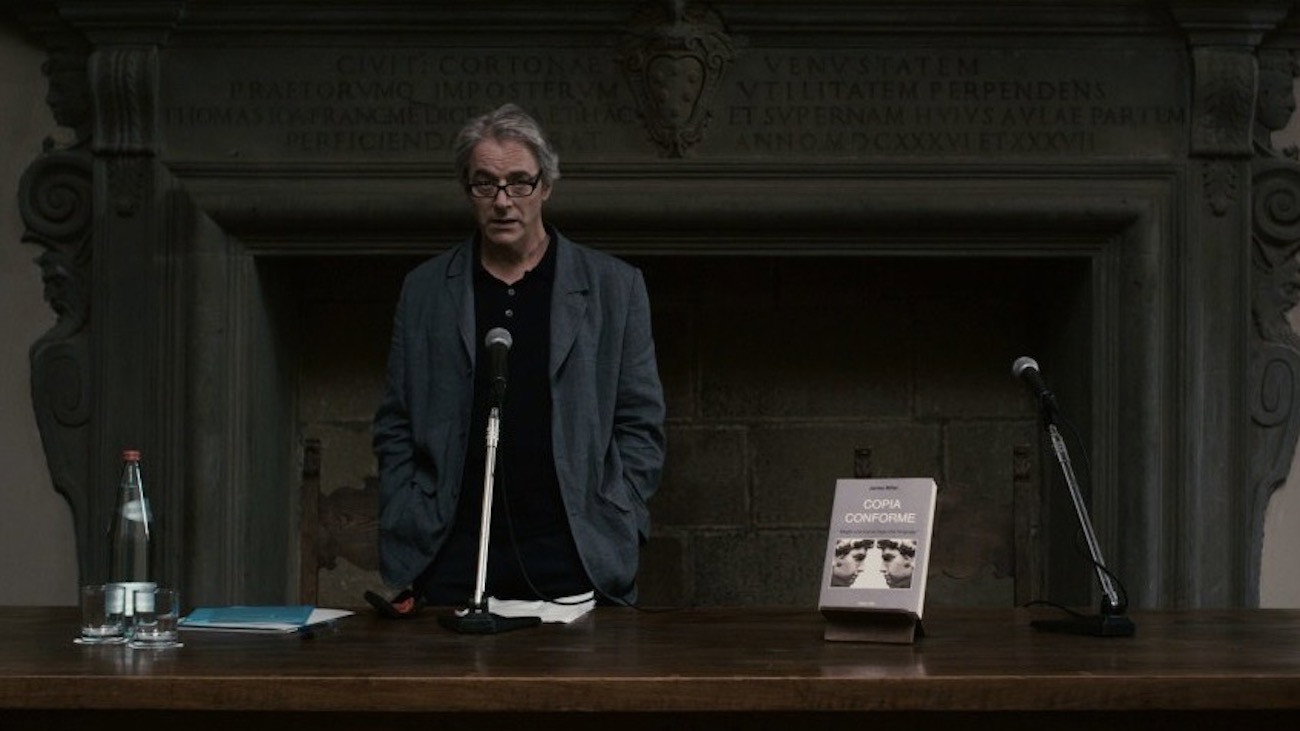
Certified Copy is a moving romance, provided we can forgive some laborious talk along the way. Abbas Kiarostami, who writes and directs, starts with the value of originals and copies and considers what that might mean for two people trying to understand each other. Elle and James Miller are capable of turning almost any exchange into a disagreement. The film earns our attention by making those disagreements matter, though it occasionally lets them go on too long.
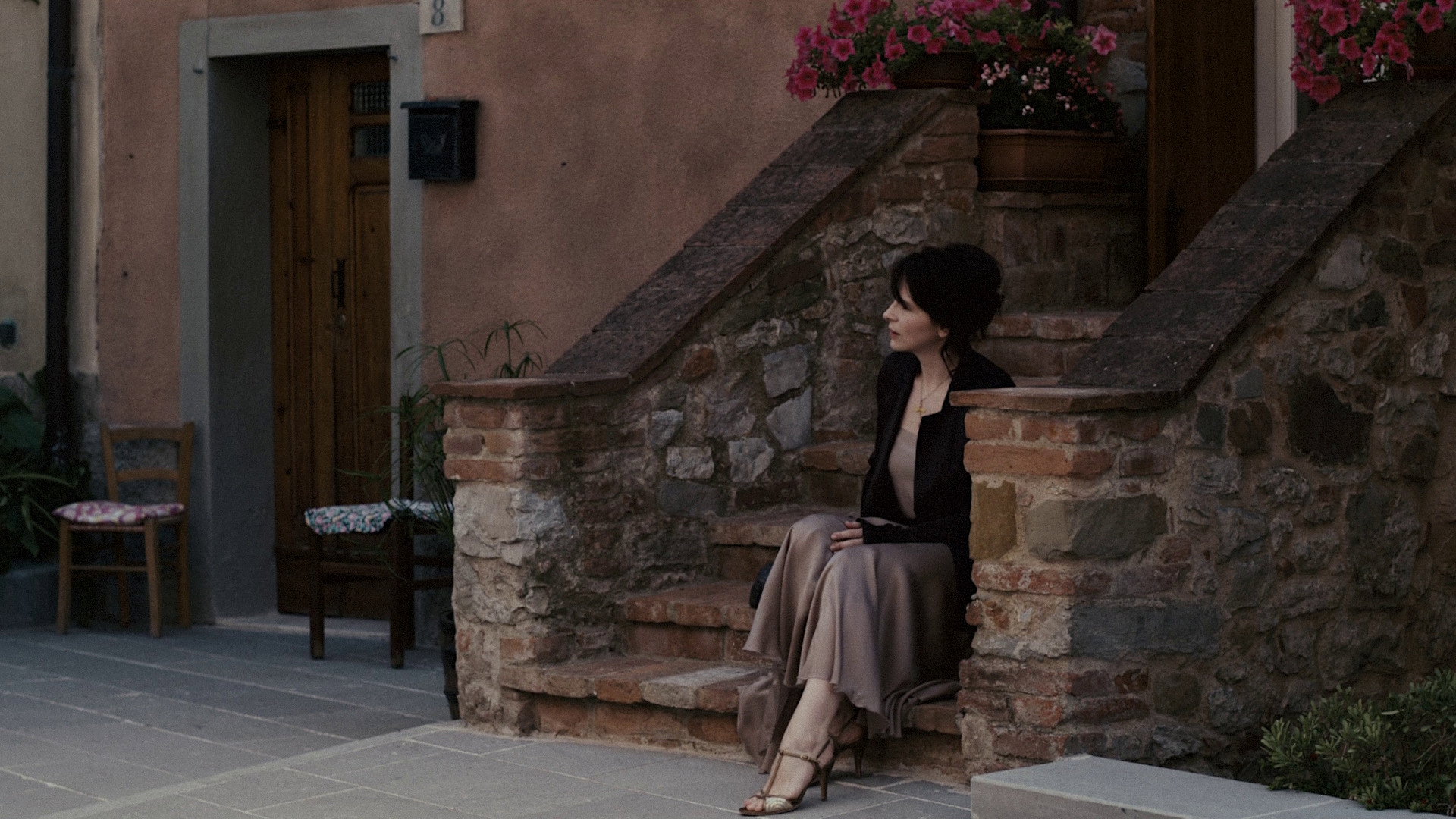
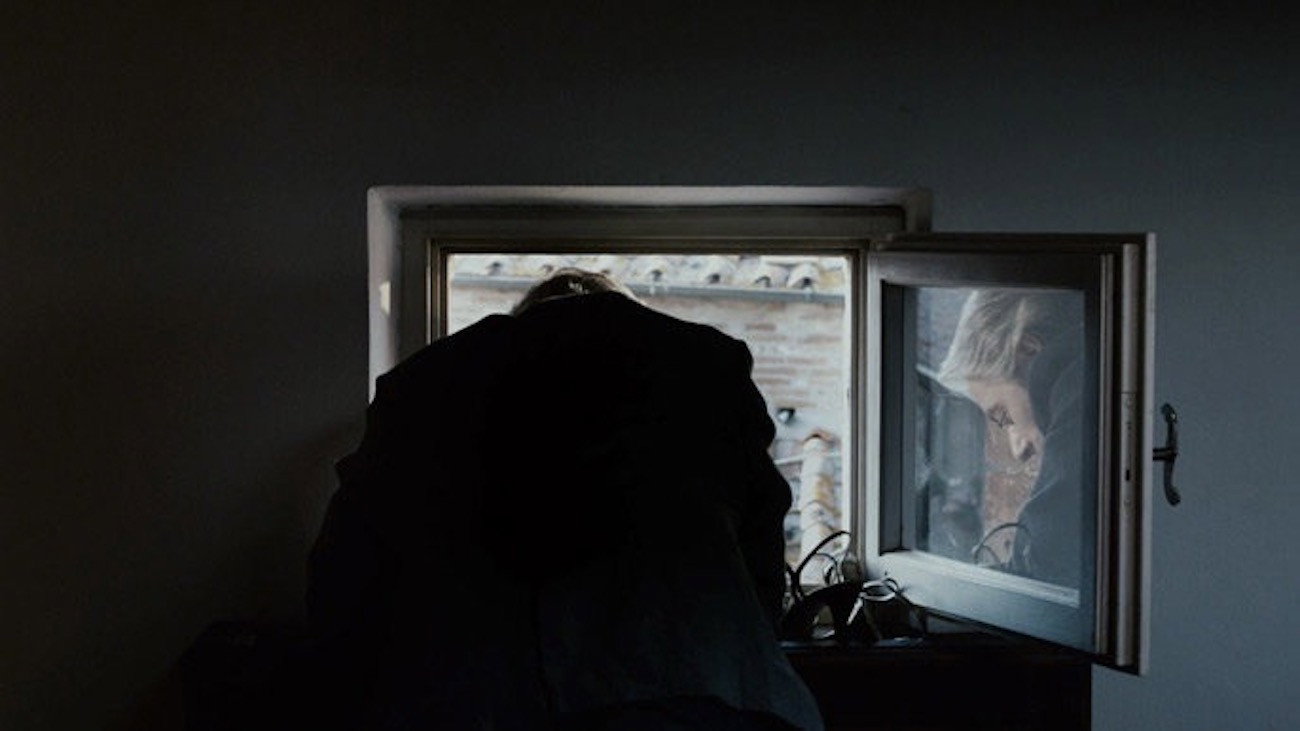
The Tuscan drive gives that talk somewhere to go. Cinematographer Luca Bigazzi uses reflections to keep the passing surroundings visible alongside the people in the car, so we have something to watch while listening. We keep looking between the faces and the reflected light, noticing changes in expression as well as changes in the view. The drive gives us time to look closely at both performers, without making their surroundings feel like something added to relieve the dialogue.
Production designers Giancarlo Basili and Ludovica Ferrario help make Tuscany feel like a place these people can occupy without being overwhelmed by the scenery. We can enjoy looking at the locations without losing sight of how uncomfortable the exchanges have become. The naturalistic soundtrack is useful here, too: it allows us to attend to the friction between the speakers without prescribing an emotion for every remark. We are left to decide when something has hurt.
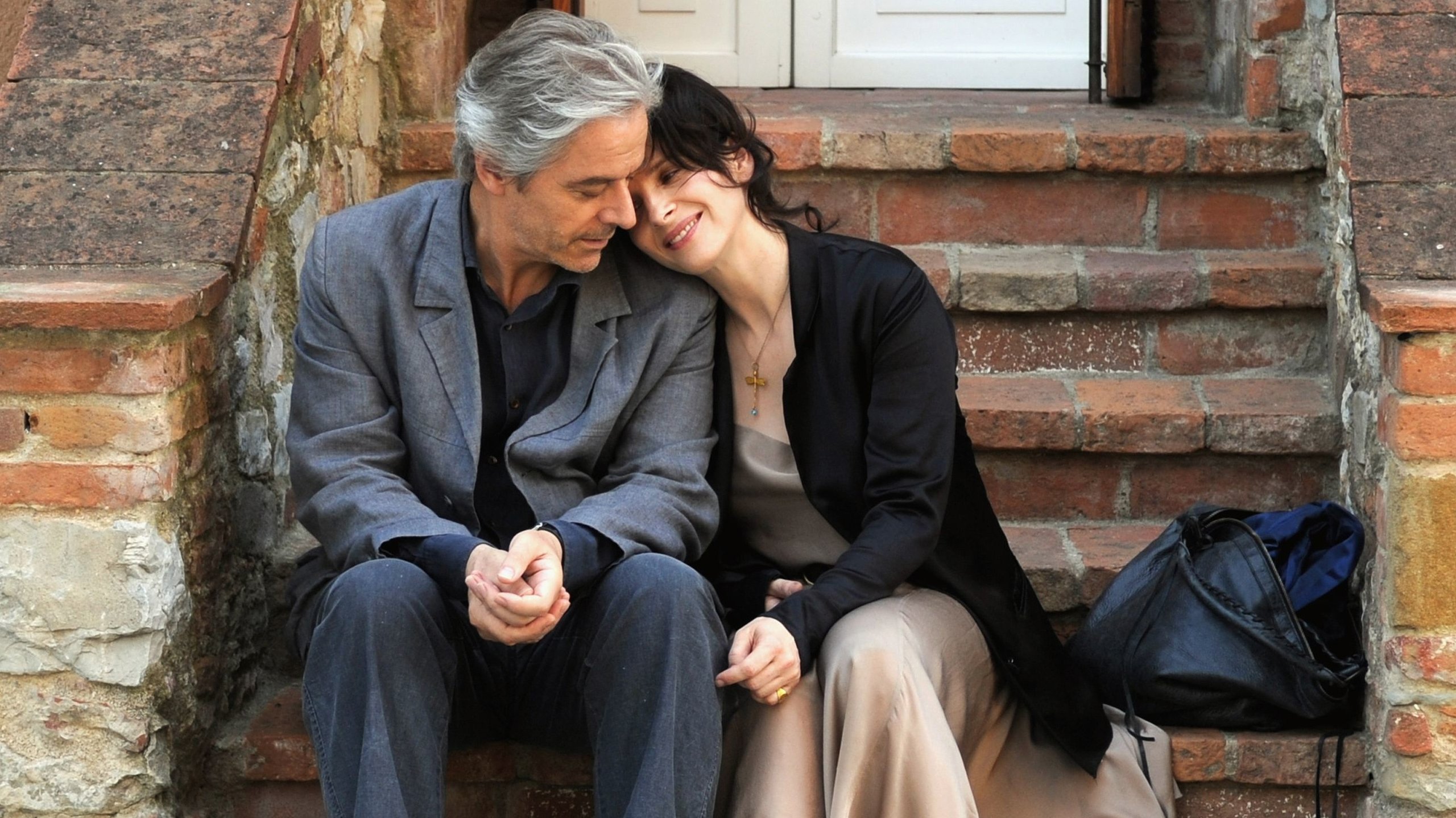
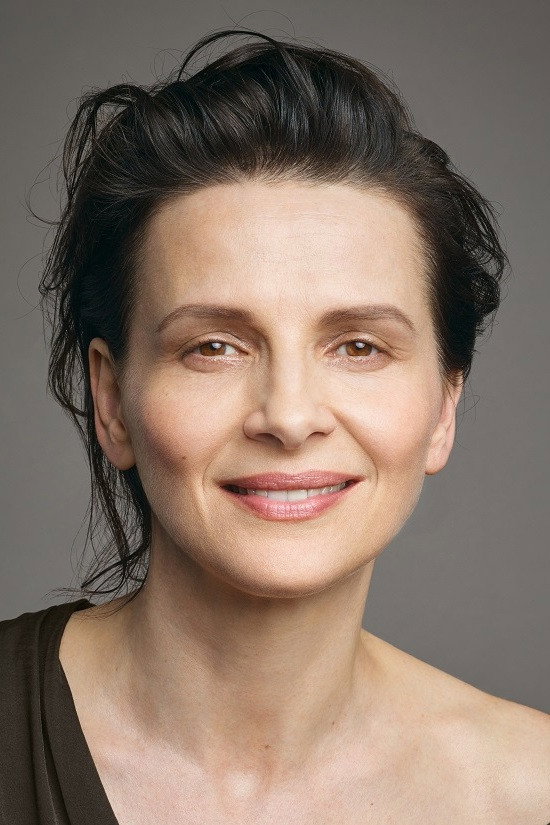
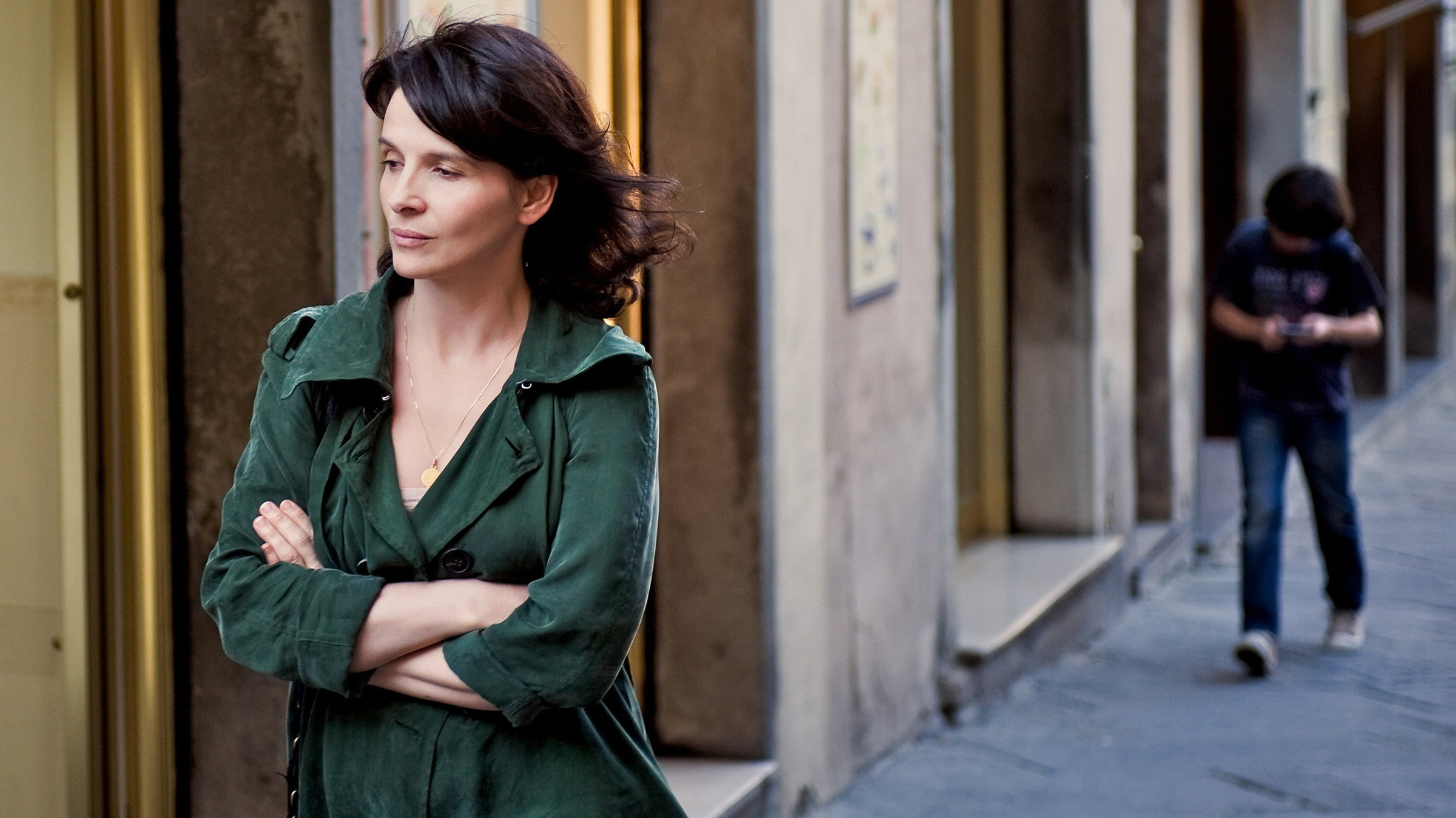
Juliette Binoche is the reason the film’s uncertainties do not become an excuse to stop caring. Elle has an urgent need to be heard, and the performance makes even the more elaborate discussions feel as if something personal depends on the reply. We were moved by the anger and tenderness passing across her face in the long takes; she seems painfully exposed while the conversation continues. We do not need a settled account of her circumstances to recognise that feeling.
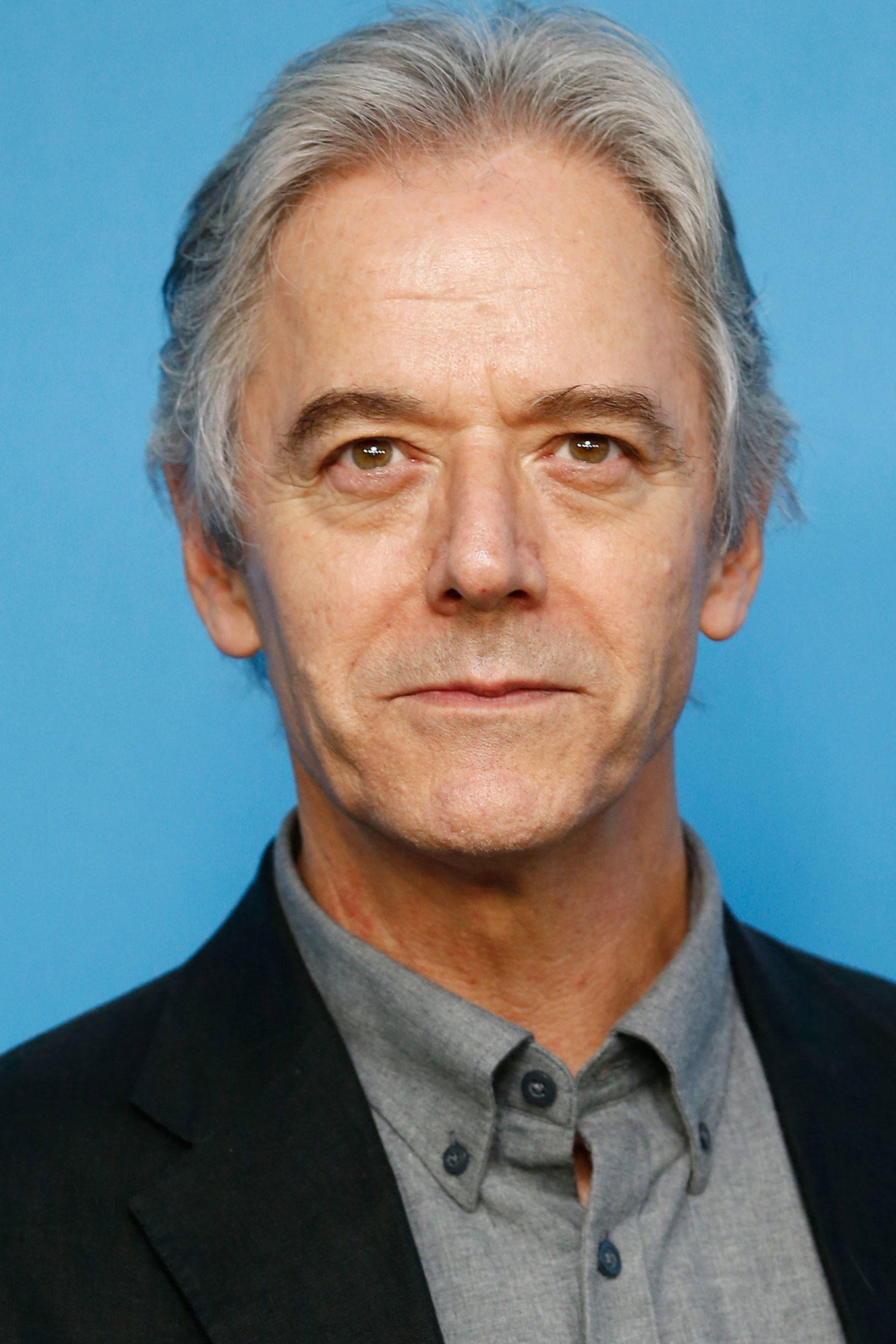
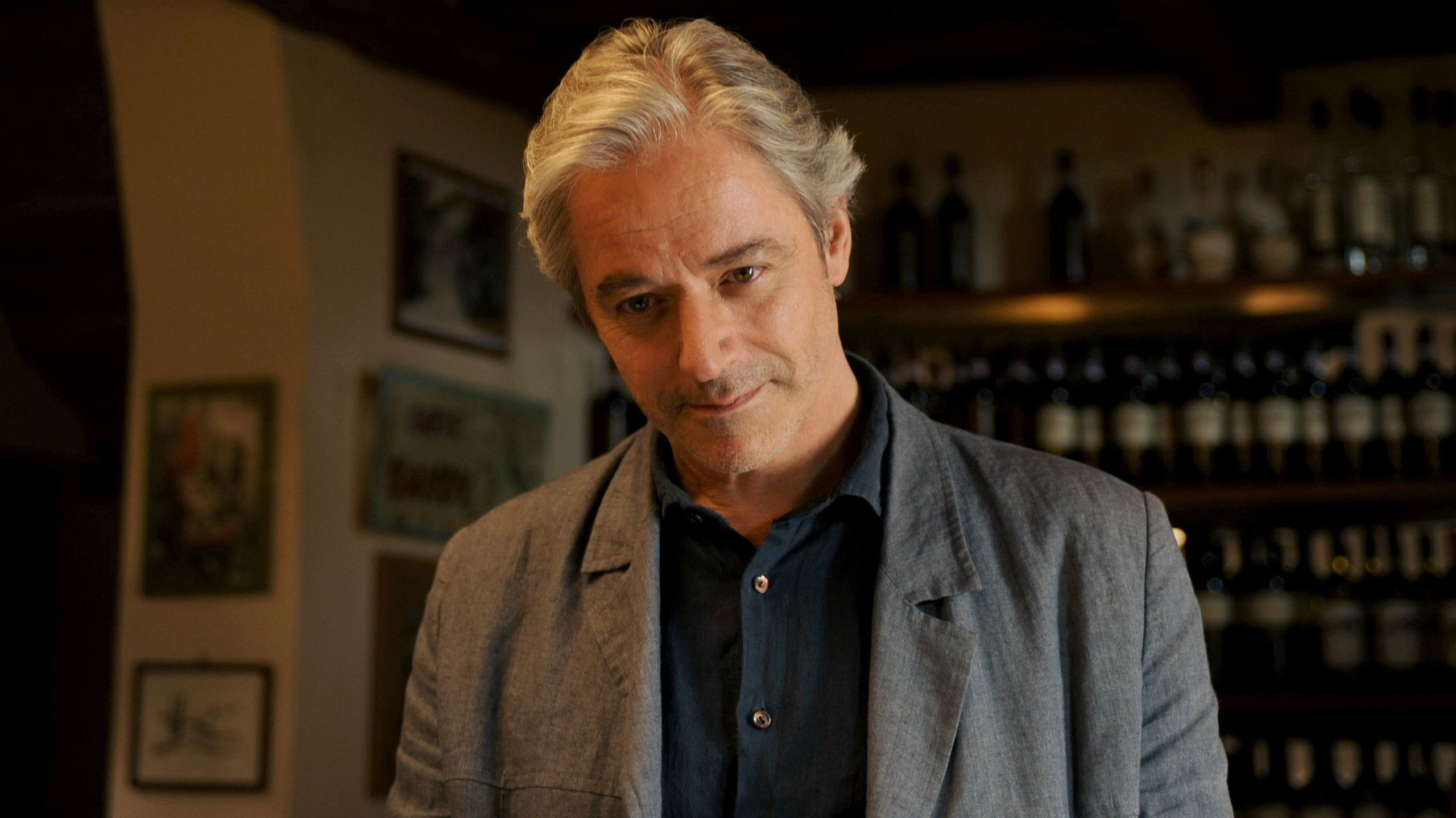
William Shimell makes a useful, sometimes frustrating partner. His reserve gives Juliette Binoche something to push against, though there are exchanges in which James Miller sounds too much like a position the screenplay needs defended. The early dialogue can be laborious, and an argument about authenticity is no more interesting merely because the setting is attractive. Some of these conversations could lose a few lines without losing any of the doubt they are intended to create.
Editor Bahman Kiarostami generally gives the actors the time they need. Holding a face through a lengthy exchange lets us notice the effort of listening, as well as the temptation to stop. The slow pace also makes the weaker dialogue more conspicuous, because there is little opportunity to hurry past it. For the most part, though, the actors reward the attention: we stay interested in how they respond even when the subject under discussion has begun to tire us.
Romantic films often make disagreement entertaining by giving both people a ready supply of sharp replies. Here, the awkwardness persists, and the uncertainty about the relationship may annoy anyone who wants clear answers. There is enough recognisable hurt and affection to make that uncertainty worth accepting. Watch it with someone willing to argue afterwards. Perhaps agree on a different subject for the journey home.