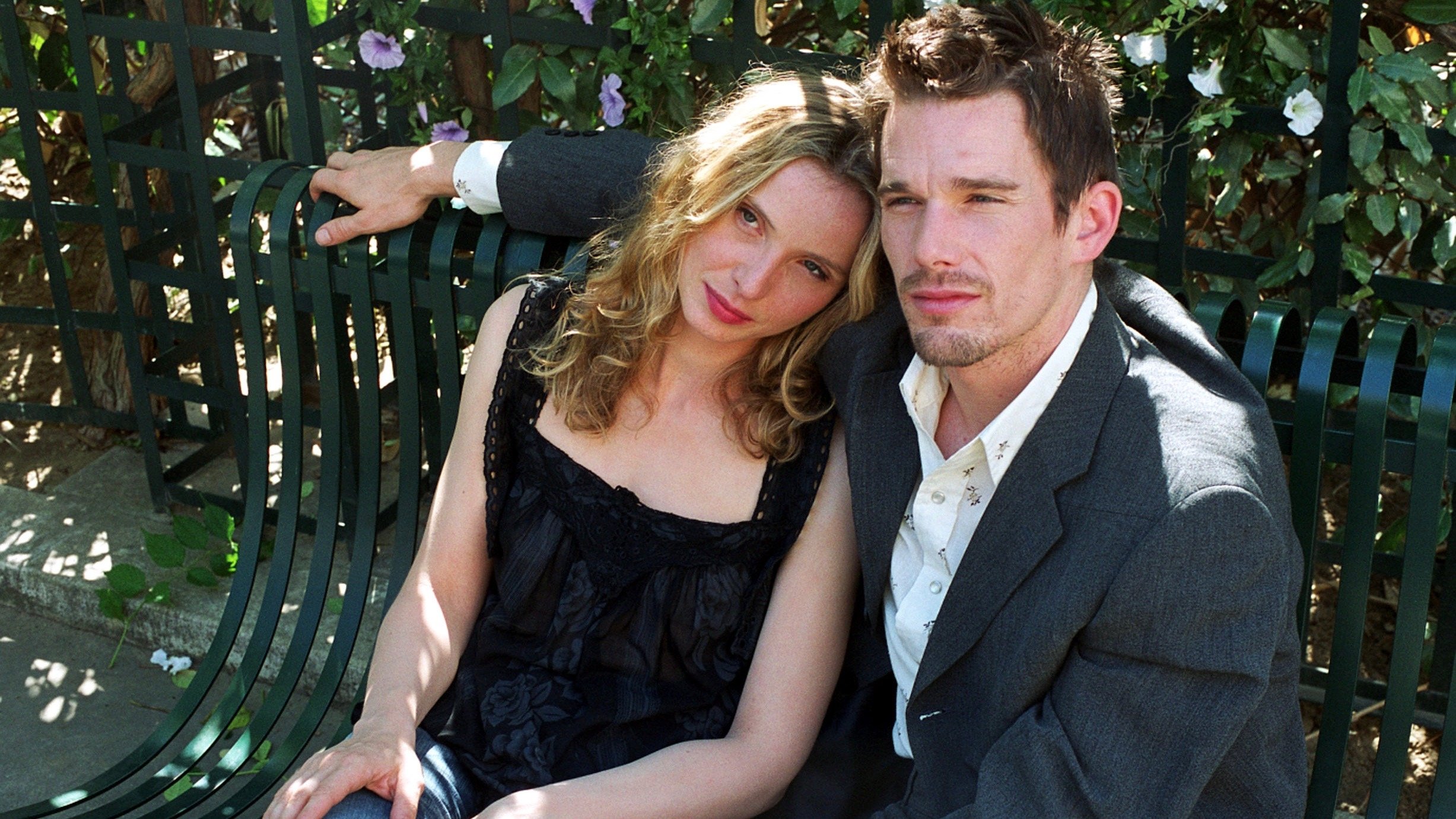
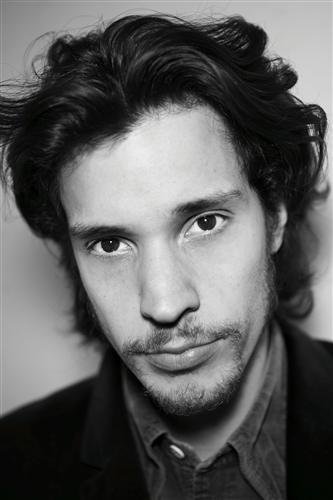
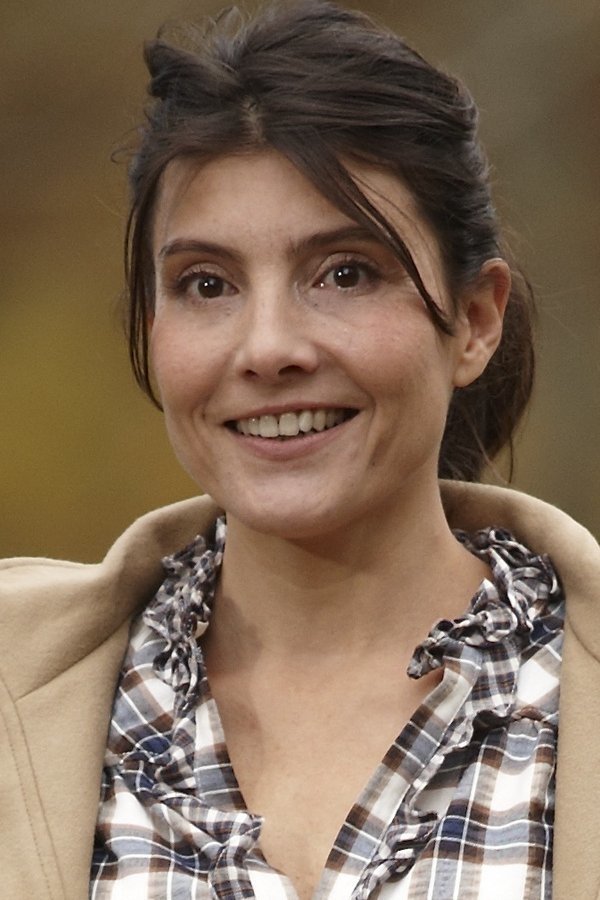
Richard Linklater’s Before Sunset is a romance we would recommend to almost anyone. Ethan Hawke and Julie Delpy make its long conversations gripping, even when the dialogue sounds a little too carefully prepared.
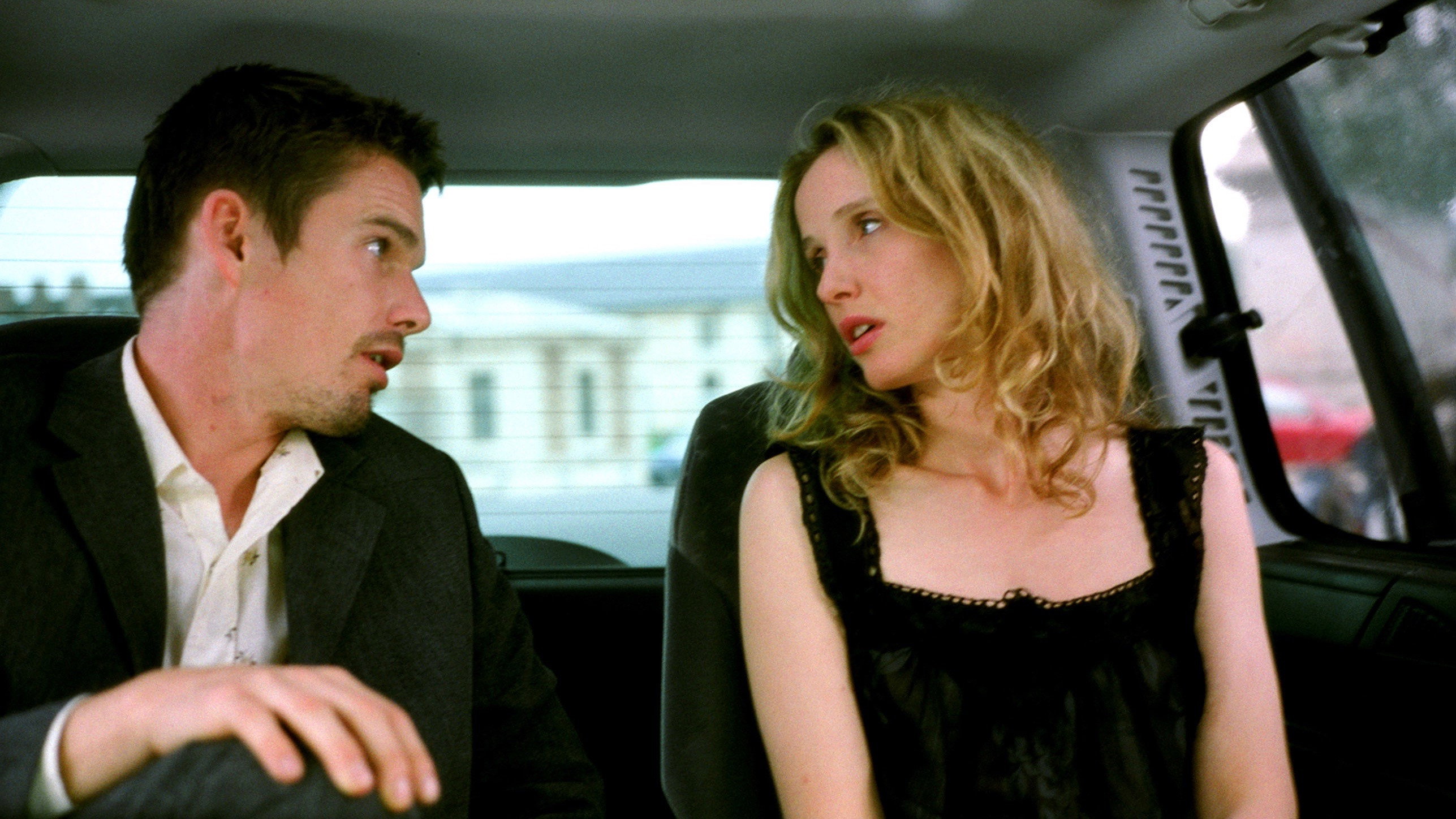
Richard Linklater asks us to spend 80 minutes listening closely to two people, and gives us ample reason to do it. In Before Sunset, Jesse and Céline meet again in Paris nine years after their earlier romance, with enough familiarity to talk freely and enough uncertainty to make that freedom risky. We would recommend it even to those who normally grow impatient with talkative romances. Every change of subject raises the possibility that they are about to say something they cannot take back.
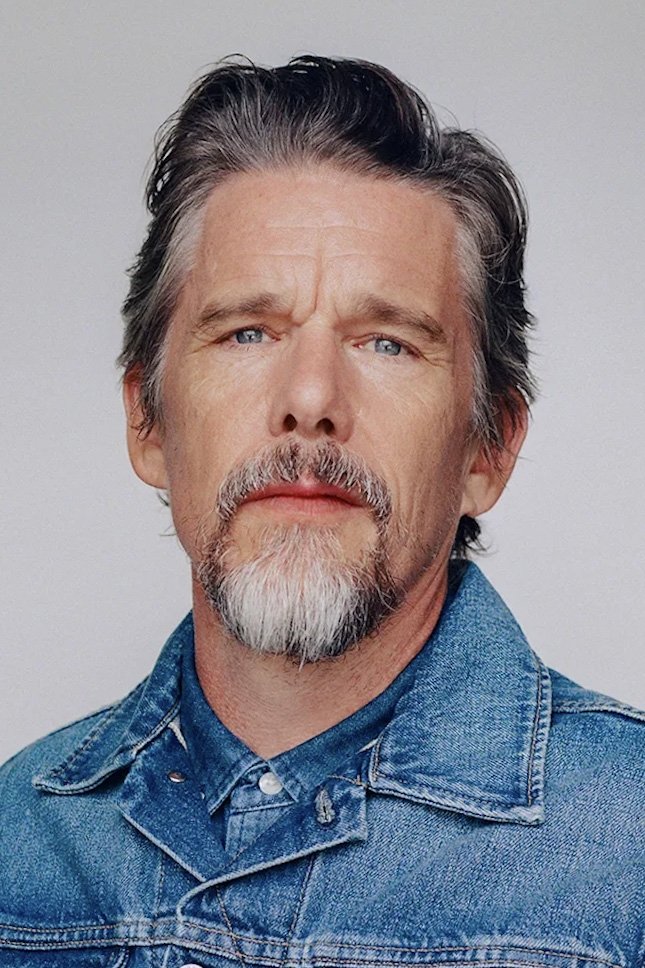
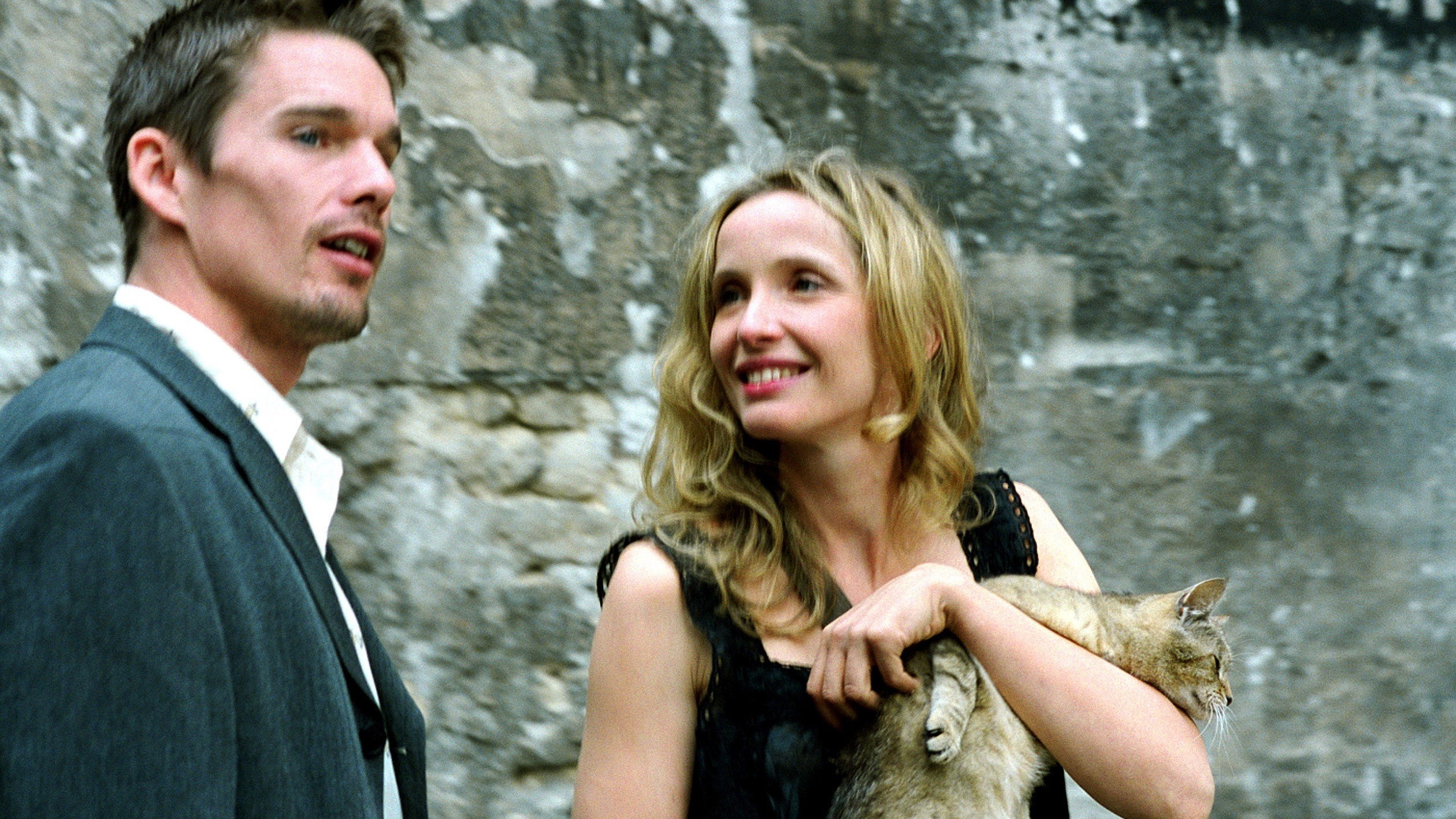
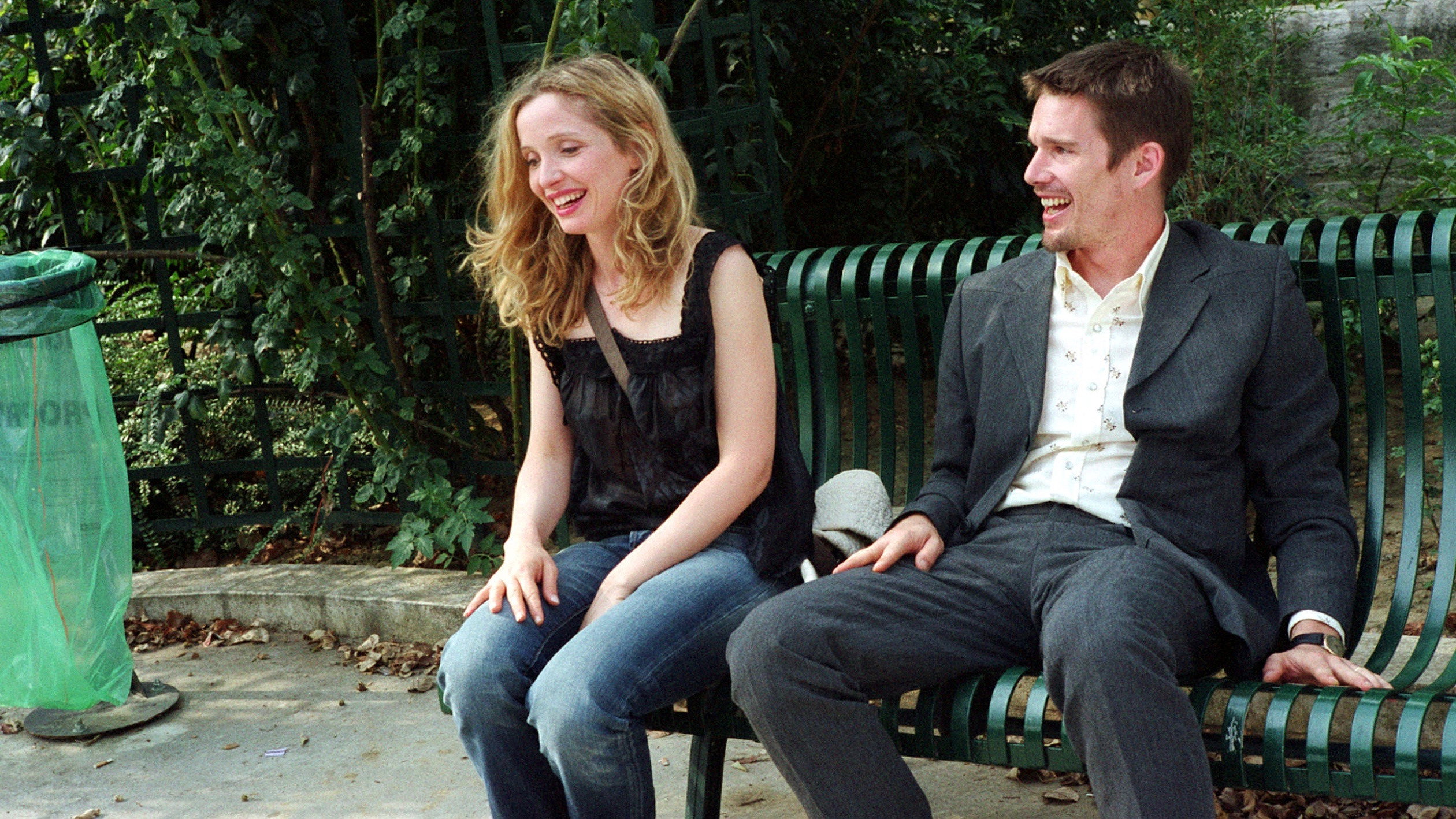
Ethan Hawke’s Jesse and Julie Delpy’s Céline have the conversational ease of people who remember enjoying each other’s company. The actors also make us notice how much effort goes into sounding casual. Hawke lets Jesse’s wish to impress remain visible; Delpy gives Céline’s candour an edge that makes easy reassurance difficult. We felt unexpectedly anxious when their banter gave way to talk of disappointment: they sounded like people who could still hurt each other. The affection is convincing enough for an ill-judged remark to matter.
The screenplay is credited to Linklater, Hawke and Delpy, and the actors sound comfortable pursuing a thought beyond the point where most scripts would change the subject. They allow their characters to be funny, repetitive and occasionally irritating. A remark can be offered as an opinion, then start to sound like a question about the person hearing it. We recognise the habit of discussing life in general when asking a personal question would make the speaker feel too exposed.
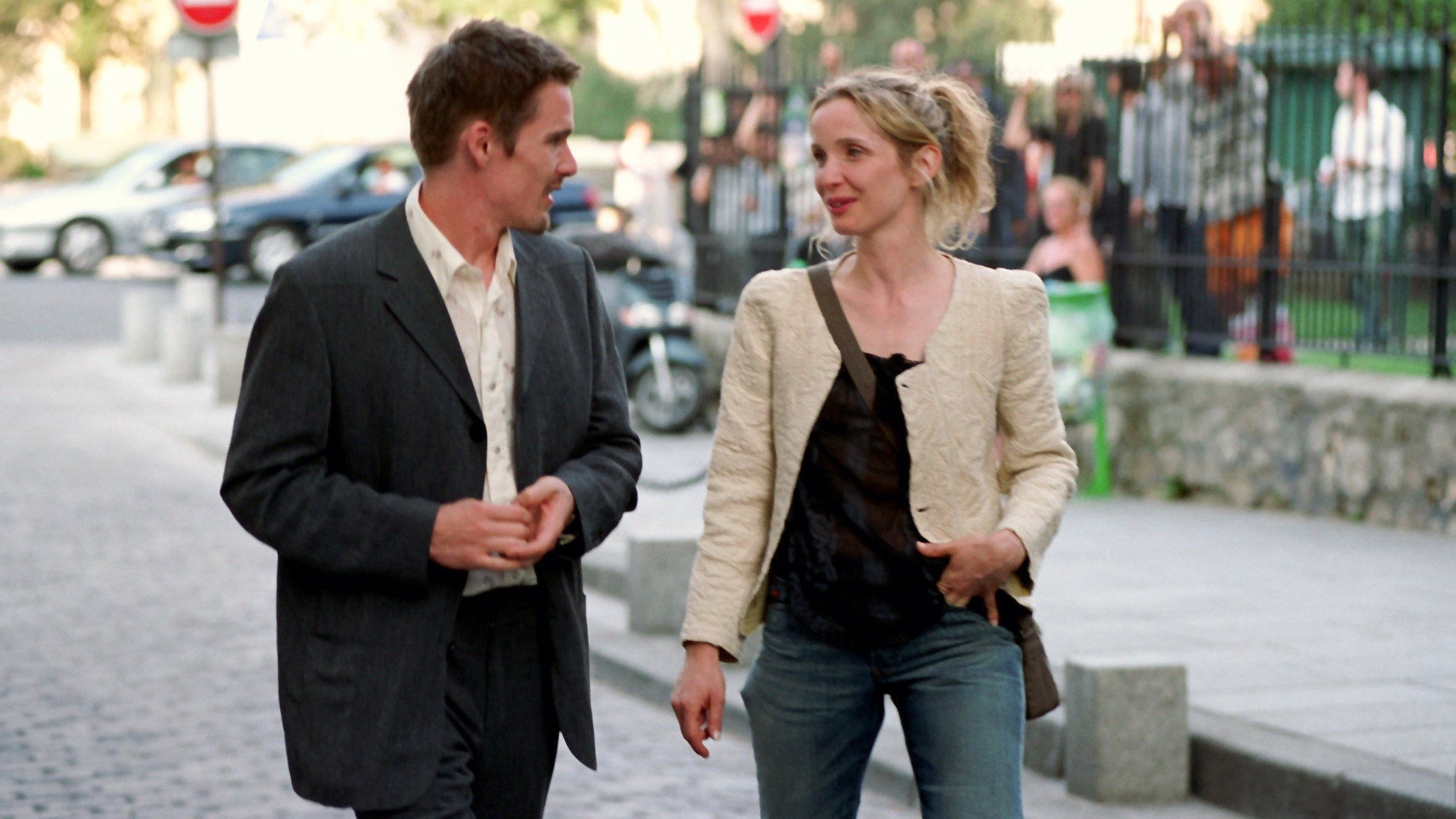
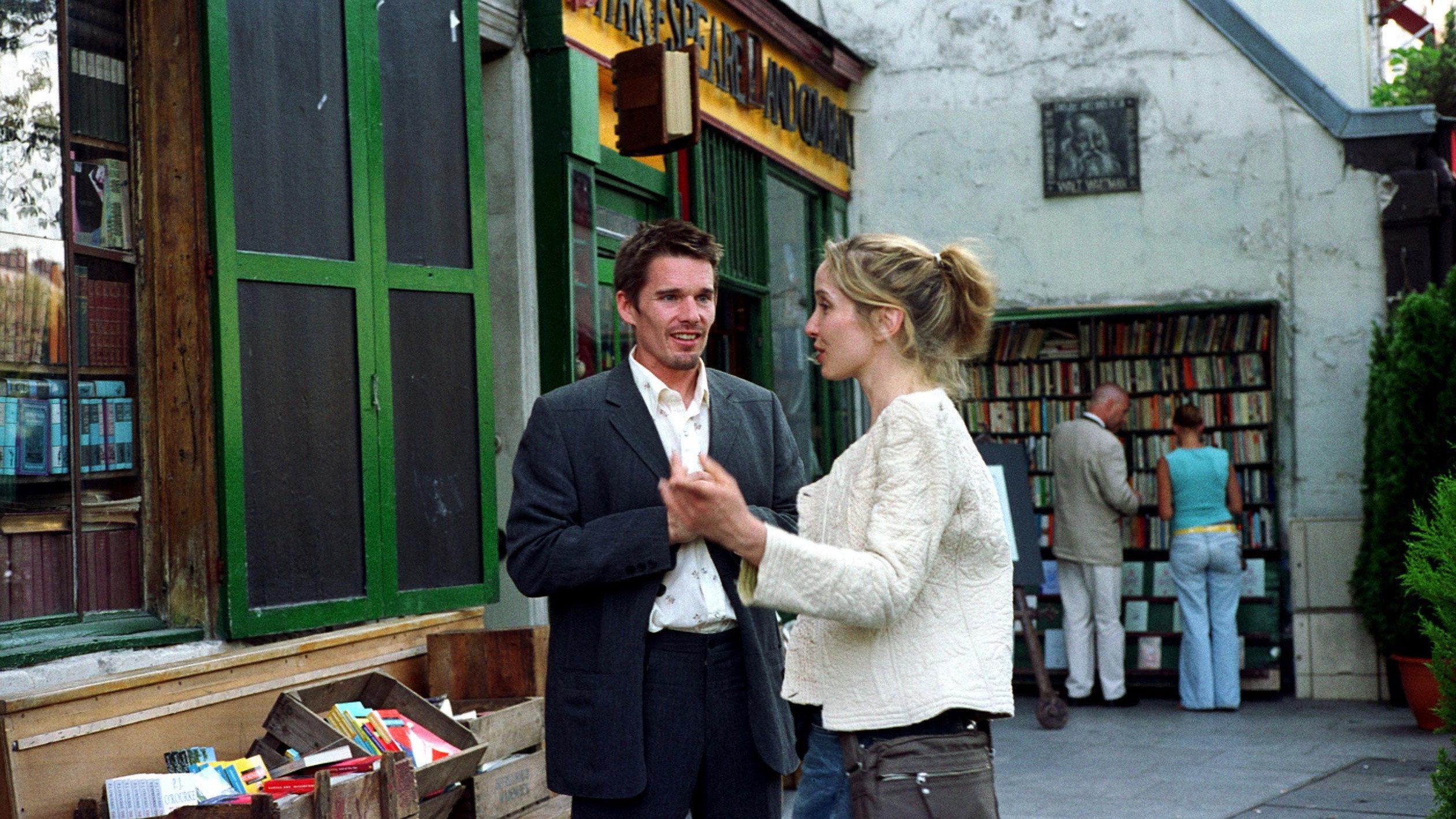
Lee Daniel’s cinematography keeps pace with the pair in long, warmly lit tracking shots, allowing their talk to find its rhythm. Paris is attractive without requiring a separate pause for admiration. Baptiste Glaymann’s production design is similarly unobtrusive, leaving the surroundings secondary to the conversation. The city remains present as they walk, but Daniel gives us time to watch the actors listening as well as speaking.
Sandra Adair’s editing preserves the sense of a conversation unfolding in real time, without making its continuity feel like an exercise. The long takes earn their length because the balance between the two people keeps changing. At 80 minutes, there is little opportunity to forget an awkward remark before its implications become apparent. Linklater trusts us to remember what has been said, and to notice when the subject has been changed a little too quickly.
There are exchanges where that conversational fluency becomes too polished. Linklater, Hawke and Delpy sometimes give their characters observations that sound prepared for an appreciative audience, and the pair’s self-absorption can become tiring. We wanted a little less ready-made wisdom in those passages. The performances keep them tolerable: neither actor insists on being charming, and their occasional vanity feels plausible in people hoping to make a good impression on someone whose opinion still matters.
As a romance, it gives unusual weight to the work of catching up: deciding what to disclose, judging a response, trying again. The pleasure comes from seeing two articulate people discover that being able to talk does not settle what they need to say. Linklater lets regret complicate their pleasure in meeting, and takes their disappointments seriously enough to make us care about what they risk by speaking frankly. Watch it with someone who will want to talk afterwards.