Film review

Journey to Italy

1954 · Directed by Roberto Rossellini · 1h 25m · MPA NR

In a sentenceNaples has plenty to look at when looking at your spouse becomes difficult

DramaRomance

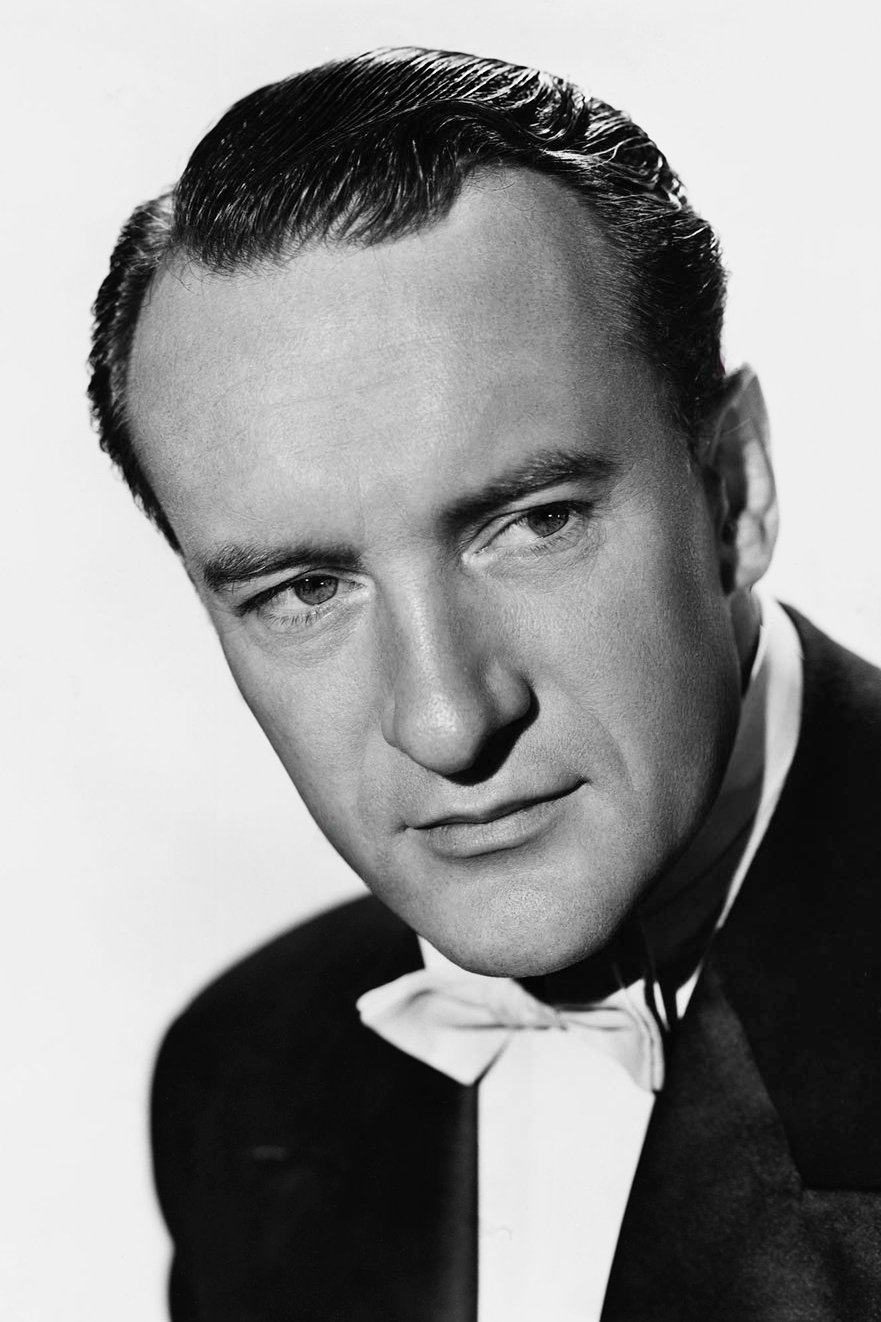
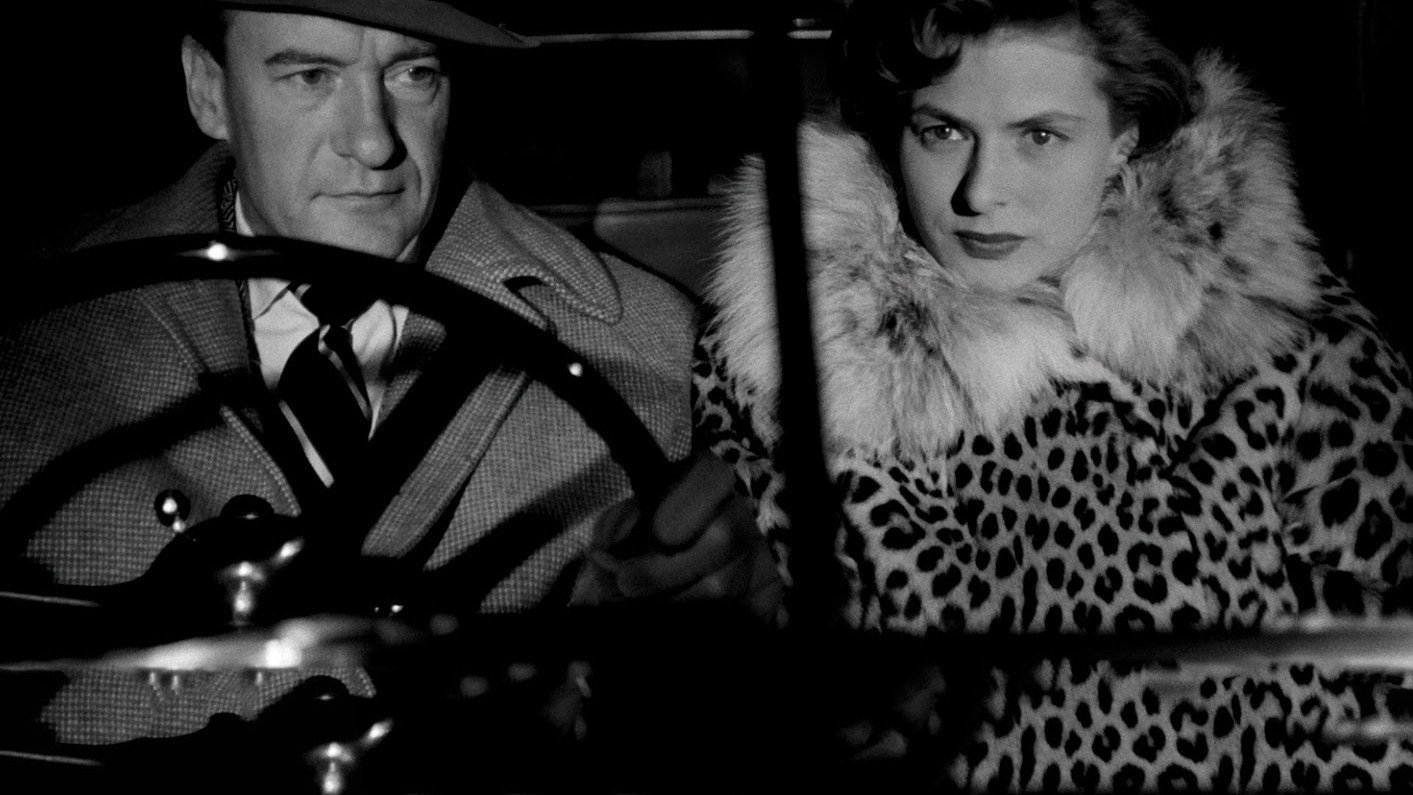
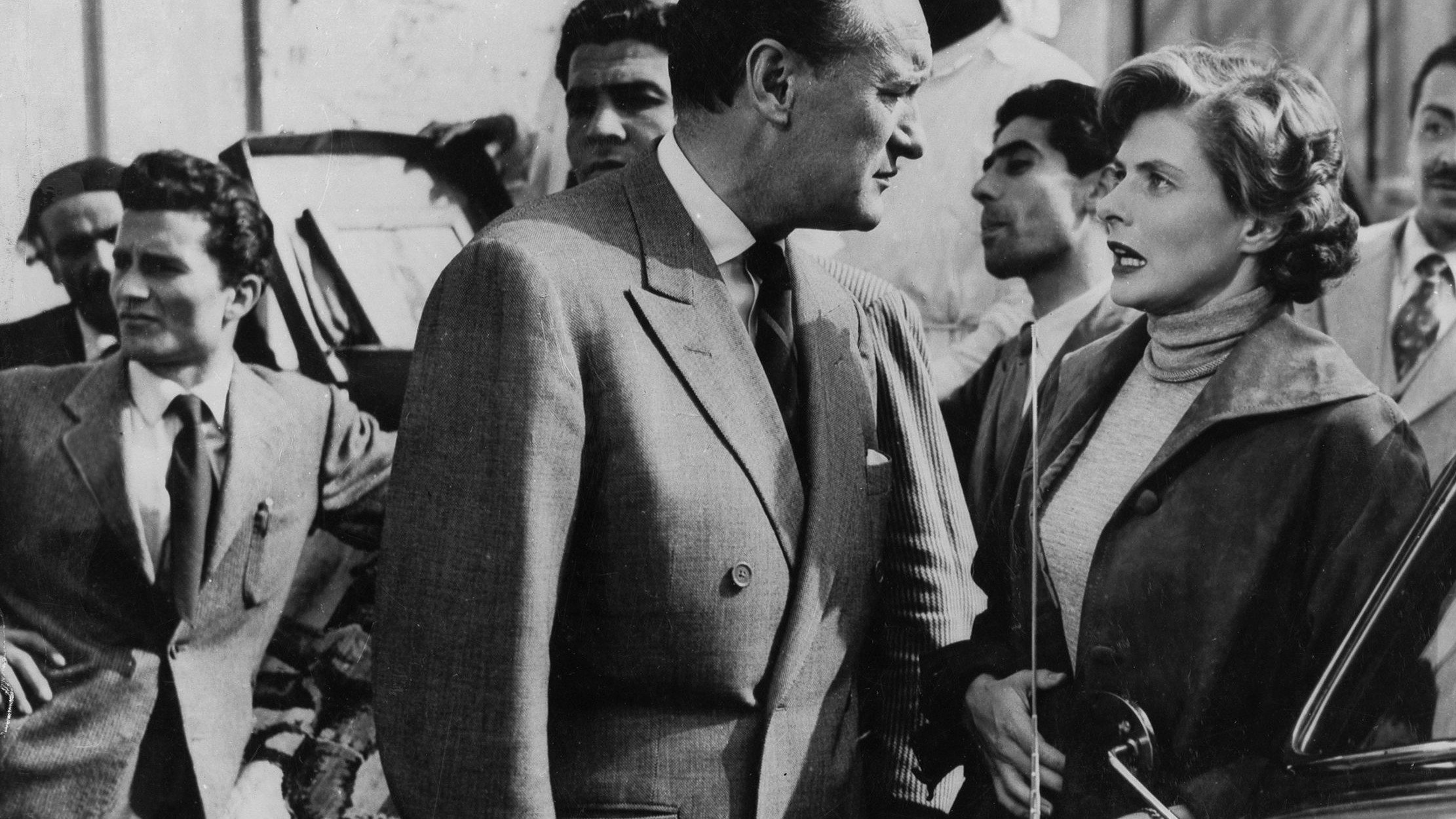
Katherine Joyce (Ingrid Bergman) and Alex Joyce (George Sanders), an English married couple, visit Naples to sell property. Tony Burton (Leslie Daniels) also figures in their story, but the couple’s shared business soon competes with the strain in their marriage. Katherine’s anxiety and Alex’s reserve make their time together uncomfortable. The sale gives them a task to complete, while the sights and customs of Italy give them something beyond each other to consider. As they spend time away, their unhappiness becomes harder to ignore, and a practical journey exposes how difficult they find being husband and wife.

Plays from YouTube when you press play; nothing loads from them until then.

Fi1m review

Roberto Rossellini makes a compelling drama from an English couple’s inability to enjoy being together. Ingrid Bergman and George Sanders keep it painfully recognisable, though the leisurely pace sometimes becomes a drag.

Journey to Italy is a fine, occasionally frustrating film about a couple who have run short of things to say to each other. Katherine Joyce and Alex Joyce are English, married and in Naples to sell property, which gives them business to discuss when affection fails. Roberto Rossellini takes the ordinary discomfort of being alone with someone familiar and makes it worth sustained attention. We recommend it, with the warning that the pauses can ask rather more patience than the arguments.

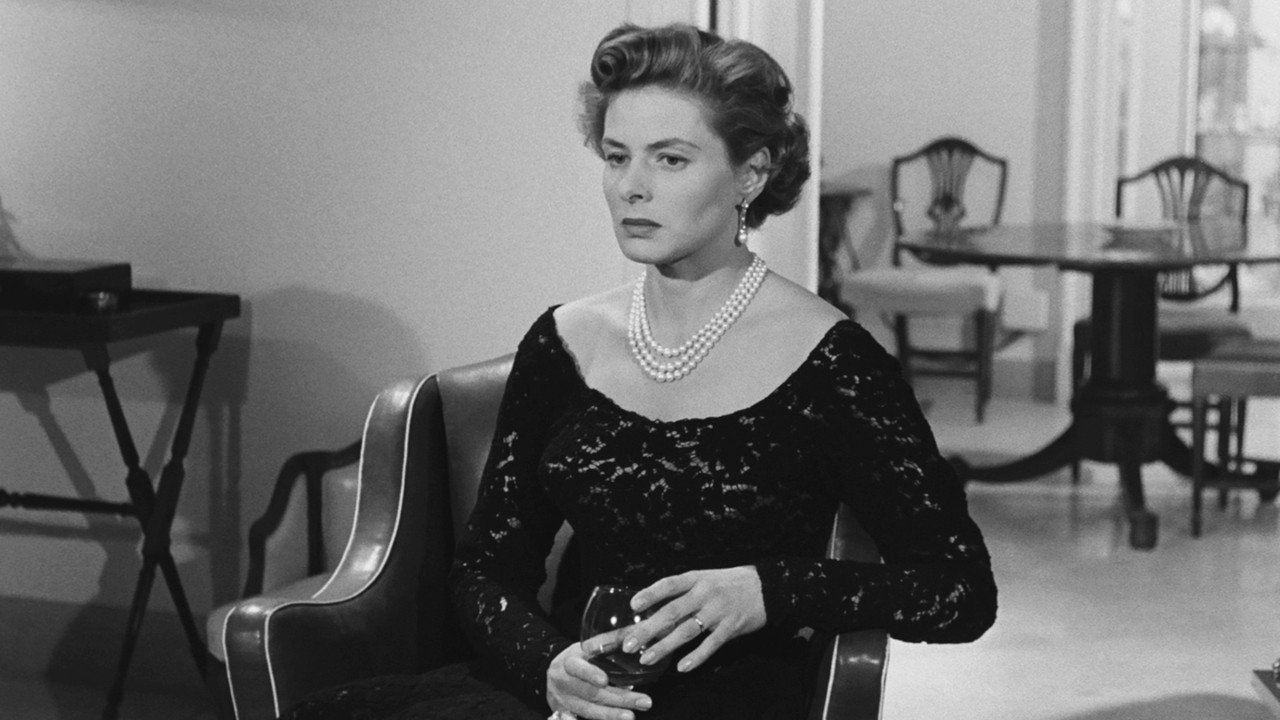
Ingrid Bergman gives Katherine an unease that is difficult to dismiss as mere dissatisfaction with a holiday. George Sanders makes Alex’s stiffness a considerable obstacle: his composure can seem like a judgement on anyone who cannot maintain it. We were upset by the way her agitation meets his reserve, because he makes her unhappiness seem like an embarrassment. They do not need to explain every grievance for us to recognise the difficulty of spending another day together, or the effort involved in appearing civil.

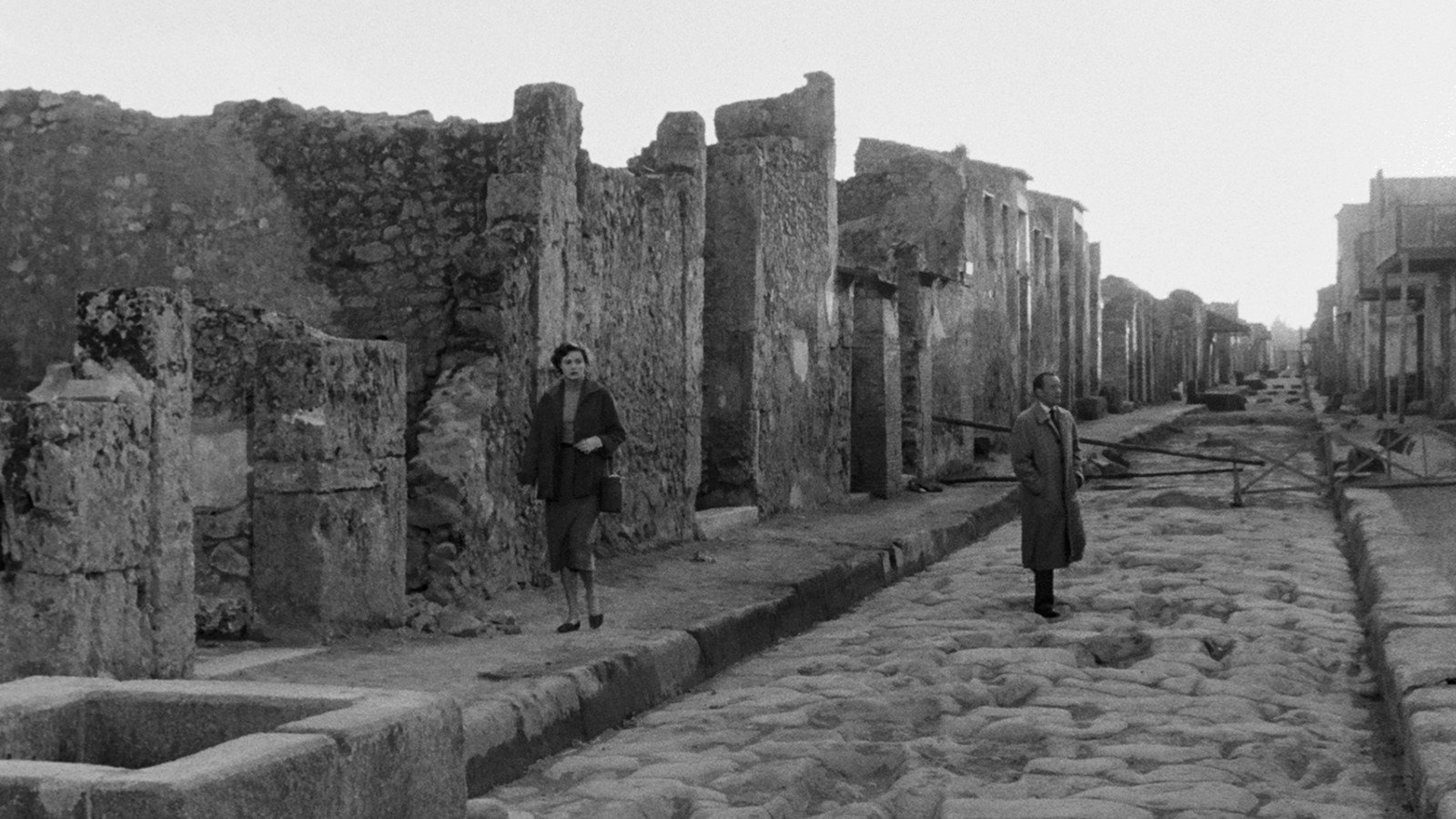
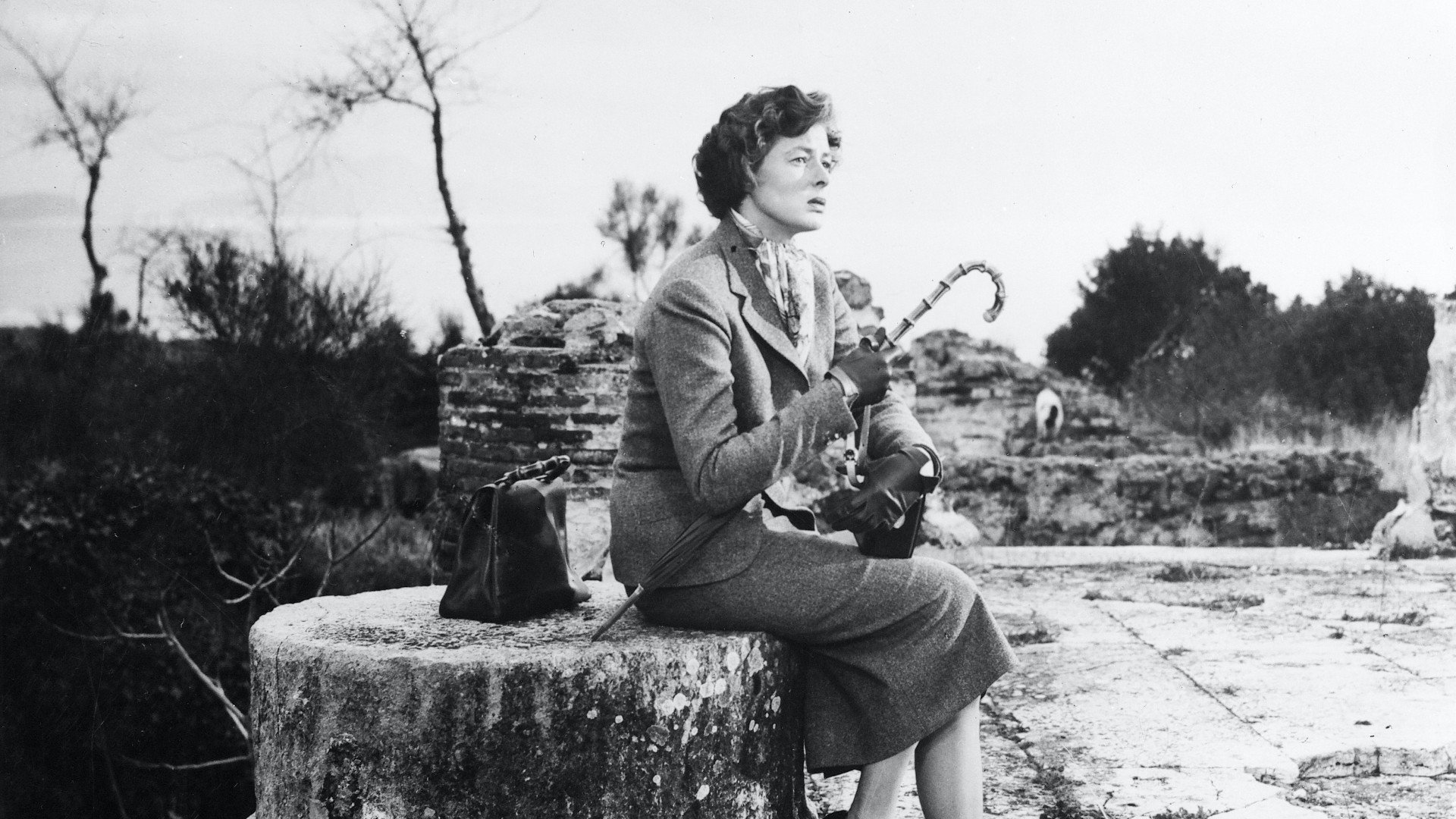
Enzo Serafin’s cinematography lets the Italian surroundings compete with the couple for our attention, and the film benefits from that divided interest. Naples has a life that does not depend on these visitors resolving their problems. Piero Filippone’s production design makes their comfort look unwelcoming, which suits two people who cannot relax together. The contrast can be pointed, but the places have enough interest of their own that we can look at them without constantly wondering what they mean for the marriage.

Jolanda Benvenuti’s editing allows the visit to feel like time spent somewhere instead of a quick succession of marital crises. The leisurely rhythm leaves space to consider an expression after the immediate interest of an exchange has passed. It also leaves a few stretches that feel merely prolonged, and the distinction matters in a film lasting 85 minutes. Renzo Rossellini’s music underlines the unease, sometimes too emphatically for performances that already make the trouble plain without needing much assistance from the score.

The screenplay, by Roberto Rossellini and Vitaliano Brancati, is strongest when it trusts small incompatibilities to be interesting. Neither Katherine nor Alex has to be made monstrous for their company to become difficult, and neither is simply there to deliver a speech about marriage. The strain comes from watching two people whose habits no longer fit comfortably together. At times, though, the connection between the surrounding sights and their private troubles becomes too insistent; we would rather be left to decide what matters to them.

Marriage dramas often arrange their quarrels so that we can award points, identify the decisive offence and wait for somebody to apologise. This one is interested in the daily difficulty of staying together when neither person seems able to make the other happy. Its force comes from the attention paid to both of them, including the one we find less sympathetic at any given moment. That is why we would return to it despite the occasional impatience. Choose it when both of you can bear an evening with a couple who might prefer separate rooms.

Critical consensus AI synthesised

78
Positive
8
Mixed
2
Negative
1

Most critics respond warmly to Journey to Italy, praising its close attention to a strained marriage and the way the Italian surroundings unsettle the couple. The strongest notices find emotional depth in its understated approach, with location shooting and the encounters with ancient places giving private unhappiness a wider significance. Praise also clusters around its willingness to depart from conventional storytelling, which several critics regard as central to its lasting influence.

The spread is nevertheless wide, with pace and dramatic construction dividing opinion more than the subject itself. Empire recognises the film’s influence but warns that its deliberate shortage of pace and drama can test patience. Variety finds brilliant passages alongside ordinary stretches and rough execution. These reservations remain a minority view: most reviews treat the quietness and loose narrative as strengths, finding the couple’s emotional unease absorbing rather than insufficiently eventful.

Time Out
3 May 2013 · ★★★★★ · Trevor Johnston
100

The critic hails its classic status and profound, heady affirmation of vulnerable togetherness in the face of time and mortality. He singles out the ancient, passionate Italian landscape and customs for gradually making their mark on the estranged couple.

Read the full review →
Sight and Sound
8 May 2013 · Geoff Andrew
90*

The critic calls it a very, very great film and a landmark masterpiece that feels timeless. He singles out its nuanced examination of the inner lives and emotional complexities of its upper-middle-class characters as it moves beyond neorealism.

Read the full review →
Slant Magazine
29 April 2013 · Fernando F. Croce
90*

The critic calls the film a 1954 masterpiece that unfolds as both a thorny narrative and a personal documentary, capturing the emotional unease of a disintegrating marriage that mirrors the real-life Rossellini-Bergman relationship. The Pompeii excavation scene and the transcendent finale amid a religious procession are singled out as moments where the cosmic and existential dimensions elevate the understated style into an overwhelming vision of hope and self-awareness.

Read the full review →
The Guardian
9 May 2013 · Peter Bradshaw
90*

The restored re-release is a mysterious, gripping and moving study of a troubled English couple whose Italian trip exposes the cracks in their marriage. The critic singles out the electrifying Pompeii sequence for particular praise as evidence of the film's real greatness.

Read the full review →
The New York Times
30 April 2013 · Critic’s Pick · A.O. Scott
90*

The critic hails the film as a masterpiece overlooked upon its initial release, praising its atmospheric depiction of a strained marriage amid postwar Italy and its anticipation of modernist cinema.

Read the full review →
The New Yorker
19 April 2013 · Richard Brody
85*

The critic describes it as a quietly revolutionary work that transforms romantic melodrama into intellectual adventure through location shooting and attention to cultural settings, singling out the Pompeii sequence for its existential resonance.

Read the full review →

Cast

Stills

If you liked this, try…