Roberto Rossellini’s attention to ordinary people makes the danger around them frighteningly close. We admire his warmth, though Rome, Open City also shows how insistently he can tell us what to feel.
Fi1m perspective
In Rome, Open City (1945), Aldo Fabrizi’s Don Pietro Pellegrini can be funny without making his convictions seem any less serious. Rossellini allows a priest to be good company, and extends that courtesy to people whose daily concerns continue under occupation. We were frightened for these people because we had enjoyed being with them. The humour lets us care about them without first being instructed to do so.
The screenplay by Sergio Amidei, Rossellini and Federico Fellini does not require people to agree before they help one another. Anna Magnani supplies warmth and temper, while editors Eraldo Da Roma and Jolanda Benvenuti let comic passages run long enough to be enjoyed. The return to danger can then be abruptly unsettling. Rossellini’s realism has room for laughter, and the editing makes its interruption hurt.
Rome, Open City began a war trilogy that continued with Paisan (1946) and Germany Year Zero (1948). The former follows the Allied advance through regional stories; the latter moves to devastated Berlin. Location shooting, non-professional actors and regional dialects helped establish Rossellini’s realist approach. Yet the warmth of Rome, Open City matters as much to us as the streets: its people have tempers and a sense of humour, not merely a place in history.
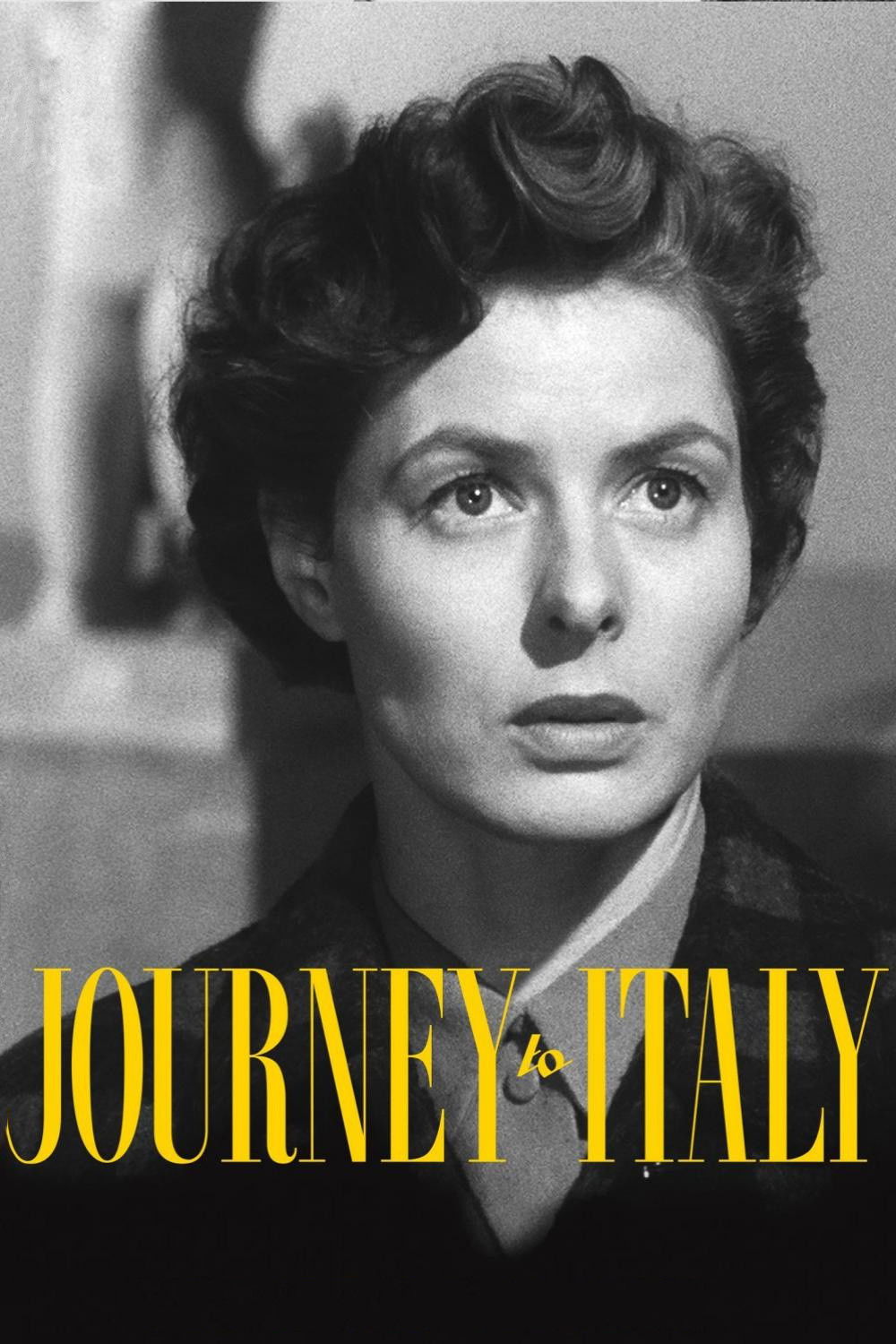
His films with Ingrid Bergman moved towards personal and spiritual crises, beginning with Stromboli (1950), set on a volcanic island. Journey to Italy (1954) turned to marriage and place. Some contemporary critics found the Bergman films austere, or saw them as a departure from neorealism. From the late 1950s, he turned increasingly to historical subjects and educational television, so there is little point approaching the whole career expecting another account of life during wartime.
Our reservation is about his insistence, already present in Rome, Open City. Renzo Rossellini’s music presses feelings the actors have conveyed, and Harry Feist’s Major Fritz Bergmann has little of the variety given to the civilians. The villain is threatening enough without the film making evil quite so easy to recognise. Begin with Rome, Open City, and allow for the moments when its director seems unwilling to trust how much we already care.
Biography
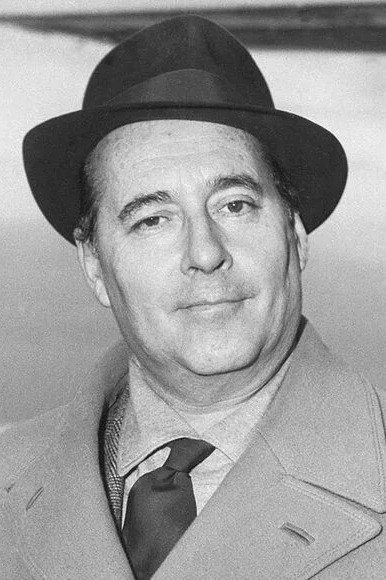
Roberto Rossellini (1906–1977) was an Italian film director, screenwriter and producer. He is recognised as a leading figure in the Italian neorealist movement.
His breakthrough film Rome, Open City (1945), which he also wrote and produced, portrayed life in Nazi-occupied Rome and brought international attention to neorealism. It formed the first part of his war trilogy, followed by Paisan (1946) and Germany, Year Zero (1948). Later works include Stromboli (1950), Europa '51 (1952) and Journey to Italy (1954).