Film review

Rome, Open City

1945 · Directed by Roberto Rossellini · 1h 44m

In a sentenceA war film with the good sense to let Anna Magnani be annoyed

DramaWar

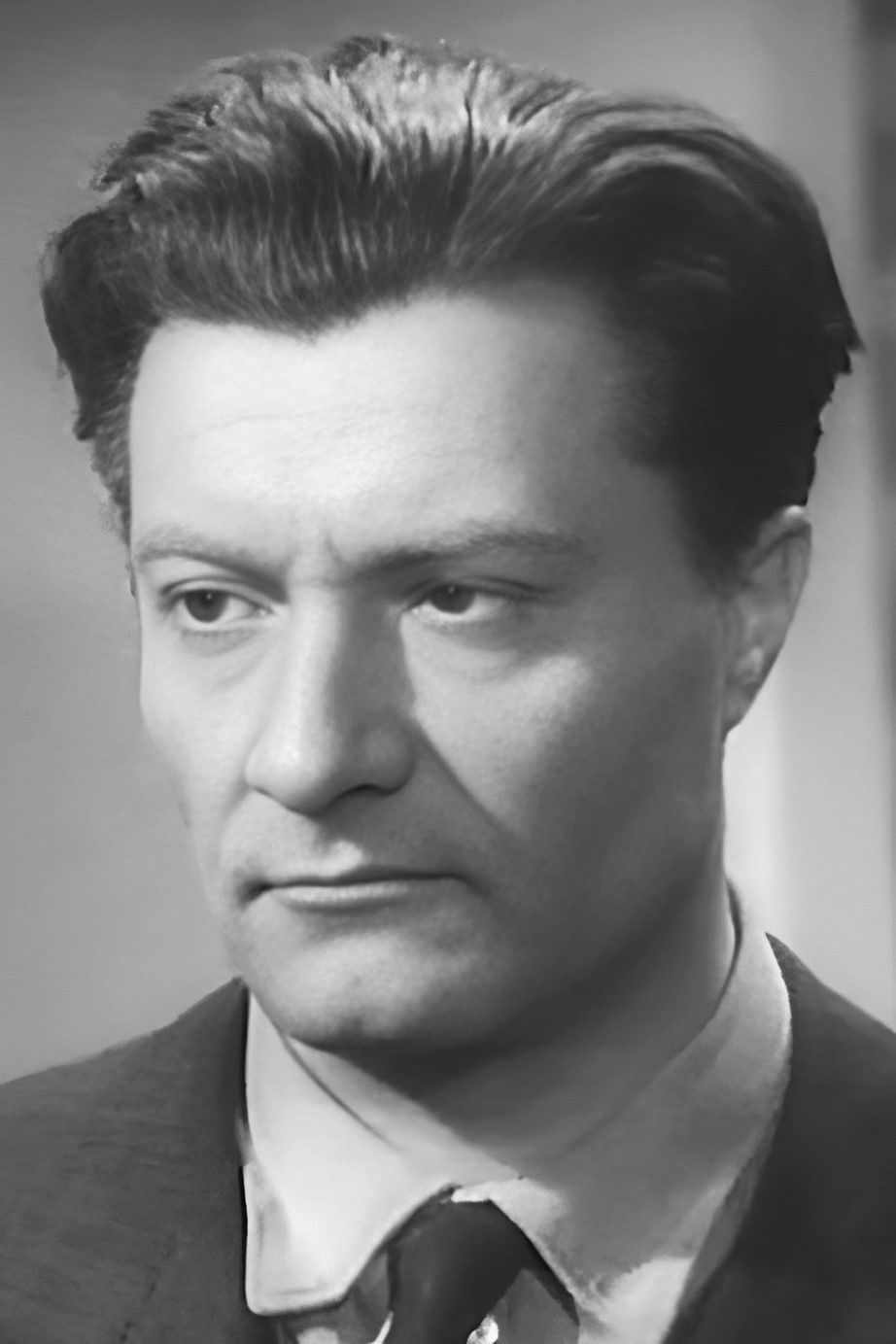
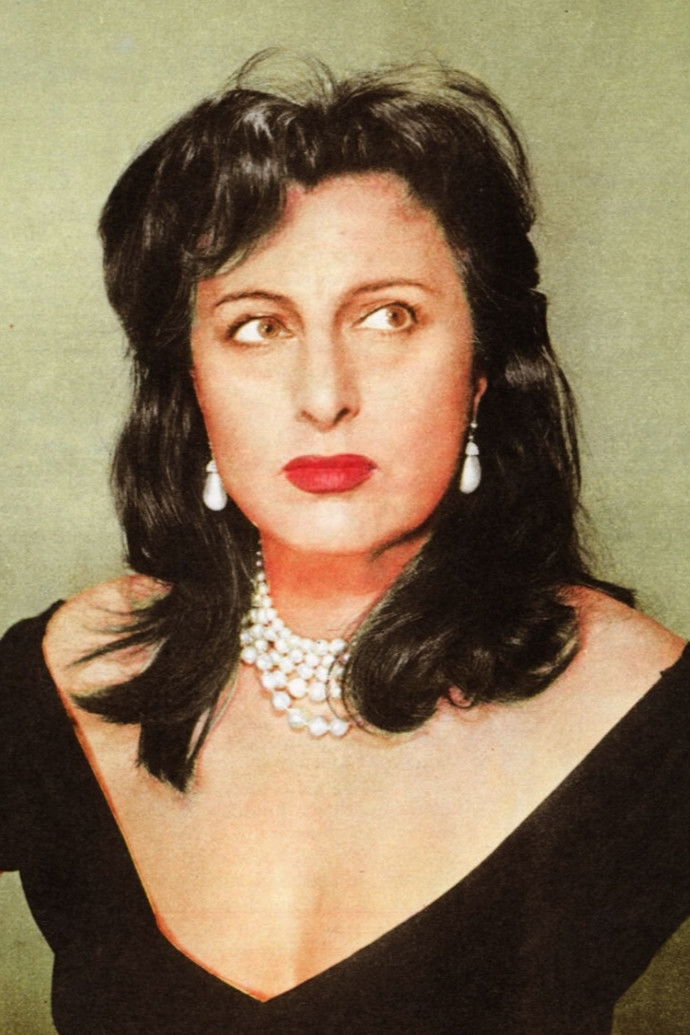
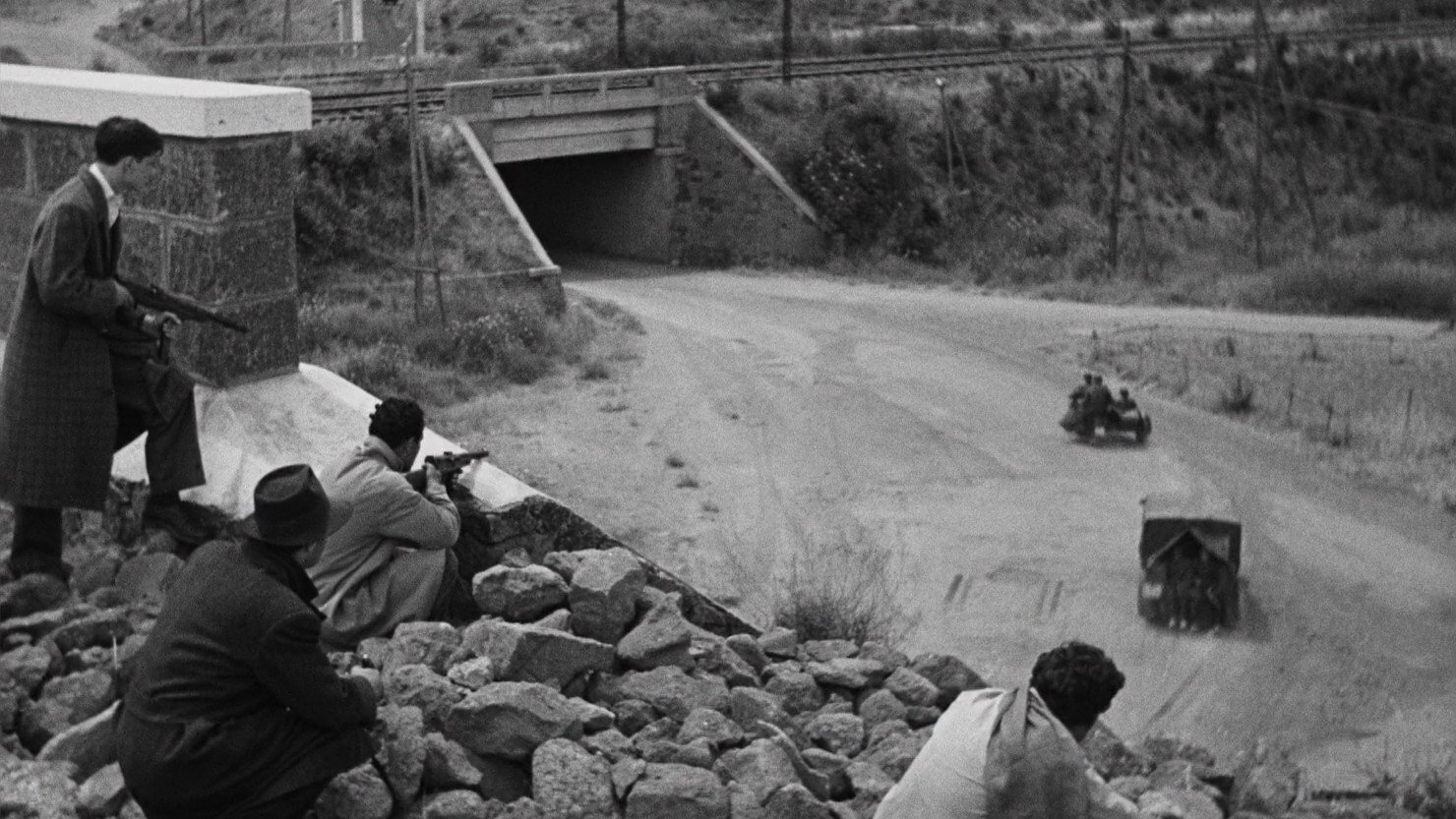
Rome is under Nazi occupation, and resistance depends on connections between people whose daily lives continue around the danger. Pina (Anna Magnani), Giorgio Manfredi aka Luigi Ferraris (Marcello Pagliero) and Don Pietro Pellegrini (Aldo Fabrizi) are caught up in that struggle. They need to help one another across political and religious differences, while the occupying forces work to crush opposition. Domestic concerns and everyday humour persist alongside the resistance, as the threat of repression reaches into civilian life and makes helping a neighbour a dangerous undertaking.

Plays from YouTube when you press play; nothing loads from them until then.

Fi1m review

Roberto Rossellini’s war drama remains frightening because its people are such good company. Anna Magnani gives it warmth and temper; the villains and the music sometimes insist too much, but the suffering is hard to shake.

Rome, Open City is a moving, often frightening war drama, with one persistent fault: Roberto Rossellini sometimes tells us too firmly what to feel. He approaches the German occupation of Rome through the lives it crowds and threatens. Resistance involves people who still have daily concerns and the capacity to find one another funny. That gives the danger a particular force, because we are allowed to enjoy their company without the film making enjoyment seem indecent.

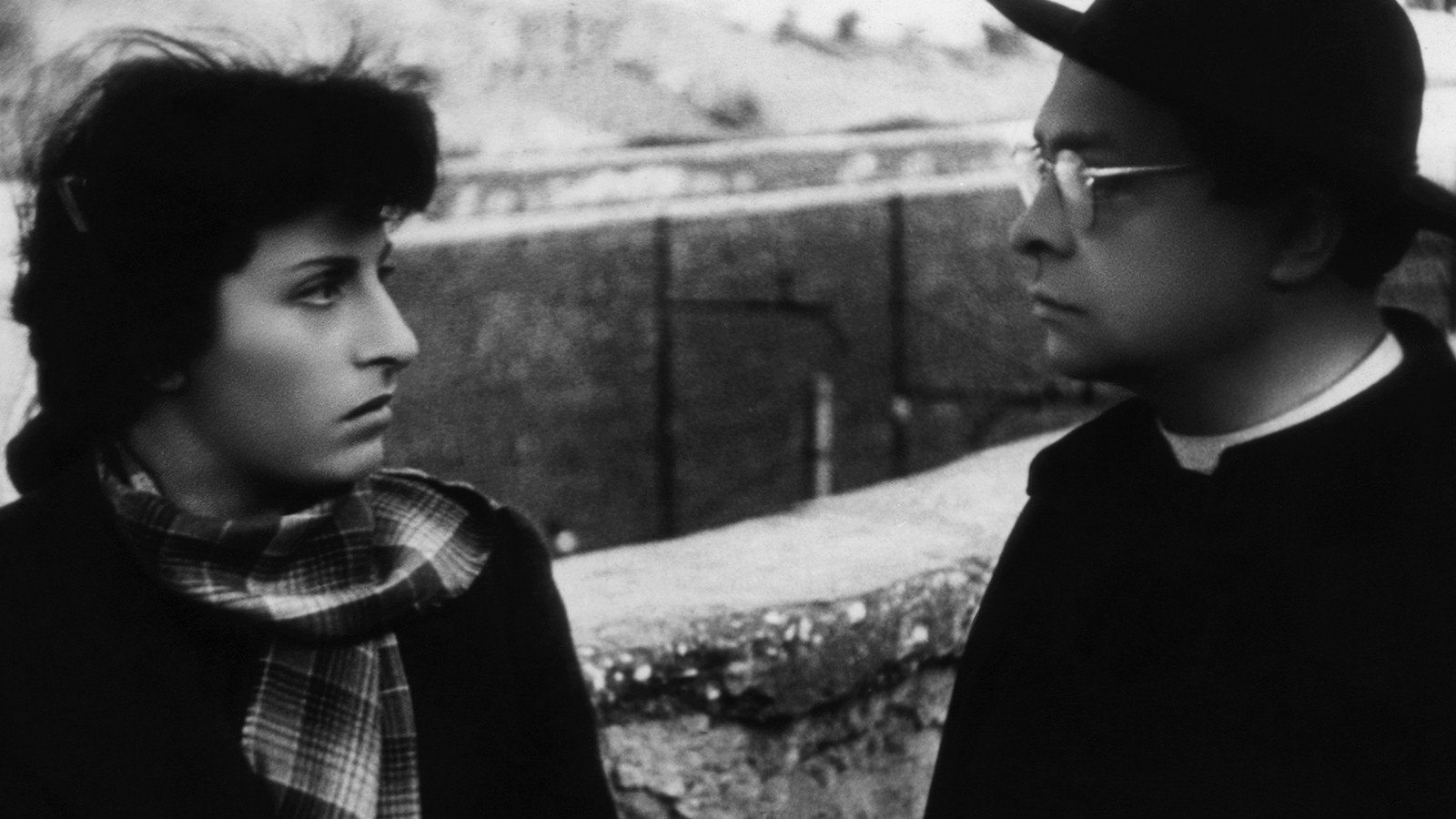
The screenplay by Sergio Amidei, Roberto Rossellini and Federico Fellini gives political and religious convictions room beside those daily concerns. The differences between people matter, but they need not prevent anyone from helping. Aldo Fabrizi plays Don Pietro Pellegrini with a comic ease that lets us take the priest’s convictions seriously without spending every scene in respectful silence. His performance helps the film move between laughter and seriousness, and supplies some welcome relief from the more emphatic writing elsewhere.

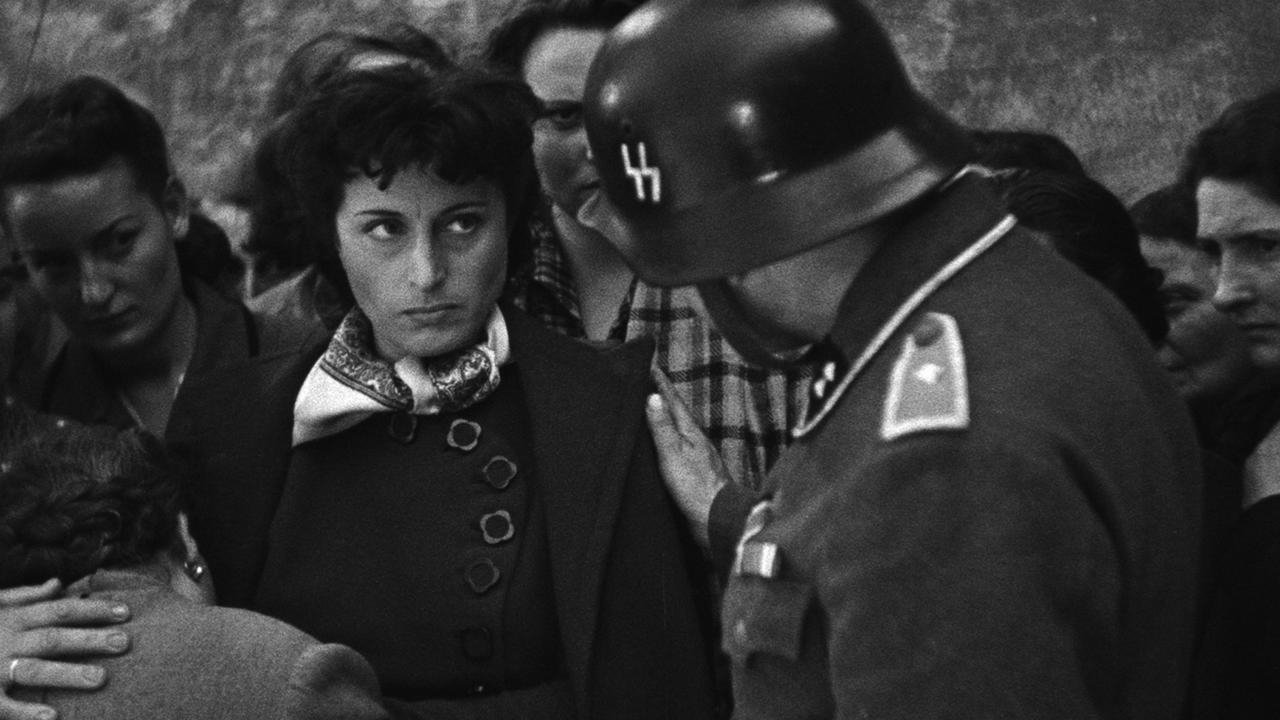
Anna Magnani is the strongest reason these everyday lives feel so difficult to dismiss. Her Pina has a temper as well as warmth, and the irritation is funny without being softened into something ingratiating. We laughed at her impatience, then found ourselves worrying about her; she had become someone whose company we wanted to keep. The performance stays lively even when the surrounding drama becomes more solemn, and Pina never feels obliged to be consistently agreeable.

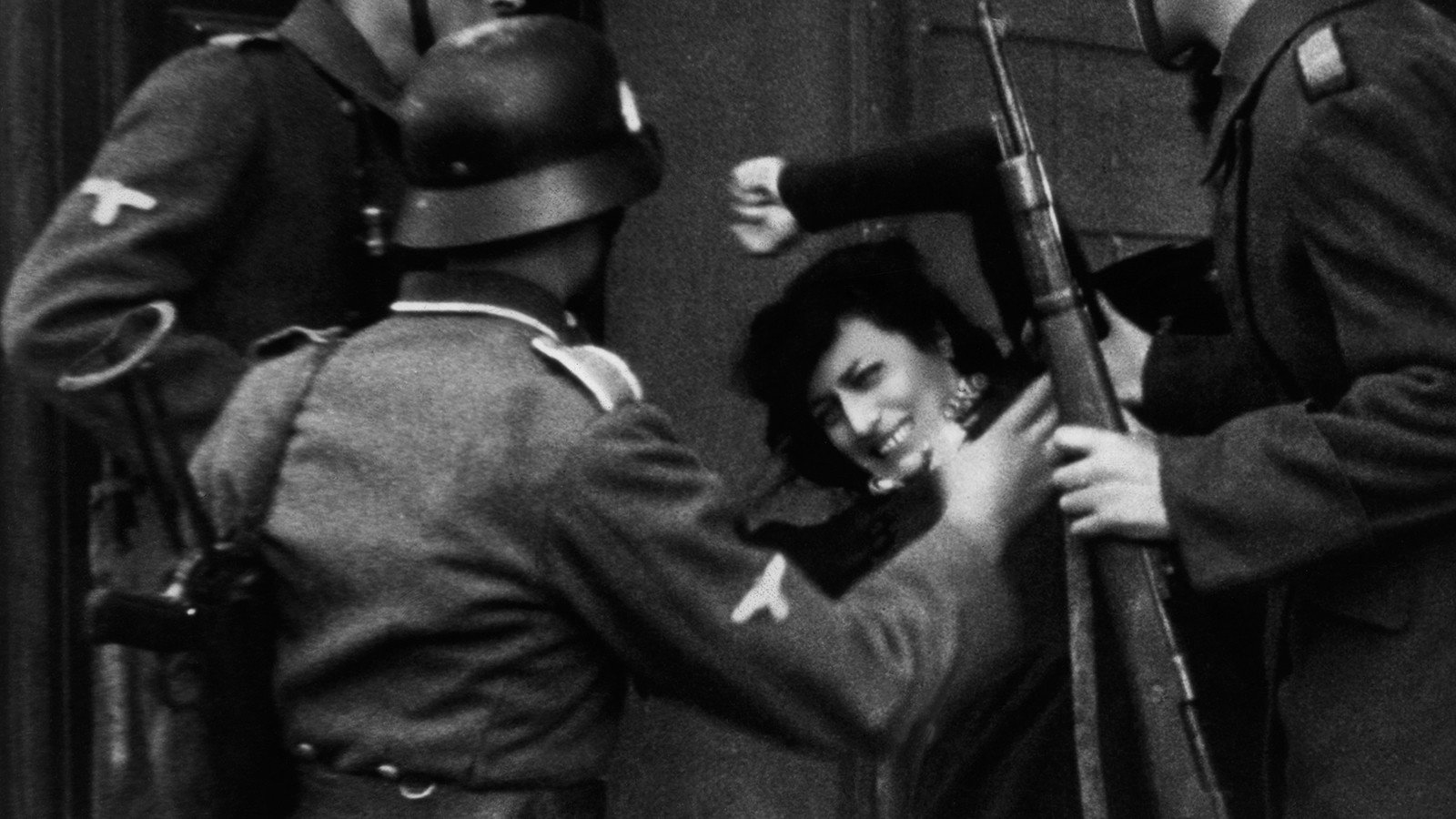
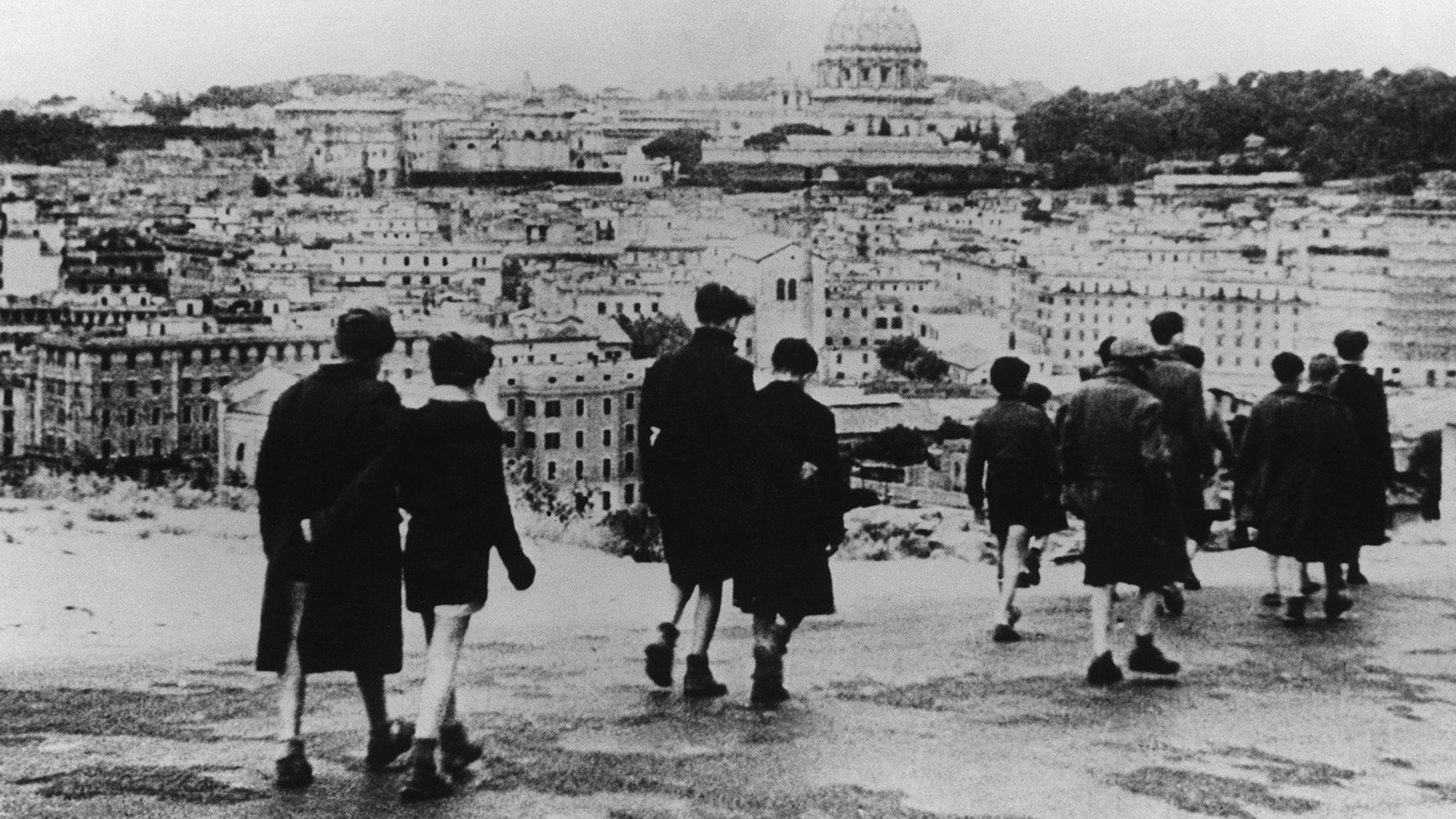
Ubaldo Arata’s cinematography keeps the streets present around the people, making danger seem difficult to escape even beyond the immediate action. The location work has an untidy, exposed quality that suits a story about lives under constant pressure. Rosario Megna’s production design supports that impression by making the surroundings feel inhabited and used. We believe that people belong in these places, and the roughness of the images helps the occupation feel like an intrusion into somewhere that already matters.

The editing by Eraldo Da Roma and Jolanda Benvenuti preserves the uneasy movement between humour and danger. A comic passage is allowed enough time to be enjoyed, and the return to fear can feel disconcertingly abrupt. Renzo Rossellini’s music is more insistent, and we sometimes wanted it to leave the performances alone. An ordinary exchange can already make us care about someone; the musical emphasis occasionally presses an emotion that the actors have conveyed quite sufficiently.

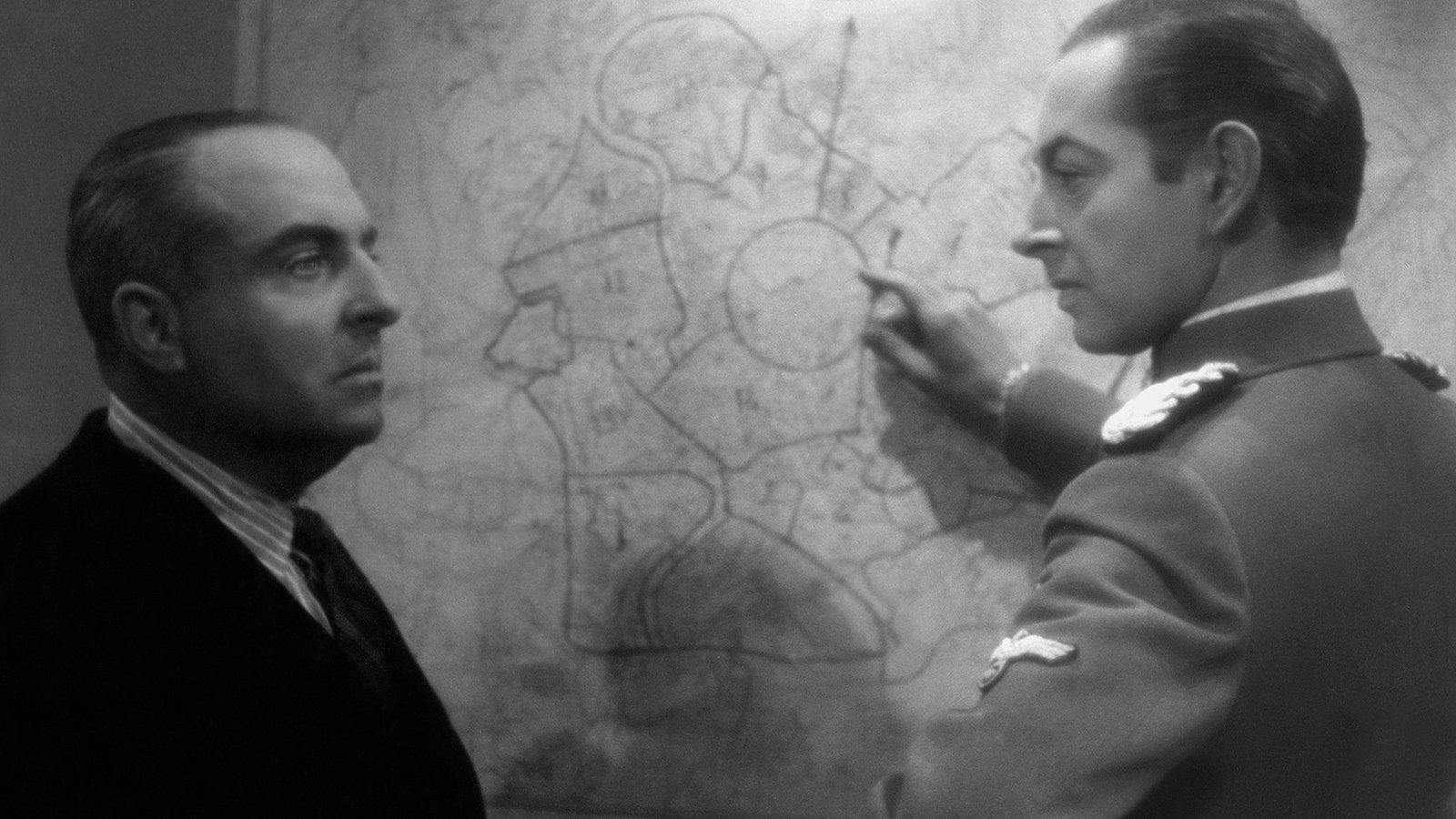
The same insistence weakens some of the character writing. Harry Feist’s Major Fritz Bergmann is effective as a threat, but there is less to discover in him than in the civilians. The moral divisions are clear enough without so many dramatic choices reinforcing them, and the melodrama can make evil feel too readily identifiable. Roberto Rossellini gives the people under occupation a variety that we wanted more often elsewhere, even in characters whose actions need no defence.

War dramas can leave civilians waiting patiently for history to happen to them. Here, the humour and the friendships keep drawing our attention back to people with lives beyond their immediate suffering. Across its 104 minutes, those attachments hold, even when the film’s determination to make its moral position clear becomes heavy-handed. See it for Anna Magnani and Aldo Fabrizi, and allow for the moments when Roberto Rossellini presses a point their performances have already made.
Critical consensus AI synthesised

92
Positive
10
Mixed
0
Negative
0

The reviews are unanimously positive, with praise centred on the immediacy of Roberto Rossellini’s depiction of occupied Rome. Most critics stress how location shooting, documentary-like detail and natural performances make the resistance struggle feel close and urgent. Anna Magnani’s earthy, forceful performance draws particular attention, while several reviews value the everyday humour and warmth alongside the violence. The consensus treats the film’s emotional force as still potent, rather than merely a matter of historical importance.

The differences are modest and concern how critics understand its realism and melodrama. Slant Magazine notes the binary morality and melodramatic elements, while still praising the combination of political and religious symbolism with ordinary humour. Eye for Film instead emphasises the balance in its characterisation, pointing to a weary German officer. There is no substantial dissent: the narrow spread reflects differing emphases within a strongly favourable response.

The Times
28 January 2022 · ★★★★★ · Kevin Maher
100

One of the toughest, bleakest war films ever made, this Roberto Rossellini classic depicts the merciless crushing of resistance during the German occupation of Rome. It is immortalised by the killing of a pregnant woman and prolonged torture scenes.

Read the full review →
Time Out
10 February 2014 · ★★★★★ · Dave Calhoun
100

The critic praises the film's documentary-like immediacy and raw urgency in depicting life under Nazi occupation, highlighting the authentic performances and blend of devastation with everyday humor and warmth.

Read the full review →
Los Angeles Times
20 February 2015 · Kenneth Turan
90*

The film retains its power to surprise and shock 70 years on as a landmark of world cinema. It blends neorealist techniques with melodrama and big emotions, highlighted by Anna Magnani's earthy, forceful performance.

Read the full review →
Sight and Sound
7 March 2014 · Geoff Andrew
90*

The critic affirms its status as a timeless classic due to its raw authenticity, dramatic urgency, and powerful storytelling that transcends its historical context, evoking strong emotional response beyond mere admiration.

Read the full review →
Slant Magazine
8 September 2014 · Oleg Ivanov
90*

The critic calls it a legendary achievement that mixes politico-religious symbolism and quotidian humor to powerful effect, while noting its binary moral structure and melodrama. They single out Anna Magnani’s radiant, earthy performance as the film’s standout element.

Read the full review →
The New Yorker
5 September 2014 · Richard Brody
90*

Rossellini’s tense, bloody film conjures authenticity through a vision that brings ideas to life, revealing connections among resistance fighters and offering a template for postwar renewal of Italy and Italian cinema.

Read the full review →

Cast

Stills

Awards

Academy Awards, 1947

Nominated
Best Writing, Adapted Screenplay

If you liked this, try…

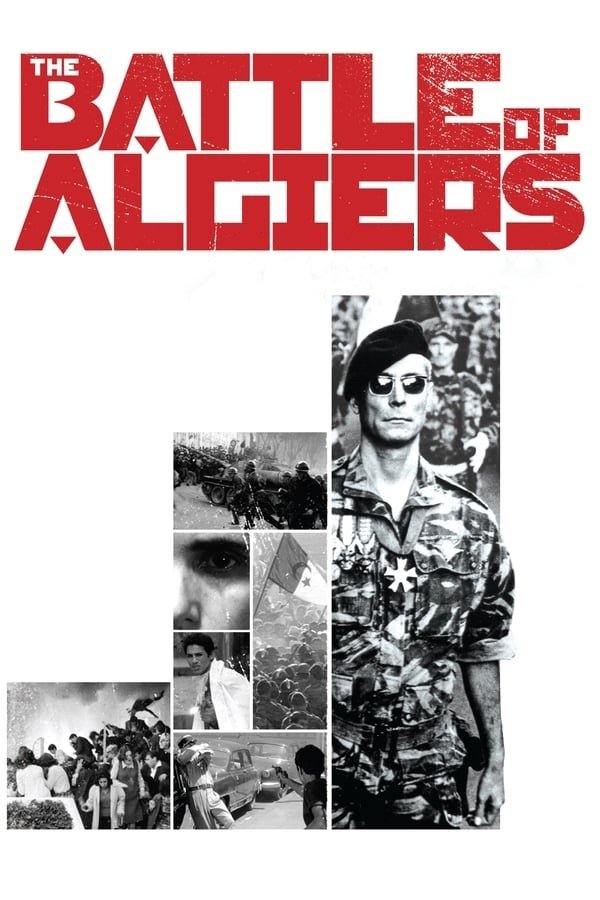
The Battle of Algiers poster93

The Battle of Algiers

1966 · Occupation and resistance examined through streets, crowds and difficult choices.

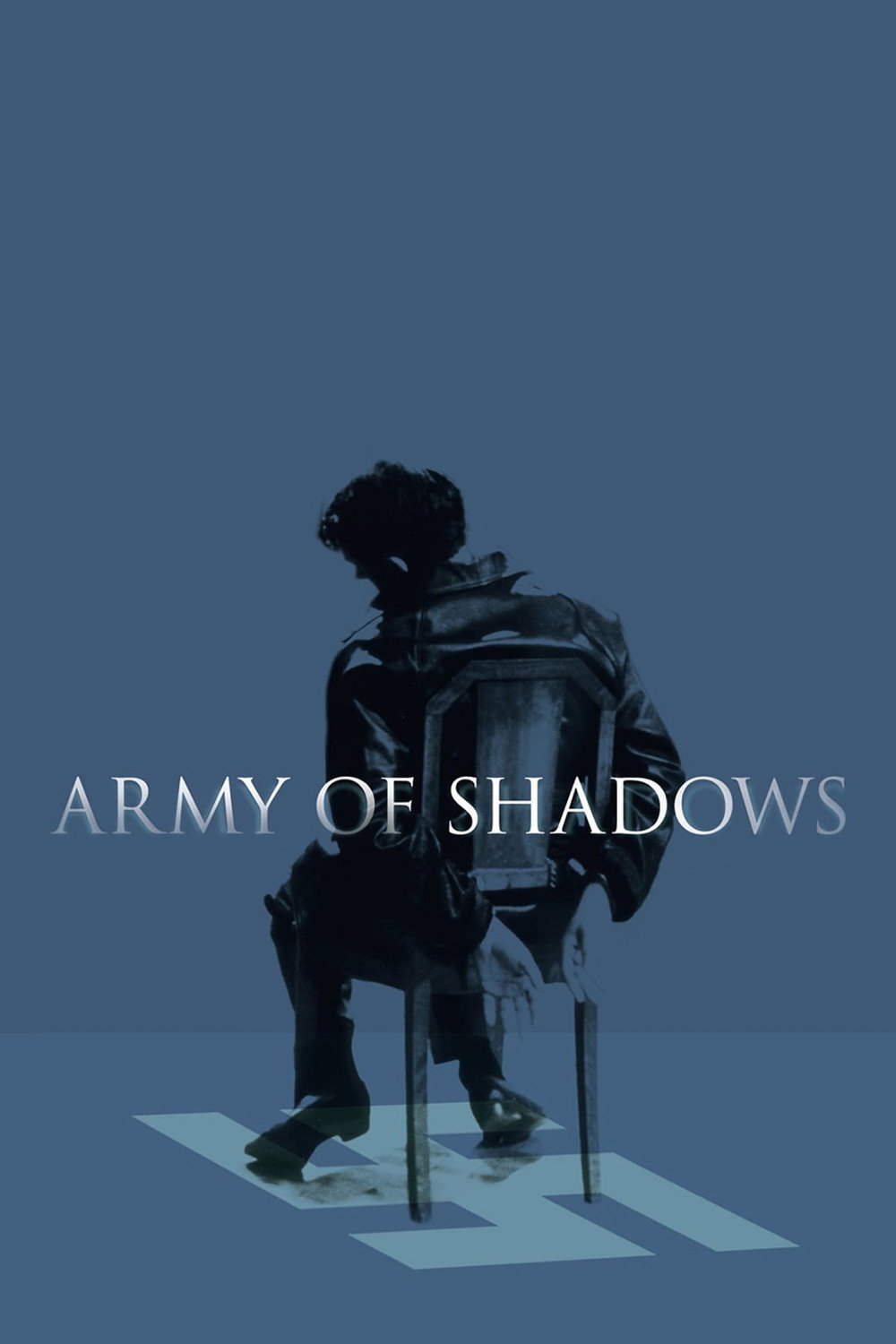
Army of Shadows poster

Army of Shadows

1969 · Resistance work becomes a succession of practical decisions with appalling costs.

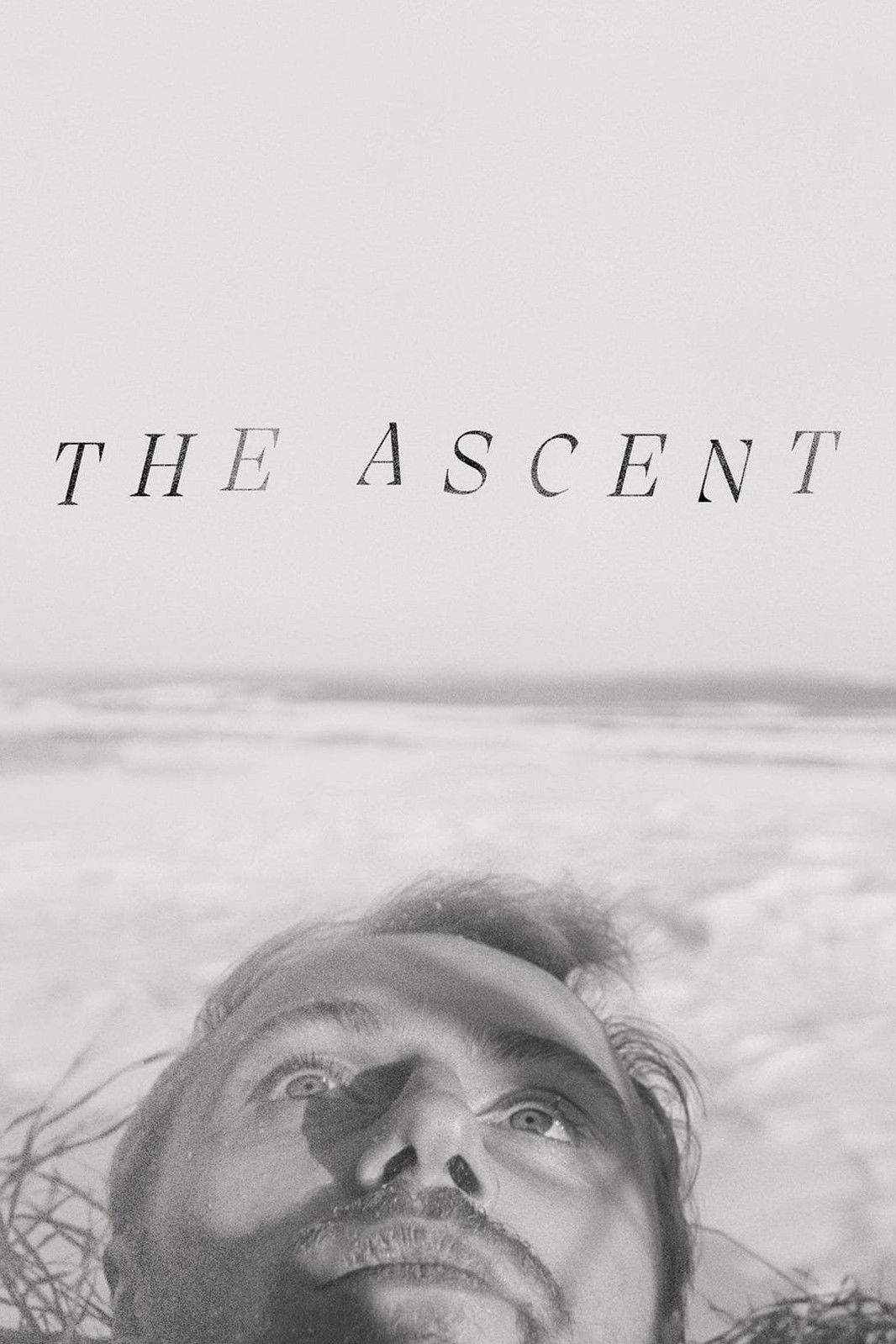
The Ascent poster

The Ascent

1977 · Another war drama in which belief is tested through physical suffering.

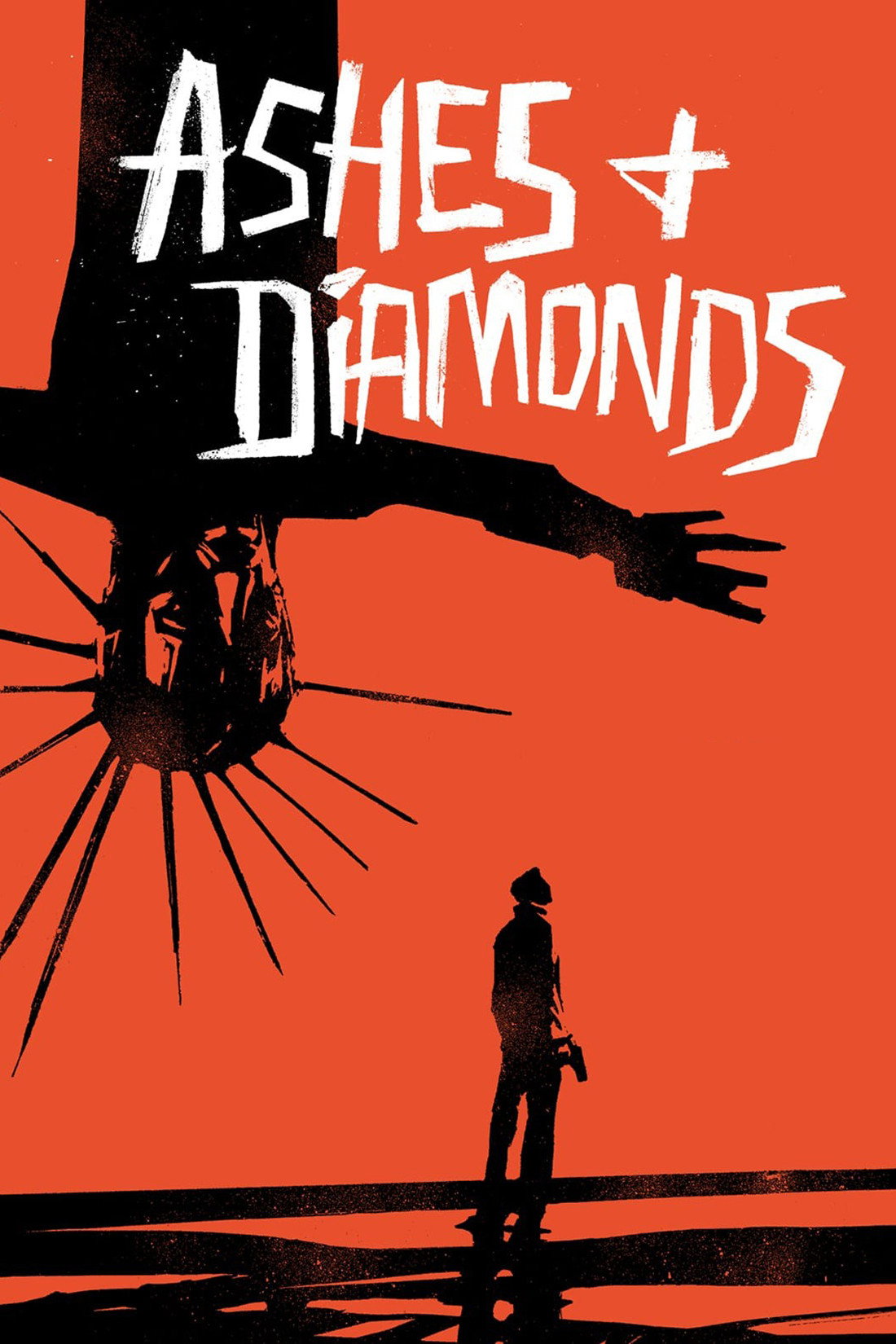
Ashes and Diamonds poster

Ashes and Diamonds

1958 · Political duty meets personal longing, with more uncertainty about the heroes.

A Separation poster93

A Separation

2011 · For the crowded everyday lives and moral pressure, without the wartime setting.