Ava DuVernay’s Selma makes political organising gripping and gives David Oyelowo room to find the strain beneath King’s authority. Some exchanges sound too prepared, but the film earns its anger and much of its hope.
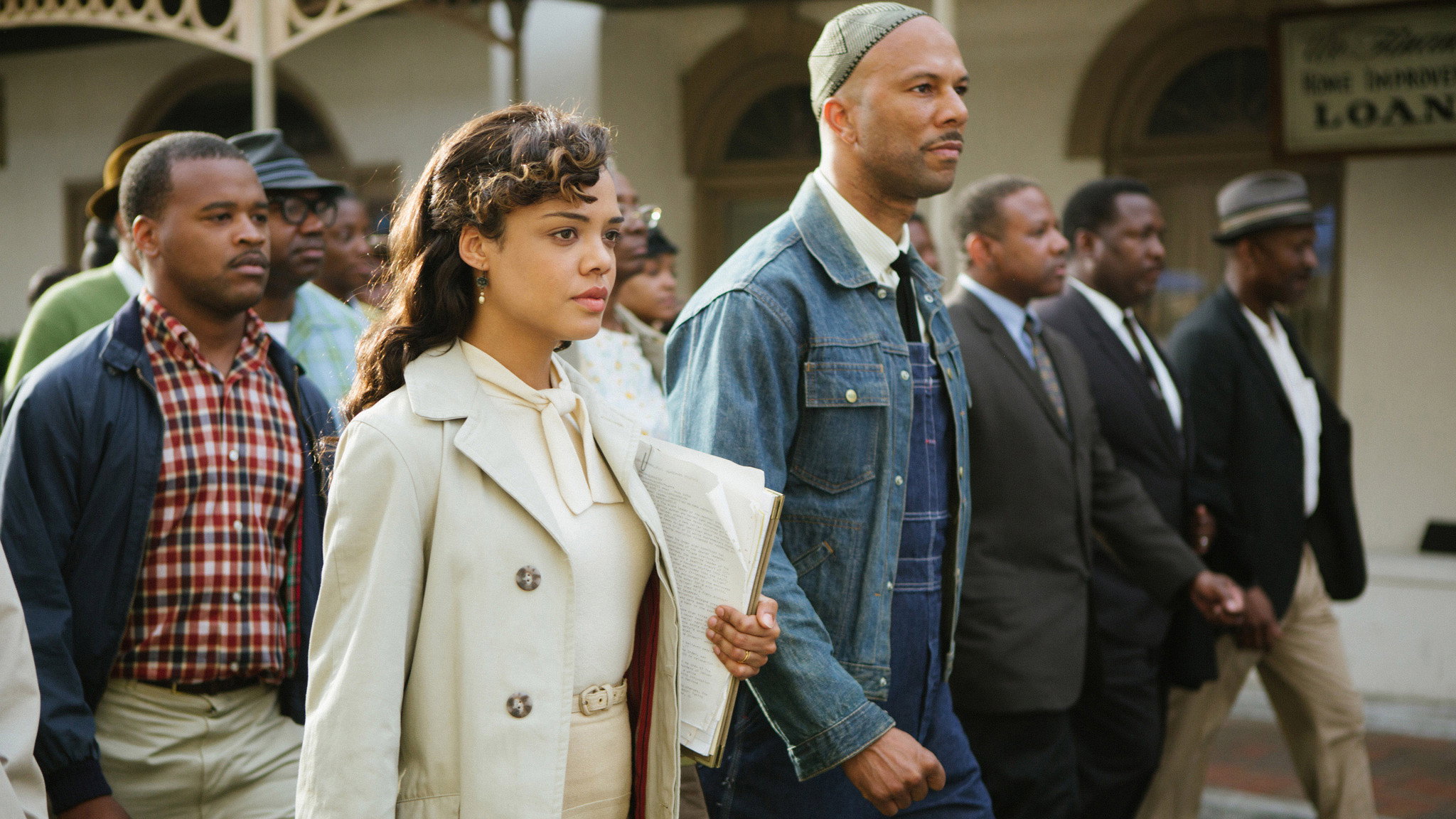
Selma is a persuasive, often moving political drama, most interesting when people disagree about what to do next. Ava DuVernay concentrates on King’s 1965 voting-rights campaign, giving the organising and negotiation the attention usually reserved for the public address. Paul Webb and DuVernay’s screenplay understands how much a leader has to calculate before asking anyone else to take a risk. The arguments among activists and the negotiations with political leaders are given space to develop.
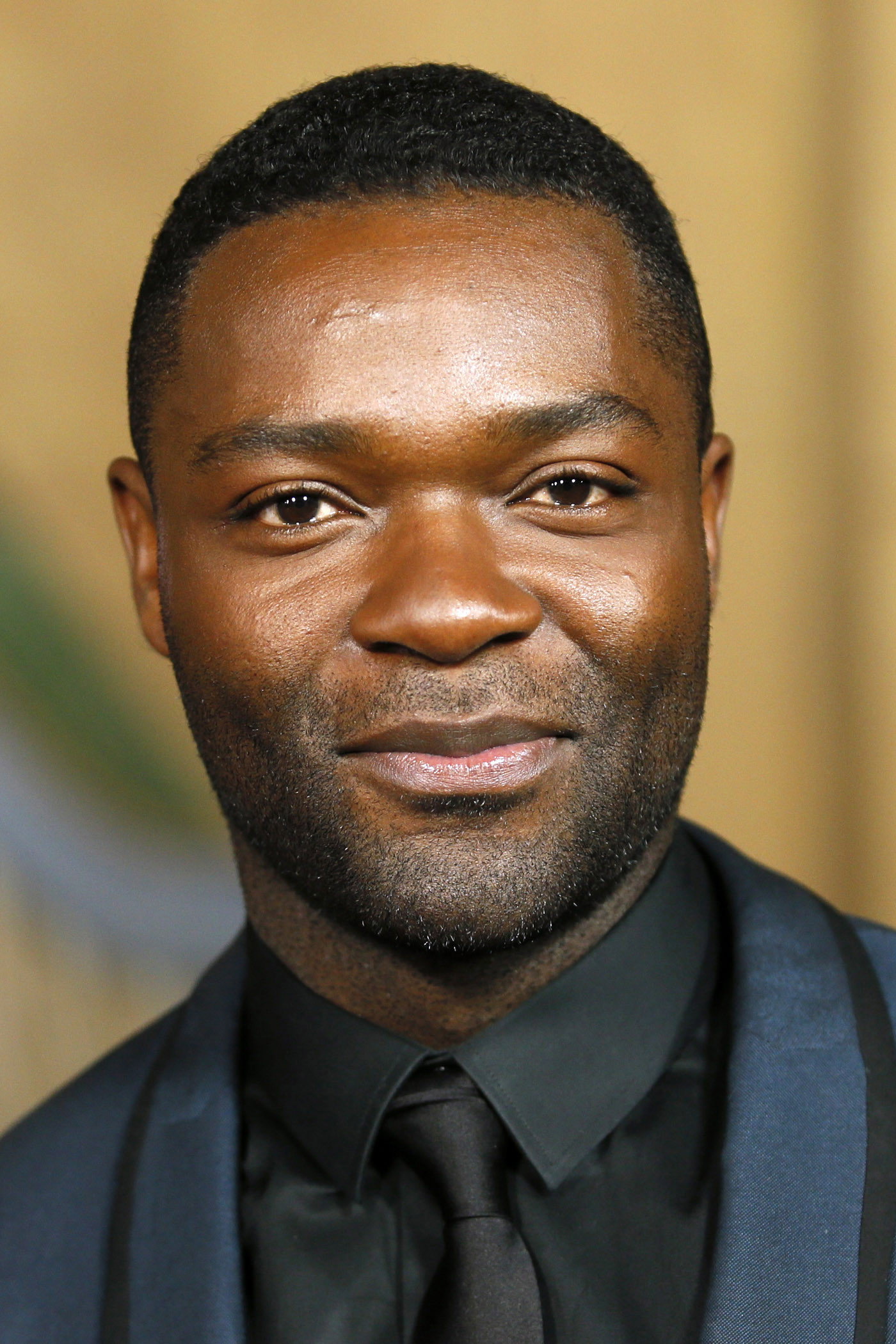
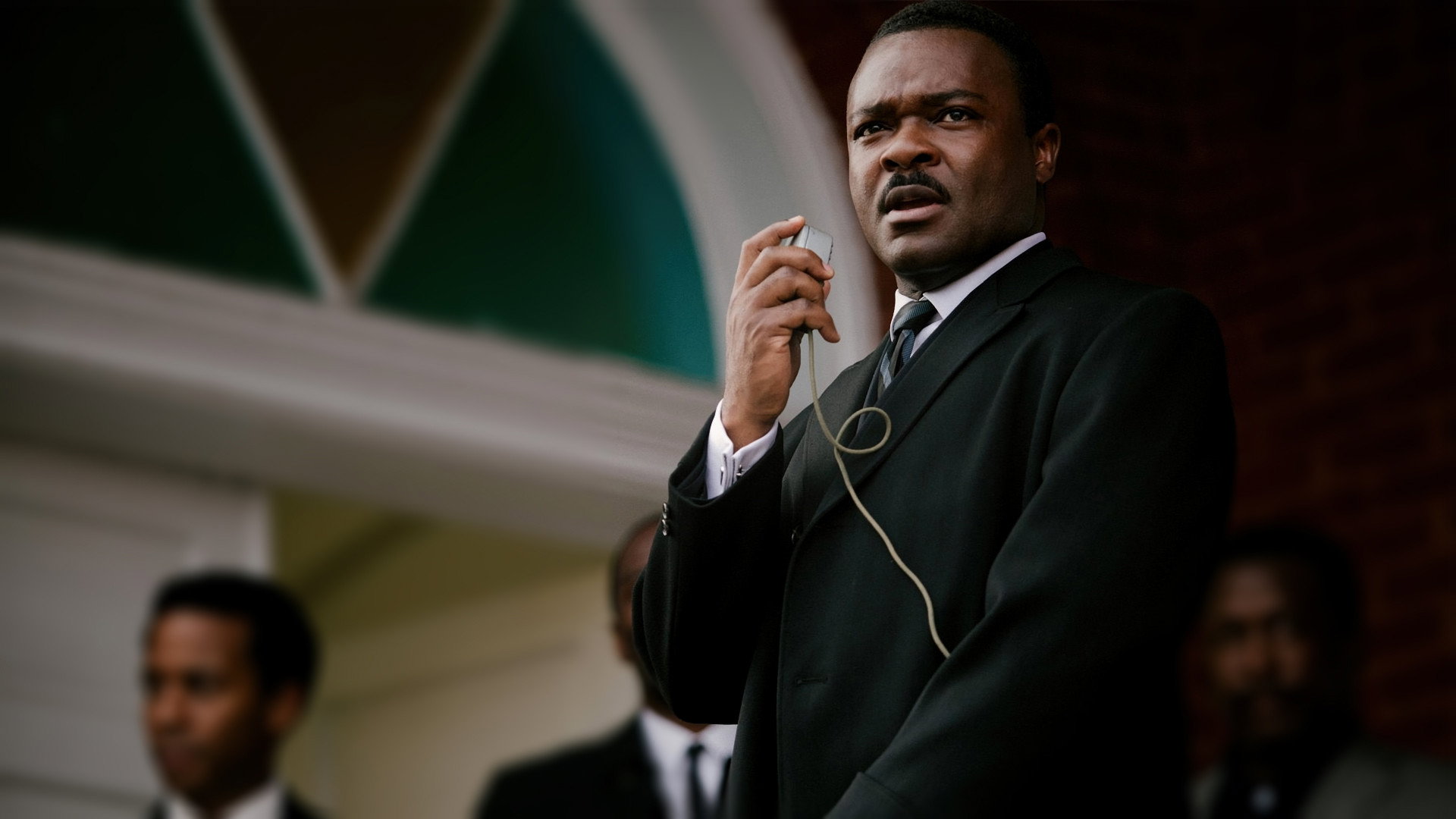
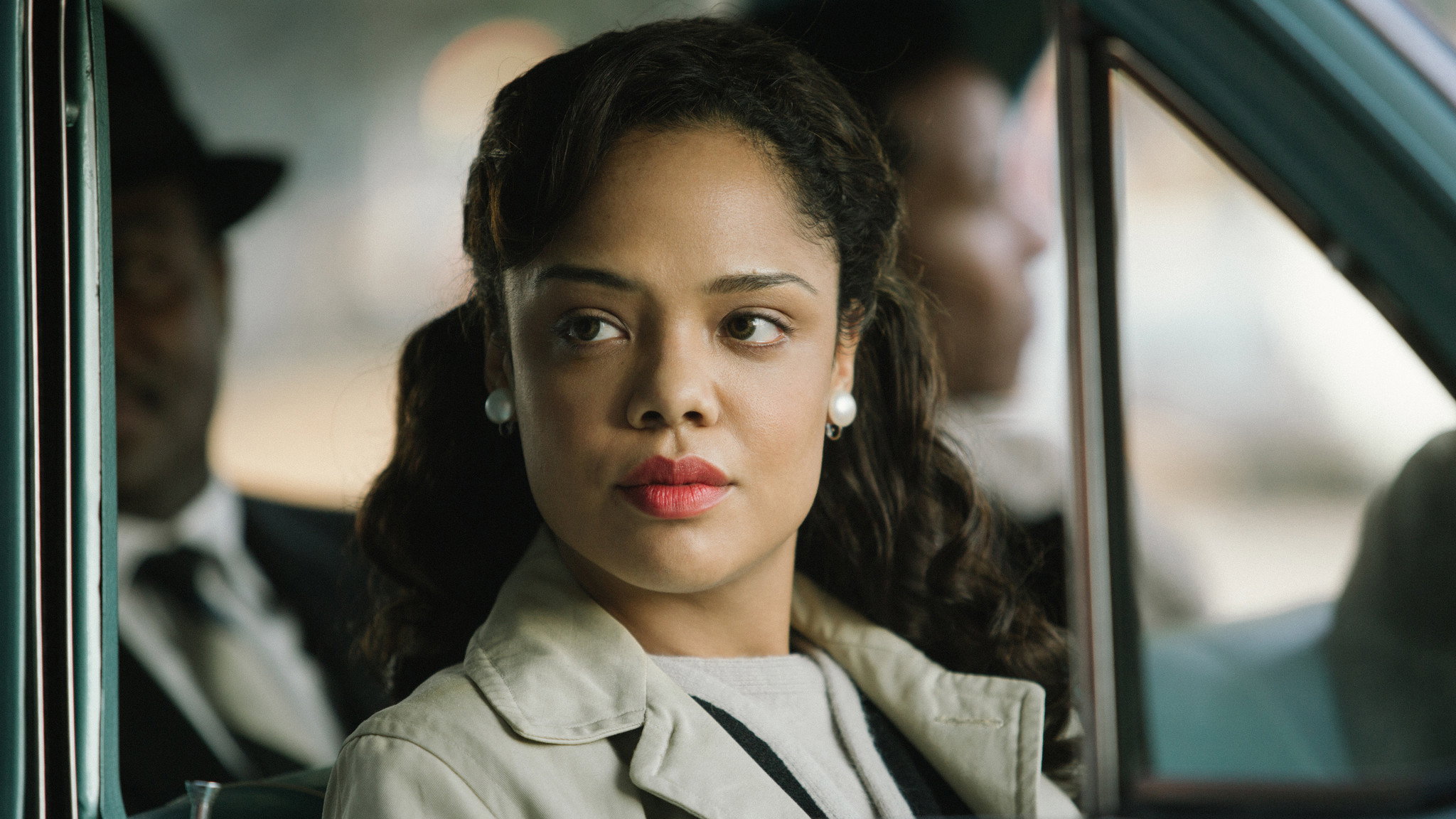
David Oyelowo makes that responsibility readable without turning every quiet moment into a demonstration of suffering. He lets King listen, consider an objection and choose how firmly to answer it. The speeches are forceful, as they need to be, yet the private conversations make the greater claim on our attention. The confidence takes effort, and Oyelowo lets enough of that effort show to suggest what constant demands from other people might cost.
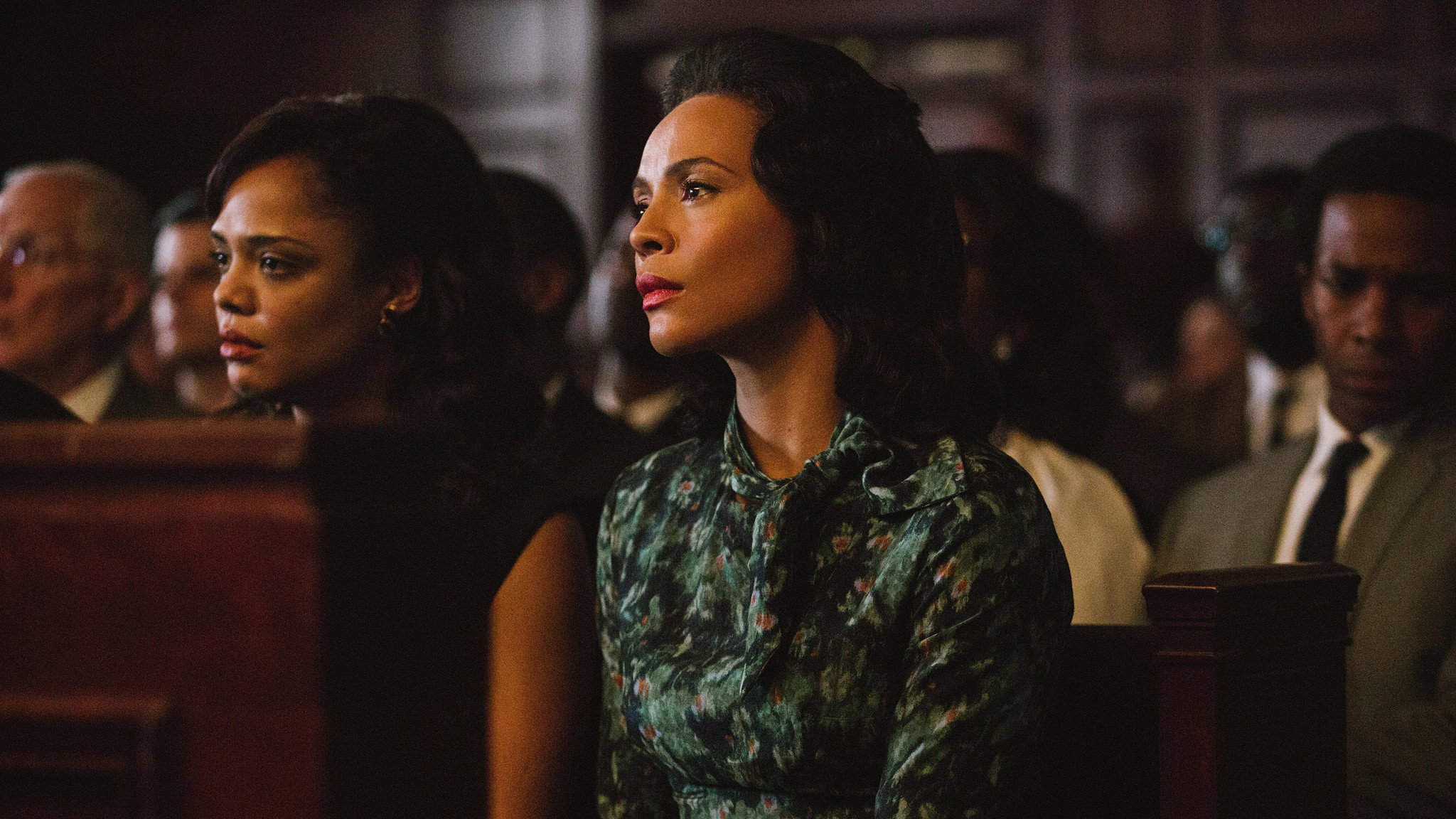
Carmen Ejogo gives Coretta Scott King an independence that stops the domestic scenes becoming mere reassurance about the man at their centre. We were moved by the quieter exchanges between Ejogo and Oyelowo, because her reserve makes his public confidence feel less certain. DuVernay is good at keeping other people present even when King is doing the talking. The campaign has the friction and affection of people who have spent time together, and that makes its disagreements worth following.
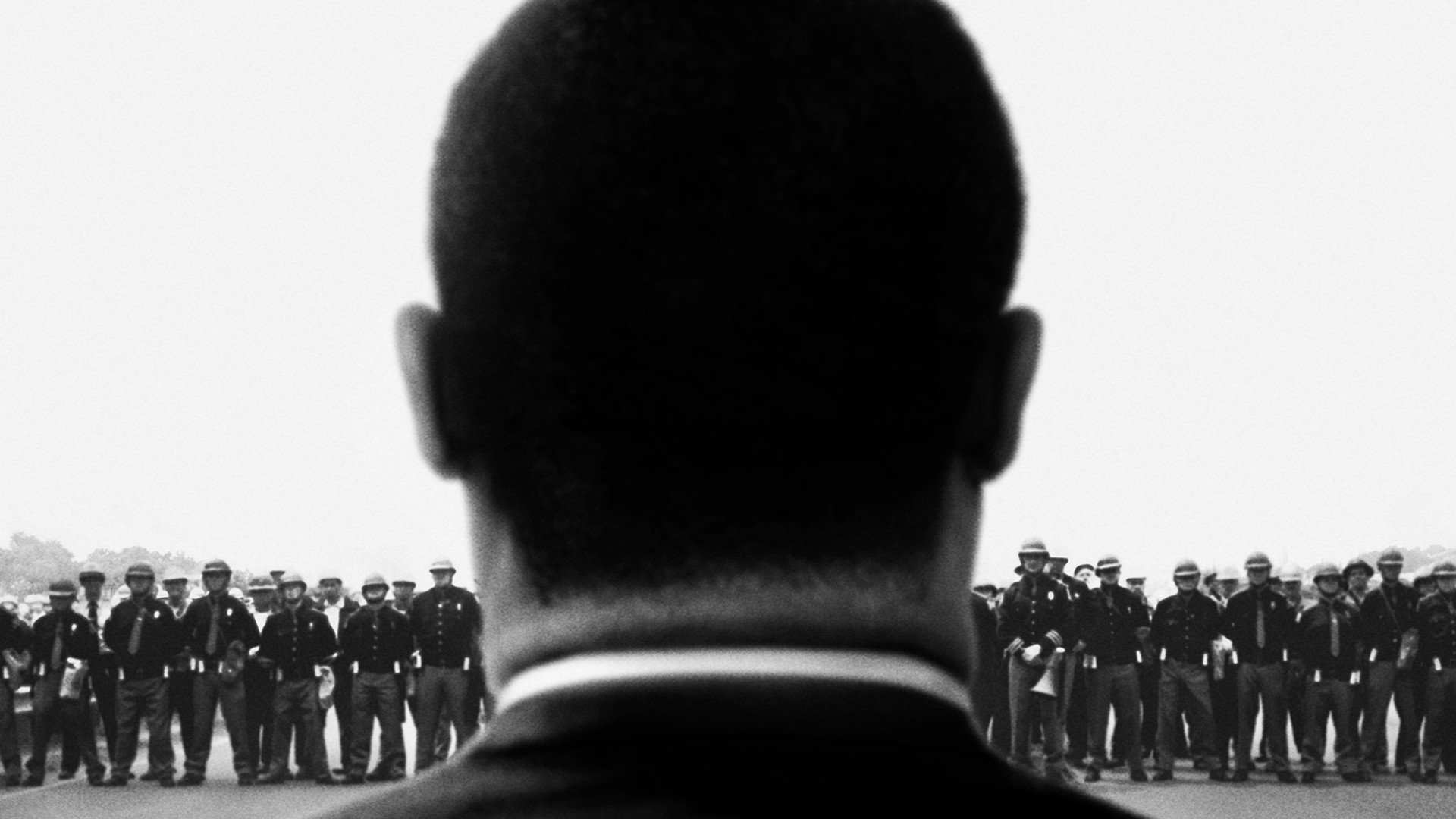
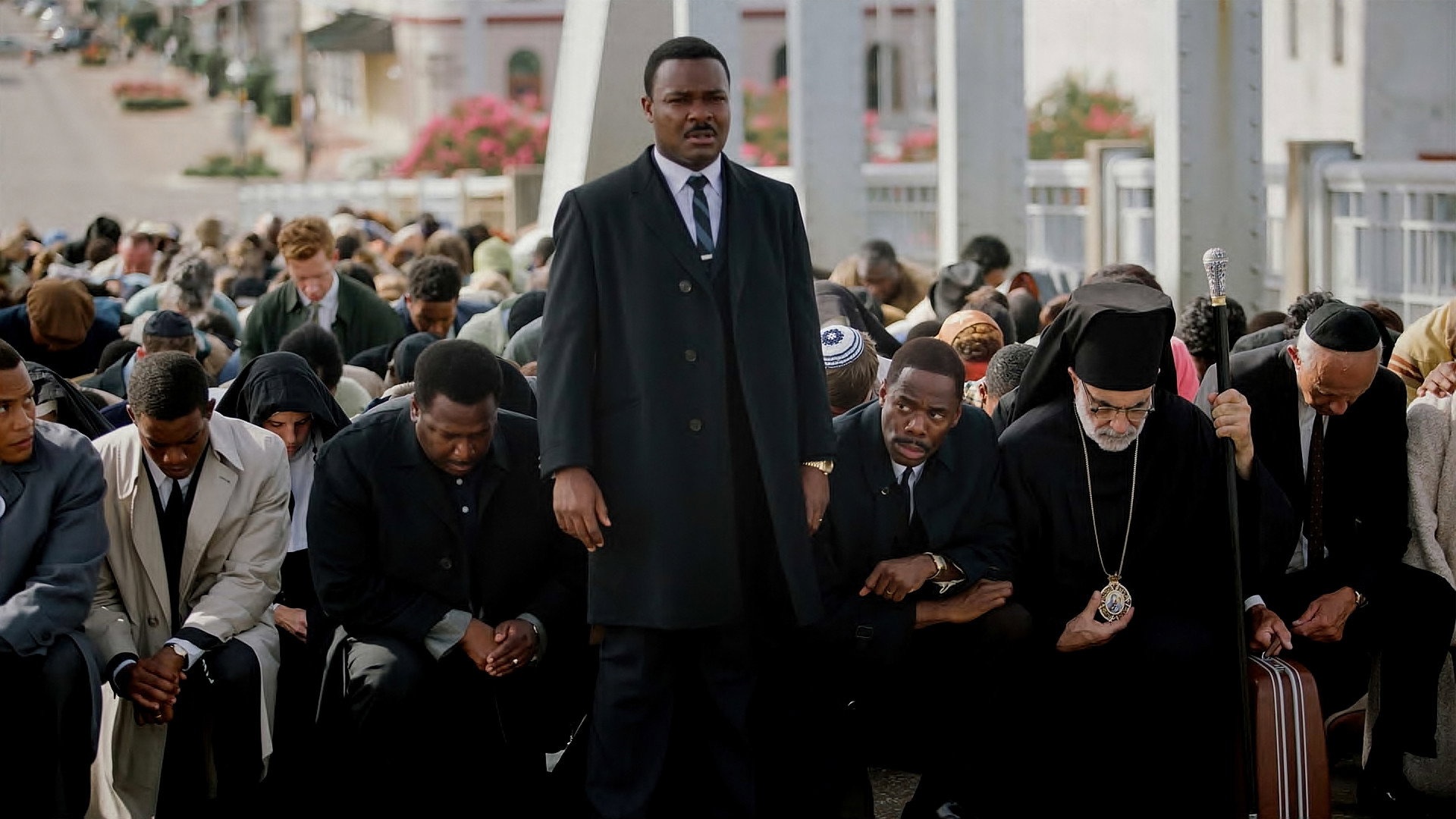
Bradford Young gives the outdoor crowds a hard, sunlit clarity, which makes their exposure to violence difficult to watch. We were horrified by the brutality against people gathered to protest; the force used against them feels sickeningly disproportionate. Mark Friedberg’s production design is most persuasive in the rooms used for political discussion, where the surroundings never compete with the actors. Those scenes need little decoration to hold our attention.
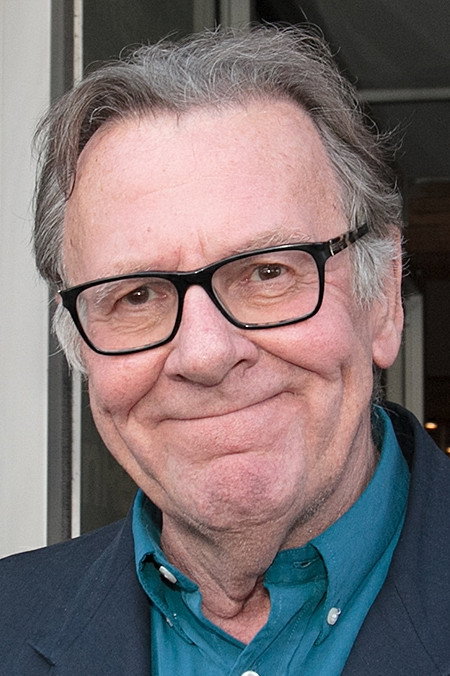
The weaker passages come when Webb and DuVernay let a conversation sound as though everyone has already prepared a speech. Tom Wilkinson’s President Lyndon B. Johnson is too conveniently obstructive in places, while Tim Roth’s Governor George Wallace has little space to be anything else. Both performances give the resistance force, but the writing makes these men easier to categorise than the activists. A film so interested in the mechanics of persuasion could have trusted us with less tidy opponents.
Spencer Averick’s editing gives the strategy discussions time to develop, and we can follow the pressure being applied from one exchange to another. The movement into crowd action is occasionally too brisk, shortening our sense of what it takes to gather people and keep them together. Jason Moran’s score supports the film’s gravity, though at points its insistence adds feeling the performances have already supplied. These are lapses in emphasis, and they seldom break our concentration.
The familiar danger of this kind of historical drama is that foreknowledge makes every choice look inevitable. DuVernay keeps enough uncertainty in the conversations to make us attend to decisions instead of waiting for the next famous speech. At 128 minutes, the film has time for discussion, and it mostly uses that time well. See it for Oyelowo, but give the arguments around him as much attention as the oratory.