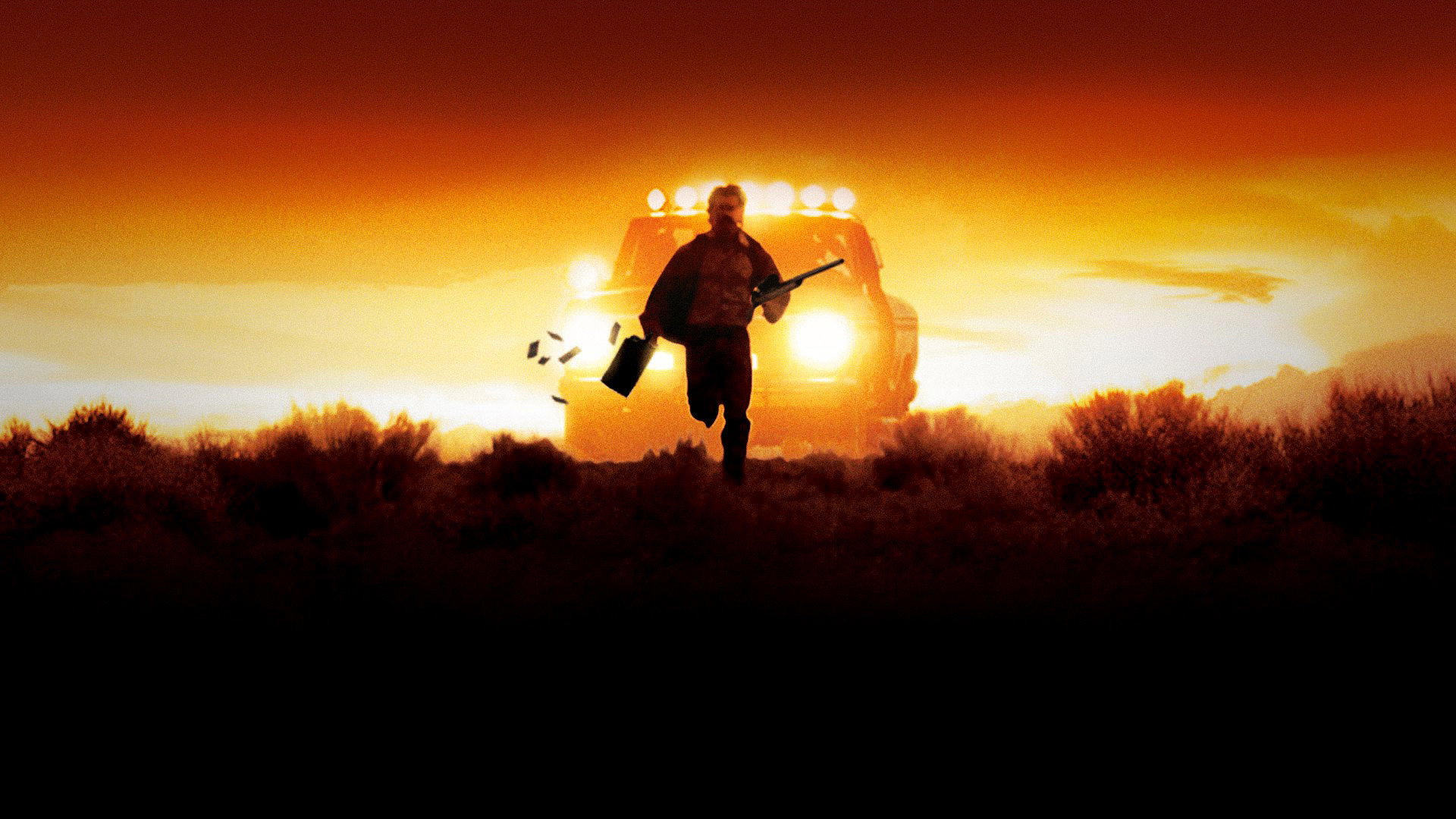
The Coens turn Cormac McCarthy’s novel into a patient, frightening thriller, with Javier Bardem making every pause feel dangerous. Its severity can be wearying, but we would recommend it even to those who usually avoid Westerns.
Joel and Ethan Coen’s No Country for Old Men is a thriller that understands how frightening it can be to wait. Their adaptation of Cormac McCarthy’s novel is patient, violent and worth recommending even to people who have little interest in Westerns. The pursuit matters because the men caught up in it remain difficult to judge, and because competence offers so little reassurance. We have reservations about its severity, but none about its ability to hold our attention.
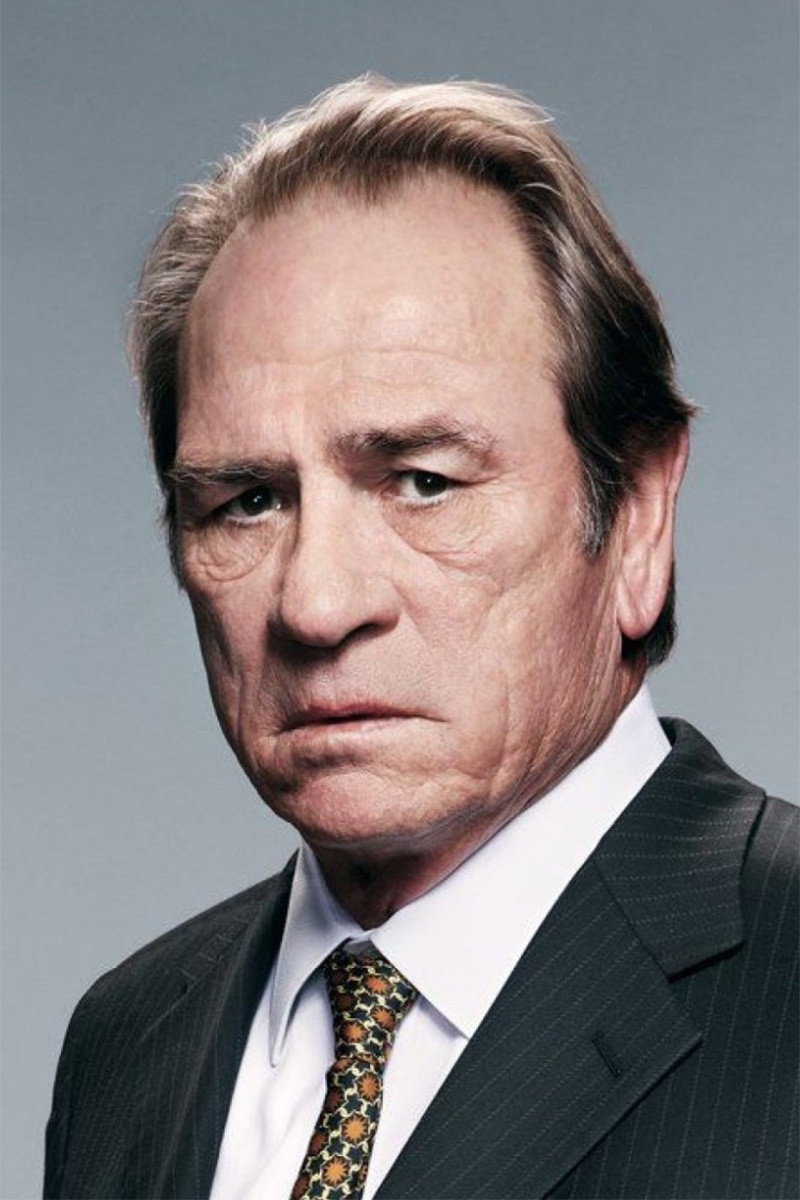
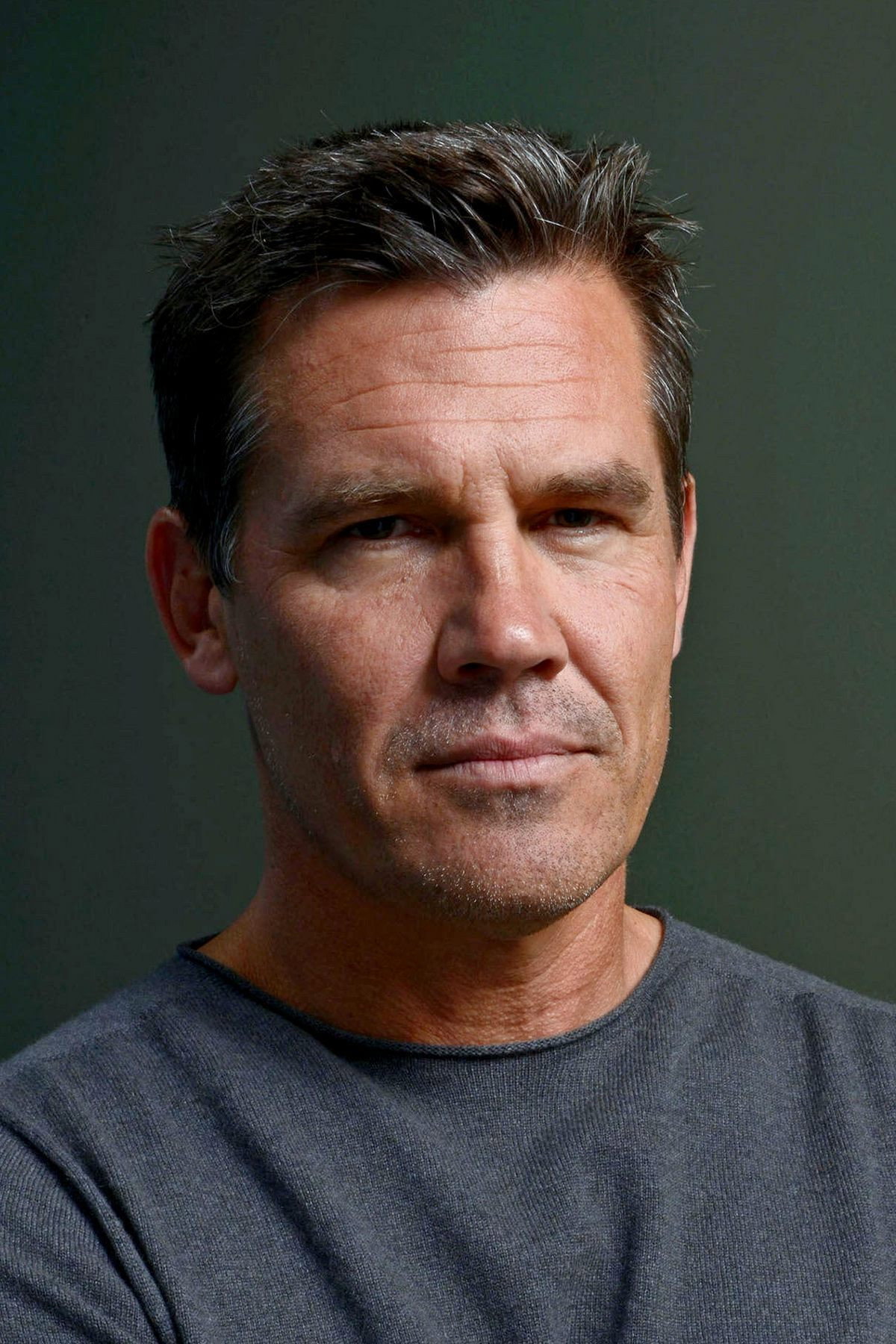
Josh Brolin’s Llewelyn Moss gives the chase someone substantial to follow. Brolin makes the character’s thinking interesting, allowing us to believe in his resourcefulness without asking us to feel safe on his behalf. Tommy Lee Jones gives Ed Tom Bell a weariness that matters just as much as the immediate threat: the violence troubles him beyond the practical difficulty of dealing with it. Jones makes that distress credible without requiring us to accept every mournful thought as wisdom.
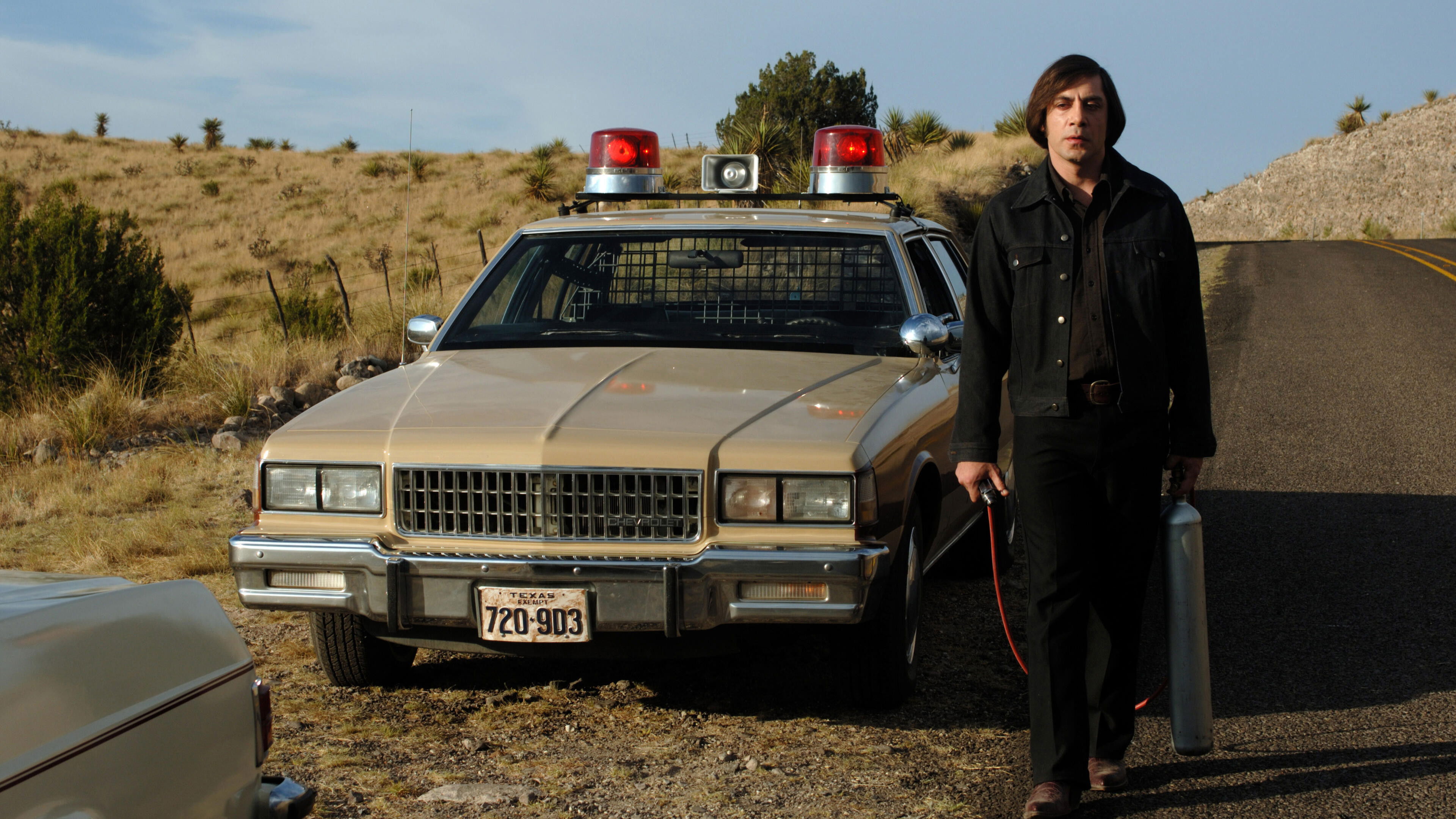
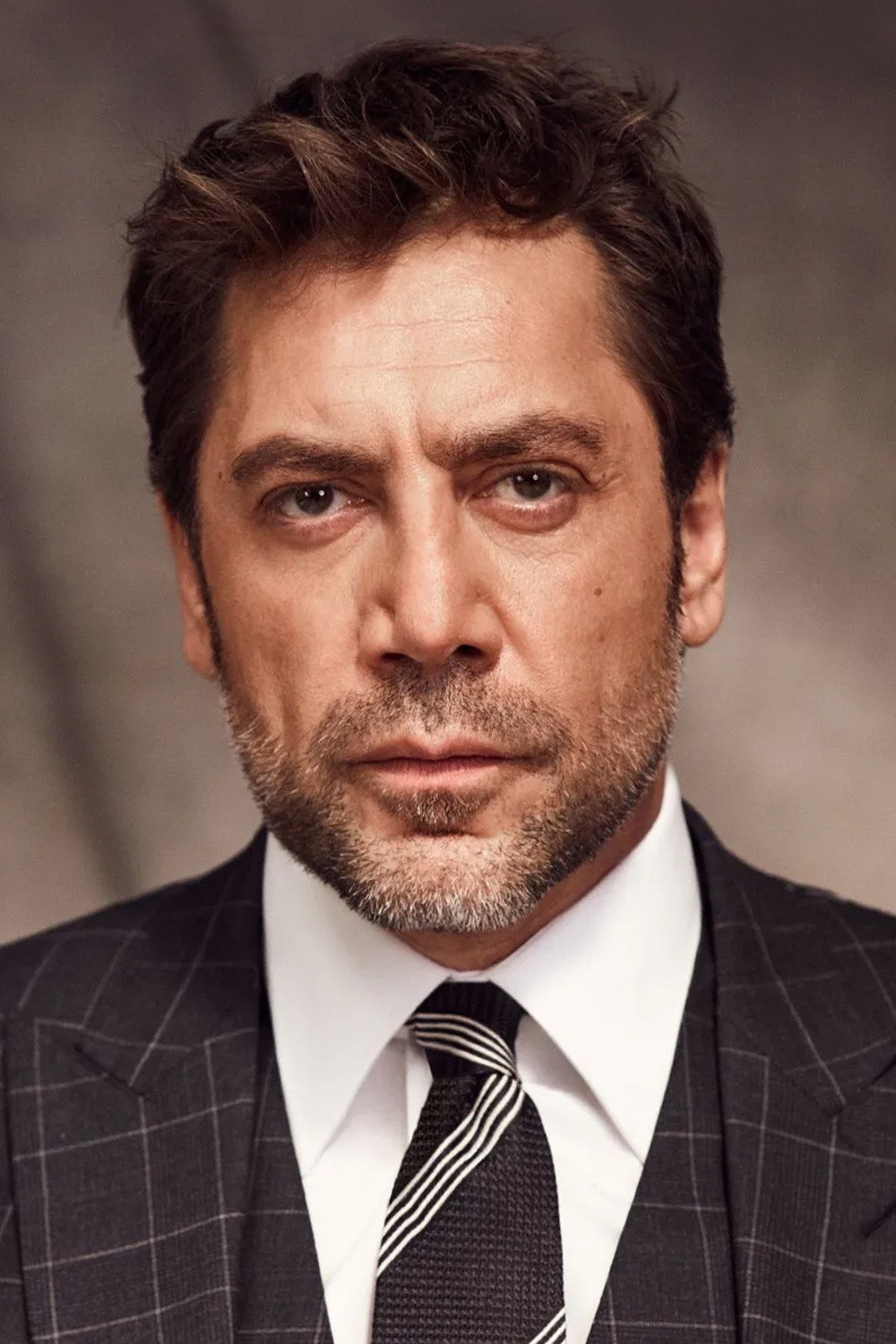
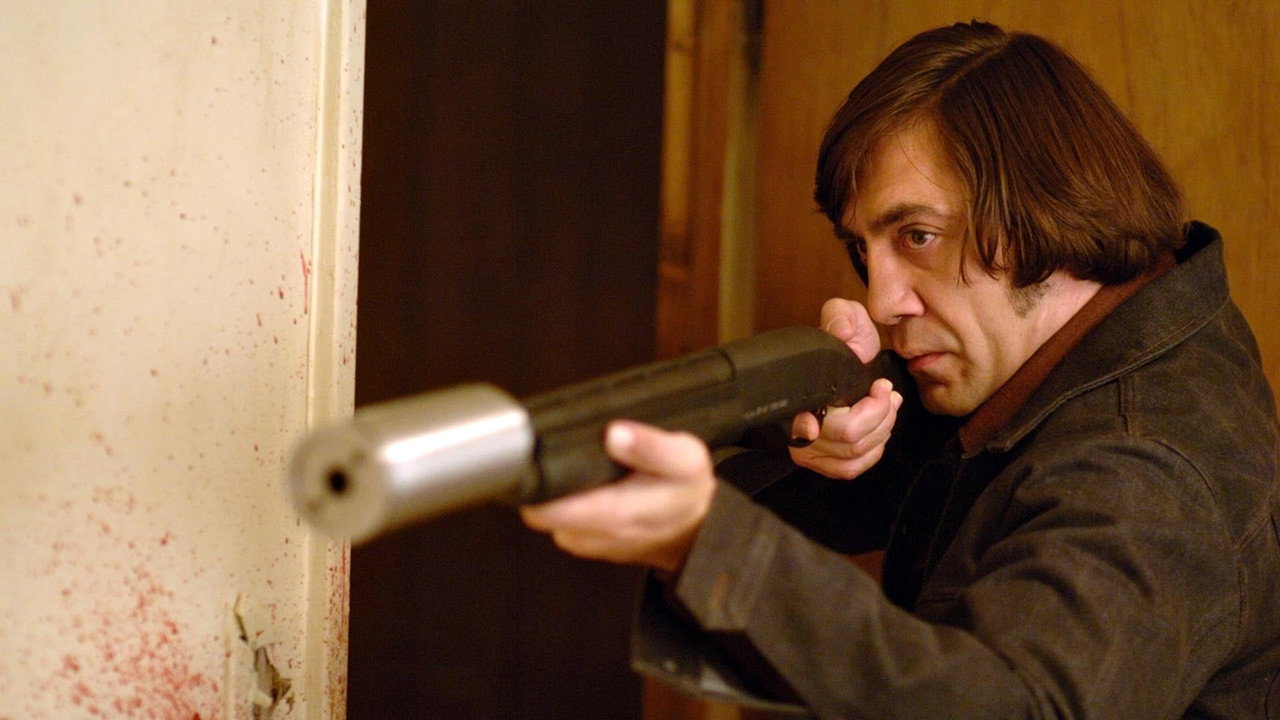
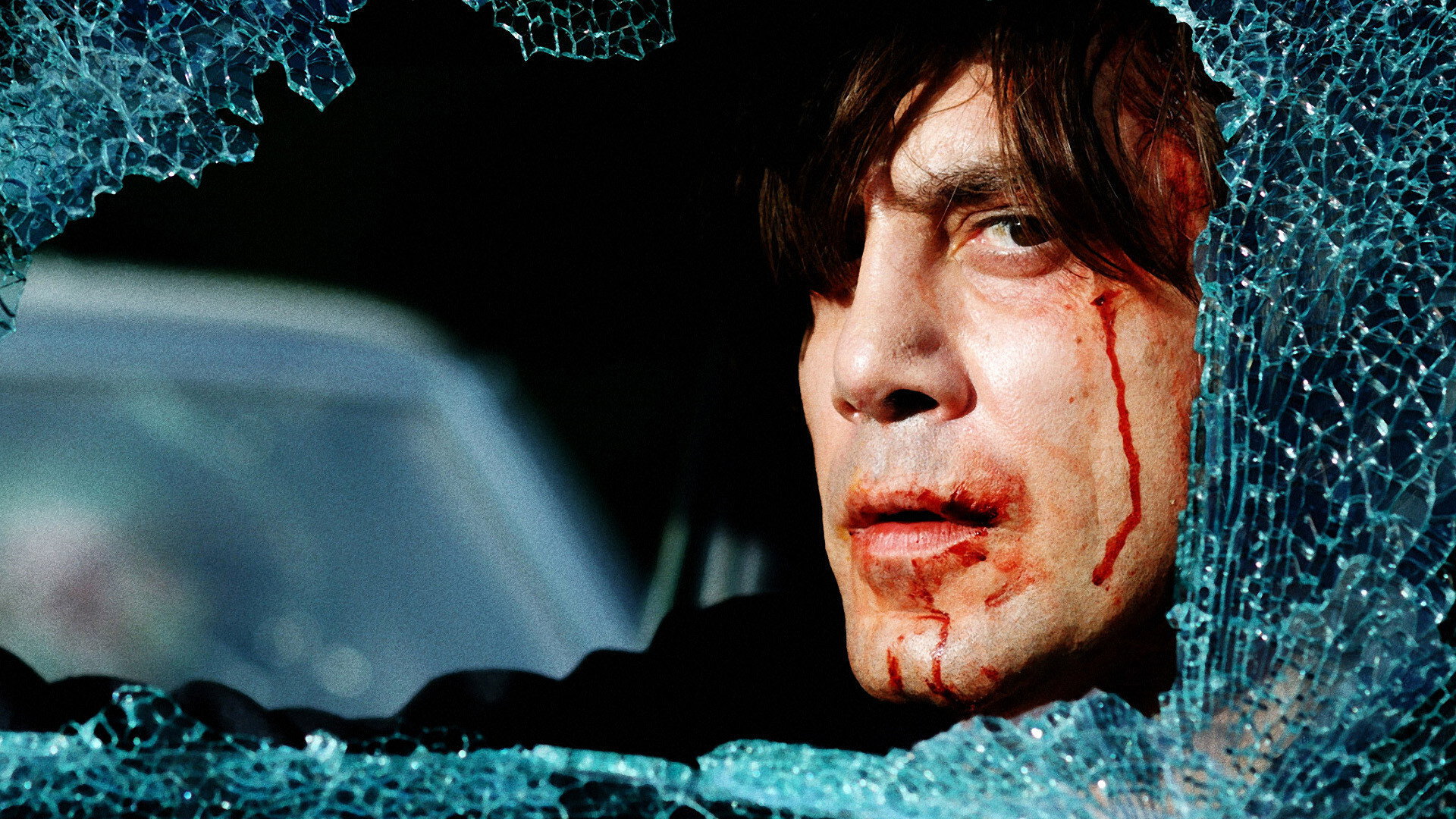
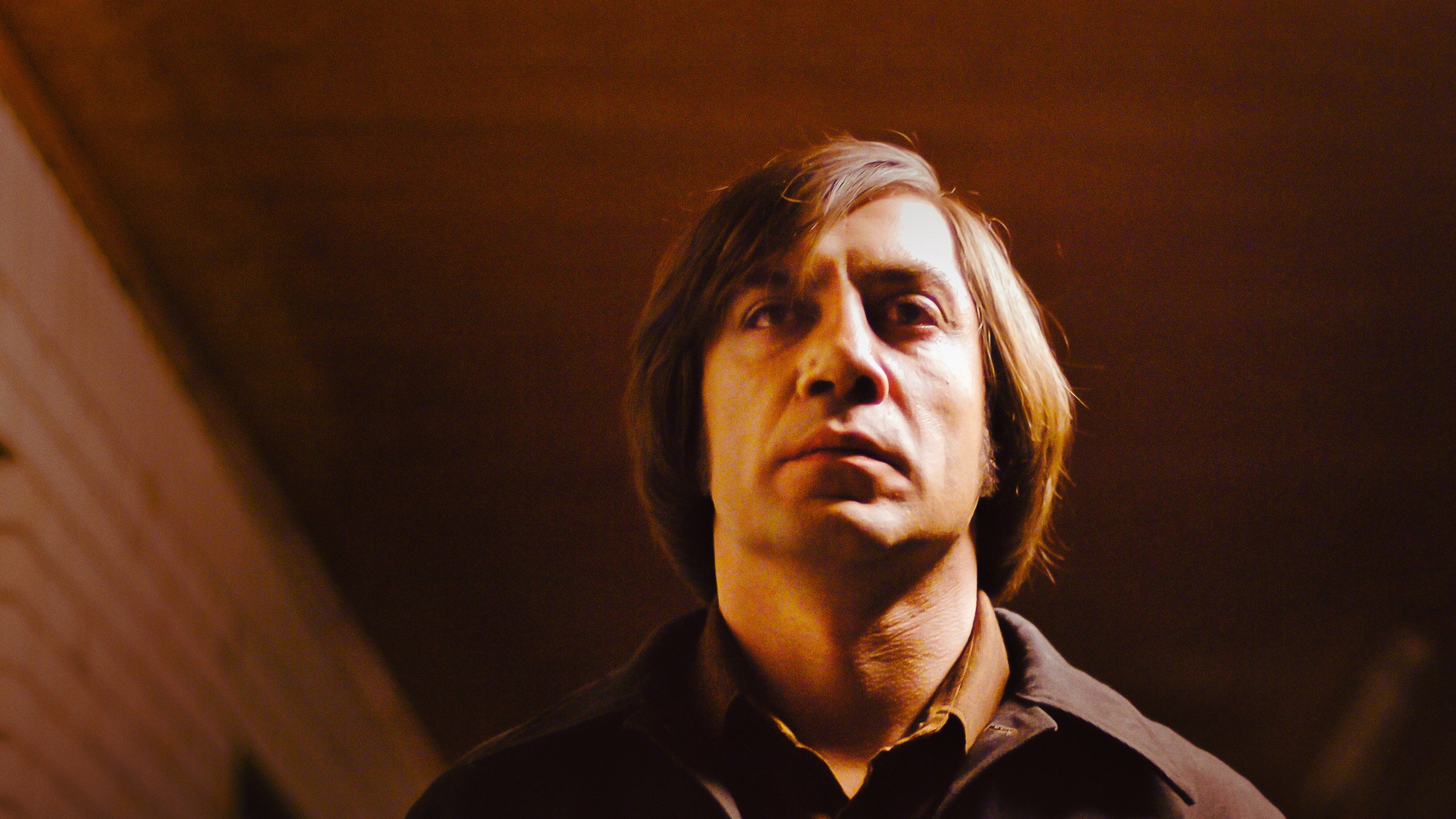
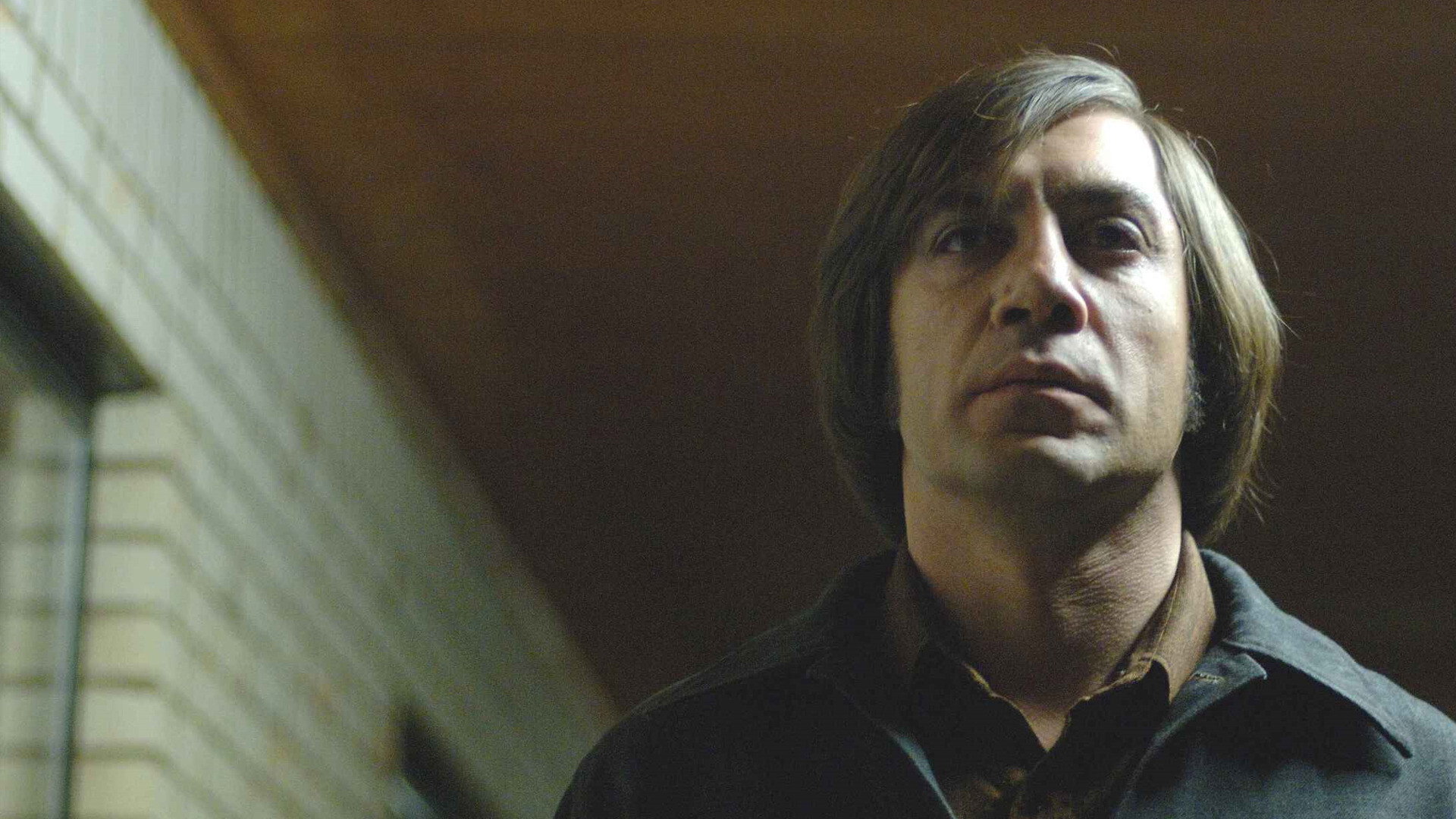
Javier Bardem’s Anton Chigurh is the performance most likely to monopolise the conversation afterwards, with reason. We were frightened by him, and the silence surrounding his menace was what did it. Bardem never seems to need the film to hurry towards the next violent incident; his presence makes waiting unpleasant enough. The black humour helps, too, because the Coens allow the absurdity of this frightening man to register without making him harmless.
Roger Deakins photographs Texas with a severity that makes the landscape feel exposed and inhospitable. His precise framing encourages us to search the image for trouble, while keeping the action clear enough for us to understand what is at stake. Joel and Ethan Coen also edit, and they resist the temptation to make the chase exciting simply by making the cuts faster. The measured pacing leaves us time to anticipate danger, which proves more unsettling than a constant scramble of movement.
Jess Gonchor’s production design makes this Texas feel like a place people have to live in. That ordinariness matters when Chigurh threatens to make the story feel unreal, and it works well with Deakins’s unsentimental view of the surroundings. Carter Burwell’s music works within the same restraint, leaving the silence room to become uncomfortable. The quiet makes us listen closely, and the sound acquires an importance that a more insistent score would have diminished.
There is a cost to all this control. At times the grimness becomes so insistent that the other characters seem to exist chiefly to establish how frightening Chigurh is. We wanted a little more breathing space around them, though giving us that comfort would also loosen the film’s hold. Brolin and Jones are essential here, giving us enough human uncertainty to prevent the whole thing becoming a demonstration of the directors’ skill.
As a Western, it has little faith in the idea that determination and a gun will restore order. That doubt runs through the thriller without stopping it to deliver a lecture, and the dry comedy keeps the solemnity from taking over. We would give it the full 122 minutes in one sitting, with the sound clear and distractions removed. Do not choose it for an easy evening.