Sam Raimi makes a gripping, bleak thriller from ordinary people persuading themselves that keeping a fortune is reasonable. Bill Paxton and Billy Bob Thornton make the damage personal, even when the downward course feels too easy to predict.
Sam Raimi’s A Simple Plan is a gripping crime film about people who believe they can be sensible about a found fortune. We recommend it, with a warning that its bleakness is easier to anticipate than to shake off. Scott B. Smith adapts his own novel, and the script gives greed a plausible, everyday sound. These people can explain themselves, which makes it disturbingly easy to follow their reasoning. The suspense comes from wondering how long each explanation can hold, and what they will do when it fails.
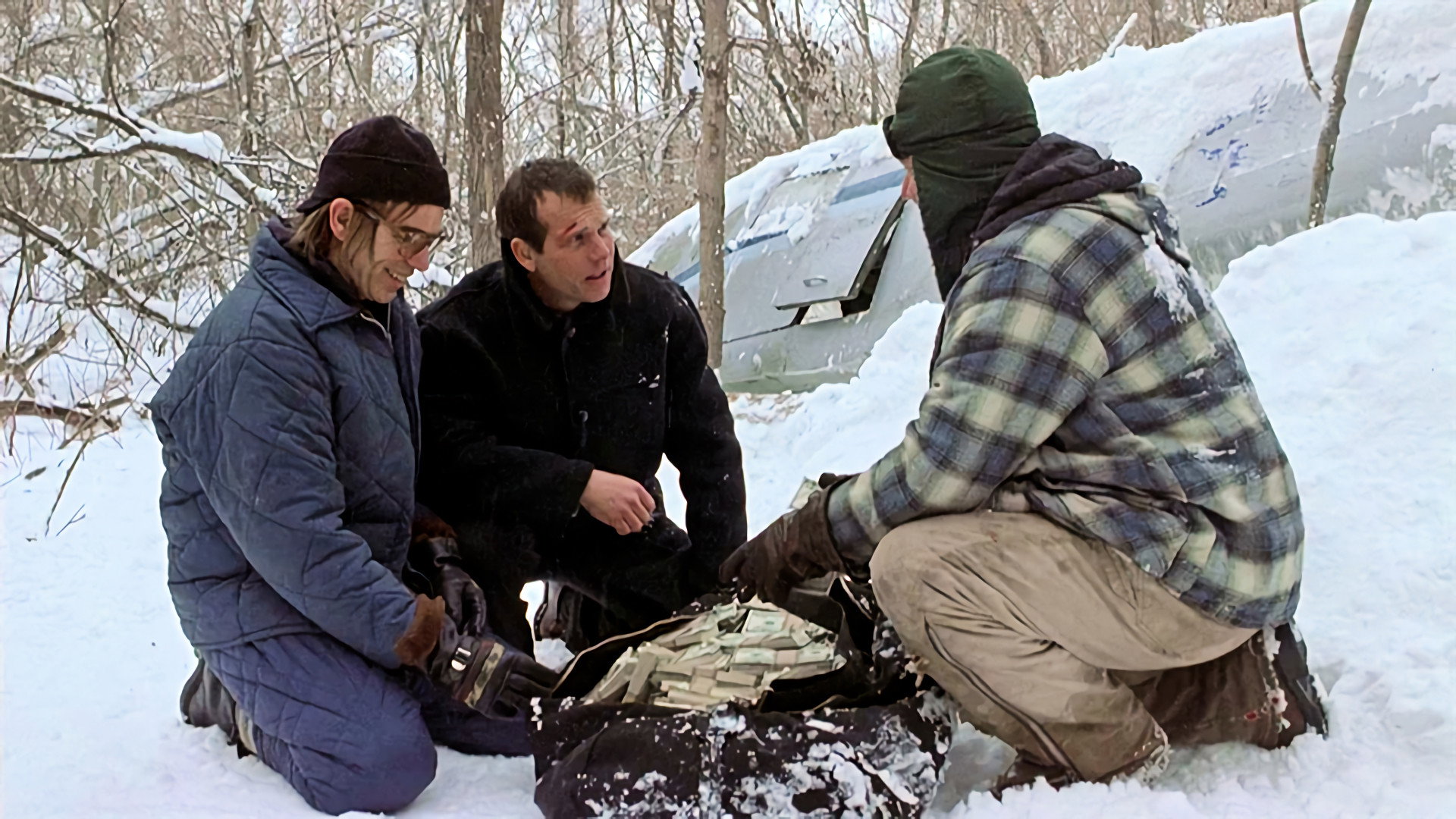
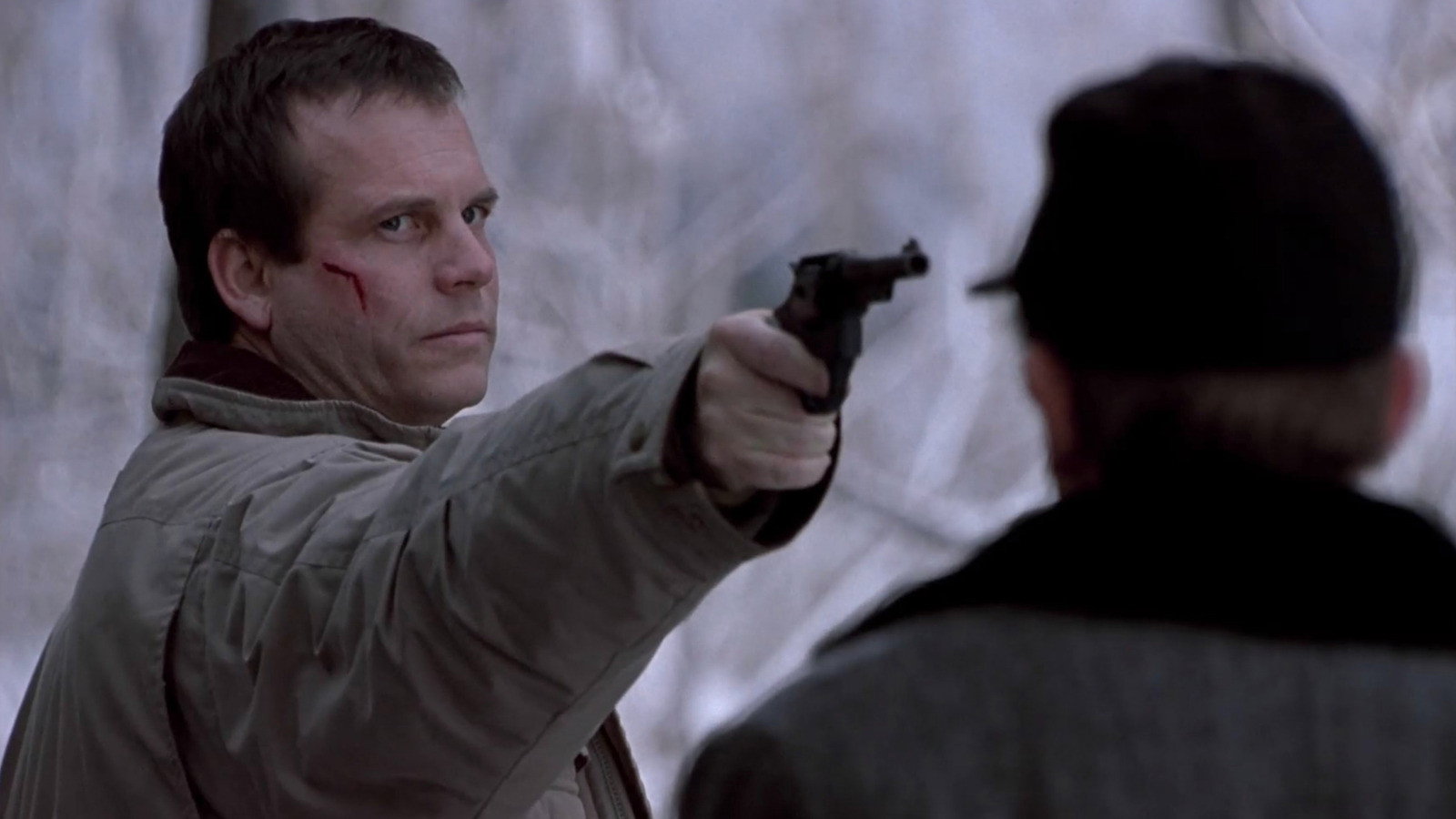
Bill Paxton plays Hank Mitchell with a composure that grows less reassuring the longer we watch him. He makes Hank’s confidence credible without asking us to accept that he knows what he is doing. Billy Bob Thornton’s Jacob Mitchell is less guarded, and the contrast gives the brothers’ disagreements a history the script need not spell out. Thornton’s sensitivity is crucial: Jacob can frustrate without becoming a figure of fun. Both actors give us time to understand the brothers before asking us to judge them.
We were more upset by the strain between the brothers than we expected to be. Paxton’s controlled manner beside Thornton’s exposed need for understanding makes their exchanges painful even before we consider the money. There is affection here, and also the exhaustion of knowing exactly how to annoy someone. Raimi lets that discomfort persist instead of hurrying to the next complication. The scenes between them benefit from his willingness to wait.
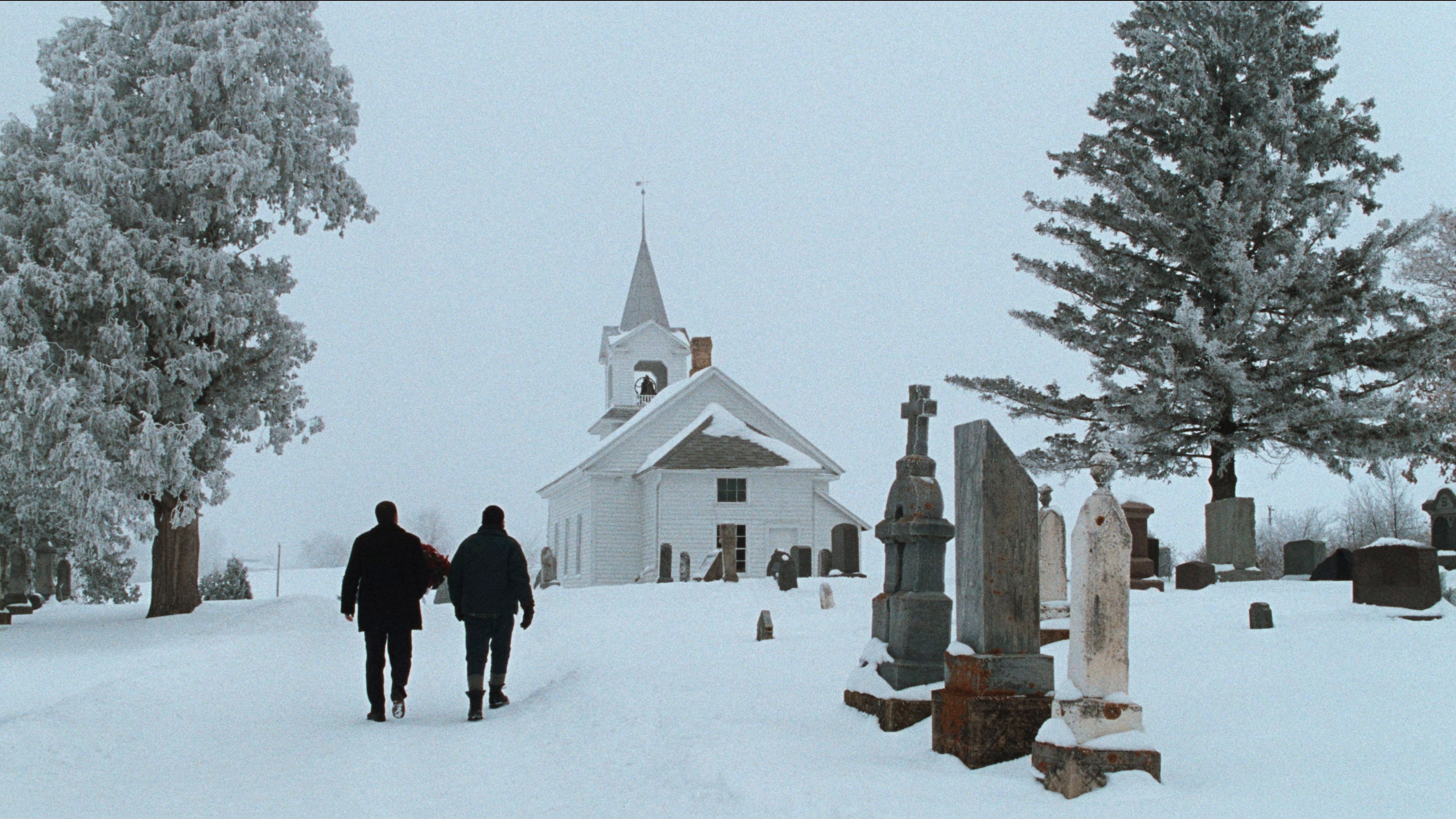
Alar Kivilo’s cinematography makes the snowy Midwestern setting feel unwelcoming. The snow’s blankness becomes oppressive, and the landscape offers little relief from the increasingly uncomfortable business between the characters. Patrizia von Brandenstein’s production design keeps their surroundings convincingly ordinary, so the temptation to change these lives with money remains understandable. That ordinary appearance matters: the setting never makes the people seem destined for a crime story before they have made their choices.
Editors Arthur Coburn and Eric L. Beason give the accumulating trouble a clear, steady pace. We have time to register a decision before its consequences demand our attention, and the tension benefits from that clarity. At 121 minutes, the film has room for character without feeling indulgent. Danny Elfman’s score supplies an unease that fits Raimi’s severity, though we sometimes wished it would leave the actors to make us uncomfortable on their own. The performances already suggest enough trouble without quite so much encouragement from the music.
The greater reservation is with Smith’s script, which sometimes makes the likely course of events too plain. Once greed and panic take hold, the expectation of another bad decision can settle into a pattern. The individual choices remain credible, but there are stretches when we are waiting for the characters to discover what we have already understood. That does not empty the film of suspense. It does mean the brothers’ relationship is often more involving than the question of what happens next.
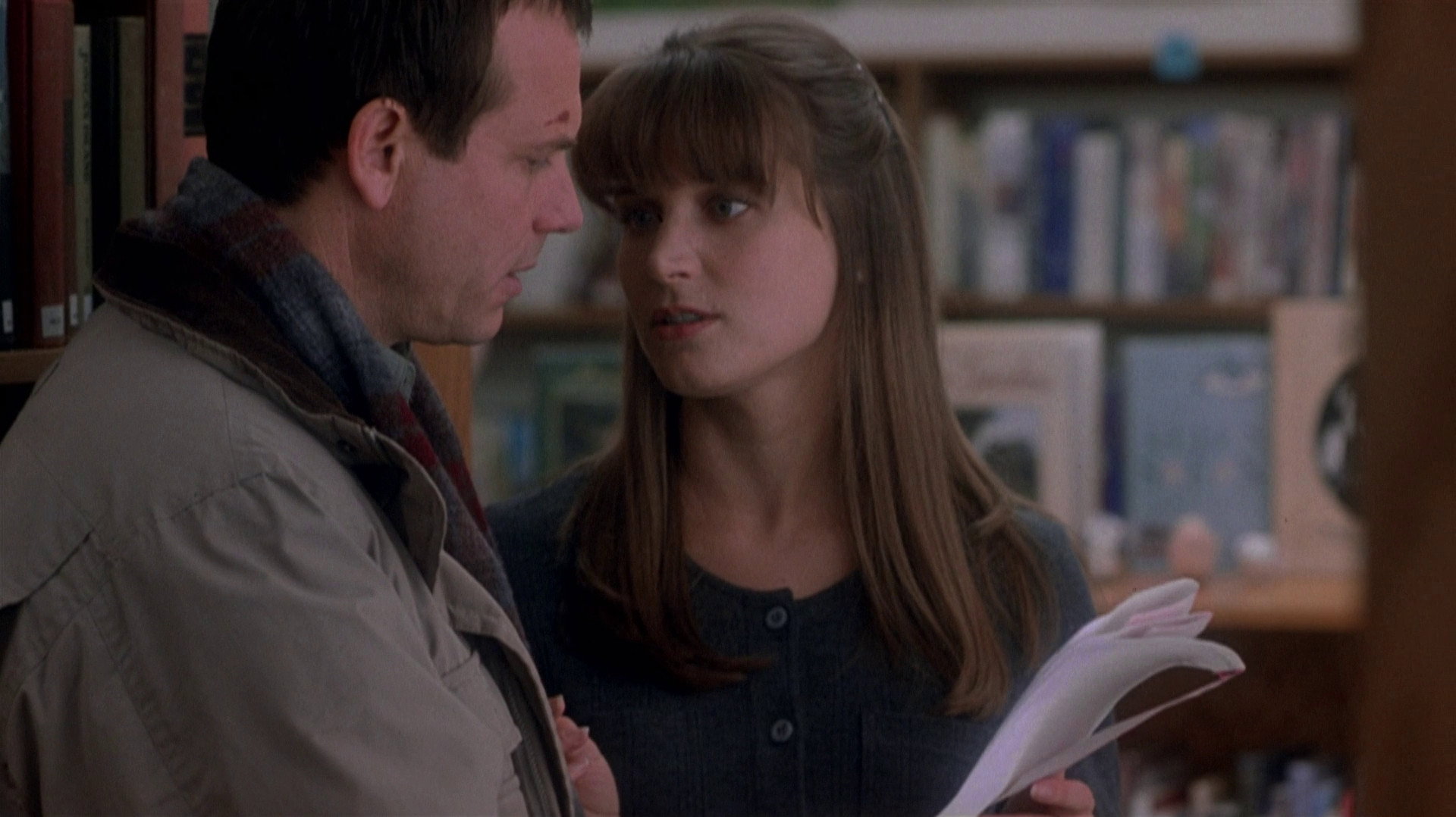
Raimi approaches the familiar crime story of people falling out over money with a seriousness the cast earns. Bridget Fonda and Brent Briscoe give the surrounding characters enough weight that the brothers never seem to be the only people with something at stake. This is patient filmmaking, attentive to the small weaknesses that a thriller can too easily dismiss as stupidity. Choose it for Paxton and Thornton, and do not expect their company to improve the mood.