Fargo is a frightening, funny crime film with an uncommon affection for sensible people. Frances McDormand is the reason we would recommend it even to viewers who usually avoid the genre.
We would recommend Fargo well beyond its natural audience for black comedy. Director Joel Coen and co-writer Ethan Coen are interested in how people behave when their grasp of events is much poorer than they think. The joke could easily become a prolonged exercise in watching fools suffer. What prevents that is the attention paid to ordinary manners, and the presence of someone who treats other people as worth her time.
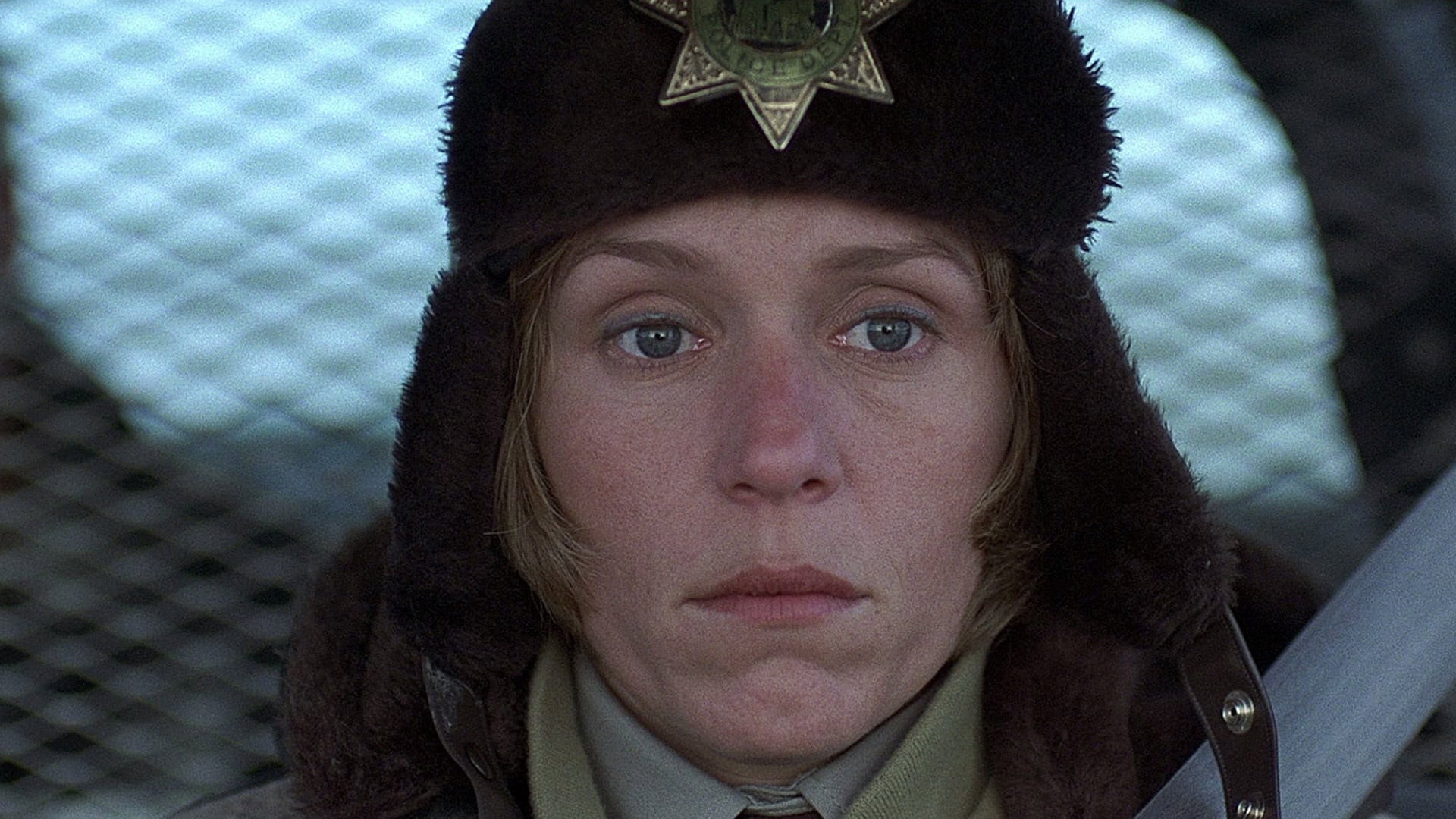
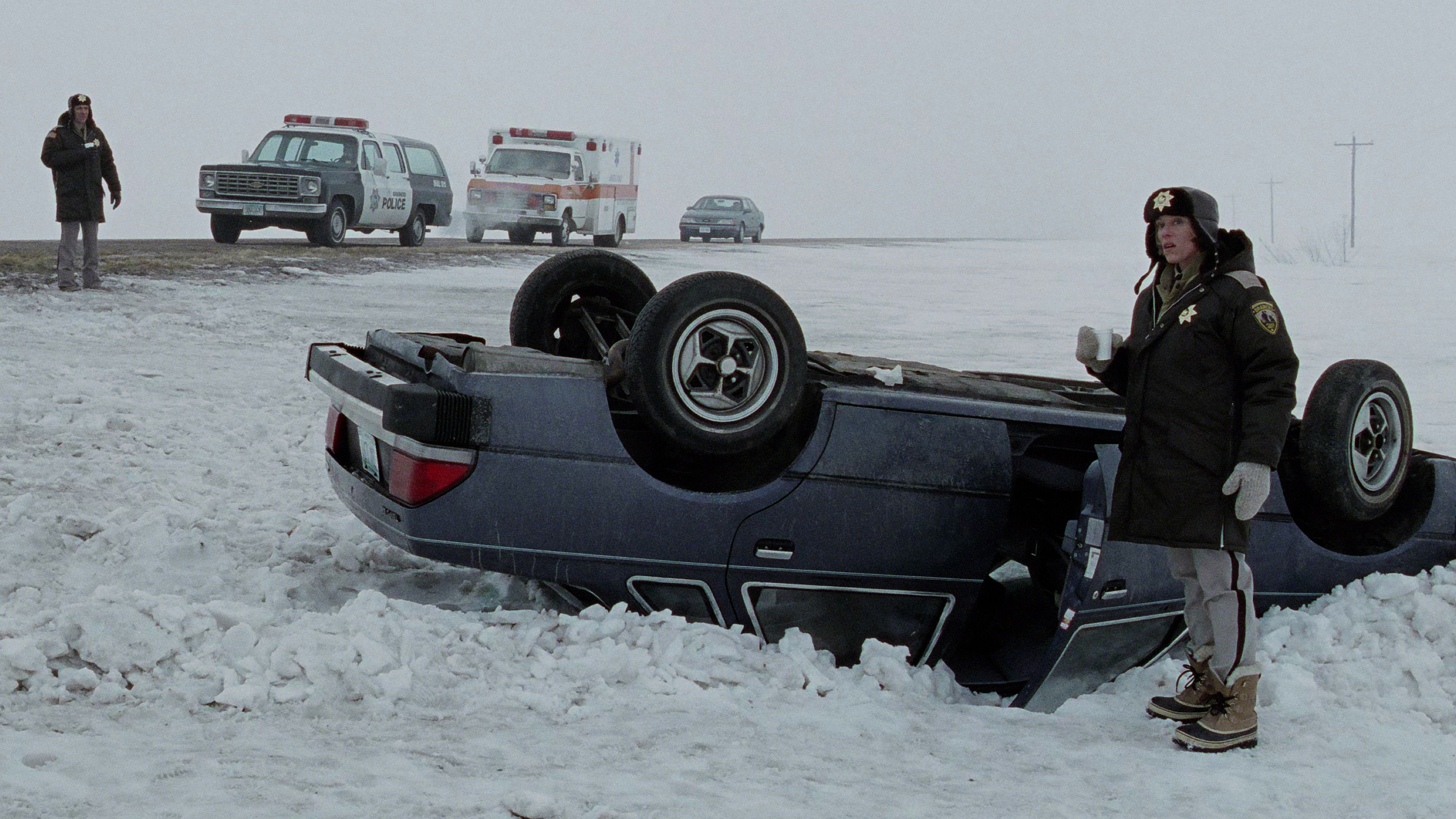
That person is Marge Gunderson, the pregnant police chief played by Frances McDormand. McDormand’s chipper manner is funny without suggesting that Marge is silly, a distinction the whole film depends on. We found ourselves relaxing whenever she spoke, because her straightforward delivery makes competence and kindness seem possible amid the criminal disorder. She gives the comedy room to breathe without asking us to forget the violence surrounding it.
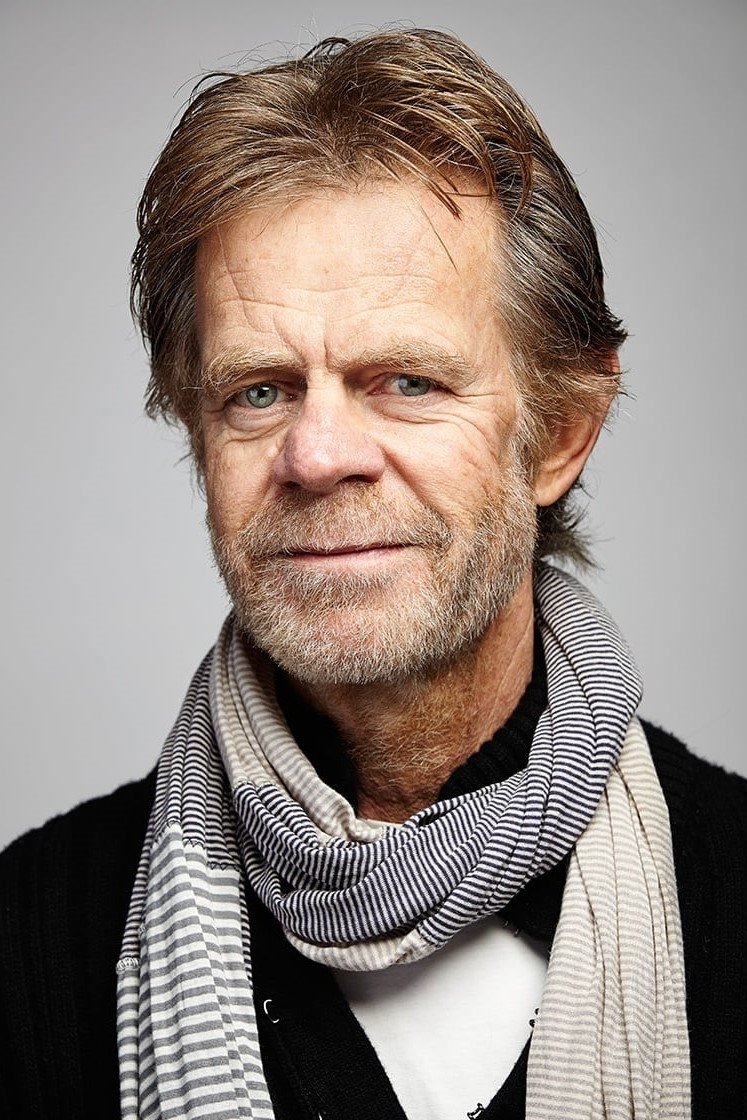
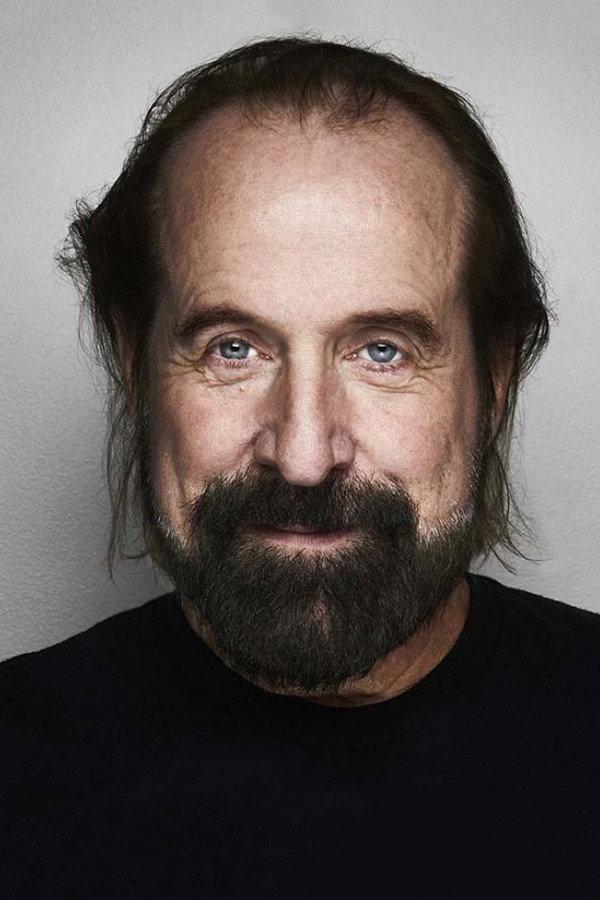
William H. Macy’s Jerry Lundegaard gives the film a different kind of comic discomfort. Macy makes the character’s uncertainty painful enough that laughing at him never becomes entirely easy. Steve Buscemi as Carl Showalter and Peter Stormare as Gaear Grimsrud push harder towards grotesquerie, but the performances retain enough human awkwardness to keep the crime from becoming a cartoon. The cast’s naturalism matters: these people remain recognisable even when their behaviour grows appalling.
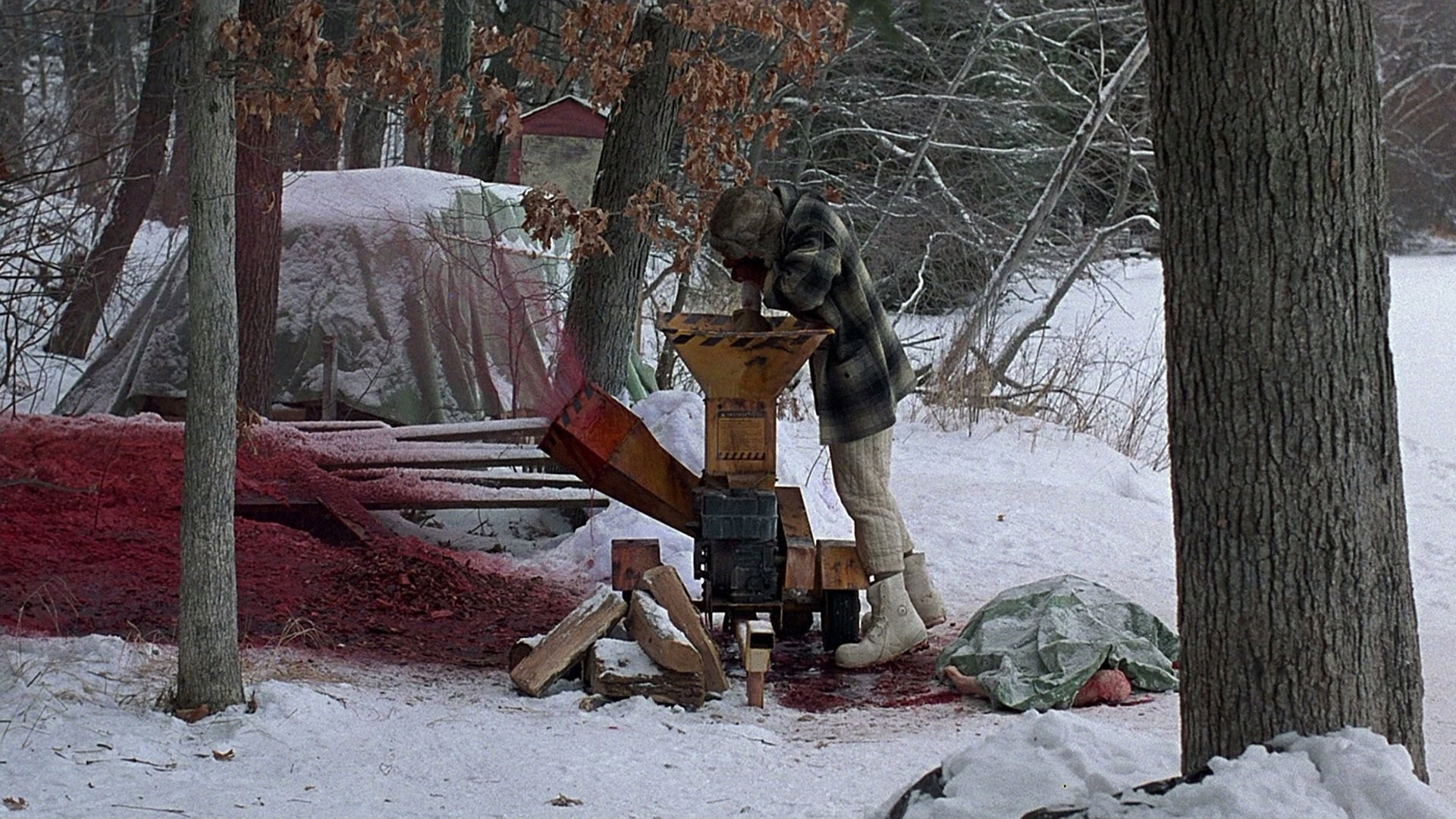
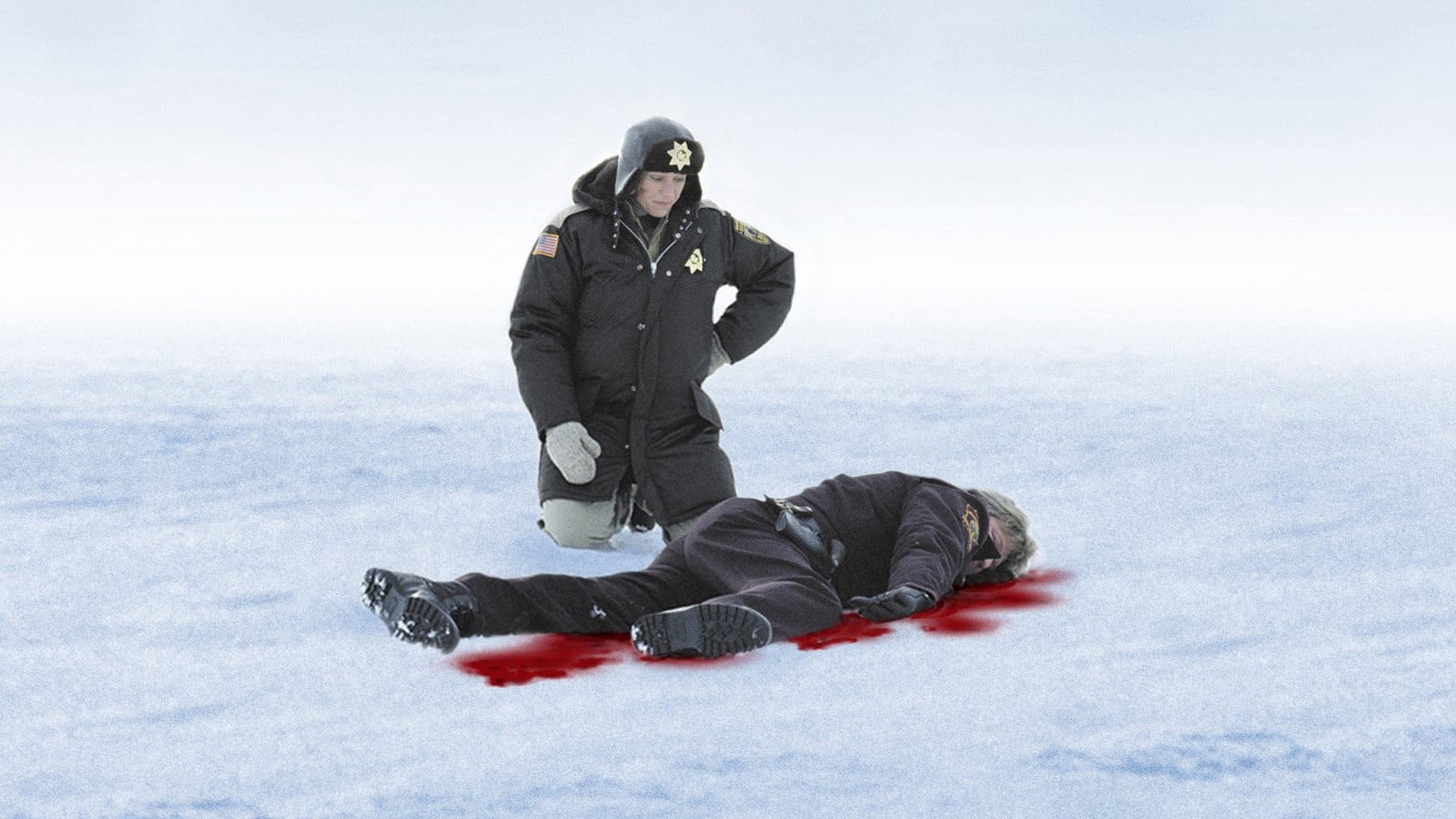
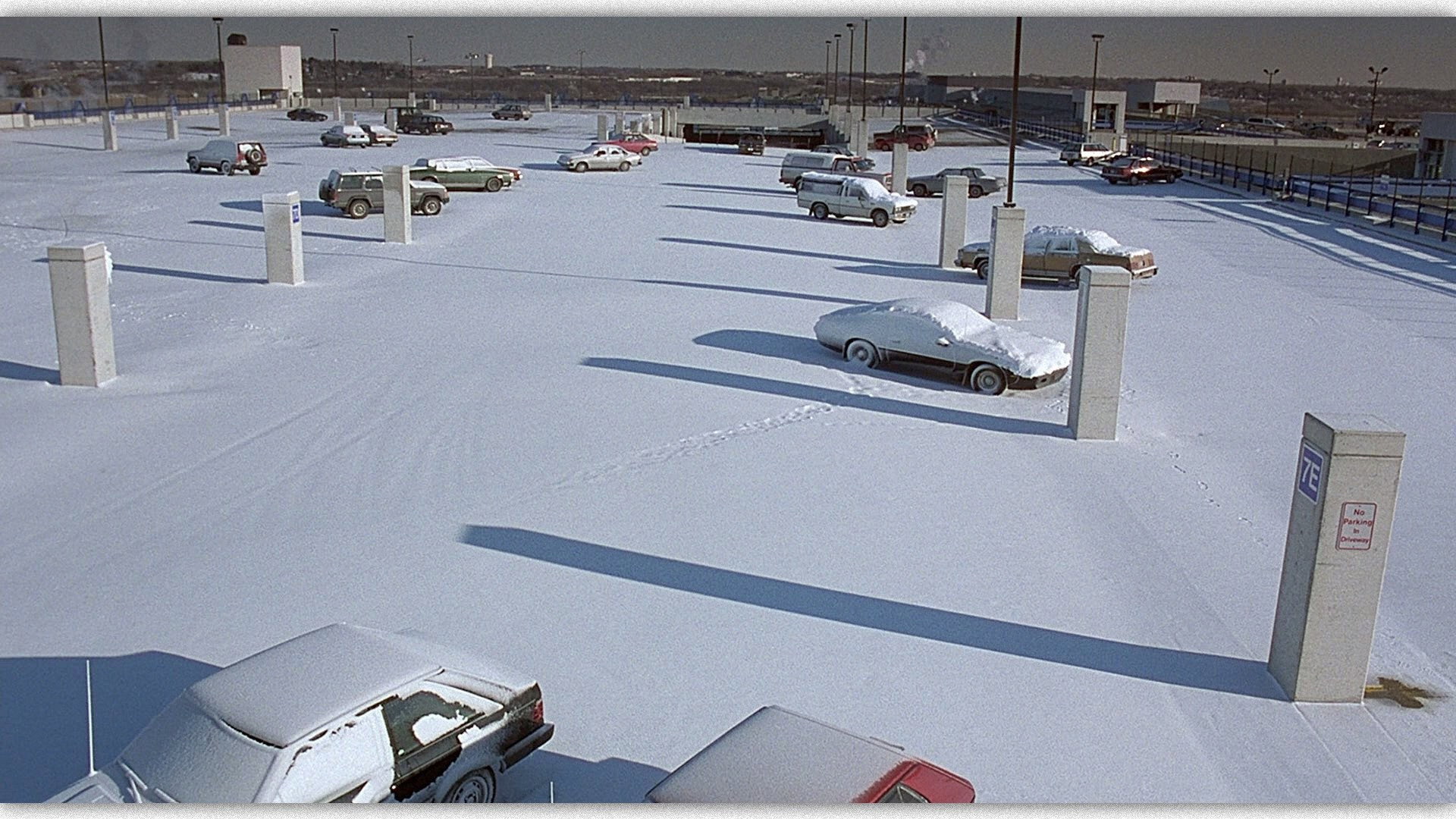
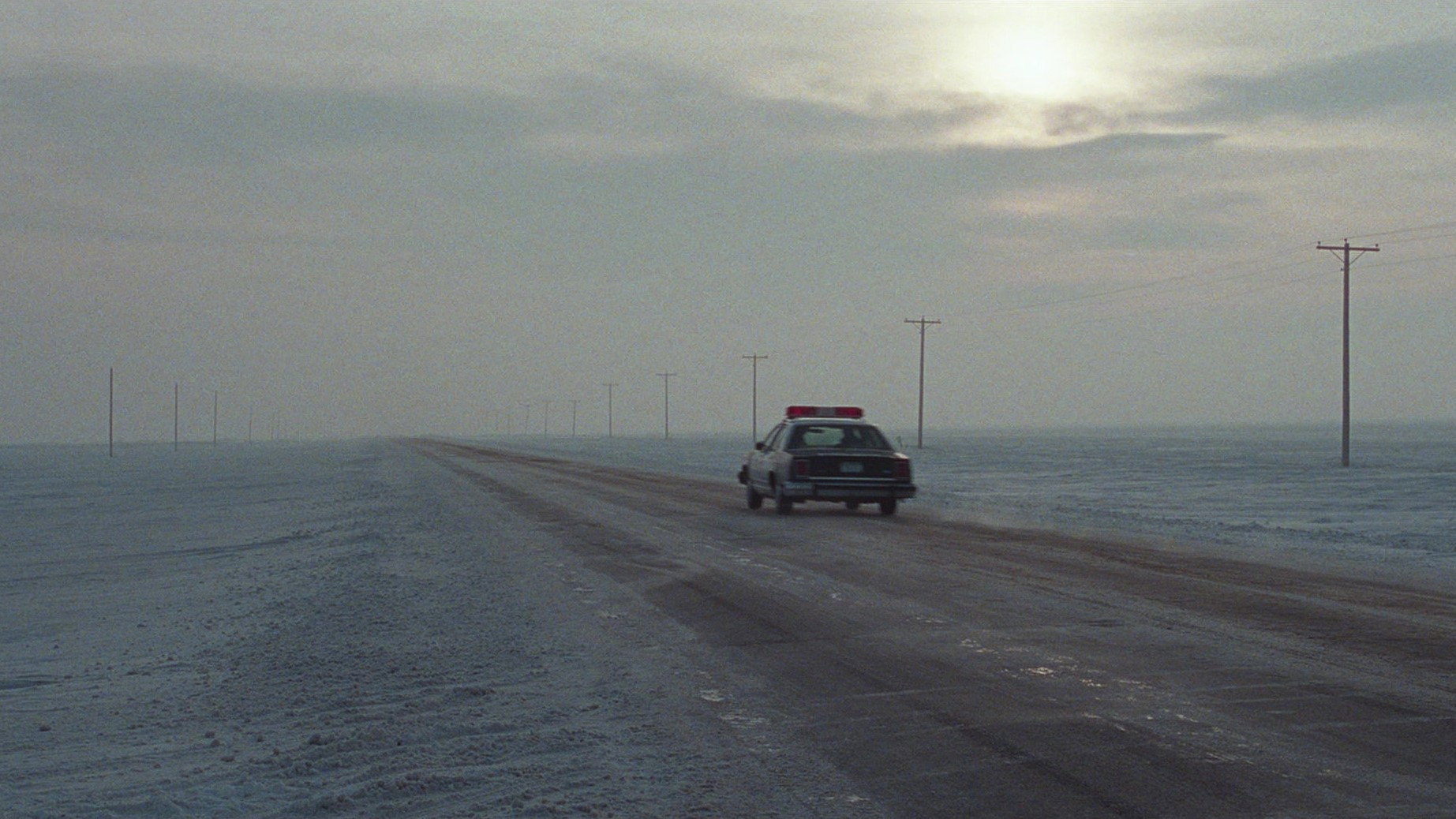
Roger Deakins makes the snowy Minnesota setting feel inhospitable. The pale expanses leave people looking exposed, and they make the criminal business seem small and grubby. Rick Heinrichs’s production design works through a similar lack of display, giving the actors surroundings that do not compete for attention. That plainness lets small changes in manner count, which is essential in a film whose comedy depends so much on how people speak.
Joel and Ethan Coen also edit, and their handling of the changes in tone is exact. The comedy remains uncomfortable as suspense builds, so violence never arrives in a safely separate section of the film. We have not been given a comfortable interval in which to adjust. Carter Burwell’s music gives the criminal muddle a gravity its participants cannot supply themselves. It allows sadness to register without requiring the actors to announce it, and keeps the humour from making the suffering seem trivial.
The reservation is that the comedy sometimes enjoys people’s oddness a little too much. A manner of speaking can become a joke before a character has been allowed to become a person, and the Coens do not always resist that easy laugh. We can feel the performance being presented for our amusement. McDormand largely avoids this trap, but the less generous moments briefly make the film seem pleased with its own cleverness.
Crime films often ask us to enjoy the company of people we would cross the road to avoid. Fargo understands that attraction, but it also makes a pregnant police chief’s good sense worth our attention. At 98 minutes, it gives her enough space to matter without letting the criminal complications grow tiresome. See it with someone who laughs at awkward conversations, but do not mistake that laughter for a promise of a comfortable evening.