John Huston’s gold-prospecting adventure is tense, funny and unusually frank about how people excuse their own greed. Humphrey Bogart and Walter Huston make its occasional lecturing worth forgiving; we recommend it warmly.
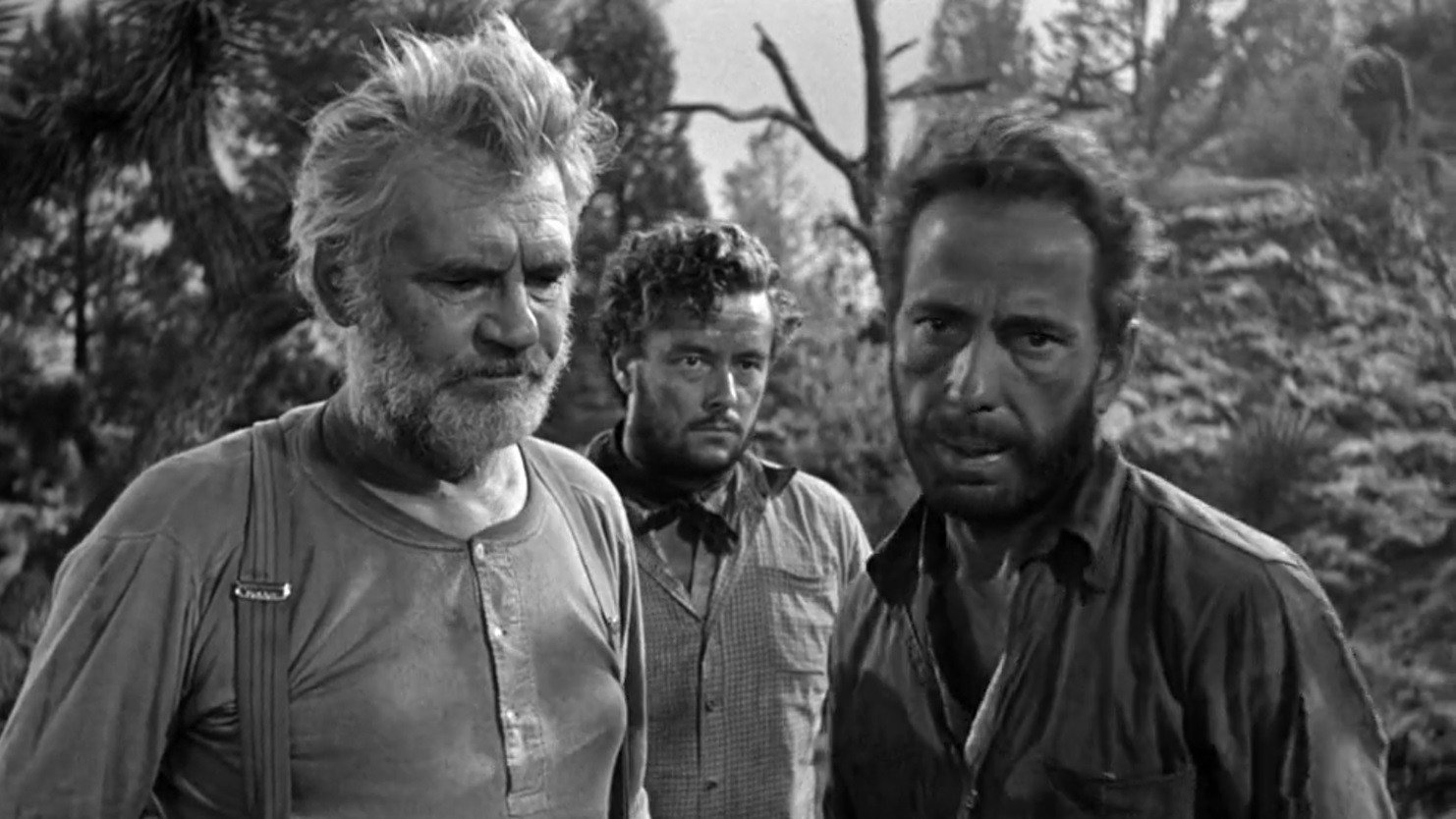
John Huston’s The Treasure of the Sierra Madre is a tense, funny adventure that makes the search for gold seem tempting and a thoroughly bad idea. Three prospectors want to make their fortune, a plan simple enough to leave room for the difficult business of getting along. Huston writes as well as directs, adapting B. Traven’s novel, and his great strength is his interest in these particular men. We recommend it warmly, with a reservation about how often it explains what they have already shown us.
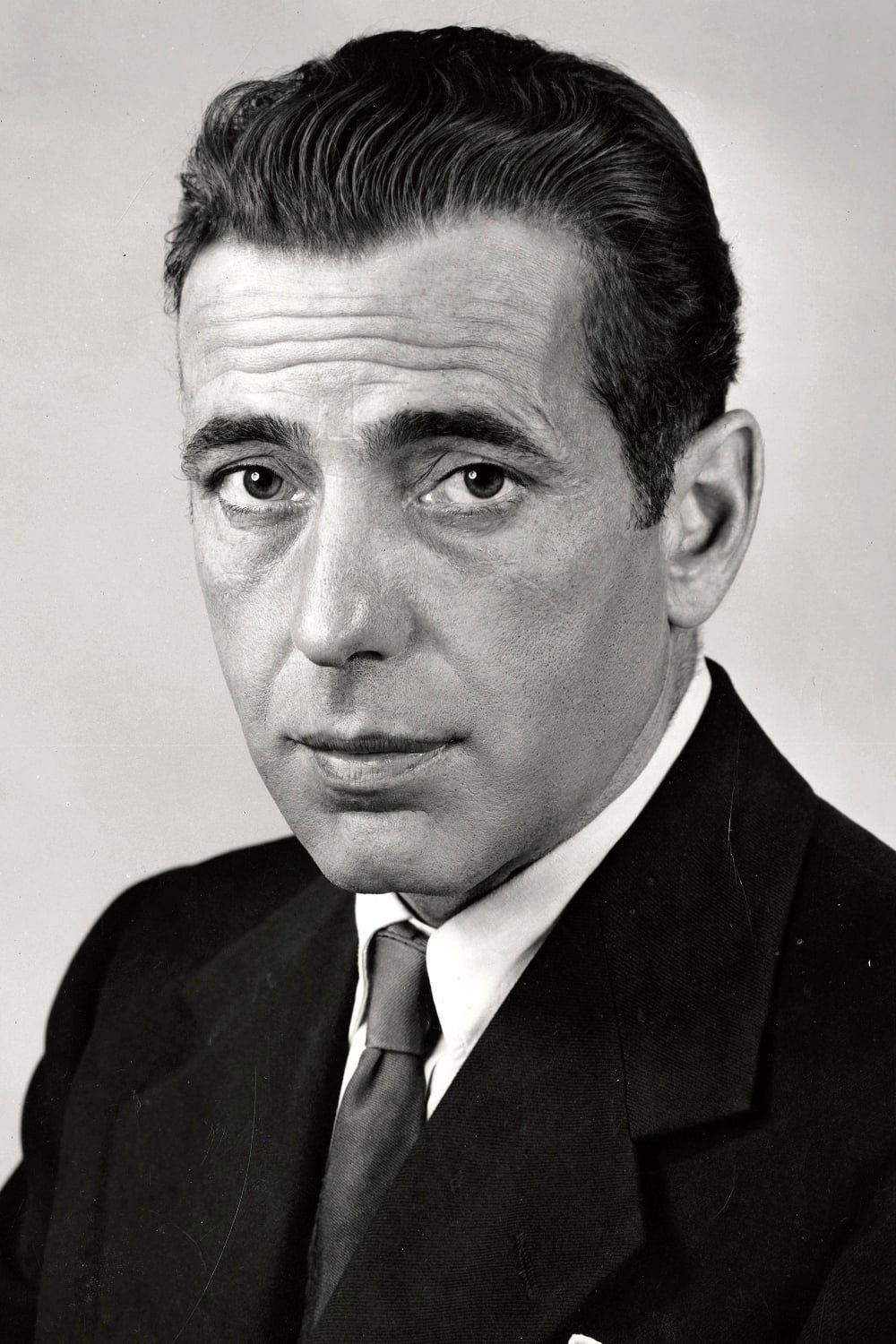
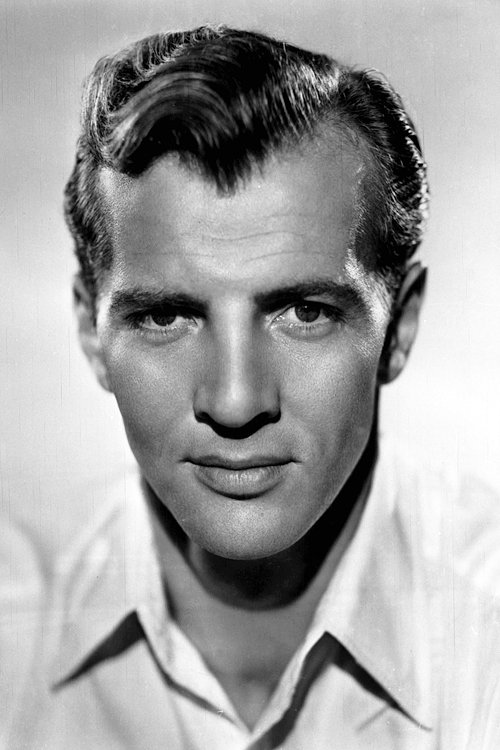
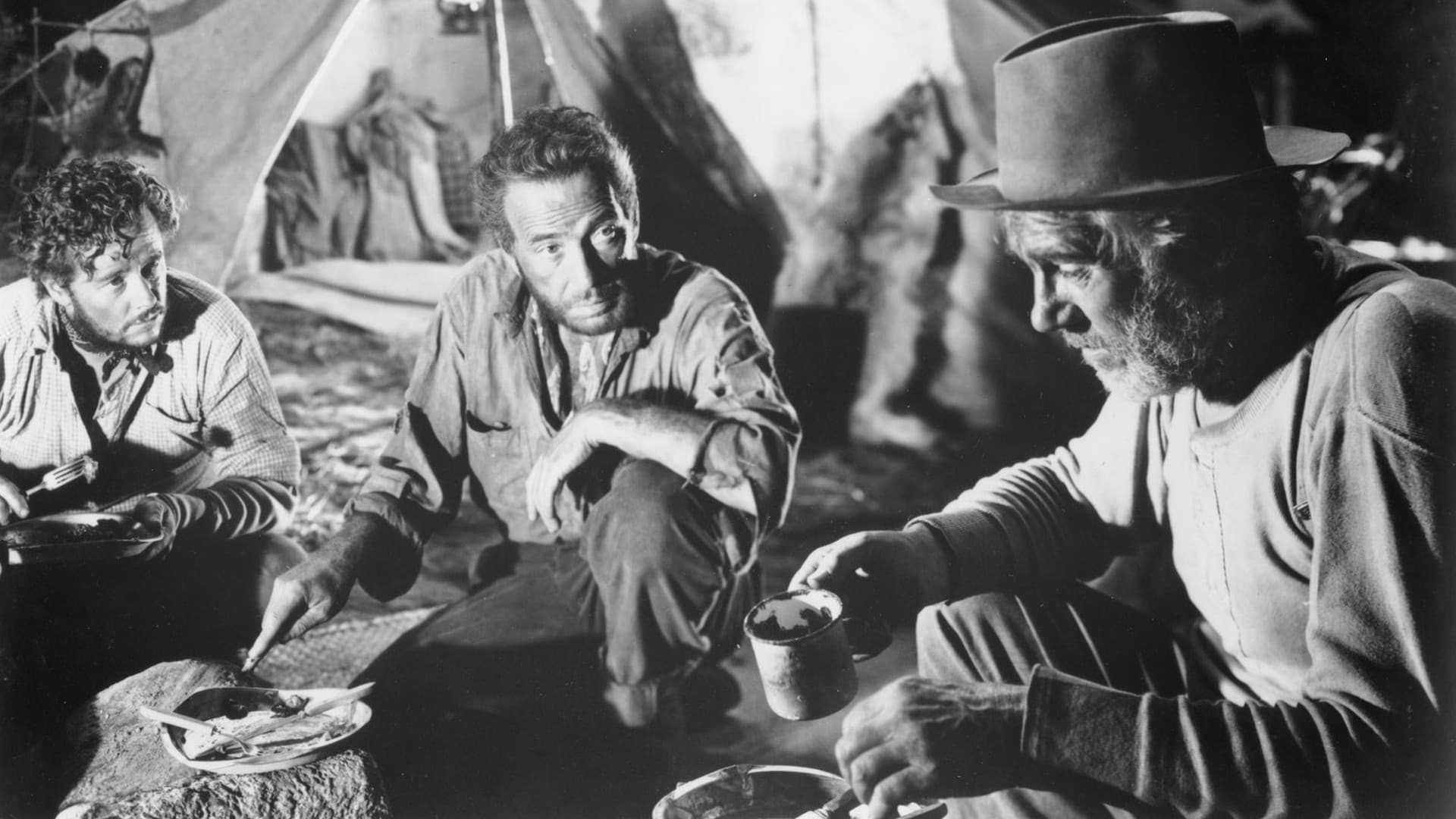
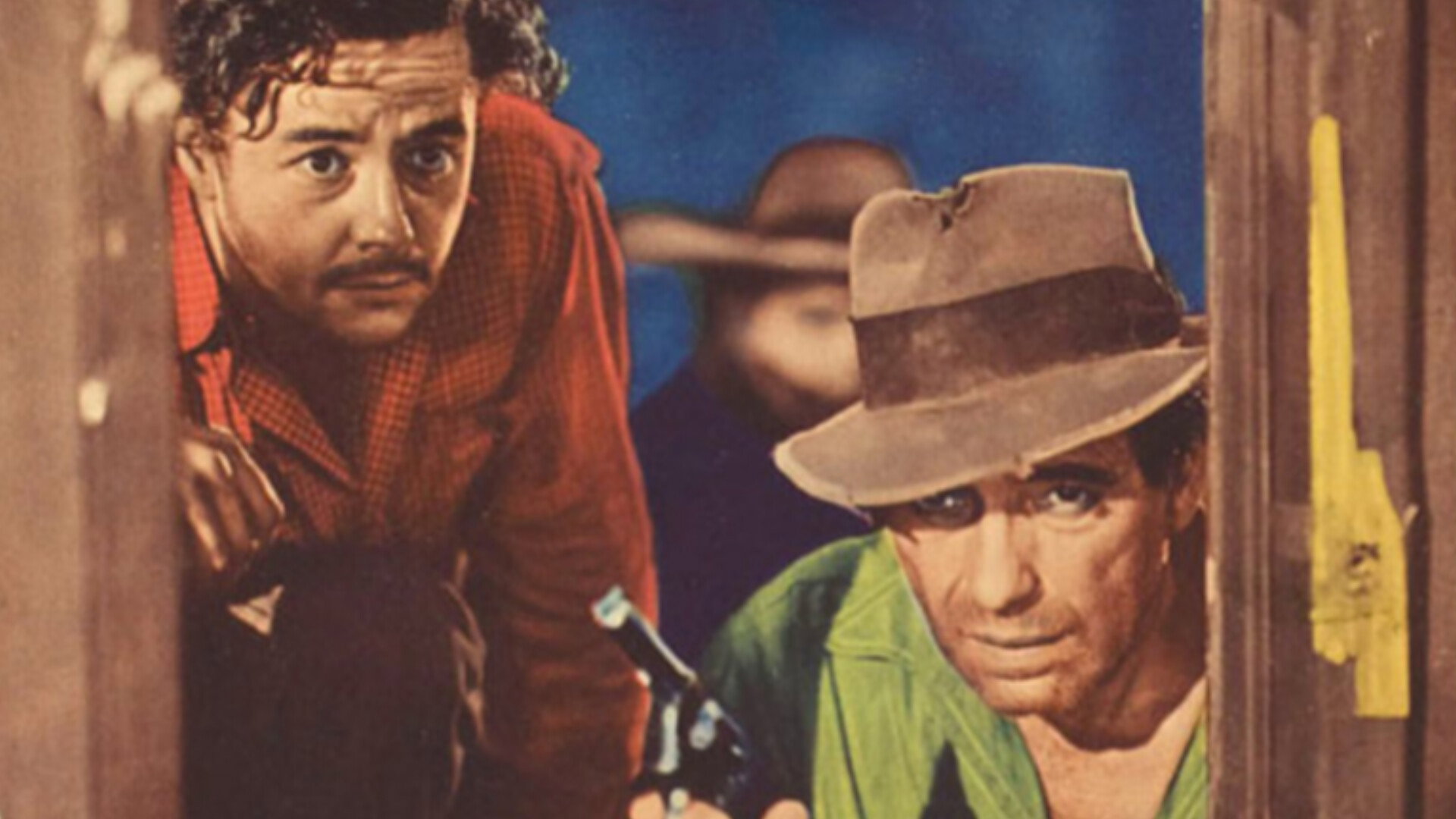
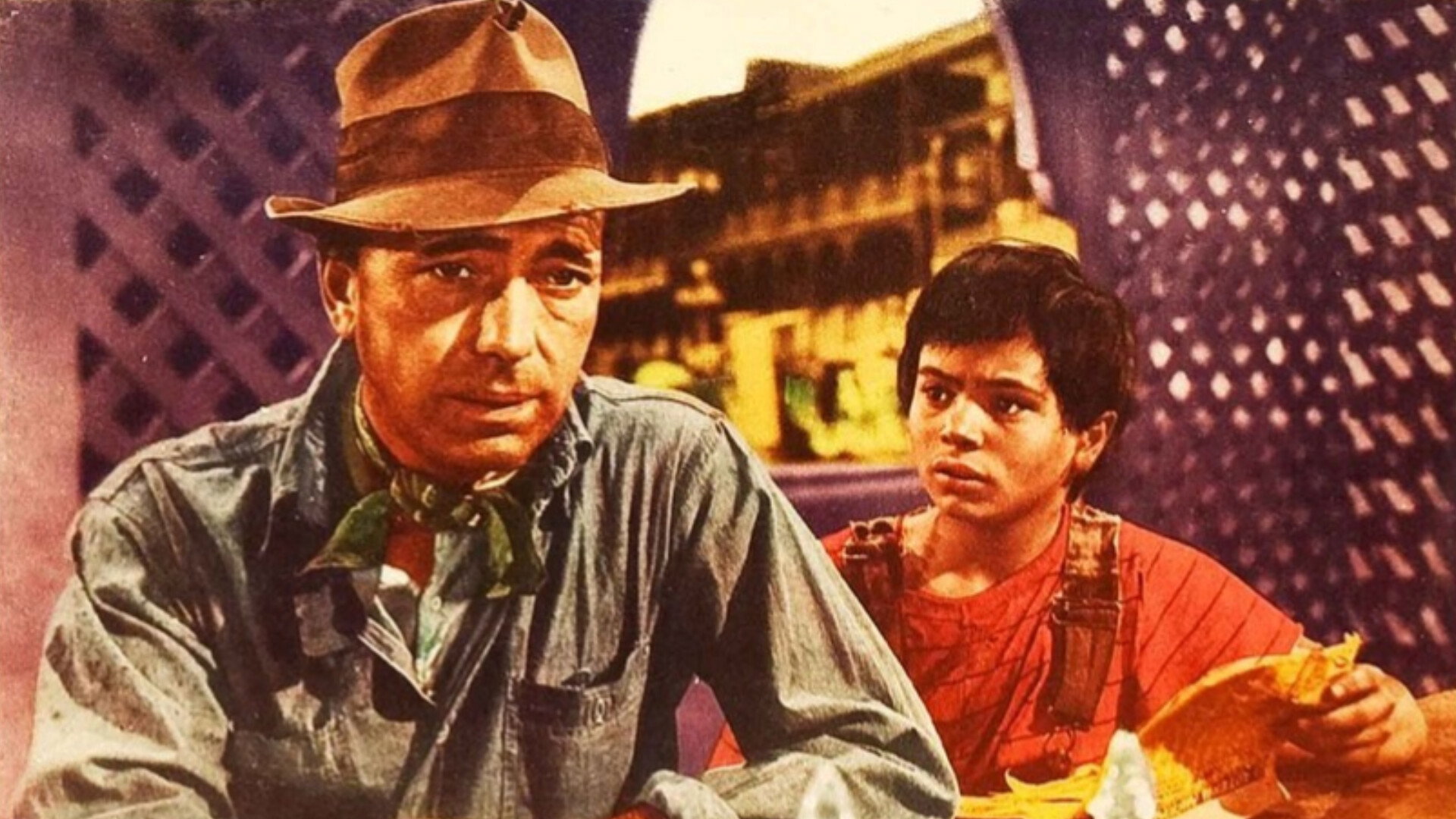
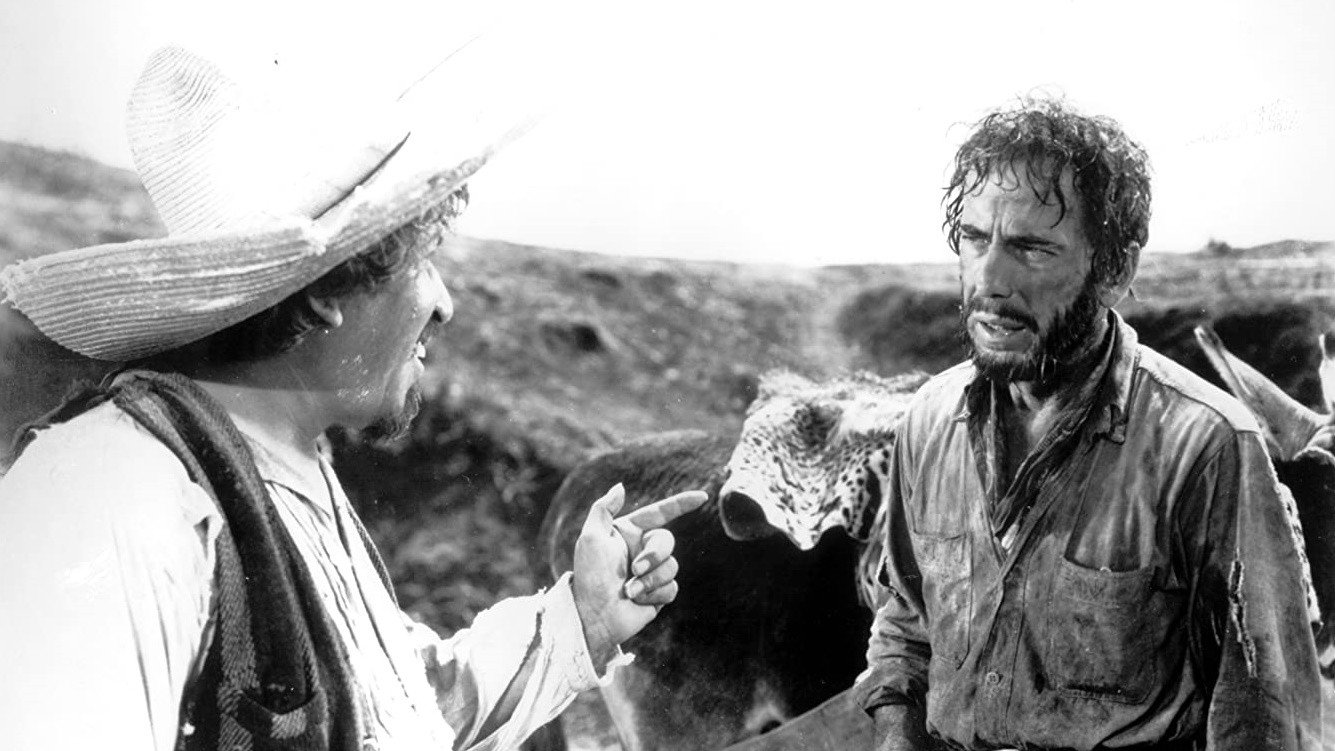
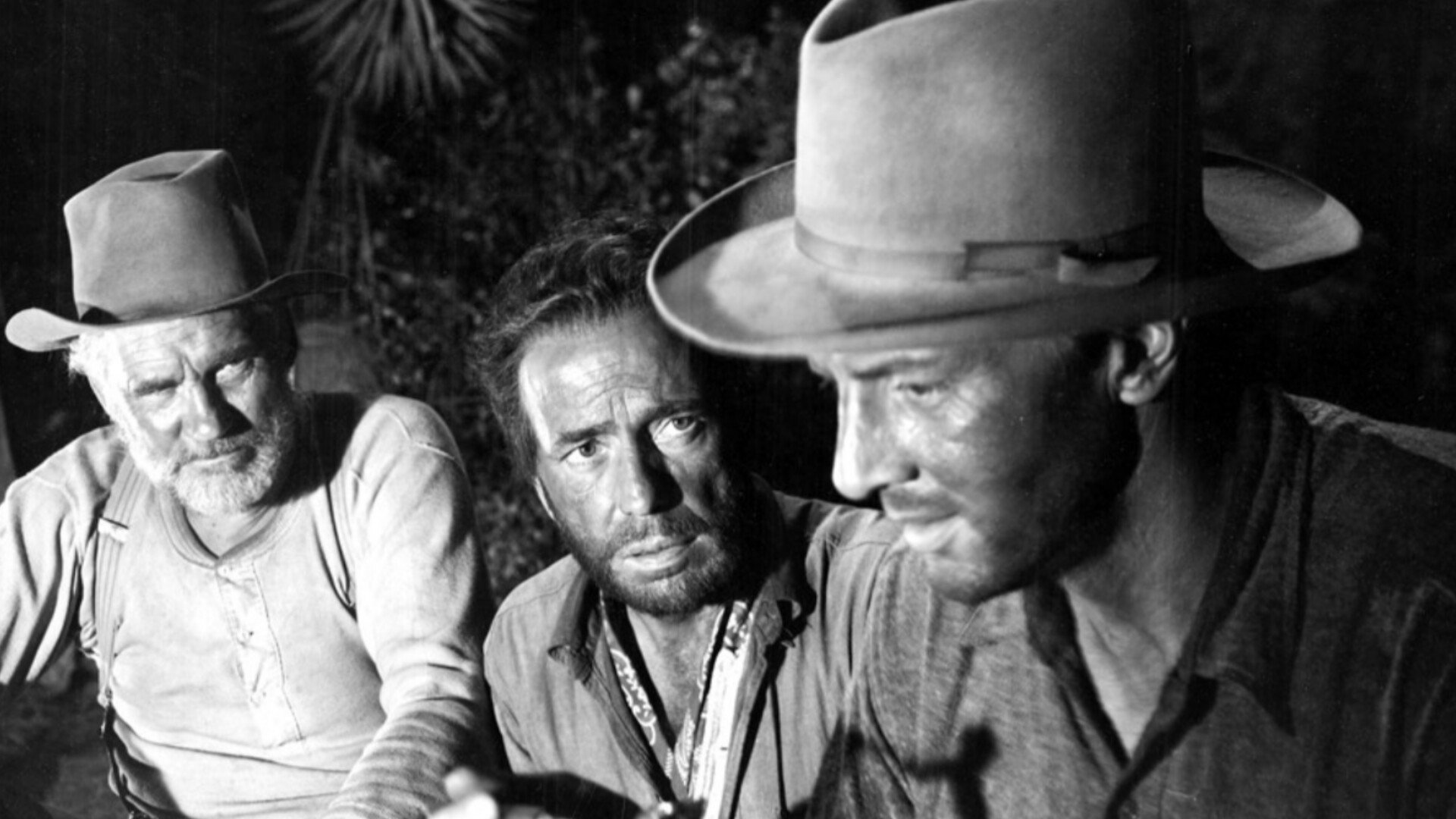
Bogart’s Fred C. Dobbs is the chief reason their company becomes so uncomfortable. His performance allows us to follow a selfish man’s reasoning without asking us to approve of it, and he makes suspicion seem horribly easy to acquire. We were unsettled by Bogart’s self-righteousness: Dobbs sounds most dangerous when he seems convinced he is being sensible. Bogart does not soften that unpleasantness to keep us fond of him, and the performance is gripping because he allows the character to be such poor company.
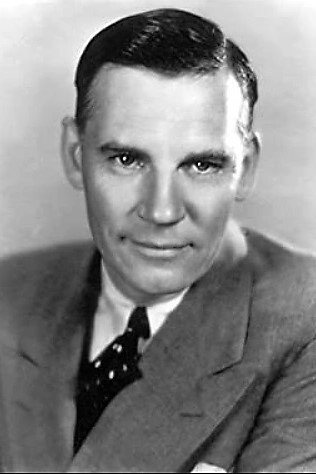
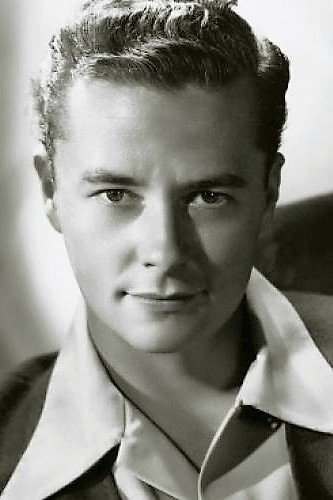
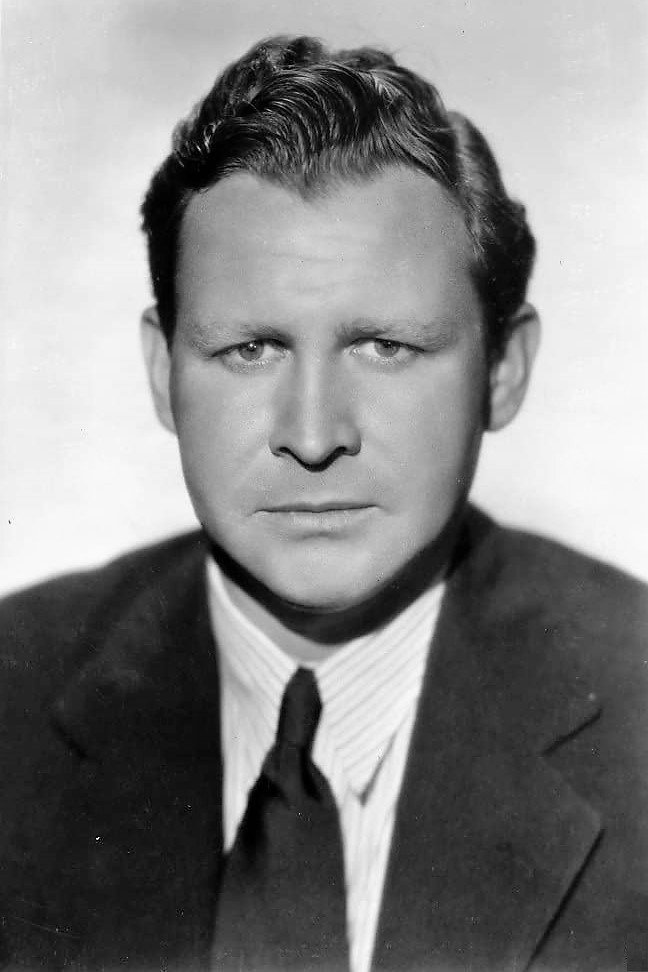
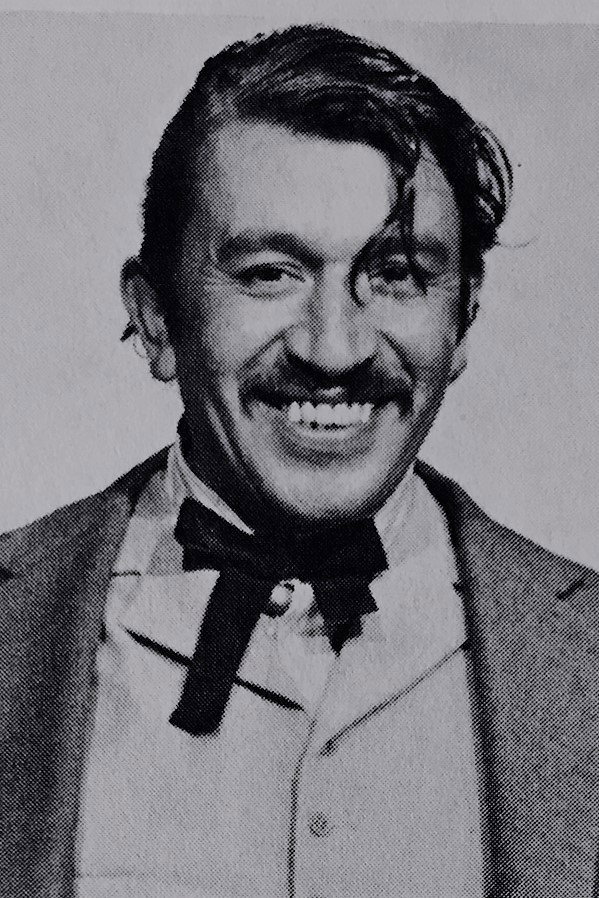
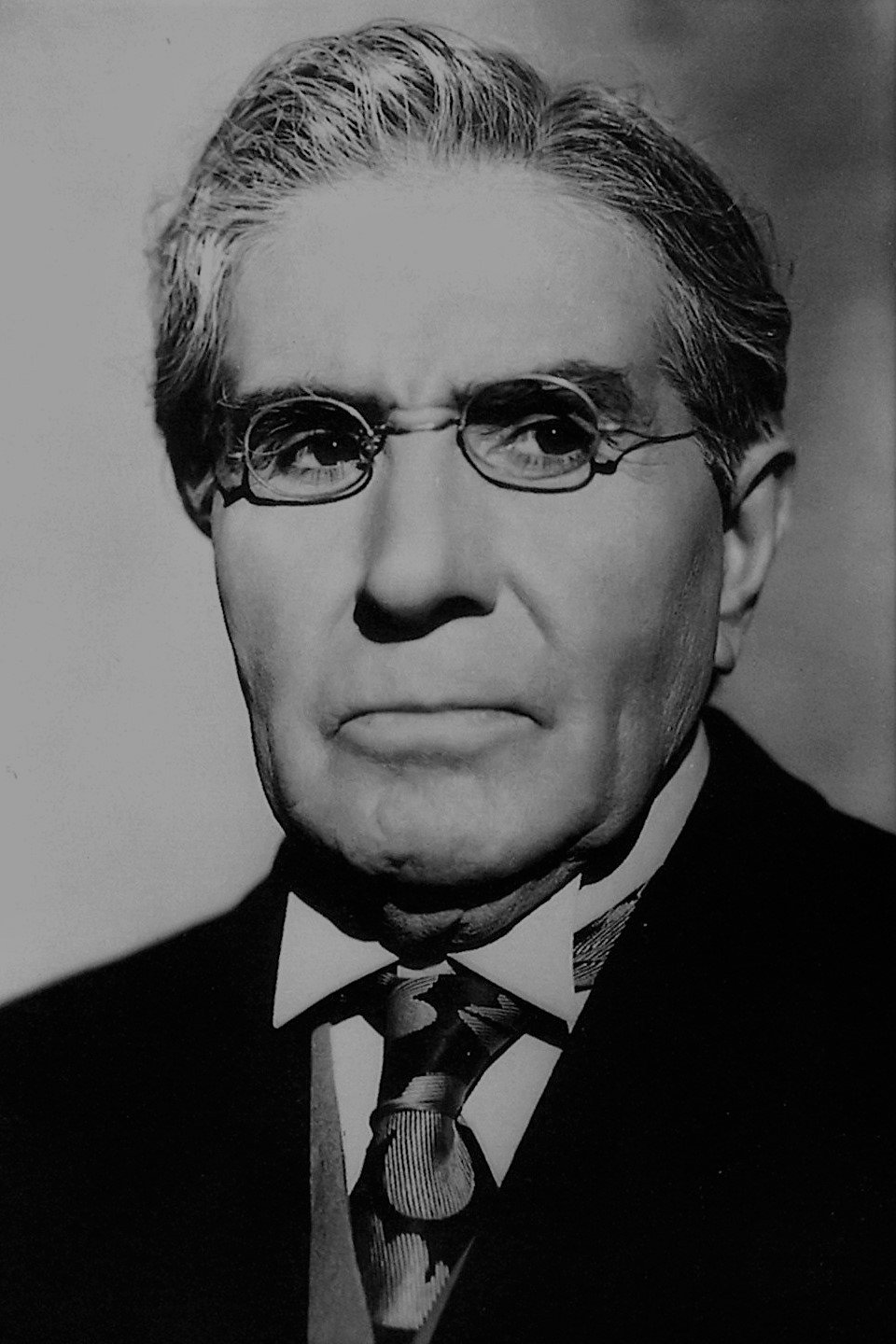
Walter Huston’s Howard gives the film much of its humour, with the energy of someone who knows more than his companions and sees no reason to conceal it. His experience as a prospector makes the advice worth hearing, though there is also pleasure in how freely he offers it. Tim Holt, as Bob Curtin, has the less showy part, and his steadiness is important. He keeps the exchanges between these men from becoming a contest between two conspicuous performances. Their differing temperaments make the partnership believable even when agreement seems a considerable effort.
Ted D. McCord’s cinematography makes good use of the location shooting without turning the expedition into sightseeing. The rough surroundings make getting rich look like work. That matters in a story which could otherwise become three actors discussing a moral problem: the physical difficulty makes their hopes of a fortune easier to understand. Owen Marks’s editing gives the action its snap while allowing the disagreements room to develop. The conversations remain worth following because we are watching men assess one another, with money giving them reason to pay attention.
The reservation is with John Huston’s screenplay when it insists on spelling out what greed does. We grasp the danger early, and another explanation cannot always deepen it. Howard’s philosophical manner is convincing because Walter Huston makes it part of the man’s personality, but even good company can talk too much. Steiner’s music can be more insistent than these performances need, pressing feelings that the actors have already made clear. These are occasional irritations rather than reasons to lose interest, though a little less emphasis would have made the film more disturbing.
There is enough danger and humour here to satisfy anyone who comes for a western adventure rather than a lesson. Huston is refreshingly doubtful that wanting to get rich makes a man admirable, and he does not require us to admire his prospectors before taking an interest in them. Their determination is understandable even when their judgement is difficult to defend. Choose it for Bogart and Walter Huston, with a little patience for the speeches.