Danny Boyle makes a brisk, nasty thriller out of three flatmates and some money they should leave alone. The performances keep it entertaining, though the growing violence is less interesting than the early humour.
Danny Boyle’s Shallow Grave is a good, vicious little thriller, provided the company of unpleasant people counts as entertainment. We think it does here, although John Hodge’s screenplay occasionally mistakes their nastiness for sufficient explanation of their behaviour. Three flatmates keep a dead lodger’s money, then have to live with one another and that decision. The appeal is watching how quickly a shared advantage becomes a reason for suspicion. Boyle wastes little of the film’s 93 minutes getting on with it.
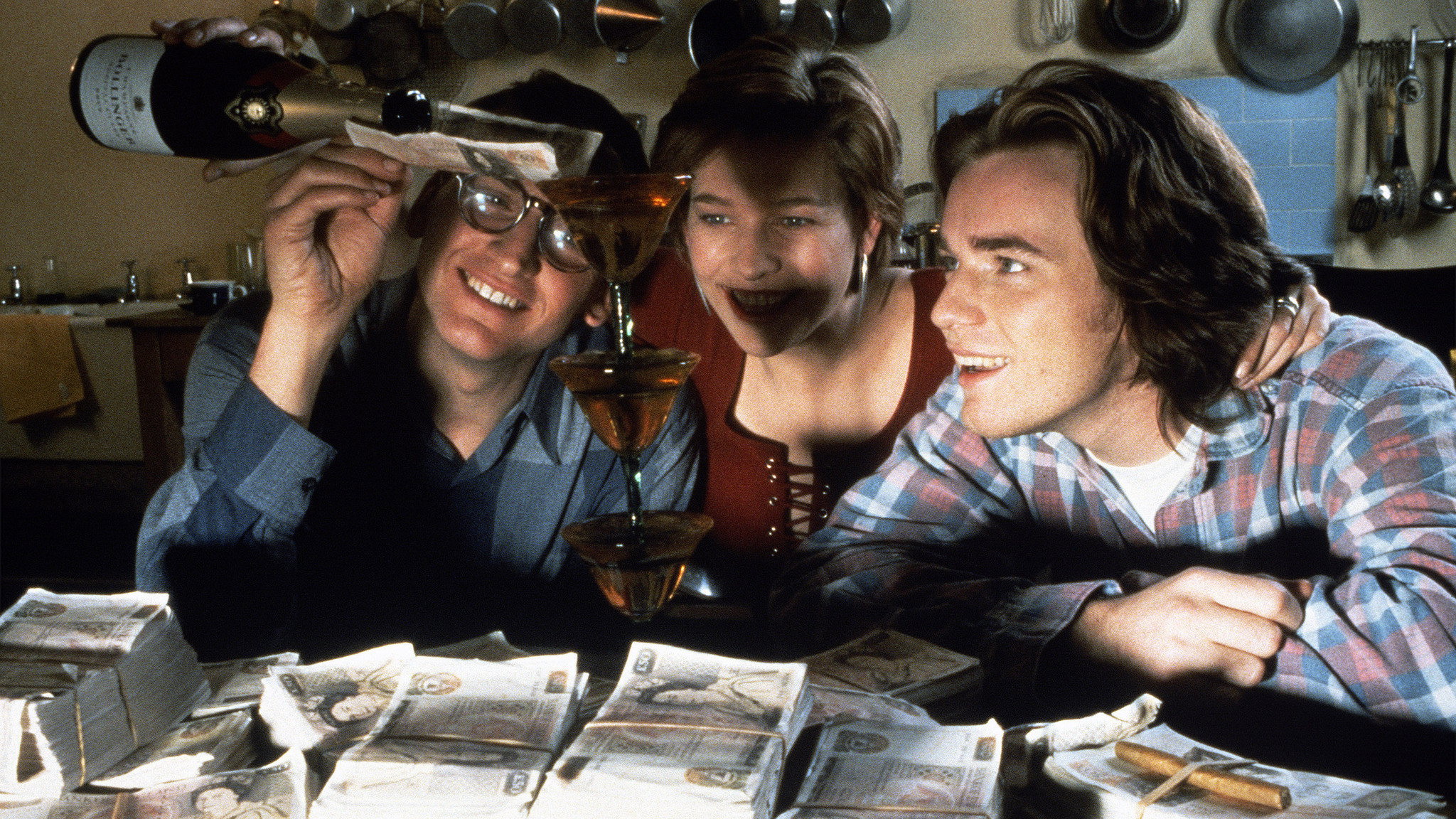
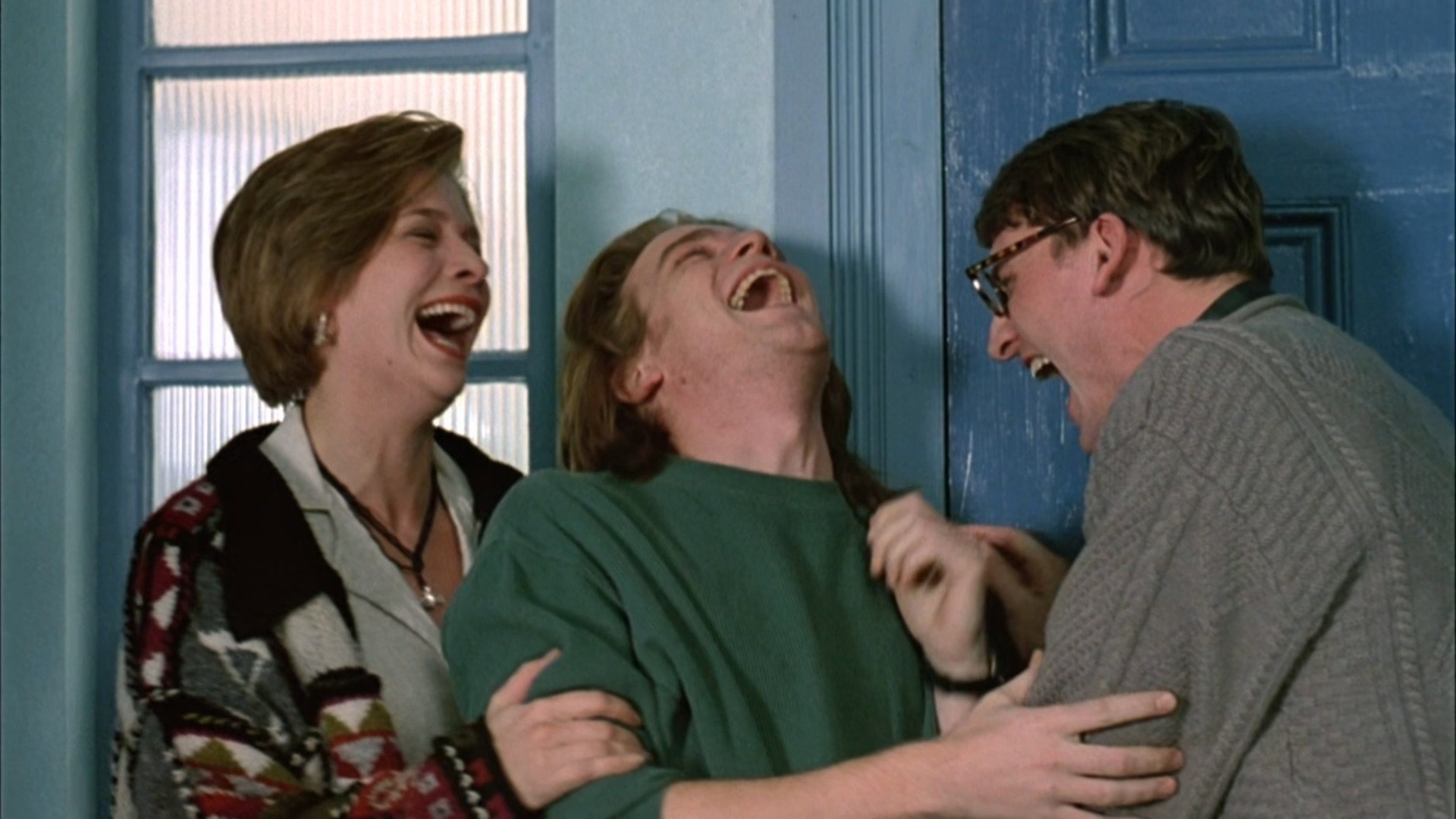
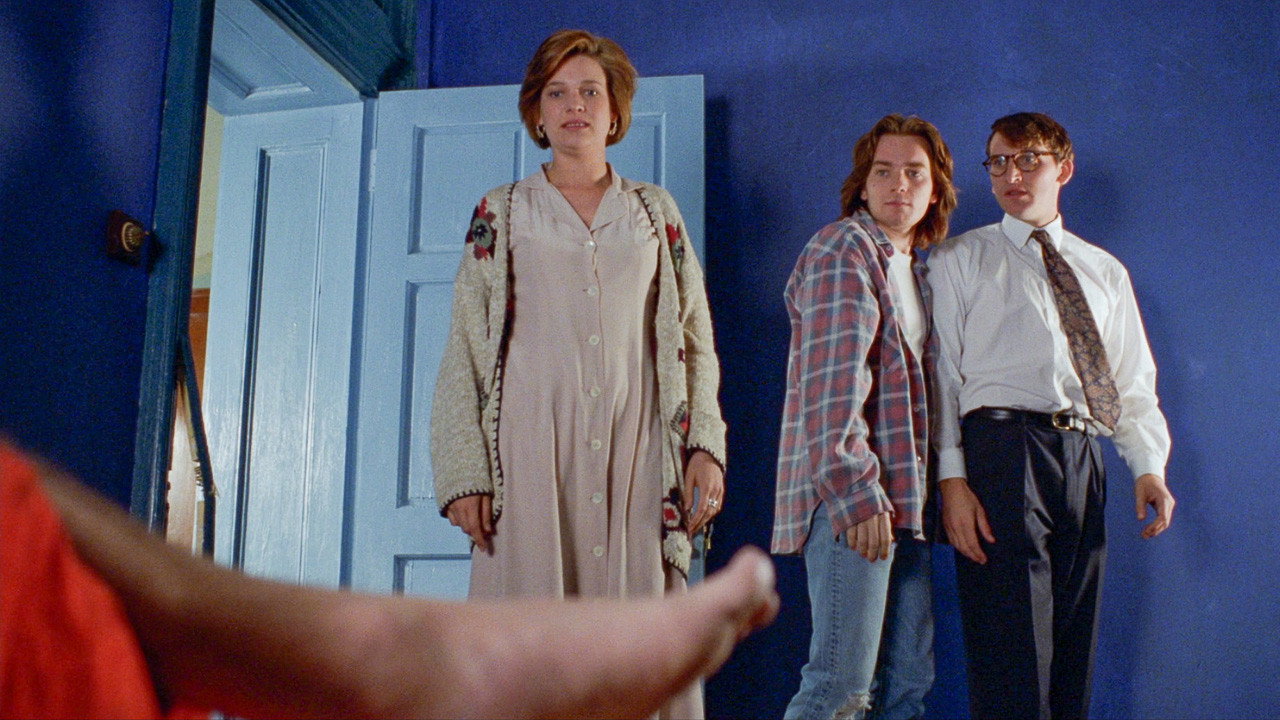
Ewan McGregor makes Alex Law’s smugness amusing without softening it. There is pleasure in watching someone so pleased with himself encounter a situation that cannot be managed by being the cleverest person present. Christopher Eccleston’s David Stephens gives the trio its most unsettling presence, while Kerry Fox’s Juliet Miller keeps the exchanges from becoming simply a competition between the men. The three work well together even when the people they play plainly should not. Much of that effect depends on how closely Boyle confines them to the same flat.
We were amused by their calculations over the dead lodger’s money, and rather wished we had not been. The joke depends on the flatmates treating somebody’s death chiefly as a question of what they stand to gain. Boyle keeps this ugly business moving quickly enough that the laughter arrives before the objection. These early scenes are the strongest, with the comedy coming directly from the decision to keep the money.
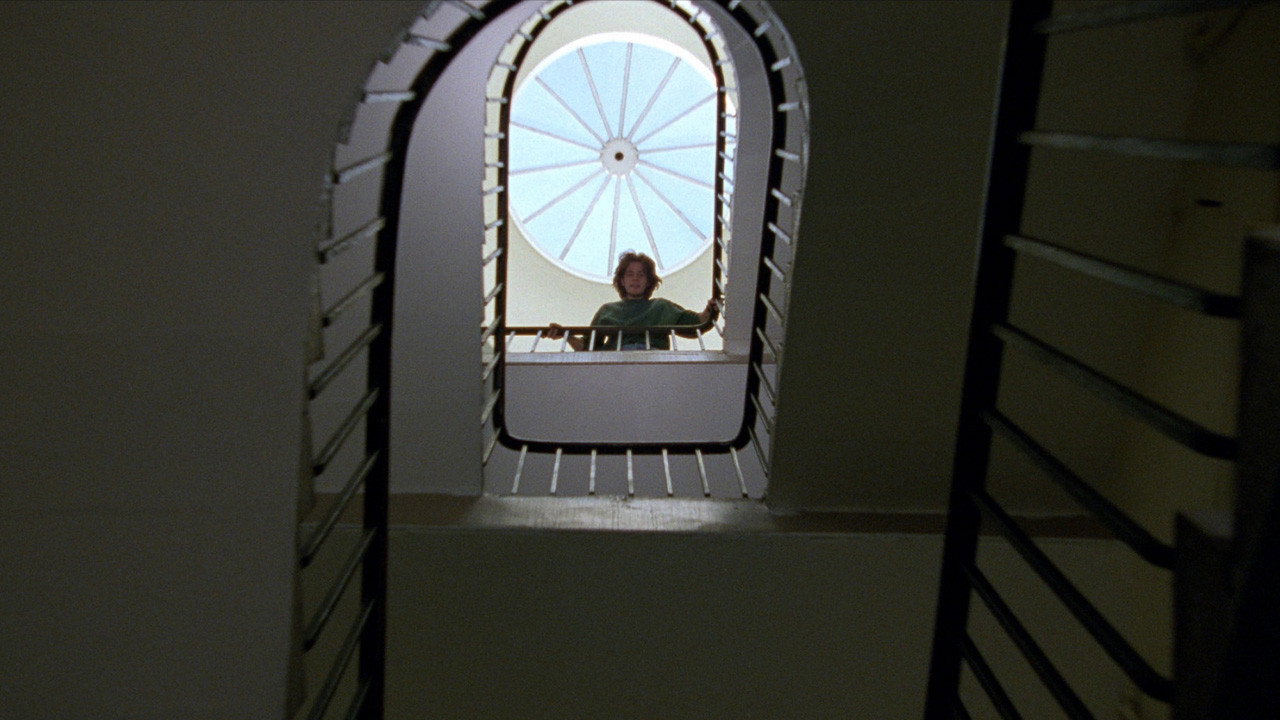
The flat is the film’s chief setting, and Kave Quinn’s production design gives it a presence the characters sometimes lack. Brian Tufano’s cinematography keeps the framing conspicuously controlled, making the shared space feel restrictive. Both choices help Boyle make proximity threatening: these people have committed themselves to a secret they can only keep together. The drawback is that the place can feel sealed off from any ordinary life outside.
Masahiro Hirakubo’s editing keeps the practical business of concealment from becoming a succession of pauses for explanation. Decisions produce consequences quickly, and the cutting sustains the pressure even when the flatmates themselves become less interesting. Simon Boswell’s score adds to the unease without asking us to mourn the damage to this friendship. The pace is effective enough that questions about the characters’ behaviour tend to occur afterwards, when there is finally time to think about something other than their next mistake.
The trouble comes as the humour recedes and the violence takes over. Hodge has supplied enough greed to start the story, but not always enough individuality to make each worsening choice convincing. Eccleston supplies some of the dread that the writing leaves underdeveloped, and all three actors remain watchable as relations deteriorate. Their nastiness does become repetitive, though, and the film loses some of its hold when it asks for sustained fear on their behalf. We stay interested chiefly because Boyle keeps finding new ways to make their situation worse.
This belongs to the nastier end of the crime thriller, where getting away with something matters more than anybody’s claim to innocence. There is little comfort here, and the comedy is not an assurance that the unpleasantness will stay manageable. Choose it for an evening when an ugly scramble over somebody else’s money sounds more appealing than decent company.