Film review

Pride

2014 · Directed by Matthew Warchus · 2h 00m · MPA R

In a sentenceThe miners and the gay activists deserve each other, and for once that is a compliment

DramaComedy

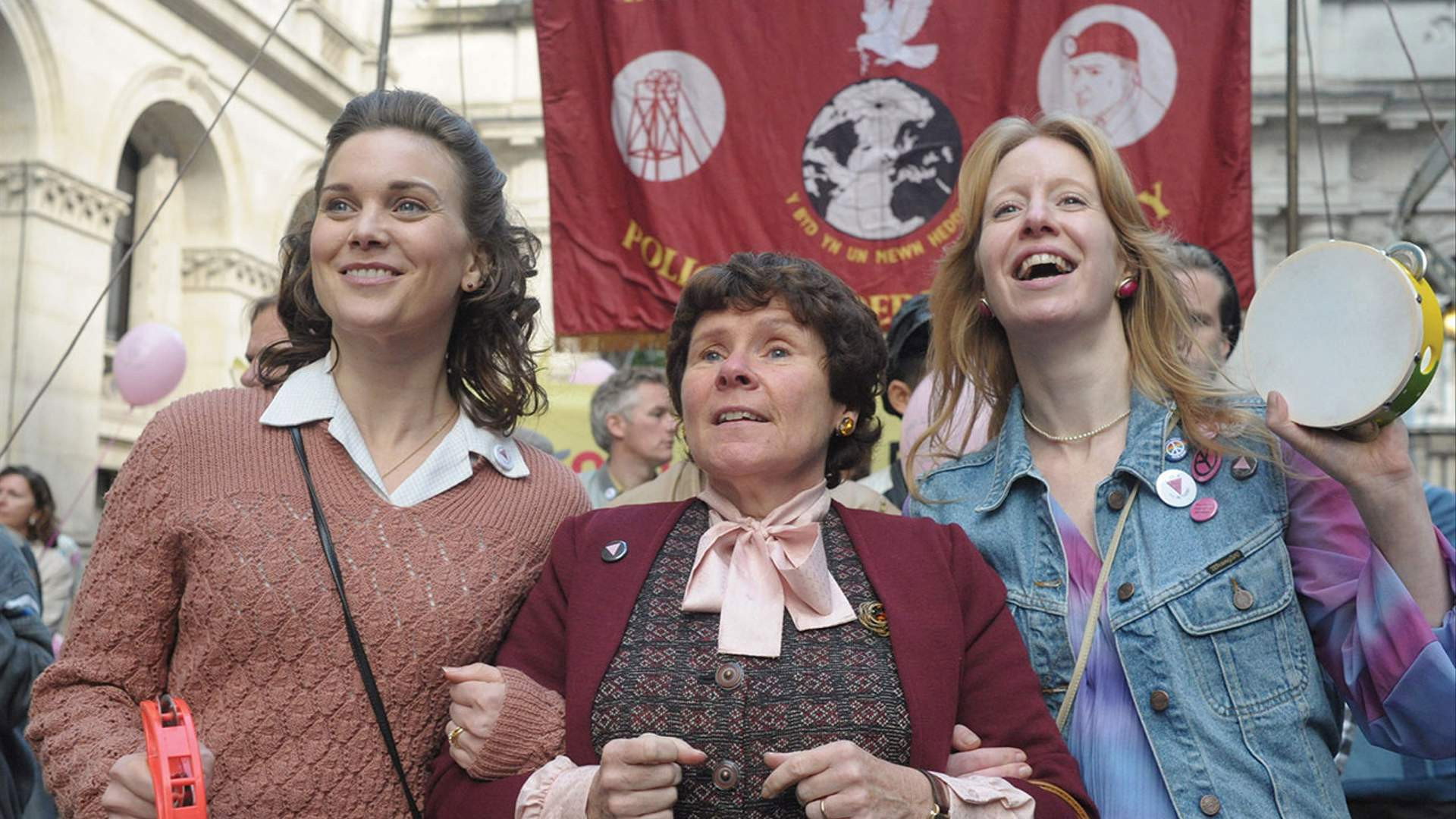
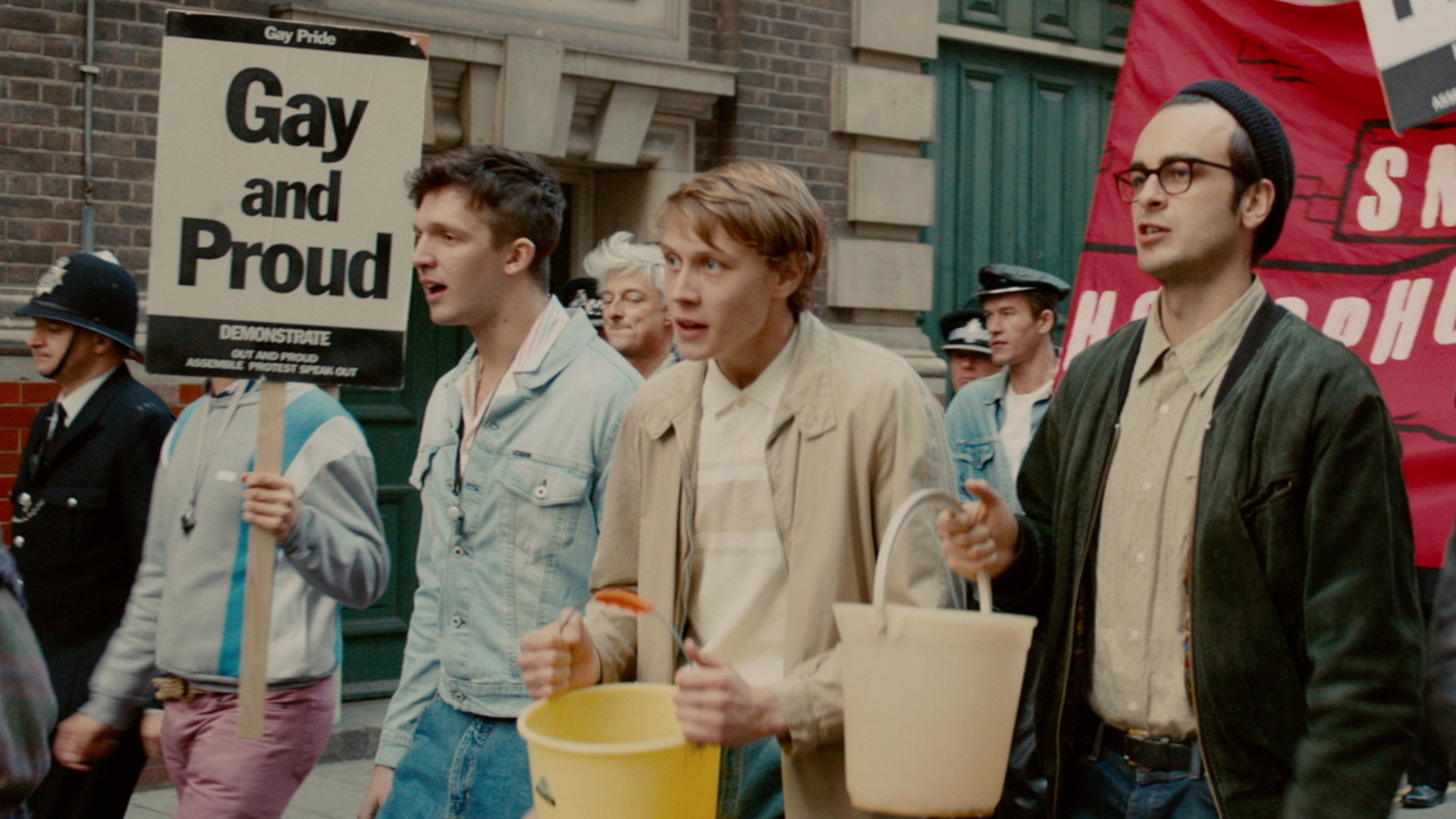
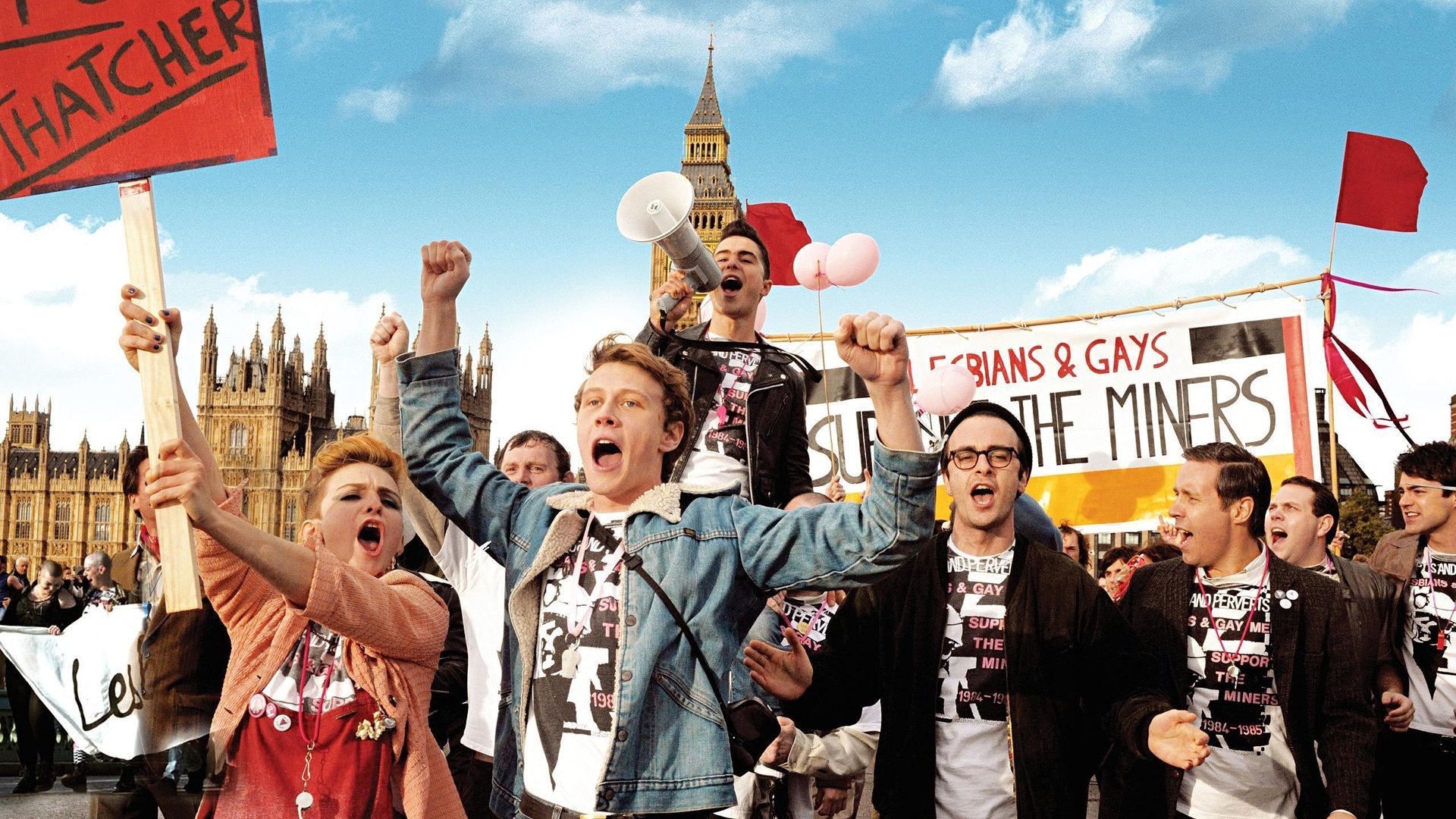
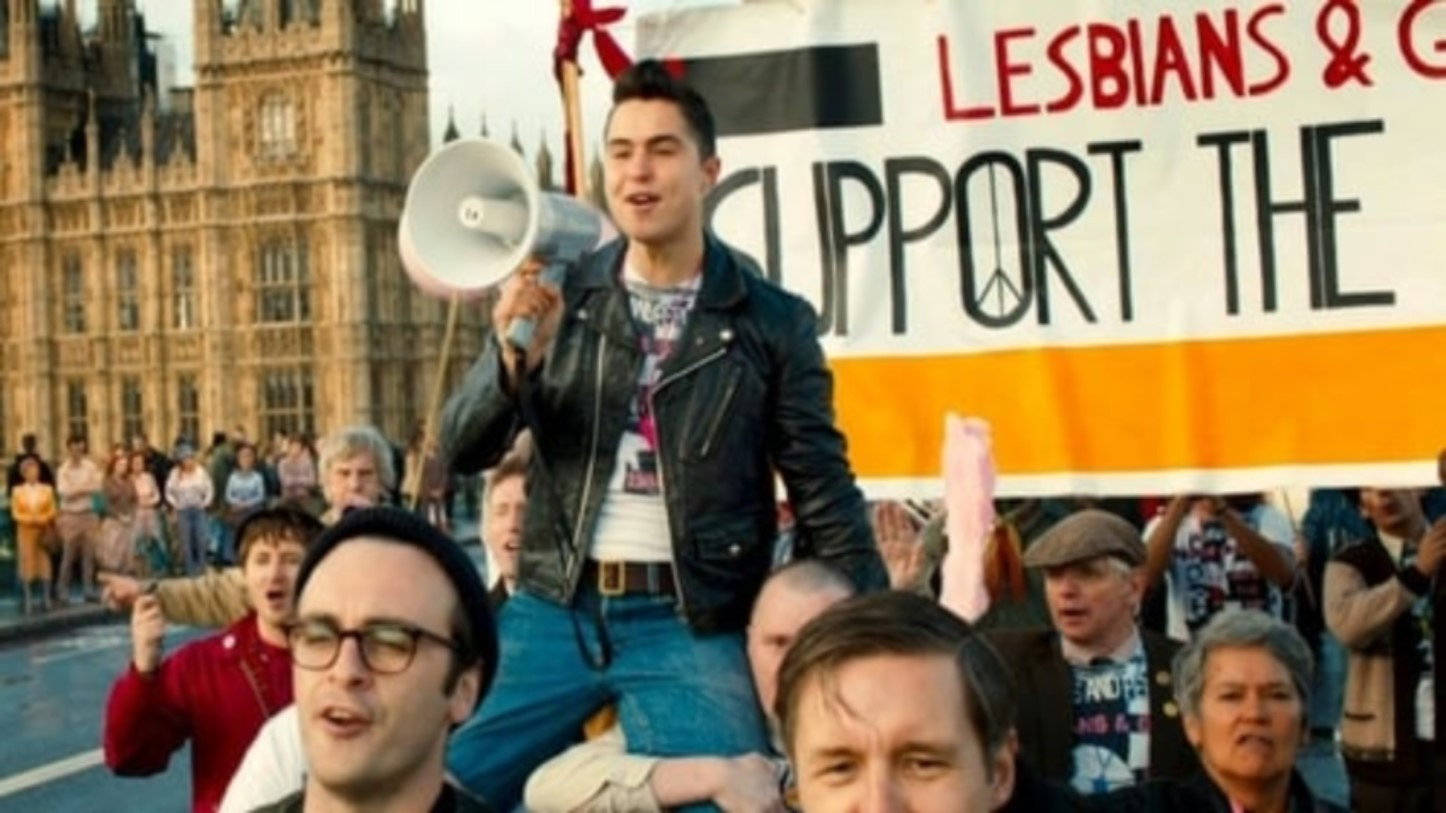
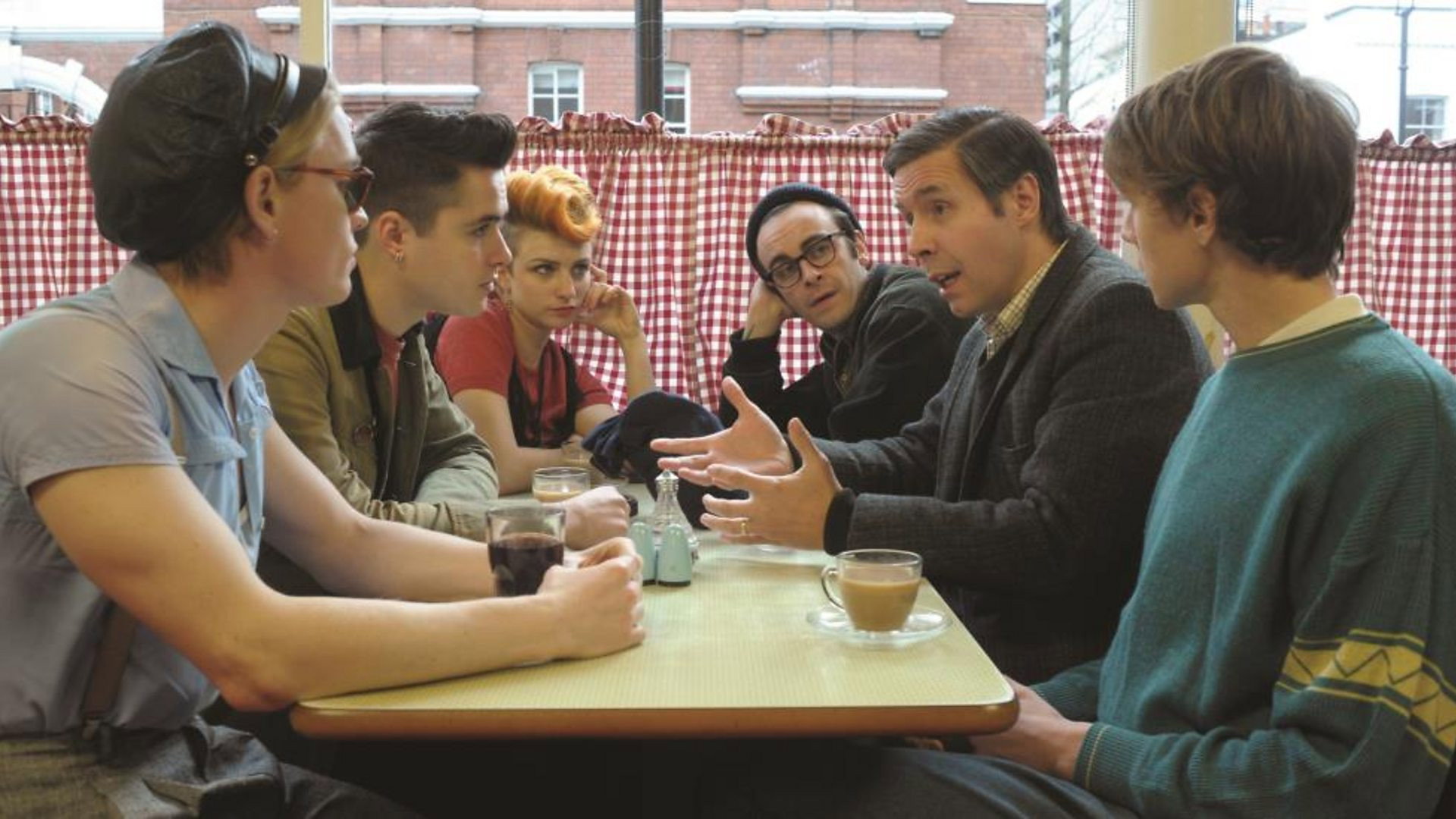
In London during the 1984 miners’ strike, Mark Ashton (Ben Schnetzer) organises gay and lesbian activists to support striking miners in Wales. Joe “Bromley” (George MacKay) becomes involved in the effort, which takes the name Lesbians and Gays Support the Miners. Their offer brings them into contact with Dai (Paddy Considine) and Hefina (Imelda Staunton). The activists want to help another community under pressure, but prejudice complicates their approach. As the two groups begin meeting, miners and activists have to deal with their unfamiliar visitors face to face before they can start working together.

Plays from YouTube when you press play; nothing loads from them until then.

Fi1m review

Pride is funny, moving and a little too tidy about the difficulties of solidarity. Matthew Warchus makes the alliance between activists and miners worth caring about, with a cast that earns most of the uplift.

Pride is a warm, funny social comedy that deserves its tears, despite some determined nudging from the screenplay. It takes the alliance between London’s gay and lesbian activists and Welsh miners during the 1984 strike as a reason to put people together and let them talk. Matthew Warchus wants the politics to bring pleasure as well as indignation. That is a sound ambition, and he gives the actors room to be funny without making their characters’ convictions ridiculous.

Stephen Beresford’s screenplay understands that an alliance has to survive contact with the people in it. The culture-clash jokes are broad, but they let embarrassment and uncertainty into a story that could easily have settled for congratulating its heroes. Ben Schnetzer gives Mark Ashton the conviction the film needs without making him feel like a visiting lecturer. George MacKay, as Joe “Bromley”, offers a quieter presence alongside him, and the contrast helps keep the activists from seeming like a single voice.

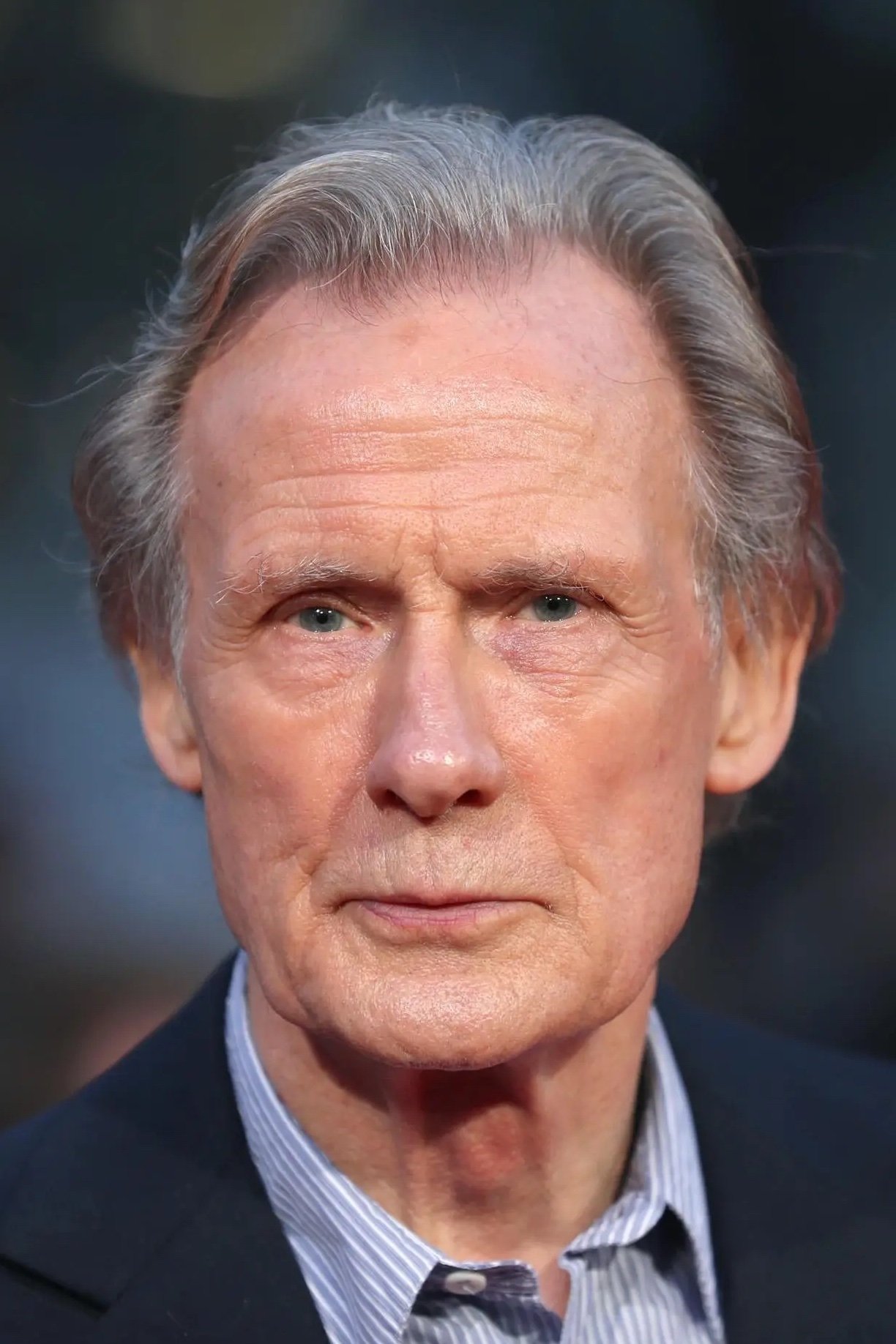
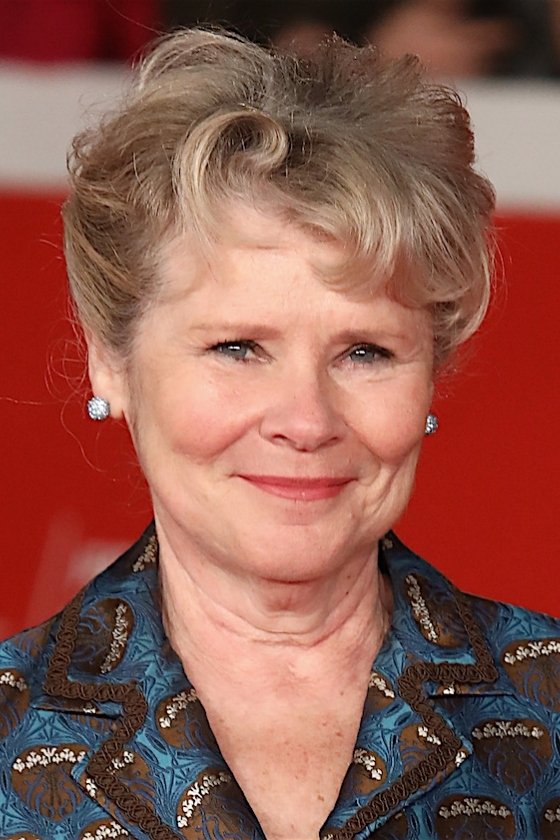
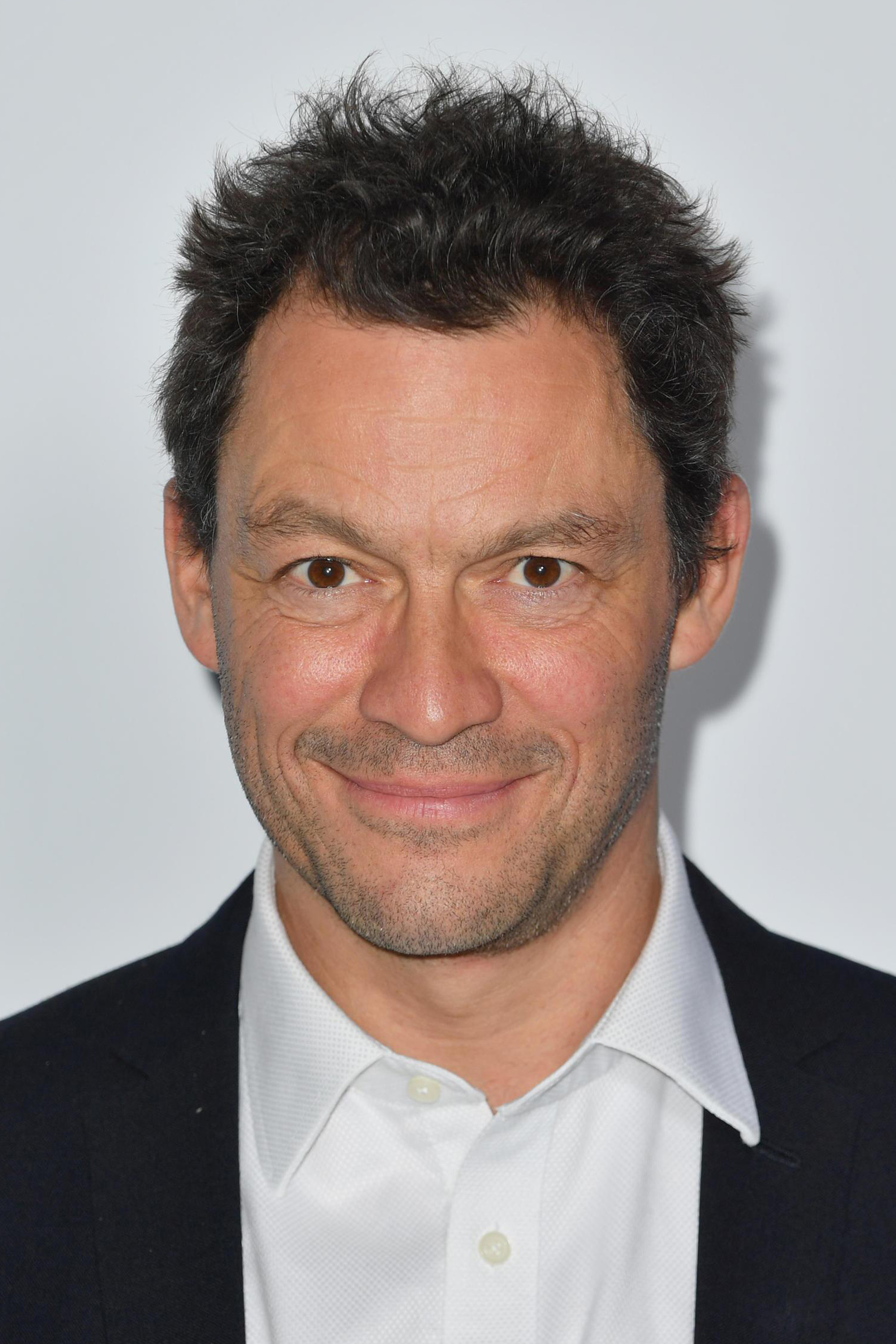
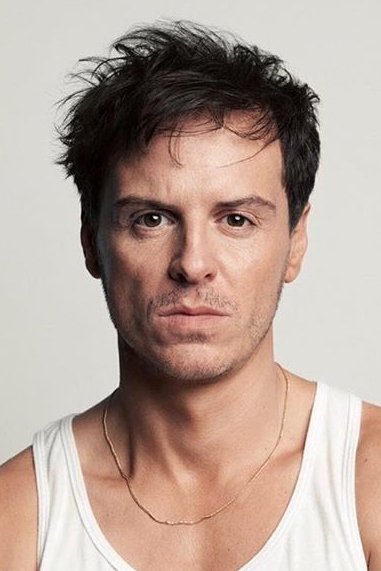
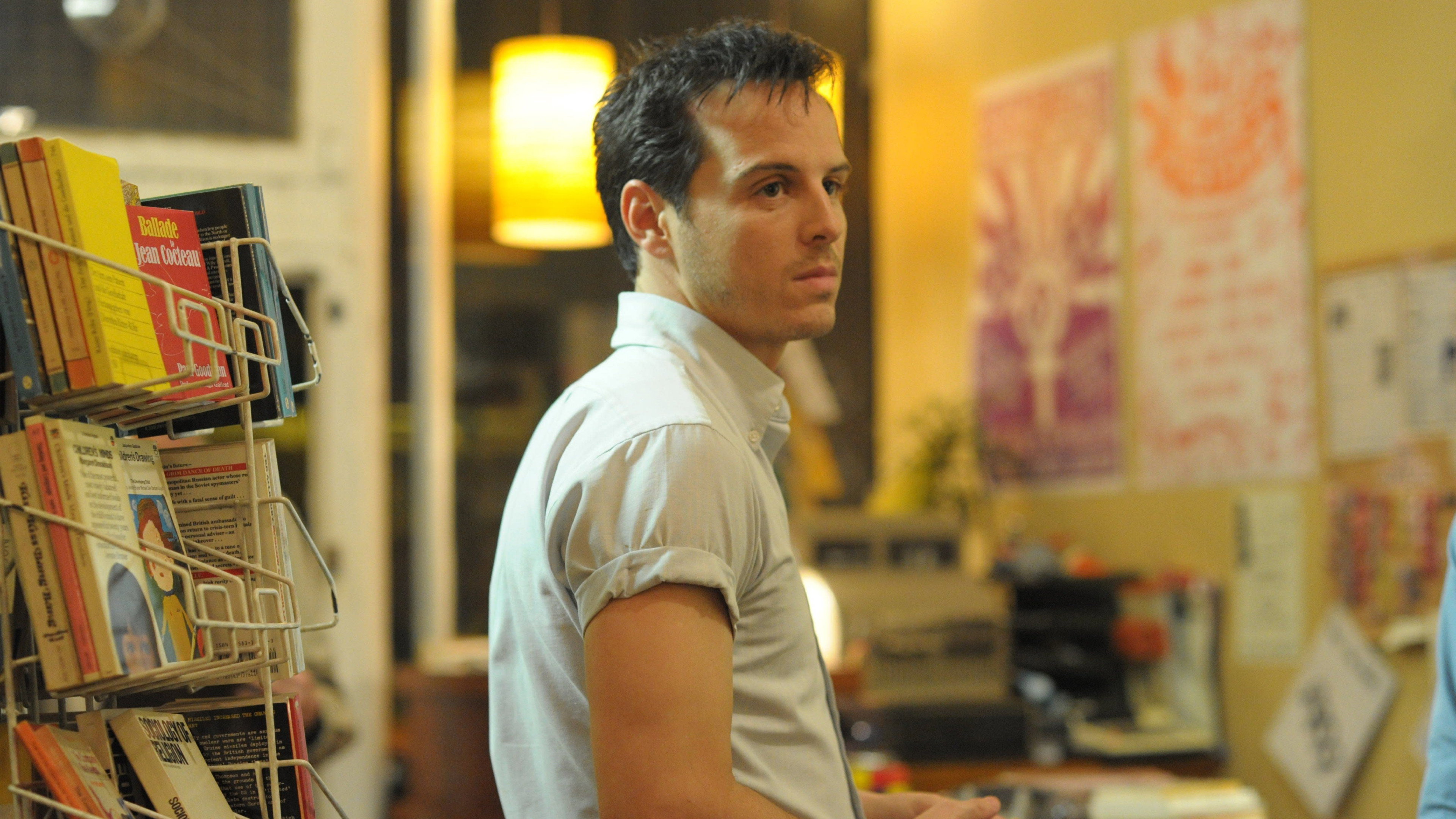
The casting is the strongest reason to trust the film when the writing becomes eager to please. Paddy Considine gives Dai a welcome lack of fuss, while Imelda Staunton’s Hefina has a comic firmness that keeps the warmth from becoming soft. Bill Nighy makes Cliff worth watching without insisting on our attention, and Andrew Scott brings a necessary reserve to Gethin. We were moved by the sight of these miners and activists taking one another seriously. The actors make their growing concern for each other believable, even when the writing has made an encounter too convenient.

Tat Radcliffe’s cinematography keeps the ensemble readable, which matters with so many people competing for our attention. Simon Bowles’s production design gives the London and Welsh settings a welcome everyday quality. The visual restraint works: there is enough going on between the actors without the surroundings demanding equal notice. Christopher Nightingale’s music is less restrained, helping the feeling along when the performances have sometimes already done enough.

Melanie Oliver’s editing gives the crowded story a useful forward movement, though some of the supporting strands need more room. At 120 minutes, the film still occasionally hurries past people we would like to know better. More troublesome is Stephen Beresford’s tendency to make prejudice seem readily manageable once everybody has been properly introduced. The political difficulties receive less patient attention than the personal ones. A little more time spent on the stubbornness of people’s objections would have made the warmth more convincing.

These are familiar weaknesses in the British social comedy, and this film does not escape them by having admirable sympathies. It earns our affection through the humour and the care taken over performances, including the quieter ones. The broad emotional cues can be tiresome, but they never quite drown out the people we have come to like. Go for the company, and do not expect a detailed account of the strike.

Critical consensus AI synthesised

79
Positive
16
Mixed
0
Negative
1

Most critics respond warmly to Pride, praising its account of solidarity between gay activists and striking miners as funny, moving and accessible without losing sight of prejudice. Praise centres on the ensemble, with Bill Nighy and Imelda Staunton singled out, and on Matthew Warchus’s handling of comedy alongside more painful material. The reviews generally find that the familiar feel-good approach works because the performances and the true story give the emotion substance.

Reservations cluster around that familiarity: some critics find the politics simplified, the sentiment overmanaged or the large cast spread too thinly. Film Comment admires the solidarity and performances but finds the filmmaking less stimulating, a qualification within a largely positive consensus. Slant Magazine offers the sharpest dissent, arguing that the cheery formula makes the story feel false; most critics acknowledge some conventional touches but find them effective rather than damaging.

Time Out
9 September 2014 · ★★★★★ · Dave Calhoun
100

The critic calls it a joyous, moving and funny film that champions solidarity while delivering entertainment, comparing it favourably to other British social comedies. Strong scripting, cast moments and a progressive tone anchored in the present are highlighted as strengths.

Read the full review →
Empire
26 June 2014 · Angie Errigo
90*

The critic describes the film as funny, moving and uplifting with a cracking soundtrack, calling it a clear winner that makes you laugh, cry and want to party. She praises the well-written script, beautiful casting and director Matthew Warchus's deft balancing of jokes and tears.

Read the full review →
Screen Daily
23 May 2014 · festival review
90*

The critic praises the breezy, assured handling of true events as a rousing, irresistible celebration of alliance and common ground, with a big-hearted emotional wallop and flawless ensemble cast. It is compared to other British crowdpleasers and noted for strong audience appeal after its Cannes premiere.

Read the full review →
Evening Standard
28 January 2015 · Charlotte O'Sullivan
85*

The critic calls the film wonderful and praises its hilarious, gut-wrenching take on the true story of the miners' strike alliance. She singles out the performances of Bill Nighy and Imelda Staunton, who escape national treasure status, and the uplifting, non-predictable second half.

Read the full review →
Little White Lies
11 September 2014 · 4/4/4 · Sophie Monks Kaufman
80

The review highlights the stranger-than-fiction true events powering an affirmative, funny and well-cast social drama about solidarity during the miners' strike. Stellar ensemble performances and uplifting moments, including memorable visuals, are singled out for praise.

Read the full review →
Radio Times
★★★★ · Damon Wise
80

The review portrays it as a joyous and riotously funny British comedy about an unlikely union between gay activists and miners, smuggling in serious points about unity amid ribald humour. It taps into the feel-good formula of similar films while adding its own characterful moments.

Read the full review →

Cast

Stills

Awards

BAFTA Film Awards, 2015

Nominated
Best Actress in a Supporting Role
Nominated
Best British Film
Won
Best Newcomer

David di Donatello for Best European Film, 2015

Nominated
David di Donatello for Best European Film

Golden Globes, 2015

Nominated
Best Motion Picture – Musical or Comedy

London Film Critics' Circle Award for British or Irish Film of the Year, 2015

Nominated
London Film Critics' Circle Award for British or Irish Film of the Year

British Independent Film Awards, 2014

Won
Best British Independent Film
Won
Best Supporting Actor
Won
Best Supporting Actress

Directors' Fortnight, 2014

Nominated
Directors' Fortnight

Dorian Award for LGBTQ Film of the Year, 2014

Won
Dorian Award for LGBTQ Film of the Year

If you liked this, try…

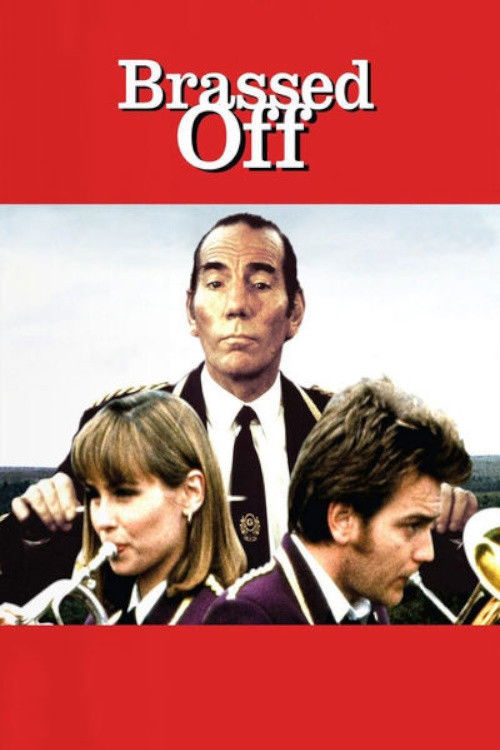
Brassed Off poster79

Brassed Off

1996 · Another mining community finds collective purpose, with humour that never erases the hardship.

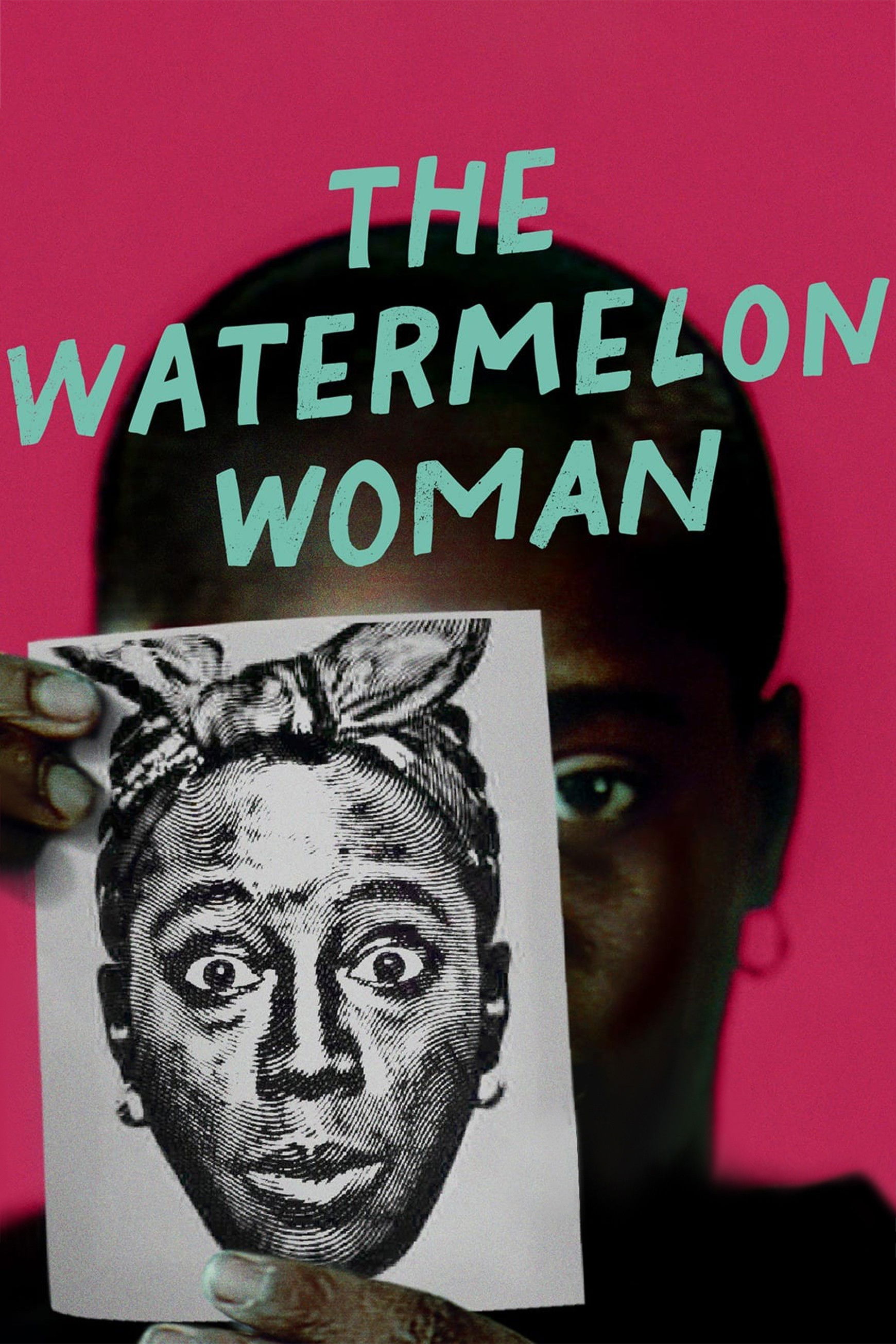
The Watermelon Woman poster

The Watermelon Woman

1996 · A funny, inquisitive search for queer history, alert to who gets left out.

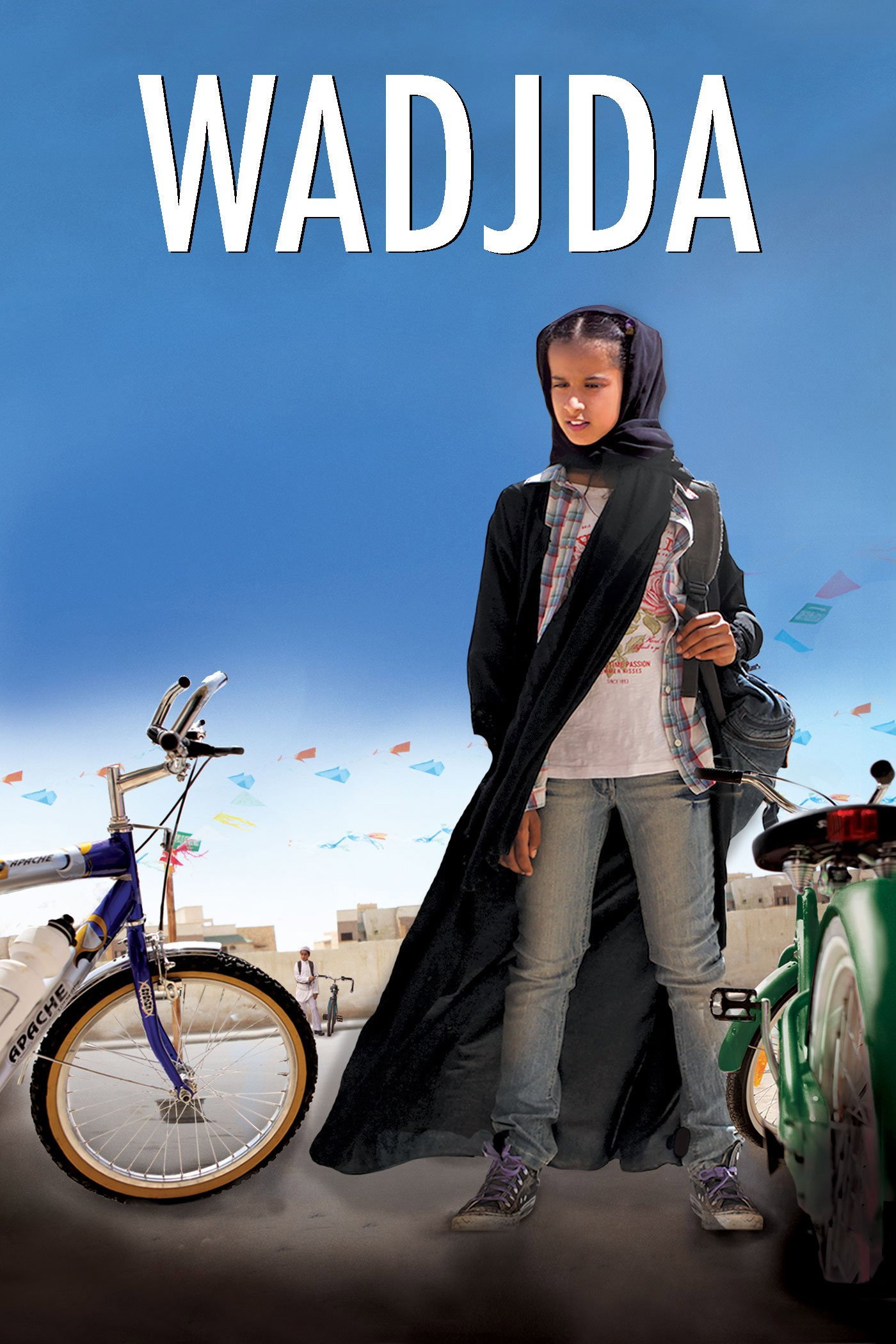
Wadjda poster

Wadjda

2012 · A determined girl tests her community’s limits, with humour and a useful stubborn streak.

120 BPM poster

120 BPM

2017 · Queer activism gets a tougher treatment, with equal care for friendship and collective action.

The Organizer poster

The Organizer

1963 · A workers’ struggle told through a quarrelsome ensemble, with room for humour and disappointment.