Film review

Brassed Off

1996 · Directed by Mark Herman · 1h 47m · MPA R

In a sentencePete Postlethwaite takes a brass band more seriously than most screen generals take a war

ComedyRomanceDrama

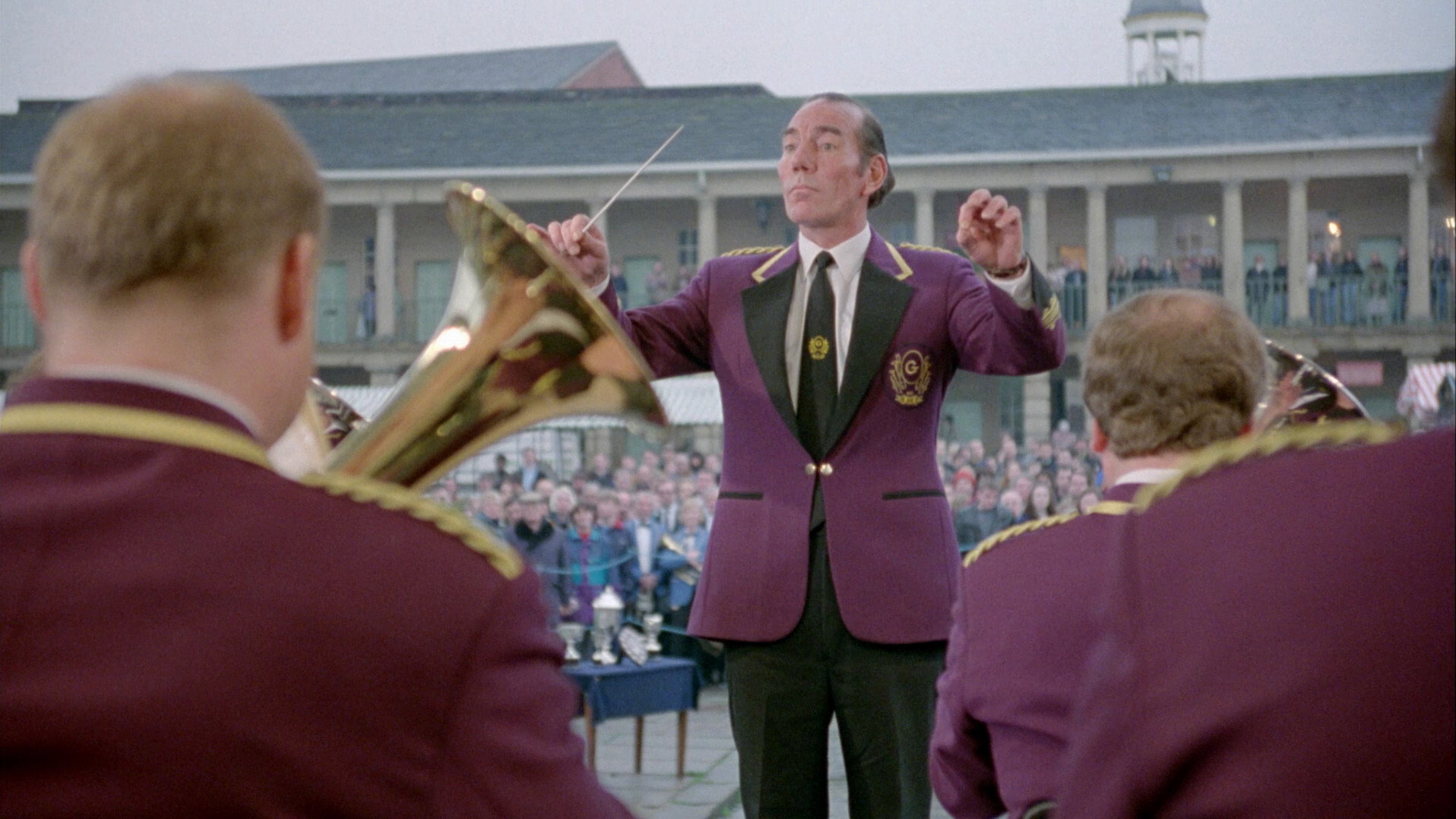
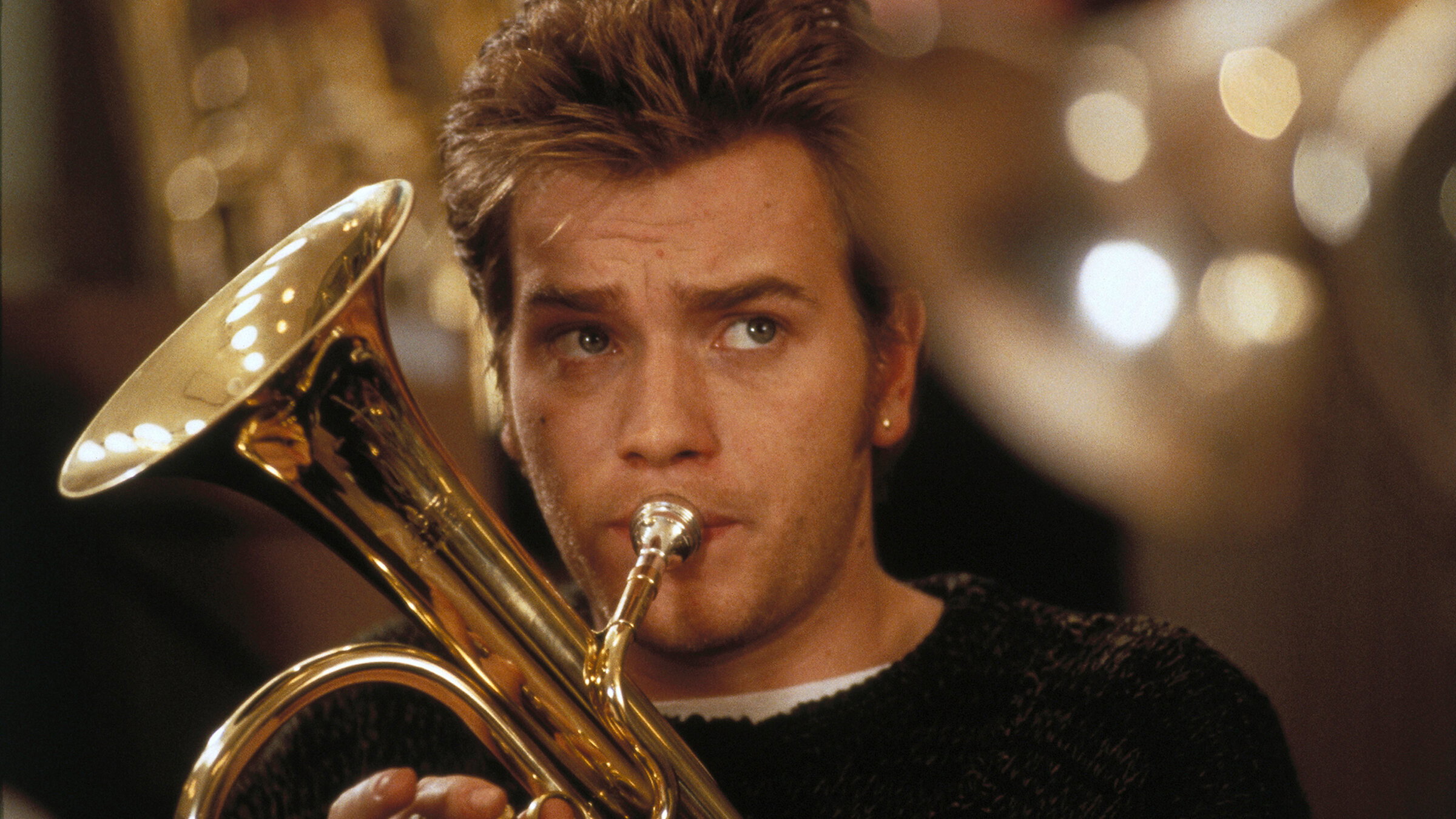
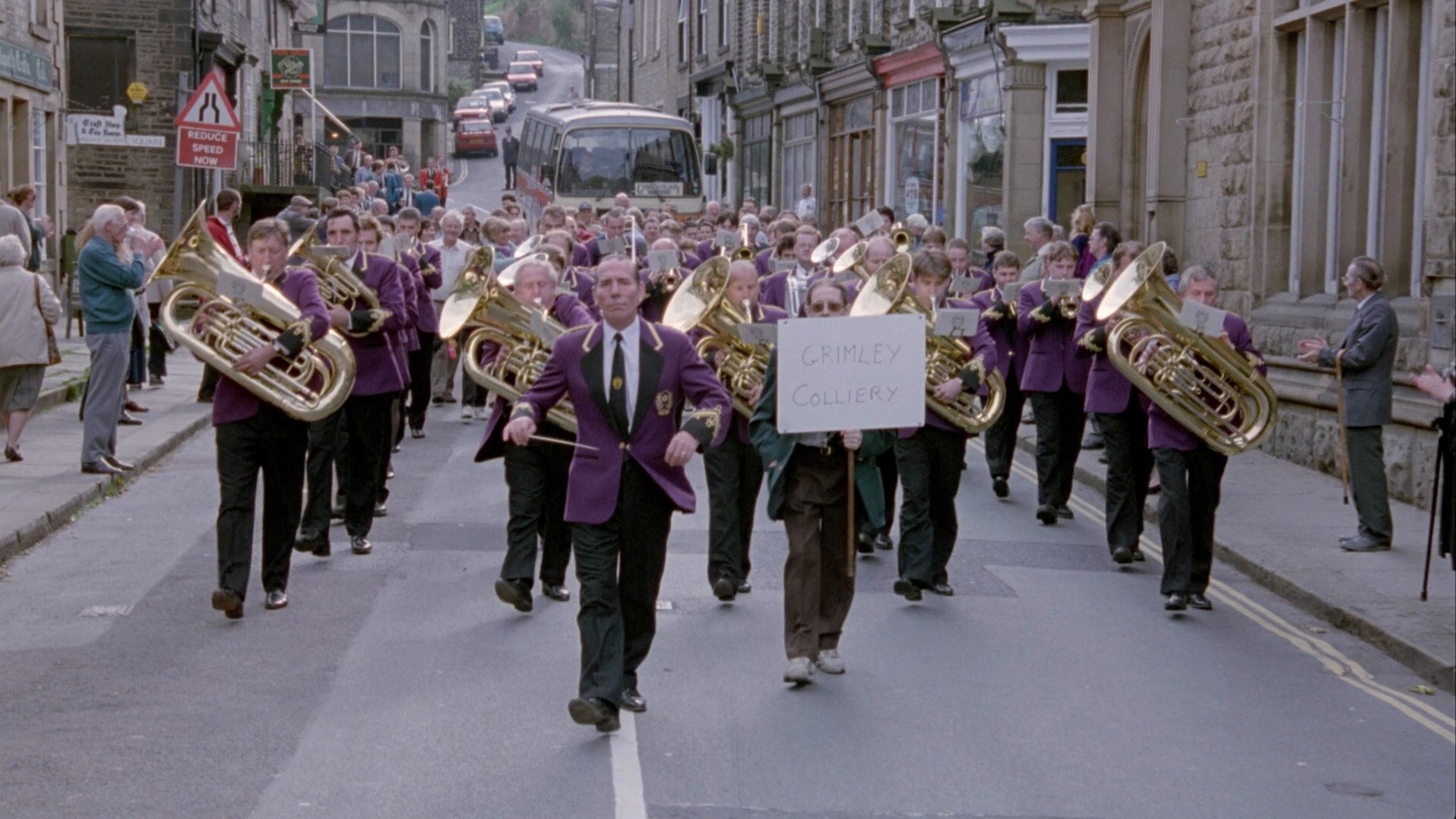
In a northern mining town, pit closures threaten the livelihoods of the miners and their families. Danny (Pete Postlethwaite) leads the local brass band and wants its members to keep playing as the community faces an uncertain future. Music gives them a shared purpose, but it cannot remove the pressures on their working and private lives. Work, romance and the prospect of a national contest compete for their attention. The cast also includes Ewan McGregor as Andy Barrow, Tara Fitzgerald as Gloria and Stephen Tompkinson as Phil.

Plays from YouTube when you press play; nothing loads from them until then.

Fi1m review

Mark Herman’s brass-band comedy-drama is moving, funny and worth an evening, despite some awkward changes of tone. Pete Postlethwaite makes the threatened mining community’s attachment to its music believable, even when the plotting turns dutiful.

Brassed Off is a good comedy-drama with a stubborn streak of anger, and its brass band gives that anger somewhere useful to go. Writer-director Mark Herman takes a northern mining community threatened by pit closures and asks what happens to the things people do together when their work is taken away. There are jokes, a romance and a competition to keep the story moving. Some of that plotting is too familiar, but the people hold our attention.

Pete Postlethwaite’s Danny leads the band with a faith in its importance that can look unreasonable beside the threat to the players’ livelihoods. Postlethwaite lets that stubbornness be difficult, which saves Danny from becoming merely a lovable enthusiast. We were moved by his insistence that the music still deserves their attention when there is so much else to fear. The performance makes clear why keeping the band together matters to him, without requiring us to agree with his priorities at every moment.

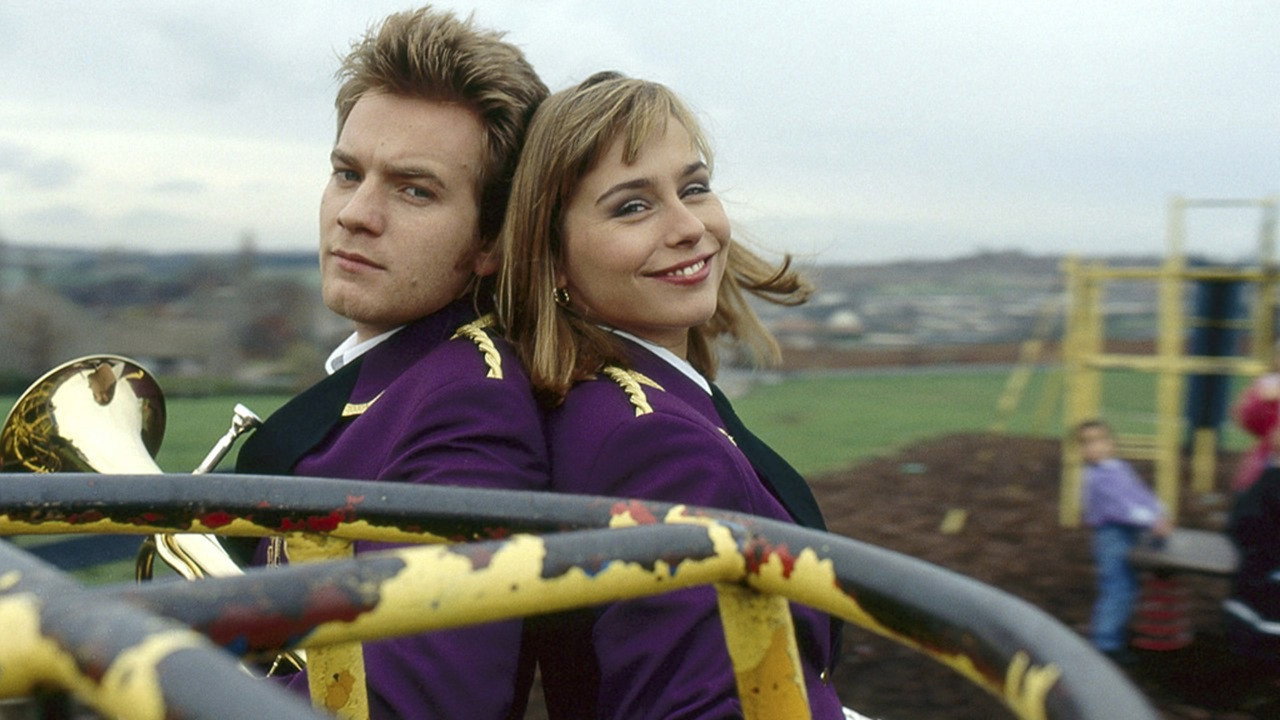
Herman’s humour works because these people have more to occupy them than representing a social problem. Stephen Tompkinson and Jim Carter help make the band feel like a group whose members have lives beyond the music; the ensemble’s company is a substantial part of the pleasure. Ewan McGregor’s Andy Barrow and Tara Fitzgerald’s Gloria fit comfortably into that company, though the romantic plot is less distinctive. Its familiar demands take up time that might have been spent with the wider cast.

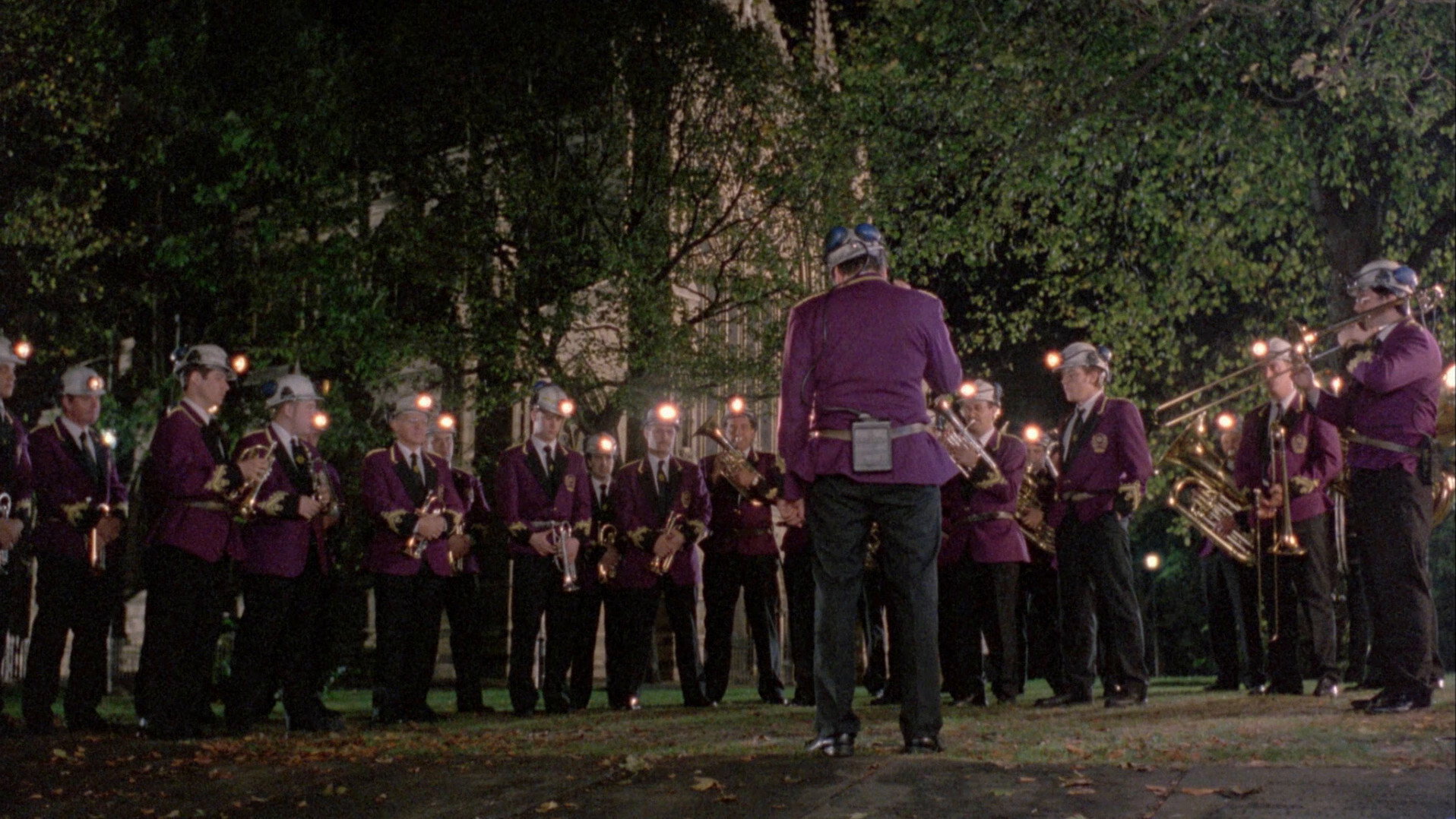
Andy Collins’s cinematography gives the band scenes a useful sense of people accustomed to sharing space. Don Taylor’s production design is convincing for much the same reason: the surroundings never seem more important than the musicians. Trevor Jones’s score is less memorable than the brass playing, which supplies the strongest feeling. Hearing the ensemble work together makes the attachment to the band comprehensible without another explanation from Danny.

Michael Ellis’s editing has the harder task of managing Herman’s changes from northern comedy to hardship. Some transitions feel abrupt enough to suggest that a lighter film has been interrupted, and the jokes do not always survive the pressure placed on them. Herman’s screenplay can also become insistent about a political position it has already made clear. We do not need convincing that the threatened workers deserve our sympathy, and the extra persuasion makes their difficulties feel briefly forced.

Herman is working within a familiar sort of community comedy, built around people finding pride in a shared pursuit. People facing unemployment still tell jokes, and he is right to let his characters be funny without apologising for them. The trouble comes when the love story and the contest require predictable pleasures while the threat to the town remains so large. Those demands occasionally make the film push for a response that the actors were already earning.

These are reservations about a film we would still happily spend an evening with. Across its 107 minutes, the musicians have enough humour and obstinacy to be worth knowing, even when Herman overstates their case. Choose it for Postlethwaite and the playing, and be prepared to forgive a script that occasionally tells us how to feel.

Critical consensus AI synthesised

2 of 6
Positive
1
Mixed
1
Negative
0
The New Yorker
19 May 1997 · Anthony Lane
70*

The review pairs 'Brassed Off' with another working-class film, highlighting its wit and the band's community spirit amid pit closures. It focuses on the characters' humor and struggles in a northern mining town.

Read the full review →
Empire
1 January 1996 · Caroline Westbrook
60*

The critic finds the tone problematic, as the film is unsure whether to be a spirited political piece or light-hearted comedy, causing some vignettes to fall flat. The brass band music and strong performances, especially from Pete Postlethwaite, are singled out for praise.

Read the full review →
Los Angeles Times
23 May 1997 · John Anderson

The earnest David vs. Goliath tale about a Yorkshire mining community and its brass band has plenty of emotional wind despite its political timing. Pete Postlethwaite is terrifically moving as the band's leader, making it his film amid the art-vs-livelihood themes.

Read the full review →
RogerEbert.com
30 May 1997 · Roger Ebert

The film is a sweet story with anger at its core, elevated by Pete Postlethwaite's performance as the band leader who believes passionately in the music and the community it represents. It tugs at heartstrings with formulas including a love story and a national contest, but the music and acting make it believable and moving.

Read the full review →
The New York Times
23 May 1997 · Stephen Holden

The film is a politically charged British comedy that clearly separates heroes (working-class miners and their families) from villains (Tory government officials closing the pits). At its heart is Danny, the band's crusty leader, whose story builds to a dramatic national contest in London.

Read the full review →
Time Out
10 September 2012 · TCh

The film is an angry, tragic story that uses stereotypes and laughs before delivering a harsh message about pit closures and community tensions. It succeeds as popular proletarian comedy with strong performances from the ensemble cast, especially Postlethwaite, Tompkinson and Carter, and highlights the brass band music.

Read the full review →

Cast

Stills

If you liked this, try…

The Commitments poster

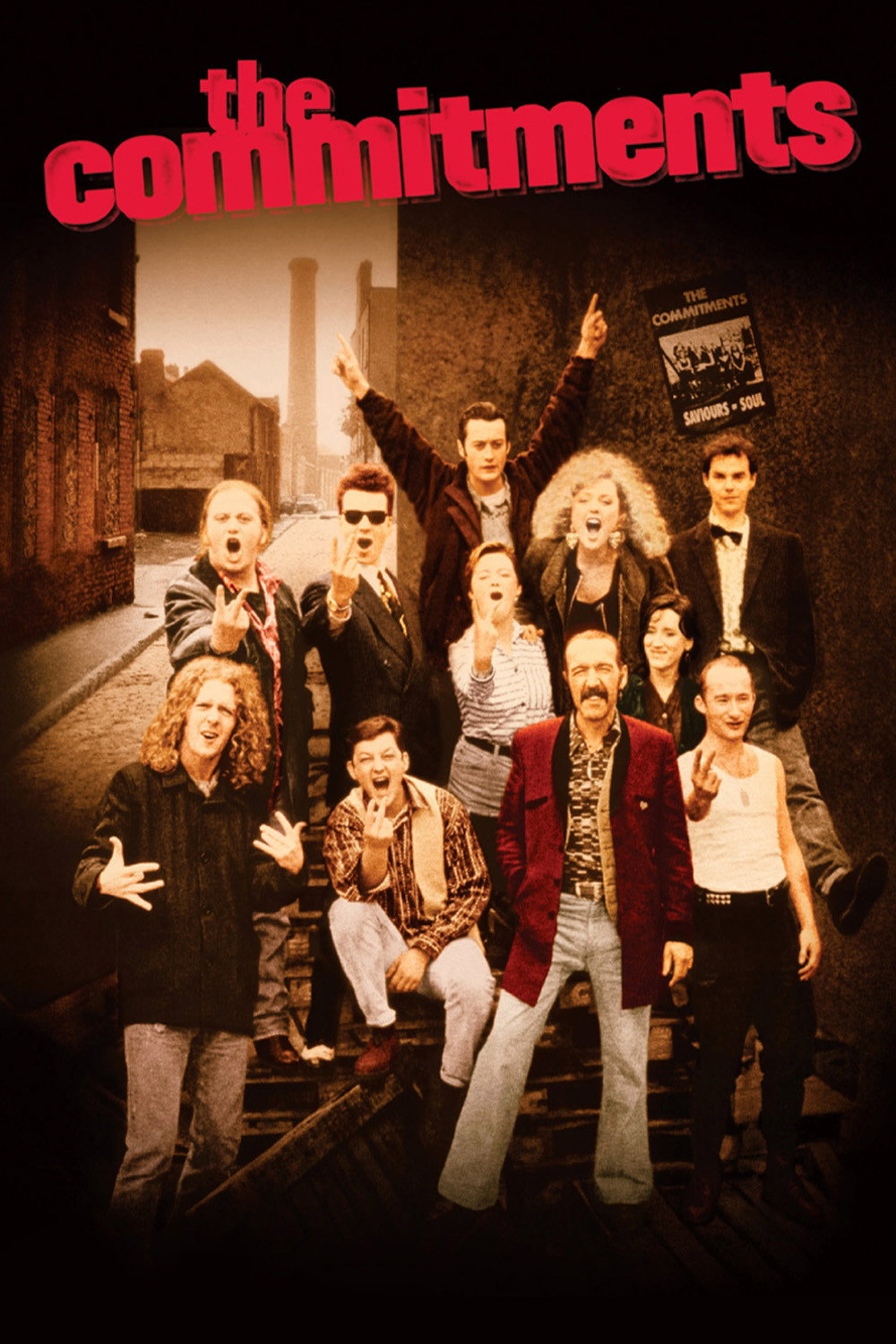
The Commitments

1991 · More musicians, more quarrels, and the pleasure of hearing a group briefly work together

The Band's Visit poster

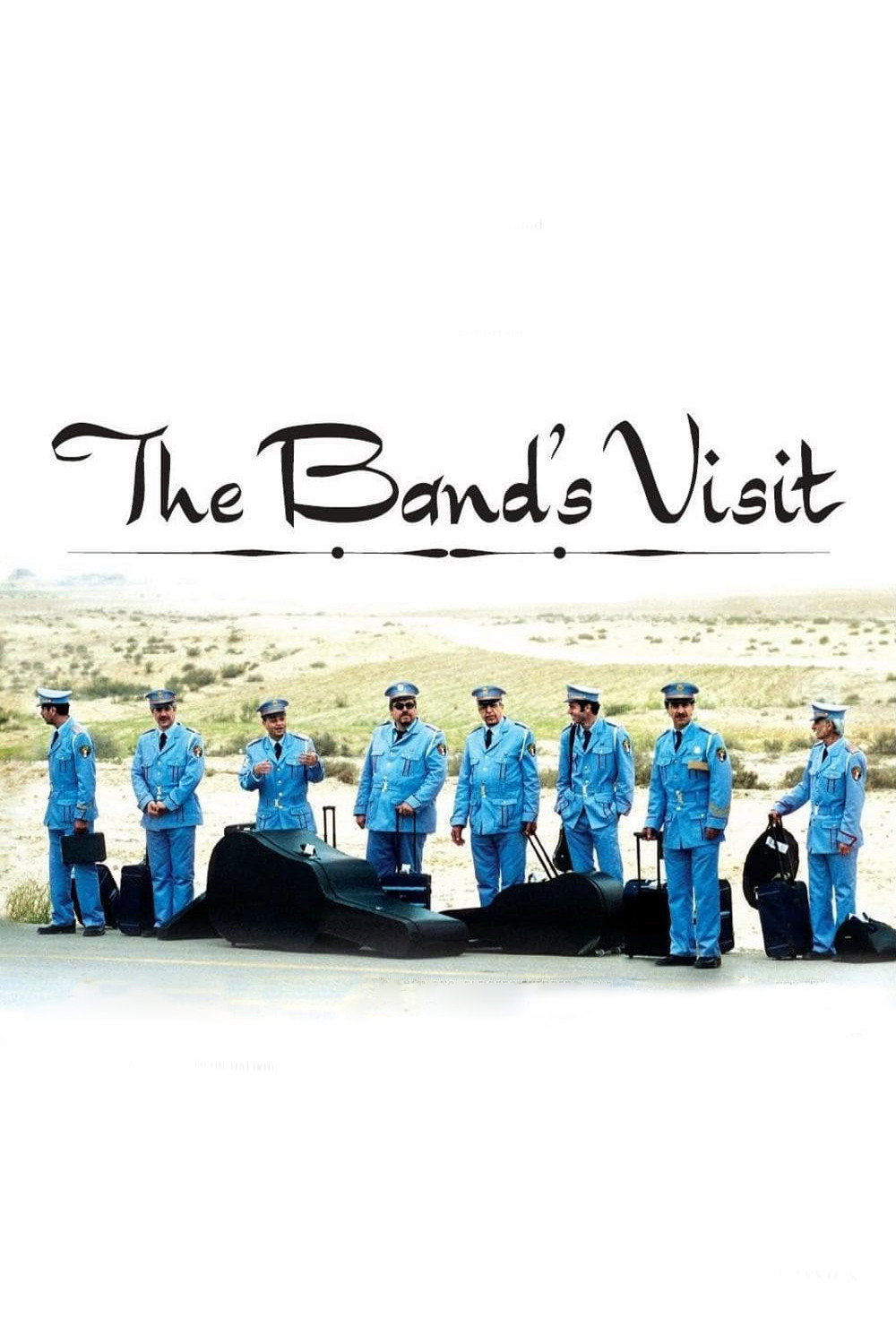
The Band's Visit

2007 · A visiting band finds awkward hospitality, with quieter humour and less insistence on tears

Pride poster

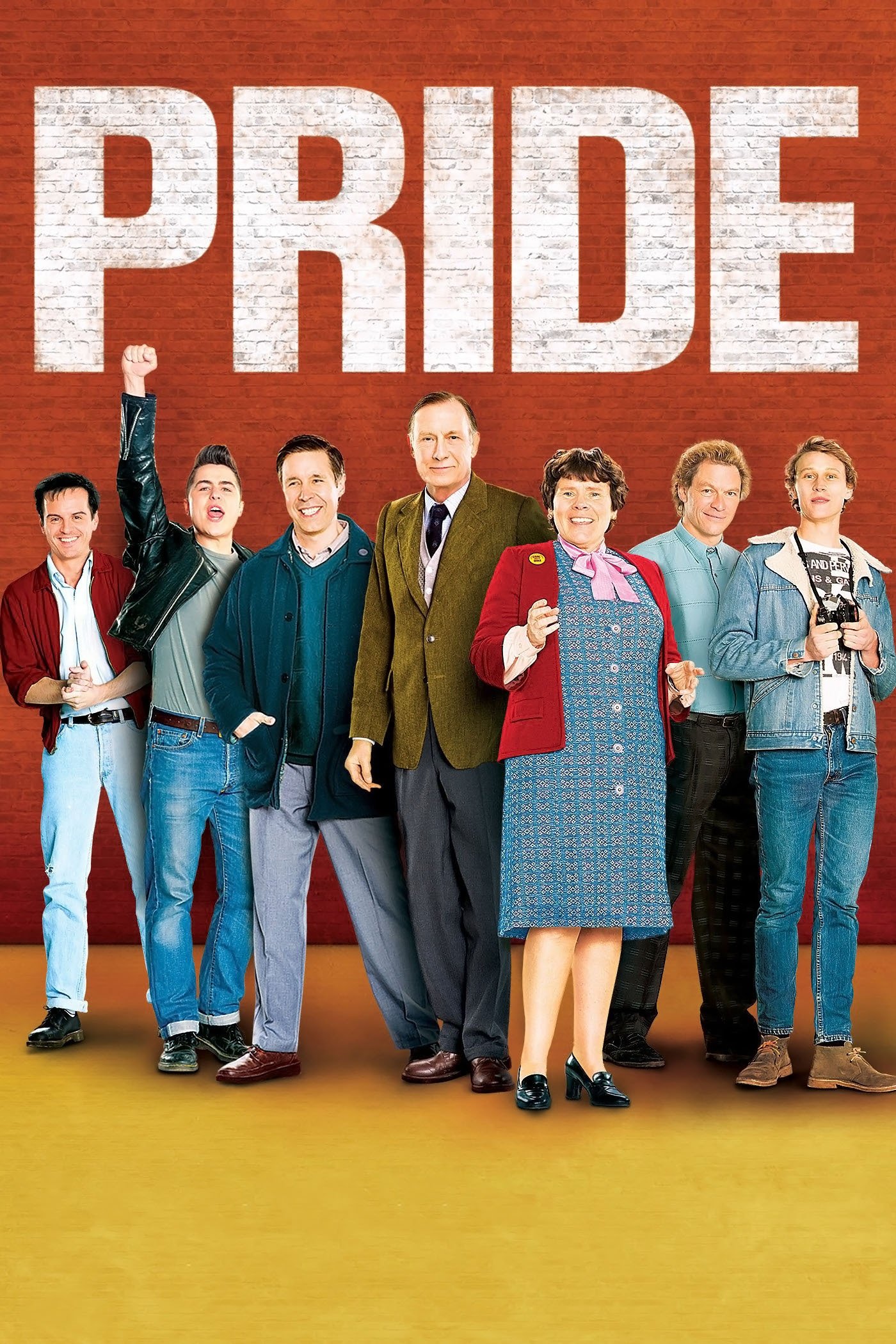
Pride

2014 · Mining politics and unlikely friendships, with an ensemble that earns its warmth

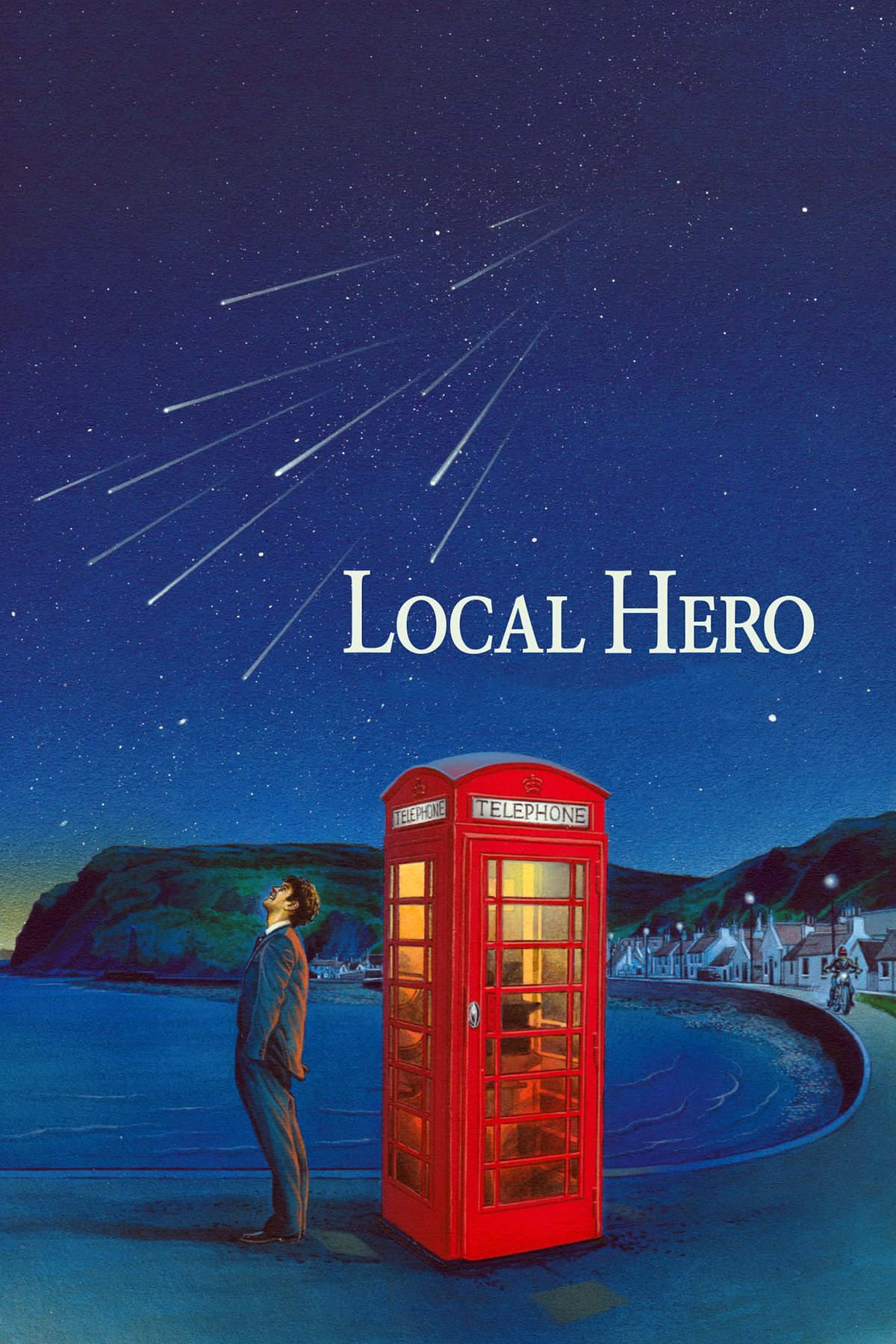
Local Hero poster86

Local Hero

1983 · Another community weighs outside money against the life it already knows

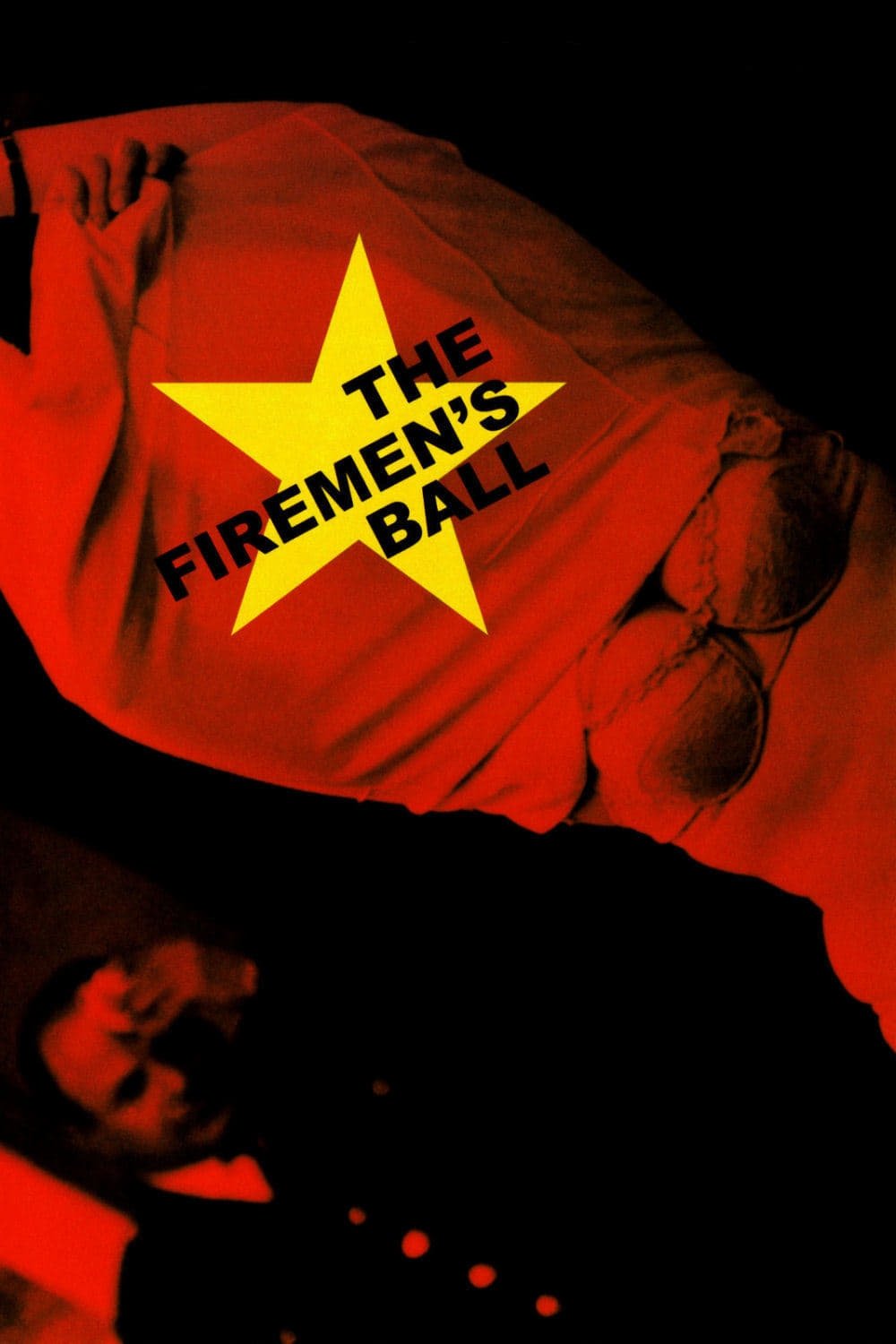
The Firemen's Ball poster

The Firemen's Ball

1967 · A community celebration goes wrong, observed with rather less affection for the organisers