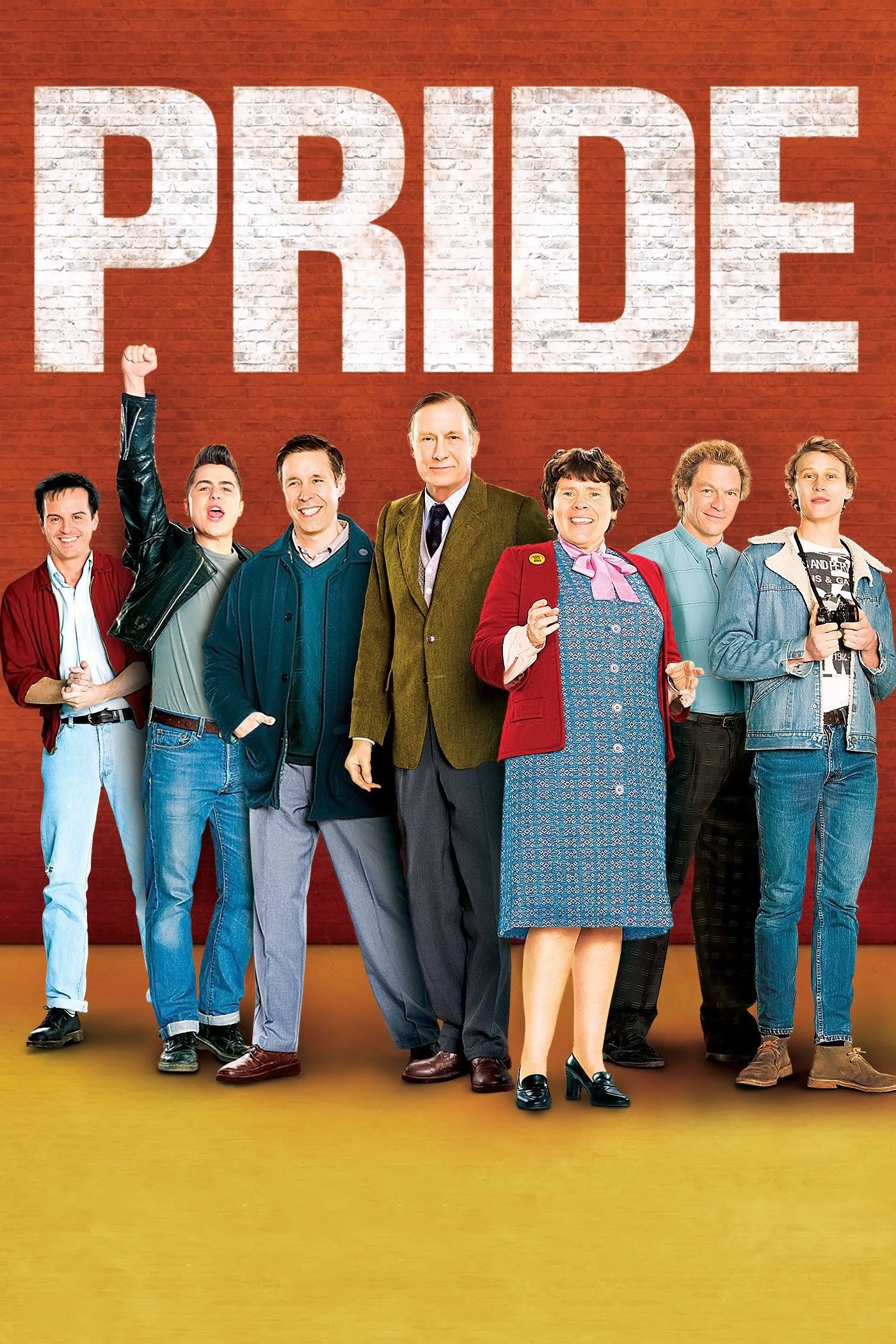
Most critics respond warmly to Pride, praising its account of solidarity between gay activists and striking miners as funny, moving and accessible without losing sight of prejudice. Praise centres on the ensemble, with Bill Nighy and Imelda Staunton singled out, and on Matthew Warchus’s handling of comedy alongside more painful material. The reviews generally find that the familiar feel-good approach works because the performances and the true story give the emotion substance.
Reservations cluster around that familiarity: some critics find the politics simplified, the sentiment overmanaged or the large cast spread too thinly. Film Comment admires the solidarity and performances but finds the filmmaking less stimulating, a qualification within a largely positive consensus. Slant Magazine offers the sharpest dissent, arguing that the cheery formula makes the story feel false; most critics acknowledge some conventional touches but find them effective rather than damaging.
T
Time Out
9 September 2014 · ★★★★★ · Dave Calhoun
100
The critic calls it a joyous, moving and funny film that champions solidarity while delivering entertainment, comparing it favourably to other British social comedies. Strong scripting, cast moments and a progressive tone anchored in the present are highlighted as strengths.
The critic describes the film as funny, moving and uplifting with a cracking soundtrack, calling it a clear winner that makes you laugh, cry and want to party. She praises the well-written script, beautiful casting and director Matthew Warchus's deft balancing of jokes and tears.
The critic praises the breezy, assured handling of true events as a rousing, irresistible celebration of alliance and common ground, with a big-hearted emotional wallop and flawless ensemble cast. It is compared to other British crowdpleasers and noted for strong audience appeal after its Cannes premiere.
The critic calls the film wonderful and praises its hilarious, gut-wrenching take on the true story of the miners' strike alliance. She singles out the performances of Bill Nighy and Imelda Staunton, who escape national treasure status, and the uplifting, non-predictable second half.
The review highlights the stranger-than-fiction true events powering an affirmative, funny and well-cast social drama about solidarity during the miners' strike. Stellar ensemble performances and uplifting moments, including memorable visuals, are singled out for praise.
The review portrays it as a joyous and riotously funny British comedy about an unlikely union between gay activists and miners, smuggling in serious points about unity amid ribald humour. It taps into the feel-good formula of similar films while adding its own characterful moments.
The review praises the film's warm, affecting energy and uplifting spirit, likening it to a great stage show that earns its hopeful tone through strong performances and historical resonance.
The critic finds the film charming and laudable for its portrayal of solidarity between miners and LGBT activists, though not particularly stimulating as cinema. It is praised for its performances, especially Bill Nighy's, and for standing out in a conservative political climate.
Manipulative but big-hearted, the film is an ode to activism as a social equalizer, celebrating the alliance with fish-out-of-water humor and cornball uplift, though it downplays the strike's failure and focuses more on gay rights.
The film is formulaically cheery, didactically uplifting, and fundamentally false, turning a beautiful true story into ordinary dreck with hackneyed elements, though some moments ring true.
Pride uncovers and dramatizes a forgotten cross-community alliance with moving force and potent points, balanced between substance and sentiment. Turan calls it an unapologetic crowd-pleaser that succeeds through the reality of its events and fine ensemble acting.
The film is a crowd-pleasing true story of unlikely alliance between gay activists and striking miners that mixes formula with real emotion and strong performances. Henderson praises the way it balances humor, heart, and darker realities while delivering an uplifting message about solidarity.
The critic describes the film as an engaging, funny and affecting look back at the 1984 miners' strike alliance between London gay activists and Welsh miners, calling it a rousing paean to joined-up activism. Strong performances from a packed cast and a straightforward style are praised, though one casting decision is noted as a misfire.
The critic finds the film one of the most irresistibly uplifting of the year, celebrating the unlikely alliance between gay activists and striking miners with warmth, humour and strong performances.
The critic finds it a funny, warm-hearted and enormously satisfying crowd-pleaser that pushes formulaic buttons but entertains, with strong performances, though overlong and spreading focus too thinly.
The movie entertainingly explores solidarity through the story of gay and lesbian activists supporting striking miners, with strong performances and a mix of comedy and sentiment. Denby highlights its theatrical flair and emotional power while noting it is short on political depth.
Pride is a stirring, upbeat drama about the real-life coalition between London gay activists and Welsh miners during the 1984-85 strike. Holden notes its clear-cut heroes, humanized characters, and refusal to accept defeat, making it an audience-pleasing blend of history and feel-good solidarity.
Warchus turns the true story of the Lesbians and Gays Support the Miners movement into an irresistible, feel-good crowdpleaser full of inspirational notes and strong ensemble work. Gant praises its energy and emotional depth while noting it plays many familiar but effective beats.
The review calls it the comedy of the year for balancing crowd-pleasing fun with serious commentary on the miners' strike. It singles out the intelligent screenplay and strong ensemble performances for praise.
The critic hails it as a rousing crowd-pleaser done right and the most moving film at Cannes, praising the superb ensemble cast and the powerful message of solidarity between oppressed groups.
The film is described as a warm, witty triumph that walks a tonal tightrope with aplomb, drawing comparisons to Billy Elliot and The Full Monty. The critic highlights the strong performances, particularly from Andrew Scott, Imelda Staunton and Bill Nighy.
The critic calls it a rousing and joyful testimony to real events, praising how it overcomes prejudice through unlikely alliances between gay activists and striking miners using British humour and a strong ensemble cast.
Pride is an uplifting protest film offering a poignant reminder of social activism, blending feel-good charm with historical insight. The director is praised for balancing emotional drama and raucous laughs, though some cheesy moments are noted.
The critic describes it as a feelgood parable of human nature extracting positive from negative, singling out the uniformly excellent performances for particular praise.
The critic finds the film slightly overstuffed with characters and subplots but praises its effective feel-good qualities, stirring musical moments, and stellar ensemble cast in telling a story of unity between gay activists and striking miners.
The critic praises the film's remarkable balance of humor and gravity in telling its true story of solidarity between gay activists and striking miners. It singles out the effortless blend of belly laughs, celebratory tone, and reminders of 1980s prejudices and injustice.
Ordered by the weight we give each publication, then by score. Scores are normalised to 100; * means inferred from an unrated review. Summaries are ours, not quotations; follow the links for the reviews themselves. How we rate