Hugh Hudson’s Chariots of Fire gives its runners convictions worth caring about and races worth watching. The stately passages can drag, but Ben Cross, Ian Charleson and Vangelis keep this sports drama from becoming merely dutiful.
Chariots of Fire is a good sports drama with an unusually serious interest in why anybody bothers to compete. Hugh Hudson asks us to care about two runners who have decided that winning cannot justify everything, and largely earns that care. There are stretches when the film’s solemnity slows it almost to a standstill. Yet the running has enough excitement, and the men enough stubbornness, to make its attention to their principles feel worthwhile.
Colin Welland’s screenplay follows Harold Abrahams and Eric Liddell as outsiders confronting the English establishment. It gives each a reason to run that cannot be settled simply by measuring his speed, which is where the drama acquires some weight. Ben Cross makes Abrahams’s need to prove himself feel wearing as well as urgent; we can sense the effort required to live with it. Ian Charleson’s Liddell has a steadiness that makes his belief understandable even when it may not be shared.
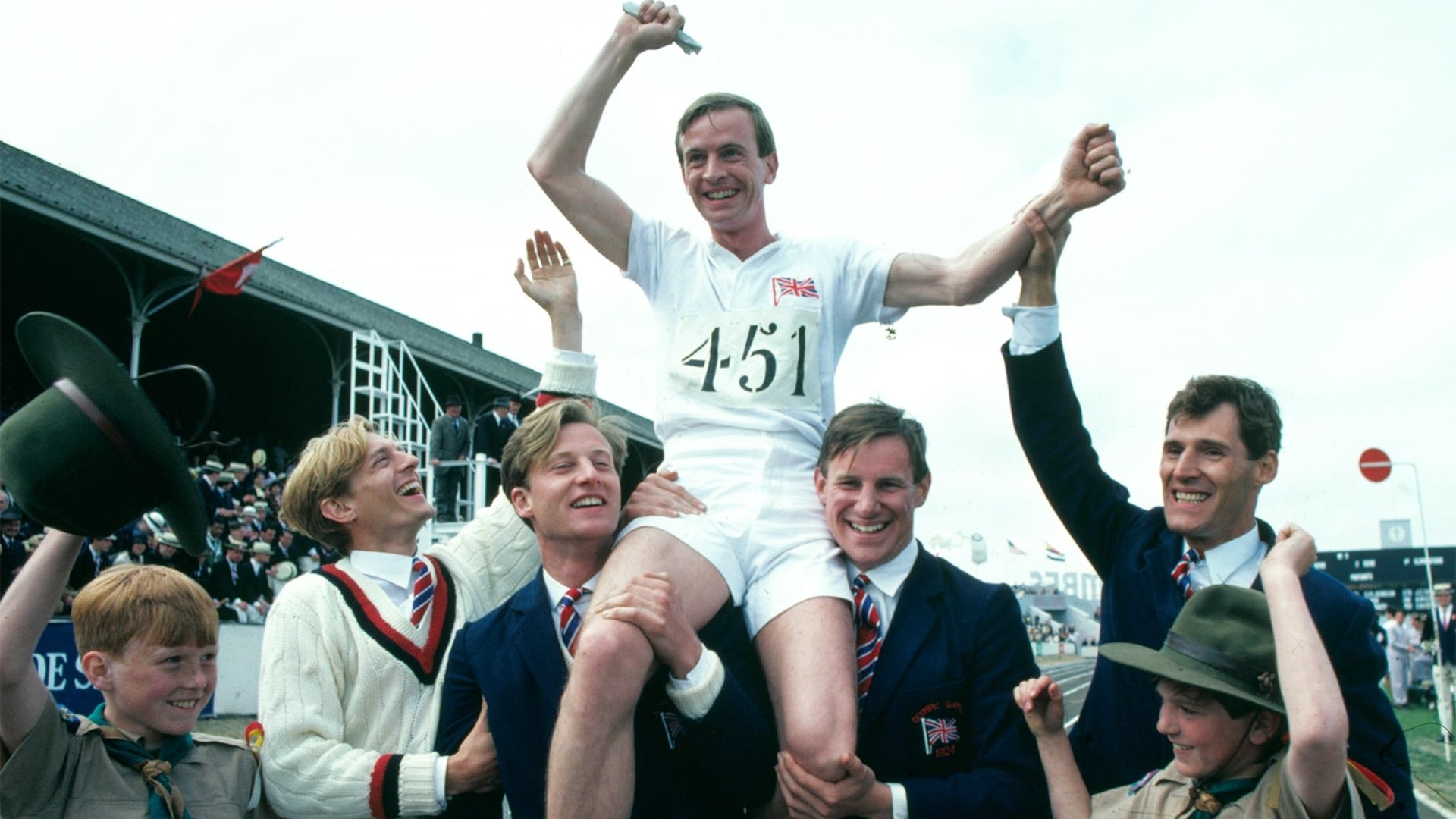
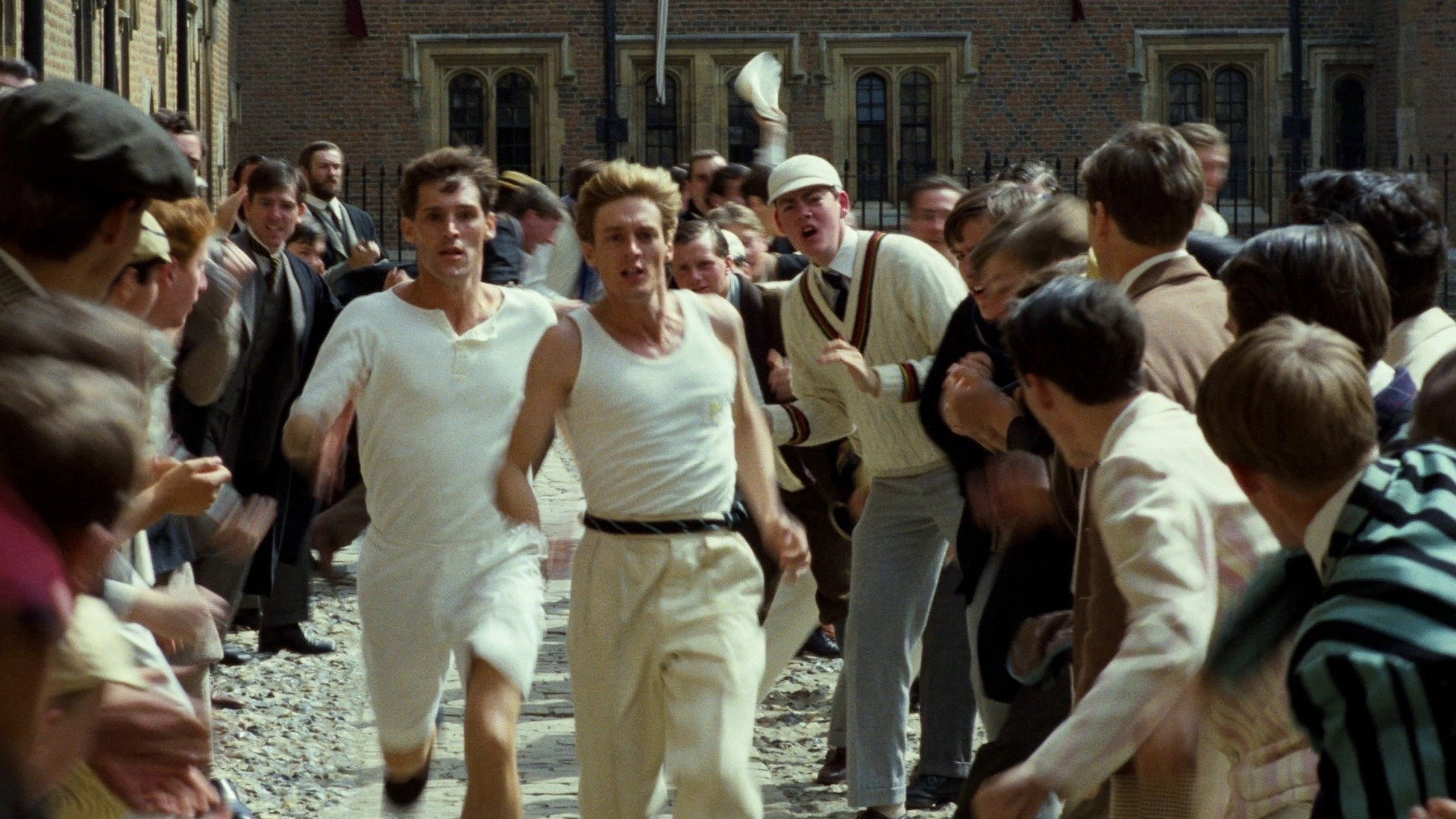
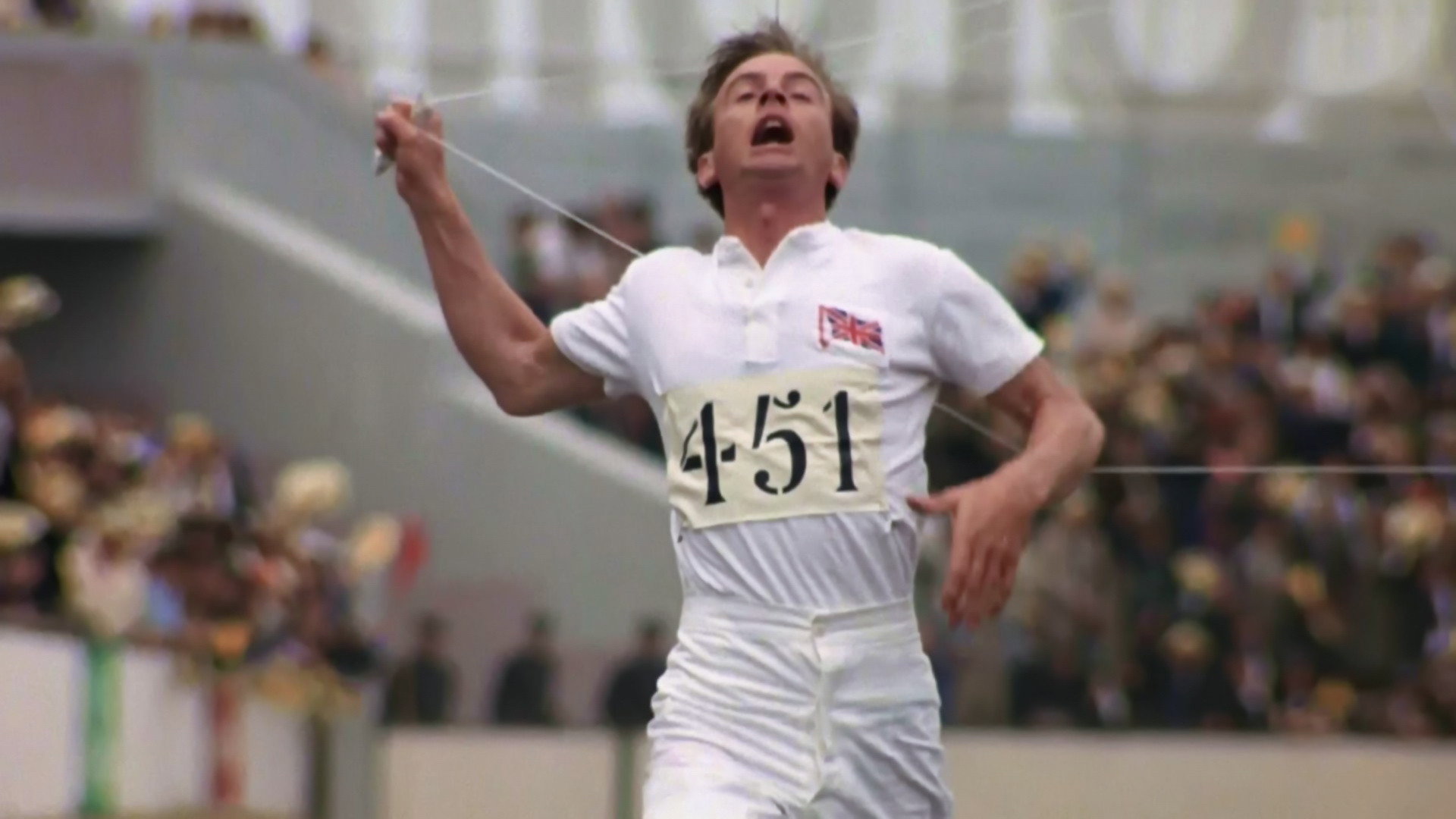
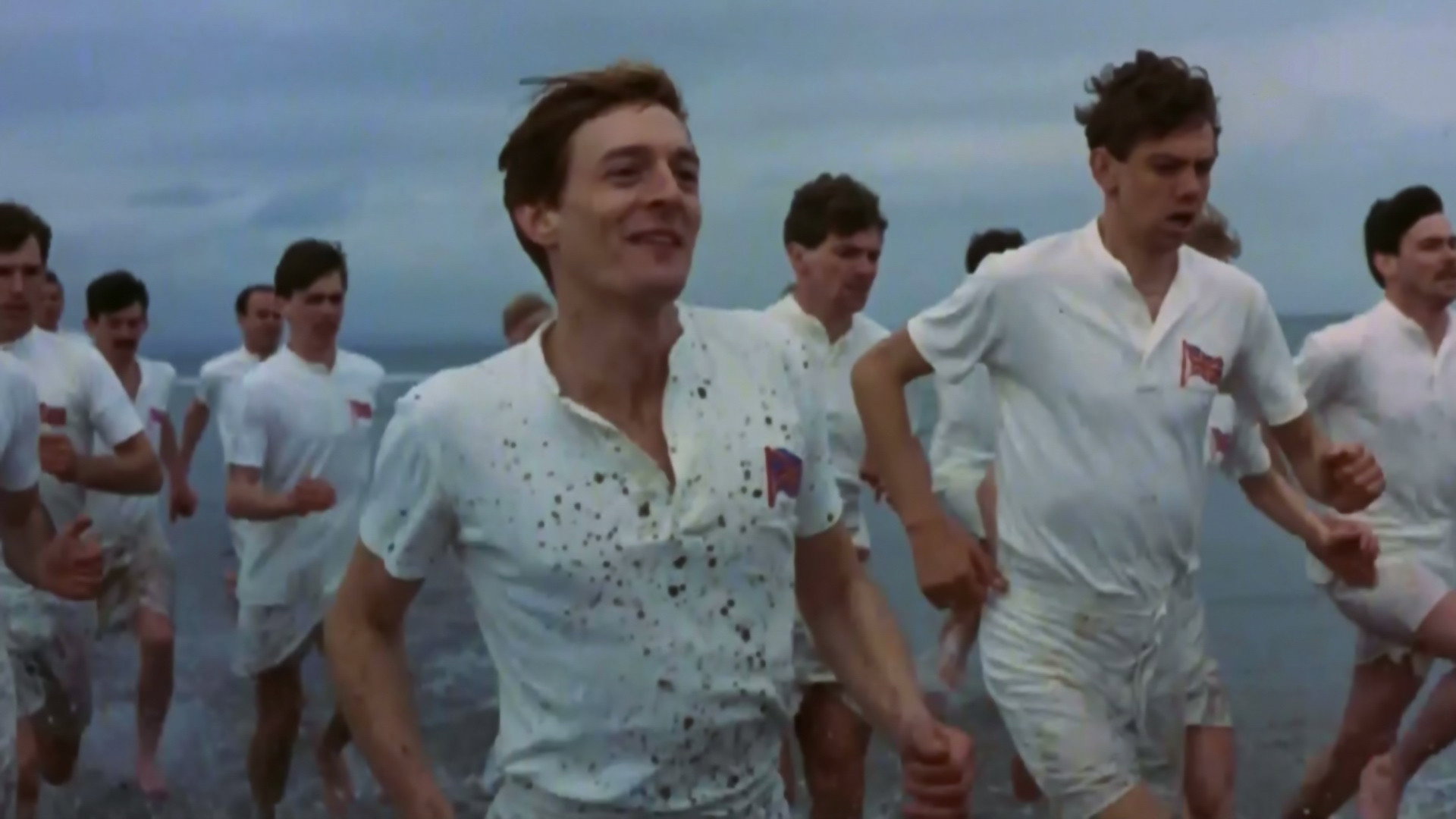
David Watkin’s photography does its most persuasive work on faces under strain. It makes the effort of competing visible, and gives the runners something to lose before we need to know anything about a result. We were moved by the beach running. The sight of people giving themselves so completely to a simple physical act got through our resistance to the film’s solemnity. These images let us enjoy the running without requiring another explanation of what it means.
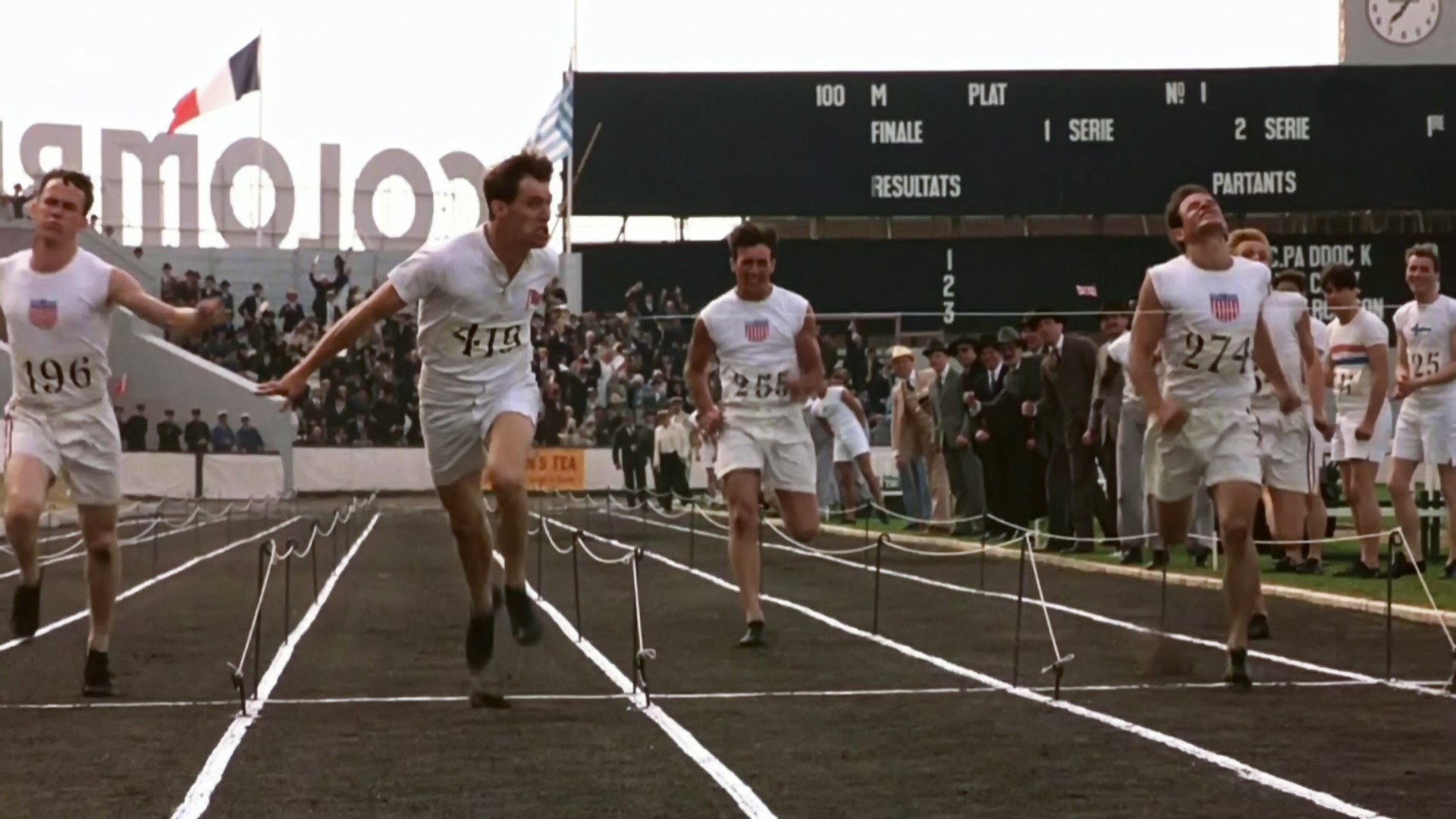
Terry Rawlings’s editing gives the running sequences their urgency, making physical exertion exciting without turning every moment into a demand for applause. Vangelis supplies the more openly emotional encouragement, and the music deserves much of the credit for how readily these passages reach us. The score can sometimes make the emotion feel too easy. It works best when the photography and cutting have already made us attend to the runners’ effort, giving that memorable music something substantial to support.
The difficulty comes when the film moves between the two men’s stories. Welland’s parallel structure keeps asking us to begin caring afresh, and Hudson does not always make the return to one runner feel necessary at that moment. Away from the running, the measured pace can become ponderous, with the same moral seriousness expressed once too often. The performances remain worth attending to, but there are passages when we are waiting for the film to move on.
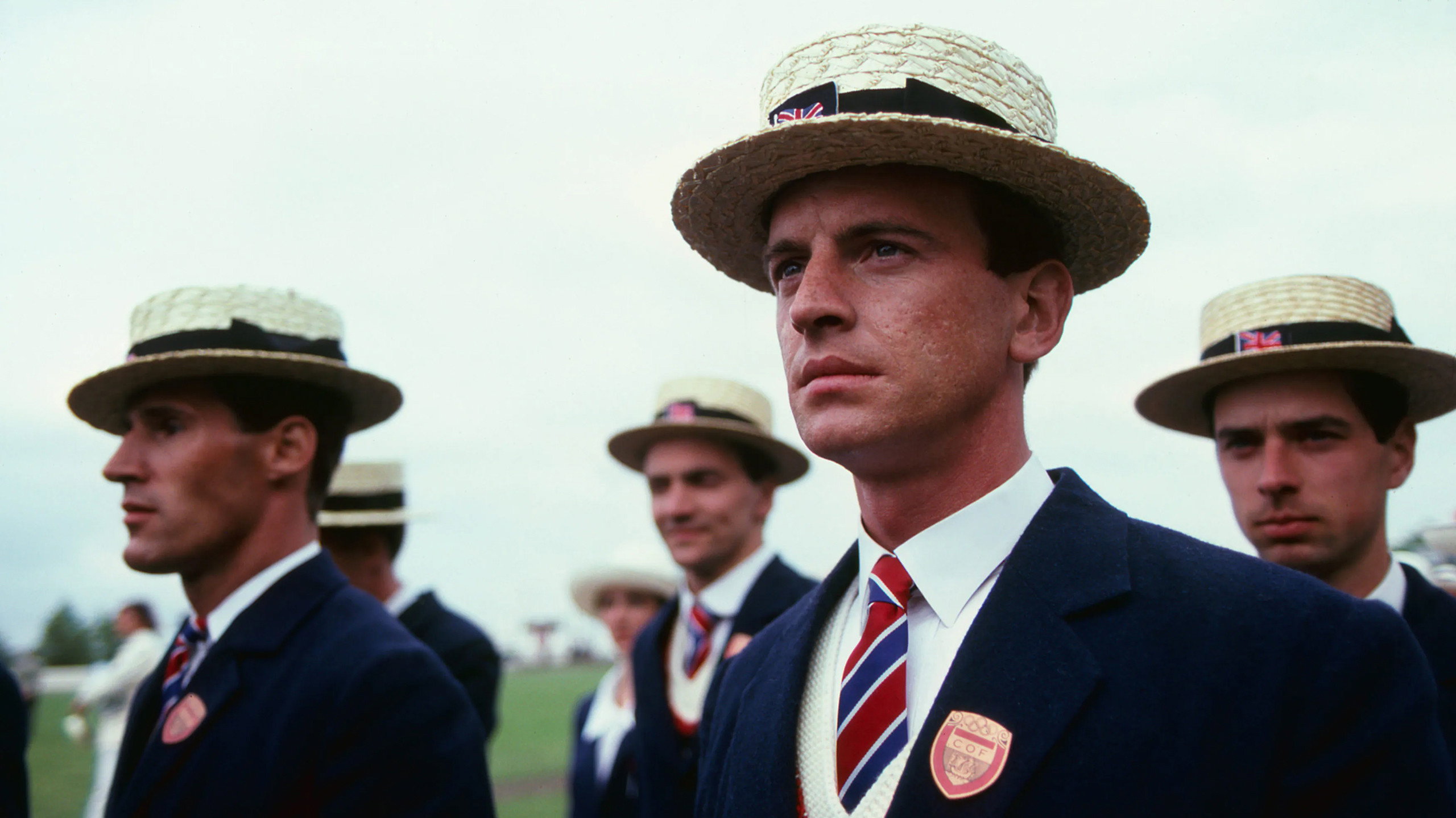
Milena Canonero’s costume design helps make the social distinctions readable without requiring us to stop and inspect them. The care over appearance also contributes to the feeling that everyone is being held slightly too formally in place. Hudson’s restraint suits the men’s dignity, but it can leave the surrounding people feeling less fully considered. Cross and Charleson are particularly good when they make that dignity seem difficult to maintain, something requiring an effort of its own.
As a sports film, this is willing to spend time on motives that a brisker entertainment might reduce to an obstacle before the next race. That patience is valuable, even when Hudson asks for too much of it. At 123 minutes, it needs an appetite for earnest discussion as well as athletic effort. Choose it for an evening when sincerity will be welcome and nobody is in a hurry.