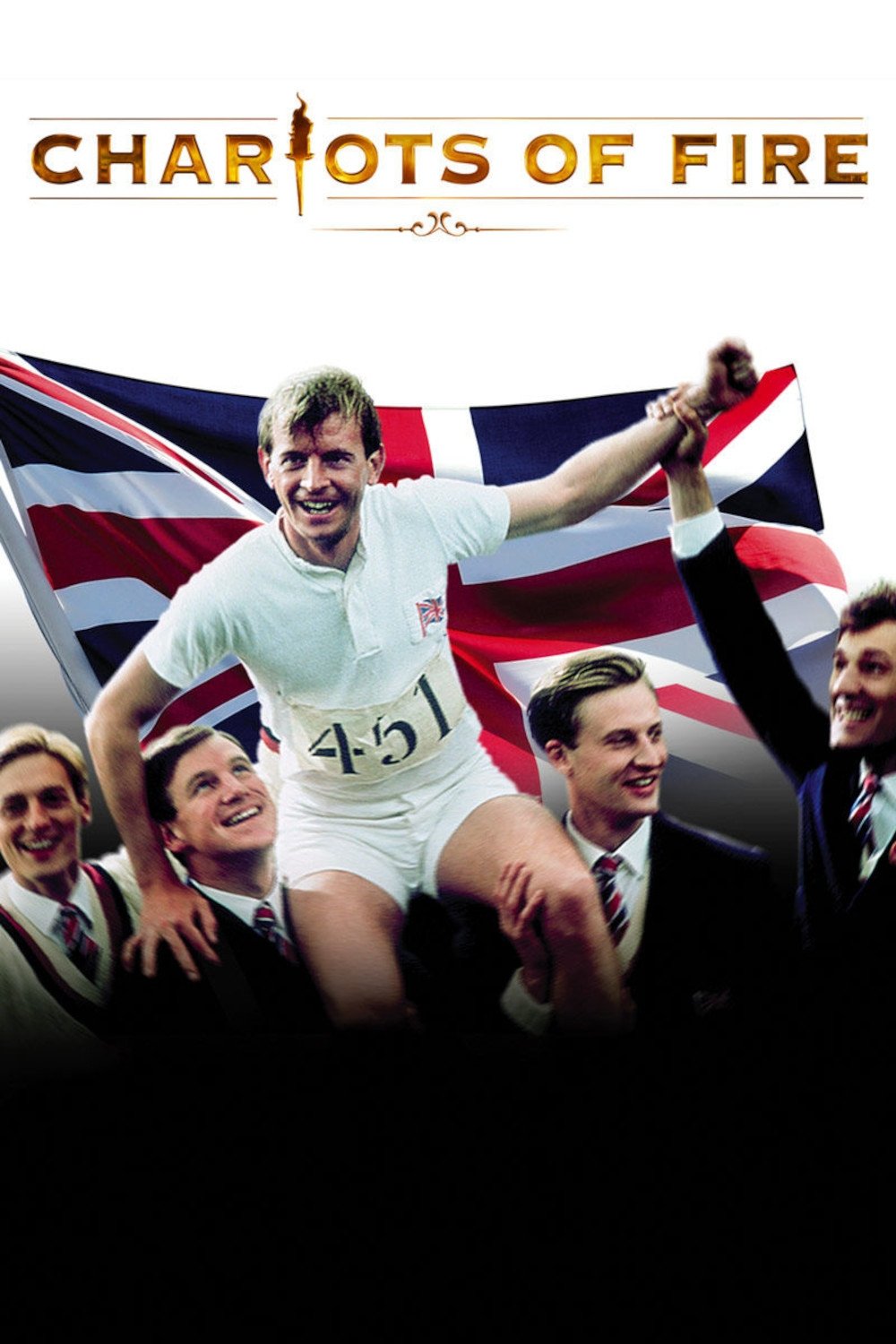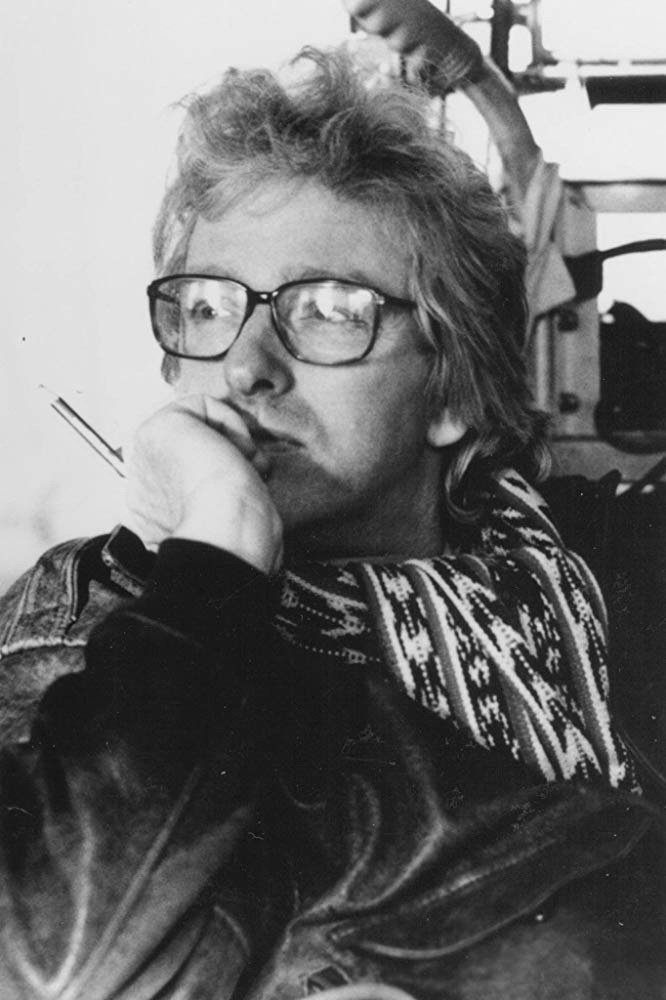
Hugh Hudson takes people’s principles seriously, sometimes at the expense of getting a scene moving. We value the patience and excitement of Chariots of Fire, while wishing its director were less inclined to keep everyone standing quite so formally.
Fi1m perspective
In Chariots of Fire (1981), Hudson lets the runners talk about their principles long enough for us to take them seriously. That patience is the strength of a good sports drama, though there are stretches when we would welcome less of it. We were moved by Ben Cross and Ian Charleson because they make the men’s dignity look difficult to maintain, something requiring effort rather than merely the right clothes. The races have enough excitement to keep all this earnest discussion from becoming the whole evening.
The formality causes trouble elsewhere. Milena Canonero’s costumes make social distinctions clear, but the care over appearances also leaves people looking held in place. Colin Welland’s script moves between the two runners, and Hudson does not always make us feel that it is time to return to the other man. There are passages when the same moral seriousness is expressed once too often; we begin waiting for the film to move rather than listening to what is being said.
This was Hudson’s feature debut, after documentaries and television commercials; his advertising experience helps explain the use of slow motion. Vangelis’s deliberately anachronistic score helps Chariots of Fire feel less remote and keeps it from becoming merely dutiful. Greystoke: The Legend of Tarzan, Lord of the Apes (1984) made room for strong supporting performances in a story concerned with identity and society. Revolution (1985) brought a damaging critical failure, although a later director’s cut received a warmer reassessment. His interest in people confronting authority continued in Finding Altamira (2016), a historical drama about discovery.
Hudson’s preference for relatively unknown leads gives us room to discover his characters without arriving with too many expectations. That makes sense for stories about people resisting class prejudice, though the surrounding characters in Chariots of Fire are not always given equal consideration. Start there, for Cross and Charleson, Vangelis and a sports drama willing to ask why anyone bothers to compete. It is not a choice for anyone hoping to dispense with the talking and get straight to the running.
Biography
Hugh Hudson (25 August 1936 – 10 February 2023) was an English film director. Born in London, he was educated at Eton College and began his career making documentaries and television commercials, working alongside contemporaries such as Ridley Scott and Alan Parker.
His feature debut, Chariots of Fire (1981), won four Academy Awards including Best Picture and earned Hudson a nomination for Best Director. He followed it with Greystoke: The Legend of Tarzan, Lord of the Apes (1984), which received three Oscar nominations, and Revolution (1985). Later films include My Life So Far (1999), I Dreamed of Africa (2000) and Finding Altamira (2016).
Hudson also directed commercials and, in 2012, co-produced a stage version of Chariots of Fire. He was married to actress Maryam d’Abo from 2003.