Film review

Crash

1996 · Directed by David Cronenberg · 1h 40m · MPA NC-17

In a sentenceSex, cars and the sort of calm people who make us deeply nervous

ThrillerDrama

A circle of people finds sexual fascination in cars, physical damage and the meeting of flesh and metal. James Spader plays James Ballard, alongside Holly Hunter as Helen Remington, Elias Koteas as Vaughan and Deborah Kara Unger as Catherine Ballard. Rosanna Arquette plays Gabrielle. David Cronenberg adapts J.G. Ballard’s novel, following these characters through encounters shaped by their shared obsessions. Their sexual lives bring them into contact with violence and trauma, as a fascination with technology changes what they want from one another and what they are prepared to do.

Plays from YouTube when you press play; nothing loads from them until then.

Fi1m review

David Cronenberg’s Crash is a good, unnerving erotic thriller, held together by committed performances and precise filmmaking. Repetition and emotional distance can make the slow passages tiring, even when the actors keep us looking.

Crash is a good, deliberately difficult film about people who have found something sexual in cars, damage and danger. David Cronenberg adapts J.G. Ballard’s novel without offering much reassurance that he considers these desires stranger than any others. That calm is what makes the film troubling, and often absorbing. We recommend it to anyone prepared for an erotic thriller whose characters offer little warmth and whose pace gives us plenty of time to feel uncomfortable.

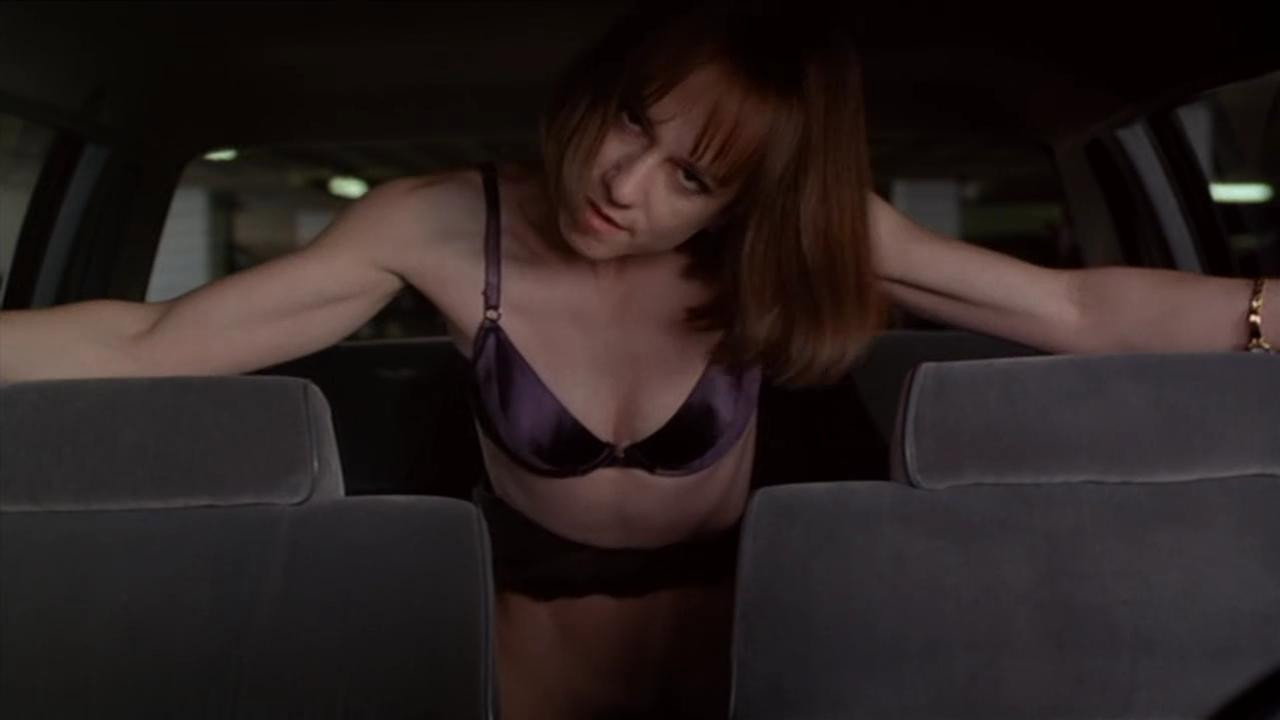
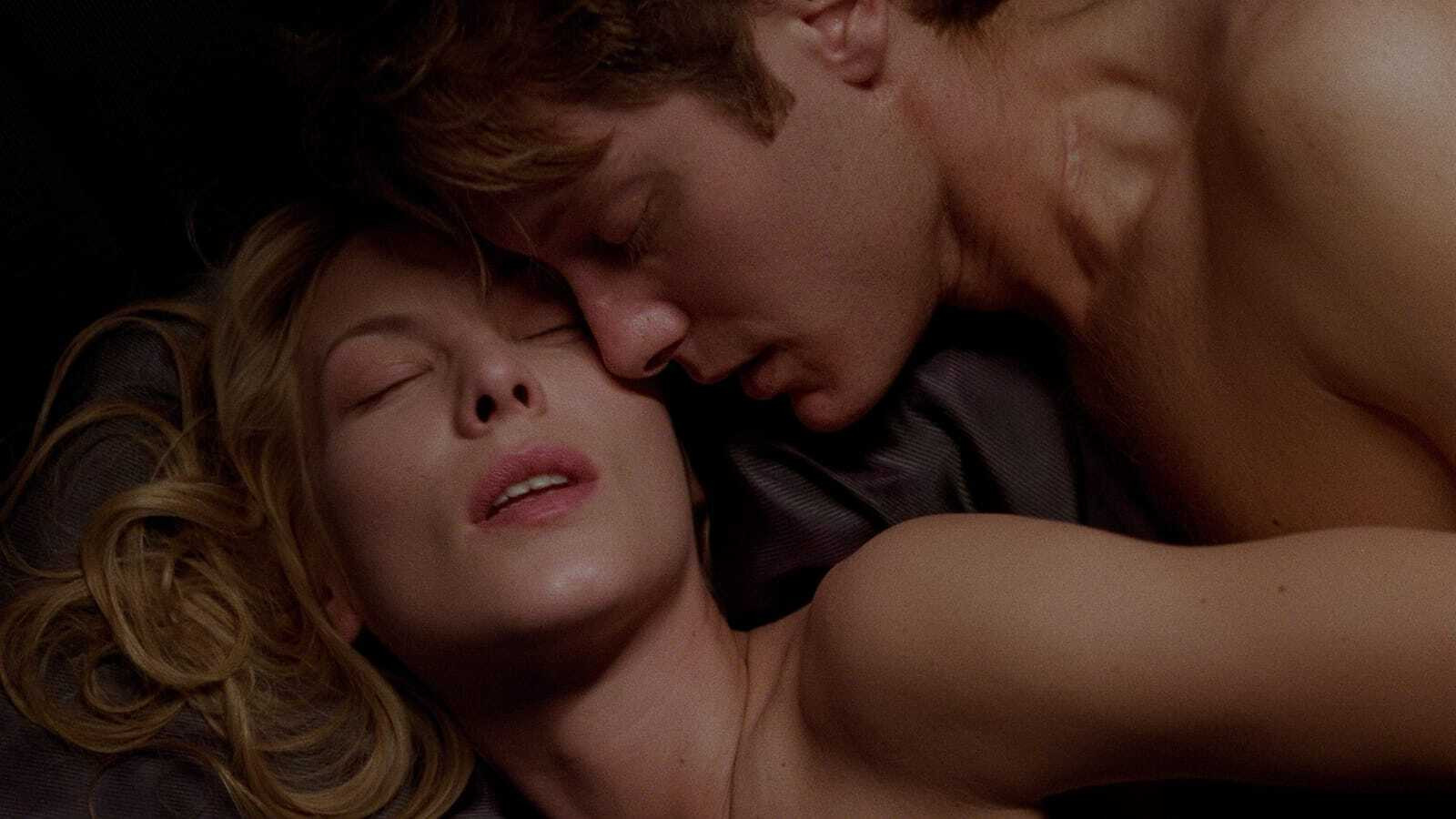
We were unsettled by the composure of the sex scenes. The encounters are obsessive and enclosed, yet the realistic treatment makes them difficult to dismiss as lurid fantasy. Cronenberg lets the sexual preoccupations occupy the screen without supplying an easy response on our behalf. There is time to notice our own discomfort, and nobody in the film seems inclined to help us out of it.

James Spader plays James Ballard with a reserve that suits the film, even when it keeps us at a distance. Holly Hunter’s Helen Remington feels firmer and more direct, while Elias Koteas gives Vaughan an intensity that holds our attention through the slow passages. Their differences matter in a film that risks treating everyone as a case to be examined. None of them tries to win our affection, and the performances are better for that restraint.

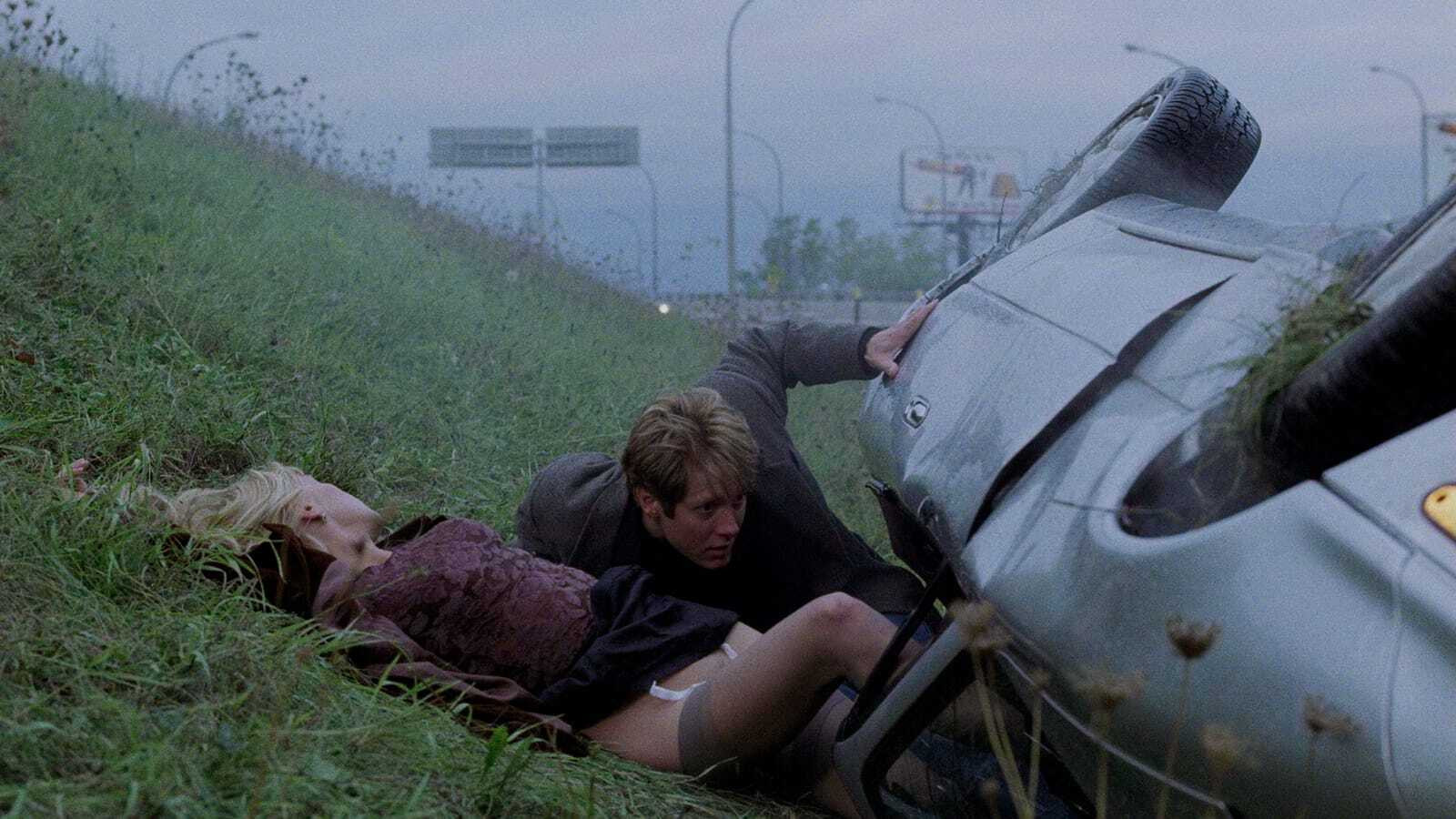
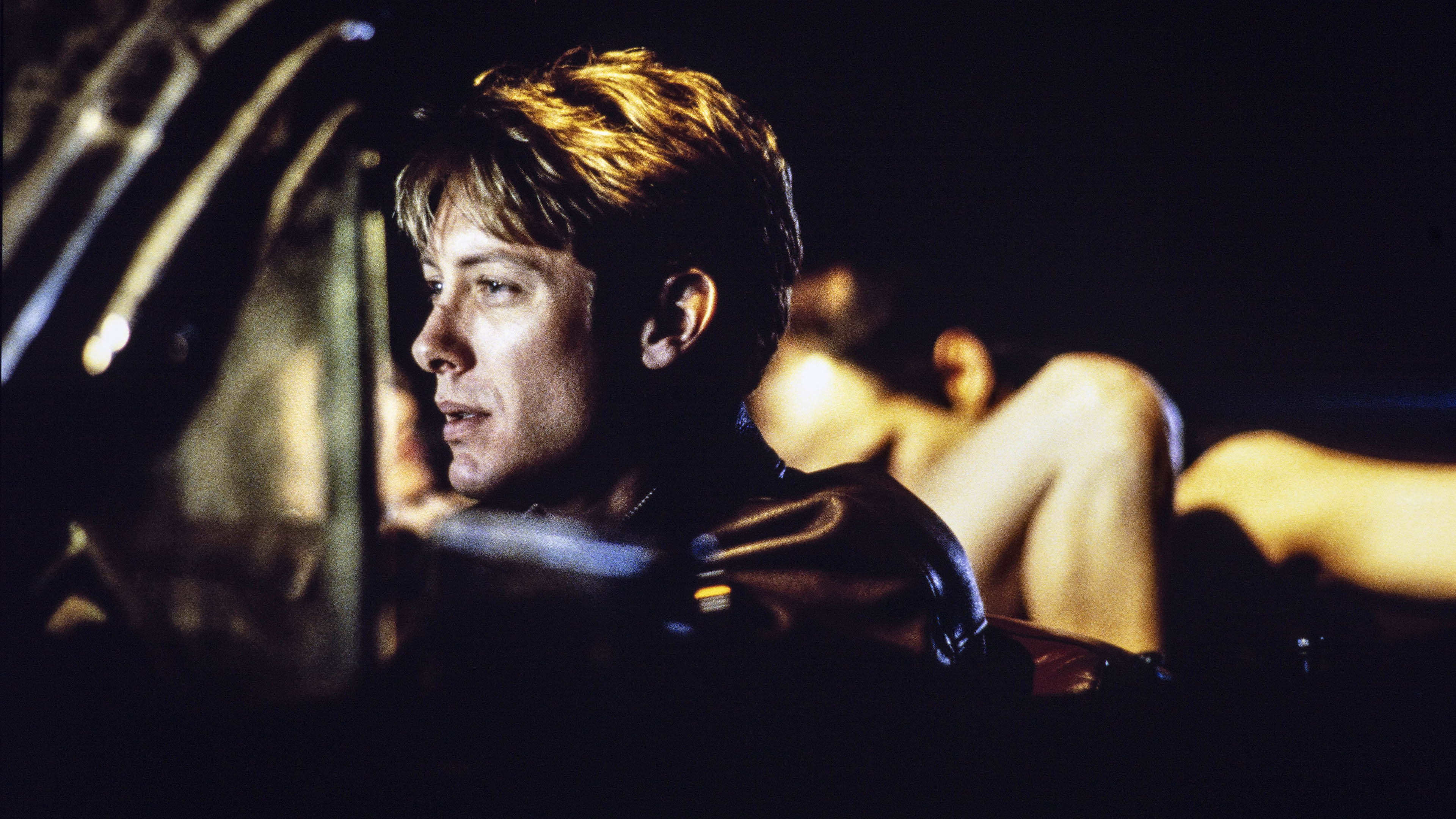
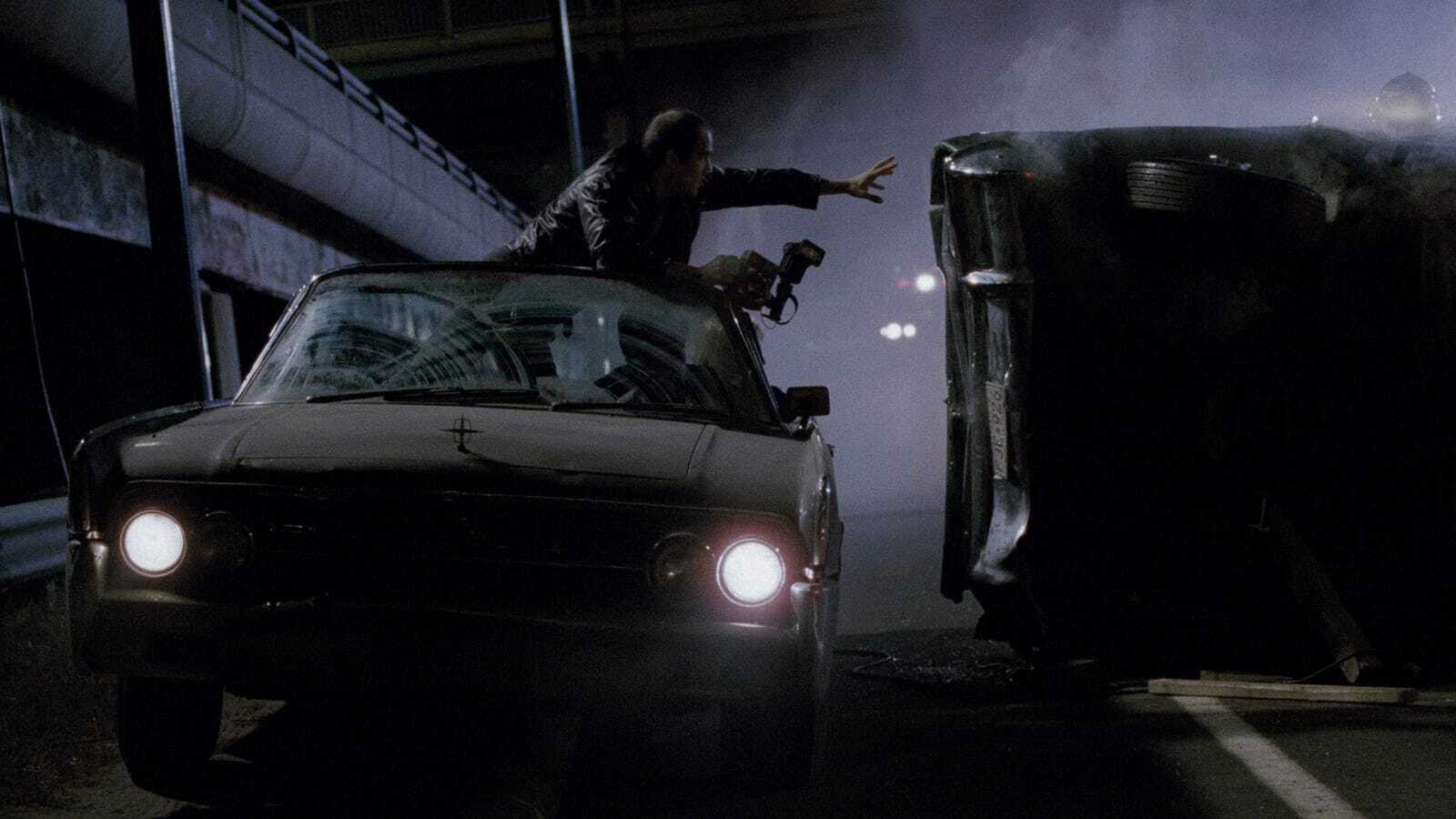
Peter Suschitzky’s cinematography makes the metal gleam, giving the cars a share of the sexual attention. Carol Spier’s production design reinforces the sense that these encounters happen in a world with little room for ordinary company. The enclosed settings are effective because they keep our attention on bodies and surfaces, with few comfortable distractions. The film’s realistic look makes the desires harder to set aside as something safely remote from everyday life.

Ronald Sanders’s editing sustains the languorous pace rather than trying to give every encounter the urgency of a conventional thriller. The scenes have time to become awkward, and the absence of much background noise makes that awkwardness harder to escape. Howard Shore’s music is especially valuable here, lending unease to a film whose people seldom seem alarmed by themselves. The score helps keep those long stretches tense, though it cannot make every repetition feel necessary.

The weakness is how little the mood changes. At 100 minutes, Crash still has stretches in which the sexual obsession feels established and the film appears content to establish it again. The emotional distance becomes tiring when another encounter gives us little new to consider. We can accept the lack of reassurance, but we would welcome more variation in how these people respond to one another.

As an erotic thriller, it offers few of the usual satisfactions: the sex is uneasy, and the slow pace discourages the expectation of a briskly solved problem. Its strength is the seriousness with which it attends to desires most films would use for a quick shock. Cronenberg does not need us to approve, though he does require us to keep looking. Choose it when an uncomfortable evening sounds worthwhile; company expecting a little escapism should have a say first.

Critical consensus AI synthesised

3 of 6
Positive
3
Mixed
0
Negative
0
The Guardian
27 November 2020 · Peter Bradshaw
75*

The film holds up well decades later and remains deeply strange, risky, creepy, menacing and hypnotic in its dedication to eroticism. It cannot fully capture the chill of Ballard's novel and feels less contemporary now that cars are less culturally charged.

Read the full review →
The Independent
4 June 1997

The critic finds the film remarkably uninvolving despite its premise from Ballard’s novel, praising the cleverly designed titles and Howard Shore’s music but criticizing the lack of emotional engagement, the realistic style that clashes with implausible scenes, and Cronenberg’s handling of the material as a backward step from his earlier work.

Read the full review →
The New Yorker
24 March 1997 · Anthony Lane

The critic calls the film a controlled experiment that uses style to seal itself off from the mess of the world, with an eerie lack of background noise and characters treated as lab rats. He notes that while it gleams with metallic loveliness, its loftiness grows tiring and the desire to be a work of art threw it off the road.

Read the full review →
The New York Times
21 March 1997 · Janet Maslin

The critic finds the film disturbing in its initial recklessness and ultimate timidity, noting that it lacks the true audacity its material demands despite being meticulously stylized. She acknowledges it as a striking oddity that deserves to be taken seriously as part of Cronenberg's idiosyncratic career.

Read the full review →
Time Out
3 May 2011 · GA

Cronenberg's adaptation of Ballard's novel is imaginative and faithful, consisting chiefly of obsessive, claustrophobic, transgressive sex scenes. It is a dark, disturbing, languorous movie that is admirably assured and true to itself.

Read the full review →
Variety
17 May 1996 · festival review · Todd McCarthy

The critic describes the film as a forbiddingly frigid piece of esoteric erotica that remains an exceedingly intellectual work of cold sensuality with appeal only to specialized audiences. He praises the director's precise control and the film's technical craftsmanship but notes that its concerns are peculiar and off-putting to most viewers.

Read the full review →

Cast

Stills

If you liked this, try…

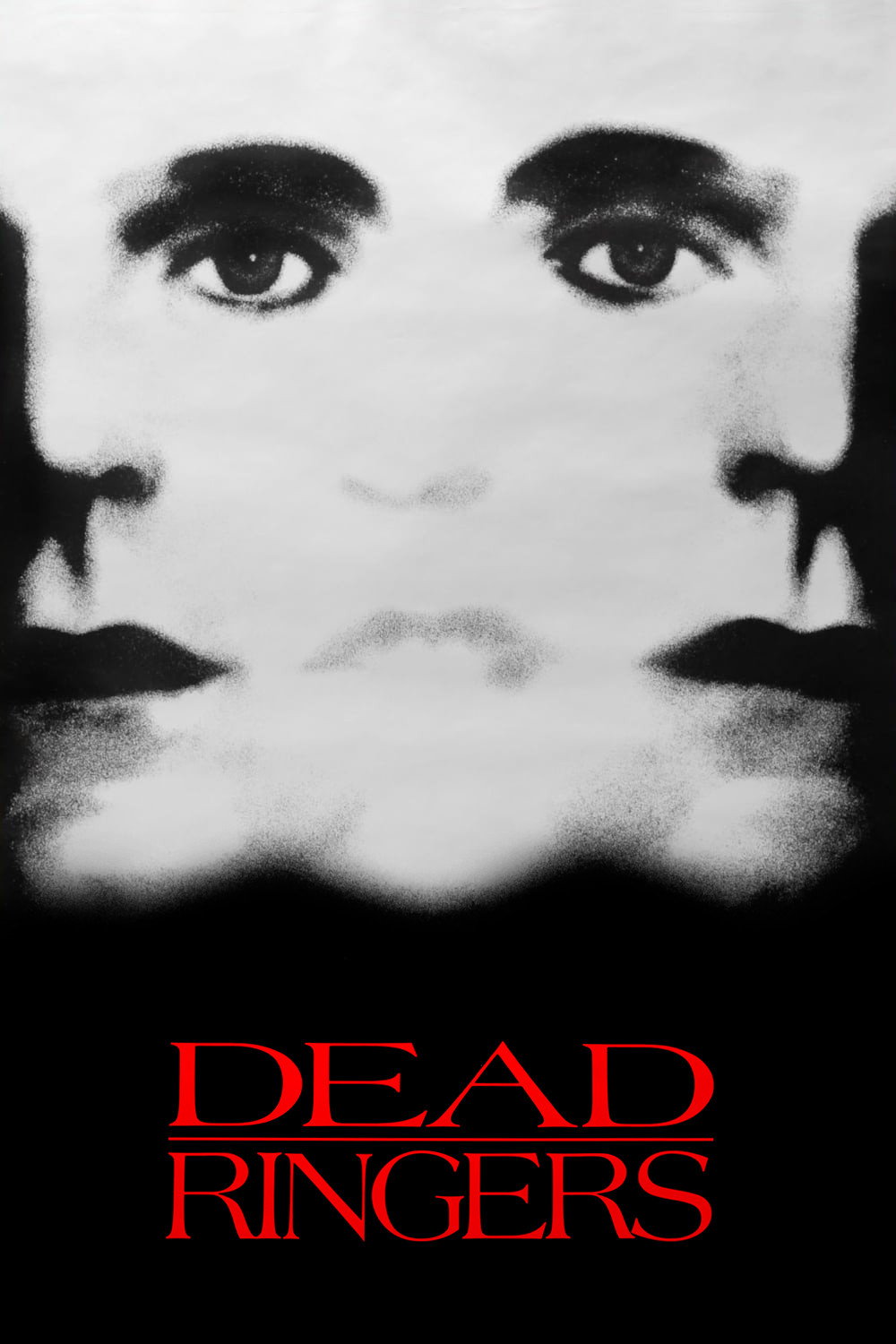
Dead Ringers poster

Dead Ringers

1988 · Another cool examination of bodily obsession, with intimacy becoming increasingly difficult to bear.

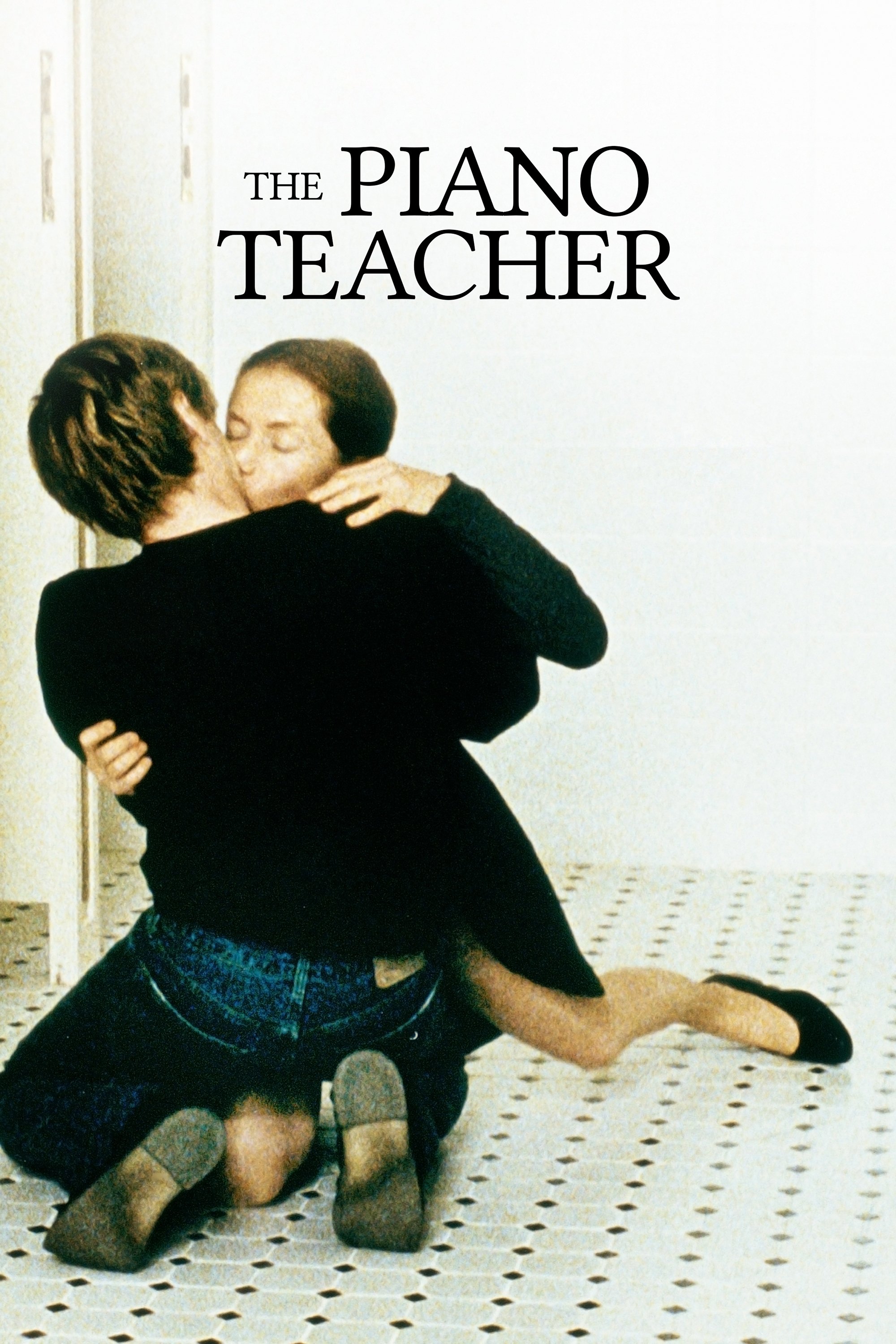
The Piano Teacher poster

The Piano Teacher

2001 · Sexual control and emotional damage, observed without offering easy sympathy or reassurance.

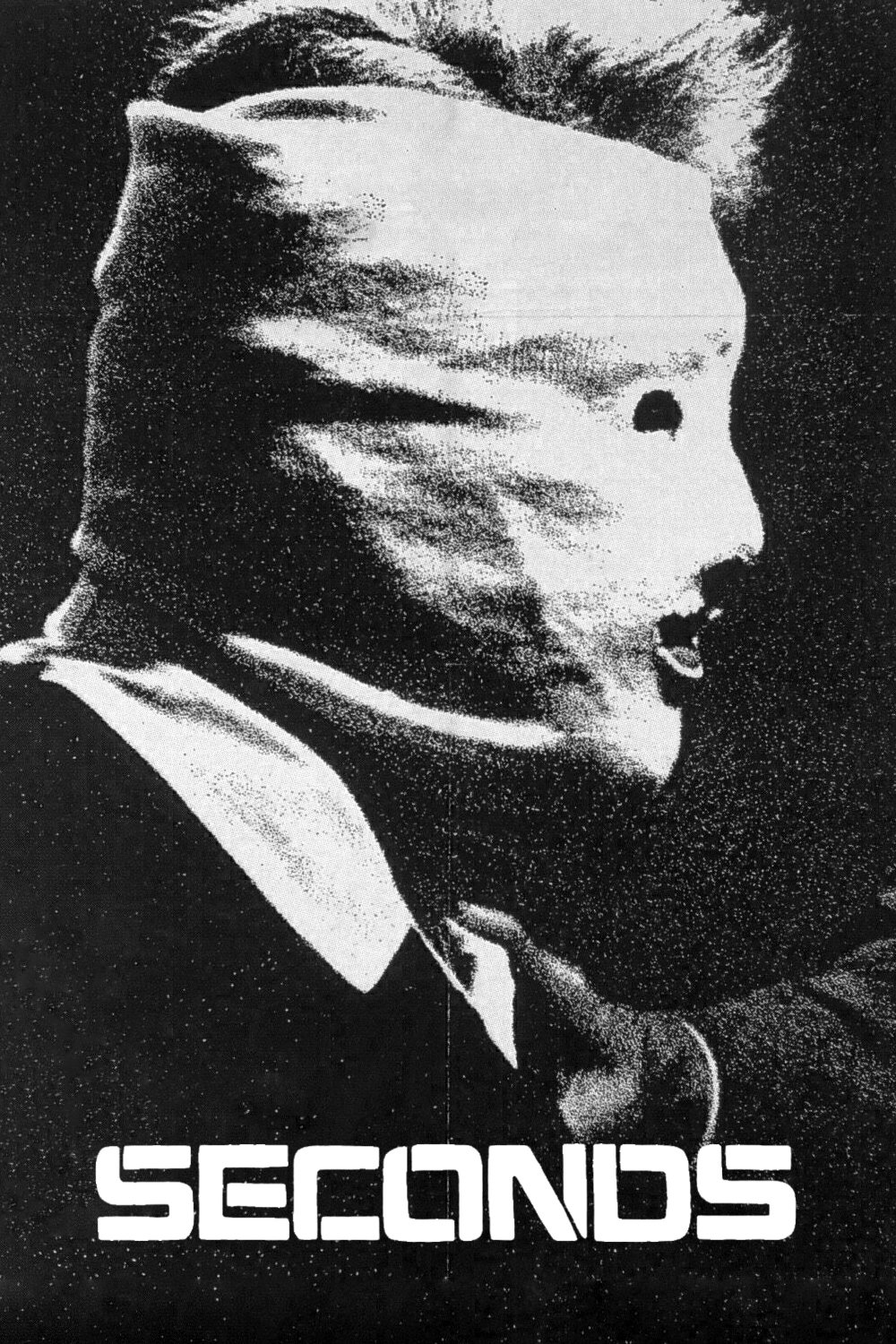
Seconds poster

Seconds

1966 · A disturbing look at bodily reinvention and the dissatisfaction that survives it.

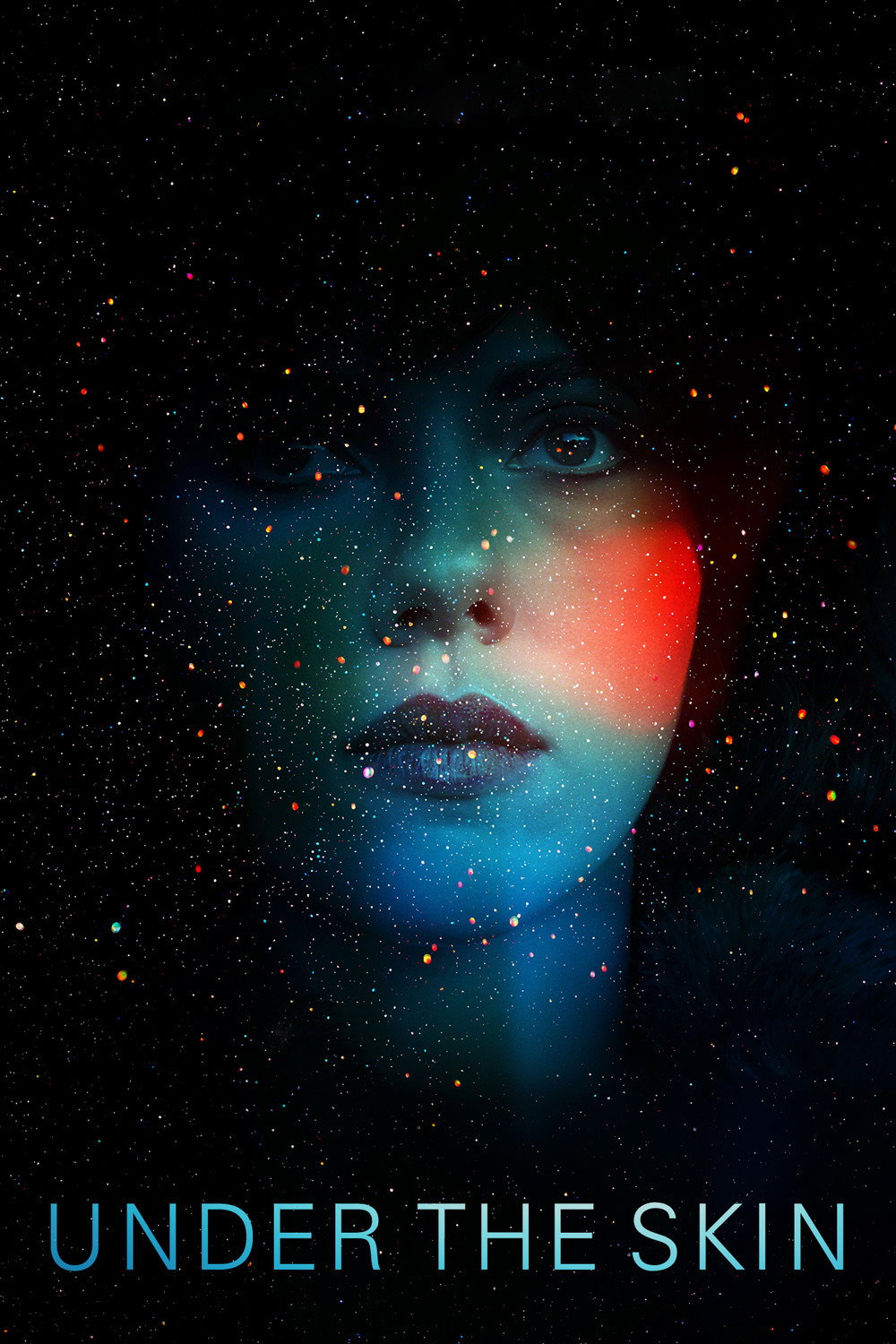
Under the Skin poster

Under the Skin

2013 · Patient observation makes human bodies strange, while ordinary encounters become difficult to read.

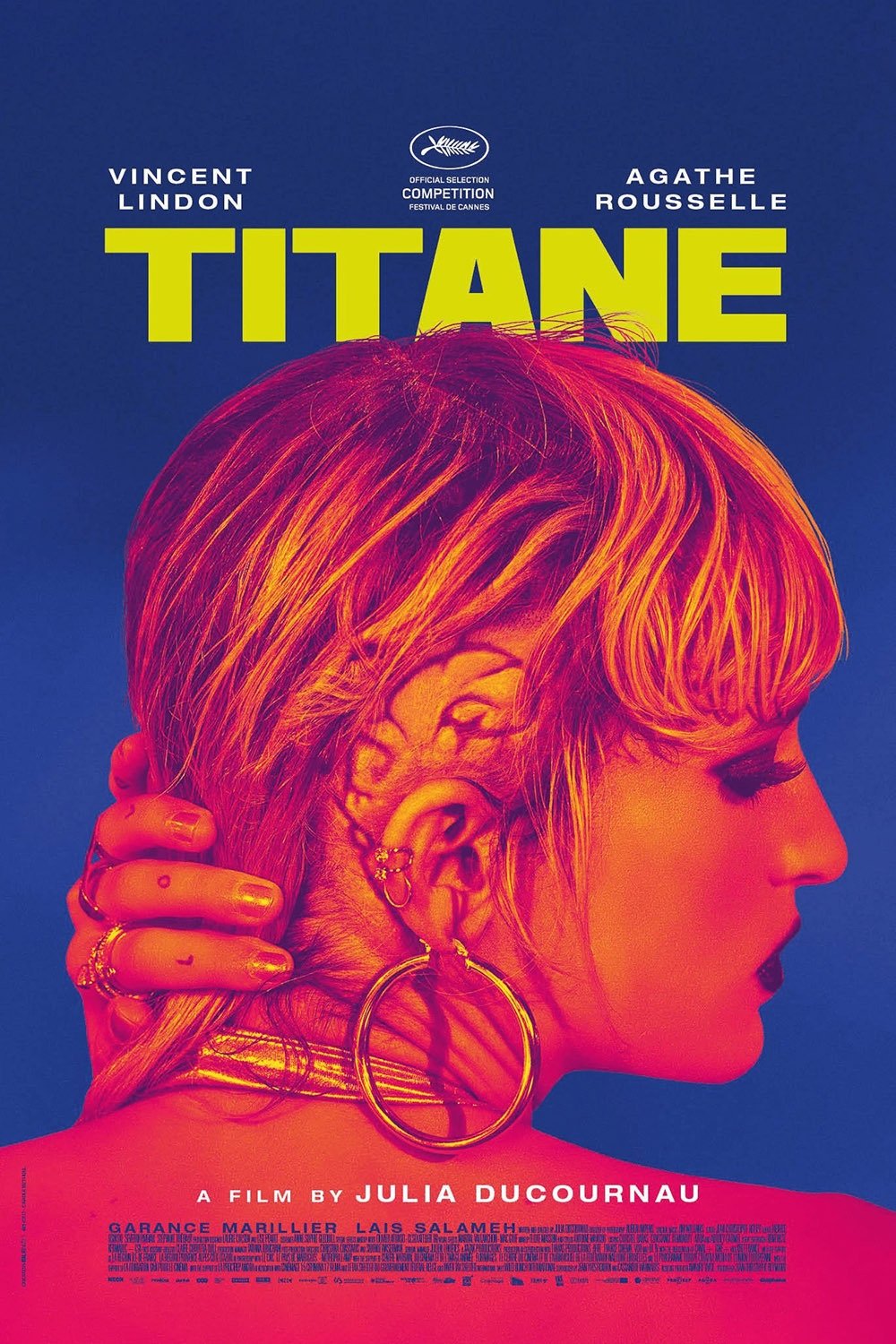
Titane poster

Titane

2021 · Metal and flesh meet again, with more heat and unexpected tenderness.