Tim Burton’s unruly fantasy is worth the muddled plotting for Michelle Pfeiffer’s Catwoman and its sour, surprising comedy. The action can become a chore, but the difficult people inside the costumes keep us interested.
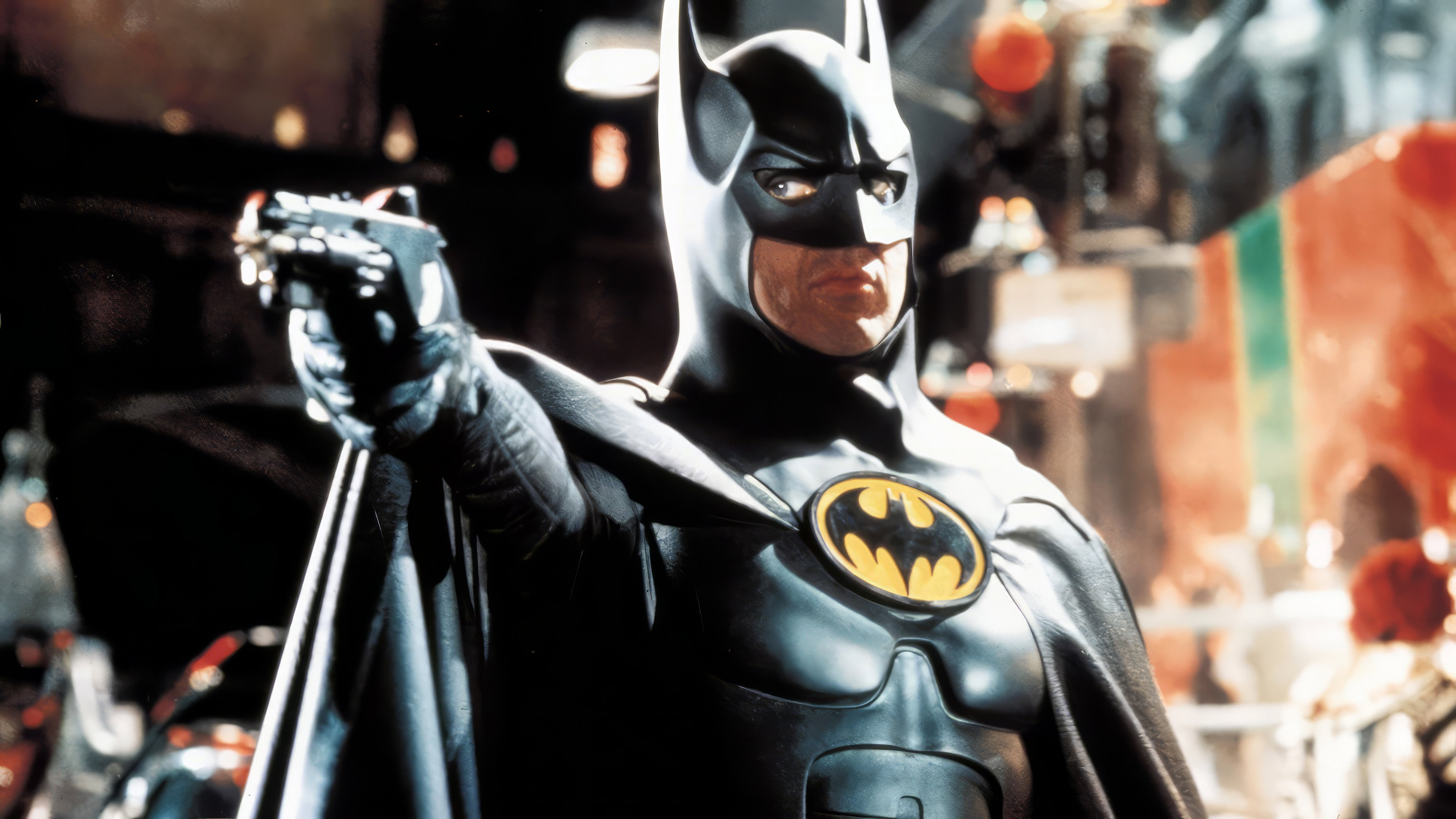
Batman Returns is a funny, uncomfortable fantasy whose villains are worth putting up with a muddled action story. Tim Burton gives them enough attention to make Batman seem almost an interruption. That can frustrate anyone waiting for the hero to take charge, but we keep wanting another scene with Michelle Pfeiffer or Danny DeVito. Burton seems happy to indulge that preference, even when he has a plot to get on with.
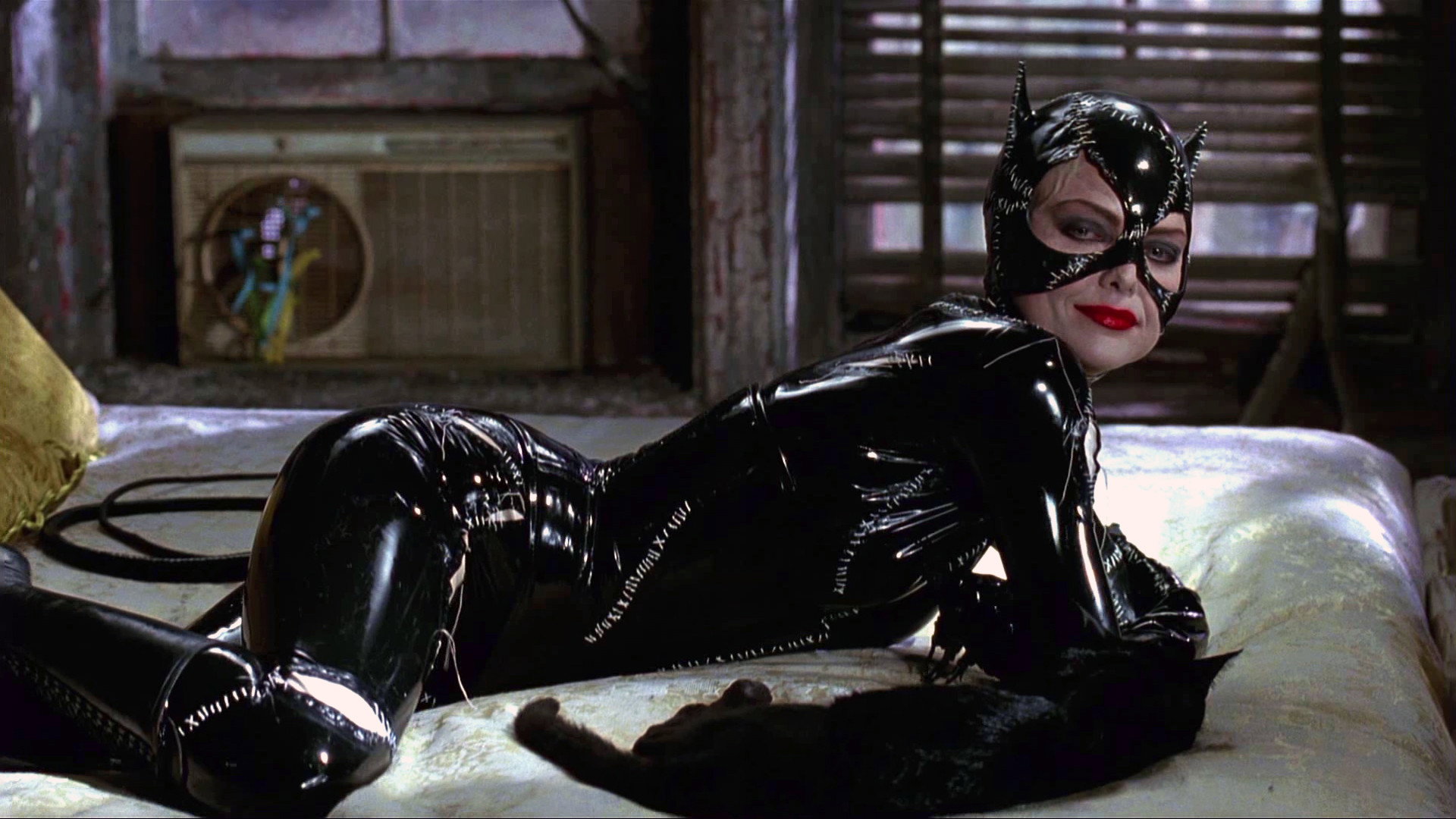
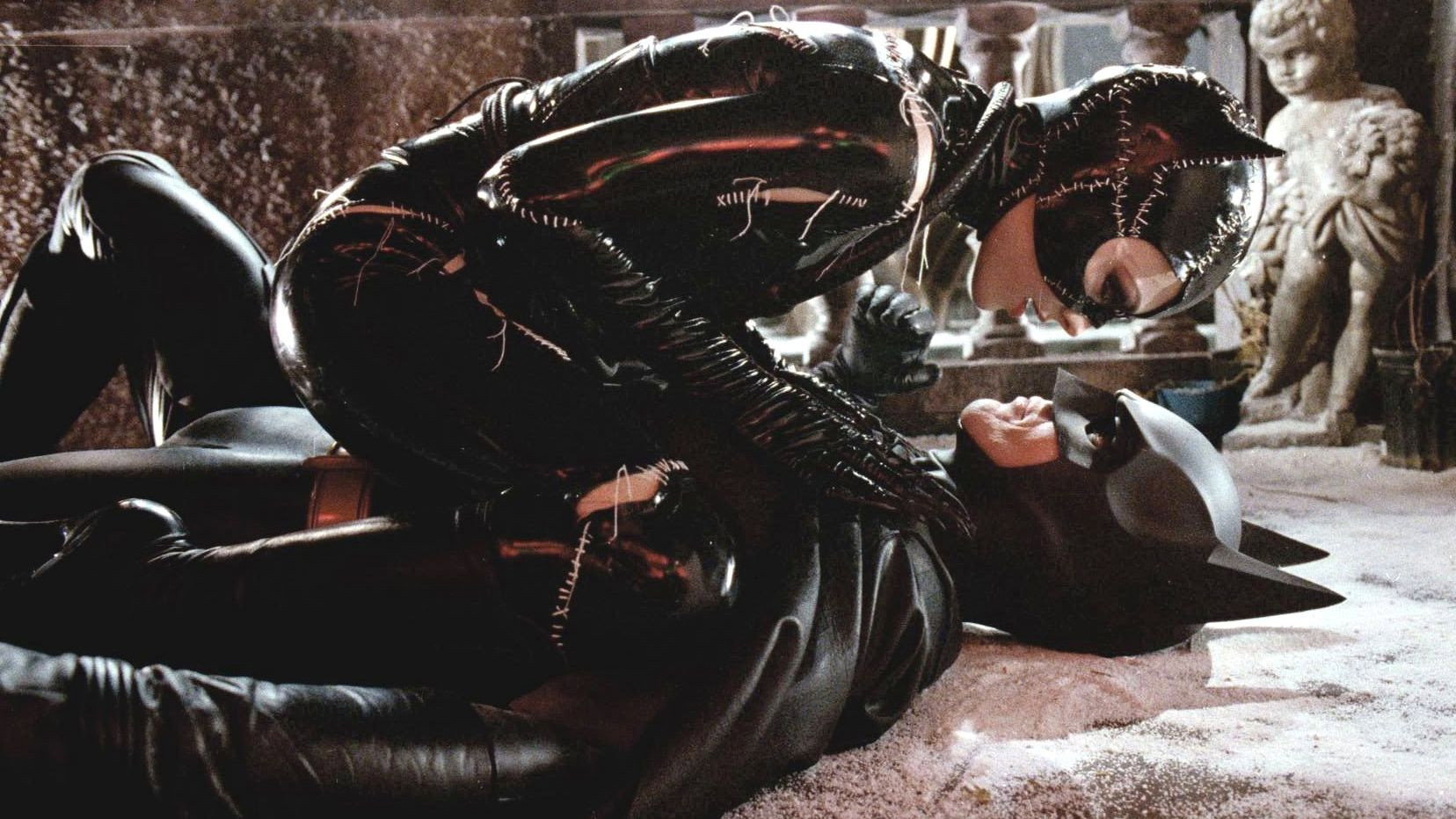
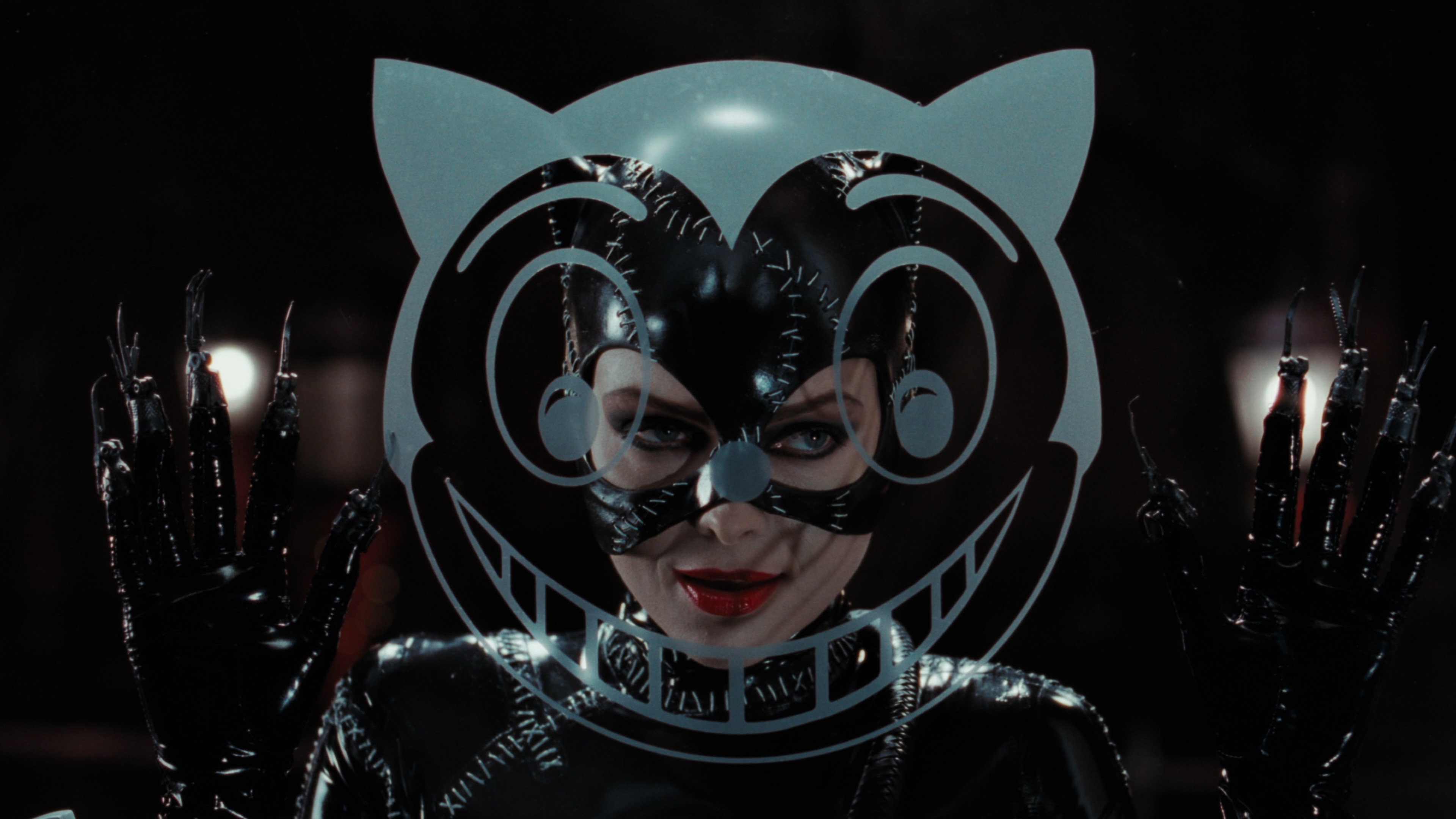
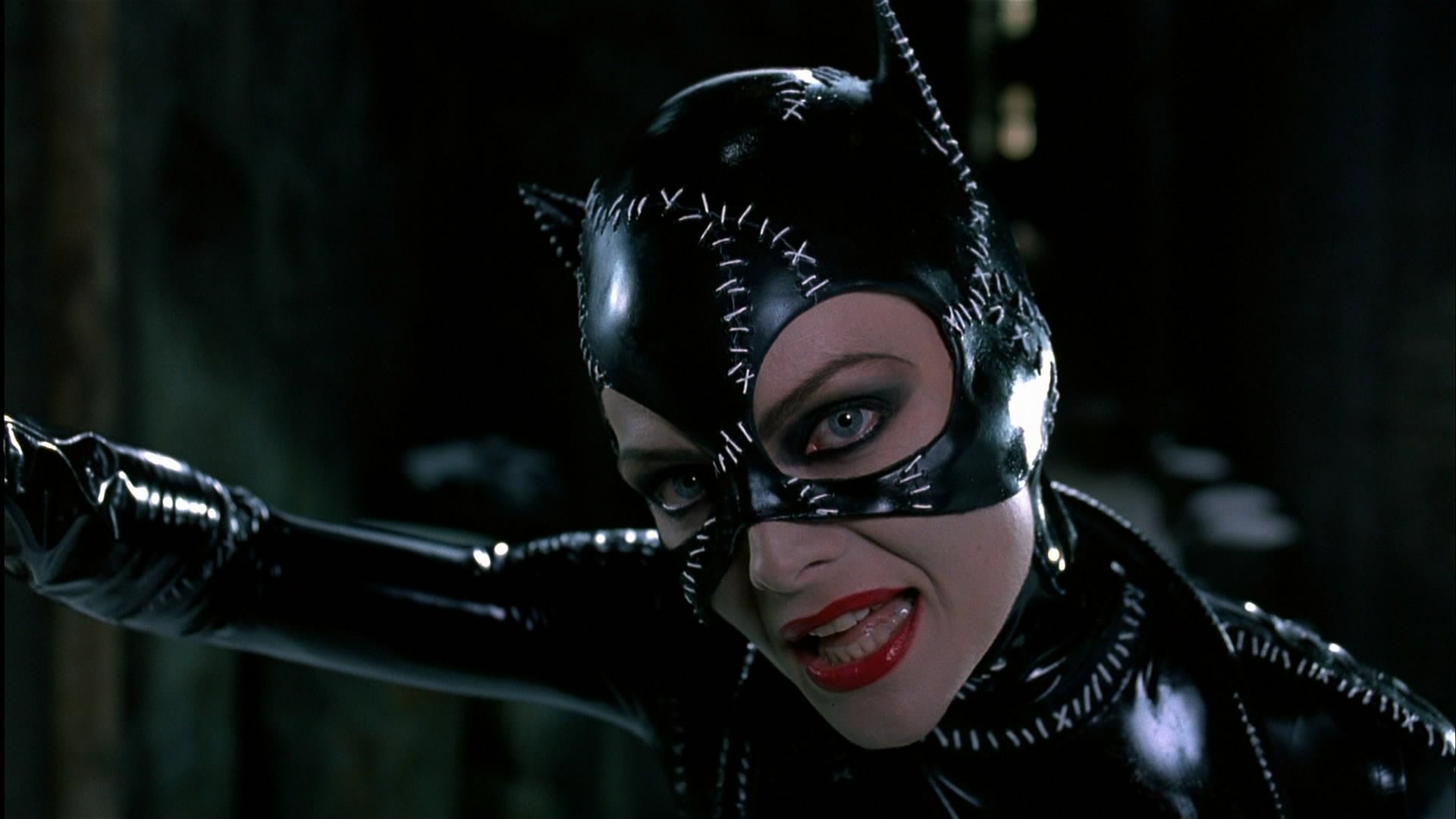
Pfeiffer supplies the strongest reason to stay. As Selina and Catwoman, she can be unsure of herself, furious or sexually confident, and we recognise the same person throughout. We laughed more than we expected at her exchanges with Michael Keaton: her aggressive comic timing makes their attraction both awkward and convincing. Keaton’s reserve gives her something to work against, and the resulting romance is more involving than the business of who will defeat whom.
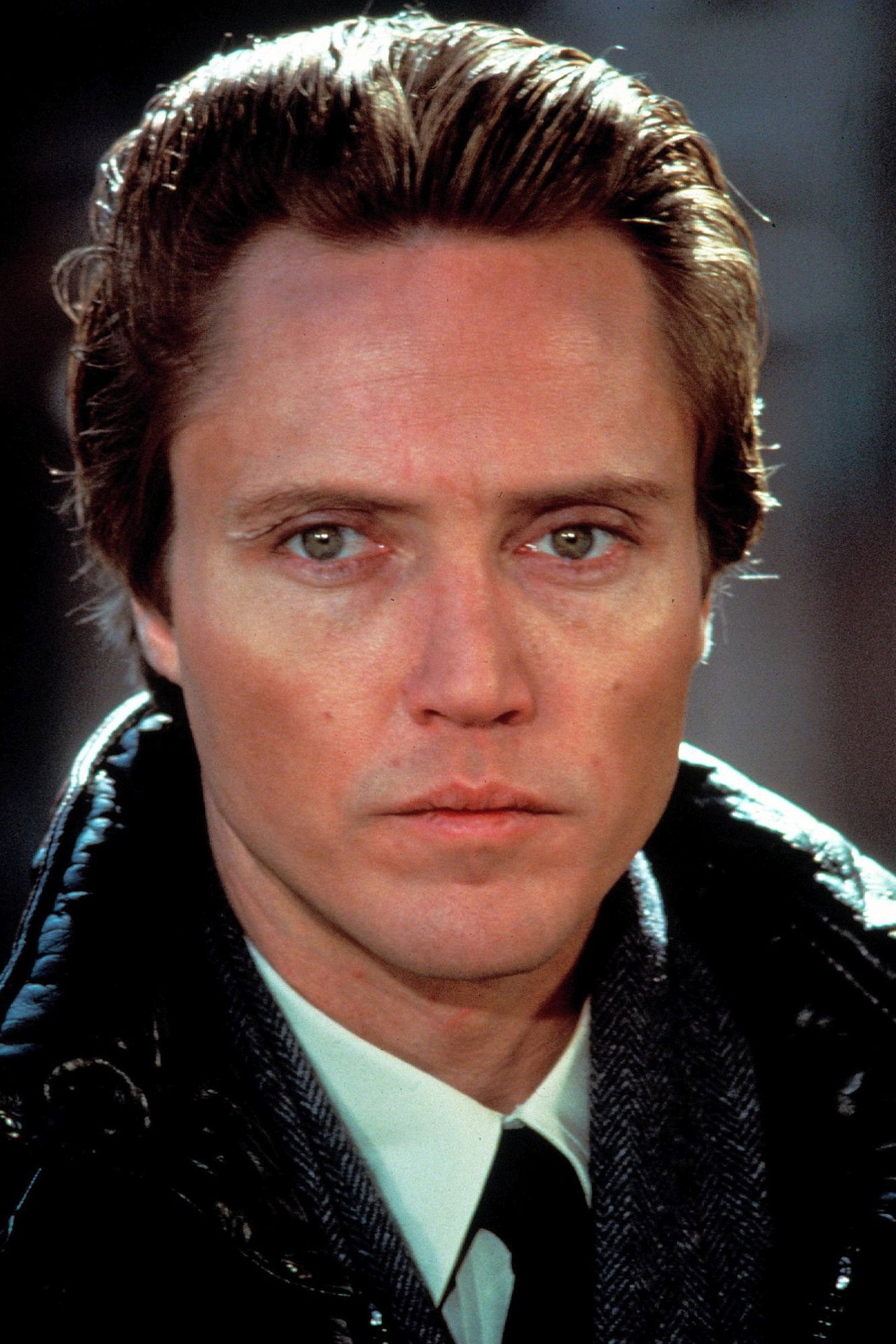
DeVito’s Penguin is harder company, and DeVito refuses to apologise for that. His performance is insistently unpleasant, with a force that makes the character difficult to dismiss even when we want a break from him. He can be funny without inviting us to find him cuddly, which is a useful distinction in a film this interested in its villains. Christopher Walken, as Shreck, offers a drier comic presence and a welcome change of pace. With so much competition, Keaton’s Batman can seem underused, though his restraint helps when everyone else is pressing for attention.
Bo Welch’s production design is overbearing in a way that suits these people: the settings compete with the performers for our attention. Stefan Czapsky’s cinematography makes the darkness feel enclosing, so that the elaborate settings become uncomfortable places to spend time. It is easy to believe that living here would make people unhappy. Danny Elfman’s score sustains the unease effectively, giving the comedy a troubling accompaniment when it might otherwise offer some relief.
Daniel Waters’s screenplay struggles when it has to explain how the competing schemes fit together. The dialogue can make a straightforward point sound needlessly complicated, and the action does not always clarify what the talking has obscured. Editors Bob Badami and Chris Lebenzon keep the confrontations busy without consistently making them involving. We can enjoy a villain’s performance and still lose interest in the practical business of what that villain is trying to achieve. The plotting needs a firmer hand, particularly when it takes attention away from Pfeiffer and Keaton.
The critical consensus is much cooler than our view, with objections to the confused storytelling and oppressive atmosphere. We agree about the plotting, but disagree that the unpleasantness makes the film empty: the attraction between Batman and Catwoman gives us something human to care about. Judged as a superhero adventure, it is too easily distracted to be consistently rousing. Yet the romance and nasty comedy are good reasons to forgive that, and Burton gives both more attention than a tidier adventure might allow.
At 126 minutes, it leaves us wishing some of the quarrels had been settled more quickly. It also offers enough funny, difficult company to make a straightforward rescue mission seem rather dull. Come for Pfeiffer, and accept that the action will occasionally get in her way.