Alex Proyas’s science-fiction mystery is worth seeing for its oppressive city and restless visual invention. The plotting is muddled and the people thinly drawn, but the unease is persuasive enough to carry us through.
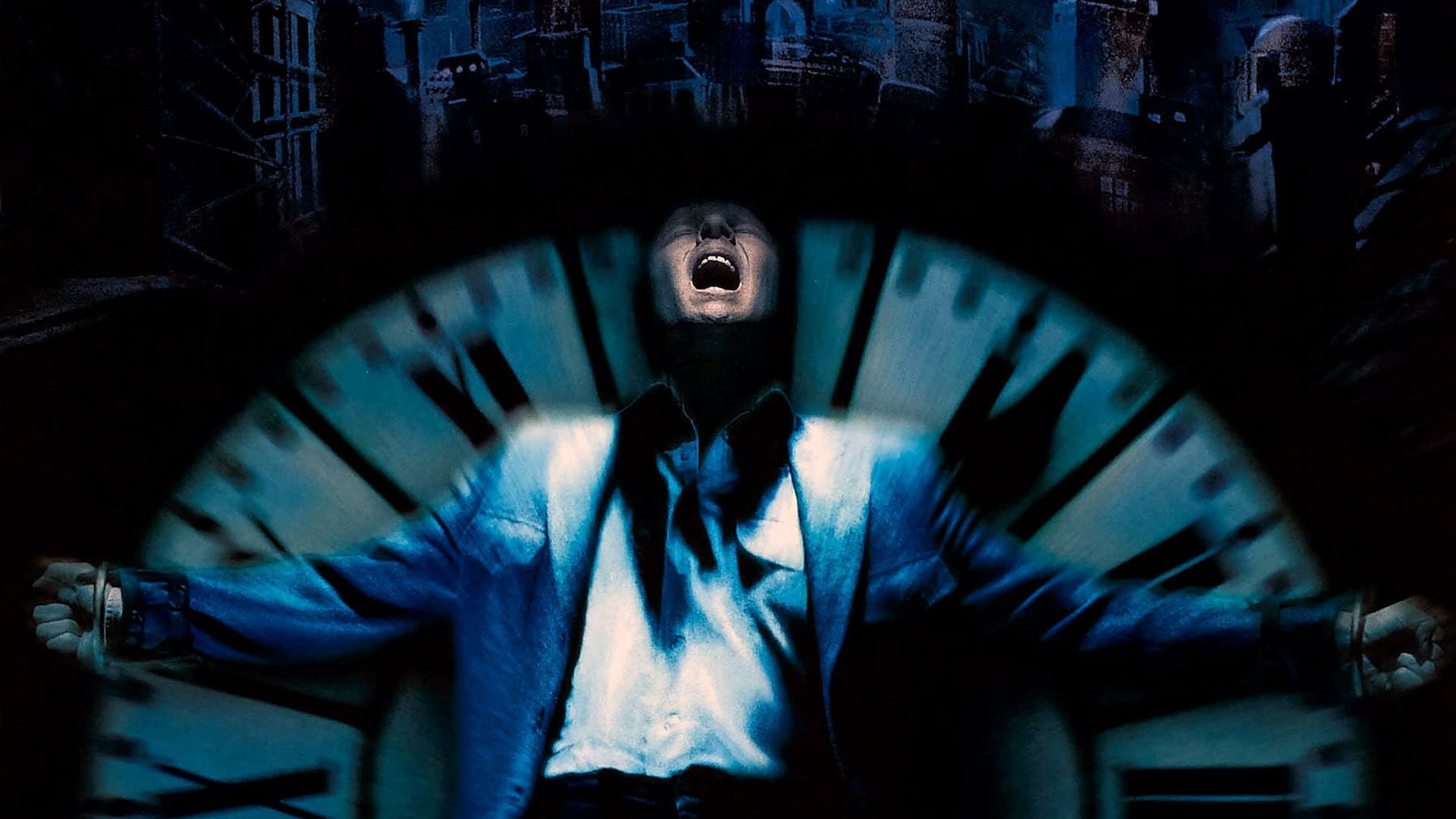
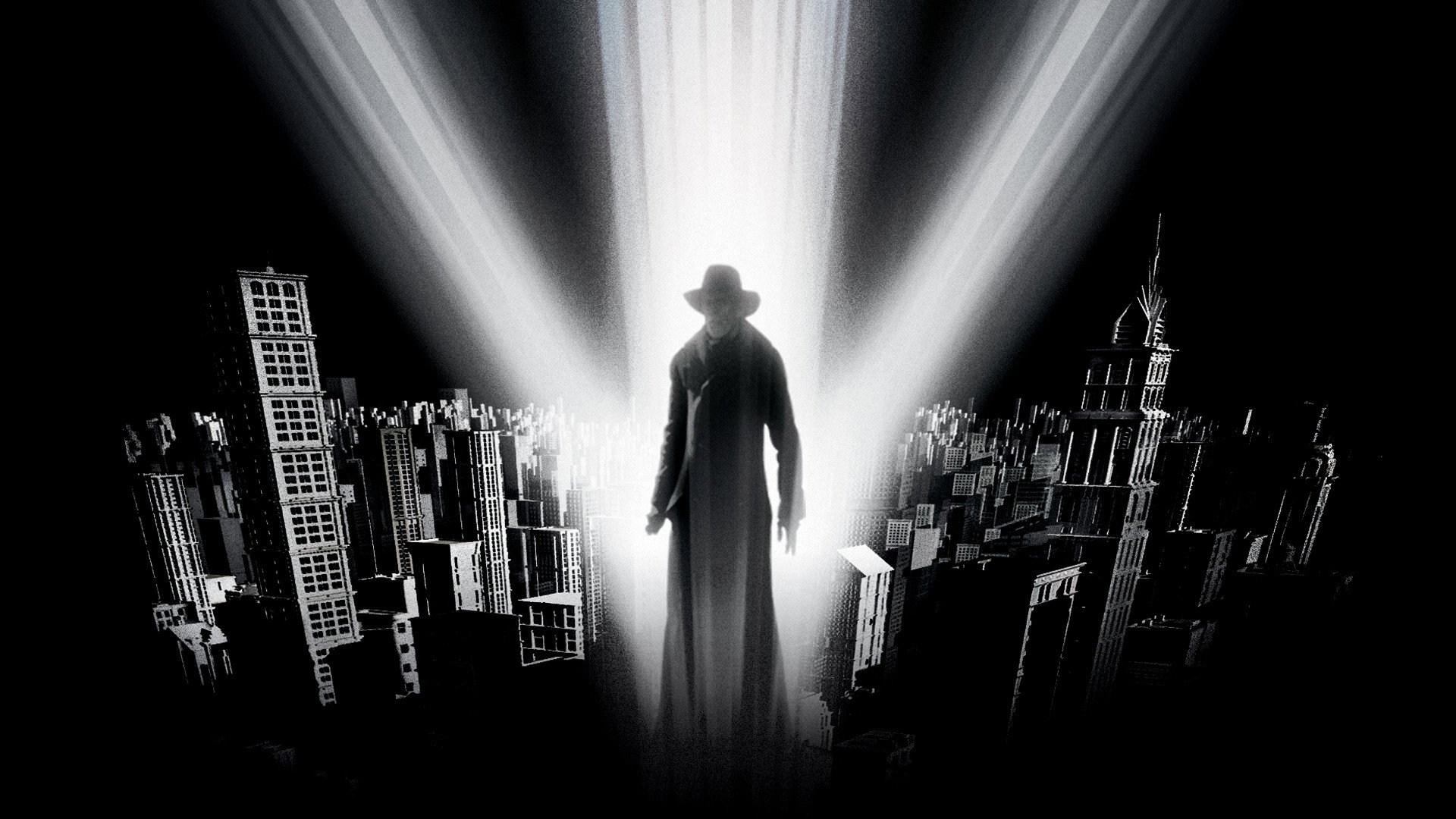
Dark City is worth an evening for anyone who likes science fiction to feel troubling and strange. Alex Proyas builds his mystery around a city whose night and shadows seem to press against everyone in it. He makes the place compelling enough to keep us interested when the plot becomes murky. That is a considerable achievement, though the film does ask us to accept too much confusion as part of the pleasure.
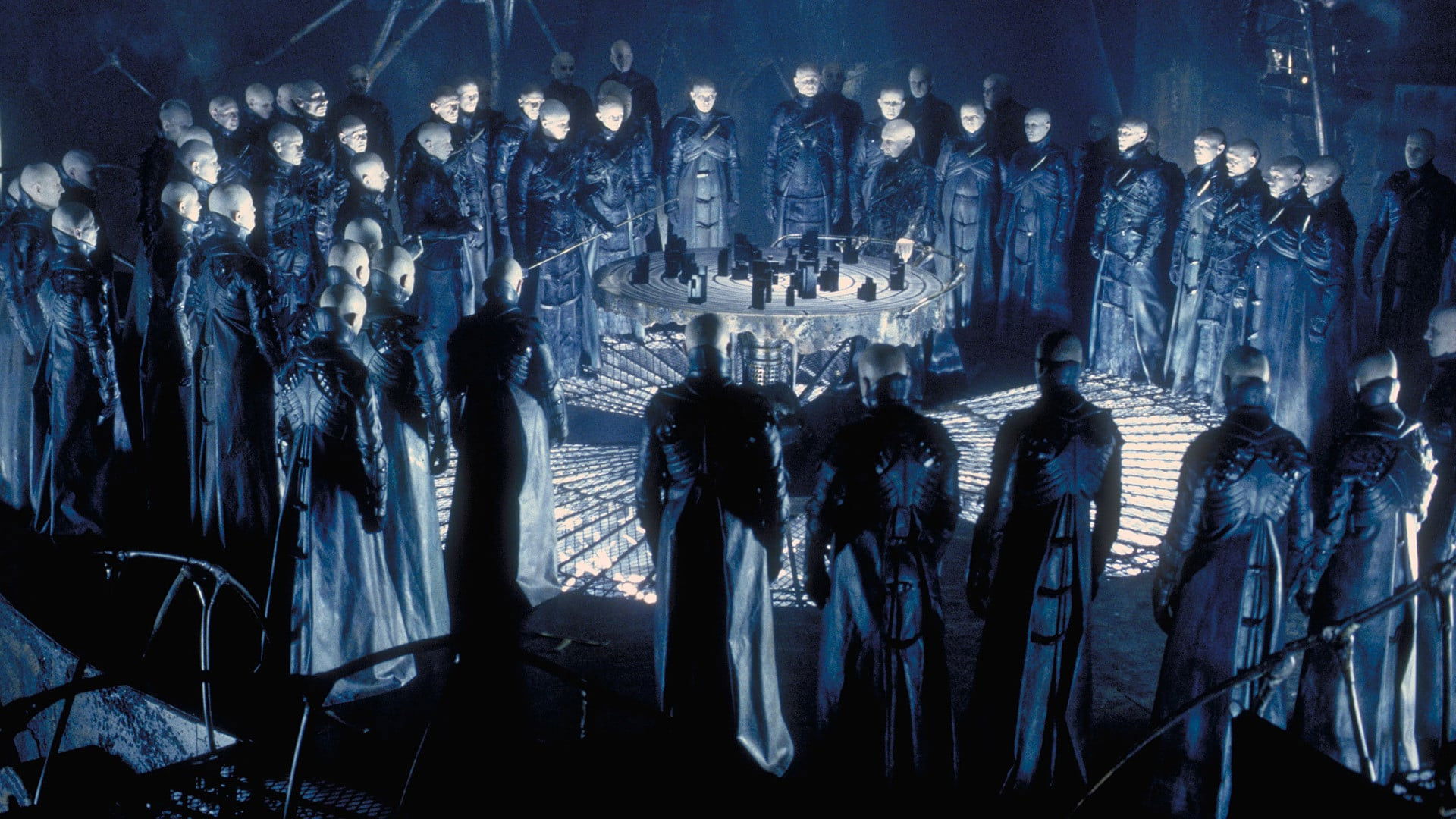
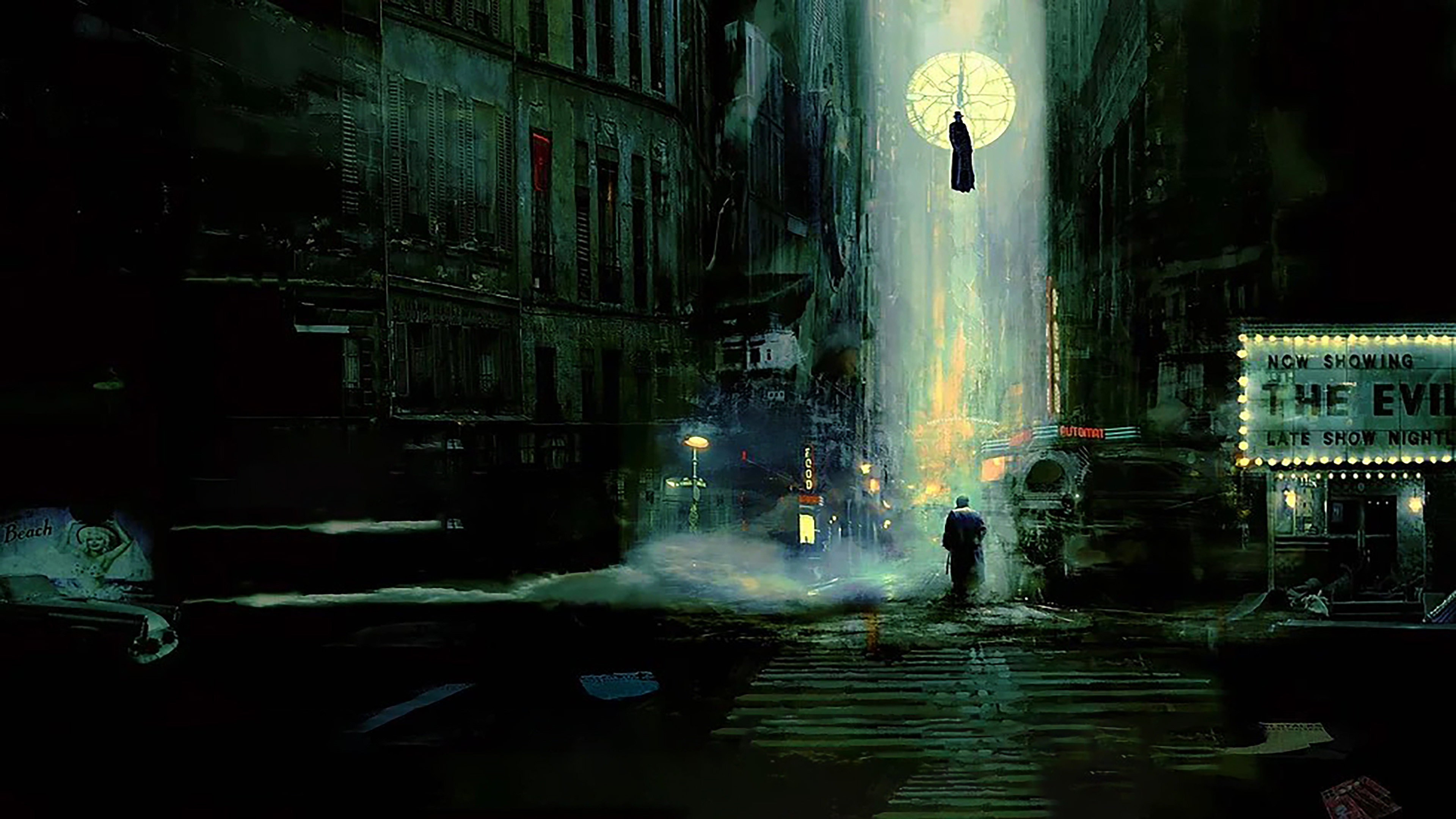
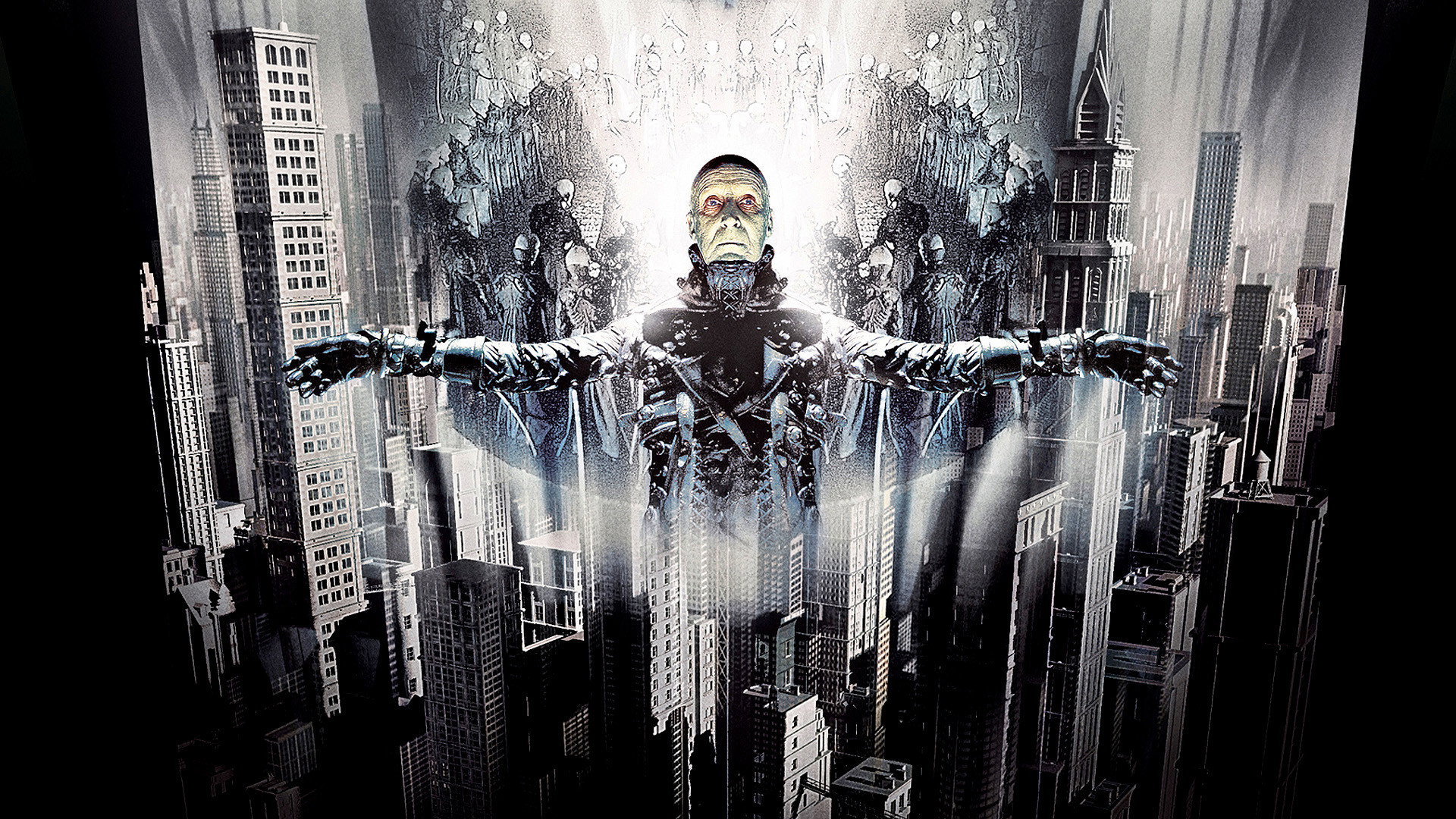
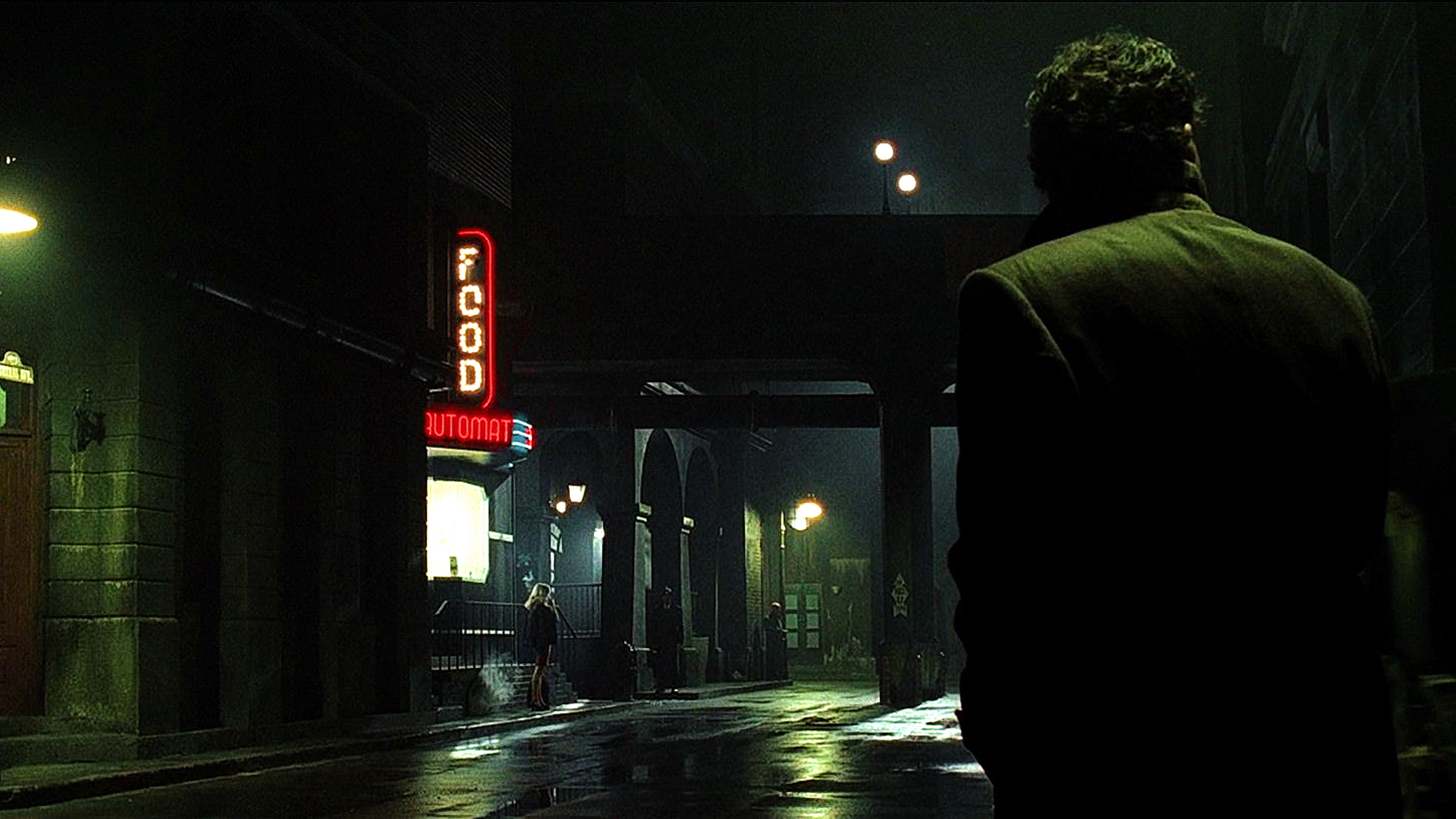
Production designers George Liddle and Patrick Tatopoulos give the city a cramped, Depression-era appearance, then complicate it with futuristic elements. The mixture works because neither period nor genre ever makes the place feel comfortably familiar. There is enough recognisable city here to make its strangeness unpleasant, rather than safely distant. We felt hemmed in by the crowded surroundings, and the persistent darkness made that feeling worse.
Dariusz Wolski’s cinematography does essential work here: the night and shadows keep the elaborate surroundings from becoming merely decorative. Darkness feels oppressive, and the film’s horror imagery has somewhere to belong. Proyas does sometimes push this too hard, until another strange image begins to feel like a demand that we admire his imagination. Even then, the attention paid to the city is enough to keep us studying the screen.
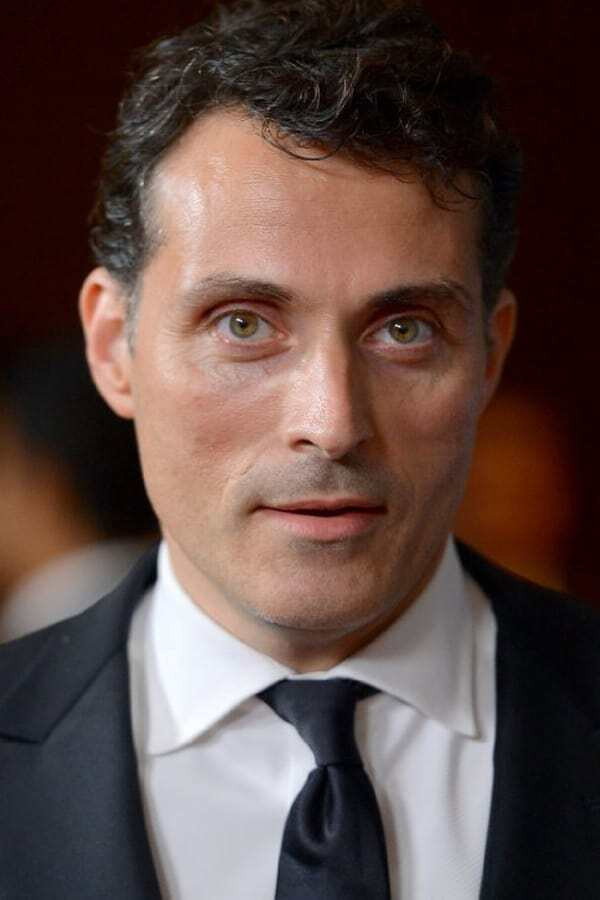
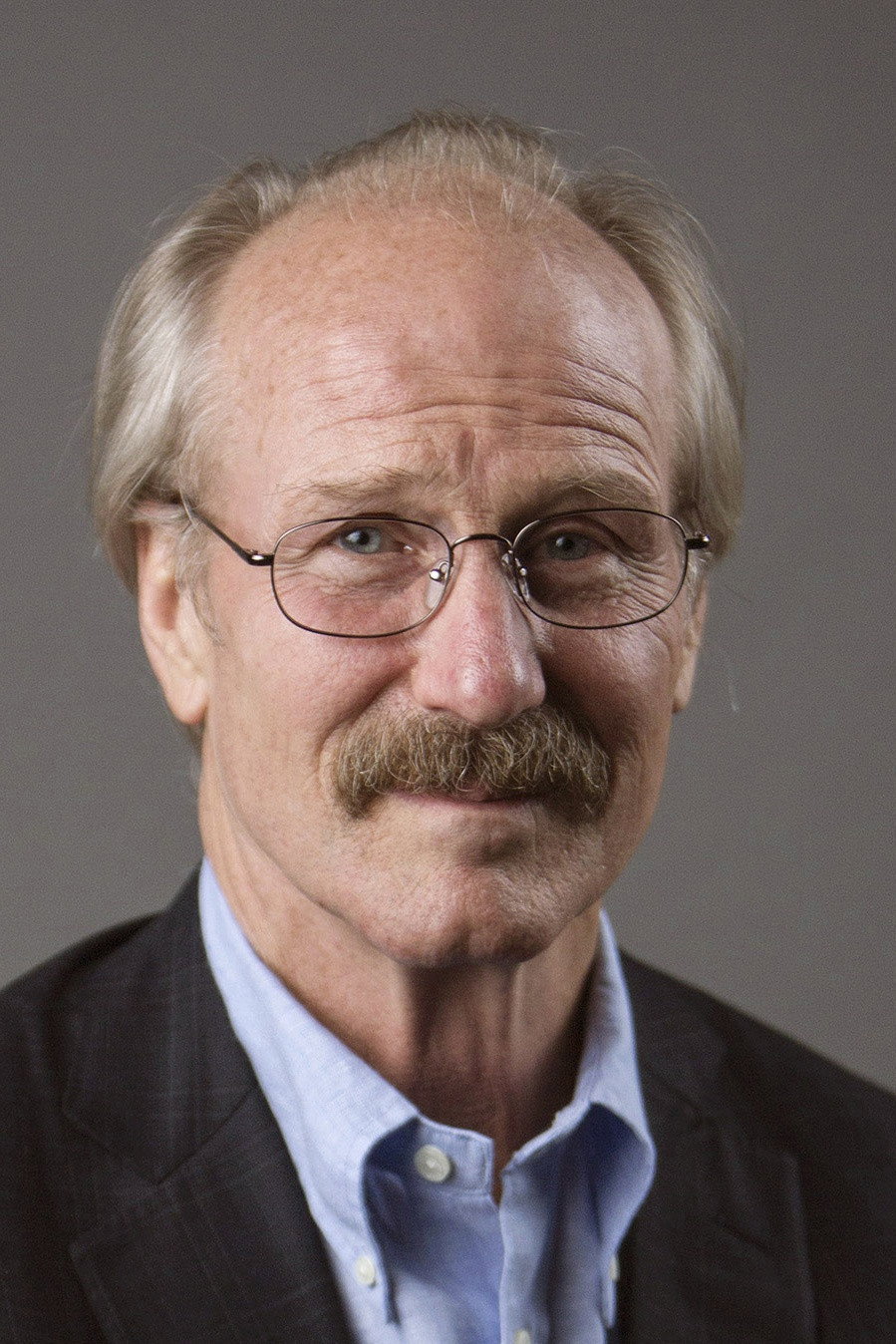
The people receive less care. Rufus Sewell’s John Murdoch gives the mystery a clear centre, but the character does not acquire enough individuality to compete with his surroundings. William Hurt’s Inspector Frank Bumstead and Jennifer Connelly’s Emma Murdoch also seem restricted by the thin writing, despite the interest their presence brings. With Kiefer Sutherland as Dr. Daniel P. Schreber among the cast, this is a company we would like to know better than the film permits.
The screenplay by Proyas, Lem Dobbs and David S. Goyer gives us plenty to wonder about and insufficient reason to trust that it all fits. Its paranoia is engrossing while we are caught up in the mystery. The trouble comes when we stop to consider how one piece connects to another, and find ourselves doing work the writing should have done. The uncertainty about the story becomes distracting, even with so much else to look at.
Editor Dov Hoenig keeps that visual density manageable enough for the mystery to hold our attention. The editing cannot solve the script’s problems, but it does help the film avoid becoming a static exhibition of its own sets. Trevor Jones’s music contributes to the pressure, sometimes more insistently than we need. With so much already making the city feel oppressive, the score has little room to add emphasis without overdoing it.
The familiar pleasures of a mystery depend on wanting to know what happened and believing the answer will matter. Proyas is better at keeping us curious about the place itself, which makes Dark City an awkward but rewarding choice for anyone who usually watches detective stories. Its 101 minutes offer enough invention to make the imperfect plotting worth putting up with. Choose it for an evening when an uneasy atmosphere matters more than a tidy explanation.