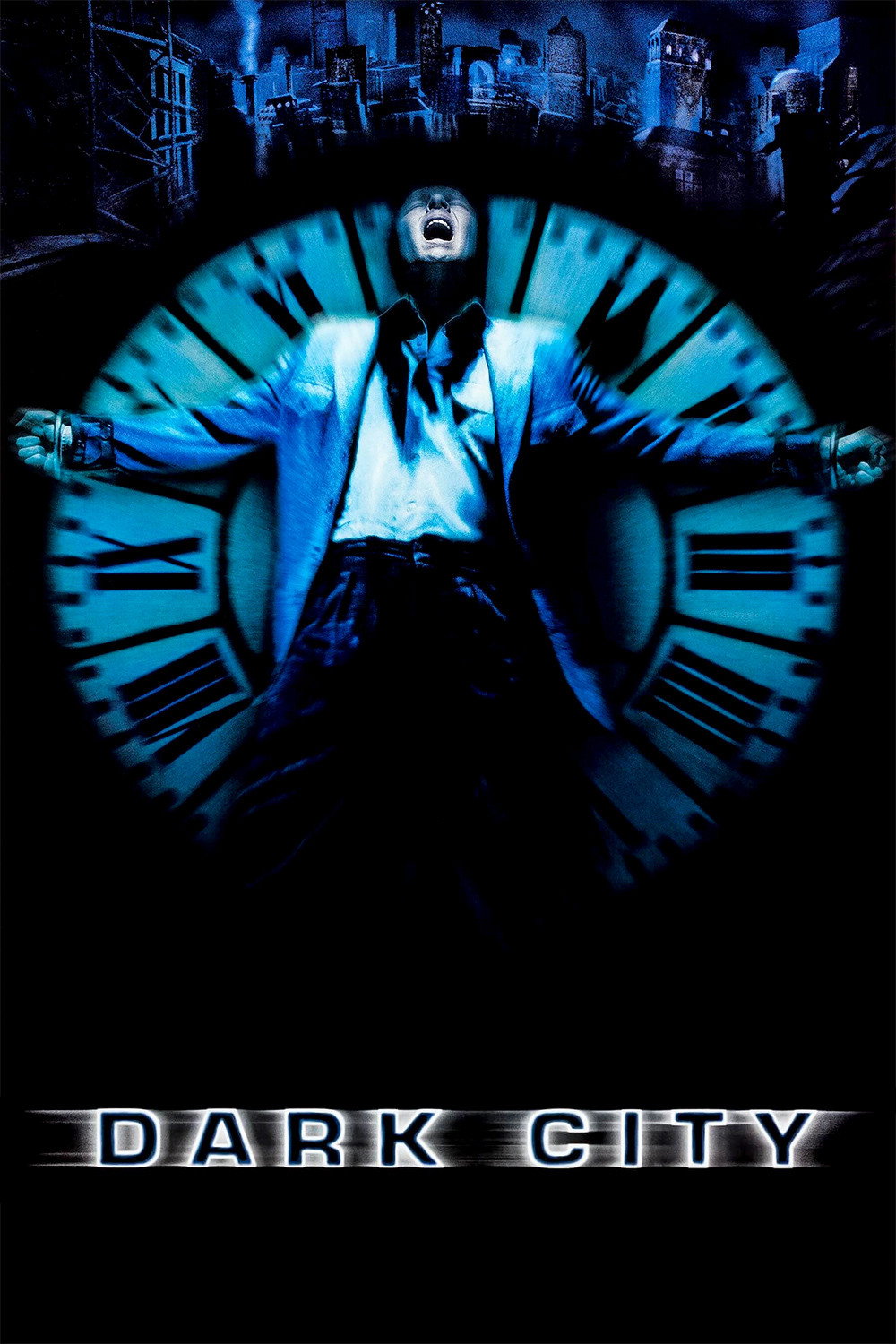
Alex Proyas builds dark, elaborate worlds that can hold our attention through muddled storytelling. Dark City earns our recommendation for its oppressive atmosphere, though we wish the people were as carefully drawn as the place.
Fi1m perspective
In Dark City (1998), night and shadow seem to press against everyone on screen. Alex Proyas makes the city worth watching even when we are struggling to follow what happens inside it. We recommend the film with that reservation, and it gives us a useful starting point for his work. His interest in dark fantasy and science fiction begins with places we want to examine. The difficulty is getting the people and the plotting to reward the same attention.
The Crow (1994) was his breakthrough; Dark City followed as a personal science-fiction mystery, with Proyas contributing the story and co-writing the screenplay. I, Robot (2004) took him into an adaptation of Asimov's ideas, before Knowing (2009) returned to metaphysical thriller territory with Nicolas Cage. Gods of Egypt (2016) extended that interest in invented worlds into large-scale fantasy, and received largely negative reviews. These are different kinds of genre film, but building a world remains a recurring concern. For us, the convincing case for that approach is still the uneasy city in Dark City.
Dariusz Wolski's cinematography is essential to why that film works. The shadows stop the elaborate surroundings looking like a display, and make the darkness itself feel threatening. We felt uneasy watching Dark City because the city seemed to bear down on its inhabitants even when the mystery had lost us. That is a substantial success for a film with such thinly drawn people. Yet Proyas can insist too hard on the next strange image, until we begin to notice how much he wants us to admire it.
The screenplay, by Proyas, Lem Dobbs and David S. Goyer, does not give those images a sufficiently coherent story. Its paranoia keeps us curious, but the connections between events too often need work the writers have left to us. We can accept a mystery taking its time; we are less willing to supply the missing logic ourselves. Even in a film we like, that leaves stretches where we are studying the surroundings instead of caring enough about the people. Start with Dark City, provided an oppressive atmosphere can compensate for a plot that needs another pass.
Biography
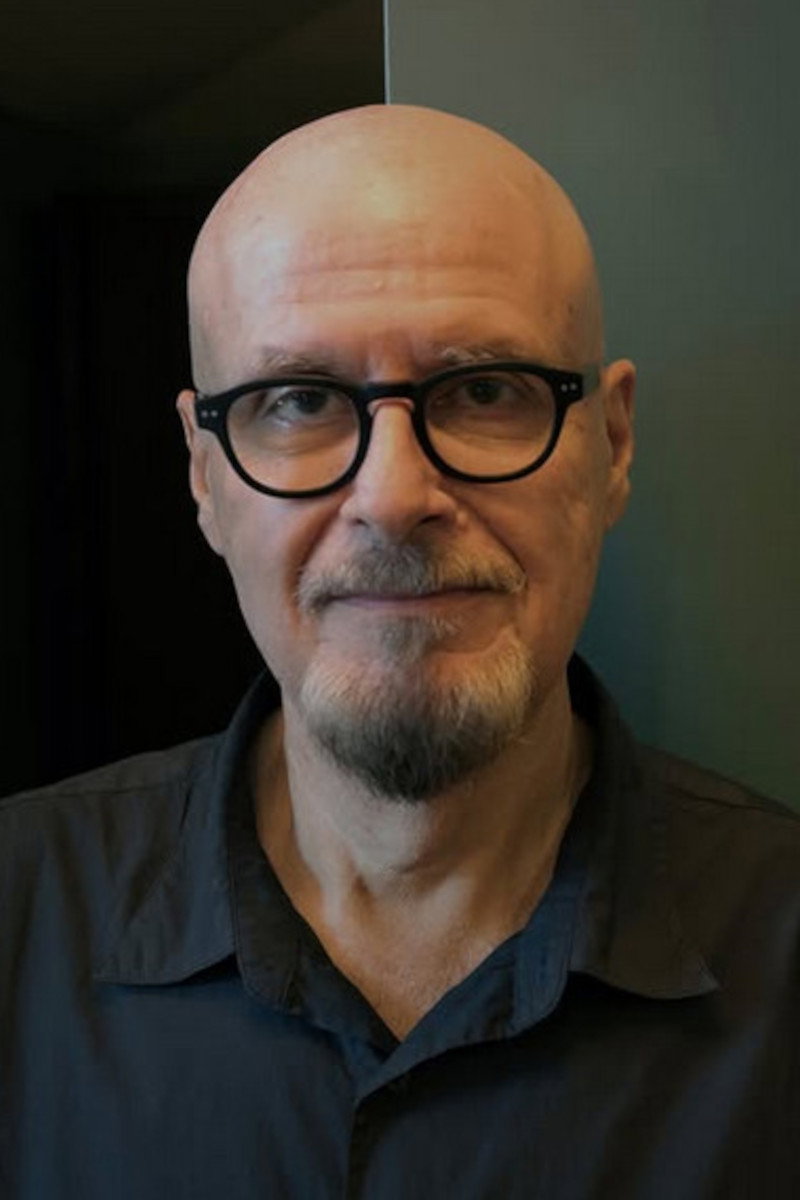
Alex Proyas is an Australian film director, screenwriter and producer. Born in Alexandria, Egypt, he moved to Australia as a child and trained at the Australian Film, Television and Radio School before directing music videos and commercials.
He made his feature debut with Spirits of the Air, Gremlins of the Clouds (1988). Proyas is known for directing The Crow (1994), Dark City (1998), on which he also wrote the story and screenplay and served as producer, I, Robot (2004), Knowing (2009) and Gods of Egypt (2016).
He is married to Catherine Linsley.