Film review

Gods of Egypt

2016 · Directed by Alex Proyas · 2h 07m · MPA PG-13

In a sentenceA pantheon of gods, all apparently powerless to shorten a fight

ActionAdventureFantasy

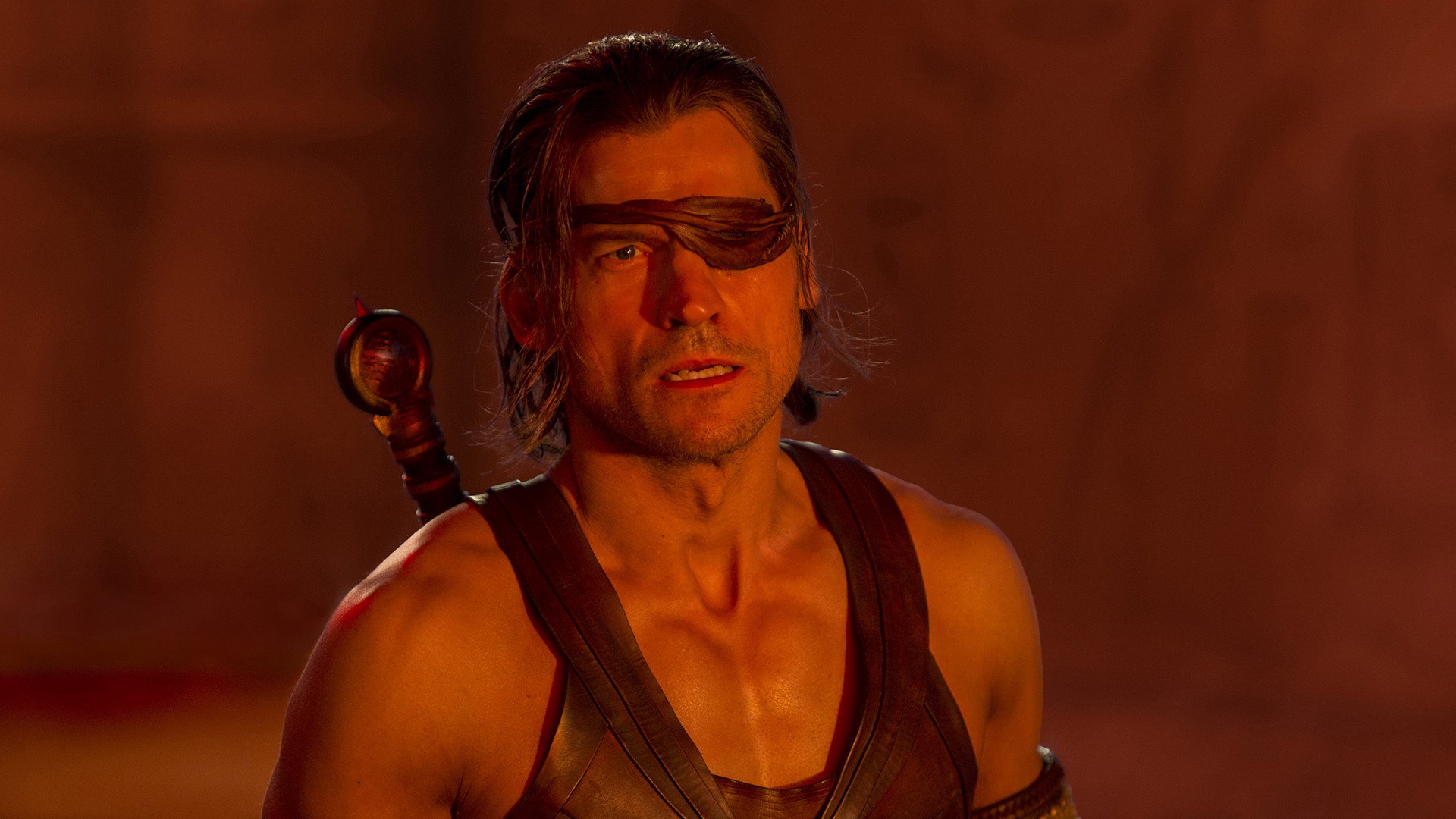
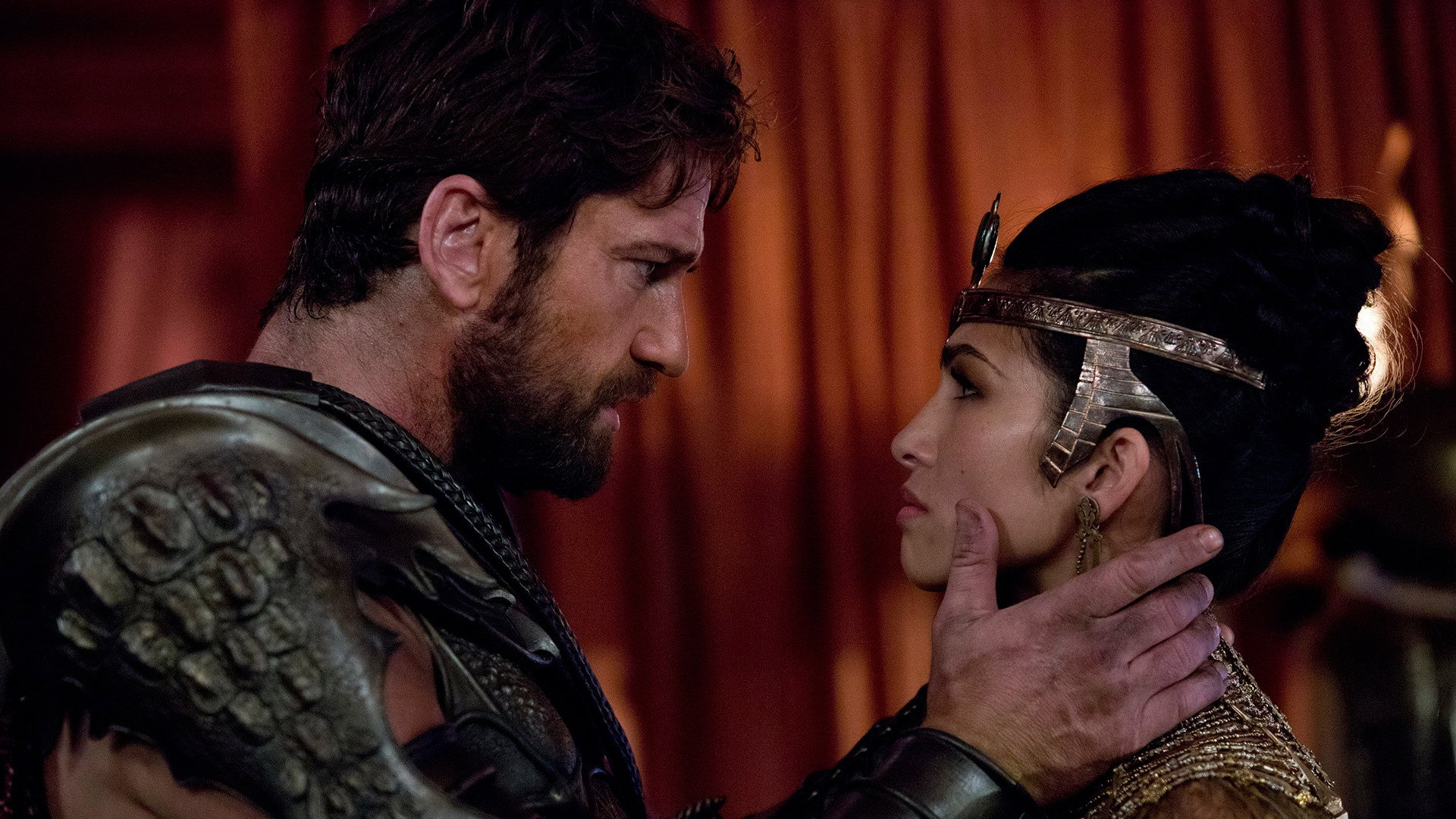
In an adventure drawn from Egyptian mythology, the struggles of the gods spill into mortal lives. Horus (Nikolaj Coster-Waldau), Bek (Brenton Thwaites) and Set (Gerard Butler) stand at the centre of the conflict. The story also involves Ra (Geoffrey Rush), Thoth (Chadwick Boseman), Hathor (Élodie Yung) and Zaya (Courtney Eaton). Its divine figures extend to Osiris (Bryan Brown), Nephthys (Emma Booth), Anubis (Goran D. Kleut) and Isis (Rachael Blake), as disputes among gods become dangers for the people caught between them.

Plays from YouTube when you press play; nothing loads from them until then.

Fi1m review

Alex Proyas gives Egyptian mythology an extravagantly artificial makeover, but the fights soon become a chore. A willing cast and some enjoyably excessive imagery cannot compensate for thin characters and clumsy dialogue.

Alex Proyas fills Gods of Egypt with computer-generated spectacle, and for a while its willingness to look ridiculous is rather winning. This is a poor adventure, though, with just enough enthusiasm to make its subsequent dullness disappointing. The gods have been fitted into a familiar action plot, with thin characters and dialogue that seldom gives anyone much to play. At 127 minutes, the film asks for much more patience than its fights or its conversations earn.

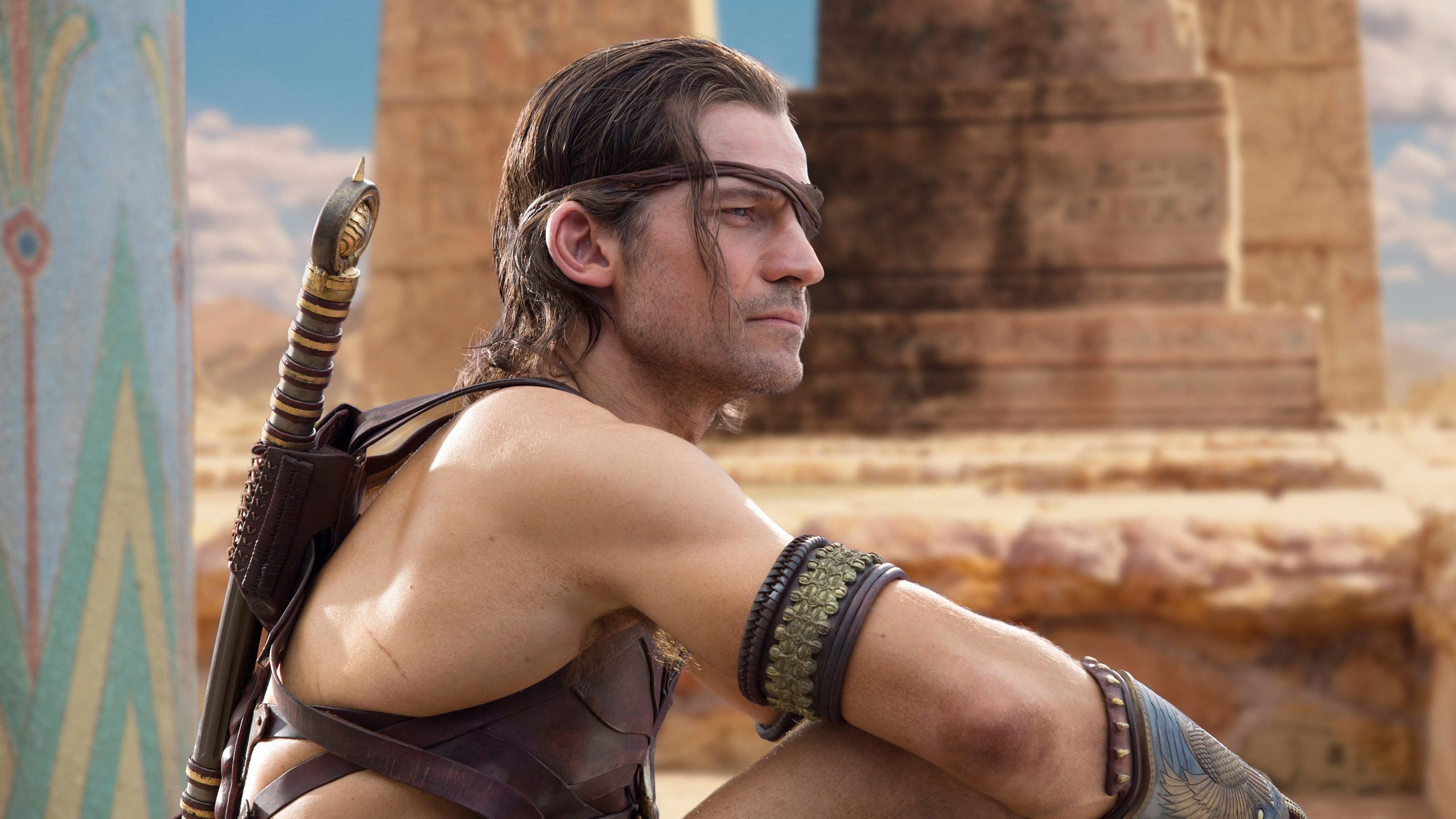
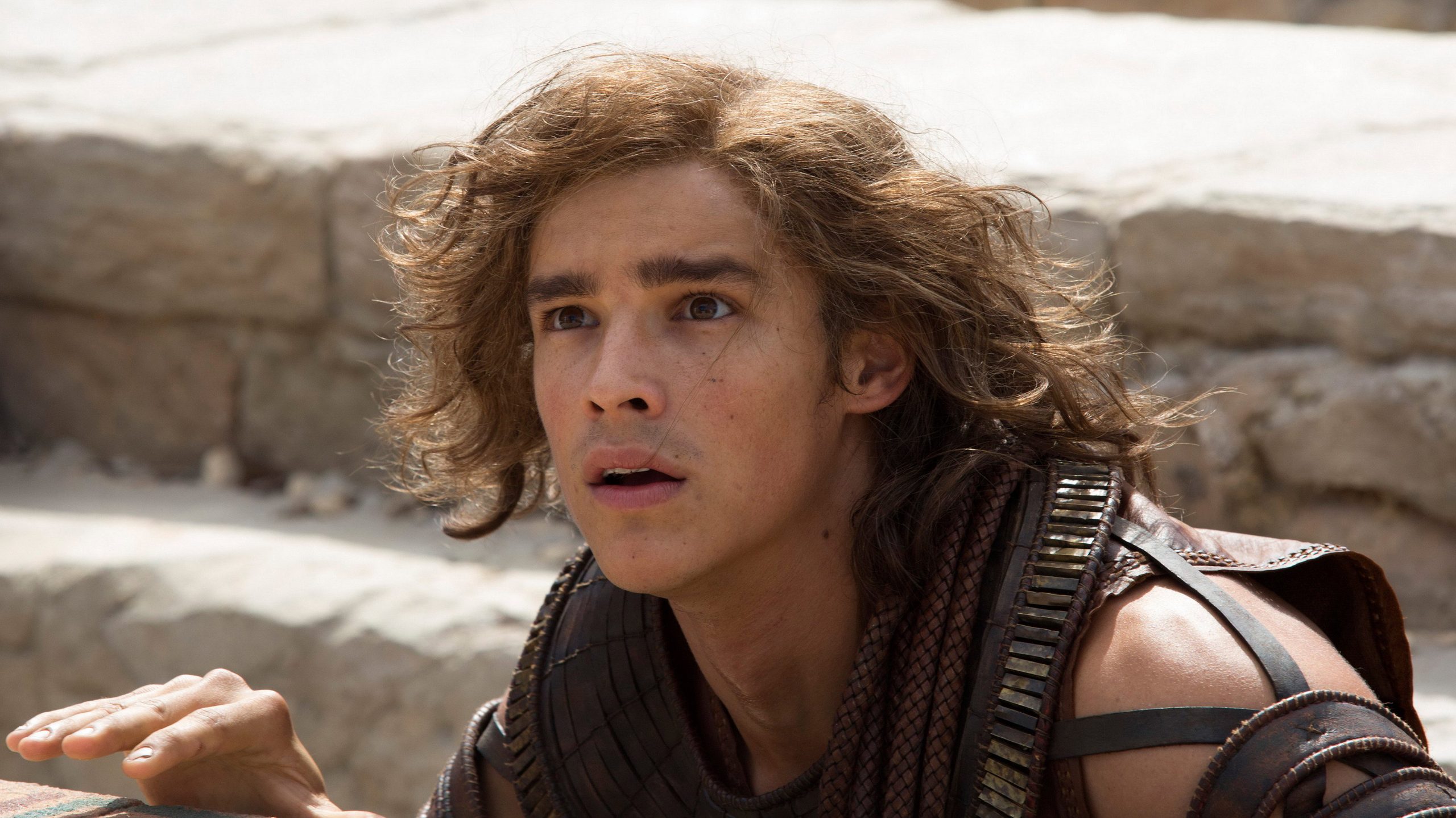
Nikolaj Coster-Waldau plays Horus, Brenton Thwaites plays Bek and Gerard Butler plays Set, and the writing gives this central trio little help. There is commitment in the performances, but the dialogue keeps making supposedly important exchanges sound like instructions for the next stretch of action. Gerard Butler at least brings enough conviction to make restraint seem beside the point, while Brenton Thwaites struggles to give Bek much spark. The characters need sharper differences than the screenplay can find for them.

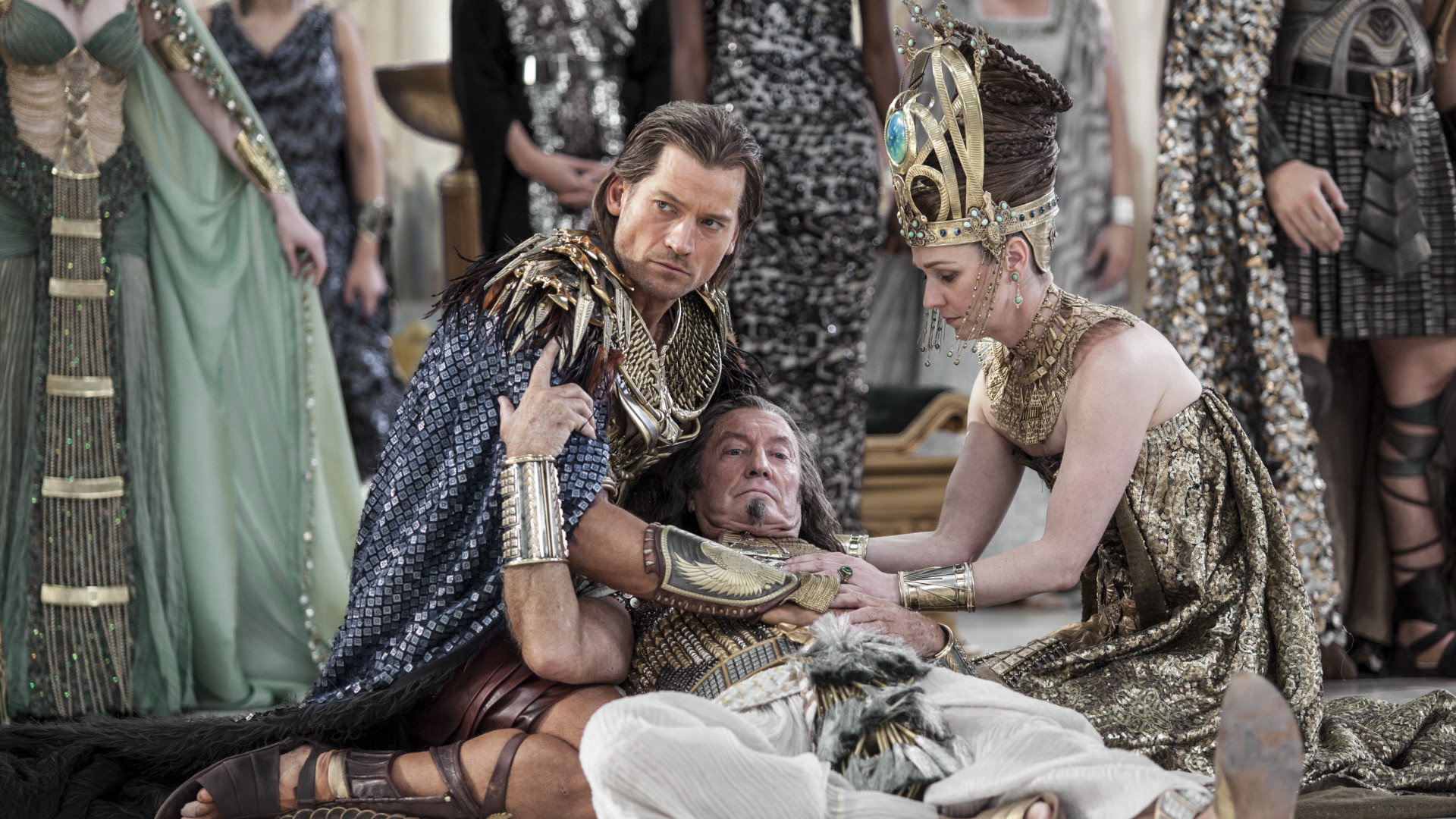
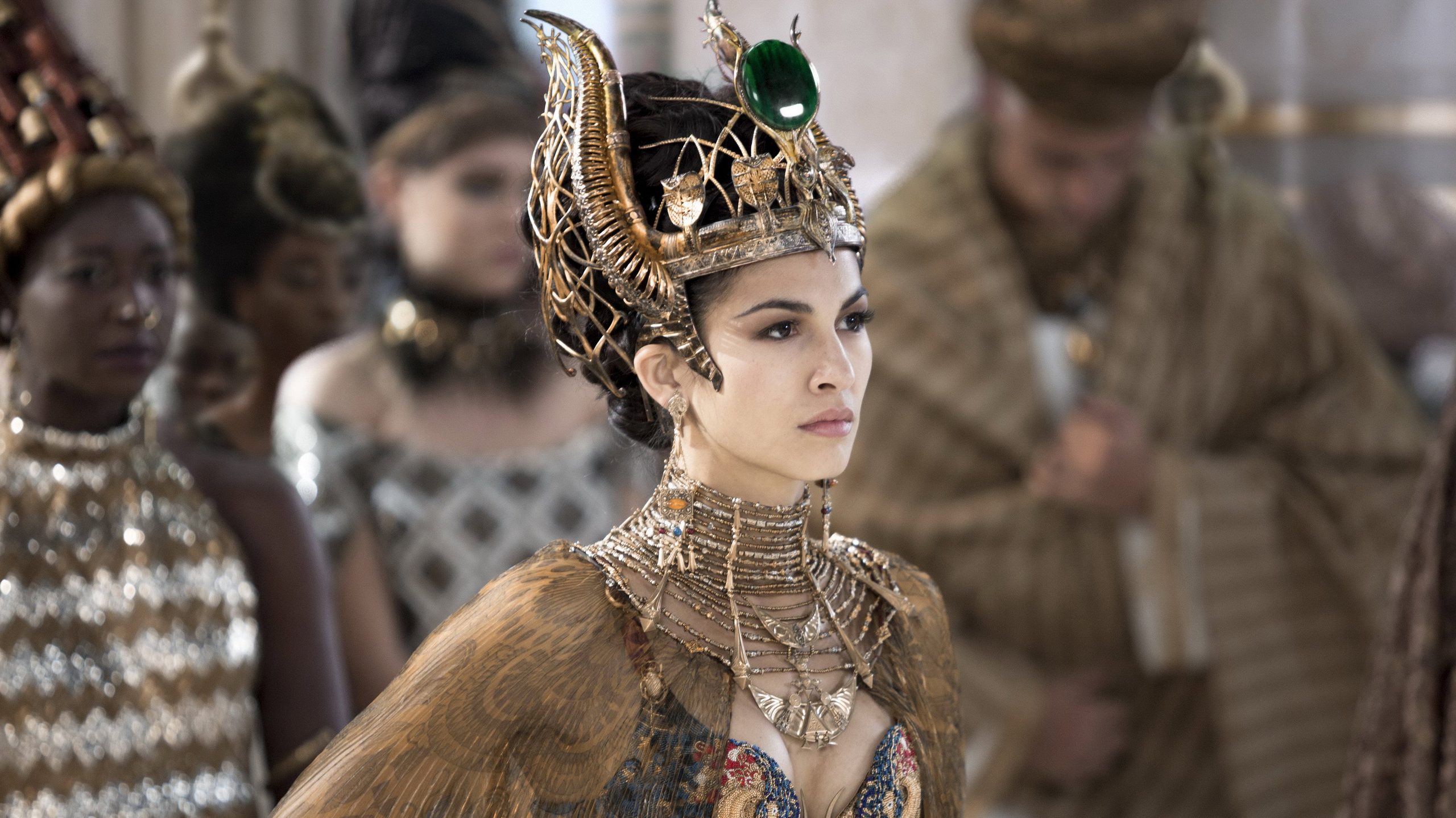
Owen Paterson’s production design gives the fantasy an elaborate, ornamental look, and there is pleasure in how little it cares about appearing tasteful. We enjoyed that excess at first, because the computer-generated scenery keeps offering more to look at than the story requires. The trouble is the separation between the actors and their surroundings: people and backgrounds rarely feel as though they belong together. Peter Menzies Jr.’s cinematography does too little to make those artificial spaces feel solid enough for an adventure.

Richard Learoyd’s rapid editing is more damaging once the fights take over, hurrying us through action that already lacks tension. We were bored by the repeated confrontations, because the movement on screen never gave us much reason to worry about anyone in it. Marco Beltrami supplies the score, but music cannot do all the work of making a fight exciting. The next burst of activity arrives with the same problem, and the film’s early lightness steadily disappears.

The casting of Egyptian roles around a predominantly white set of leads is another dispiriting choice. Fantasy gives the filmmakers freedom, but it does not explain why this particular mythology should arrive with so little apparent interest in its people. The gods are treated as convenient action figures. That narrow approach also hurts the story, which keeps returning to familiar confrontations when its subject offers room for stranger ideas.

There is nothing inherently wrong with turning ancient mythology into a broad swords-and-sandals adventure, and solemnity would not improve this one. What such a film needs is variety: a fight worth following, an exchange worth hearing, a pause long enough to enjoy the surroundings. Alex Proyas has enthusiasm for the images, but too many sequences have much the same effect. The screenplay by Burk Sharpless and Matt Sazama cannot keep finding fresh reasons for the journey to continue.

A little of this extravagant foolishness is diverting, and the cast’s willingness to take part keeps it from feeling entirely mechanical. There simply is not enough pleasure to justify the length, especially once the action starts repeating itself. If the plan is an evening of enjoyable nonsense, we would look for something with fewer dull fights.

Critical consensus AI synthesised

36
Positive
0
Mixed
7
Negative
15

Most critics find Gods of Egypt a poorly sustained fantasy adventure, with none of the 22 reviews offering an unqualified recommendation. Complaints centre on cheap-looking computer-generated effects, clumsy dialogue and repetitive action, while several reviews also criticise the whitewashing of Egyptian roles. Praise is more limited, clustering around Alex Proyas’ garish visual imagination, occasional striking images and a supporting cast that some critics find willing to embrace the silliness.

The main disagreement is over whether that silliness provides enough entertainment. The New York Times finds modest but consistent pleasure in the film’s unapologetic kitsch, while The Telegraph considers its ridiculous spectacle surprisingly fun. Collider, by contrast, finds it too serious and disengaged to work even as camp, and Empire sees little enjoyment in the lurid material. The spread therefore runs from qualified amusement to outright rejection, with broad agreement that the writing and effects leave much to forgive.

The New York Times
26 February 2016 · Manohla Dargis
60*

The movie is a demented, kitschy entertainment that embraces its vulgar excesses with more honesty than many respectable films, delivering modest but consistent rewards. The critic singles out the Eurocentric casting and unconvincing effects as notable flaws while admitting enjoyment despite the generic story.

Read the full review →
The Telegraph
16 June 2016 · ★★★
60

The film is utterly ridiculous with clunky dialogue and video-game-like action, yet remains hard to resist and surprisingly fun in its kitsch spectacle.

Read the full review →
The AV Club
25 February 2016 · C · Ignatiy Vishnevetsky
57

The film is overlong and silly, with some visually appealing elements but devolves into tedious action; praises the effects-driven fantasy-kitsch vision of Egyptian myth but criticizes the screenplay and staging.

Read the full review →
IndieWire
25 February 2016 · Nick Schager
50*

The review examines the film's whitewashing controversy alongside its action-fantasy elements and overall execution.

Read the full review →
Vulture
27 February 2016
50*

The film is thin and overstuffed, with dazzling setpieces but unengaging characters; visually impressive but feels like watching a video game, with a disconnect between characters and universe.

Read the full review →
RogerEbert.com
26 February 2016 · Matt Zoller Seitz
45*

The film starts as a fun, cockeyed swords-and-sandals lark with a clear vision and game cast but devolves into repetitive, unimaginative action sequences that kill its retro charm. The critic singles out the elaborate kitsch of the visual design and the committed performances for praise amid the clichés.

Read the full review →

Cast

Stills

Awards

AACTA Award for Best Costume Design, 2016

Nominated
AACTA Award for Best Costume Design

AACTA Award for Best Original Music Score, 2016

Nominated
AACTA Award for Best Original Music Score

AACTA Award for Best Sound, 2016

Nominated
AACTA Award for Best Sound

If you liked this, try…

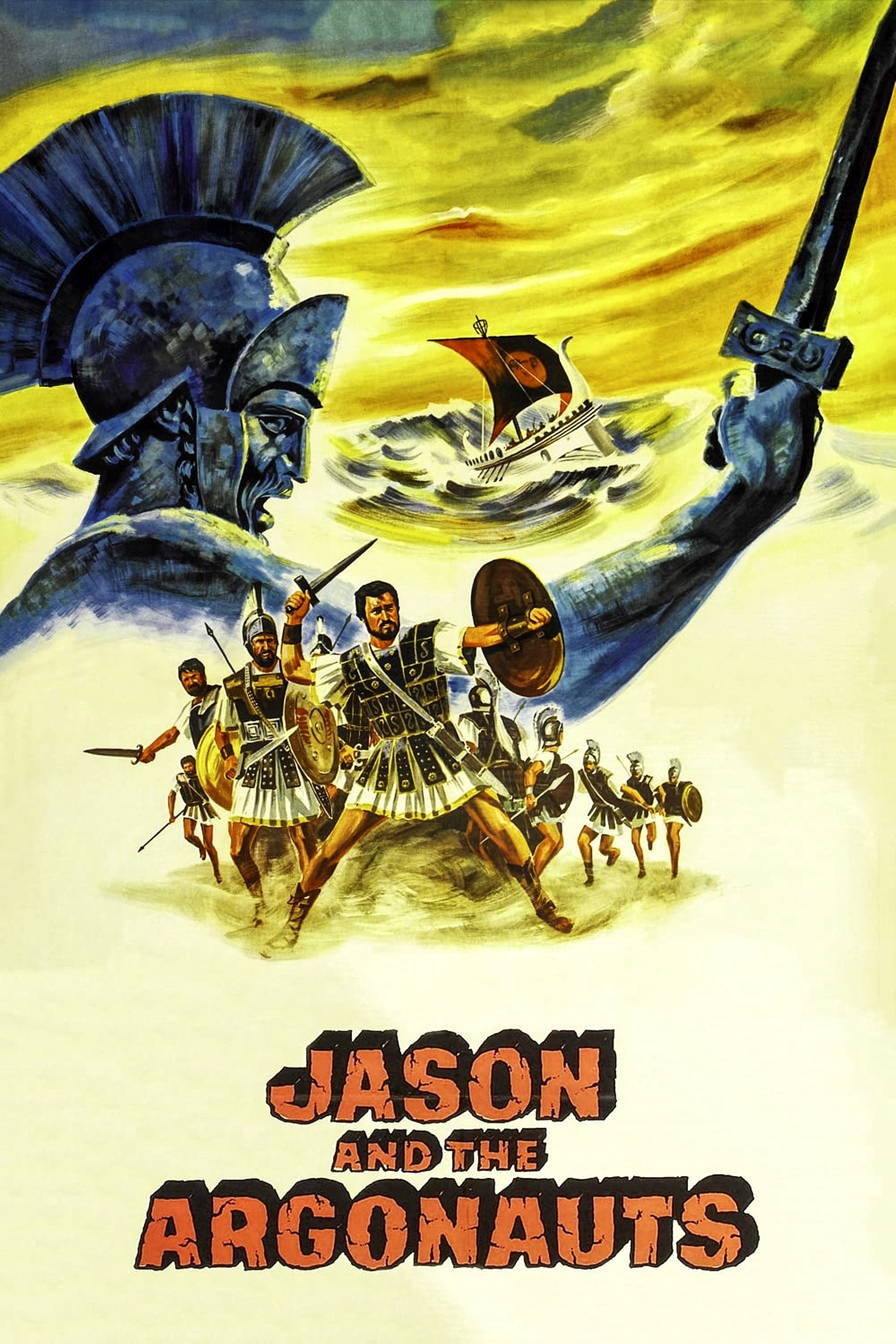
Jason and the Argonauts poster

Jason and the Argonauts

1963 · Mythological creatures and human quarrels, with action that knows when to stop.

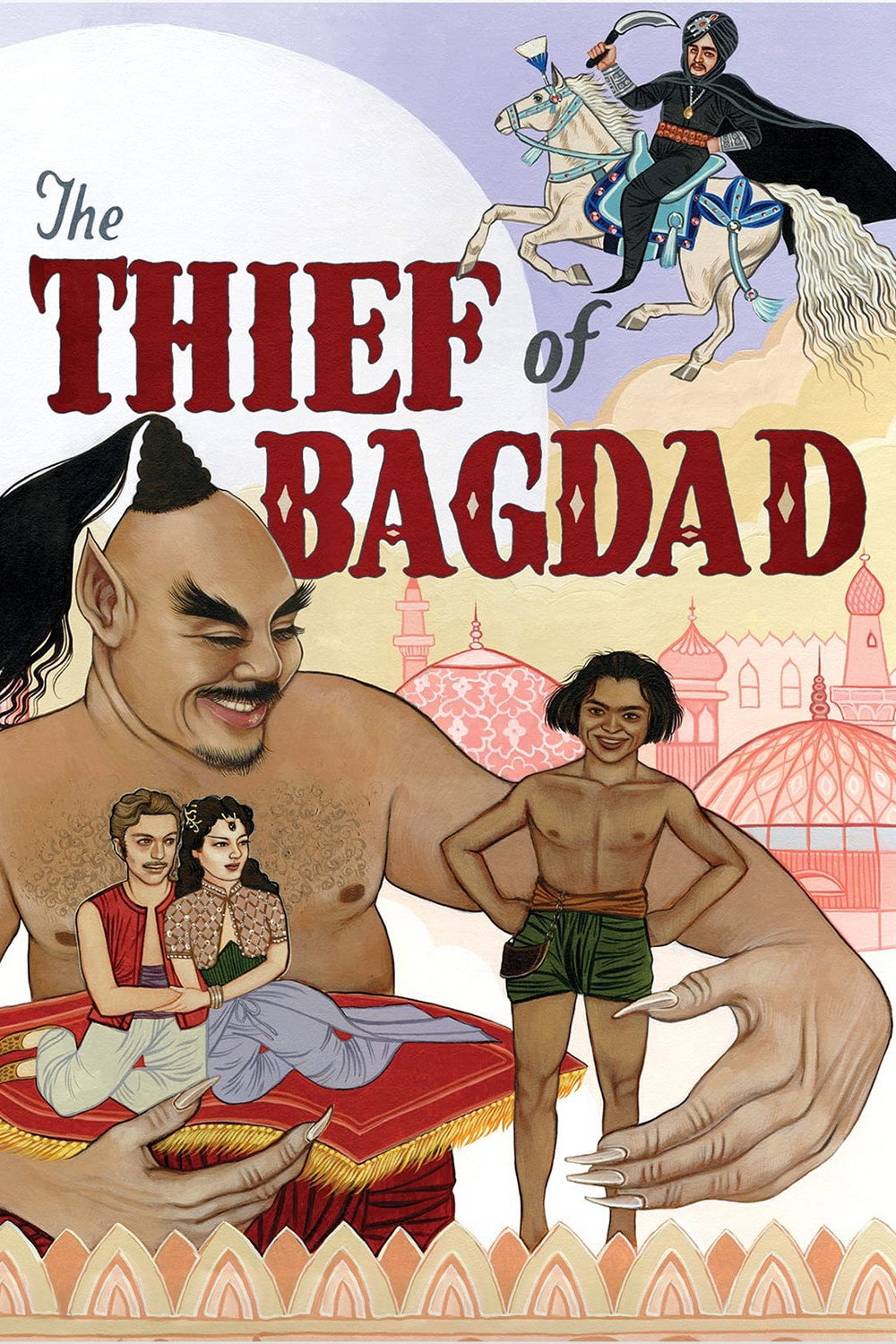
The Thief of Bagdad poster

The Thief of Bagdad

1940 · For colourful fantasy whose impossible places make the adventure more inviting.

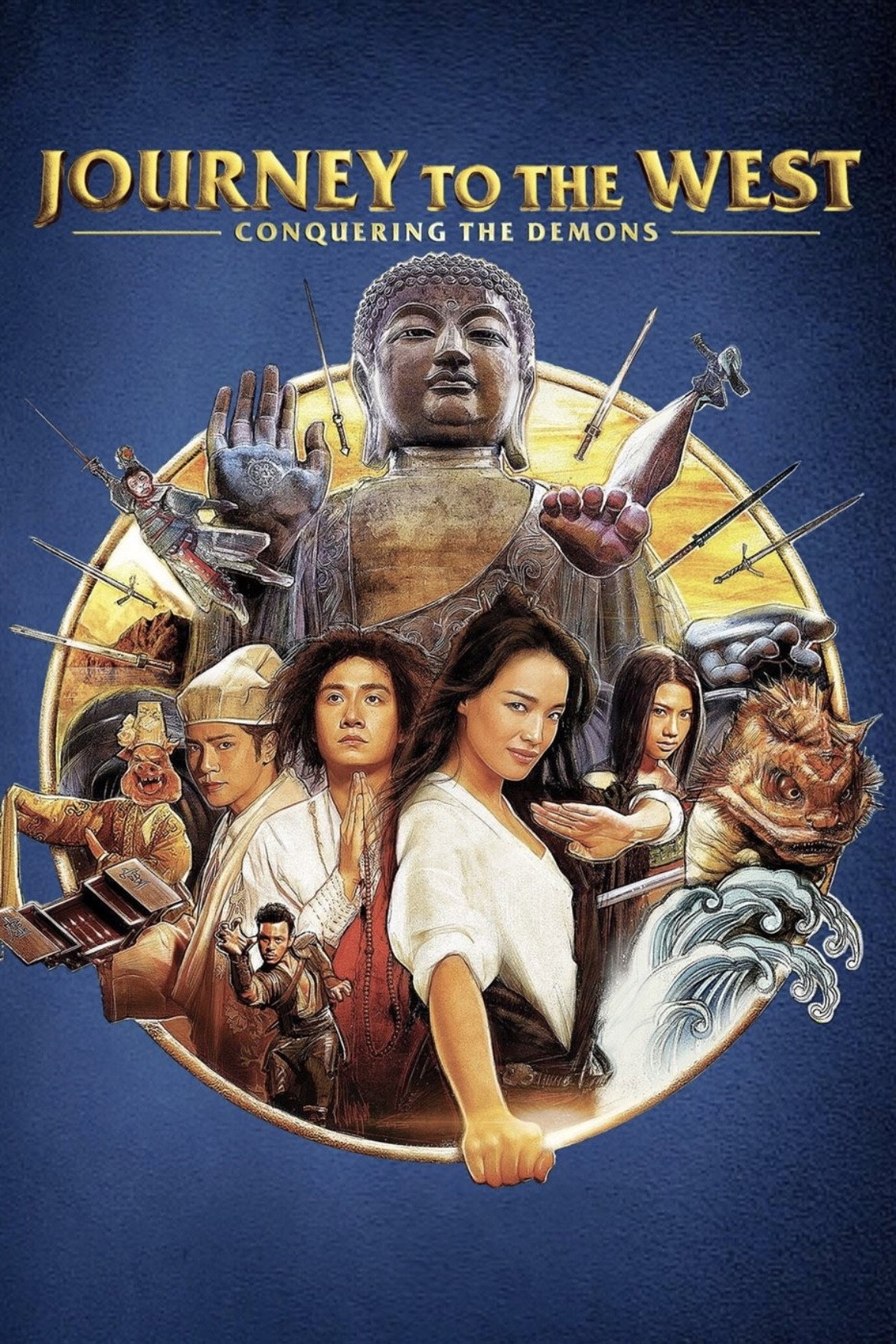
Journey to the West: Conquering the Demons poster

Journey to the West: Conquering the Demons

2013 · Another unruly encounter with mythology, with jokes that earn their interruptions.

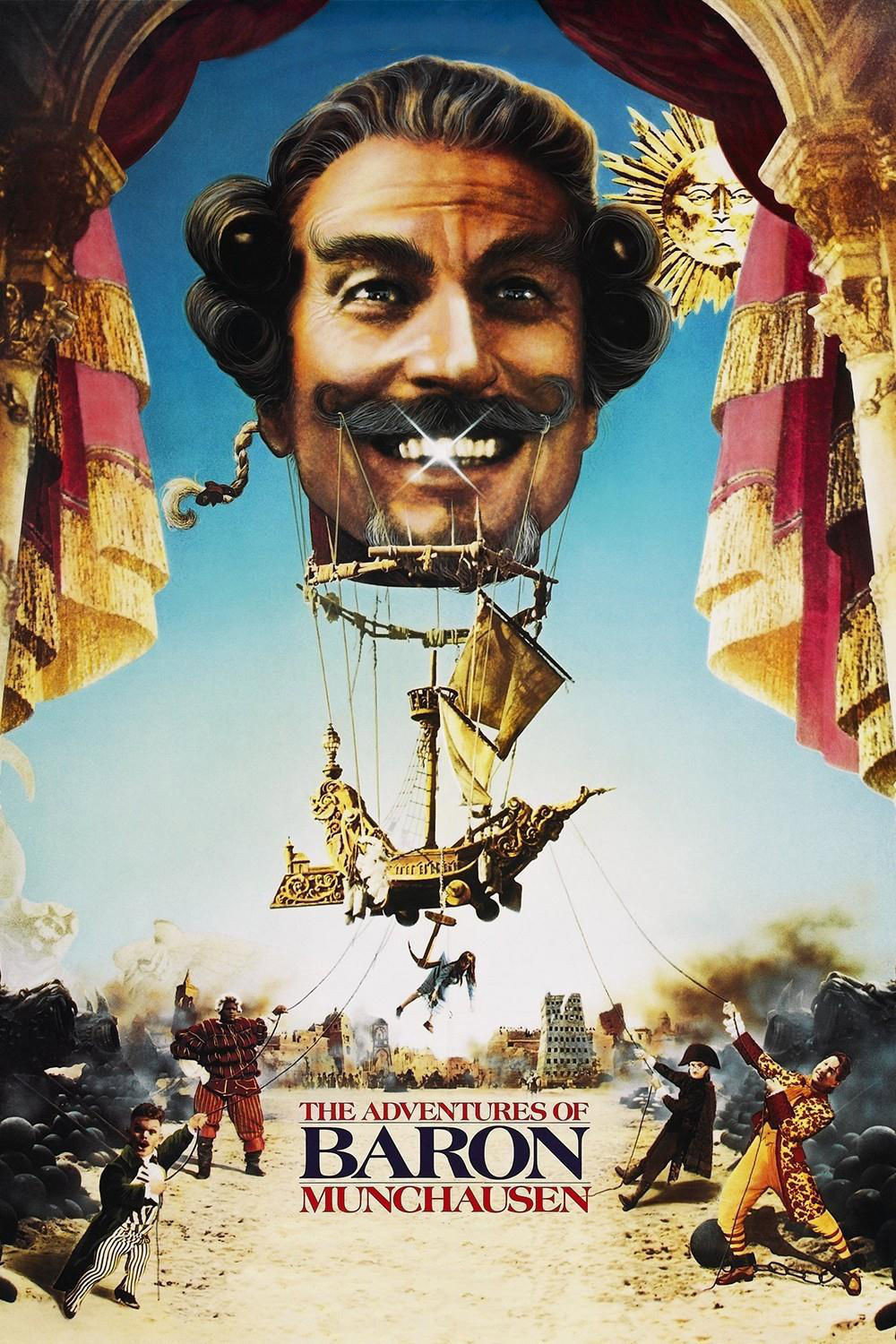
The Adventures of Baron Munchausen poster

The Adventures of Baron Munchausen

1988 · Grandiose invention, unreliable storytelling and considerably more pleasure in being ridiculous.

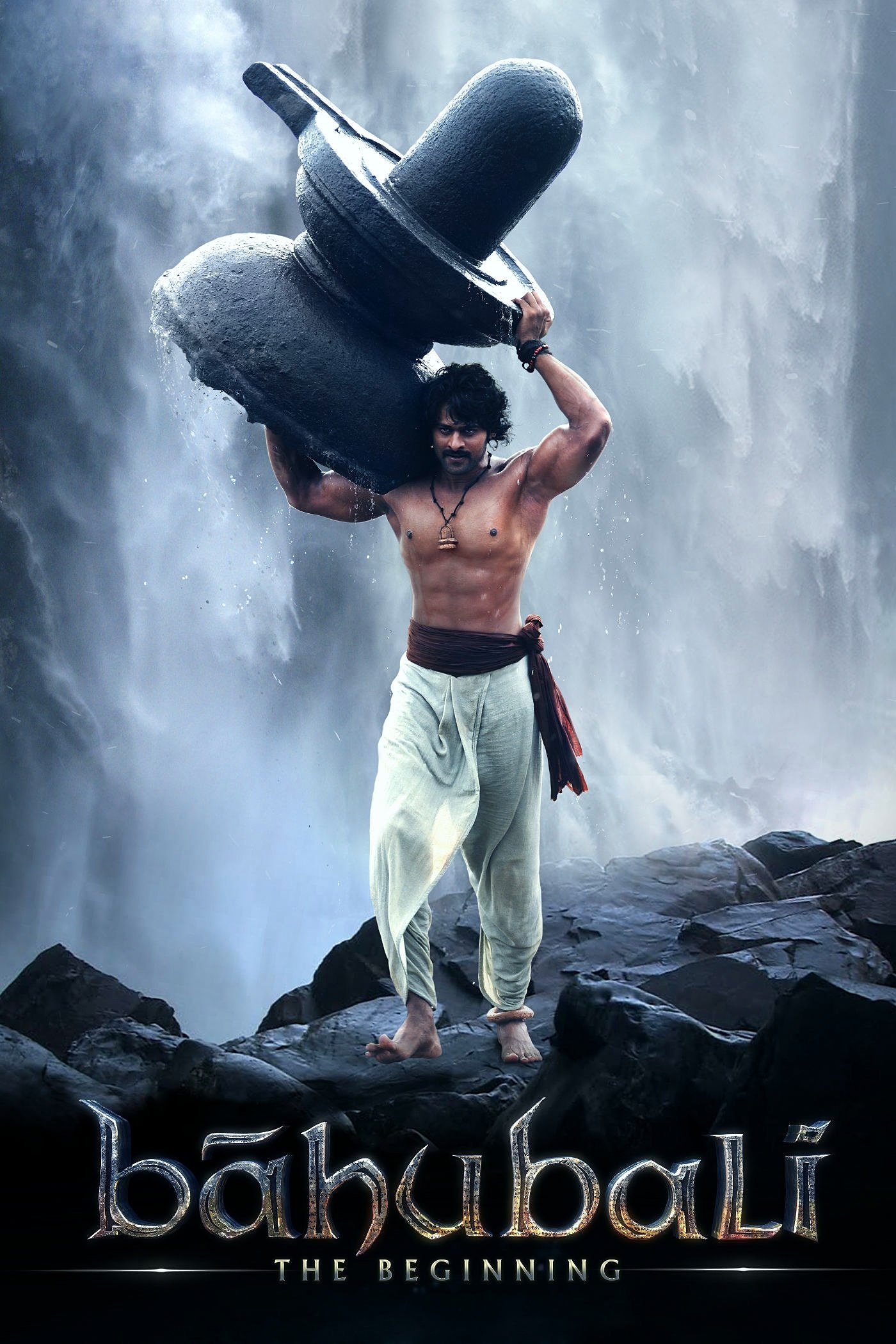
Baahubali: The Beginning poster

Baahubali: The Beginning

2015 · Enormous spectacle supported by characters whose desires remain easy to follow.