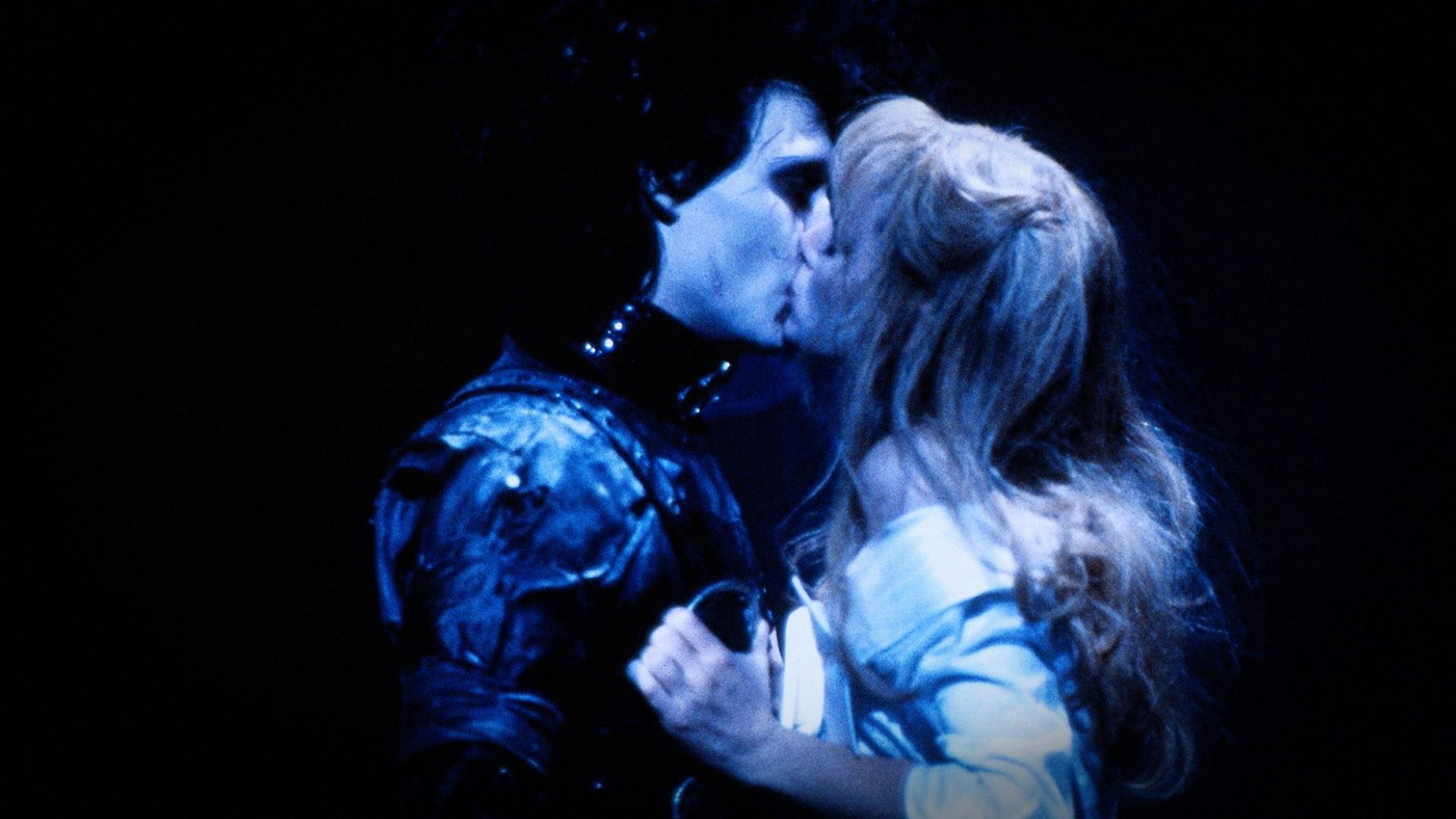
Tim Burton’s fairy tale is funny and moving, with Johnny Depp giving its outsider a gentleness that makes the sentiment feel earned. The suburban satire can be heavy-handed, but we recommend it for the performance and the care of its making.
Tim Burton’s Edward Scissorhands is a tender, funny fantasy whose affection for its central character survives some blunt storytelling. It asks us to take a gentle outsider seriously while noticing how readily a suburban community mistakes its own habits for good sense. Caroline Thompson’s screenplay gives the film a simple, legible shape, with romance and neighbourhood comedy sharing space with darker fairy-tale fears. The neighbours are sometimes so broadly drawn that they hardly need to speak before we know what to think of them.
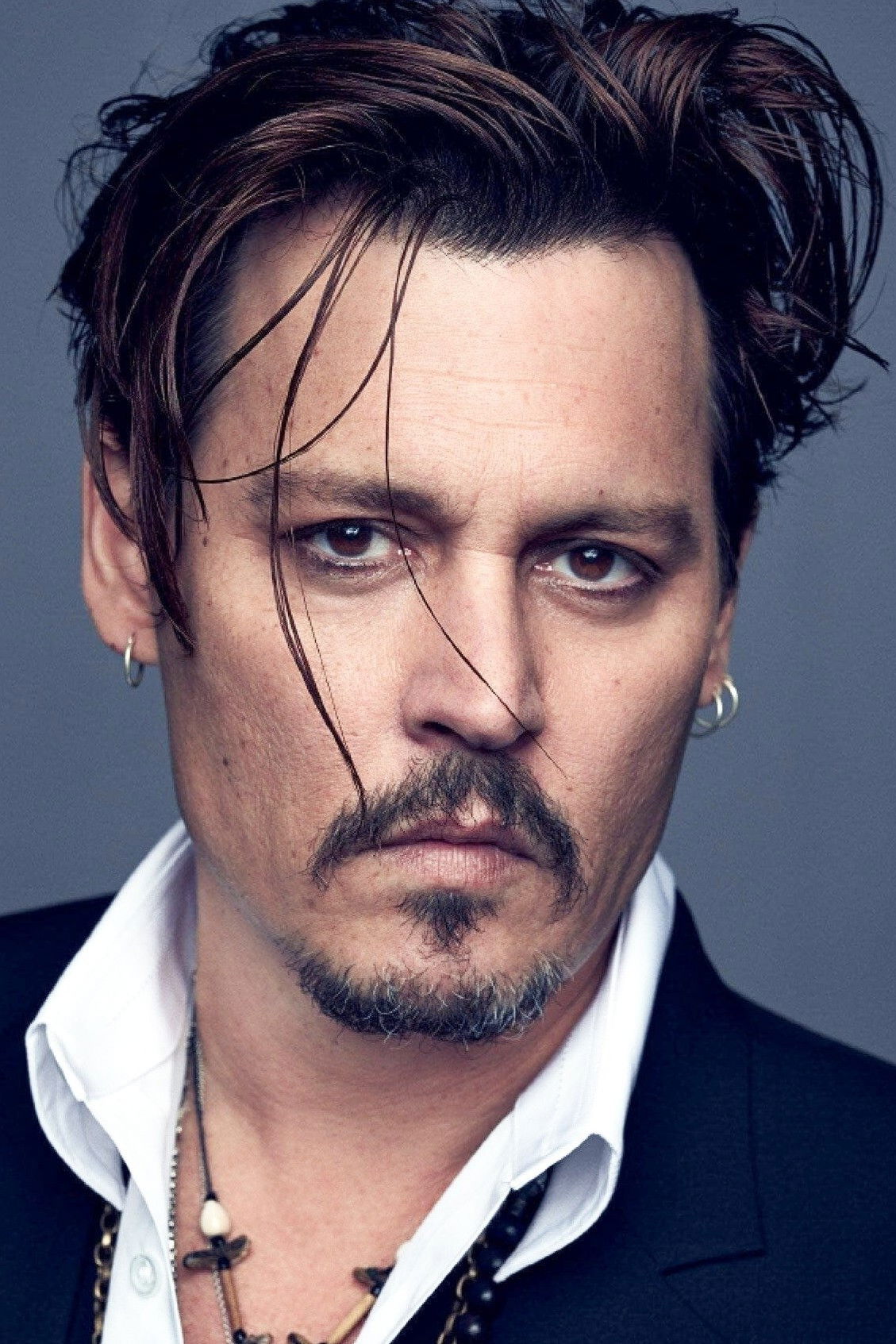
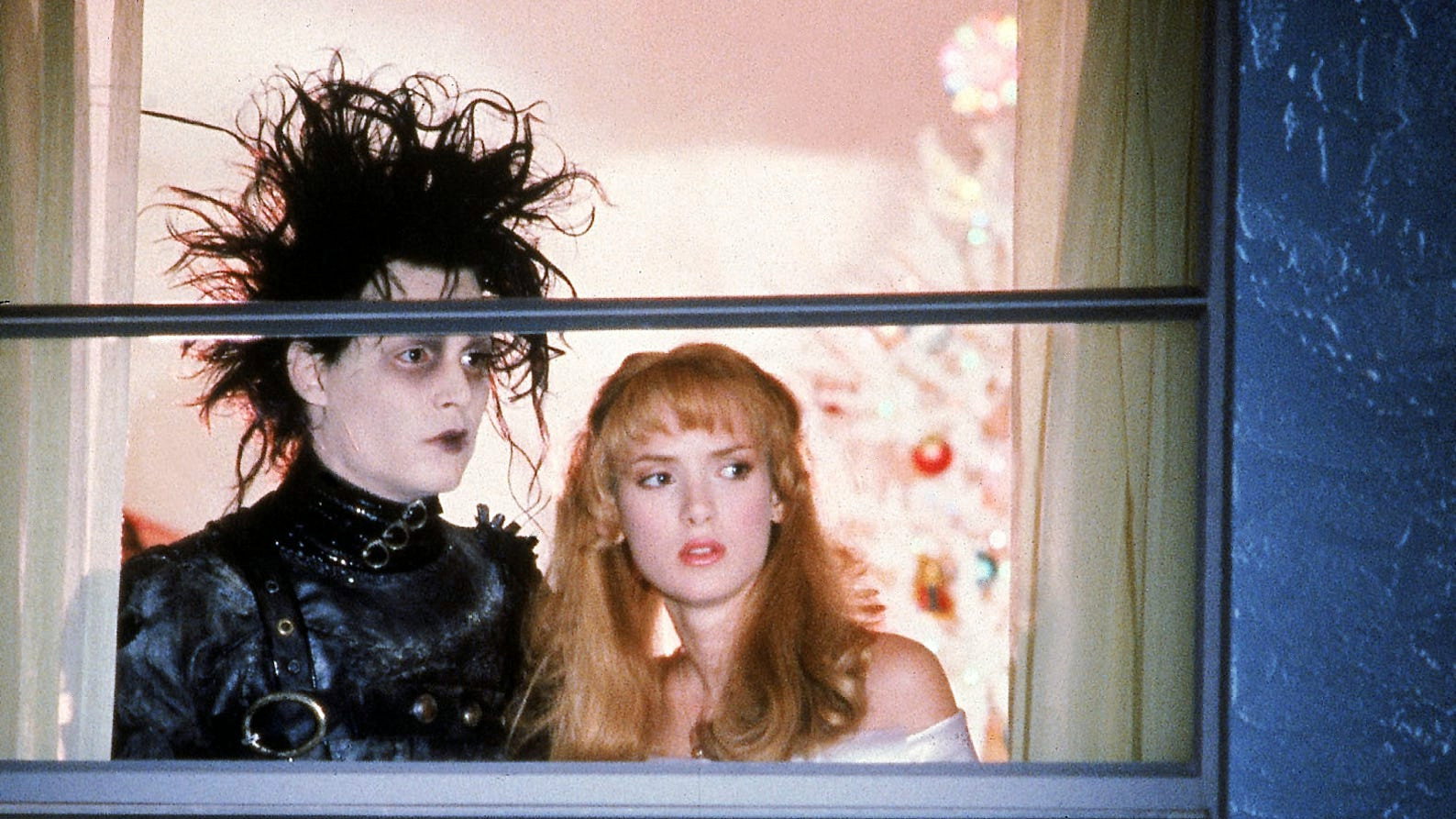
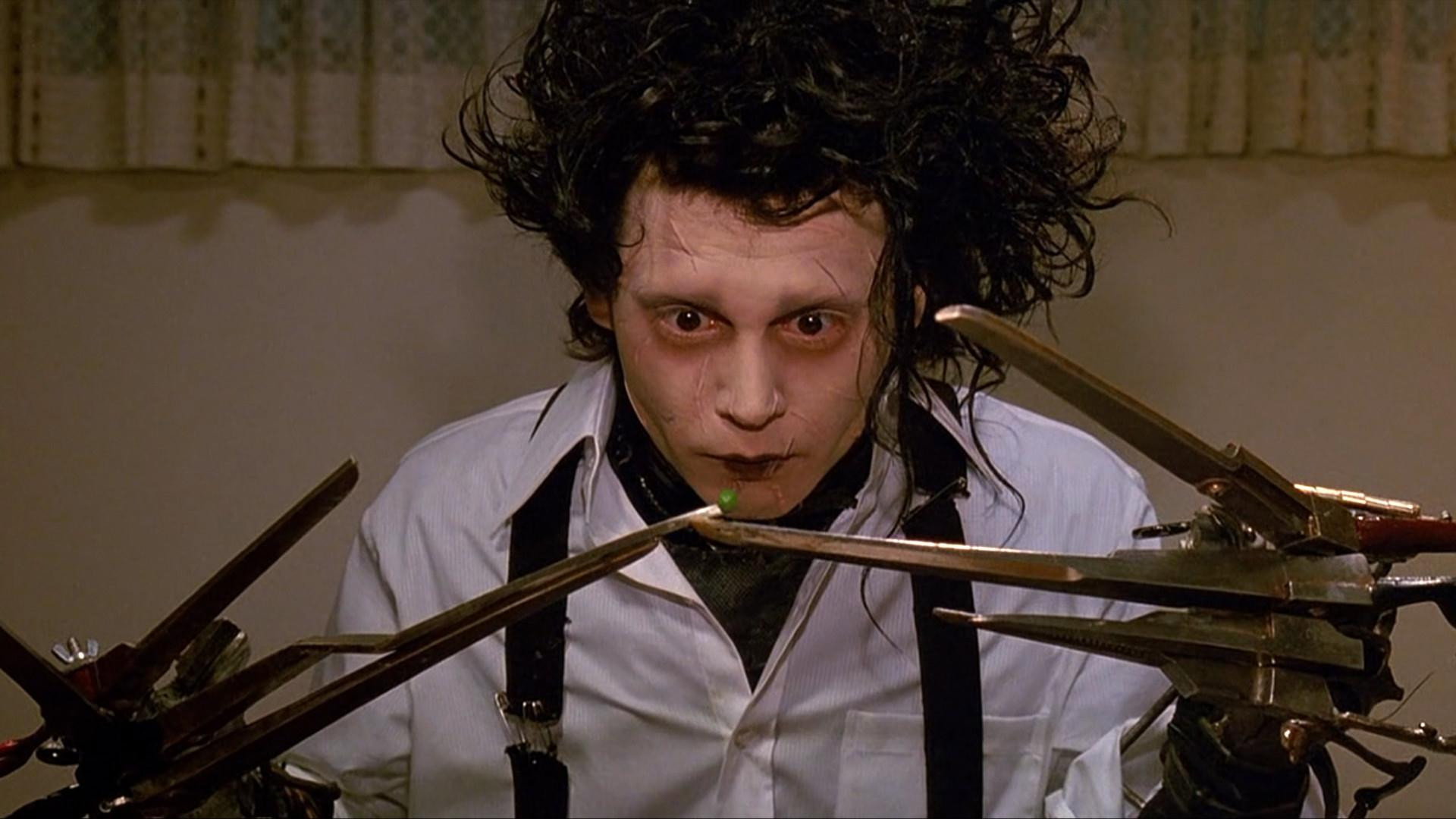
Johnny Depp plays Edward without treating his vulnerability as a standing invitation to feel sorry for him. There is humour in the performance, but the character’s uncertainty never becomes an excuse for a cheap laugh. We felt protective of him, and it was Depp’s unforced gentleness, rather than the story’s insistence on his innocence, that did it. That matters when a film asks us to care this much about someone whom the people around him regard as a curiosity.
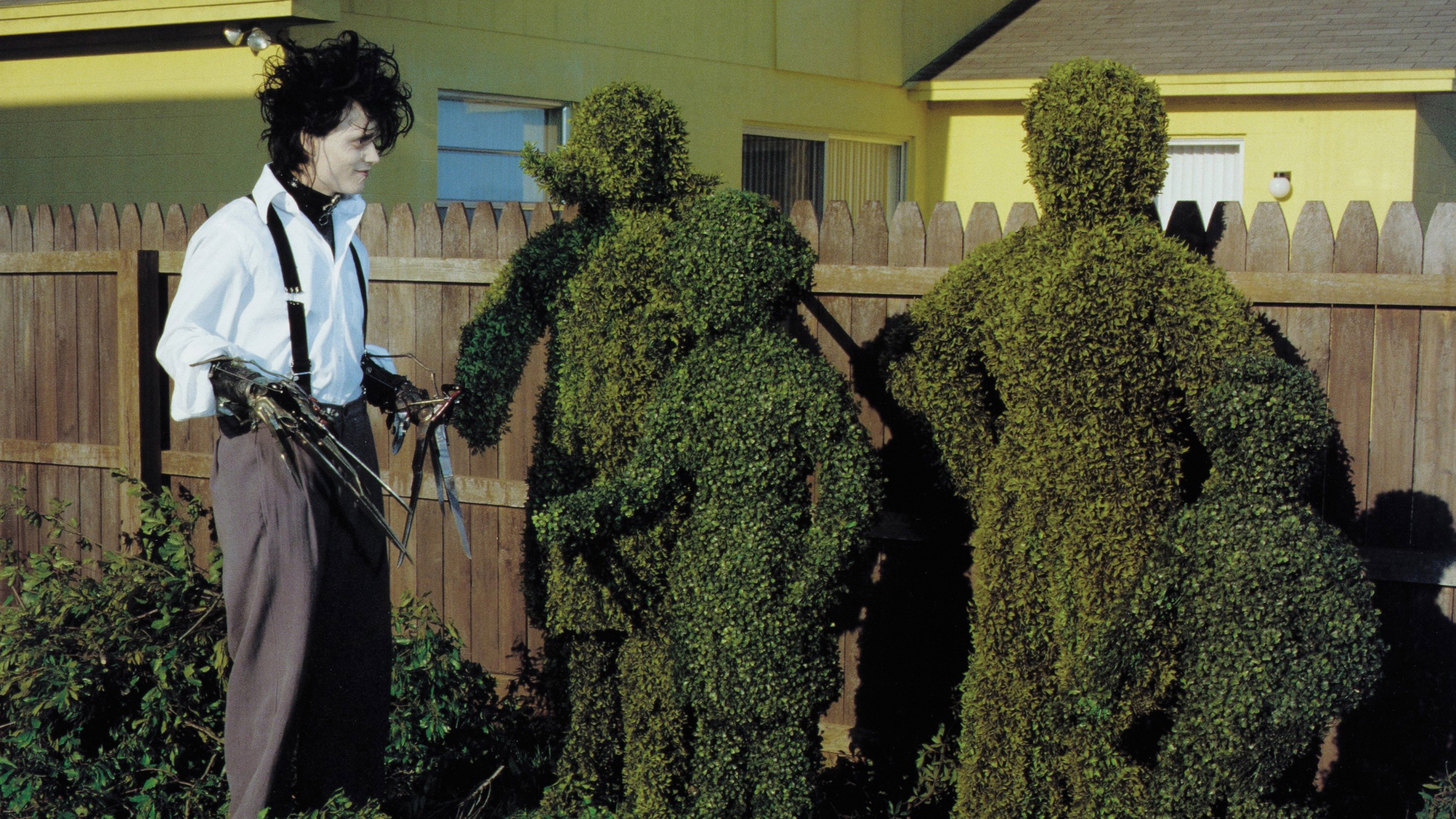
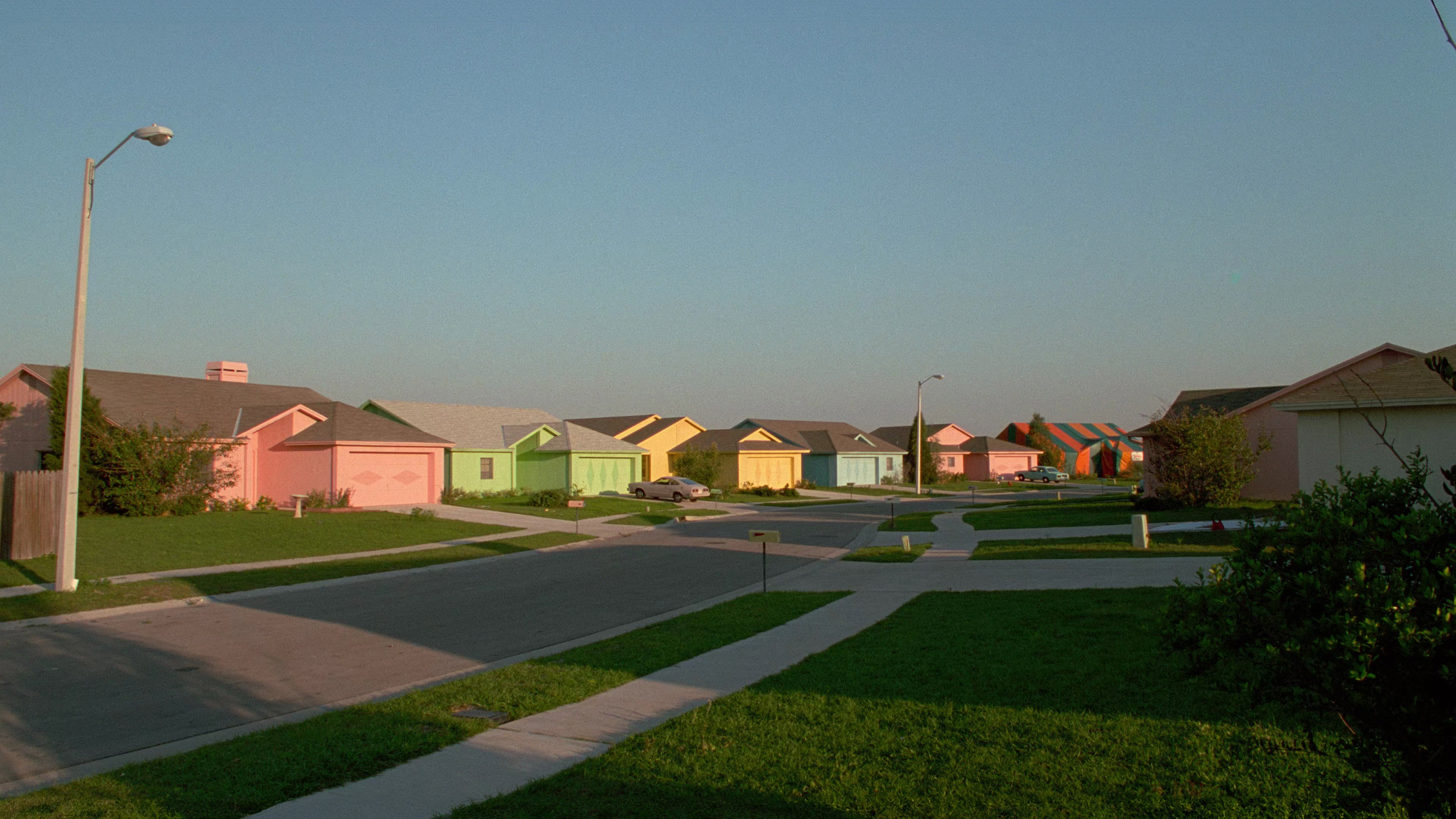
Bo Welch’s production design makes the neighbourhood seem arranged for display, a place where anything unfamiliar is bound to attract attention. The exaggerated suburban setting is funny before the script starts pressing its point. Stefan Czapsky photographs the suburb as part of the fantasy, allowing the apparent normality of the place to look peculiar too. The setting remains interesting even when the jokes about its inhabitants have become predictable.
Danny Elfman’s score is less restrained than Depp, and that is mostly a useful choice. It allows the film’s romantic feeling to become large and openly sentimental without requiring Edward to explain himself. Occasionally the music keeps insisting on a feeling it has already established, but its warmth is an important part of the film’s appeal. Editors Richard Halsey and Colleen Halsey make the shifts between comedy and sadness easy to follow, though the movement towards melodrama can feel too firmly signposted.
The weakness is in how thoroughly Burton and Thompson load the comparison between Edward and the people around him. His goodness gives us something to care about, while their failings are sometimes presented so insistently that the satire grows tiresome. A less certain account of the neighbourhood might have made its prejudice more troubling. As it stands, too many of the surrounding characters seem to have been given a failing first and a personality afterwards.
Burton is working within the fairy tale’s habit of making goodness and cruelty easy to recognise. That can be limiting, but it also lets him be open about how much loneliness hurts. Edward does not need to be witty about his own predicament to deserve our attention. The film lets him remain vulnerable, and Depp gives that vulnerability enough variety to sustain our interest beyond the initial strangeness of the character.
Choose it when you want a romance that allows its central character to be awkward without making him ridiculous. The neighbourhood comedy will require a little patience. Do not be embarrassed if the sentiment works.