Film review

Mary and Max

2009 · Directed by Adam Elliot · 1h 32m · MPA NR

In a sentenceTwo clay pen pals made us feel ashamed of how long we take to answer a letter

AnimationComedyDrama

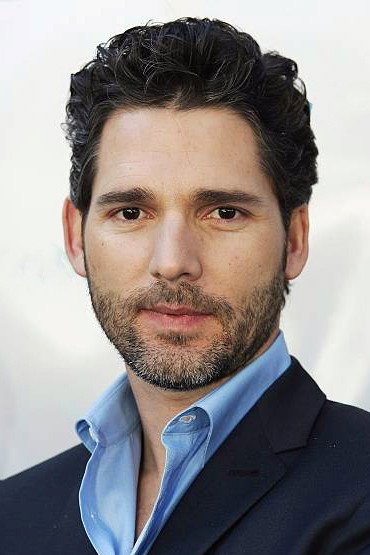
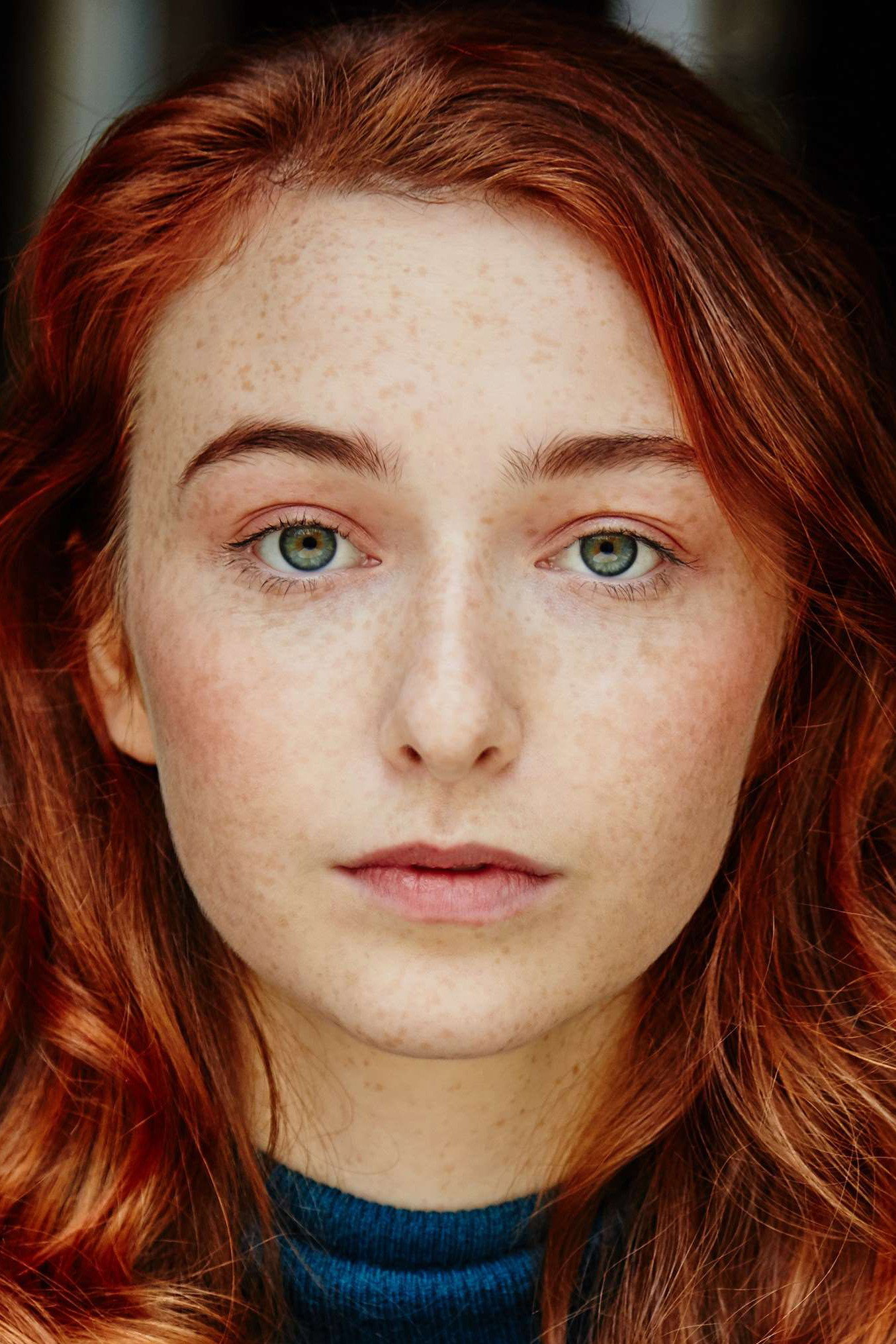
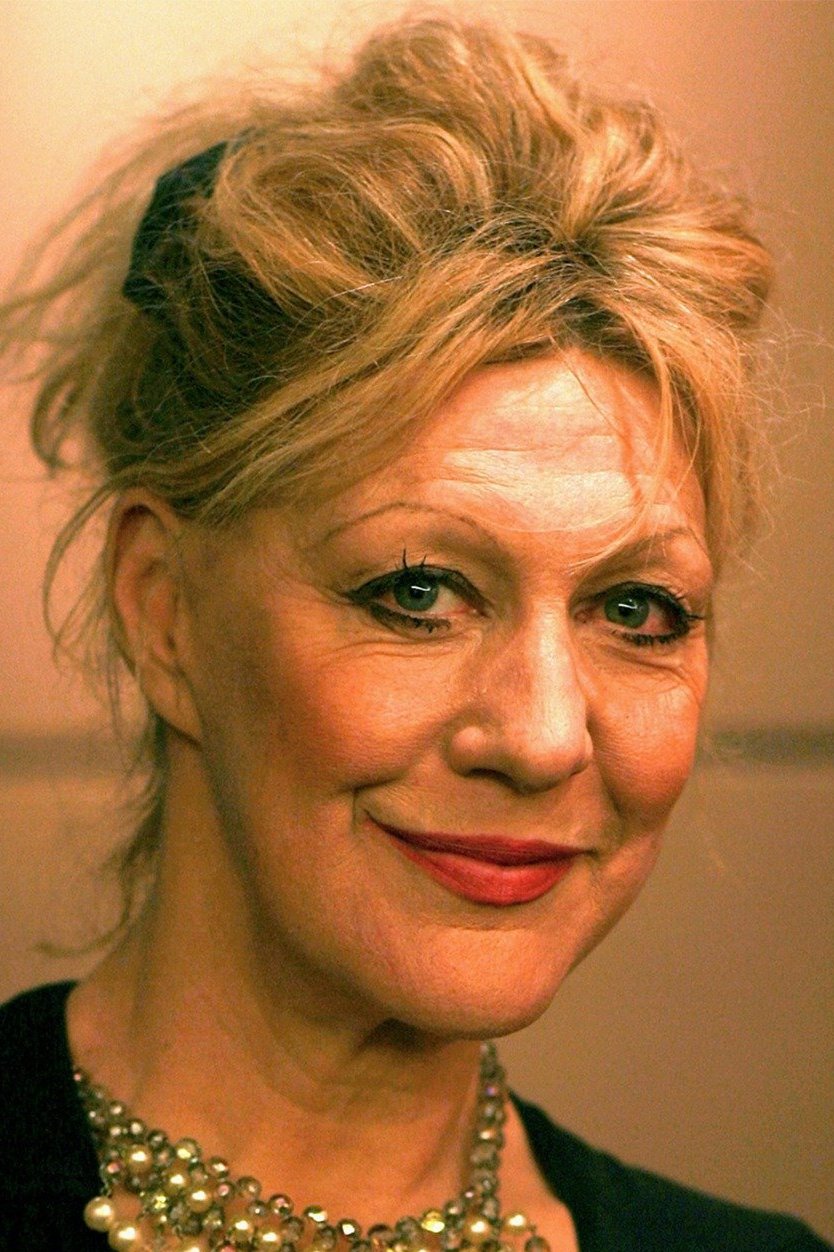
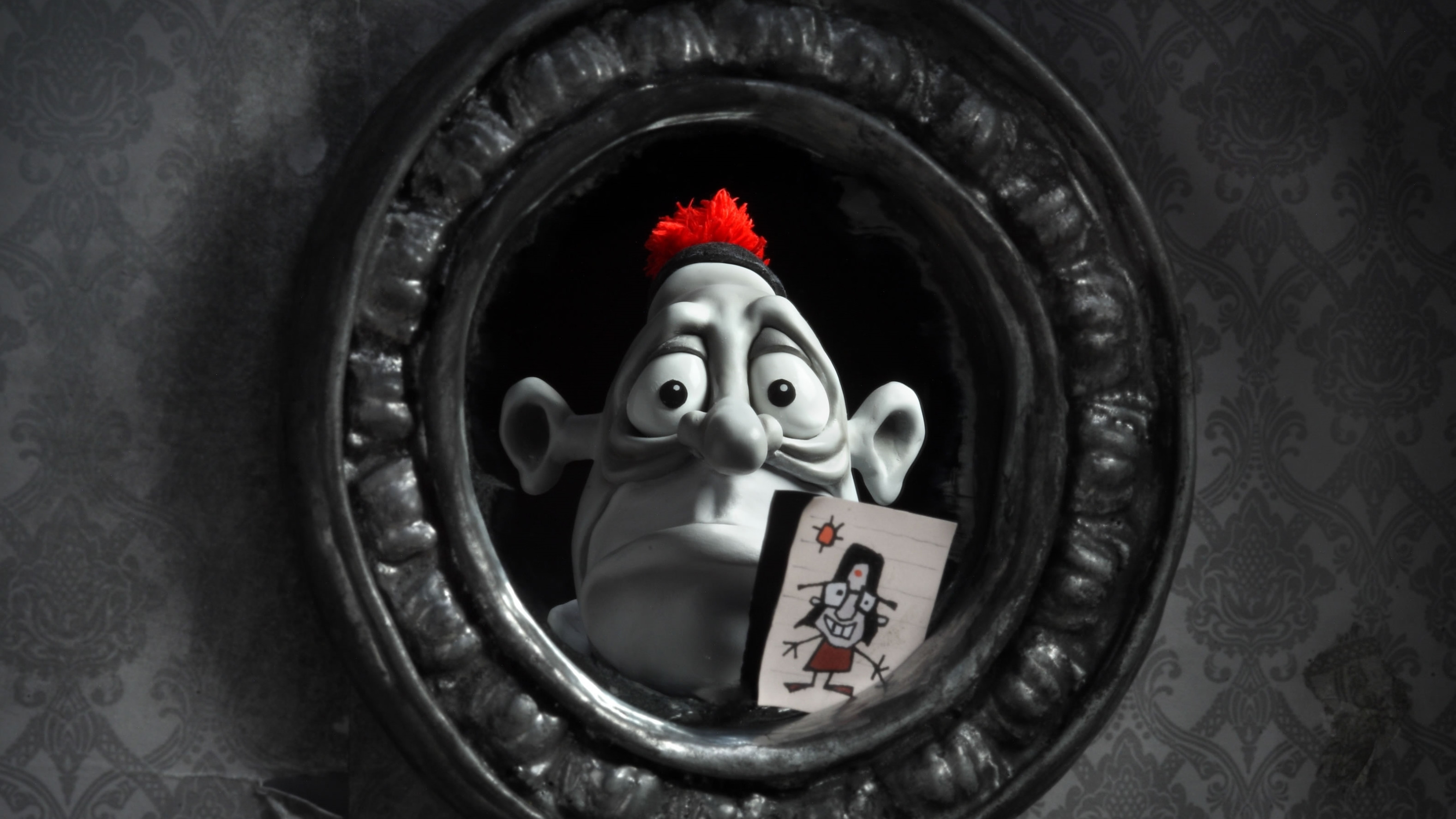
Mary, a lonely girl in Australia, begins a correspondence with a man in New York who has Asperger’s syndrome. Their letters give two people who struggle with company a way to ask questions, explain themselves and look for friendship at a distance. Adam Elliot’s animated comedy-drama follows their exchanges, with loneliness, mental health and the difficulty of understanding other people running through the story. Bethany Whitmore voices the young Mary, Toni Collette voices Mary and Philip Seymour Hoffman voices her pen friend, with Barry Humphries narrating a friendship conducted on paper.

Fi1m review

Adam Elliot’s Mary and Max is a funny, melancholy animation that takes lonely people seriously without requiring them to become agreeable. We recommend it warmly, though its accumulation of misfortunes sometimes wears down the pleasure of their company.

Adam Elliot makes this film for anyone who has found a letter easier than a conversation. A lonely Australian girl and a New Yorker with Asperger’s syndrome become pen friends, and the film gives their attempts at understanding each other unusual patience. We recommend it for that patience, the voices and the care taken over its clay people. The humour can be coarse and the sadness overworked, but Elliot seldom treats either character as a convenient excuse for a lesson.

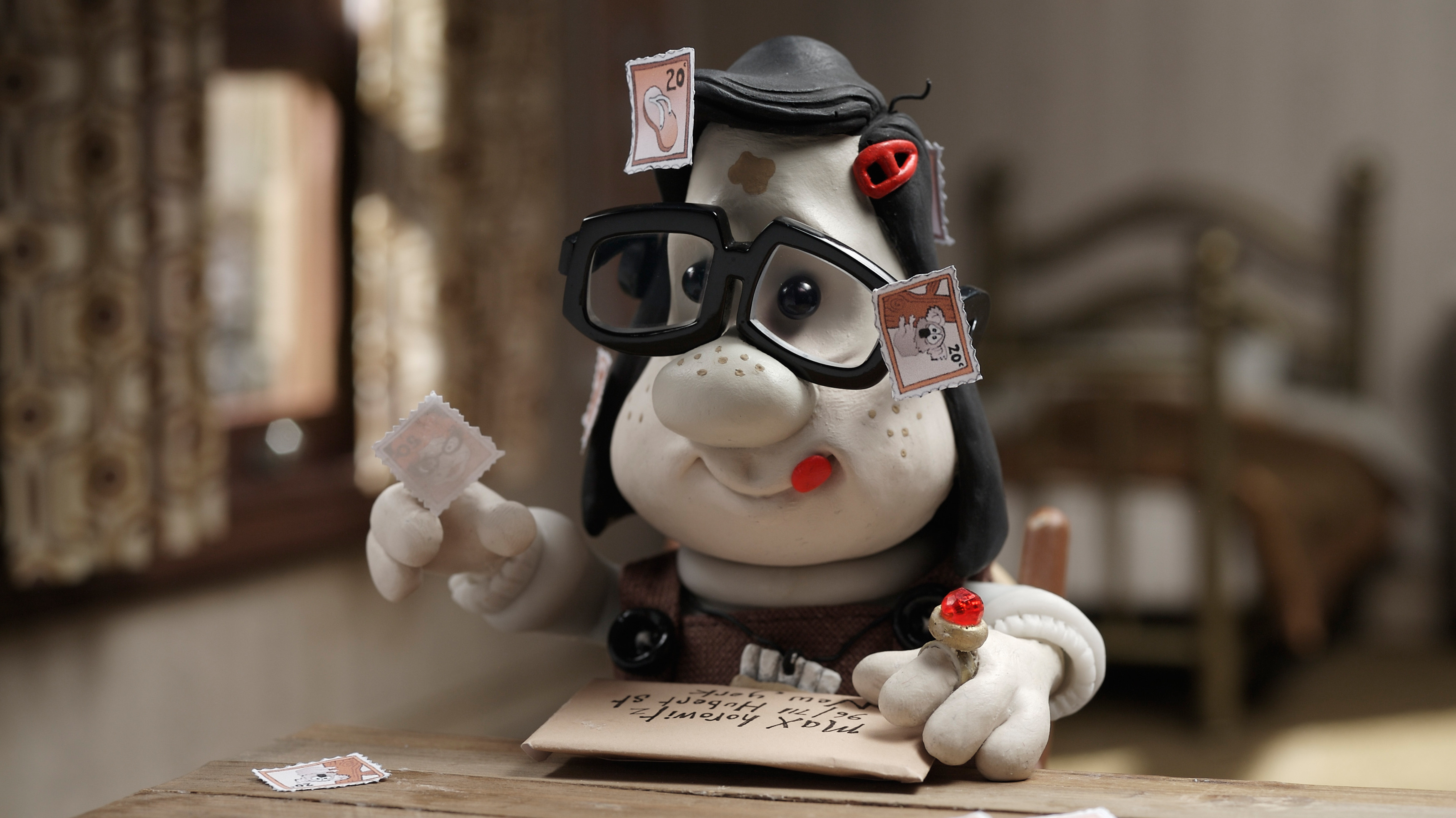
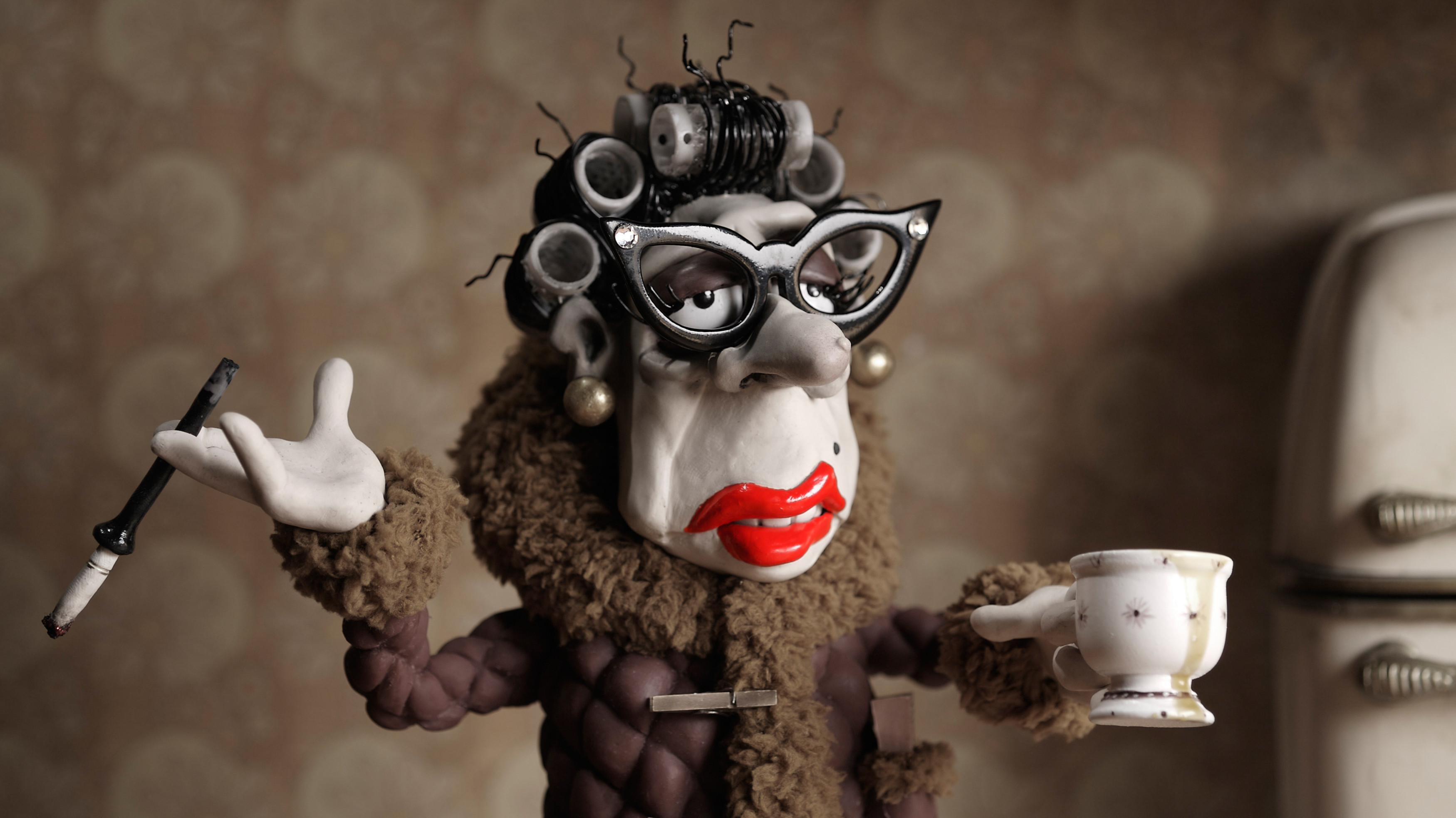
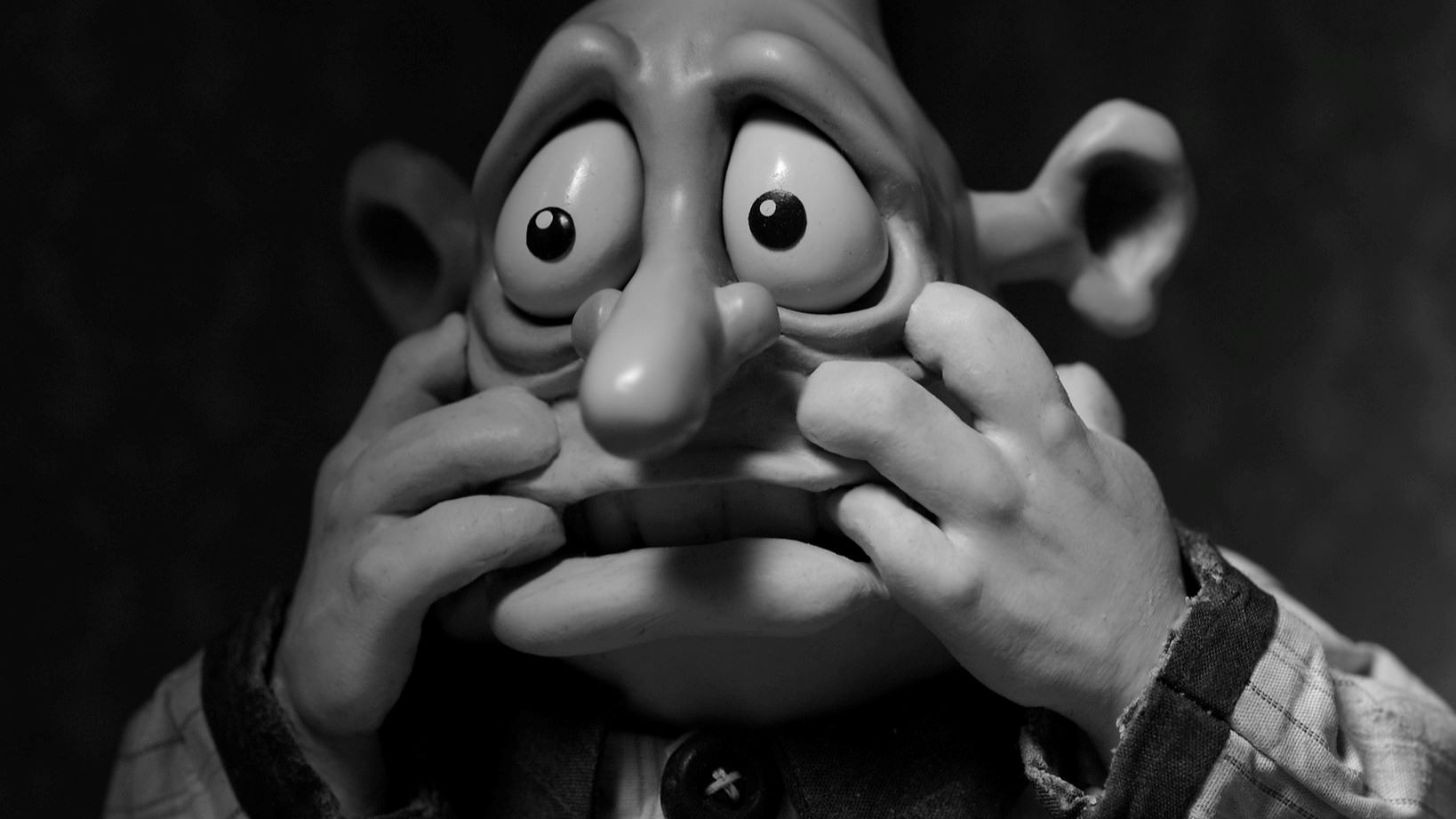
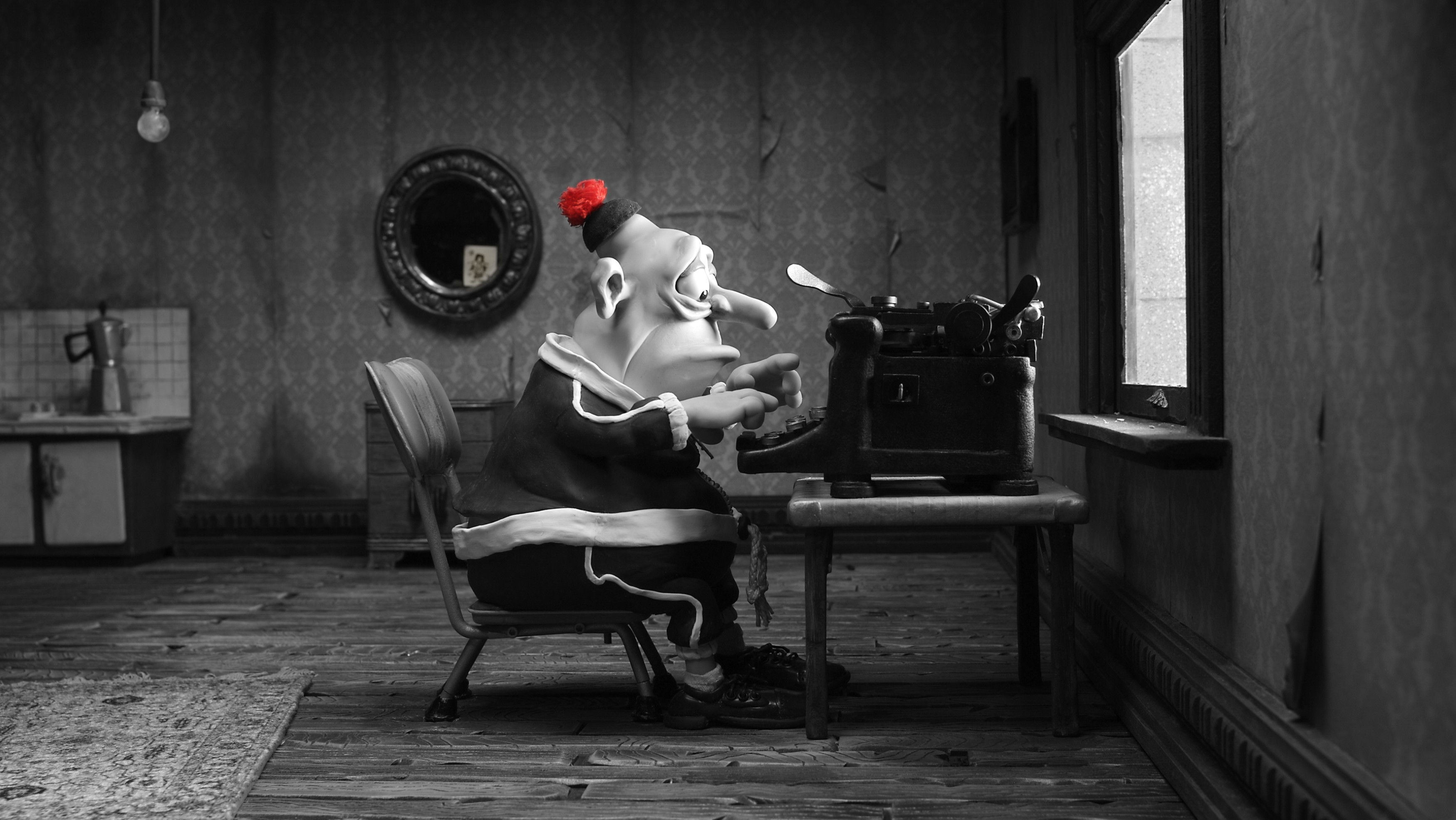
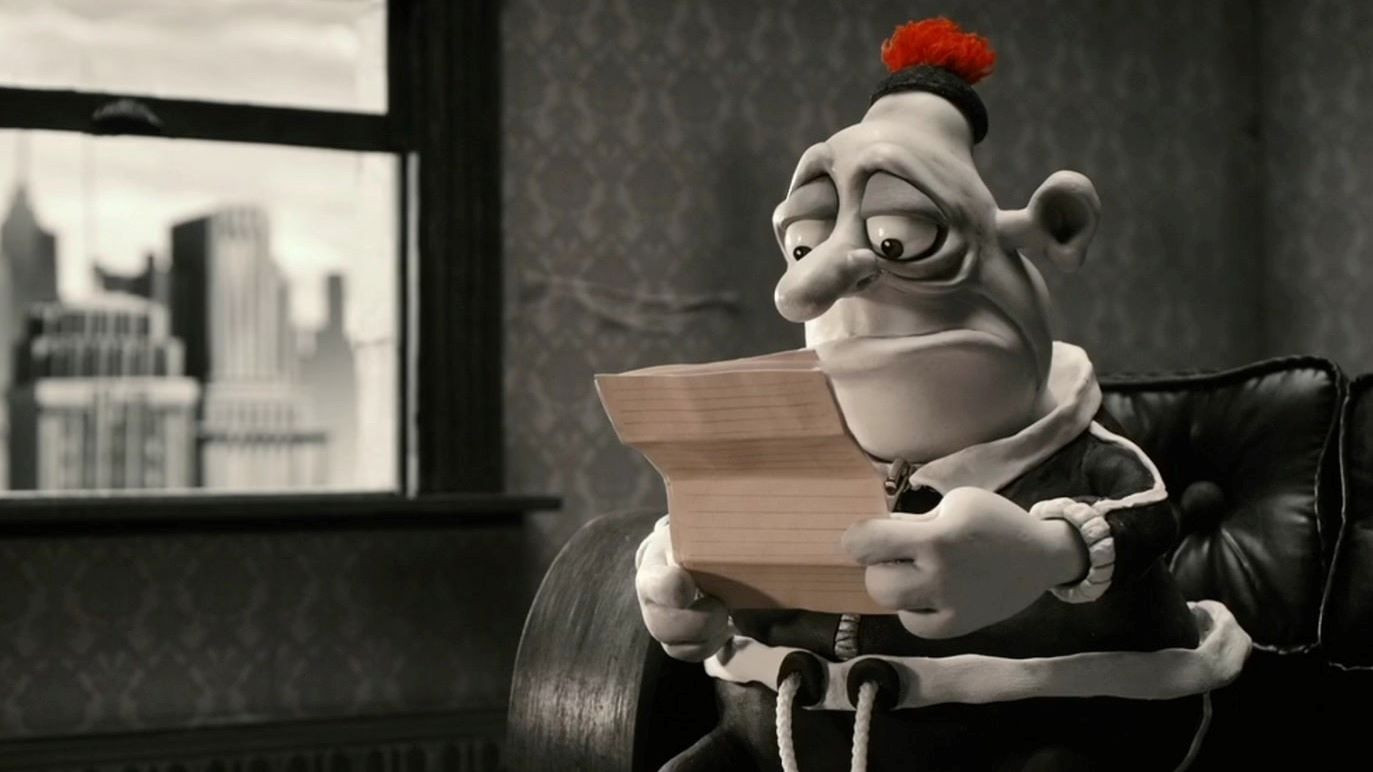
Gerald Thompson’s cinematography preserves the tactile pleasure of the animation: these figures look as though they occupy space and have weight. As production designer, Elliot makes their awkward shapes expressive enough that we can read a mood before anyone speaks. The visual jokes can be grotesque, and he does not tidy up his characters to make them easier to like. Colour helps give them a distinct presence. We can enjoy the workmanship without forgetting the people it serves.

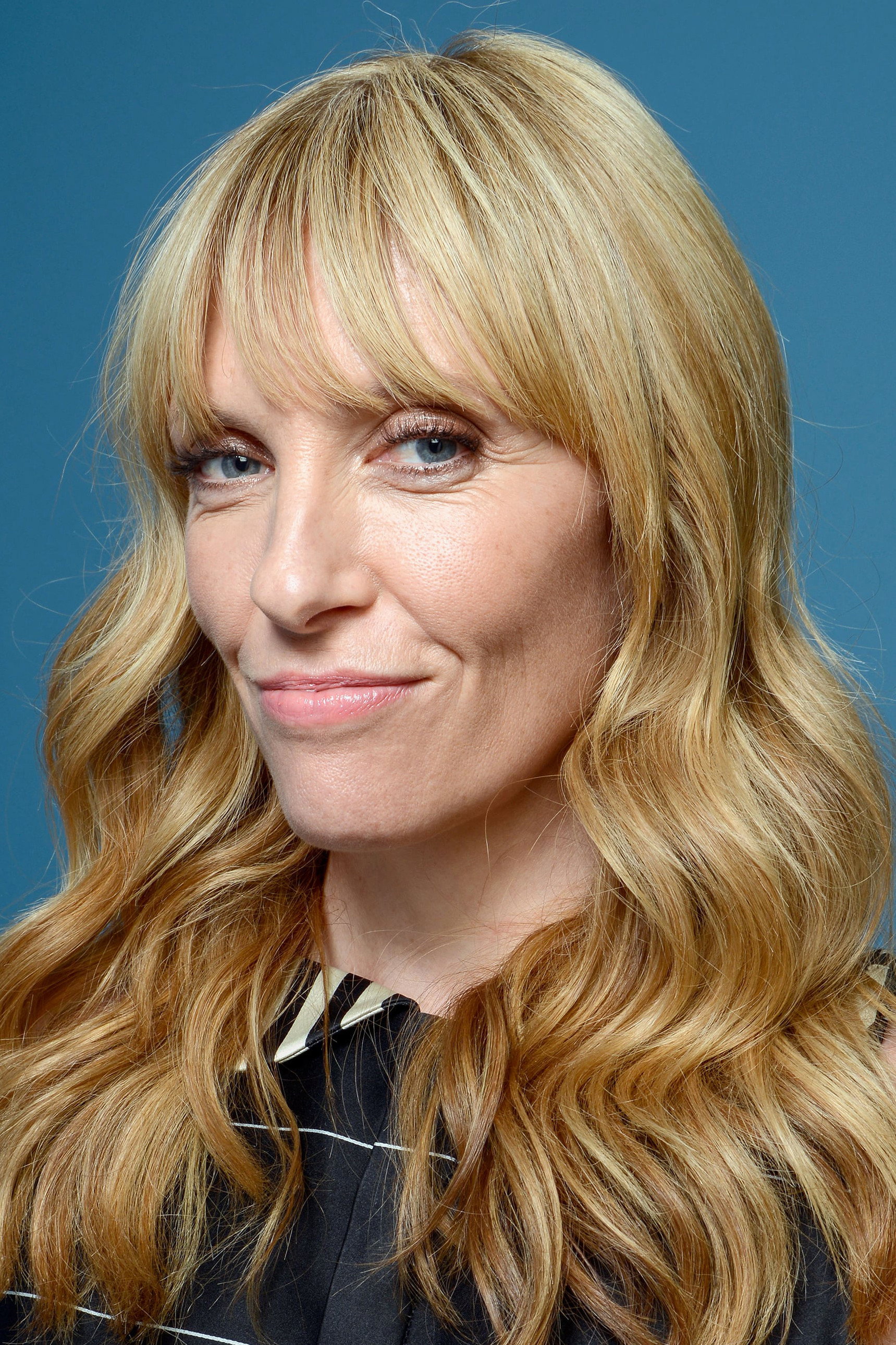
Philip Seymour Hoffman’s performance is the strongest reason to stay with it. His measured delivery gives the impression of someone considering each word before entrusting it to another person, and the humour survives without a wink towards the audience. Bethany Whitmore and Toni Collette give Mary vulnerability without making her merely helpless. Between them, the performances allow these correspondents to be difficult, funny and worth listening to. We were moved by their letters, because the effort to be understood is audible in the voices.

Barry Humphries’s narration supplies a drier kind of company, describing peculiar behaviour with a composure that makes it funnier. Elliot’s writing also understands how much can go wrong when people try to explain themselves on paper. The letters are a useful form for this story: neither correspondent can immediately correct what the other has taken the wrong way. That delay gives ordinary misunderstandings a weight that spoken exchanges, with their quick reassurances, might not have.

Bill Murphy’s editing keeps the individual comic passages tidy, but cannot quite prevent the succession of troubles from becoming repetitive. At 92 minutes, the film occasionally feels longer than it needs to, particularly when another eccentric detail arrives after we have understood the person it describes. Dale Cornelius’s music brings warmth to the exchanges without erasing their discomfort. The voices need little assistance, though, and some of the sadness would be more effective if Elliot allowed it less emphasis.

The broader difficulty is the switch between bodily jokes and serious distress. Elliot is entitled to put both in the same film; people do not become less ridiculous because they are unhappy. A few transitions nevertheless feel abrupt, asking us to laugh and then feel concern before the previous joke has settled. The writing is usually compassionate enough to get away with this, but occasionally we become too aware of how hard it is working to upset us.

Animation need not make outsiders lovable, and this film is better for declining to do so. Its interest in friendship includes the inconvenience of it: another person may need patience when we have none to spare. There is no need to mistake the clay for a promise of gentle viewing. Choose it for an evening when funny and sad are both welcome, and when a friendship conducted in letters sounds like enough of a story.
Critical consensus AI synthesised

74
Positive
5
Mixed
2
Negative
0
Empire
4 October 2010 · Dan Parkinson
80*

Adam Elliot’s feature debut is an offbeat and charming animation rooted in fact, by turns touching, bleak and droll, and bound for cult status despite some rocky moments. It stands out for its quirky, compassionate handling of heavy themes like loneliness, Asperger’s and suicide through grimly witty details and strong voice work.

Read the full review →
Time Out
19 October 2010 · ★★★★ · Cath Clarke
80

The reviewer praises it as a heartfelt and sadsack-funny claymation about an unlikely pen friendship, full of poignant non-sequiturs and gross humor, though it doesn't fully sustain its length; a moving celebration of oddness.

Read the full review →
Evening Standard
10 April 2012
60*

Mary and Max is a funny but serious claymation about two odd pen pals hoping for something real from their letters, tackling strange medical and psychiatric conditions. The director intends to make viewers think, though the 88-minute runtime feels long for its eccentric proceedings.

Read the full review →
Screen Daily
16 January 2009 · festival review

The review calls it a melancholy true story of unlikely friendship told with bittersweet humor and visual panache that captures loneliness without mocking it; strong on character details but weaker on narrative structure.

Read the full review →
Sight and Sound
· Mark Fisher

The critic finds the claymation film an oddball take on friendship that avoids facile uplift or bleakness, drawing comedy from grimness like Todd Solondz, and highlights its focus on correspondence and miscommunication.

Read the full review →
The Guardian
21 October 2010 · Andrew Pulver

The critic finds the claymation film ambitious yet at times grotesque, managing to be both sickly-cute and right-on while detailing the pen-pal friendship between a lonely Australian girl and a New Yorker with Asperger's. The switches in tone are jolting, but the ambition is admirable despite uncertainty over whether the film laughs with or at its creations.

Read the full review →

Cast

Stills

Awards

AACTA Award for Best Original Screenplay, 2009

Nominated
AACTA Award for Best Original Screenplay

AACTA Award for Best Production Design, 2009

Nominated
AACTA Award for Best Production Design

Annecy Cristal for a Feature Film, 2009

Won
Annecy Cristal for a Feature Film

Asia Pacific Screen Award for Best Animated Feature Film, 2009

Won
Asia Pacific Screen Award for Best Animated Feature Film

If you liked this, try…

My Life as a Courgette poster

My Life as a Courgette

2016 · Another handmade animation that lets wounded people be funny without belittling them.

The Lunchbox poster

The Lunchbox

2013 · Letters offer two lonely people a cautious way back towards other lives.

The Station Agent poster82

The Station Agent

2003 · Patient company for outsiders who would rather avoid the usual consoling speeches.

The Man Without a Past poster

The Man Without a Past

2002 · Dry humour and stubborn kindness, with no hurry to make hardship picturesque.

The Straight Story poster88

The Straight Story

1999 · A patient journey that gives awkward silences and ordinary kindness their proper weight.