Film review

Star Trek: First Contact

1996 · Directed by Jonathan Frakes · 1h 51m · MPA PG-13

In a sentenceThe Borg invade the Enterprise and Patrick Stewart takes it personally

Science FictionActionAdventureThriller

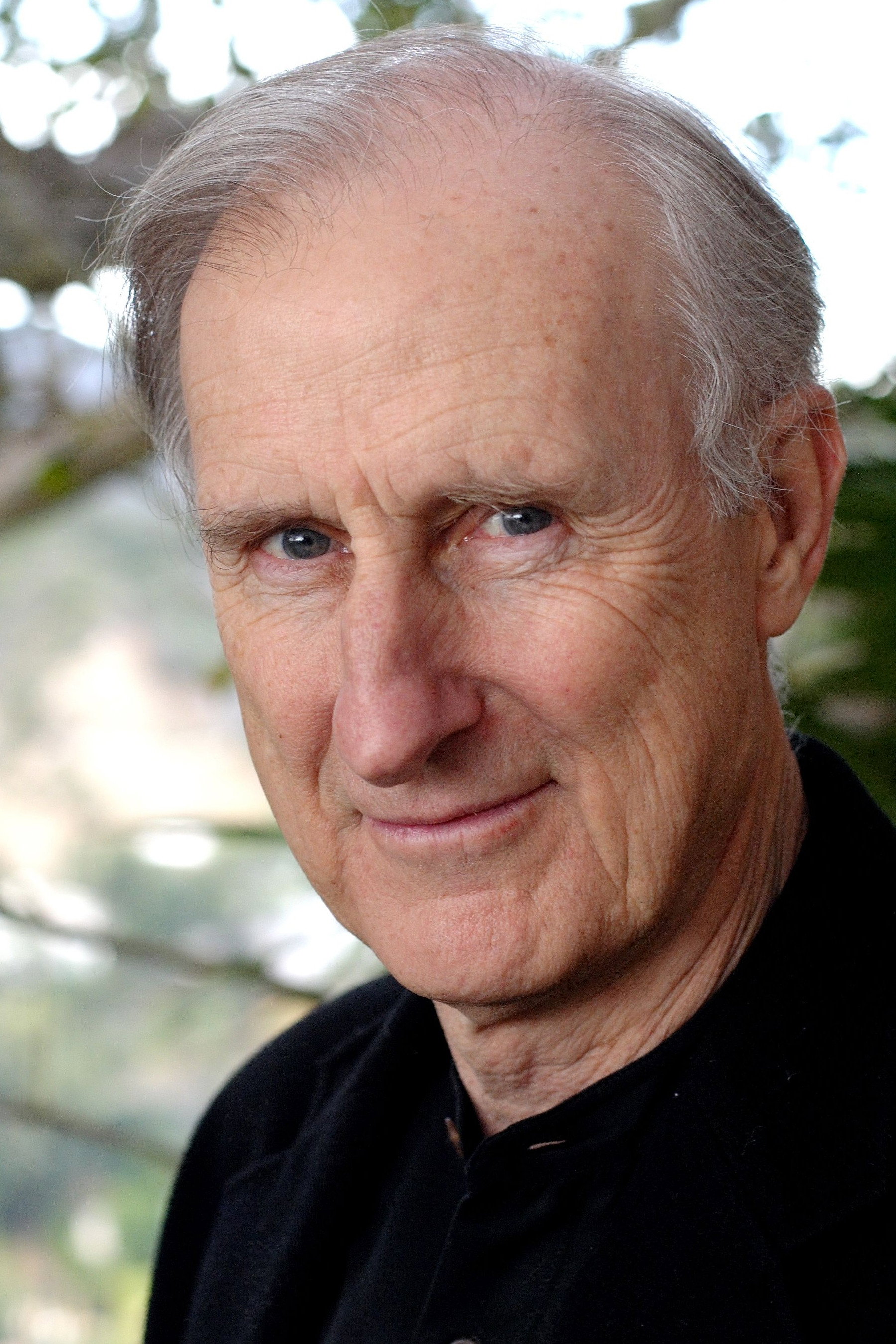
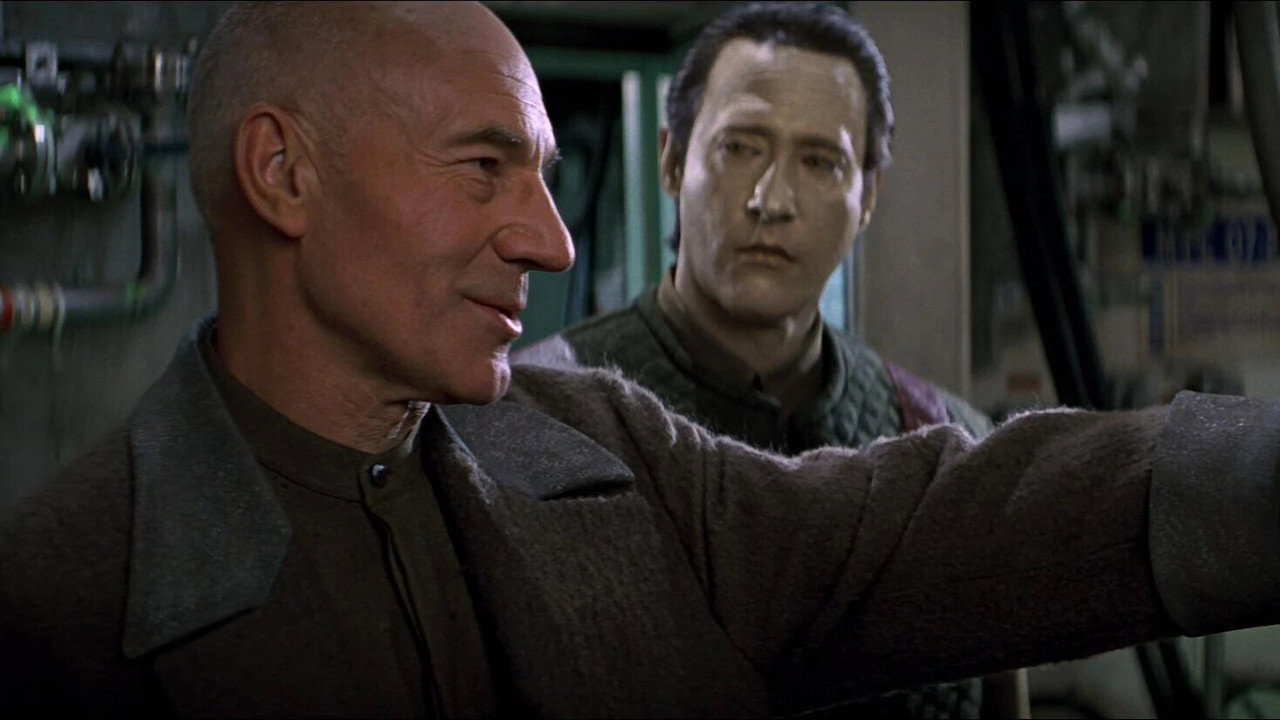
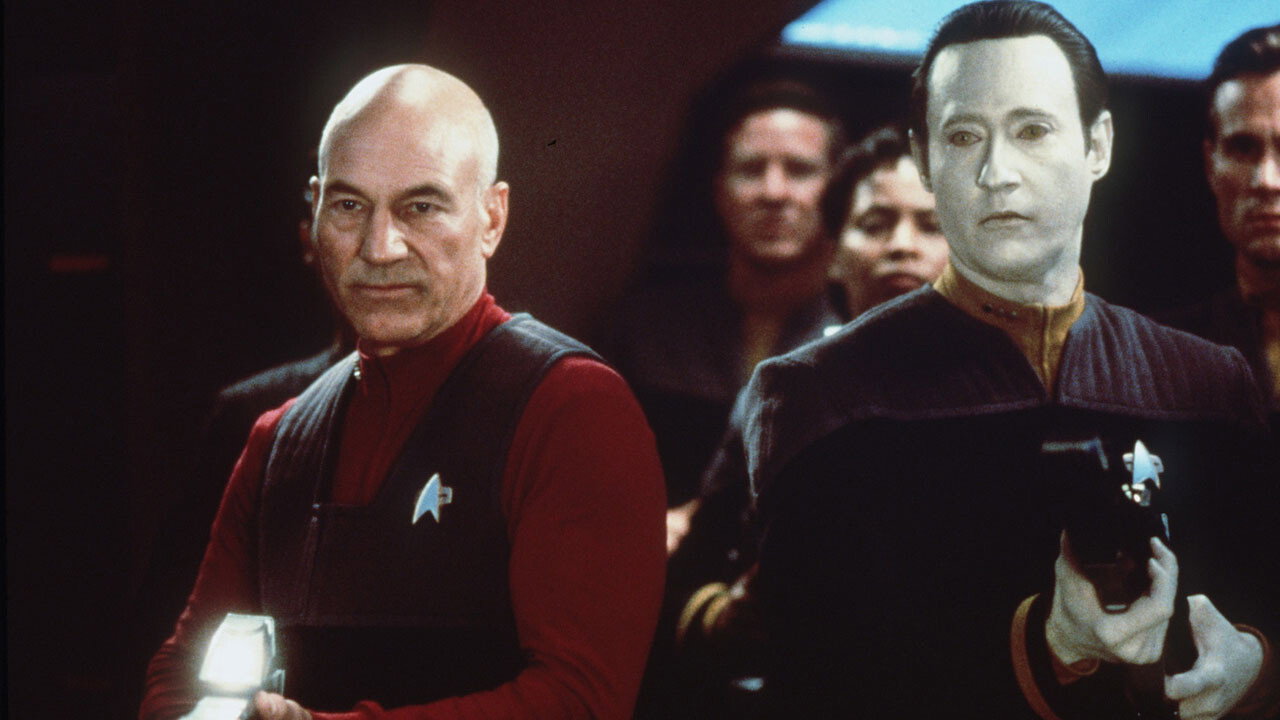
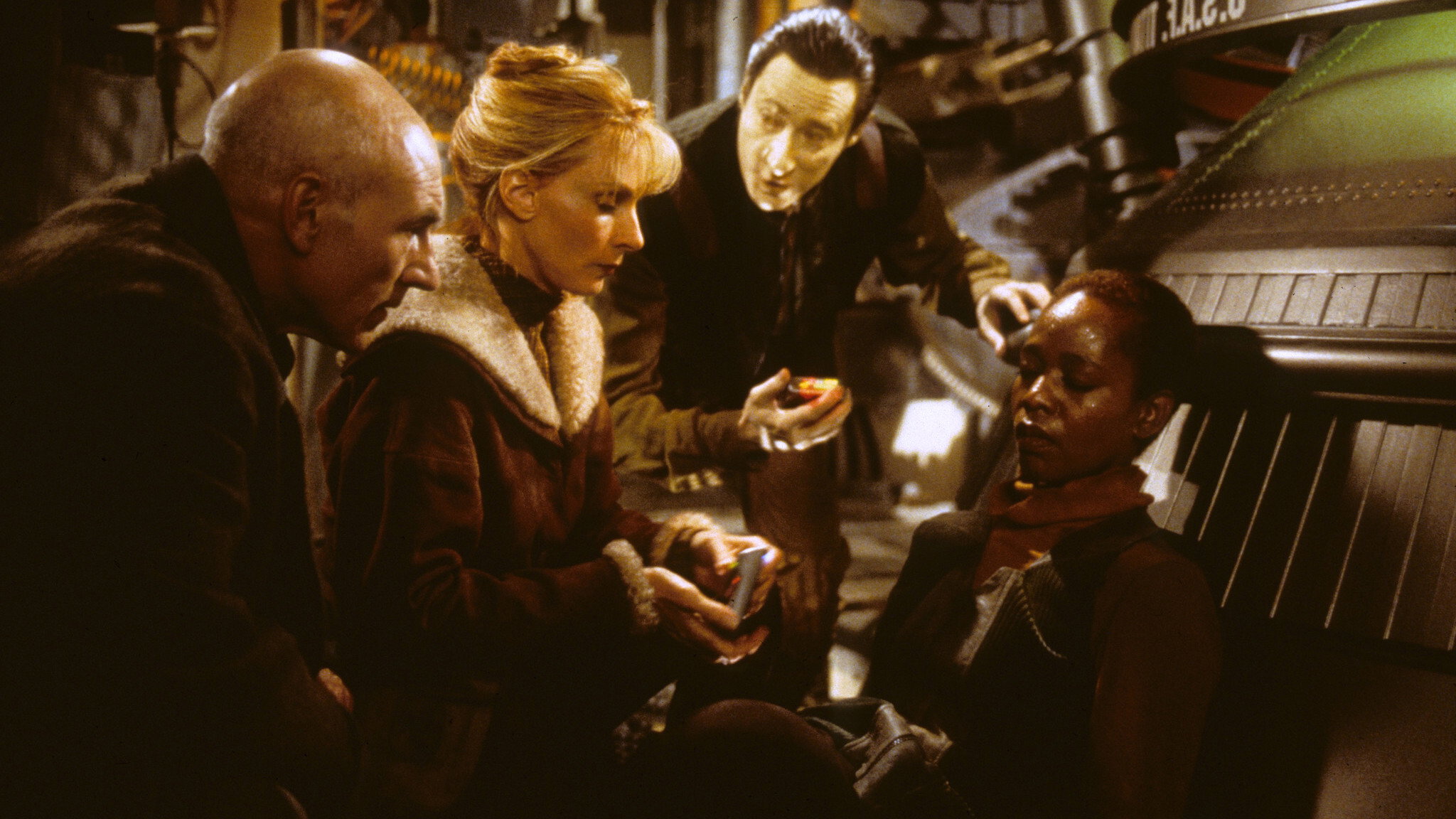
Captain Jean-Luc Picard (Patrick Stewart) and the crew of the Enterprise face the Borg in a conflict involving time travel and an invasion of their own ship. Picard’s earlier ordeal with the Borg complicates his response to the threat. Commander William T. Riker (Jonathan Frakes) and Lieutenant Commander Data (Brent Spiner) are among the crew drawn into the crisis, alongside Dr. Zefram Cochrane (James Cromwell) and Lily Sloane (Alfre Woodard). Alice Krige plays the Borg Queen, giving the enemy a face as the struggle raises questions about humanity, artificial intelligence and individual freedom.

Plays from YouTube when you press play; nothing loads from them until then.

Fi1m review

Jonathan Frakes makes Star Trek: First Contact a tense, warmly played science-fiction adventure with a useful streak of horror. Patrick Stewart gives it weight, though newcomers must tolerate some hurried explanations and a crowded supporting cast.

Star Trek: First Contact is a gripping science-fiction adventure that knows how to make an invasion unpleasant. Jonathan Frakes directs and plays Riker, and his strongest decision is to give the Borg room to frighten us. The hopefulness associated with Star Trek survives, but it has something properly ugly to contend with here. Patrick Stewart makes the danger matter even when the time-travel complications threaten to occupy more attention than they deserve.

Stewart’s Picard comes to the conflict with lingering trauma, and the performance makes that history feel like a present difficulty. His authority remains persuasive even when his judgement becomes harder to accept. We were unsettled by the Borg’s intrusion into the Enterprise: their zombie-like menace makes the crew’s familiar competence seem suddenly inadequate. The writing is less convincing when it uses Picard’s distress to generate further conflict, and Stewart has to supply some of the understanding that the screenplay rushes past.

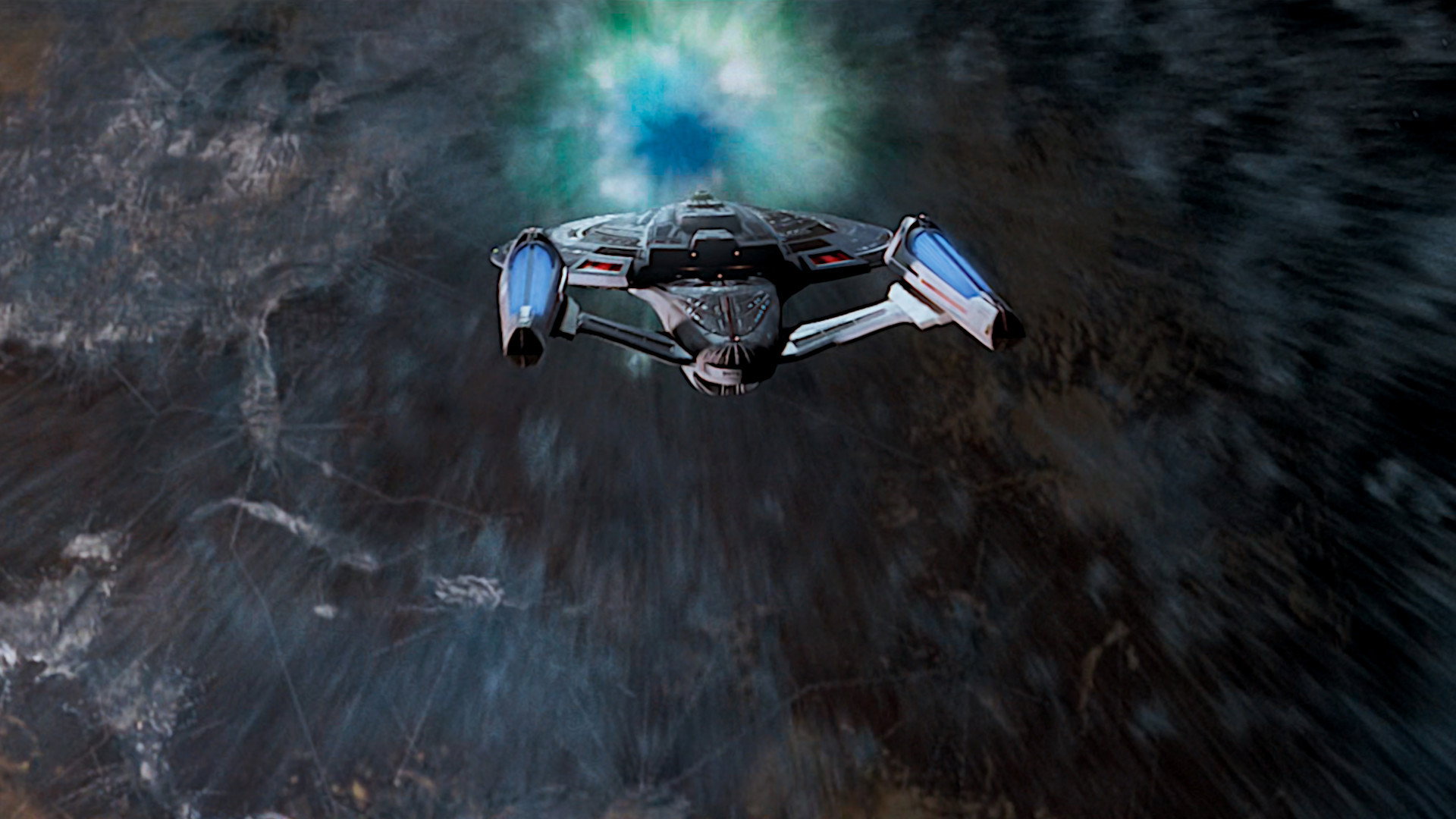
Matthew F. Leonetti’s photography is particularly effective in the shipboard horror, making the Enterprise feel confined without leaving the action unreadable. Herman F. Zimmerman’s production design helps us accept it as a working ship worth caring about, rather than just a supply of places for people to fight. The invasion gains force from that sense of somewhere habitable becoming unsafe. The resemblance to Alien is clear in the shipboard infiltration scenes, though the wider adventure has more room for humour.

Brent Spiner gives Data enough curiosity and comic precision to keep the questions about artificial intelligence from becoming a lecture. Alfre Woodard, as Lily Sloane, brings welcome directness to a film crowded with established characters. Alice Krige gives the Borg Queen a disquieting presence and avoids making the part merely pompous. There is wit in these performances, which is welcome when the plot has so much to explain.

Editors Anastasia Emmons and John W. Wheeler keep the switches between menace, action and comedy from feeling like interruptions. There is enough pace to carry us over the plot’s complications, though the time-travel explanations can ask for more attention than they repay. Jerry Goldsmith’s music gives the adventure warmth as well as urgency, helping the hopeful passages feel earned alongside the horror. His contribution matters because a uniformly grim version of this story would soon become wearing.

Brannon Braga and Ronald D. Moore’s screenplay is less generous to the wider crew. Too often an established name has to stand in for a character, with the film assuming that affection has arrived before the scene begins. That is comfortable enough for regular viewers, but newcomers have less reason to care about everyone sharing the danger. The comedy helps, and Frakes rarely lets the business of acknowledging familiar faces hold up the adventure for long.

Give it the 111 minutes, especially if science fiction that strays towards horror is your sort of evening. We recommend it warmly, with some patience for the franchise shorthand. Newcomers need not do homework, but they should be prepared to let a few familiar names pass without recognition.

Critical consensus AI synthesised

79
Positive
5
Mixed
1
Negative
0

Most critics welcome Star Trek: First Contact as an energetic science-fiction adventure, with praise clustering around Jonathan Frakes’ direction, the special effects and the Borg’s threatening presence. The shipboard infiltration sequences draw approval for their tension and horror elements, while Patrick Stewart and Brent Spiner receive repeated praise. Several reviews find that the film gives the series a convincing cinema scale without losing its humour, intimacy or interest in humanity and artificial intelligence.

The reservations concern accessibility, characterisation and the mechanics of the plot. Empire finds enough memorable sequences to satisfy fans but sees thin characterisation and an extended television episode; The New York Times is more dismissive, finding the story convoluted and the imagery familiar. The AV Club’s otherwise favourable assessment questions the Borg Queen and Picard’s lingering trauma. The spread is broadly positive, though critics differ over how successfully the film moves beyond television and how much it offers newcomers.

Total Film
13 December 1996
85*

The critic calls the film enthralling, inventive and funny, one of the good Trek entries, with enthusiastic direction from Frakes and bigger, better special effects while retaining the feel of the best TV episodes.

Read the full review →
The AV Club
8 September 2011 · B+ · Zack Handlen
83

The critic finds it a competent, well-paced sci-fi adventure that feels like a proper movie more than its predecessor, with strong action sequences as the Borg invade the Enterprise. They praise the efficiency of the direction and the zombie-like horror elements but criticize plot holes, the introduction of the Borg Queen, and how it handles Picard's lingering trauma.

Read the full review →
The Independent
12 December 1996 · Ryan Gilbey
80*

The critic finds First Contact the only Star Trek movie to truly earn its place on the big screen, praising its mix of grandeur and intimacy along with a balance of humor and darkness.

Read the full review →
Time Out
10 September 2012 · DW
80*

The critic notes the film's limited appeal to non-fans but highlights its effective shift into darker territory via Borg time travel, with tense ship infiltration scenes evoking Alien and strong work from Brent Spiner as Data and Patrick Stewart as Picard.

Read the full review →
Empire
1 January 2000 · Adam Smith
60*

The review notes thin characterization and a plot that feels like an extended TV episode but highlights enough classic moments, strong performances from Stewart and Spiner, and effective key sequences to keep fans happy.

Read the full review →
Los Angeles Times
22 November 1996 · Kenneth Turan

Calls it a page-turner that does everything you'd want a Star Trek film to do, with cheerfulness and style. Singles out the clever plot devices and the menacing Borg villains.

Read the full review →

Cast

Stills

Awards

Academy Awards, 1997

Nominated
Best Makeup and Hairstyling

If you liked this, try…

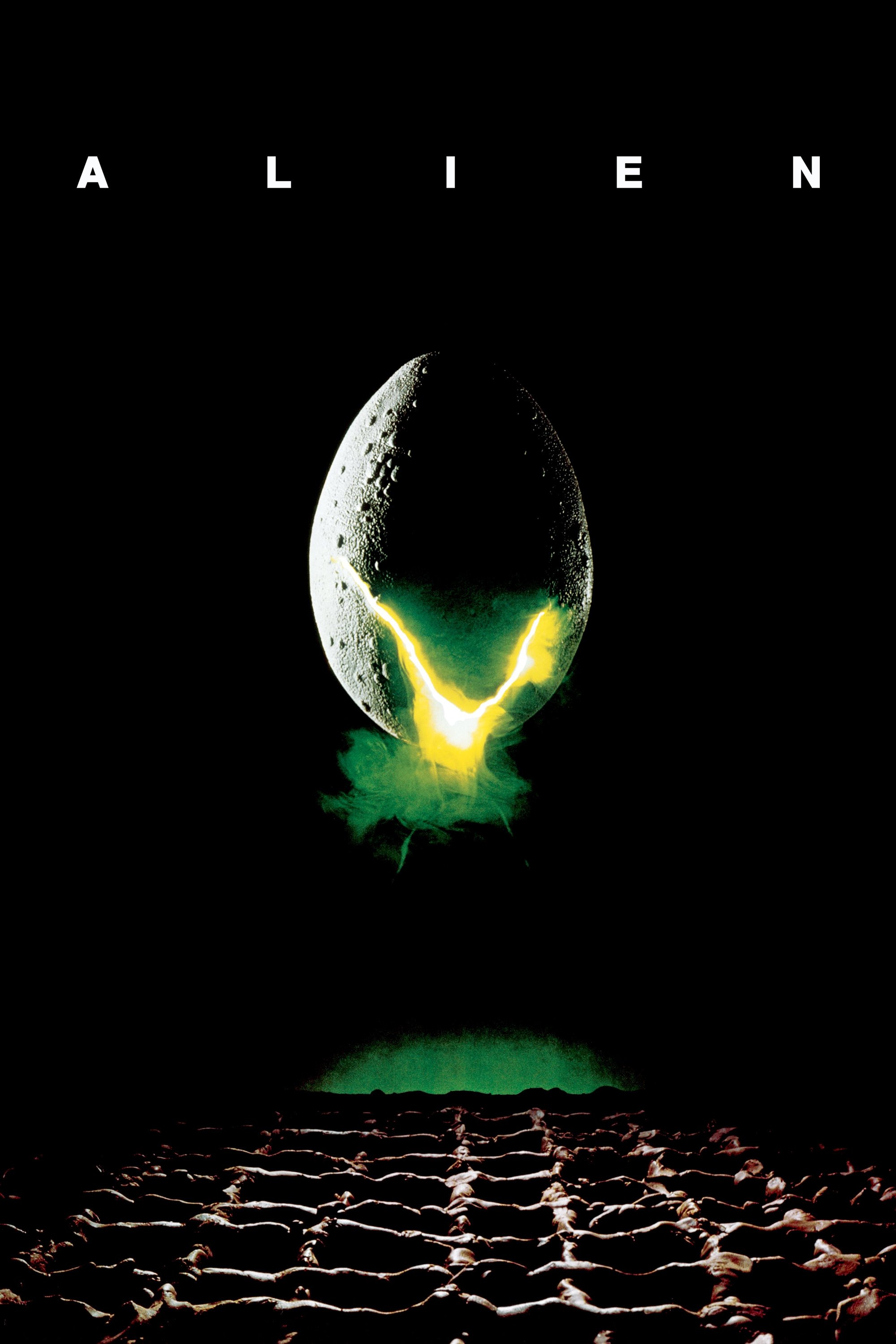
Alien poster92

Alien

1979 · For more shipboard dread, with considerably less confidence in the future.

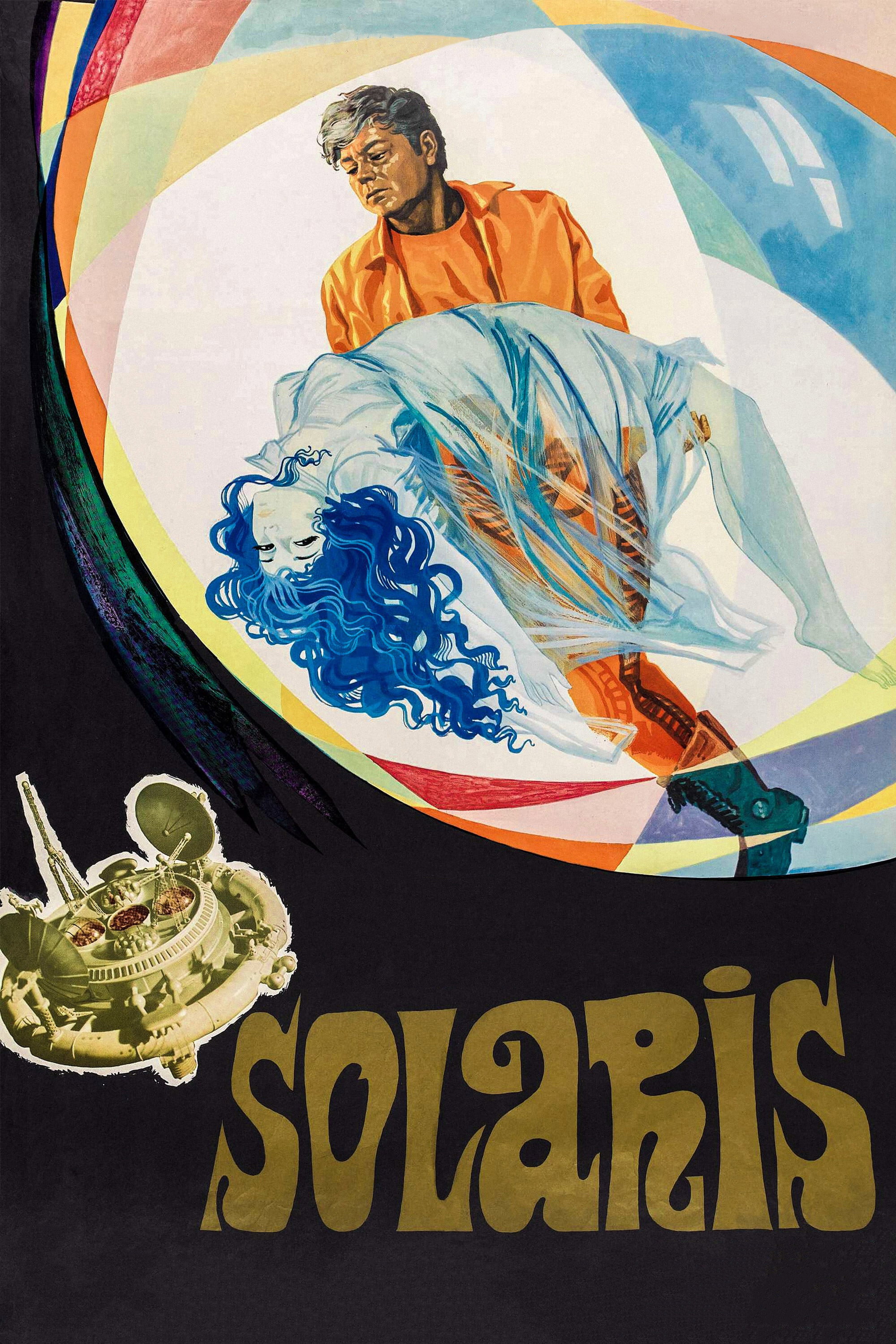
Solaris poster

Solaris

1972 · Another space mission troubled by memories, given far more time to hurt.

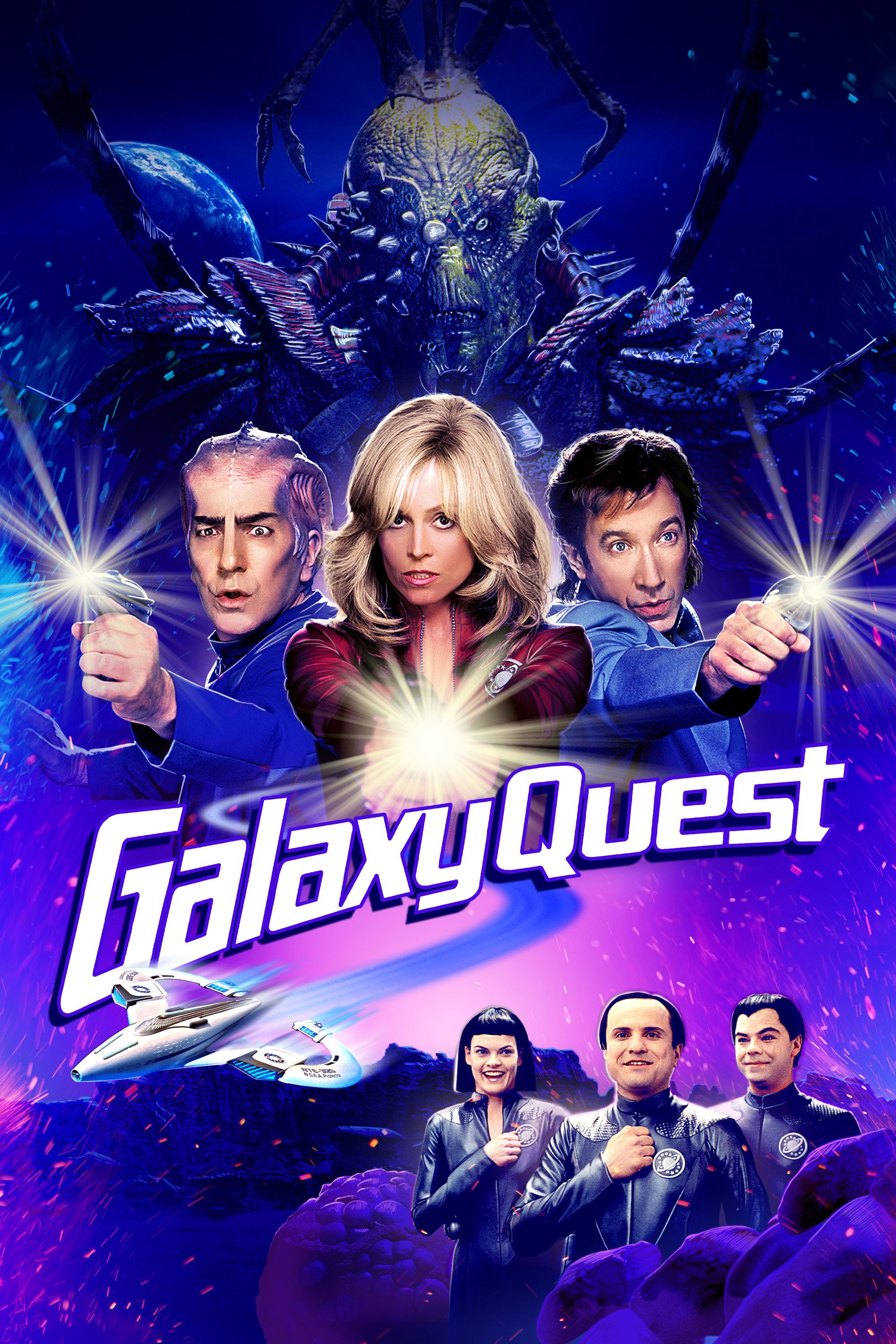
Galaxy Quest poster

Galaxy Quest

1999 · Affectionate science-fiction comedy that understands why a familiar crew matters.

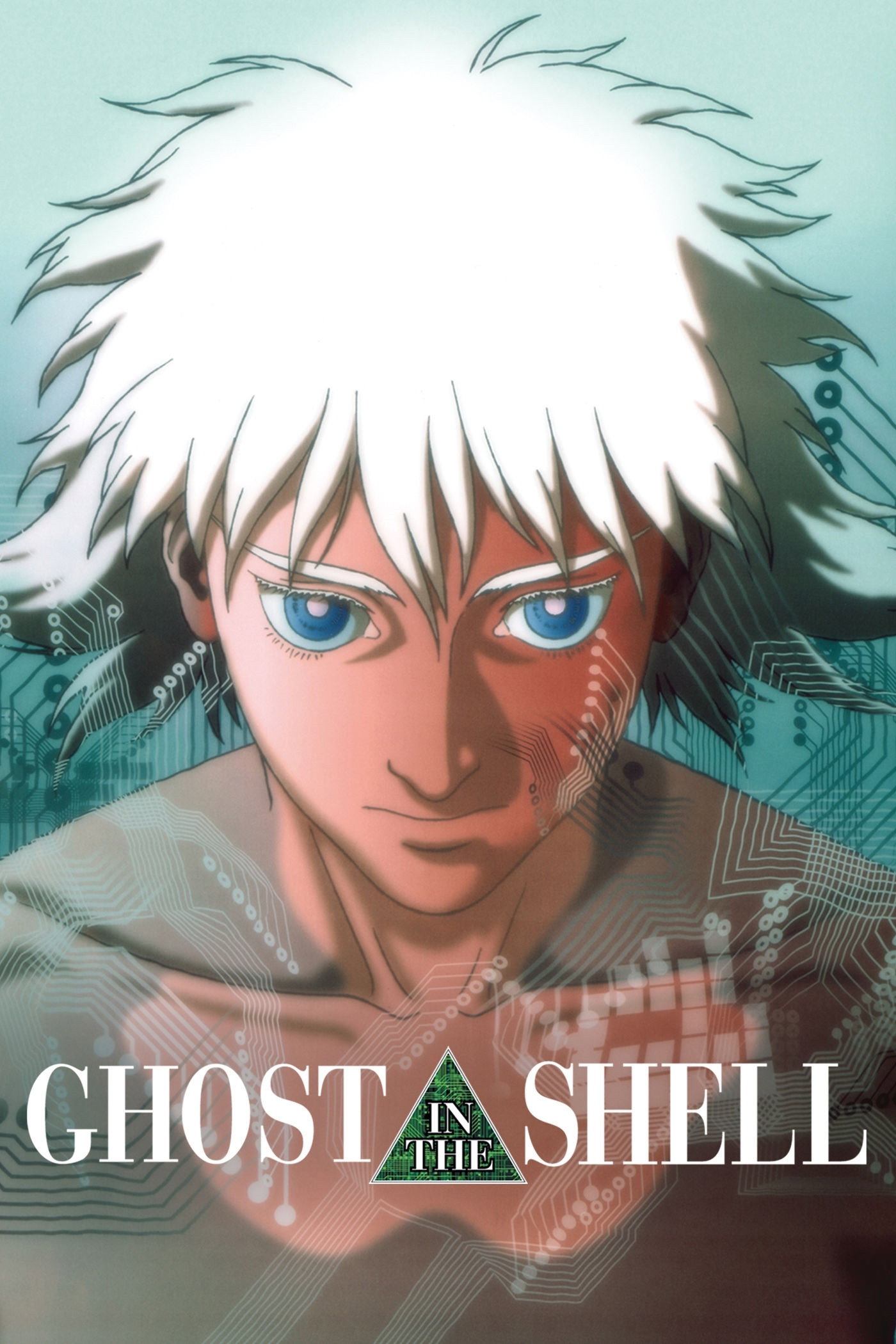
Ghost in the Shell poster83

Ghost in the Shell

1995 · Questions about bodies, machines and personhood, pursued with a colder eye.

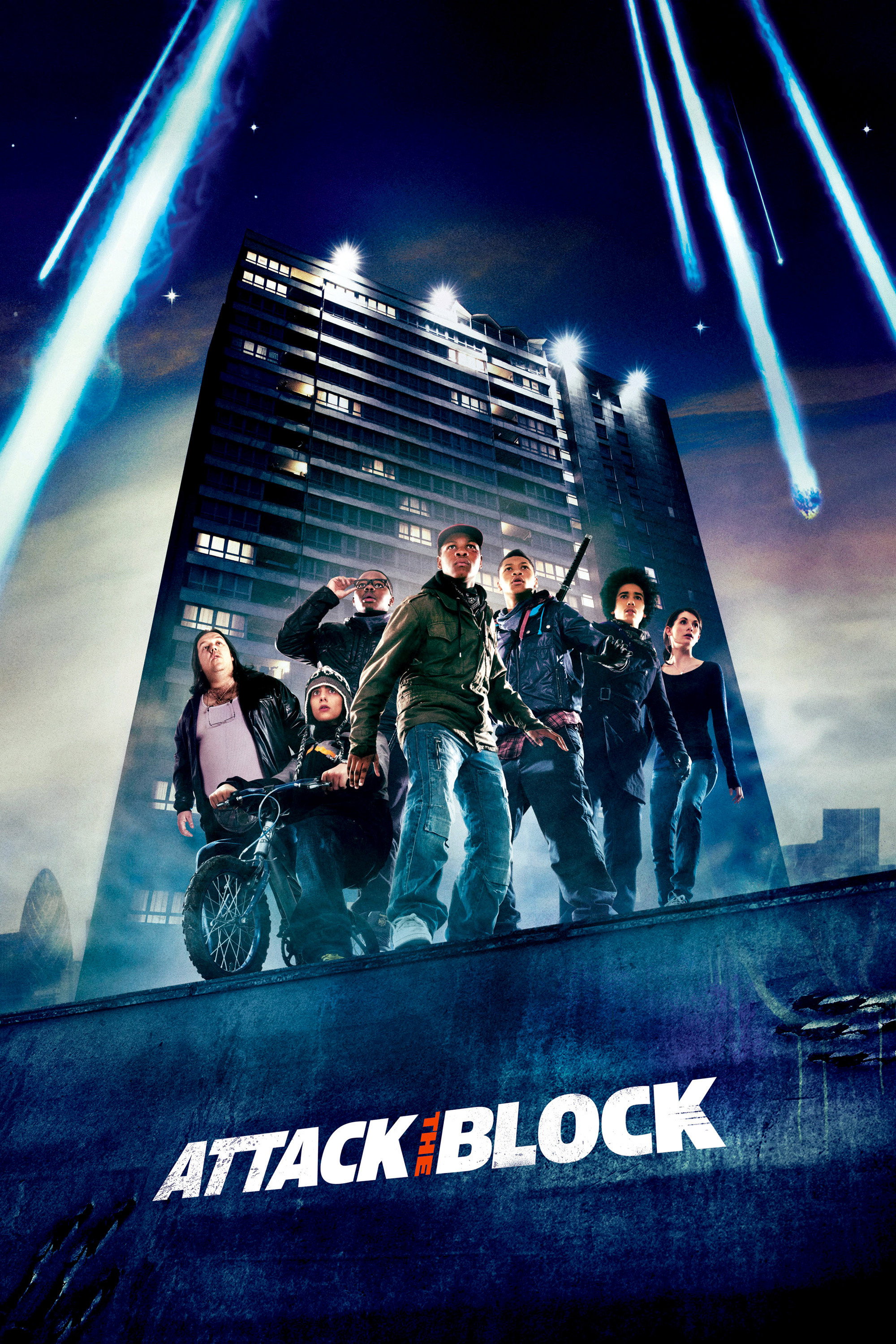
Attack the Block poster

Attack the Block

2011 · A threatened community, invading creatures and jokes that survive the danger.