Patrick Stewart’s crew take over the cinema series with a good villain, a fine first ten minutes and a script that cannot decide whether it is a thriller, a wake or a party for the fans. Watchable, handsome in a murky way, and never once urgent.
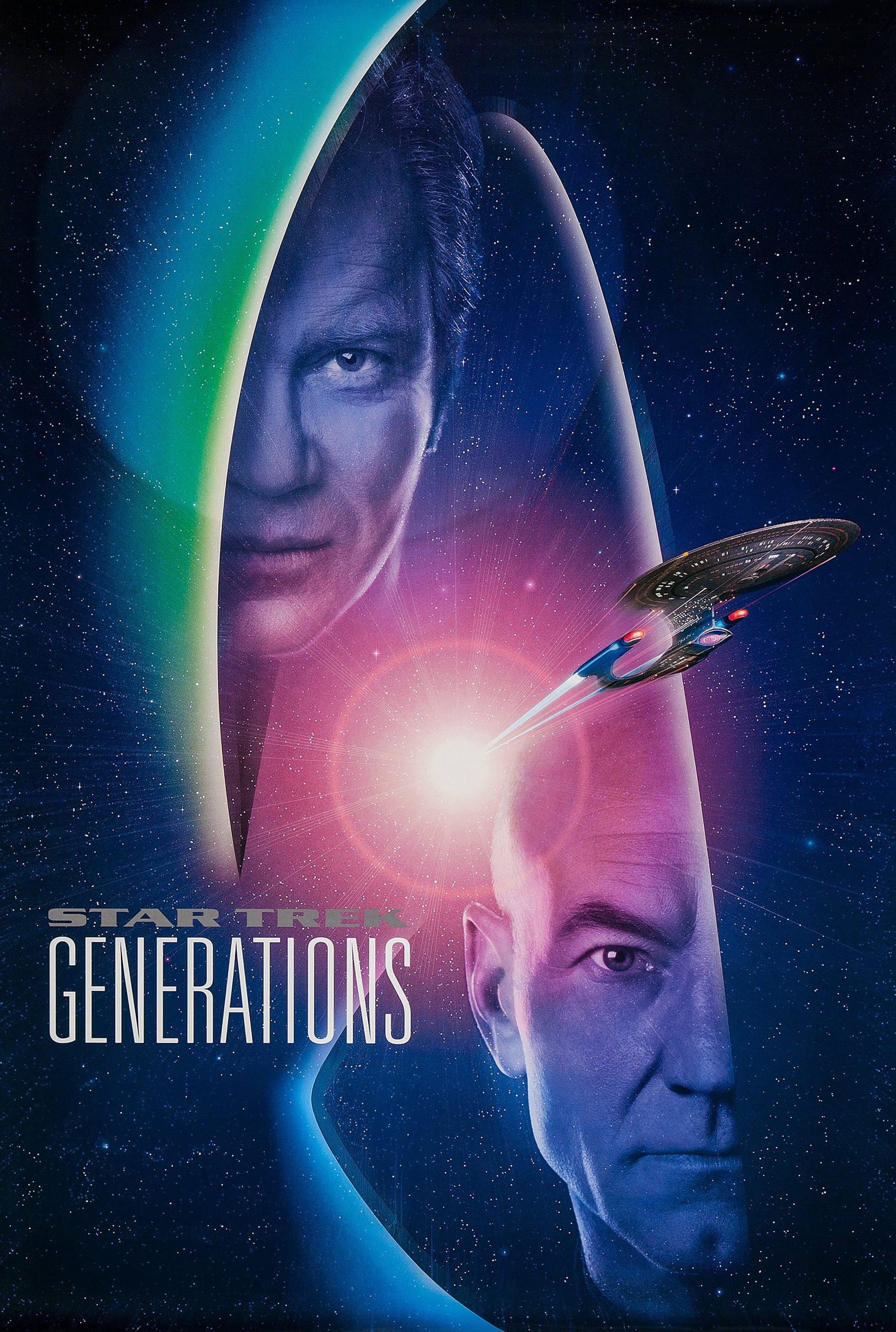
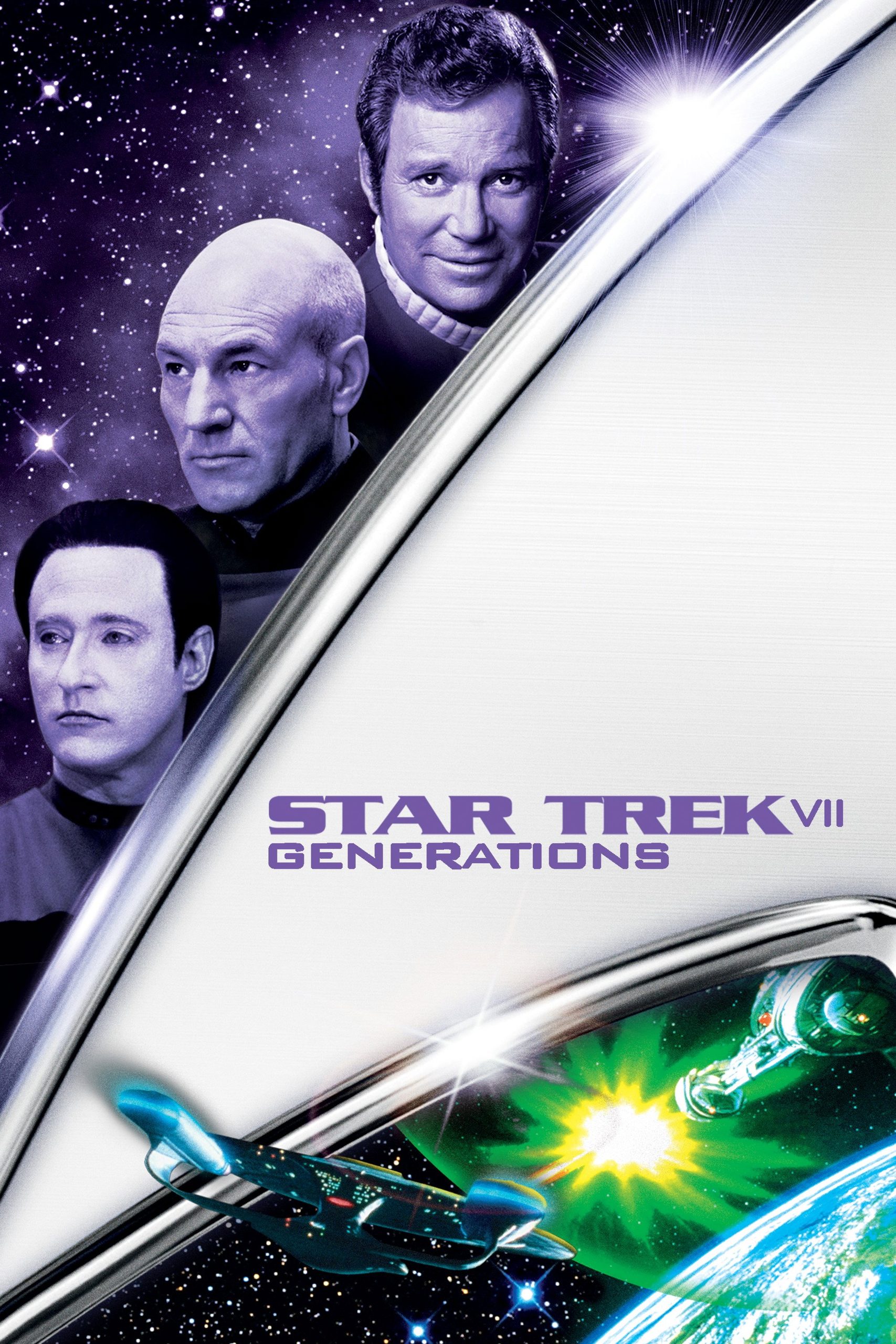
The job of Star Trek: Generations is to hand the cinema series from William Shatner’s crew to Patrick Stewart’s, and the film knows it. Rick Berman’s story, written up by Ronald D. Moore and Brannon Braga, opens with Captain James T. Kirk (Shatner) at the launch of a new Enterprise, passes the ship’s name to Captain Jean-Luc Picard (Stewart), and spends its 118 minutes trying to make a plot out of the handover. There is a villain, a threat and a ship in trouble, and none of it feels pressing. It is a decent television two-parter with bigger effects and dimmer lighting.
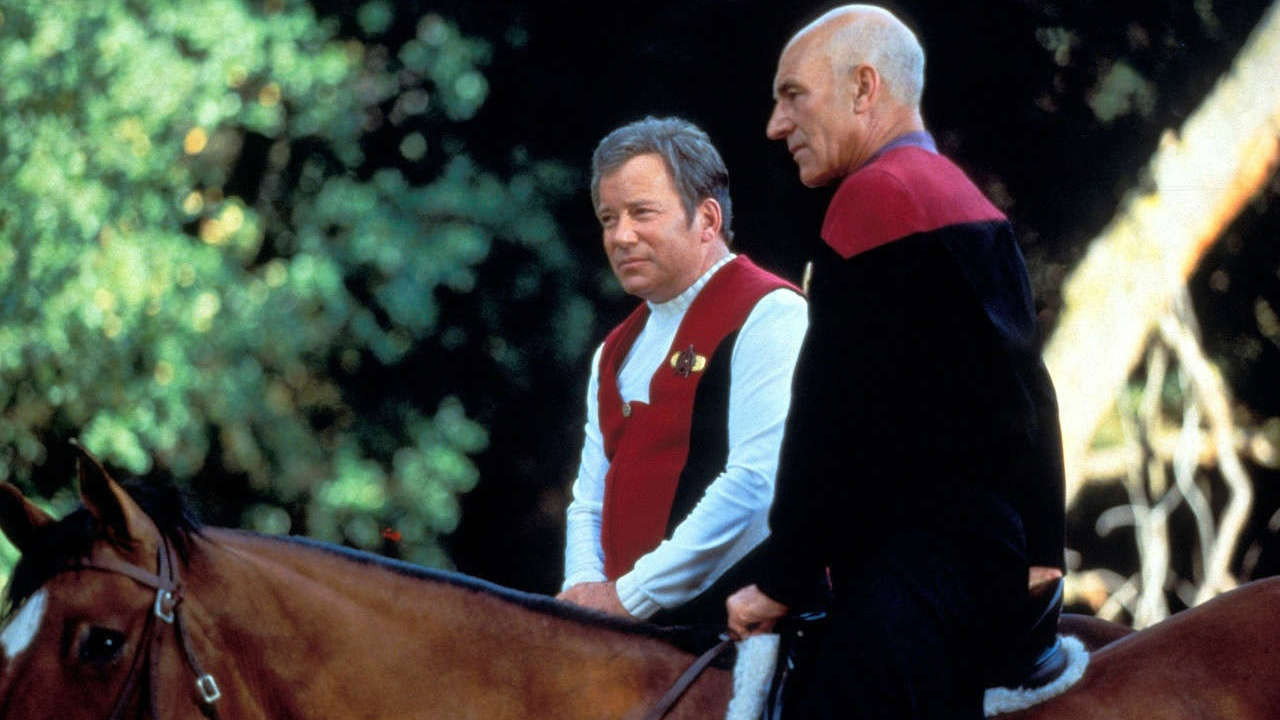
The opening is the best stretch. Kirk, Montgomery Scott (James Doohan) and Pavel Chekov (Walter Koenig) watch from the bridge while its new captain, John Harriman (Alan Ruck), tries to look as if he is in charge, and Ruck plays the humiliation well. The maiden voyage runs into the Nexus, and the rescue that follows is tense in a way the film never manages again. Peter E. Berger cuts it fast, Dennis McCarthy’s score keeps to the brass, and Shatner, given a last chance to be the man who fixes things, takes it without fuss.
Then the film leaps forward and settles in with the television crew, rather too comfortably. Data (Brent Spiner) has an emotion chip fitted and spends the middle hour laughing at nothing, trying drinks he dislikes and hiding under a console. Some of it is funny; most of it is Spiner doing a sketch. Worf (Michael Dorn) is promoted on a holodeck sailing ship and walked off a plank, and the joke is that people get wet. Riker (Jonathan Frakes), La Forge (LeVar Burton), Crusher (Gates McFadden) and Troi (Marina Sirtis) get a scene or two apiece.
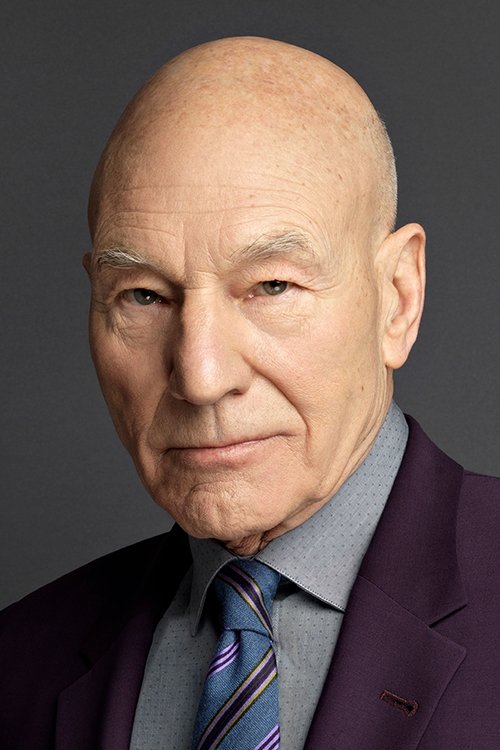
Stewart is the reason the middle holds at all. Picard receives news of a death in his family early on and the film gives him one long scene in his quarters with Troi. He plays it small, never raising his voice, and we were moved more than we expected to be by a man in a starship uniform looking through a box of photographs. Then the film cuts to Data and a cocktail, and the feeling goes.
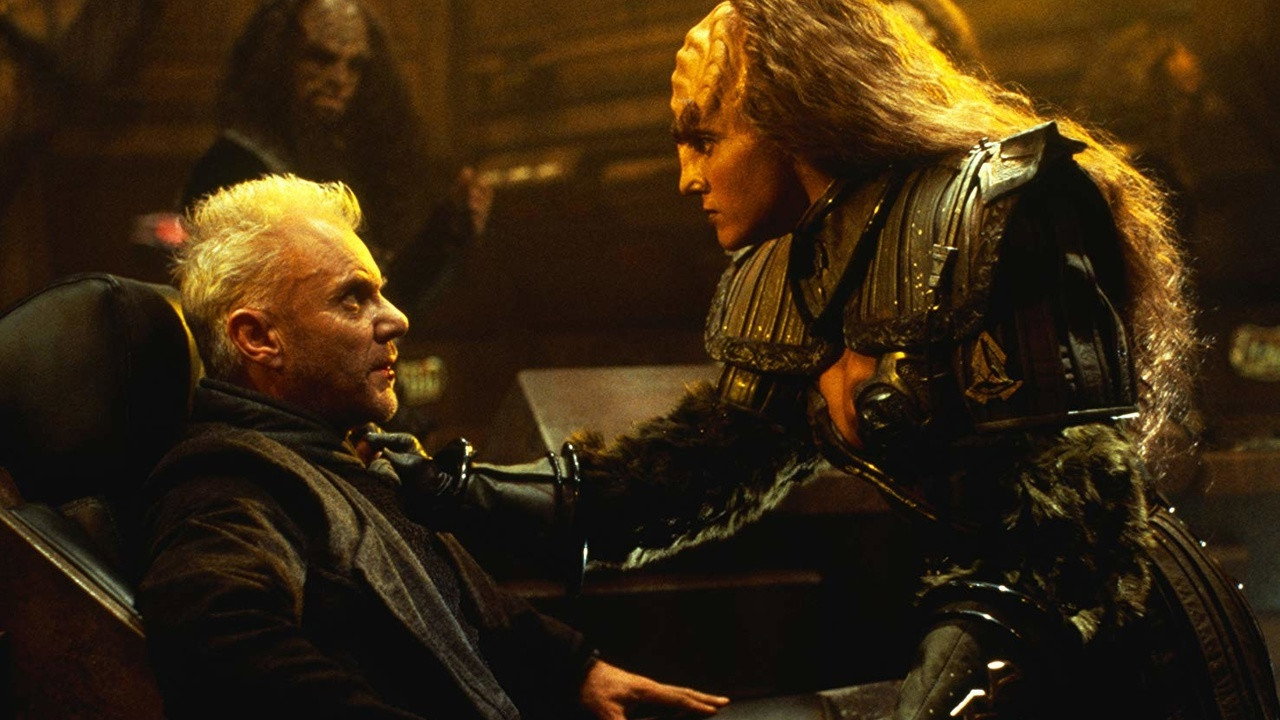
McDowell’s Soran is the other reason. He wants to get into the Nexus, and is prepared to knock stars out of the sky to do it, and McDowell plays him tired rather than mad, a man who has done the sums and finds them regrettable. His two scenes with Stewart, arguing about what time does to a person, are the only ones in the film where two people want something from each other. He is not on screen enough, and when he is the film keeps cutting away to check on the Klingons.
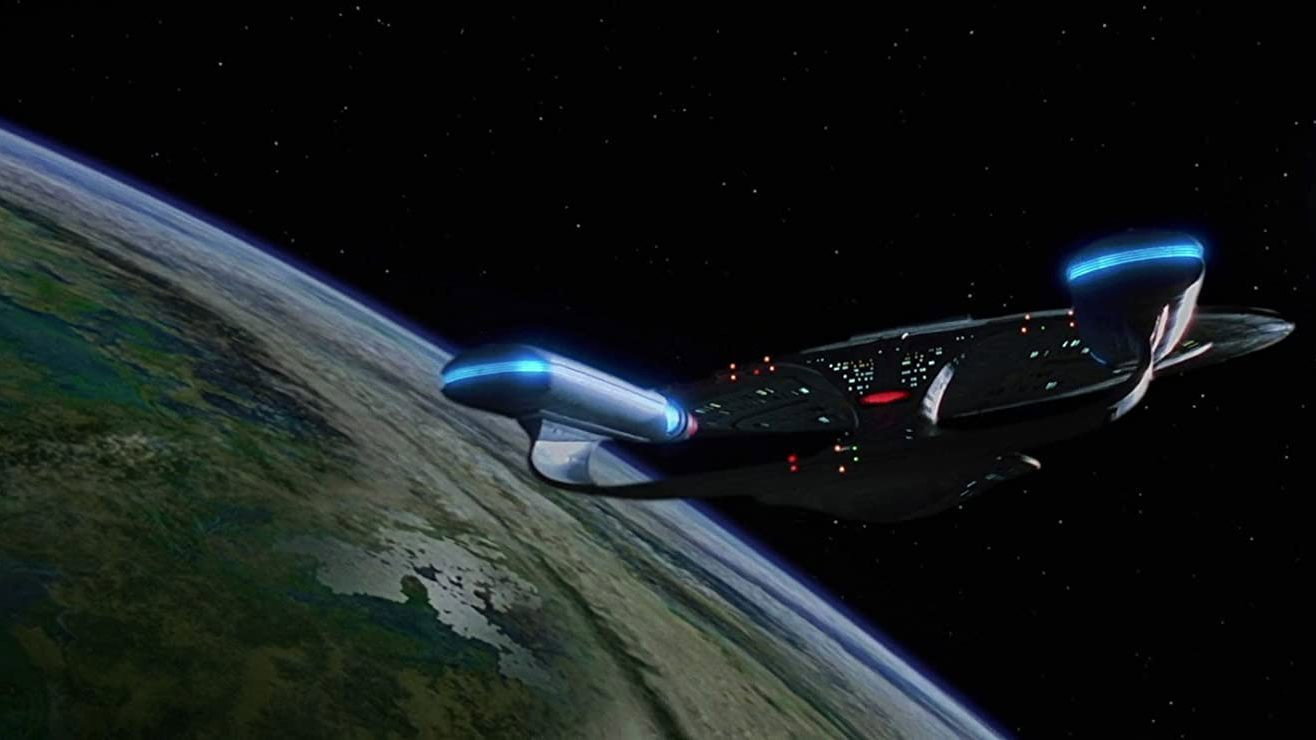
John A. Alonzo, who shot Chinatown, lights the Enterprise like a house at night: slats of light through blinds, deep shadow across the bridge, faces half lit. A bridge that looked like an open-plan office on television now looks like a submarine, and we kept wanting somebody to switch on a lamp. Herman F. Zimmerman’s sets and Robert Blackman’s uniforms are the television ones, better made, and the film’s biggest effect, the saucer coming down through an atmosphere, is a fine piece of model work that arrives after the story has run out of things to say.
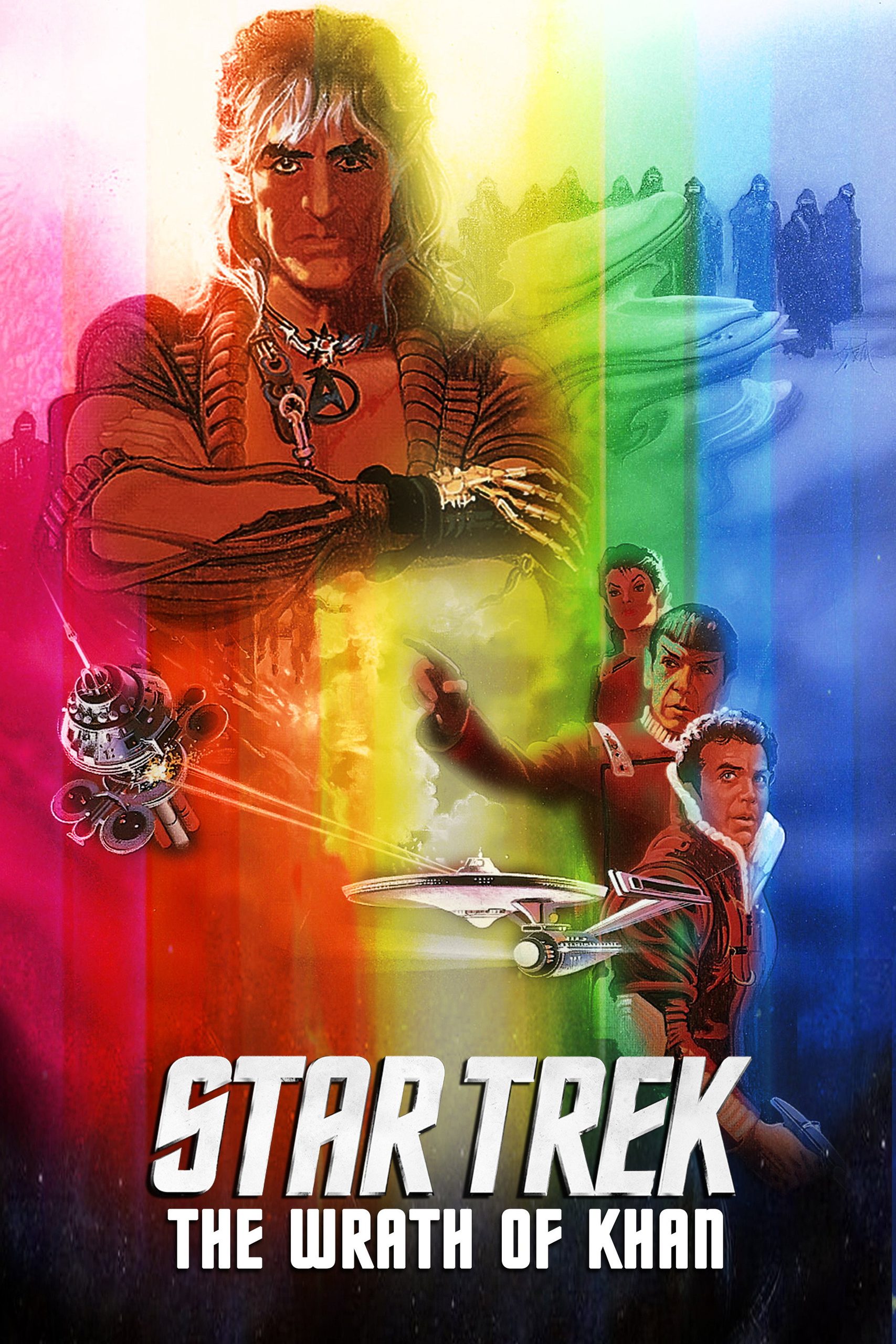
The second half takes a turn we will not describe, except that it brings the two captains together and gives them little to do. Star Trek II: The Wrath of Khan was about growing old and had one villain who hated one man. This one is about growing old too, says so several times, and never finds a story to carry the idea.
Most critics were harder on it than we are, and their complaint, that it is a film for people who already know these characters, is fair. If you do, there is a decent evening here: Ruck’s ten minutes, McDowell’s weary menace, Stewart with the photographs. For anyone else it is 118 minutes of pleasant people in a dark room talking about the Nexus, and the PG certificate is exact.